
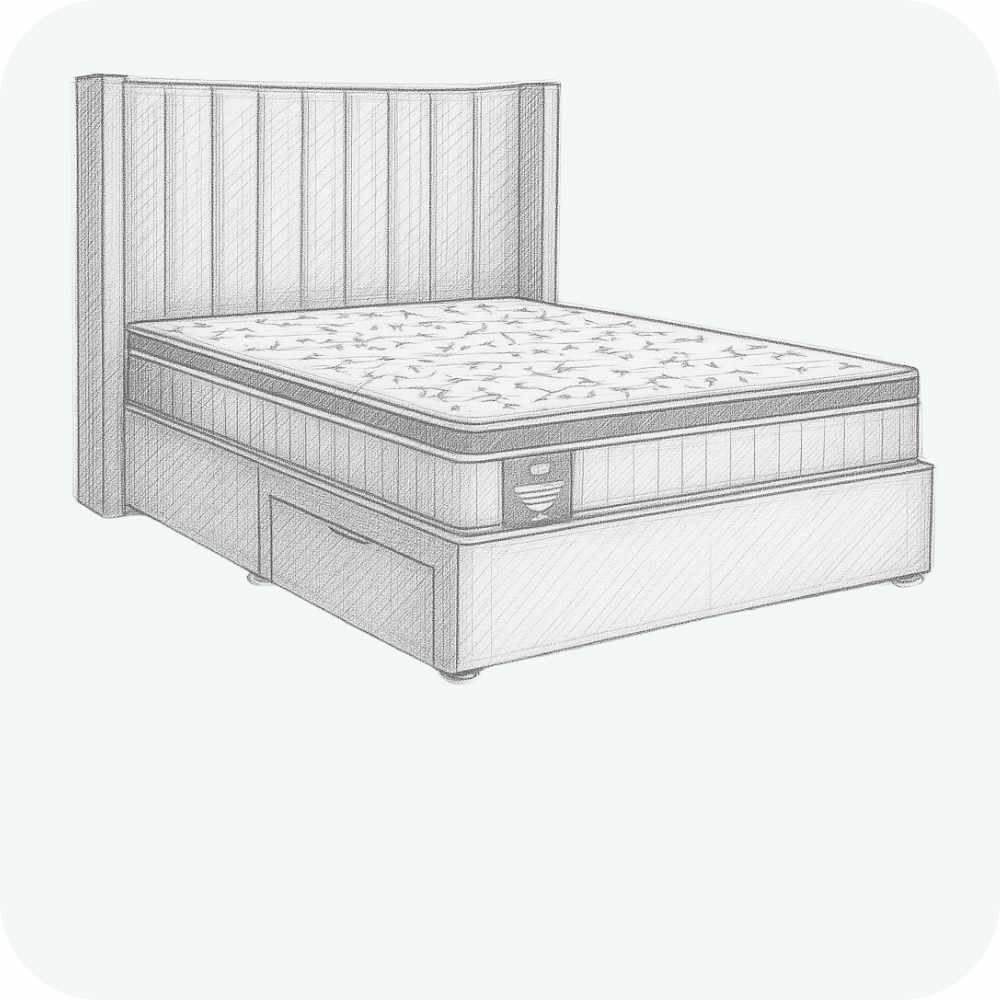



The Comfort Revolution: Why a Memory Foam Topped Mattress is the Top Memory Foam Mattress Choice?
Getting a good night’s sleep is more than just closing your eyes; it’s about giving your body the support and comfort it needs to recover. One of the most effective ways to ensure this is by choosing the right mattress. Over the past two decades, memory foam has changed the way people sleep, and today, the memory foam topped mattress has become the go-to choice for many households. When it comes to comfort, pressure relief, and durability, it is often considered the top memory foam mattress available.
In this article, we’ll dive deep into why this mattress style is so popular, how it is designed and explore its benefits.
What is a Memory Foam Topped Mattress?
A memory foam topped mattress combines a supportive base, often made of springs or high-density foam, with a thick memory foam layer on top. The upper layer responds to body heat and weight, molding itself to your unique shape. This ensures even distribution of weight, reducing pressure on sensitive joints and muscles.
Unlike traditional spring mattresses that push back against your body, the top memory foam mattress adapts to you. This contouring effect helps with spinal alignment and reduces discomfort caused by poor sleeping posture.
Composition of a Memory Foam Topped Mattress
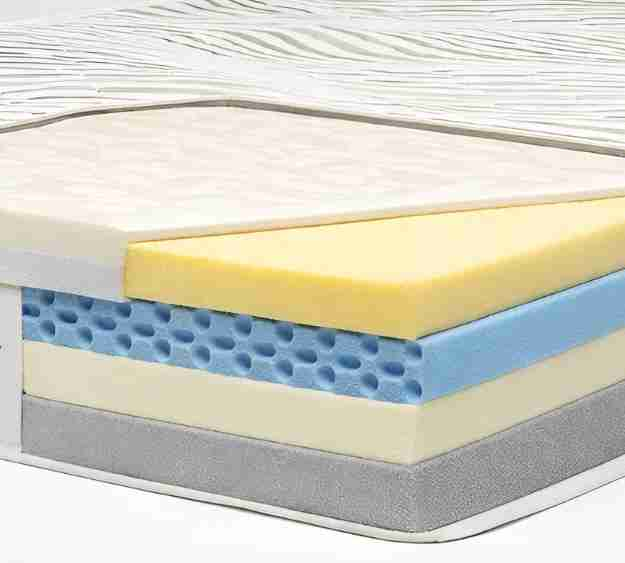
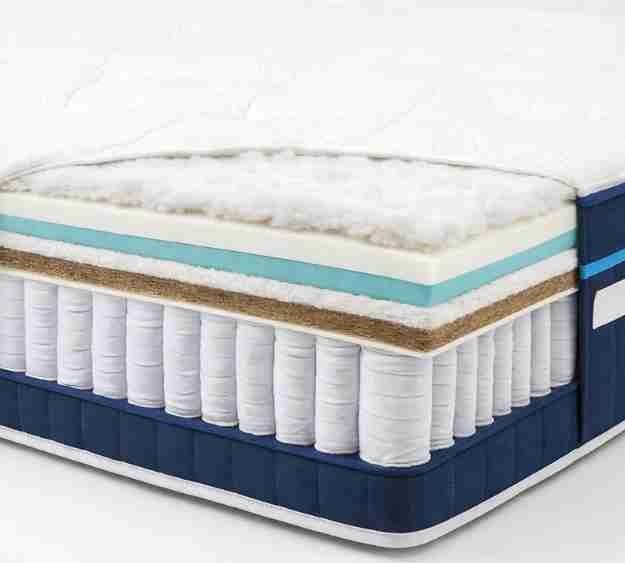
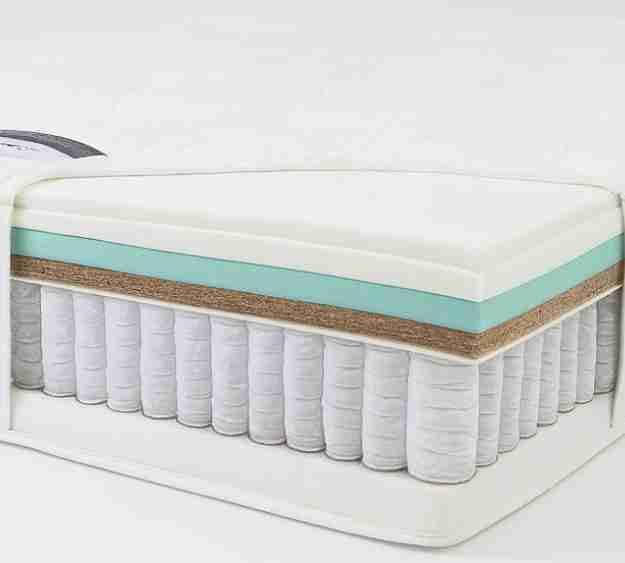
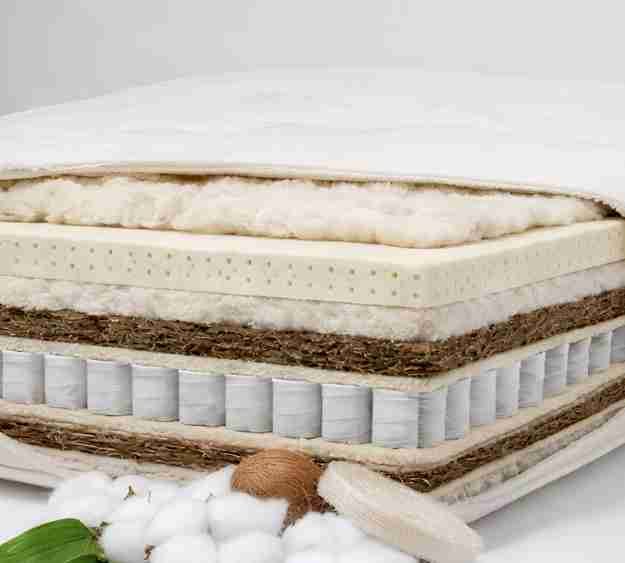
The quality of a memory foam topped mattress lies in its layered design. Each layer contributes to comfort, durability, and support:
- Comfort Layer (Memory Foam Top)
This is the star of the mattress. It’s made from viscoelastic foam that responds to body heat and pressure, contouring around you for personalized comfort. The thickness of this layer often ranges between 2 to 4 inches. - Transition Layer
Below the top foam, you’ll usually find a transition layer made from slightly firmer foam. This prevents you from sinking too deeply into the mattress and adds a supportive feel. - Support Core
The base is typically made from high-density polyfoam or pocketed coils in hybrid designs. This layer ensures stability, structural integrity, and long-lasting durability. - Breathable Cover
The outer fabric is often made with breathable materials like cotton blends, bamboo fibers, or cooling textiles. Some covers are infused with gel or phase-change materials to regulate temperature.
This combination of layers is what makes the top memory foam mattress both supportive and comfortable, ensuring restful nights. The Sleep Charity suggests creating a calming bedtime routine, such as dimming lights and avoiding screens, to prepare your body for a restful night’s sleep. Pairing this routine with a supportive mattress can improve sleep quality significantly.

Benefits of Choosing the Top Memory Foam Mattress
Here are the most valuable reasons why people continue to prefer a memory foam topped mattress:
- Personalized Comfort
The foam hugs your body, making you feel as though the mattress was designed just for you. - Excellent Spinal Alignment
By supporting your natural curve, the top memory foam mattress helps prevent back and neck pain. According to the Sleep Foundation, choosing a mattress that supports your natural spinal alignment is one of the most important steps for improving sleep quality
Motion Isolation
Ideal for couples, the foam absorbs movement so one partner’s turning doesn’t disturb the other. - Hypoallergenic Qualities
Dense foam deters dust mites and allergens, making it great for people with sensitivities. - Durability
With proper care, a memory foam topped mattress lasts longer than many traditional mattresses.
Memory Foam Topped Mattress vs. Other Mattress Types
To better understand the value, let’s compare the top memory foam mattress with other common mattress types:
| Feature | Memory Foam Topped Mattress | Hybrid Mattress | Latex Mattress |
|---|---|---|---|
| Comfort Level | High – contours to body | High – mixed feel | Medium-Firm |
| Motion Isolation | Excellent | Good | Fair |
| Spinal Support | Excellent | Good | Good |
| Allergen Resistance | High | Medium | High |
| Price Range | Mid to High | Mid to High | High |
From this comparison, it’s clear that the memory foam topped mattress is a strong competitor, especially for sleepers who want pressure relief and minimal motion transfer.
How to Choose the Right Memory Foam Topped Mattress
With so many options on the market, finding the top memory foam mattress can be overwhelming. Keep these tips in mind:
- Thickness of Foam Layer: Thicker foam means more comfort.
- Firmness Level: Side sleepers usually prefer medium-soft, while back or stomach sleepers may prefer medium-firm.
- Cooling Technology: Look for gel-infused or breathable foam to prevent overheating.
- Budget vs. Quality: While it’s tempting to go for the cheapest option, investing in a high-quality memory foam topped mattress will save you from replacing it too soon.
Caring for Your Mattress
Once you’ve invested in the top memory foam mattress, you’ll want it to last. Here are simple maintenance tips:
- Use a mattress protector to guard against spills and dust.
- Rotate the mattress every 3–6 months to prevent sagging.
- Keep it clean by vacuuming occasionally.
- Allow it to breathe by uncovering it once in a while.
These steps will help your memory foam topped mattress remain in excellent shape for years.
Why is the Top Memory Foam Mattress Worth the Investment?
A mattress isn’t just furniture, it’s a wellness tool. Choosing a memory foam topped mattress means choosing better sleep, fewer aches, and improved daily performance. Most users notice:
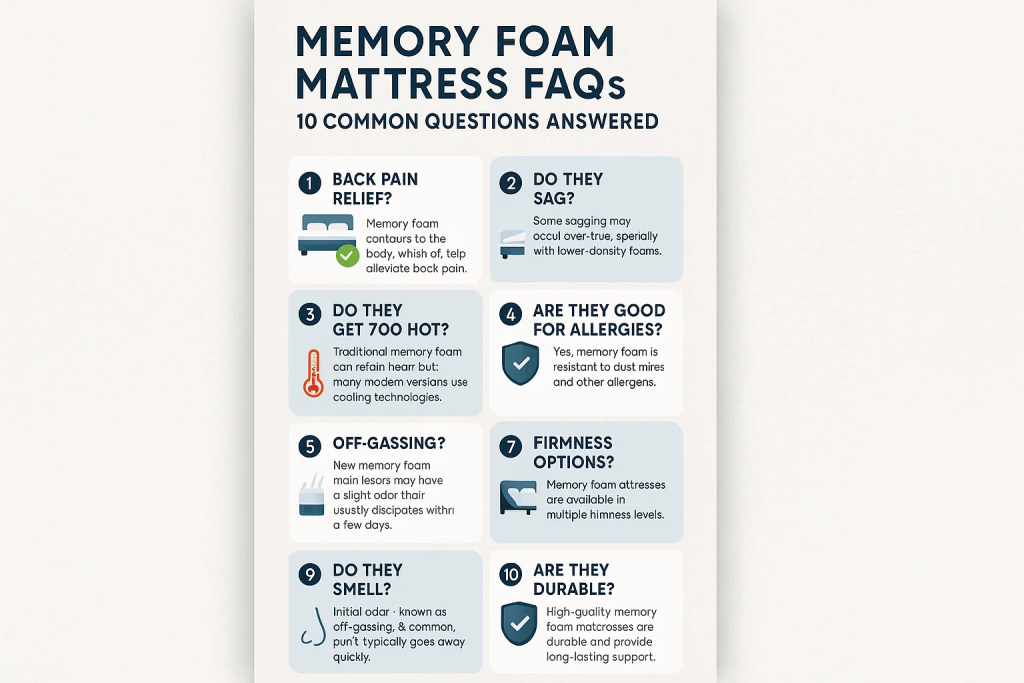
- Reduced back and joint pain.
- Deeper, more restorative sleep.
- Better mood and energy levels.
When compared to cheaper mattresses that lose shape quickly or cause discomfort, the top memory foam mattress proves to be a wise long-term investment.
Final Thoughts
The sleep industry is filled with countless mattress types, but few can compete with the balance of comfort, support, and durability offered by the memory foam topped mattress. For anyone who values restful nights and energetic mornings, this is truly the top memory foam mattress worth considering.
From pressure relief to motion isolation, the advantages are clear. Whether you’re upgrading an old bed or buying your first premium mattress, choosing a memory foam topped mattress could be one of the best decisions you make for your health and well-being. If you’re ready to experience the comfort yourself, you can also check out our products.
Frequently Asked Questions (FAQs)
Q1: How long does a memory foam topped mattress last?
A high-quality memory foam topped mattress can last 8–10 years with proper care.
Q2: Does memory foam get too hot?
Older models did retain heat, but most modern top memory foam mattresses now include cooling technology like gel layers or breathable covers.
Q3: Is it good for people with back pain?
Yes, it’s one of the best choices. The foam keeps your spine aligned and reduces pressure on your back.
Q4: Can I use it on any bed frame?
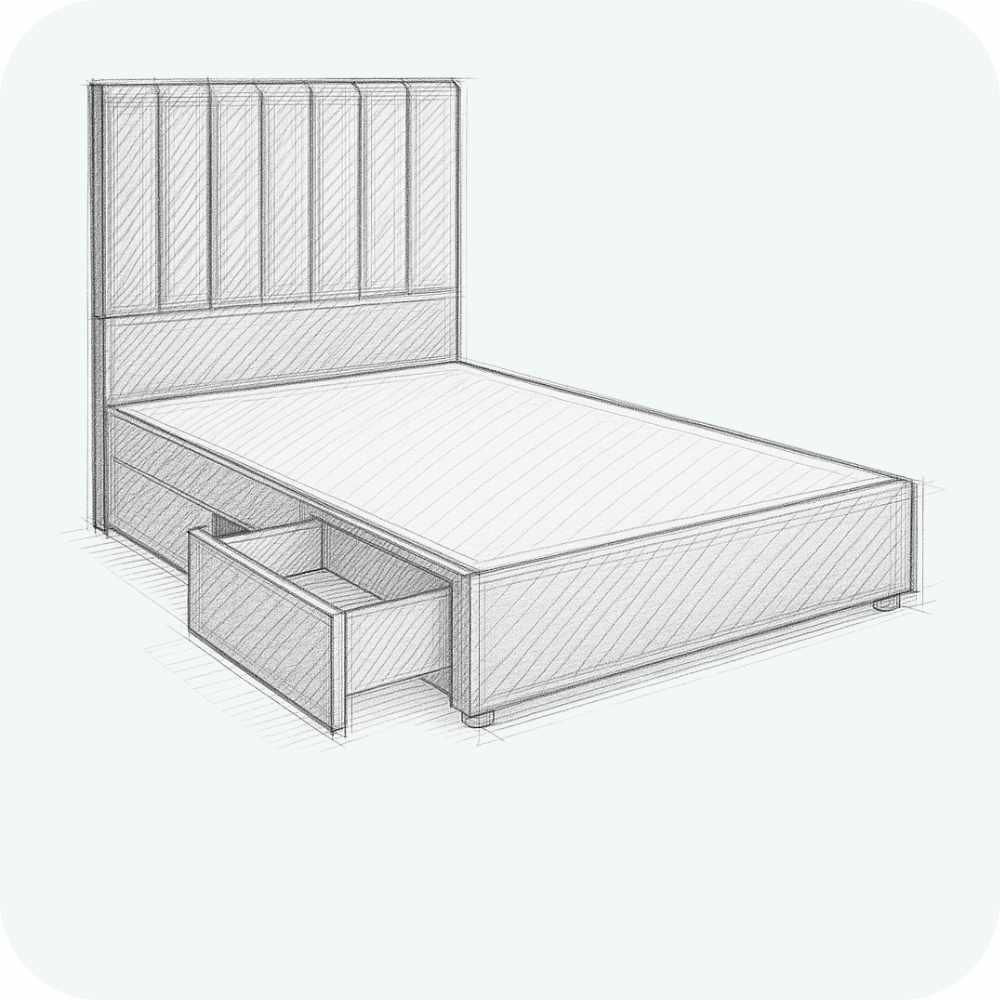
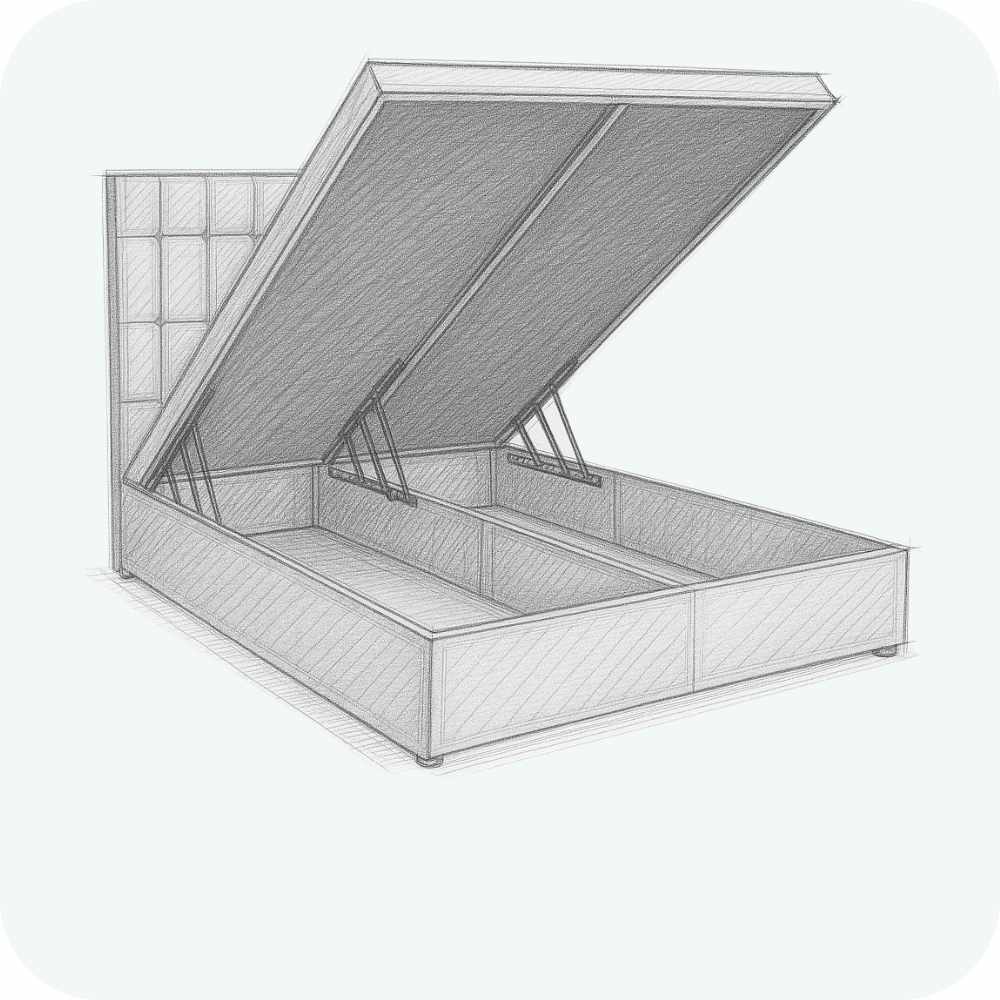
Most memory foam topped mattresses work well on platform beds, slatted bases, or adjustable frames. Just ensure the foundation is sturdy.
Q5: Is it safe for kids or elders?
Absolutely. Its supportive yet soft design makes it comfortable for people of all ages. Elders often appreciate the pain relief it provides.
Q6: How do I know if it’s the top memory foam mattress for me?
If you wake up sore, toss and turn at night, or feel your partner’s movement constantly, switching to the top memory foam mattress may solve those issues