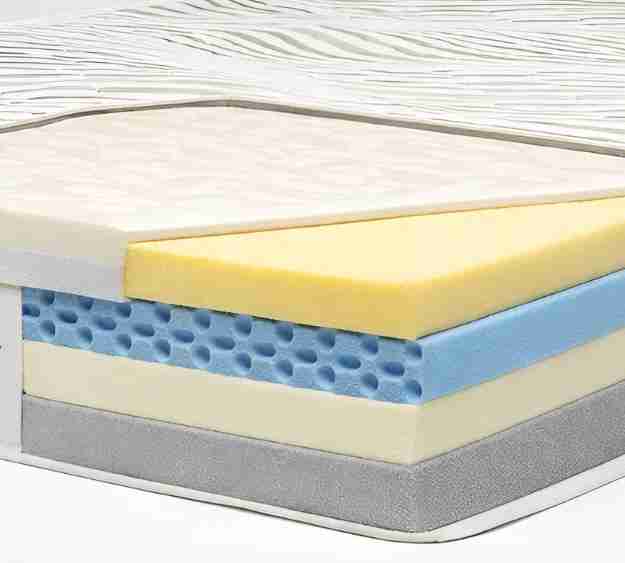
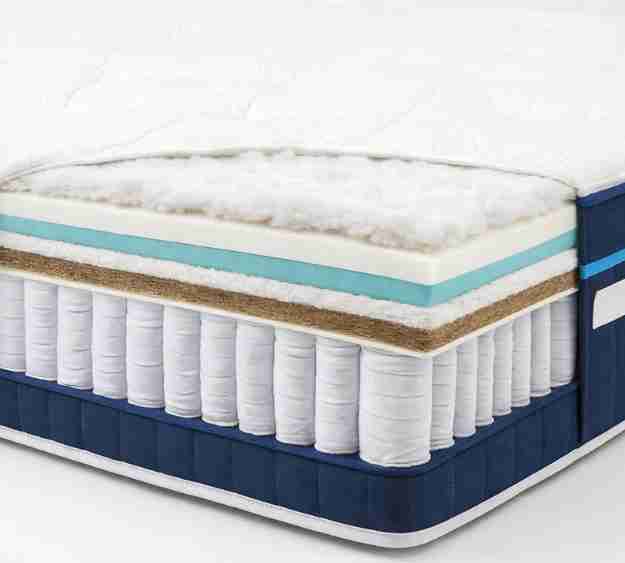
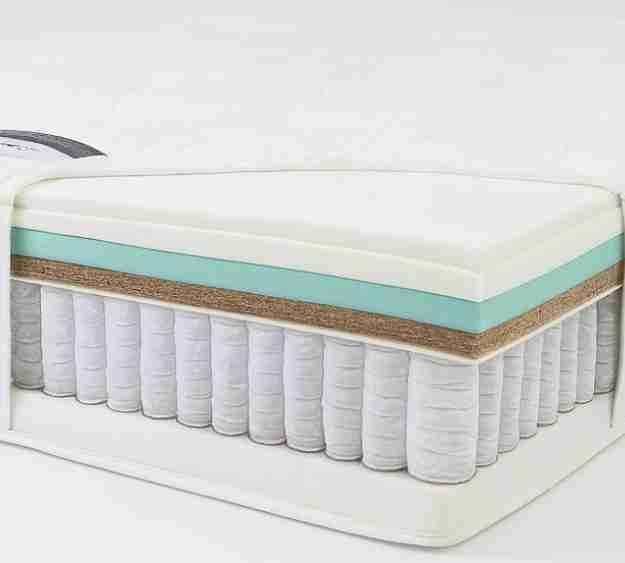
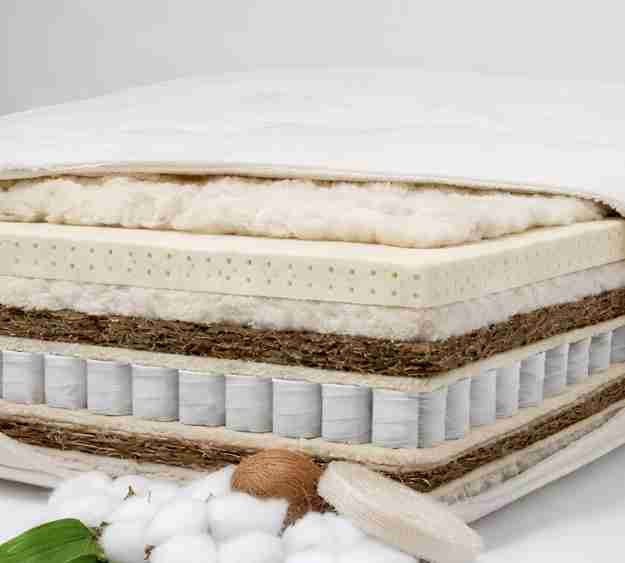

The word “vegan” has jumped far beyond food menus. It’s now proudly stamped on everything from handbags to household cleaners and yes, even mattresses. Mattress brands have realised that the vegan label can instantly make a product sound more ethical, sustainable, and premium. But here’s the truth: just because a mattress is marketed as vegan doesn’t necessarily mean it’s 100% animal-free, eco-friendly, or healthier for you.
In fact, there’s a growing suspicion that “vegan” in the mattress industry may sometimes be little more than a clever marketing play, a form of greenwashing designed to appeal to conscious consumers without offering full transparency.
What Exactly Is a Vegan Mattress?
A vegan mattress is generally marketed as free from all animal-derived materials. This means it avoids traditional mattress components such as:
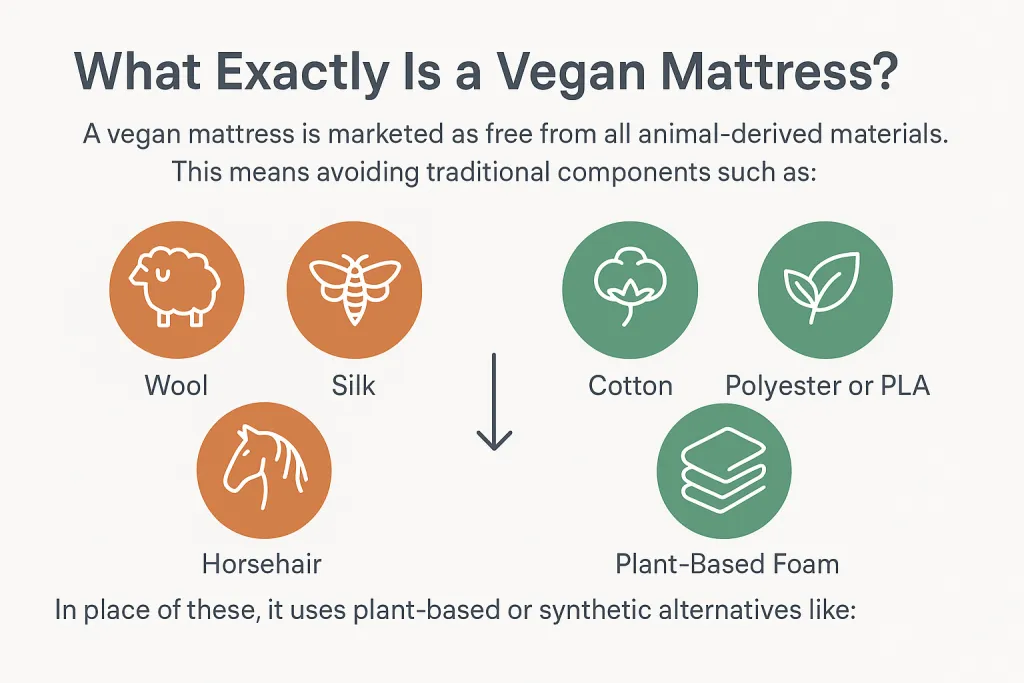
- Wool (often used for padding or temperature regulation)
- Silk (sometimes used in quilting layers)
- Horsehair (used in high-end luxury mattresses for structure and bounce)
- Cashmere, alpaca, or camel hair (used for insulation)
Instead, vegan mattresses use plant-based or synthetic alternatives such as:
- Cotton, hemp, or bamboo fibre covers
- Polyester or PLA (corn-based) padding
- Plant-based foams or synthetic latex
On the surface, that sounds ethical but the vegan claim often stops short of explaining other key components like adhesives, dyes, and flame retardants, which may not be plant-based.
Vegan vs. Natural vs. Organic vs. Latex Mattresses, Not the Same Thing
Here’s where the mattress industry gets murky. Many brands blur the lines between these terms, and customers often assume they mean the same thing. They don’t.
| Type | Main Meaning | Animal‑Free? | Eco‑Friendly? | Certifications to Look For |
|---|---|---|---|---|
| Vegan Mattress | No animal‑derived materials. | Yes (in theory). | Not always; could still use synthetic, petroleum‑based foams and chemicals. | Vegan Society, PETA Approved Vegan. |
| Natural Mattress | Uses natural materials (cotton, wool, latex) but may include animal fibres. | No; can include wool, silk, etc. | Often more eco‑friendly than synthetic builds. | GOTS (for cotton/wool), FSC (for latex). |
| Organic Mattress | Made from certified organic materials grown without pesticides/chemicals. | No guarantee; organic wool is still wool. | Yes; generally higher eco standards. | GOTS, GOLS. |
| Latex Mattress | Made with natural or synthetic latex foam. | Possibly; depends if blended with wool in the build. | Natural latex is eco‑friendly; synthetic latex is petroleum‑based. | GOLS for organic latex. |
Key takeaway: A mattress can be organic but not vegan. It can be vegan but full of synthetic materials. And naturaldoesn’t always mean eco-friendly.
The Hidden Side of “Vegan” Marketing in Mattresses
Even if a mattress avoids wool or silk, there are other areas where vegan claims may be misleading:
1. Adhesives & Glues
Many mattresses use adhesives to bind layers together, some of these are derived from animal proteins. Brands rarely disclose the source unless pressed.
2. Flame Retardants
The UK has strict fire safety laws (BS 7177). While some brands use plant-based or mineral fire barriers, others rely on chemical retardants that have no relation to “vegan ethics” and can affect indoor air quality.
3. Dyes & Fabric Treatments
That beautiful white cover or dyed quilting pattern? The dyeing process can involve non-vegan substances, even if the final fabric is plant-based.
4. Certification Loopholes
“Vegan” is not a regulated term in the mattress industry. Some brands self-declare it without independent verification. Look for The Vegan Society or PETA Approved Vegan for credible proof.
Are Vegan Mattresses Always Eco-Friendly?
Not necessarily. Many vegan mattresses rely heavily on petroleum-based foams, which are neither biodegradable nor low-carbon to produce. In contrast, a mattress with organic wool may technically be non-vegan but could be far more sustainable overall.
This is where the “vegan = sustainable” idea starts to fall apart. Sometimes it’s an ethical win but an environmental loss.
How the Vegan Label Can Be a Premium Pricing Tactic
By tapping into the ethical consumer market, brands can charge a premium for a mattress labelled “vegan”, even if it’s made with cheaper synthetic materials. The perception of higher ethics often allows for higher markups, even when the actual cost of production doesn’t justify it.
This is marketing psychology 101: people pay more for a story.
| Brand | Type | Animal-Free | Main Materials | Certifications | Starting Price (King Size) | Trial Period | Warranty | Transparency |
|---|---|---|---|---|---|---|---|---|
| Luxe Mattresses | Natural / Organic Options | ✔ Vegan Options Available | Natural latex, organic cotton, plant-based foams, wool-free on vegan models | GOTS, GOLS, OEKO-TEX | £699 | 100 nights | 10 years | Full layer-by-layer material disclosure |
| Vispring | Luxury Natural | ✘ (Uses wool, horsehair) | Wool, cotton, horsehair, pocket springs | GOTS (cotton), FSC | £2,500+ | No trial in UK | 30 years | Partial disclosure |
| Hypnos | Natural / Organic | ✘ (Uses wool) | Wool, cotton, hemp, pocket springs | GOTS, FSC | £1,200+ | 100 nights (retailer dependent) | 10 years | Partial disclosure |
| Winstons Beds | Luxury Natural | ✘ (Uses wool, horsehair) | Wool, alpaca, cotton, horsehair | GOTS (cotton) | £1,800+ | 60 nights | 30 years | Partial disclosure |
| Simba | Hybrid (Vegan Options) | ✔ Vegan Options Available | Polyester, synthetic foams, springs | OEKO-TEX | £849 | 200 nights | 10 years | Limited details on adhesives & treatments |
| Emma | Hybrid / Foam (Vegan) | ✔ Vegan | Foam (synthetic), polyester, springs | OEKO-TEX | £779 | 200 nights | 10 years | Limited details on flame retardants |
| Sealy | Hybrid / Natural | ✘ (Wool in some models) | Foam, springs, wool blends | CertiPUR | £699 | 60 nights (retailer dependent) | 5–10 years | Minimal disclosure |
Practical Tips to Verify a Vegan Mattress Claim
- Ask for Full Material Disclosure: Every layer, from the cover to the core.
- Check for Recognised Certifications: Vegan Society, PETA, GOTS, GOLS.
- Investigate Flame Retardant Methods: Natural wool alternatives vs. chemicals.
- Understand the Trade-Offs: Is it animal-free but loaded with synthetics?
- Compare Against Your Values: Is sustainability, health, or ethics your priority?
Final Thoughts
Vegan mattresses aren’t inherently bad in fact, for those avoiding animal products for ethical reasons, they’re a welcome option. But don’t assume “vegan” automatically means healthier, greener, or better quality. In some cases, a high-quality natural or organic mattress (even one with ethically sourced wool) may offer superior durability, sustainability, and comfort.
When shopping, look past the label. Ask questions. Check certifications. And remember a vegan logo on the website doesn’t always mean the whole truth is on the mattress.
Frequently Asked Questions
1) What is a vegan mattress?
A vegan mattress avoids animal‑derived materials such as wool, silk, horsehair, cashmere, and alpaca. Fabrics and fills are typically plant‑based (e.g., cotton, hemp, bamboo) or synthetic (e.g., polyester, foams). True vegan claims should also consider adhesives, dyes and finishes that might contain animal derivatives.
2) Is a vegan mattress the same as a natural or organic mattress?
No. “Vegan” means animal‑free; it does not guarantee natural or organic content. “Natural” refers to materials of natural origin (like wool or latex) and may include animal fibres (so not vegan). “Organic” means certified to organic standards (e.g., GOTS, GOLS) and may still include organic wool (so not vegan).
3) Are vegan mattresses always eco‑friendly or healthier?
Not always. Some vegan mattresses rely on petroleum‑based foams and synthetic fabrics. Eco‑friendliness depends on the full bill of materials, certifications, emissions testing (e.g., OEKO‑TEX, CertiPUR‑US/EuroPUR), durability, and end‑of‑life impact—not the vegan claim alone.
4) What certifications should I look for?
Vegan: The Vegan Society, PETA Approved Vegan. Organic: GOTS (textiles), GOLS (latex). Safety/Emissions: OEKO‑TEX Standard 100, CertiPUR‑US/EuroPUR (foams). Responsible sourcing: FSC (latex supply chain). Always verify the scope: whole product vs specific layers.
5) How do UK fire safety rules affect vegan and organic mattresses?
Mattresses sold in the UK must comply with applicable fire regulations (e.g., BS 7177 for domestic mattresses). Compliance can be achieved using fabric barriers, treatment back‑coatings, or material blends. Vegan/organic options may use wool‑free barriers; request written confirmation of the exact FR method used.
6) Is latex vegan? What’s the difference between natural and synthetic latex?
Natural latex (from rubber tree sap) is plant‑based and vegan by itself, but the mattress may not be vegan if combined with wool layers. Synthetic latex is petroleum‑derived. For organic latex, look for GOLS. If you want a vegan build, confirm there’s no animal fibre anywhere in the stack.
7) Are “vegan” claims sometimes marketing spin (greenwashing)?
They can be. Some products are animal‑free but still rely on heavy synthetics or undisclosed chemicals. Ask for full layer disclosure, certifications, and FR details. A credible vegan claim should be third‑party verified and transparent about adhesives, dyes, and back‑coatings.
8) Natural vs organic: which should I choose?
Natural typically offers breathable, durable fibres (wool, cotton, natural latex), but may not be certified organic. Organic ensures certified farming and processing standards (e.g., GOTS, GOLS). If pesticide reduction and traceability matter most, organic is stronger; if feel and price are key, a high‑quality natural mattress may suffice.
9) Do vegan mattresses off‑gas less than foam mattresses?
Not necessarily. Off‑gassing depends on the chemicals used in foams, adhesives, and finishes—vegan or not. To reduce odour and VOC exposure, look for emissions testing (OEKO‑TEX Standard 100; CertiPUR‑US/EuroPUR for foams) and low‑VOC adhesives.
10) Which option is best for hot sleepers?
Natural latex and breathable fibre stacks (cotton, linen, wool alternatives) generally regulate temperature well. Hybrids with open‑cell foams, airflow channels and moisture‑wicking covers can also help. Vegan builds can be cool if designed with airflow—not all‑foam constructions are equal.
11) What about allergies and sensitivities?
Choose hypoallergenic covers, removable/washable protectors, and certified low‑emission materials. If you’re sensitive to animal fibres, a vegan build avoids wool or hair. If you’re sensitive to certain foams or FR chemicals, request exact specifications and relevant test certificates.
12) How do price and durability compare across types?
Luxury natural/organic builds (e.g., high GSM fibres, hand side‑stitching) command higher prices but can be very durable. Latex (especially natural/organic) is long‑lasting with great support retention. Vegan synthetics can be cheaper upfront but vary widely in density, resilience and lifespan—check specs, not just labels.
13) How can I verify a brand’s claims before buying?
Ask for a layer‑by‑layer spec sheet, independent certificates (GOTS/GOLS, OEKO‑TEX, Vegan Society, FSC), and the exact FR compliance method for BS 7177. Use home trials and clear warranties to validate comfort and quality over time.
14) Can I get a vegan mattress that’s also organic?
Yes—look for combinations like GOTS‑certified organic cotton covers and GOLS‑certified organic latex comfort layers, with wool‑free fire barriers and verified vegan adhesives/dyes. Ensure the entire assembly—not just single components—meets your vegan and organic criteria.

Roman is a seasoned expert in mattress development with over a decade of experience in sleep technology, material innovation, and product engineering. He has played a key role in designing and refining sleep solutions for leading mattress brands, with a deep focus on ergonomics, pressure relief, and sleep quality optimization.
With a background in product design and biomechanics, Roman combines scientific research with hands-on development to create mattresses that address real-world sleep issues—from spinal alignment to temperature regulation. His work has contributed to several award-winning mattress lines known for their comfort, durability, and user satisfaction.