

Waking up hot, sticky, and restless? You’re not the only one. Whether it’s a muggy summer night or the central heating’s cranked too high in winter, sleeping hot can ruin your rest. But there’s good news: a few practical changes can help you achieve cooler sleep, whatever the season.
In the UK, where the weather never quite makes up its mind, getting your bedroom temperature right is key to improving your sleep environment. From breathable bedding and cooling mattresses to clever ventilation tricks, we’ve gathered the best tips to help you stay cool, comfortable, and undisturbed all night.
Why Sleeping Cooler Matters?
First, let’s look at the science. Your body temperature naturally dips when you’re asleep. If your bedroom is too warm, it interferes with that process, making it harder to falland stayasleep. According to the Best Advice, an ideal sleep temperature is around 16–18°C. Much warmer than that, and you’re more likely to toss and turn.
Overheating can also disrupt the deeper stages of sleep, which are essential for mental and physical recovery. If you’re waking up groggy or feeling like you haven’t slept at all, heat could be part of the problem.
1. Choose a Mattress Designed for Cooler Sleep
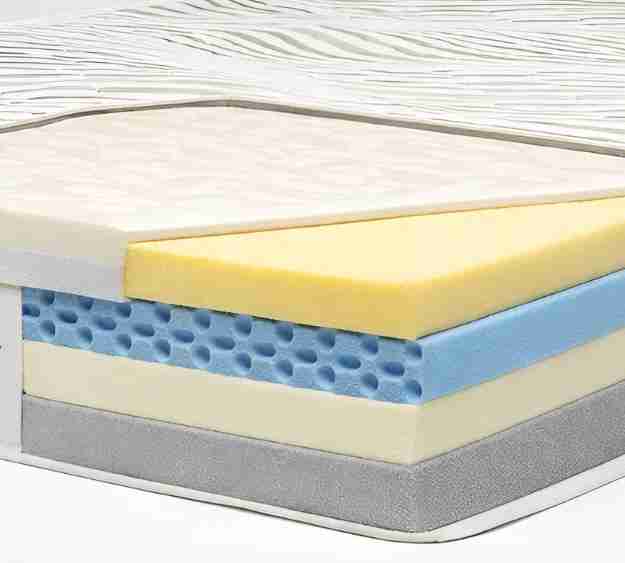
If your mattress traps heat, no amount of fan blowing or window cracking will help. Some materials, especially traditional memory foam, are known for holding onto body heat.
What to look for:
- Open-cell foam or gel-infused layers to encourage airflow
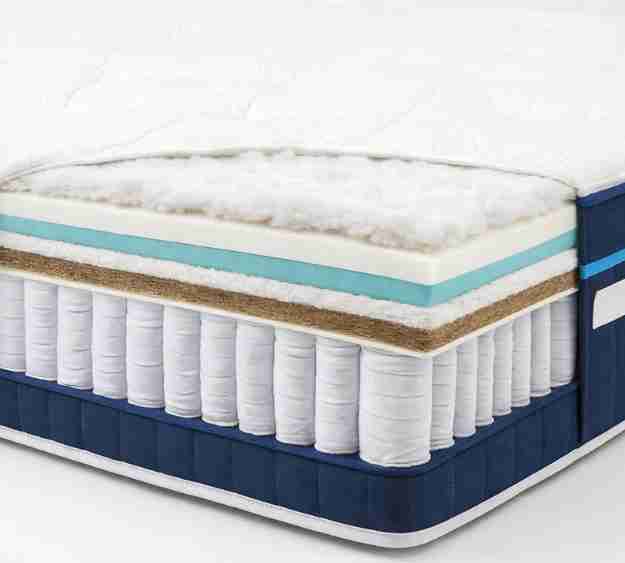
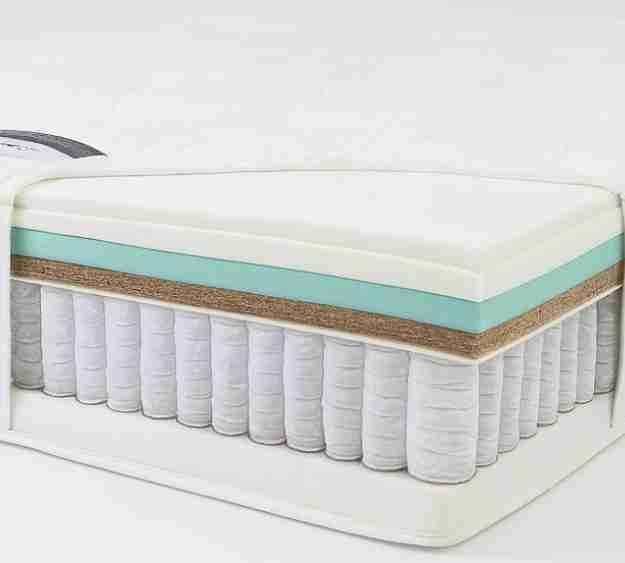
- Hybrid mattresses with springs for breathability
- Cooling covers made with moisture-wicking fabrics
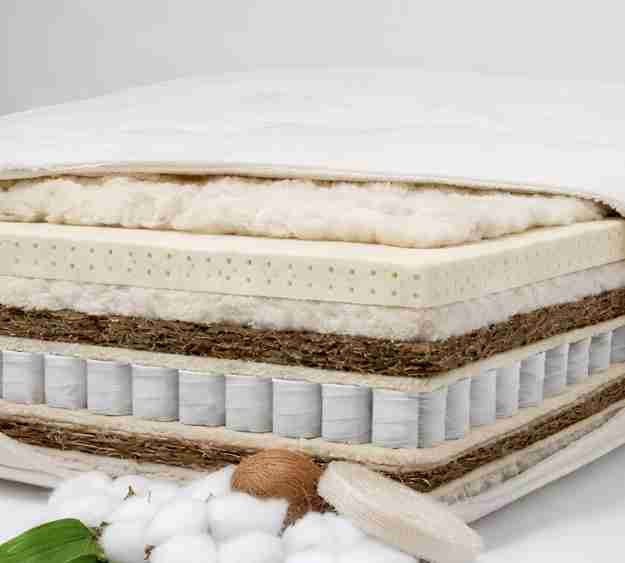
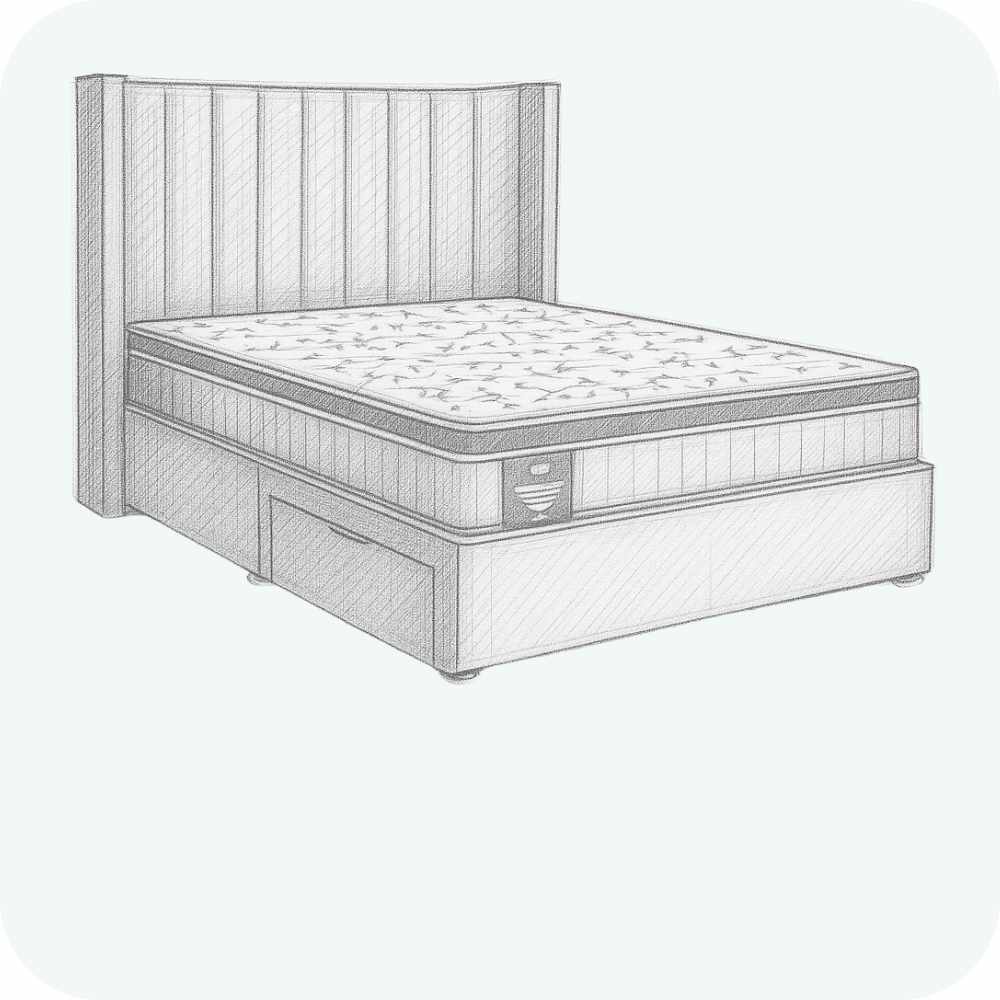
At Luxe Mattresses, our cooling mattress collection is designed with airflow and temperature regulation in mind. Whether you’re a hot sleeper or sharing a bed, choosing the right base layer for your custom bed is one of the most effective ways to achieve a cooler night’s sleep.
2. Switch to Breathable Bedding
Your sheets, duvet, and pillowcases can make or break your sleep comfort. Heavy or synthetic bedding often traps heat and moisture close to your body.
Better choices include:
- Cotton (especially percale weave) – crisp, breathable, and ideal for all seasons
- Linen – temperature-regulating and naturally cooling
- Bamboo – soft, moisture-wicking, and eco-friendly
- Wool duvets – surprisingly breathable and great at managing both heat and cold
Also, consider swapping out your duvet with the seasons. A 4.5 tog is often more than enough for UK summers, while layering up in winter gives you more control.
3. Use Ventilation to Your Advantage
Even in cooler months, stale or still air can make a room feel warmer than it is. A bit of airflow can go a long way in keeping your bedroom fresh.
Ventilation hacks:
- Open windows strategically – Even 10 minutes in the evening can lower the overall room temperature
- Cross-breeze setup – Open two windows or a door and a window opposite each other for better airflow
- Add a fan – A quiet fan not only cools the room but also provides white noise for light sleepers
- Try the frozen bottle trick – Place a frozen water bottle in front of the fan for DIY air con
In flats or homes where window opening isn’t ideal, consider a portable air purifier with cooling mode, especially helpful during pollen season or for those with allergies.
4. Cool Yourself Down Before Bed
Your sleep and heat relationship isn’t just about the room; it’s also about your body. Helping yourself cool down before climbing under the covers can improve how quickly you fall asleep.
Try:
- A lukewarm shower (not cold because it can trigger a rebound heating effect)
- Cooling body sprays with peppermint or eucalyptus
- A cold flannel on the back of your neck or wrists
- Swapping your evening cup oftea or a glass of water with ice and lemon
Some people even sleep with a cooling eye mask or wear light, moisture-wicking sleepwear, great if you’re prone to night sweats or hot flushes.
5. Control Bedroom Heat Sources
Without even realising it, your room may be warming itself up unnecessarily.
Tips to reduce indoor heat:
- Turn off electronics – Devices give off heat even when idle
- Keep blinds or blackout curtains closed during hot days to block sunlight
- Don’t run heated blankets or warm bulbs past spring
- Move your bed away from radiators or direct sunlight
If you live in a new-build or insulated property, your bedroom may retain heat more than older homes. It’s worth using a basic room thermometer to track overnight temps, you might be surprised at what’s causing the discomfort.
6. Consider Cooling Accessories
A few clever accessories can make a noticeable difference, especially in summer or in heat-retaining flats.
- Cooling mattress toppers – Add a breathable layer to an existing mattress
- Moisture-wicking pillowcases – Keep your head cool and dry
- Chill pads or cooling gel pillows – These work wonders for warm sleepers
- Natural fibre sleepwear – Avoid synthetic pyjamas that trap sweat
LuxeMattresses offers a range of mattresses that pair perfectly with your bedding for an all-in-one cooler sleep system.
7. Adjust Your Evening Routine
What you do in the hours before bed can affect how cool or warm you feel once you’re under the covers.
Smart tweaks include:
- Avoid heavy meals late at night – digestion raises body temperature
- Stop intense workouts at least two hours before bed
- Dim the lights – harsh lighting can subtly heat a room and delay melatonin
- Wind down with less tech – phones and tablets heat your face and overstimulate your brain
Why Cooler Sleep Helps Beyond Comfort
Sleeping cool isn’t just about feeling better, it’s about sleeping deeper. According to research shared by the Sleep Foundation, cooler temperatures help you reach deeper stages of non-REM sleep, where most of the brain and body restoration happens.
For people with anxiety, menopause, or chronic conditions like insomnia, keeping the sleep environment cool can make a big difference to recovery and mental health. And as experts point out, small physical improvements to your space, like air flow and comfort, can offer real psychological benefits too.
Final Thoughts
If you’re aiming for cooler sleep, don’t just rely on the weather to cooperate. From smarter bedding to breathable mattresses and proper ventilation, there are plenty of ways to take control of your sleep environment.
You don’t need to turn your bedroom into an icebox, but by working with your body’s natural rhythms and upgrading your sleep setup, you’ll feel the difference quickly. Whether you run hot year-round or just during heatwaves, the right materials and habits will help you rest better, night after night.
FAQs
According to the NHS, around 16–18°C is ideal. Much warmer, and you’re likely to wake throughout the night.
Yes. Traditional foam mattresses often trap heat. Look for cooling gel layers, hybrid builds, or breathable covers.
Cotton, linen, and bamboo are all breathable and wick away moisture. Avoid polyester or heavy duvets unless it’s winter.
Yes, fans improve airflow and lower the room’s surface temperature. They also offer helpful white noise for light sleepers.
Use layers instead of heavy duvets, avoid overheating the room, and choose a mattress and bedding that regulate temperature effectively.

Marie Soukup is a seasoned senior copywriter and editor who’s written for global brands like Virgin Australia, blending storytelling and strategy to create content that connects. She’s passionate about bringing ideas to life across the travel, lifestyle, and business worlds.