


100-Night Trial · Refund to night 60 · Exchange to night 100
Free Nationwide Delivery
Covered by Our Own Warranty
Call us at: 020 4572 5122
0% APR Finance Available
Bedroom Temperature Hacks to Sleep Cooler All Year Round 
March 12, 2026

Bedroom Temperature Hacks to Sleep Cooler All Year Round 

Waking up hot, sticky, and restless? You’re not the only one. Whether it’s a muggy summer night or the central heating’s cranked too high in winter, sleeping hot can ruin your rest. But there’s good news: a few practical changes can help you achieve cooler sleep, whatever the season.

In the UK, where the weather never quite makes up its mind, getting your bedroom temperature right is key to improving your sleep environment. From breathable bedding and cooling mattresses to clever ventilation tricks, we’ve gathered the best tips to help you stay cool, comfortable, and undisturbed all night.

Why Sleeping Cooler Matters?

First, let’s look at the science. Your body temperature naturally dips when you’re asleep. If your bedroom is too warm, it interferes with that process, making it harder to falland stayasleep. According to the Best Advice, an ideal sleep temperature is around 16–18°C. Much warmer than that, and you’re more likely to toss and turn.

Overheating can also disrupt the deeper stages of sleep, which are essential for mental and physical recovery. If you’re waking up groggy or feeling like you haven’t slept at all, heat could be part of the problem.

1. Choose a Mattress Designed for Cooler Sleep

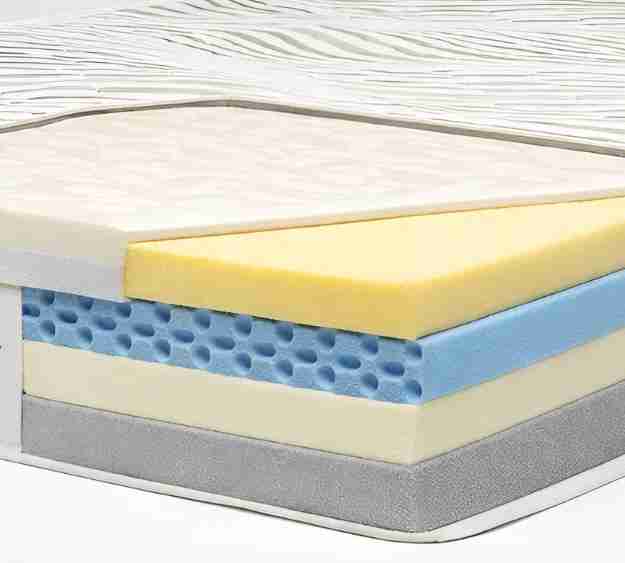
If your mattress traps heat, no amount of fan blowing or window cracking will help. Some materials, especially traditional memory foam, are known for holding onto body heat.

What to look for:

  • Open-cell foam or gel-infused layers to encourage airflow
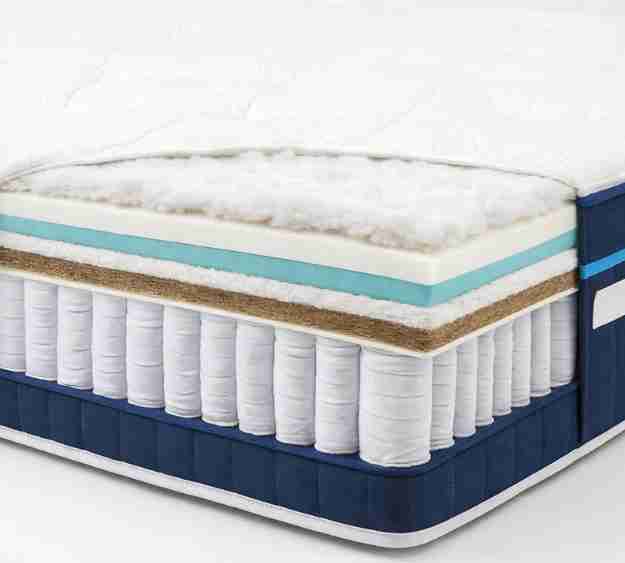
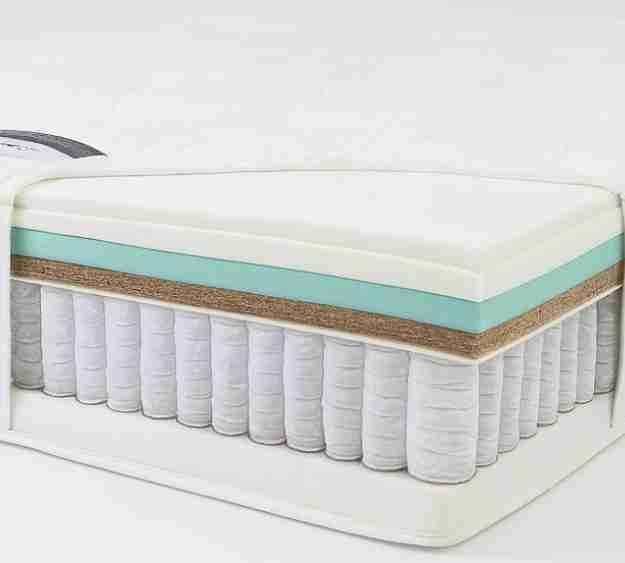
  • Hybrid mattresses with springs for breathability
  • Cooling covers made with moisture-wicking fabrics

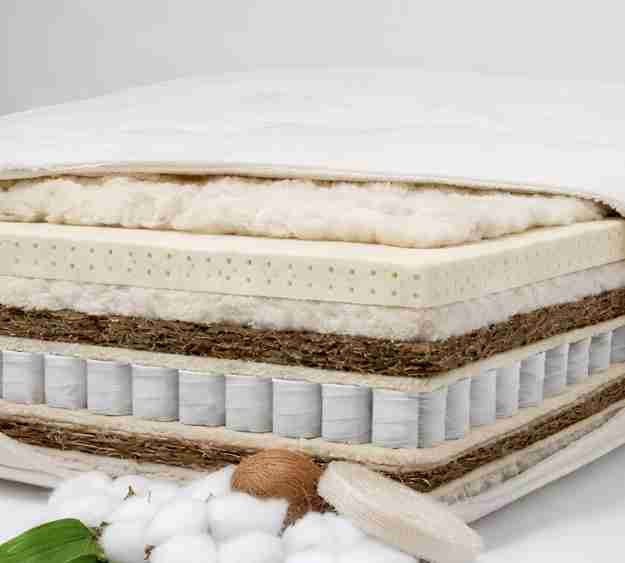
At Luxe Mattresses, our cooling mattress collection is designed with airflow and temperature regulation in mind. Whether you’re a hot sleeper or sharing a bed, choosing the right base layer for your custom bed is one of the most effective ways to achieve a cooler night’s sleep.

2. Switch to Breathable Bedding

Your sheets, duvet, and pillowcases can make or break your sleep comfort. Heavy or synthetic bedding often traps heat and moisture close to your body.

Better choices include:

  • Cotton (especially percale weave) – crisp, breathable, and ideal for all seasons
  • Linen – temperature-regulating and naturally cooling
  • Bamboo – soft, moisture-wicking, and eco-friendly
  • Wool duvets – surprisingly breathable and great at managing both heat and cold

Also, consider swapping out your duvet with the seasons. A 4.5 tog is often more than enough for UK summers, while layering up in winter gives you more control.

3. Use Ventilation to Your Advantage

Even in cooler months, stale or still air can make a room feel warmer than it is. A bit of airflow can go a long way in keeping your bedroom fresh.

Ventilation hacks:

  • Open windows strategically – Even 10 minutes in the evening can lower the overall room temperature
  • Cross-breeze setup – Open two windows or a door and a window opposite each other for better airflow
  • Add a fan – A quiet fan not only cools the room but also provides white noise for light sleepers
  • Try the frozen bottle trick – Place a frozen water bottle in front of the fan for DIY air con

In flats or homes where window opening isn’t ideal, consider a portable air purifier with cooling mode, especially helpful during pollen season or for those with allergies.

4. Cool Yourself Down Before Bed

Your sleep and heat relationship isn’t just about the room; it’s also about your body. Helping yourself cool down before climbing under the covers can improve how quickly you fall asleep.

Try:

  • lukewarm shower (not cold because it can trigger a rebound heating effect)
  • Cooling body sprays with peppermint or eucalyptus
  • cold flannel on the back of your neck or wrists
  • Swapping your evening cup oftea or a glass of water with ice and lemon

Some people even sleep with a cooling eye mask or wear light, moisture-wicking sleepwear, great if you’re prone to night sweats or hot flushes.

5. Control Bedroom Heat Sources

Without even realising it, your room may be warming itself up unnecessarily.

Tips to reduce indoor heat:

  • Turn off electronics – Devices give off heat even when idle
  • Keep blinds or blackout curtains closed during hot days to block sunlight
  • Don’t run heated blankets or warm bulbs past spring
  • Move your bed away from radiators or direct sunlight

If you live in a new-build or insulated property, your bedroom may retain heat more than older homes. It’s worth using a basic room thermometer to track overnight temps, you might be surprised at what’s causing the discomfort.

6. Consider Cooling Accessories

A few clever accessories can make a noticeable difference, especially in summer or in heat-retaining flats.

  • Cooling mattress toppers – Add a breathable layer to an existing mattress
  • Moisture-wicking pillowcases – Keep your head cool and dry
  • Chill pads or cooling gel pillows – These work wonders for warm sleepers
  • Natural fibre sleepwear – Avoid synthetic pyjamas that trap sweat

LuxeMattresses offers a range of mattresses that pair perfectly with your bedding for an all-in-one cooler sleep system.

7. Adjust Your Evening Routine

What you do in the hours before bed can affect how cool or warm you feel once you’re under the covers.

Smart tweaks include:

  • Avoid heavy meals late at night – digestion raises body temperature
  • Stop intense workouts at least two hours before bed
  • Dim the lights – harsh lighting can subtly heat a room and delay melatonin
  • Wind down with less tech – phones and tablets heat your face and overstimulate your brain

Why Cooler Sleep Helps Beyond Comfort

Sleeping cool isn’t just about feeling better, it’s about sleeping deeper. According to research shared by the Sleep Foundation, cooler temperatures help you reach deeper stages of non-REM sleep, where most of the brain and body restoration happens.

For people with anxiety, menopause, or chronic conditions like insomnia, keeping the sleep environment cool can make a big difference to recovery and mental health. And as experts point out, small physical improvements to your space, like air flow and comfort, can offer real psychological benefits too.

Final Thoughts

If you’re aiming for cooler sleep, don’t just rely on the weather to cooperate. From smarter bedding to breathable mattresses and proper ventilation, there are plenty of ways to take control of your sleep environment.

You don’t need to turn your bedroom into an icebox, but by working with your body’s natural rhythms and upgrading your sleep setup, you’ll feel the difference quickly. Whether you run hot year-round or just during heatwaves, the right materials and habits will help you rest better, night after night.

FAQs

What’s the best bedroom temperature for sleep?

According to the NHS, around 16–18°C is ideal. Much warmer, and you’re likely to wake throughout the night.

Can my mattress cause me to sleep hot?

Yes. Traditional foam mattresses often trap heat. Look for cooling gel layers, hybrid builds, or breathable covers.

Which bedding is best for hot sleepers?

Cotton, linen, and bamboo are all breathable and wick away moisture. Avoid polyester or heavy duvets unless it’s winter.

Does sleeping with a fan help?

Yes, fans improve airflow and lower the room’s surface temperature. They also offer helpful white noise for light sleepers.

How can I sleep cool in winter?

Use layers instead of heavy duvets, avoid overheating the room, and choose a mattress and bedding that regulate temperature effectively. 
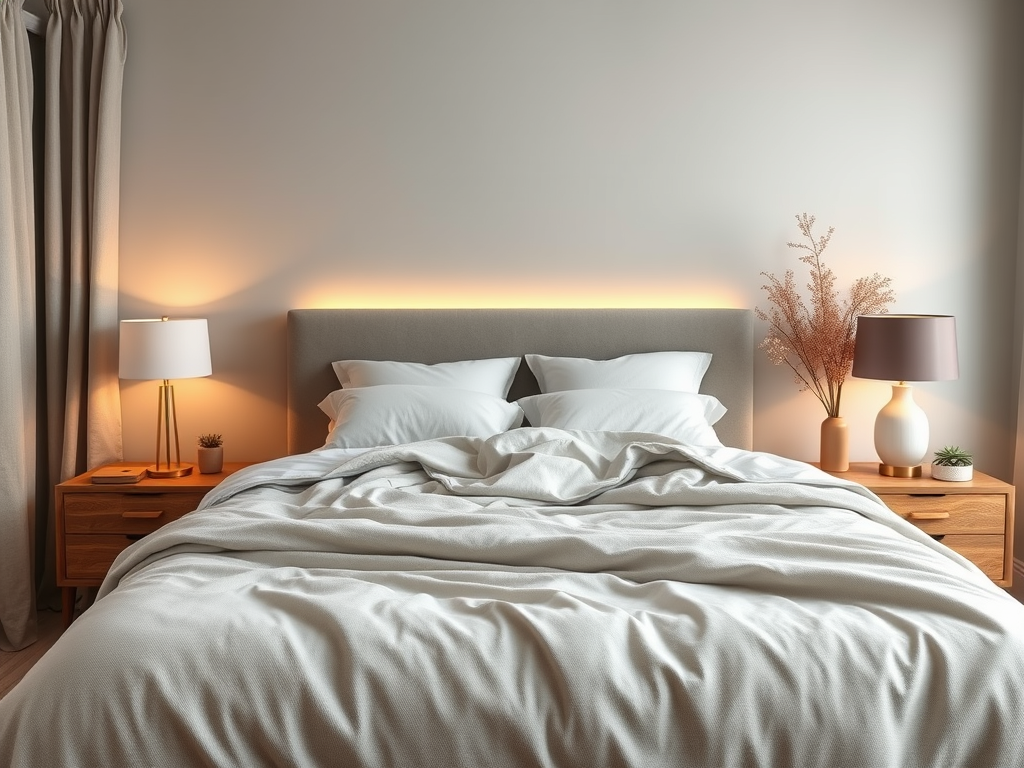
How to Turn Your Bedroom Into a Stress-Free Sleep Sanctuary 
March 12, 2026

How to Turn Your Bedroom Into a Stress-Free Sleep Sanctuary

After a long day, your bedroom should feel like a retreat, not just another room in the house, but a space where stress melts away and rest comes naturally. Sadly, for many of us, our sleep space is anything but relaxing. Cluttered, noisy, poorly lit, and let’s not get started on the old mattress that’s seen better years.

So, how do you create a truly stress-free bedroom? One that supports both physical comfort and emotional calm? In this article, we’ll explore exactly that, from lighting and colour to texture, layout, and sound, helping you build a bedroom setup for sleep that genuinely restores you.

Why Your Sleep Environment Matters?

Good sleep isn’t just about how tired you feel at bedtime. Your body needs certain signals, low light, cool air, and quiet surroundings, to switch into rest mode. And your mind? It’s even fussier. A cluttered or chaotic bedroom can trigger stress and keep your nervous system on high alert.

According to NHS sleep guidelines, creating the right environment is one of the most effective ways to improve both sleep quality and duration. When your bedroom actively supports relaxation, falling asleep becomes easier, and staying asleep does too.

The Science Behind a Calming Bedroom

Your sleep environment affects your brain more than you might think. Light affects melatonin. Colors influence mood. Texture, sound, even smell, all signals to your brain whether it’s safe to unwind or whether it should stay alert.

When done well, these small sensory cues combine into one message: it’s time to rest. When done poorly, they keep your brain stimulated, long after your body is ready to lie down.

1. Light: Set the Mood for Sleep

Light is arguably the most important factor in a calming bedroom. Harsh overhead lighting tells your brain to stay awake, while soft, warm-toned lighting signals wind-down time.

What helps

  • Warm bulbs (think amber, not blue-white)
  • Lamps instead of ceiling lights
  • Dimmer switches or smart bulbs for gradual transitions
  • Blackout curtains or blinds to keep early morning light out

Your lighting should mimic dusk in the evening. Too much brightness can delay the release of melatonin, the hormone that helps your body fall asleep naturally.

2. Colour: The Psychology of Calm

Colours influence how we feel, often without us even realising. For a stress free bedroom, stick to soothing tones that encourage stillness rather than stimulation.

Best choices

  • Soft blues and greys (linked to calm and clarity)
  • Warm neutrals like beige, taupe, or soft white
  • Pale sage or olive green for a nature-inspired touch
  • Dusky pink or lavender for a bit of gentle warmth

Avoid bright reds, stark whites, or anything overly saturated. A bedroom isn’t the place for visual energy; it’s a space to downshift.

3. Textures: Invite Comfort, Not Clutter

We often think of décor as visual, but touch matters just as much, especially when it comes to comfort. The goal is to create layers of softness that feel inviting the moment you enter the room.

Suggestions

  • Invest in high-quality bedding, breathable cotton, or linen
  • Add a plush throw or knitted blanket at the foot of the bed
  • Layer cushions with soft fabrics like velvet or brushed cotton
  • Opt for a padded headboard if you sit up in bed

Importantly, don’t overdo it. A few well-placed textures are better than an overload of soft furnishings that feel fussy rather than restful.

4. Noise Control: Create a Quiet Zone

A truly stress-free bedroom needs to feel insulated from the outside world. Even low-level noise, from traffic, neighbours, or inside the home, can disrupt sleep cycles and raise cortisol levels.

What works

  • Thick curtains or rugs to absorb sound
  • White noise machines or sleep sound apps
  • Earplugs for particularly noisy settings
  • Soft ambient playlists to soothe your mind (instrumentals work best)

If you share a bed, consider a mattress with motion isolation, like those from LuxeMattresses, so your partner’s movements don’t disturb your rest.

5. Scent: Don’t Overlook the Power of Smell

Scent affects memory, mood, and even stress hormone levels. A light, calming fragrance can subtly cue your brain to relax, but it must be gentle, not overpowering.

Calming options

  • Lavender is backed by studies for its anxiety-reducing effects
  • Chamomile or sandalwood, warm and grounding
  • Eucalyptus, for a fresh, clear feeling

Try a pillow spray, oil diffuser, or natural sleep mist. Consistency helps. When your brain starts to associate that scent with bedtime, it strengthens your wind-down cue.

6. Layout: Keep It Simple and Spacious

The way you arrange your room matters more than you think. Cluttered spaces trigger low-level stress. Clean lines, open space, and an uncluttered floor give your brain a sense of calm.

Tips

  • Keep bedside tables clear
  • Store cables, chargers, and clutter out of sight
  • Avoid using your bedroom as an office or workout space
  • Let your bed be the centrepiece, and give it space to breathe

Of course, make your bed every morning. It’s a simple gesture that sets the tone for calm and makes returning to bed feel more intentional.

7. Your Mattress: The Heart of a Sleep Sanctuary

Even if your room is beautifully styled, if your mattress causes discomfort, your nervous system won’t fully relax. A lumpy, unsupportive, or overly warm mattress can prevent you from entering deep sleep or make it harder to fall asleep in the first place.

LuxeMattresses offers beds designed specifically for comfort, airflow, and pressure relief. Whether you sleep hot, share with a partner, or simply haven’t upgraded in a decade, the right mattress can transform your entire sleep environment.

To learn more about which mattress fits your needs, see our expert mattress guide.

Final Thoughts

Creating a stress-free bedroom doesn’t require a full renovation; it just takes some intention. Soften your lighting. Choose calming colours. Clear the clutter. Add texture that invites rest, and scent that calms the mind. And above all, ensure the space physically supports your sleep, starting with a mattress designed for it.

When you give your bedroom purpose, as a sanctuary, not just a storage space, your sleep improves. And when sleep improves, so does everything else.

To learn more about designing your sleep space or investing in comfort that truly lasts, visit the LuxeMattresses blog or explore our premium sleep solutions made to support better nights, naturally.

FAQs

What’s the easiest way to create a stress-free bedroom?

Start with lighting. Switch to warm-toned bulbs, add a lamp for evenings, and use blackout curtains. That one change often has the biggest impact.

Do calming colours really make a difference?

Yes. Soft, muted tones help reduce mental stimulation. Bold or bright colours, even if you love them, can keep your brain alert when it should be winding down.

How can I improve my sleep environment on a budget?

Declutter. Clean the space. Add a warm-toned bulb, and swap your pillowcase for something soft and breathable. Small tweaks often go a long way.

Does scent really help with sleep?

Studies show lavender and similar essential oils reduce stress and improve sleep onset. A light spray or diffuser can signal to your brain that it’s time to relax.

What’s the best bedroom setup for sleep if I live near noise?

Layer curtains, add soft furnishings to dampen sound, and use a white noise machine or earplugs. Also, choose a mattress with motion isolation to block internal disruptions.

Can a mattress really change how I sleep?

Absolutely, A supportive, breathable mattress helps your body stay in deep sleep longer and prevents micro-wakeups caused by discomfort or heat. Explore the LuxeMattresses collection for the most sleep-supportive options.

Should I use my bedroom for other activities?

Ideally not. Using your bedroom for work, TV, or exercise can confuse your brain’s sleep cues. Keep the space restful and dedicated to sleep and relaxation.

Product has been added to your cart