
How Mattress Firmness Affects Sleep Quality: A Science-Backed Guide
Is your mattress firmness making you wake up tired?
It might be. Mattress firmness plays a big role in how well you sleep. It has an impact on your spine, comfort level and feeling refreshed in the morning.
Research suggests sleep quality is closely linked to mattress firmness. A mattress which does not fit your body may cause discomfort.
If you’re a side sleeper, you may need a softer bed. If you sleep on your back, firmer support could be better. The right firmness makes all the difference.
Here are 10 important questions to ask before buying a mattress.
1. How Do You Choose the Right Mattress Firmness for Your Body?

Choosing the right firmness of mattress for your body is what we will discuss then. What you need to sleep well may differ from others and be more about your body and weight, as well as how you sleep and what is comfortable for you. A mattress with the right firmness level can help you sleep better.
Firmness Scale Explained (Soft to Firm).
First, it’s important to know the firmness scale works. You will find out that most mattresses have a firmness rating from 1 – 10 with 1 being very soft and 10 being very firm.A soft mattress is plush and lets your body sink into it more. A firm mattress has a sturdy and prevents your body from sinking deep into it. Most people would most likely find the intermediate or medium option best. When you know where each bed type fits on this scale, you can match your comfort needs to the correct firmness level.
Weight-Based Recommendations.
The weight of your body really affects the way a mattress feels, it’s a big deal. Lightweight people often feel that the mattress is firmer than it is. However, people who weigh more sink deeper into the water and require more support. If you are less than 130 lbs, you probably feel a soft to medium mattress works best. If you weigh more than 230 pounds, you probably need a medium-firm to firm option for support. When your weight is matched to the firmness of your mattress, you won’t produce pressure points and sleep better.
Best Firmness by Sleeping Position.
As a result, your sleep position also plays a key role. To soften the shoulder and hip area, side sleepers usually require a medium-soft mattress. A medium firm mattress will be good for back sleepers as it keeps spine aligned. Individuals who sleep on their stomach may prefer support that is firm. They don’t want to sink in too deep.
2. Why Does Mattress Firmness Impact Sleep Quality?
What impact your sleep quality firmness of your mattress happens afterwards? It influences your sleep, the pressure in your joints, and how well you sleep. Choosing the right mattress firmness will definitely give you comfort and allow your muscles to have better repair and recovery.
How Firmness Affects Spinal Alignment and Pressure Relief.
To begin, firmness assists in maintaining a neutral position for your spine. A mattress that is too soft will make your body sink and curve your spine. If it’s too firm, it pushes against your pressure points. Either way, discomfort builds overnight. When the level is right, it helps to support the alignment of the body in a natural way. This takes off the pressure buildup on shoulders, hips and lower back.
How It Reduces Night Wakings.
On the other hand, proper firmness keeps your body stable meaning a lot less shift and disruption. A 2025 study discovered that people sleeping on a firm mattress had 20% more deep sleep. That’s because they didn’t wake up as often to readjust. A body-adaptive mattress promotes sleep elongation and boosts wake up efficiency for better feeling.mattress That Matches Your Body Helps You Sleep Longer And Better Polysleep.com
3. What Happens If You Sleep on the Wrong Firmness Level?

You may not believe this, but sleeping on the wrong firmness mattress can cause you more trouble than you think. It prevents you from achieving deep sleep, puts pressure on your back, and makes you ache or feel tired.
The effects can be felt both short-term and long-term.
Short-Term Effects.
If your mattress is not suitable for you, your body reacts quickly. At times, your sleep posture may create discomfort with stiff arms and legs like they’re dead. If you’re waking with any of these symptoms, you may find your bones and muscles not getting the support they require at night. If left unchecked, this daily discomfort adds up fast.
Long-Term Risks.
Further, prolonged usage of an inappropriate mattress can lead to regular hassles. Sleeping with poor posture often leads to daytime poor posture as well. According to research from the Journal of Sleep Research 2024, the wrong firmness is linked with a greater chance of having long-term back pain and sleep disorders. Every night your body recovers based on your mattress quality.
Warning Signs You Need a New Firmness.
As a result, be alert for clear signs. You often wake up sore. You sleep better at hotels or on a different bed. Your partner’s movement wakes you up. A firm mattress can negatively affect your sleep, as evidenced by tossing and turning all night.
4. How Do Mattress Materials Affect Firmness and Comfort?
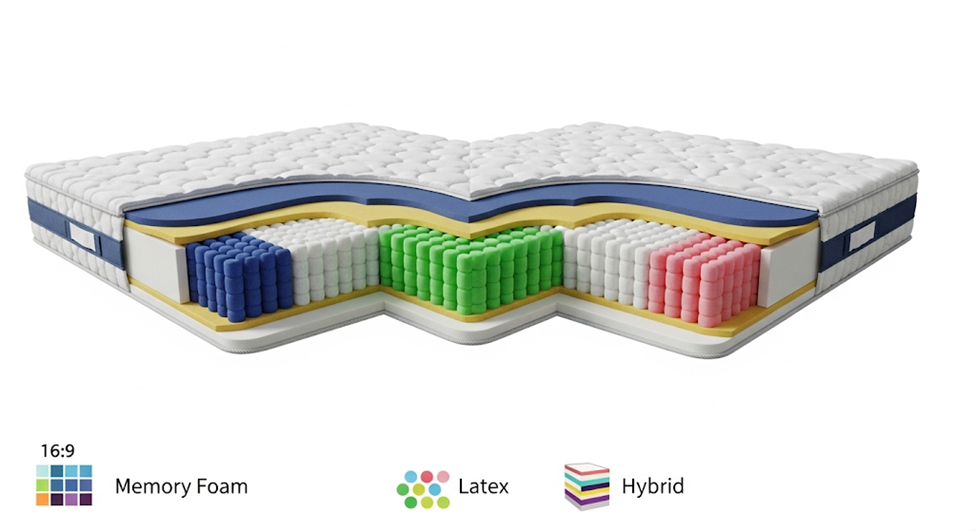
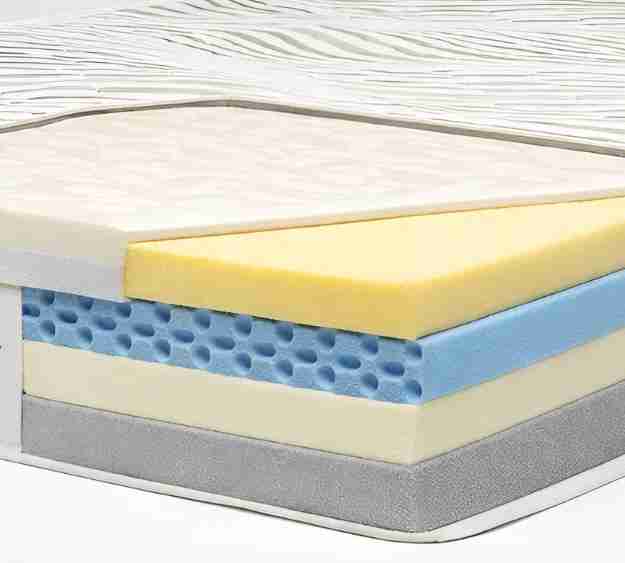
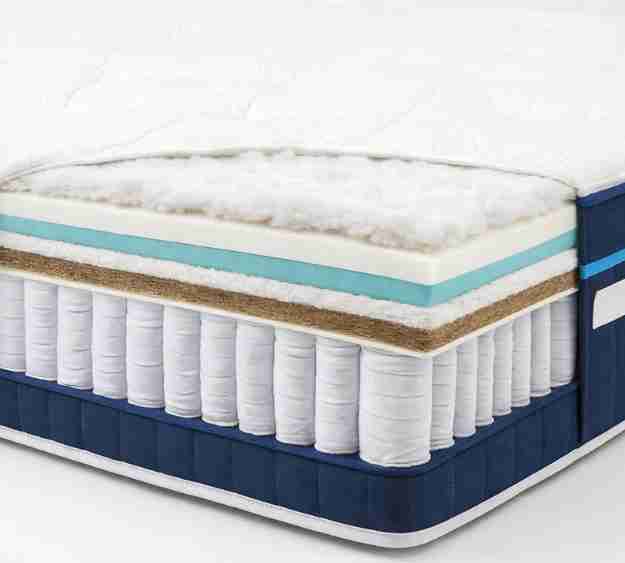
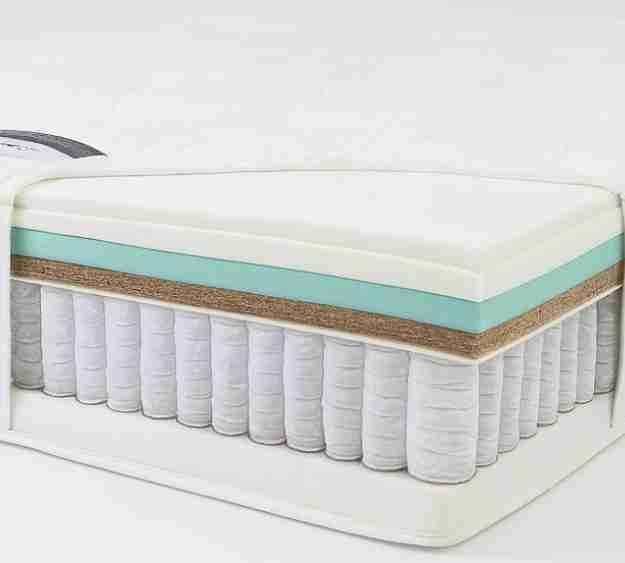
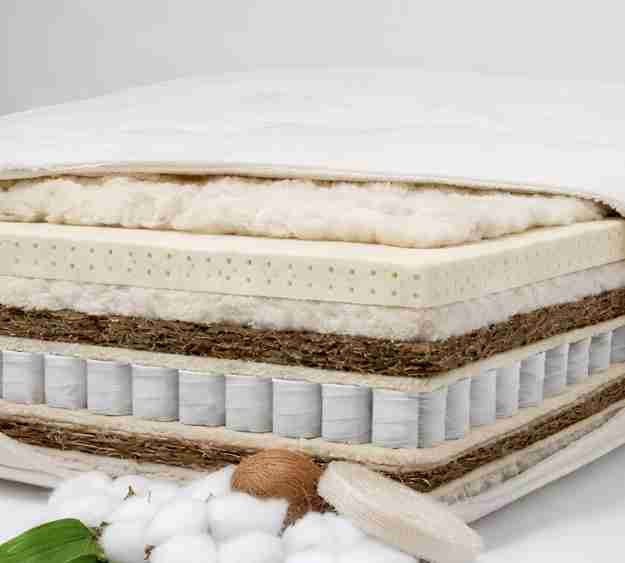
How mattress materials affect firmness you must realize next. The mattress’s basic layers foam, latex, coils make it soft, firm, bouncy or something else altogether. Each material responds to your body uniquely.
Material Firmness Guide.
First off, memory foam can be great for those looking for a soft to medium feel mattress because the material molds closely to your body. Ideal for side sleepers who want less pressure Latex mattresses usually offer medium-firm support while staying cooler and bouncier. Foam and coils are combined in hybrid mattresses to offer balanced firmness, which is proper for combination sleepers. To get a firmer foam, you should check the density too. Usually, a 4–5 lb memory foam layer will feel firmer and last long.
5. Which Firmness Is Best for Side, Back, or Stomach Sleepers?
Your sleep position also matters when choosing a firmness level of a mattress. A firm mattress maintains spinal alignment and prevents pressure points. Each sleep style has a firmness that works best.
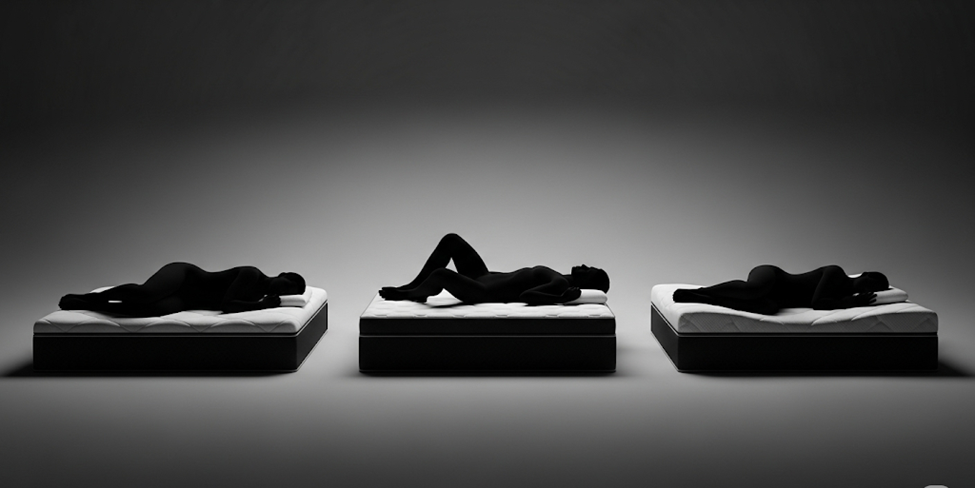
Ideal Firmness by Sleep Position.
Side sleepers should sleep on a soft-medium surface to reduce stress on the shoulders. A medium-firm support is ideal for back sleepers as it will help maintain the spine’s neutral position. Firm bedding will best support stomach sleepers to prevent lower back sag. When you sleep with a straight spine, your body stays optimally healthy.
Dual-Position Couples.
If you and your partner sleep in different positions, pick a mattress that is comfy for both. A medium hybrid is a safe pick for most. Split-firmness mattresses are an option if you want different feels on each side. This way, you both sleep well without compromise.
6. Can the Right Mattress Firmness Reduce Back Pain?
Next, let’s answer a key concern: Can mattress firmness help back pain? The answer is yes — especially if your mattress provides the right balance between softness and support. The right firmness can make a noticeable difference within weeks.
Why It Works
First, a supportive mattress distributes weight evenly. That means less strain on joints and better pressure relief in areas like the lower back. Instead of sinking in or arching too much, your spine stays neutral. This reduces inflammation and pain, especially for people with chronic discomfort.
Best Firmness for Back Pain
Next, medium-firm mattresses — usually 5 to 7 on the firmness scale — are recommended for most people. They’re soft enough to reduce pressure but firm enough to hold your body. If you weigh more than 230 lbs, you may need a firmer surface for better support and spinal stability.
7. How Long Does It Take to Adjust to a New Mattress Firmness?
Next, switching to a new mattress firmness takes time. Your body may feel strange or even sore in the beginning. But with a little patience, most people adjust and sleep better.
Tips to Speed Up Adjustment
First, give yourself at least 2 to 4 weeks to adjust. If the change is big — for example, going from soft to firm — expect up to 6 weeks. To help your body adapt faster, try using a mattress topper as a transition layer. Stick to your usual sleep position. One 2025 user study found that 60% of people reported better sleep within 3 weeks.
8. Does Body Weight Change the Ideal Firmness Level?
Meanwhile, your body weight affects how a mattress feels. Some people find the same mattress soft and others firm. Weight plays a key role in choosing the right firmness of mattress.
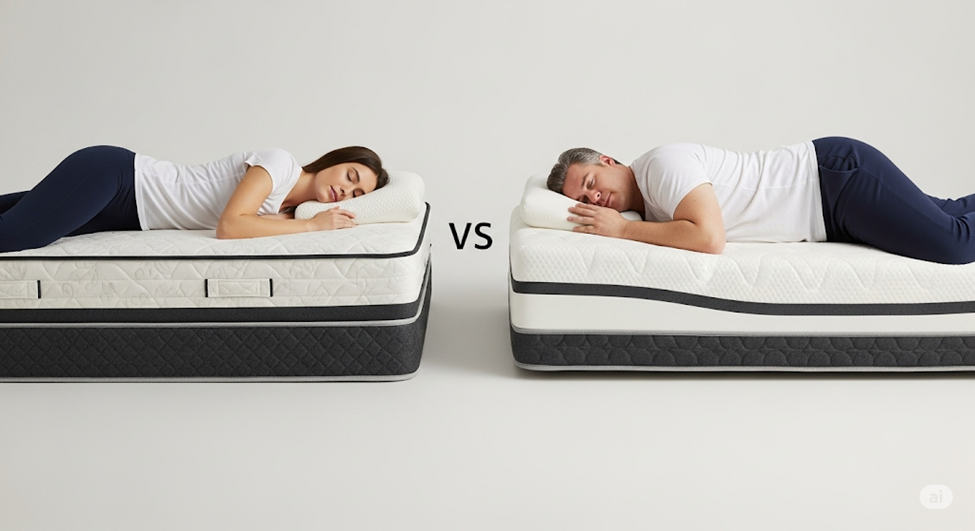
Weight-Based Firmness Chart.
Individuals weighing less than130 lbsoften prefer soft to medium mattresses. The softness layers are ideal for the best mattress reviews. Sleepers between 130 and 230 pounds sleep best on medium firm. Individuals who weigh over 230 lbs find that a firmer mattress tends to provide greater support. An exception to the rule may be plus-size side sleepers requiring medium-firm for the hip support.
9. Are Firm Mattresses Better Than Soft Ones for Sleep Quality?
However, firm mattresses aren’t always better. A mattress supports your natural sleeping position, which is the most important thing. The best firmness is the one that keeps your body aligned.
Myths Debunked.
The idea that firmness equals health can be misleading and restrictive. Your bed is excessively firm, which can cause pain in your hips & shoulders. A soft one can let your spine sag. A research was done in 2025, which reported same Quality Index of sleep scores with people using both firm mattresses and soft mattresses.
10. How Often Should You Replace Your Mattress for Optimal Firmness?
Finally, your mattress won’t feel the same forever. Mattresses that are older or made of a lower quality material will lose firmness. When to replace your sleep support is as important as the sleep support itself.
Signs You Need a Replacement.
First, check for signs of wear. If your indentation is so deep that it measures greater than 1.5 inches, or you wake up feeling achy instead of refreshed, or you sleep better in other people’s mattresses, you need it replacing. Old foam can also trap allergens like dust mites. If your allergies are worse in bed, that’s another clue. A good rule is to replace your mattress every 7–10 years. So that it stays firm and comfy right now, turn it every three to six months.
Why Luxe Mattresses Is Built for Your Ideal Firmness and Better Sleep
Now, let’s link what you’ve learnt regarding mattress firmness with the innovation of Luxe Mattresses. At Luxe, our mattresses are designed to deliver the perfect level of firmness based on sleep science, human comfort, and expert manufacturing so you wake up rested and pain free.
We understand that sleep isn’t one-size-fits-all. This is why you will find everything from extra soft to extra firm in our luxury collections to suit side to back to stomach sleepers. Our Forti Coil™ system and Endura Spring™ system absorb motion wafting and respond in time to make the ideal choice for couples needing different firmness levels. If you’re not sure where to start, our smart Mattress Match Quiz will find your perfect fit based upon your body type, sleep style and firmness preference.
Luxe with its unique orthopedic-grade mattress structure and cooling technologies like LTX Gel and Zero Gravity Foam type foam helps keep you cool and comfortable. Each Luxe mattress is designed to promote healthy body posture and deeper sleep, whether you want a medium-soft memory foam for pressure relief or a firm hybrid for spine support.
Shop Your Firmness Level Now →.
FAQ.
Try to lie down in the position in which you normally sleep for at least 10 minutes on your back on the mattress. It affords your body some time to adjust as well as feel how the firmness actually supports you.
Watch to see if your shoulders and hips drop and if your spine stays in-line. If you feel no pressure plus adequate support on your back, then firmness level is right.
Yes, most memory foam mattresses lose about 10-15% of their firmness after using it for 5 to 7 years.
The foam gets softer when there’s pressure and heat on it. Over the years, it will cause sinking and loss of support, particularly where the body comes into high contact.
Generally yes. Heavier people benefit most from a firm mattress, which helps prevent sinkage and keeps the spine aligned.
A good design provides firm support and helps to distribute body weight evenly which reduces pressure on joints and avoids the stuck feeling during sleep.

Roman is a seasoned expert in mattress development with over a decade of experience in sleep technology, material innovation, and product engineering. He has played a key role in designing and refining sleep solutions for leading mattress brands, with a deep focus on ergonomics, pressure relief, and sleep quality optimization.
With a background in product design and biomechanics, Roman combines scientific research with hands-on development to create mattresses that address real-world sleep issues—from spinal alignment to temperature regulation. His work has contributed to several award-winning mattress lines known for their comfort, durability, and user satisfaction.