
Key Takeaways
- Side sleepers need medium-soft to medium-firm mattresses.
- Focus on pressure relief, spinal alignment, and cooling.
- Hybrids often provide the best mix of comfort and support.
- The Luxe Nova Hybrid combines Zero Gravity Foam™, pocketed coils, and a cooling design—making it a top pick for side sleepers.
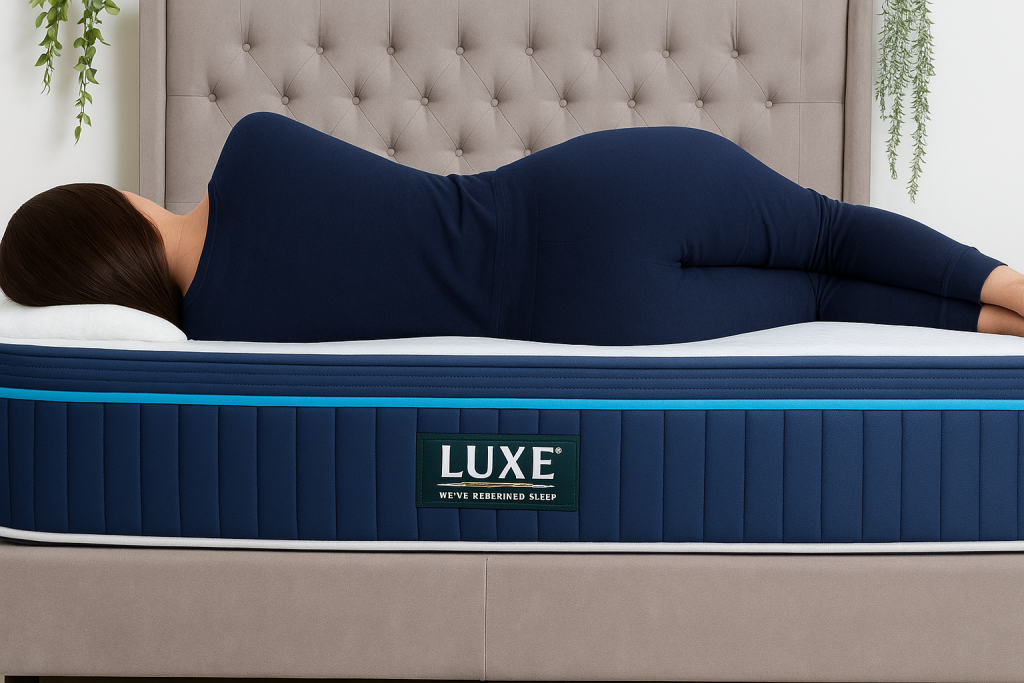
If you’re a side sleeper, you already know the struggle of waking up with pressure in your shoulders, tingling arms, or even hip pain. While side sleeping is one of the healthiest positions for spinal alignment and breathing, it also puts concentrated pressure on certain parts of your body. That’s why finding the best mattress for side sleepers is so important.
In this detailed guide, we’ll compare different mattress types, materials, firmness levels, and features that side sleepers should look for. We’ll also explain why hybrid mattresses often come out on top—and why the Luxe Nova Hybrid is considered one of the best choices for side sleepers in the UK.
Why Side Sleepers Need a Special Type of Mattress
When you sleep on your side, your body weight is unevenly distributed across a smaller surface area—primarily your shoulders and hips. If your mattress is too firm, these pressure points can dig into the surface, causing discomfort, stiffness, or even nerve pain. On the other hand, a mattress that’s too soft can let your body sink in too deeply, misaligning your spine and leading to back pain.
That’s why the ideal mattress for side sleepers strikes the perfect balance between pressure relief and support.
Key considerations include:
- Pressure Relief: Adequate cushioning for shoulders and hips.
- Spinal Alignment: Keeps the spine straight, reducing strain.
- Firmness Level: Typically medium-soft to medium-firm (around 3–6 out of 10).
- Material Quality: Foams or hybrids that contour to the body while maintaining structure.
- Cooling Features: Side sleepers often need breathable designs since more of the body is in contact with the mattress.
Comparing Mattress Types for Side Sleepers
Not all mattresses are created equal—especially for side sleepers. Here’s a breakdown of the most common types and how they perform:
1. Memory Foam Mattresses
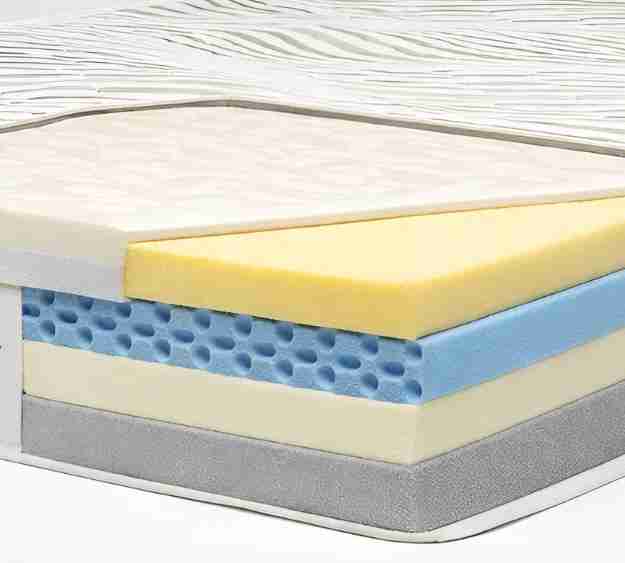
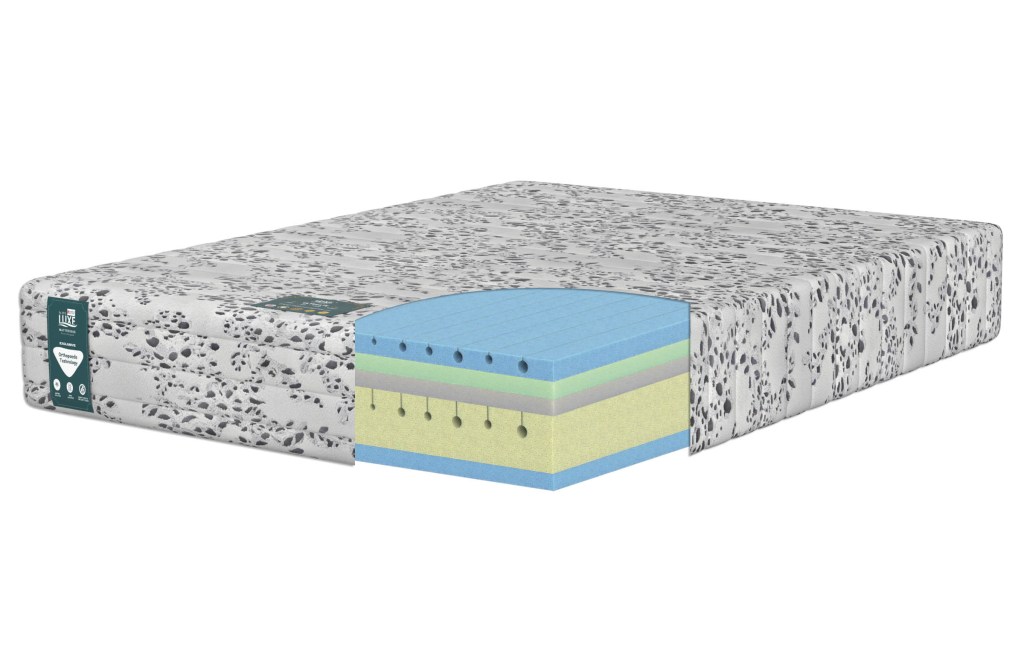
Memory foam is known for its ability to hug the body and relieve pressure.
Pros:
- Excellent contouring around hips and shoulders.
- Ideal for side sleepers with joint or muscle pain.
- Absorbs motion, great for couples.
Cons:
- Can trap heat unless infused with cooling technology.
- Less responsive—may feel like you’re sinking in.
Best for: Side sleepers who want deep cushioning and pressure relief.
2. Hybrid Mattresses (Foam + Coils)
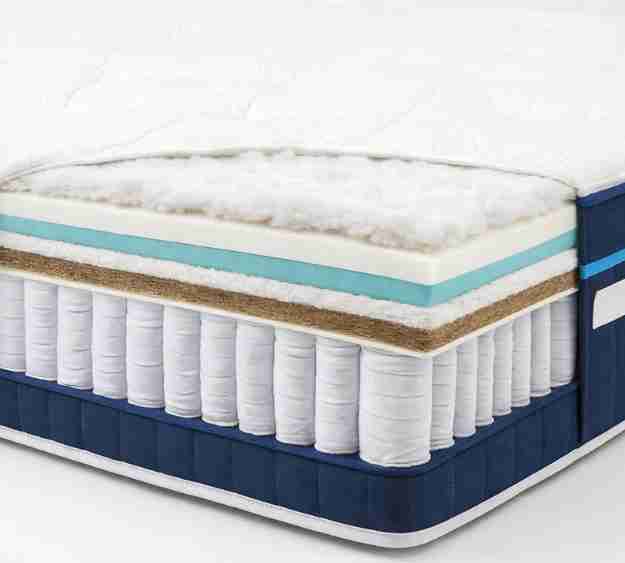
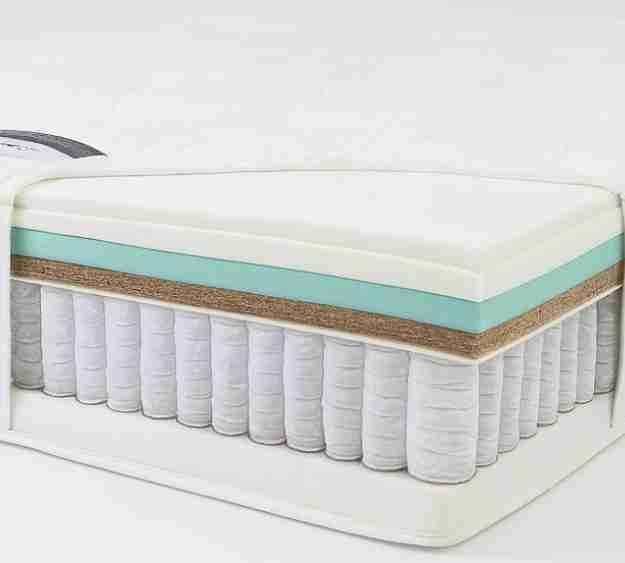
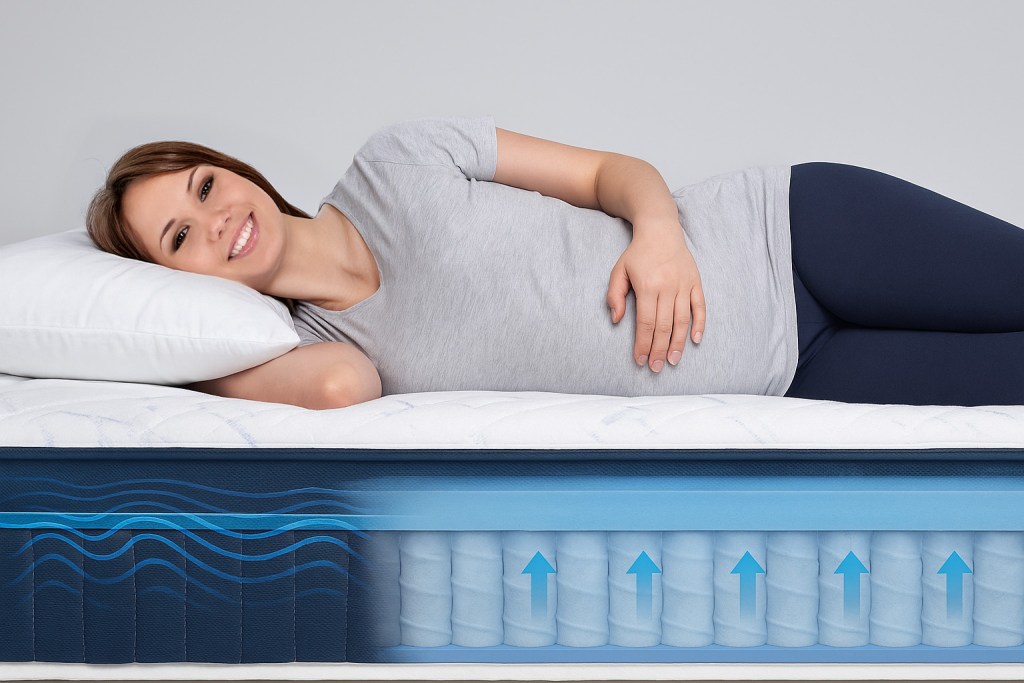
Hybrid mattresses combine memory foam or latex with supportive coils. They deliver the best of both worlds—pressure relief and bounce.
Pros:
- Balance of softness and support.
- Better airflow, so cooler than pure foam.
- Pocketed coils help maintain spinal alignment.
- Good durability.
Cons:
- Higher price point than all-foam mattresses.
Best for: Side sleepers looking for a supportive yet cushioned feel, and hot sleepers who need better breathability.
3. Latex Mattresses
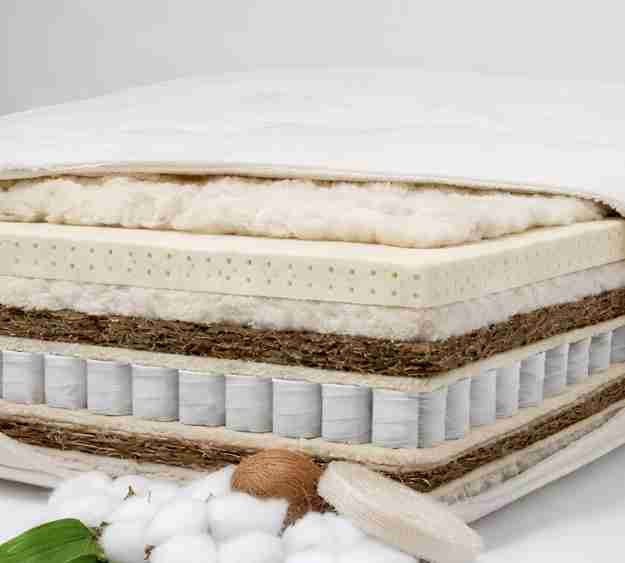
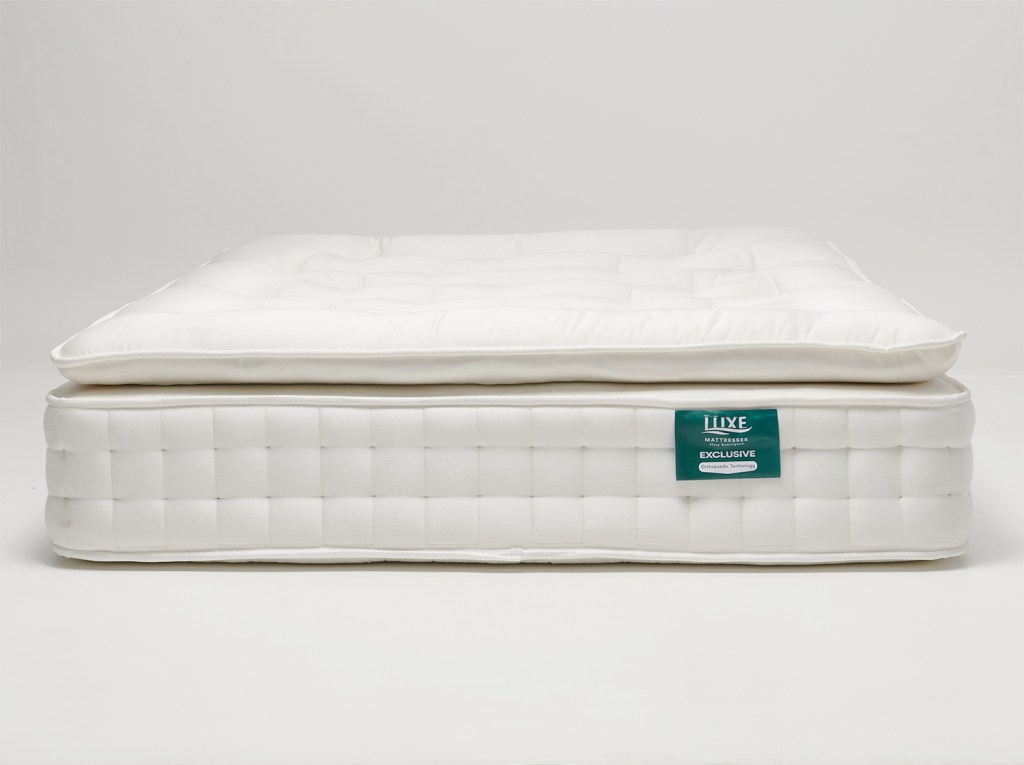
Made from natural or synthetic latex, these are responsive and eco-friendly.
Pros:
- Naturally breathable and hypoallergenic.
- More bounce and responsiveness.
- Durable, long-lasting material.
Cons:
- Can be on the firmer side—may not give enough pressure relief for some side sleepers.
- Higher cost than other types.
Best for: Eco-conscious side sleepers who like a buoyant, slightly firmer surface.
4. Innerspring Mattresses (with Pillow Top)
Traditional innerspring mattresses are coil-based but often come with a soft pillow top for extra cushioning.
Pros:
- Affordable compared to hybrids.
- Good bounce and airflow.
Cons:
- May lack deep pressure relief without a high-quality topper.
- Can wear out faster.
Best for: Side sleepers on a budget who prefer a classic mattress feel.
What to Look for in the Best Mattress for Side Sleepers
When shopping for a mattress, side sleepers should prioritize certain features:
- Firmness: Medium-soft to medium-firm is usually best (3–6/10).
- Zoned Support: Some hybrid and foam mattresses use zones that provide extra support for the spine while cushioning pressure points.
- Edge Support: Especially important if you share your bed—strong edges prevent sagging.
- Cooling Materials: Gel foams, breathable covers, or coil systems help regulate temperature.
- Trial Period: Since side sleepers are sensitive to comfort changes, a long sleep trial (100 nights or more) is ideal.
Mattress Types Compared for Side Sleepers
Why Hybrid Mattresses Are Often the Best Choice
If you’re unsure which way to go, hybrids often provide the most balanced sleep experience for side sleepers. They cushion your pressure points while still holding your spine in a neutral position. The combination of foams and coils also prevents overheating, making them ideal for year-round comfort.
Many experts and sleep testers rank hybrids as the best mattress for side sleepers because they deliver a compromise between contouring and support—something that side sleepers uniquely need.
Introducing the Luxe Nova Hybrid: The Best Mattress for Side Sleepers in the UK
One hybrid mattress that’s been getting a lot of attention is the Luxe Nova Hybrid. Designed with side sleepers in mind, it blends advanced foams with pocket springs to provide both comfort and alignment.

Why Side Sleepers Love the Luxe Nova Hybrid
- Zero Gravity Foam™: Provides a weightless feel, relieving pressure from shoulders and hips.
- Individually Pocketed Coils: These move independently, giving support where it’s needed most and minimizing motion transfer.
- Medium-Firm Feel: Perfectly balanced firmness level for side sleepers—soft enough to cradle, firm enough to align.
- Cooling Technology: Breathable layers prevent overheating.
- Chiropractor-Approved Design: Ensures spinal health and alignment.
Luxe Nova vs. Other Mattress Types
Compared to memory foam alone, the Luxe Nova Hybrid offers better breathability and more responsive support. Against innerspring options, it provides superior contouring. And while latex mattresses are eco-friendly, they often lack the softness that side sleepers crave.
In short, Luxe Nova Hybrid combines the strengths of multiple mattress technologies to create one of the most balanced and supportive beds available for side sleepers.
Final Thoughts: Finding Your Best Mattress for Side Sleepers
Choosing the right mattress can mean the difference between waking up refreshed or waking up sore. For side sleepers, the priority is always pressure relief + spinal alignment.
- If you want deep contouring, memory foam is a good choice.
- If you want eco-friendly bounce, latex may be right.
- If you want balance, breathability, and long-term support, hybrids are usually the best.
And among hybrids, the Luxe Nova Hybrid stands out as one of the best mattresses for side sleepers, especially for those in the UK seeking premium comfort and chiropractor-approved support.
FAQs: Best Mattress for Side Sleepers
Answers to the most common questions about choosing the best mattress for side sleepers.
What is the best mattress for side sleepers?
What firmness level is best for side sleepers?
Are hybrid mattresses good for side sleepers?
Is memory foam good for side sleepers?
What should side sleepers look for in a mattress?
Why is the Luxe Nova Hybrid good for side sleepers?
Do side sleepers need a softer mattress?
Can a mattress reduce shoulder and hip pain for side sleepers?
Are cooling mattresses important for side sleepers?
How do I know if my mattress is right for side sleeping?

Roman is a seasoned expert in mattress development with over a decade of experience in sleep technology, material innovation, and product engineering. He has played a key role in designing and refining sleep solutions for leading mattress brands, with a deep focus on ergonomics, pressure relief, and sleep quality optimization.
With a background in product design and biomechanics, Roman combines scientific research with hands-on development to create mattresses that address real-world sleep issues—from spinal alignment to temperature regulation. His work has contributed to several award-winning mattress lines known for their comfort, durability, and user satisfaction.