




Creating a sleep-friendly environment is one of the most effective yet overlooked steps in achieving better health, emotional balance, and productivity. The quality of your sleep environment influences not just how quickly you fall asleep but also the depth and restorative value of your rest. Factors such as room setup, bedtime routines, lifestyle choices, and even psychological cues all play a role in determining sleep quality. In this guide, we explore how to design a sleep environment that supports your natural rhythms and promotes restful, uninterrupted sleep.
1. Understanding Sleep and Its Role in Health
Sleep is more than just a nightly shutdown. It’s a biological necessity, helping the brain consolidate memories, regulate hormones, and repair cellular damage. Chronic sleep deprivation can lead to a host of health problems including weight gain, weakened immunity, depression, and increased risk for chronic diseases like diabetes and heart disease.
But getting good sleep isn’t just about clocking in eight hours, it’s about the quality of those hours. That quality is heavily impacted by your surroundings and lifestyle.
2. The Foundation: Choosing the Right Mattress
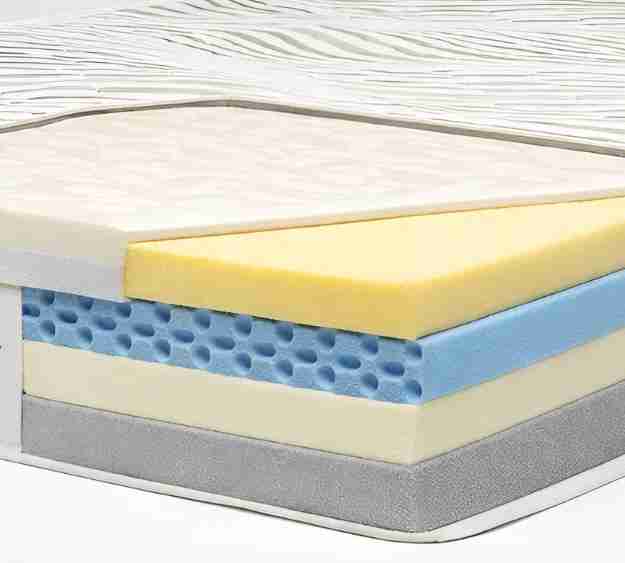
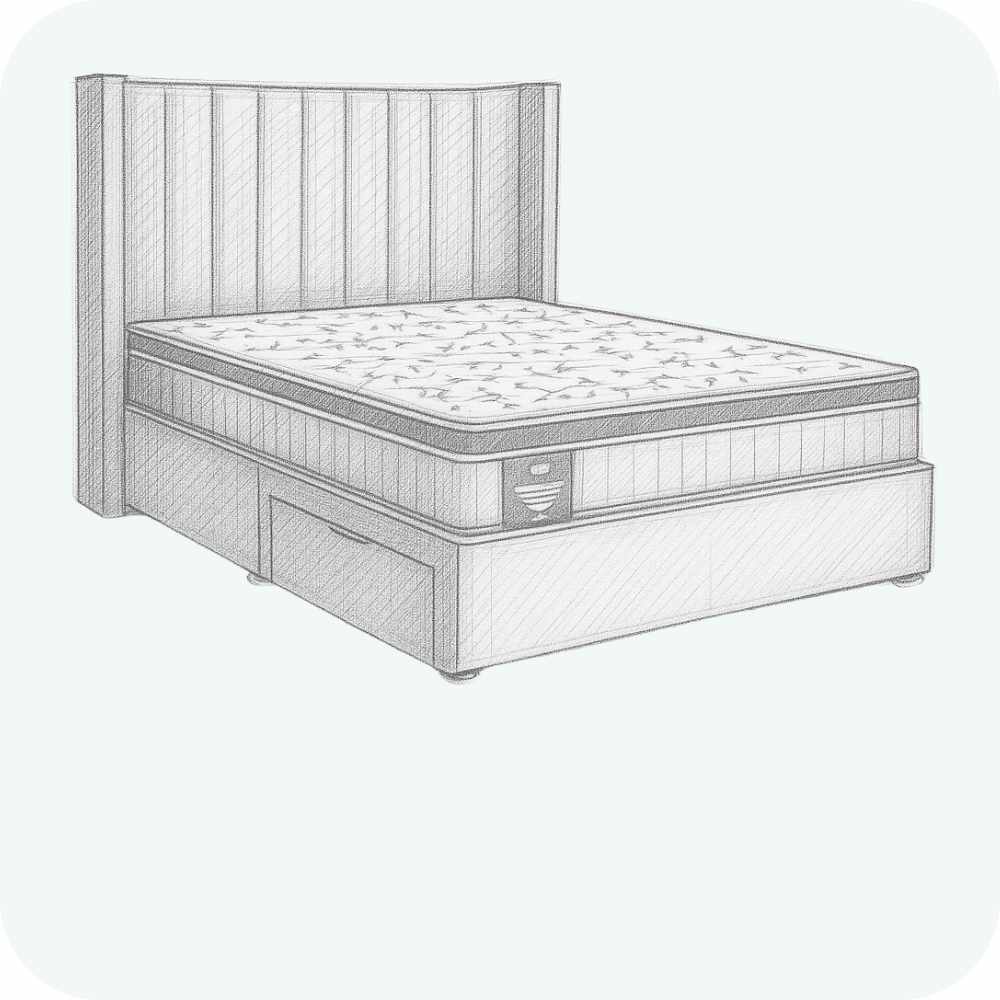
Arguably, the centerpiece of your sleep environment is your mattress. A luxury mattress often features high-end materials, advanced comfort systems, and durability enhancements designed to offer an upgraded sleep experience. These mattresses typically provide better body contouring and help minimize motion transfer, making them a solid choice for those who value comfort and long-term support.
While mattress preference is subjective, selecting a high-quality option tailored to your needs can significantly improve how well you rest. It’s worth taking the time to test various options and evaluate what works best for your body and sleep style.
3. Setting the Right Sleep Schedule
Consistency is key in reinforcing your body’s circadian rhythm. Going to bed and waking up at the same time each day even on weekends, helps regulate your internal clock and can improve the quality of your sleep.
A regular sleep schedule:
- Helps you fall asleep faster
- Improves the overall sleep cycle
- Enhances mood and mental clarity during the day
To create a consistent schedule, start winding down 30-60 minutes before bed. This is where bedtime routines come into play.
4. Crafting a Healthy Bedtime Routine
A predictable and calming pre-sleep routine sends a signal to your brain that it’s time to wind down. Some effective habits include:
- Reading a physical book (not an e-reader)
- Light stretching or yoga
- Listening to calming music or white noise
- Practicing mindfulness or meditation
Avoid stimulating activities like checking emails, intense exercise, or engaging in emotionally charged conversations close to bedtime.
5. Managing Screen Time and Blue Light Exposure
The impact of cell phones and screens on sleep is well-documented. The blue light emitted by screens interferes with melatonin production, the hormone responsible for sleep onset.
To mitigate this:
- Stop using devices at least 1 hour before bedtime
- Use blue light filters or “Night Shift” mode on your devices
- Consider using blue light-blocking glasses
- Keep devices out of the bedroom altogether
Breaking the habit of scrolling through your phone in bed can drastically improve how quickly you fall asleep and how rested you feel the next day.
6. Lifestyle Choices That Support Sleep
What you do during the day impacts how well you sleep at night. Here are key lifestyle elements to consider:
- Exercise: Regular physical activity can help you fall asleep faster and enjoy deeper sleep. Just avoid vigorous workouts close to bedtime.
- Diet: Avoid heavy meals, caffeine, and alcohol late in the day. Opt for light snacks if you’re hungry before bed.
- Hydration: Drink enough water during the day, but taper off in the evening to reduce nighttime bathroom trips.
- Sunlight Exposure: Getting natural light during the day supports your body’s sleep-wake cycle.
7. Optimizing the Bedroom Environment
Your bedroom should be a sanctuary for sleep. Here’s how to make it more conducive:
- Lighting: Use blackout curtains to block external light. Install dimmer switches or use warm-toned lights in the evening.
- Temperature: Keep the room cool, ideally between 60-67°F (15-19°C).
- Noise: Use white noise machines or earplugs to block disruptive sounds.
- Scent: Aromatherapy (like lavender) can promote relaxation.
- Cleanliness: A tidy room helps reduce anxiety and create a sense of calm.
Even your choice of bedding, pillows, and pajamas can influence how well you sleep. Opt for breathable, natural fabrics to maintain comfort throughout the night.
8. The Psychology of Sleep
Sleep is deeply psychological. Stress, anxiety, and racing thoughts can sabotage even the most perfectly designed sleep environments.
Tips to manage the mental side of sleep:
- Journaling: Write down worries or to-do lists before bed to clear your mind.
- Cognitive Behavioral Therapy for Insomnia (CBT-I) is a proven technique that helps restructure negative thought patterns around sleep.
- Visualization and Deep Breathing: Helps reduce stress hormones and trigger the body’s relaxation response.
Creating mental separation between your sleeping area and work or stress-inducing activities is crucial. This is another reason to keep work devices out of the bedroom.
9. When to Seek Professional Help
If you’ve optimized your environment and routines but still struggle with sleep, it may be time to consult a sleep specialist. Conditions like sleep apnea, restless leg syndrome, or chronic insomnia often require medical intervention.
Final Thoughts
Designing a sleep environment that truly works for you is a multifaceted process involving physical setup, routine building, lifestyle adjustments, and psychological well-being. From choosing a luxury mattress that enhances comfort to building daily habits that prepare your mind and body for rest, the improvements you make can be transformative.
And for those dealing with specific physical issues like chronic back pain, an orthopaedic mattress for bad back concerns may be the right solution to ensure proper spinal alignment and long-term relief.
Good sleep doesn’t just happen. It’s something you build intentionally, one choice at a time. By being mindful of your habits and environment, you can create a space where your body and mind can fully recharge.

Marie Soukup is a seasoned senior copywriter and editor who’s written for global brands like Virgin Australia, blending storytelling and strategy to create content that connects. She’s passionate about bringing ideas to life across the travel, lifestyle, and business worlds.