




100-Night Risk-Free Trial
Free Nationwide Delivery
10 Years Warranty
Call us at: 020 4572 5122
0% APR Finance Available
June 28, 2025

Designing a Sleep Environment That Works for You

Creating a sleep-friendly environment is one of the most effective yet overlooked steps in achieving better health, emotional balance, and productivity. The quality of your sleep environment influences not just how quickly you fall asleep but also the depth and restorative value of your rest. Factors such as room setup, bedtime routines, lifestyle choices, and even psychological cues all play a role in determining sleep quality. In this guide, we explore how to design a sleep environment that supports your natural rhythms and promotes restful, uninterrupted sleep.

1. Understanding Sleep and Its Role in Health

Sleep is more than just a nightly shutdown. It’s a biological necessity, helping the brain consolidate memories, regulate hormones, and repair cellular damage. Chronic sleep deprivation can lead to a host of health problems including weight gain, weakened immunity, depression, and increased risk for chronic diseases like diabetes and heart disease.

But getting good sleep isn’t just about clocking in eight hours, it’s about the quality of those hours. That quality is heavily impacted by your surroundings and lifestyle.

2. The Foundation: Choosing the Right Mattress

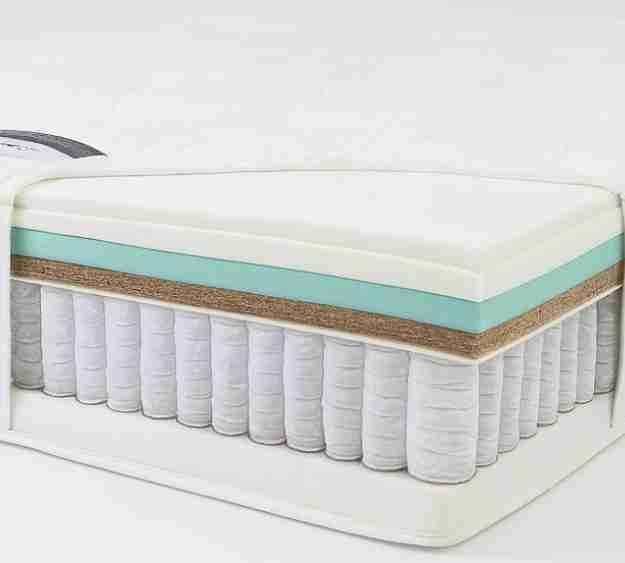
Arguably, the centerpiece of your sleep environment is your mattress. A luxury mattress often features high-end materials, advanced comfort systems, and durability enhancements designed to offer an upgraded sleep experience. These mattresses typically provide better body contouring and help minimize motion transfer, making them a solid choice for those who value comfort and long-term support.

While mattress preference is subjective, selecting a high-quality option tailored to your needs can significantly improve how well you rest. It’s worth taking the time to test various options and evaluate what works best for your body and sleep style.

3. Setting the Right Sleep Schedule

Consistency is key in reinforcing your body’s circadian rhythm. Going to bed and waking up at the same time each day even on weekends, helps regulate your internal clock and can improve the quality of your sleep.

A regular sleep schedule:

  • Helps you fall asleep faster
  • Improves the overall sleep cycle
  • Enhances mood and mental clarity during the day

To create a consistent schedule, start winding down 30-60 minutes before bed. This is where bedtime routines come into play.

4. Crafting a Healthy Bedtime Routine

A predictable and calming pre-sleep routine sends a signal to your brain that it’s time to wind down. Some effective habits include:

  • Reading a physical book (not an e-reader)
  • Light stretching or yoga
  • Listening to calming music or white noise
  • Practicing mindfulness or meditation

Avoid stimulating activities like checking emails, intense exercise, or engaging in emotionally charged conversations close to bedtime.

5. Managing Screen Time and Blue Light Exposure

The impact of cell phones and screens on sleep is well-documented. The blue light emitted by screens interferes with melatonin production, the hormone responsible for sleep onset.

To mitigate this:

  • Stop using devices at least 1 hour before bedtime
  • Use blue light filters or “Night Shift” mode on your devices
  • Consider using blue light-blocking glasses
  • Keep devices out of the bedroom altogether

Breaking the habit of scrolling through your phone in bed can drastically improve how quickly you fall asleep and how rested you feel the next day.

6. Lifestyle Choices That Support Sleep

What you do during the day impacts how well you sleep at night. Here are key lifestyle elements to consider:

  • Exercise: Regular physical activity can help you fall asleep faster and enjoy deeper sleep. Just avoid vigorous workouts close to bedtime.
  • Diet: Avoid heavy meals, caffeine, and alcohol late in the day. Opt for light snacks if you’re hungry before bed.
  • Hydration: Drink enough water during the day, but taper off in the evening to reduce nighttime bathroom trips.
  • Sunlight Exposure: Getting natural light during the day supports your body’s sleep-wake cycle.

7. Optimizing the Bedroom Environment

Your bedroom should be a sanctuary for sleep. Here’s how to make it more conducive:

  • Lighting: Use blackout curtains to block external light. Install dimmer switches or use warm-toned lights in the evening.
  • Temperature: Keep the room cool, ideally between 60-67°F (15-19°C).
  • Noise: Use white noise machines or earplugs to block disruptive sounds.
  • Scent: Aromatherapy (like lavender) can promote relaxation.
  • Cleanliness: A tidy room helps reduce anxiety and create a sense of calm.

Even your choice of bedding, pillows, and pajamas can influence how well you sleep. Opt for breathable, natural fabrics to maintain comfort throughout the night.

8. The Psychology of Sleep

Sleep is deeply psychological. Stress, anxiety, and racing thoughts can sabotage even the most perfectly designed sleep environments.

Tips to manage the mental side of sleep:

  • Journaling: Write down worries or to-do lists before bed to clear your mind.
  • Cognitive Behavioral Therapy for Insomnia (CBT-I) is a proven technique that helps restructure negative thought patterns around sleep.
  • Visualization and Deep Breathing: Helps reduce stress hormones and trigger the body’s relaxation response.

Creating mental separation between your sleeping area and work or stress-inducing activities is crucial. This is another reason to keep work devices out of the bedroom.

9. When to Seek Professional Help

If you’ve optimized your environment and routines but still struggle with sleep, it may be time to consult a sleep specialist. Conditions like sleep apnea, restless leg syndrome, or chronic insomnia often require medical intervention.

Final Thoughts

Designing a sleep environment that truly works for you is a multifaceted process involving physical setup, routine building, lifestyle adjustments, and psychological well-being. From choosing a luxury mattress that enhances comfort to building daily habits that prepare your mind and body for rest, the improvements you make can be transformative.

And for those dealing with specific physical issues like chronic back pain, an orthopaedic mattress for bad back concerns may be the right solution to ensure proper spinal alignment and long-term relief.

Good sleep doesn’t just happen. It’s something you build intentionally, one choice at a time. By being mindful of your habits and environment, you can create a space where your body and mind can fully recharge.
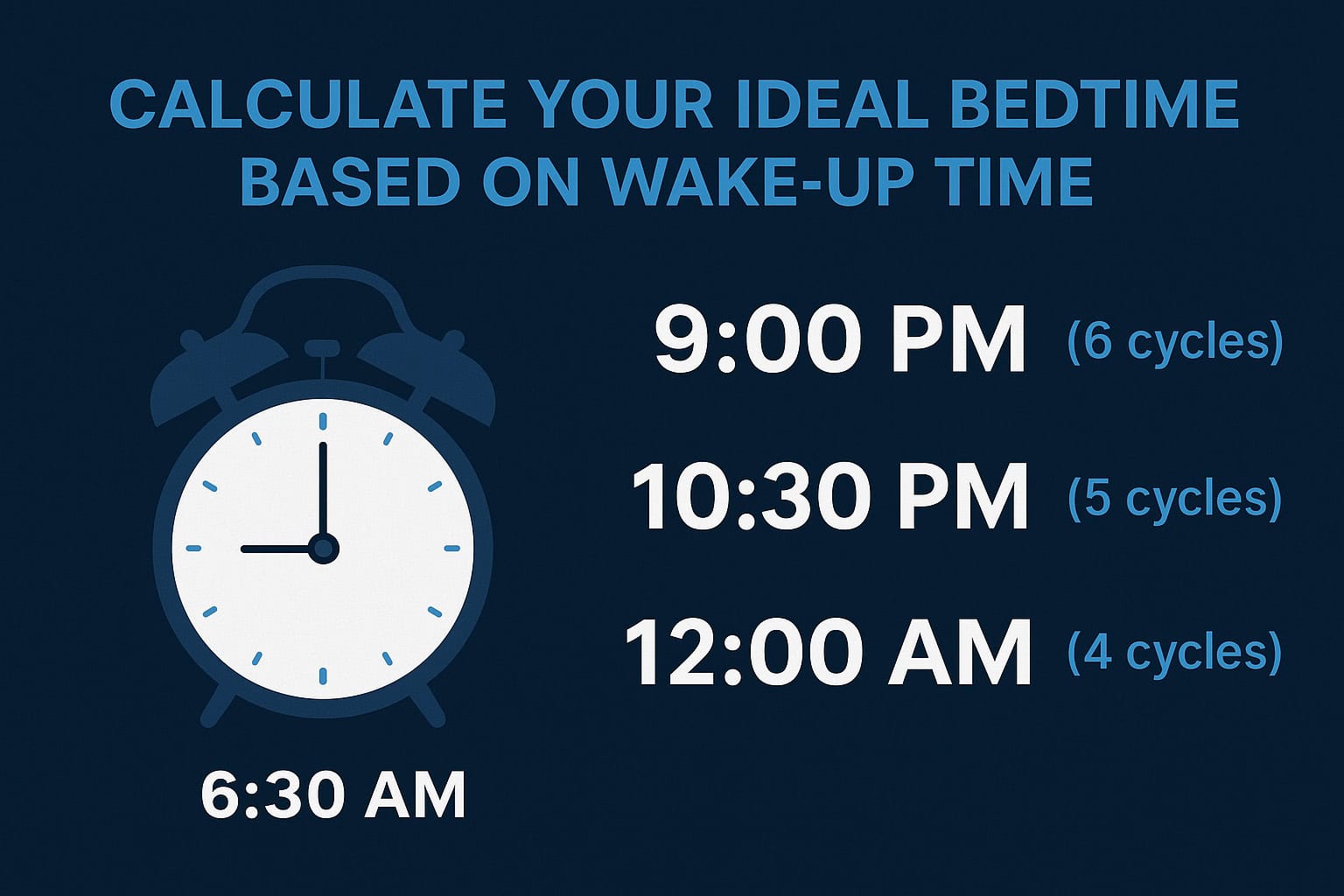
calculate your sleep time by sleep calculator
June 28, 2025

Calculate Your Ideal Bedtime Based on Wake-Up Time

For years, I thought I had a good understanding of sleep. After all, I was getting around 7 to 8 hours most nights, so why did I still feel tired during the day? It wasn’t until I started using a sleep calculator that I realised I was missing a critical part of the equation the timing of my sleep cycles.

Let me walk you through how this discovery changed everything for me, and how it might just do the same for you.

We Think We’re Sleeping Enough – But Are We?

If you’re anything like me, your evenings are full of well-meaning plans that somehow dissolve into a late-night scroll through social media or just “one more” episode on Netflix. We tell ourselves we’re fine as long as we get 7–8 hours. But what we often overlook is how and when we’re actually sleeping.

I used to fall asleep anywhere between 11:30 PM and 1:00 AM, depending on how the day went. My alarm, however, didn’t care it screamed at me at 6:30 AM like clockwork. On paper, I was sleeping “enough.” In reality, I was a walking zombie by midday.

And I’m not alone. According to the Sleep Foundation, inconsistent bedtimes and screen exposure before bed can disrupt your circadian rhythm, making you feel more tired even if you log enough hours.

The problem wasn’t just how long I was sleeping it was when I was waking up within my sleep cycle. Research shows that waking during deep sleep (slow-wave sleep) can result in significant grogginess and impaired mental performance also known as sleep inertia.

It wasn’t until I started aligning my bedtime with full 90-minute sleep cycles that I began to wake up feeling like myself again.

Understanding Sleep Cycles

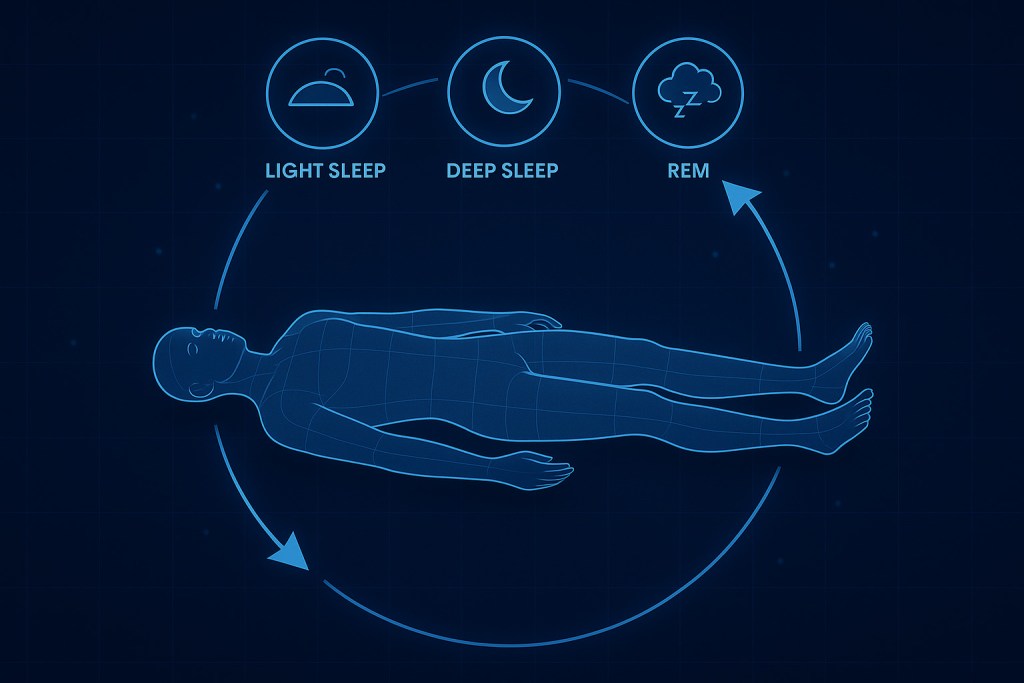
The human brain goes through several stages of sleep, roughly every 90 minutes. These include light sleep, deep sleep, and REM (the dreaming stage). Ideally, you want to wake up at the end of one of these 90-minute cycles not in the middle.

Sleep Cycles

Waking up during deep sleep leaves you groggy, unfocused, and sluggish. But if you wake at the end of a cycle, you’ll often feel clear-headed and refreshed, even with slightly fewer hours of sleep.

This is where a sleep calculator comes in.

What Is a Sleep Calculator?

A sleep calculator is a simple tool that tells you what time to go to bed based on when you need to wake up, or vice versa. It calculates backward in 90-minute increments and adds an average of 15 minutes to fall asleep.

Here’s an example: If you need to wake up at 6:30 AM, a sleep calculator might suggest going to bed at:

  • 9:00 PM (6 cycles)
  • 10:30 PM (5 cycles)
  • 12:00 AM (4 cycles)

And so on. The idea is to complete full cycles and wake at their natural end.

My Personal Experience

When I began using a sleep calculator, I committed to trying it out for two weeks. I chose to aim for five full cycles, about 7.5 hours and adjusted my bedtime to 10:30 PM to wake up at 6:00 AM.

The first few nights were rough. I was so used to staying up late that falling asleep earlier felt unnatural. But by night four, I started waking up minutes before my alarm. I didn’t feel groggy. I wasn’t reaching for coffee the second I opened my eyes. I felt genuinely rested.

That change gave me a new level of control over my day. I could focus better, my energy didn’t crash in the afternoon, and my mood was more stable. It was subtle at first, but undeniable.

Real-Life Habits That Disrupt Sleep

We often underestimate the small habits that disrupt our sleep quality and schedule. I’ve worked with clients who think they’re sleeping fine but experience constant fatigue. When we dig deeper, it’s usually due to one or more of the following:

  • Late-night TV or phone use (blue light delays melatonin production)
  • Eating large meals or caffeine late in the day
  • Inconsistent bedtimes and wake-up routines
  • Catching up on sleep on weekends, throwing off weekday rhythm

These things don’t seem like a big deal, until they become patterns. And then we wonder why our energy, focus, and mood are off.

The Long-Term Cost of Poor Sleep Timing

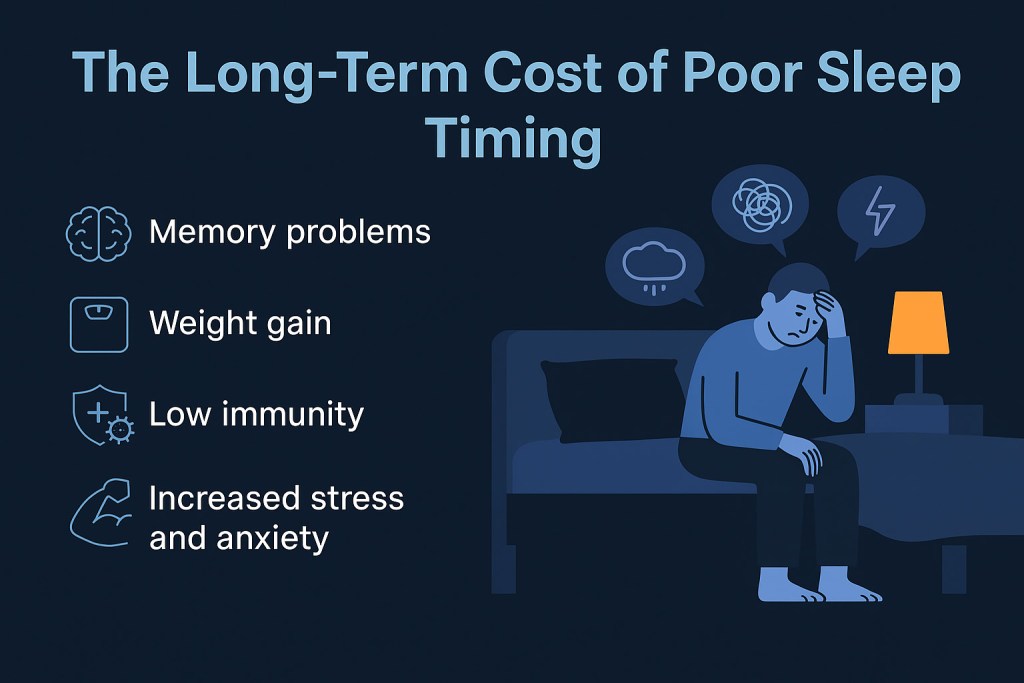
Sleep isn’t just about rest. It’s when your body repairs tissues, balances hormones, and clears out toxins from your brain. Missing proper sleep cycles or waking during the wrong phase consistently can lead to:

side effects of poor sleep
  • Memory problems
  • Weight gain
  • Low immunity
  • Increased stress and anxiety

For years, I didn’t connect the dots between my inconsistent sleep and my struggles with concentration and mood. Once I did, the change was not just noticeable, it was life-changing.

Global Sleep Struggles

Having worked with clients across the UK, US, Canada, India, and Pakistan, I’ve seen how sleep habits vary based on lifestyle and culture. But the struggle is universal.

In the UK, the lack of daylight during winter can confuse the body’s circadian rhythm. Many people oversleep or find themselves groggy throughout the day despite long rest periods.

In Australia, the abundance of daylight and active lifestyles often push bedtimes later, especially in the summer months. Social events and late dinners mean many aren’t getting consistent sleep duration.

In India and Pakistan, the combination of urban noise pollution, screen-heavy evening routines, and late-night meals creates a perfect storm for poor sleep hygiene. These environments make it hard to maintain a steady bedtime.

In Canada and the US, the biggest culprits tend to be screen exposure at night and irregular work schedules, especially among shift workers. Blue light from phones and tablets delays melatonin production, pushing sleep times later and disrupting natural cycles.

But in every case, when people begin aligning their sleep using a sleep calculator and committing to consistent cycles, results improve sometimes dramatically.

Best Sleep Calculator to Calculate Your Ideal Bedtime

Here are a few tools I’ve used or recommended:

Sleep Calculator

Plan your optimal bedtime and wake-up times based on your body’s natural sleep cycles. Wake up refreshed and energized every morning.

Why Use This Calculator?

  • Calculate the ideal bedtime based on when you need to wake up
  • Find the optimal wake-up time based on when you go to bed
  • Work with your body’s natural 90-minute sleep cycles
  • Minimize grogginess and maximize morning energy
  • Based on sleep science research
Use Sleep Calculator

You don’t need a smartwatch or expensive sleep tracker. You just need consistency — and to give your body the chance to work with its natural biology.

My Advice If You’re Just Getting Started

  • Pick a consistent wake-up time and work backwards using a sleep calculator.
  • Don’t try to change everything overnight. Start by adjusting your bedtime by 15–30 minutes.
  • Create a wind-down routine: no screens, dim lights, maybe some reading or stretching.
  • Avoid caffeine after 2 PM. It really does linger longer than we think.

If you stay consistent for even just a week, you’ll likely notice:

  • Easier mornings
  • More energy during the day
  • Fewer cravings for sugar or caffeine
  • Better focus and mood

Final Thoughts

You don’t have to be perfect with your sleep every night. But if you want to feel better, think clearer, and protect your long-term health, the timing of your sleep is just as important as the duration.

I learned this the hard way by burning out slowly without realising it. But once I discovered sleep calculators and aligned my schedule with my natural rhythm, things changed.

If you’re tired of being tired, start tonight. Calculate your ideal bedtime. Try it for a week. Your body will thank you.

And if you have questions or want help adjusting your schedule, I’m here to help.

Product has been added to your cart