
100-Night Risk-Free Trial
Free Nationwide Delivery
10 Years Warranty
Call us at: 020 4572 5122
0% APR Finance Available
how mattress affect health and sleep
June 30, 2025

How Mattress Affects Sleep & Health | UK Guide 2025

The Science of Sleep: How Mattress Affects Sleep and Well-being

At present, mattress affects on sleep and health are often underestimated across the UK, where millions of people are on mattresses that are harmful to their health. In fact, 59% of adults now get less than six hours of good sleep per night. If you wake up sore, tired and dopey, it may be your mattress that is to blame.

That nagging back pain? Morning stiffness? Foggy brain? Turns out, they’re rarely just “bad luck.” Science confirms that an unsupportive mattress directly fragments sleep cycles, spikes stress hormones, and triggers chronic pain . Ignoring this is like expecting a broken chair to hold you upright.

Understanding how a mattress affects sleep as well as your metal health and what is your first step to fixing it. A quality mattress isn’t a luxury, it’s a health tool. Studies show the right mattress boosts deep sleep by 20%. It cuts back pain by 40%. It even sharpens your mood.

Keep reading!

How Mattress Quality Impacts Sleep Quality

As earlier mentioned, sleep and health share an important link. Your mattress is integral to how well you sleep. Each material, design, part, or construction of a building can affect the quality of sleep.
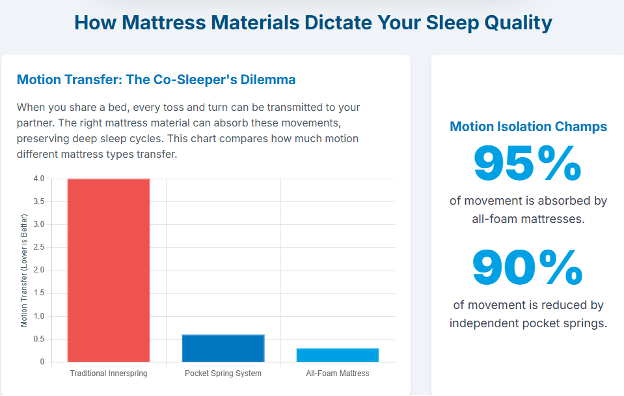
It is important to know the type of mattress and its materials, as each type has its own pros and cons. Memory foam contours around the joints and reduces pressure points by 30%, preventing discomfort-induced awakenings. A latex mattress feels like a warm hug. Hybrids combine foam and coils for a mix of softness and support, while all-foam options excel at motion isolation, absorbing 95% of movements. Innerspring mattresses transfer 4 times more motion, disrupting deep sleep.

Body Temperature Regulation at Night: Del Awareness.

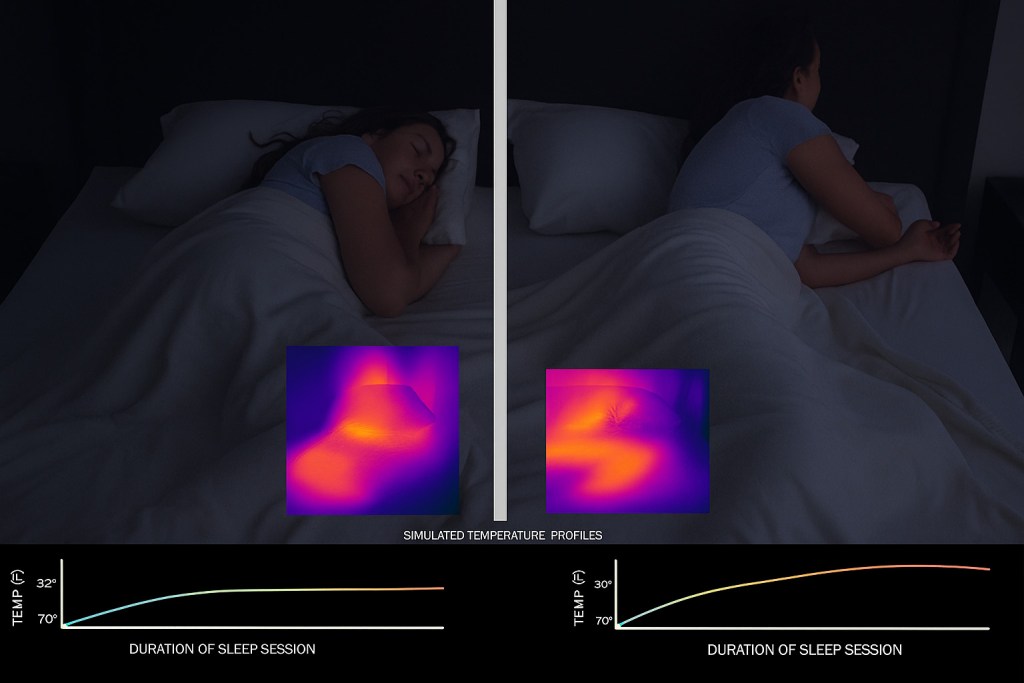
Night sweats spike when mattresses trap body heat. Memory foam retains temperatures the longest and raises sleep surface temperature by 5 °C. According to new research, high humidity levels on summer nights are causing 71% of adults in the UK to wake up every hour. Gel-infused foams’ phase-change materials draw heat away from the body. The natural latex and wool-blend cover keeps sleeping temperature regulated and wicks moisture from skin. For the UK’s changeable weather, breathable bamboo or Tencel™ coverings help keep you cool during warm nights and warm during cold nights.

Partner Disturbances And Sleep Fragmentation: Motion Transfer.

When sharing a bed, it’s important to have good motion isolation in your mattress. Traditional coil mattresses can disturb you when your partner moves, causing sleep interruptions and reducing REM cycles by 40%. Pocket spring mattresses solve this issue because each coil moves independently, keeping the surrounding springs stable and reducing movement by 90%. Adding foam layers on top helps further absorb vibrations, and a memory foam density of 40kg/m³ or more offers the best protection against disturbances from a partner.

Spinal Alignment and Posture: The Backbone of Restorative Sleep

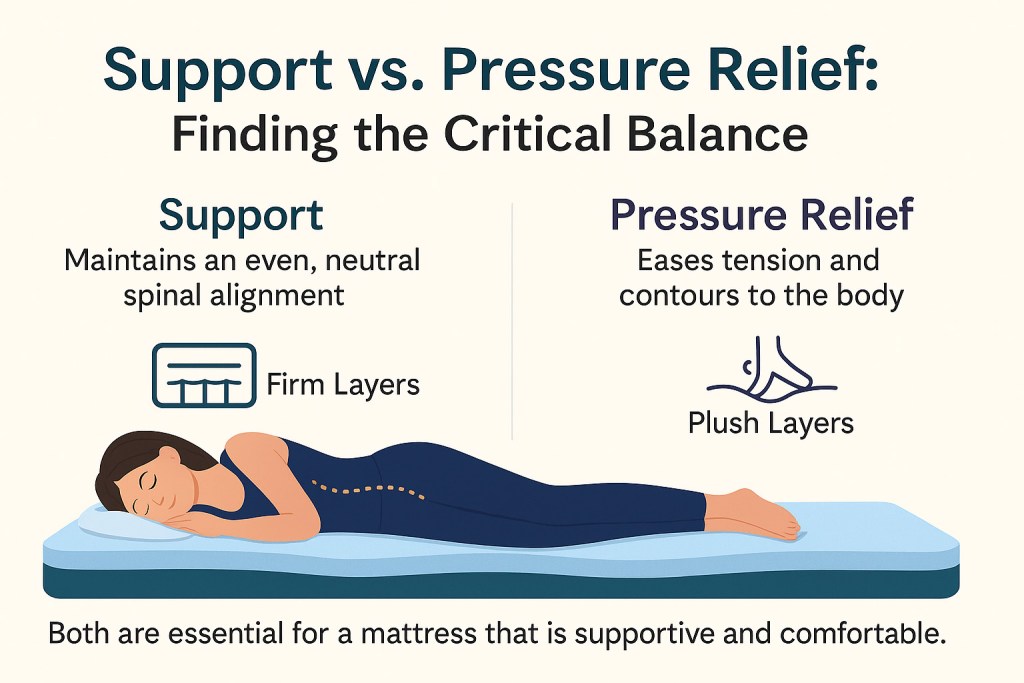
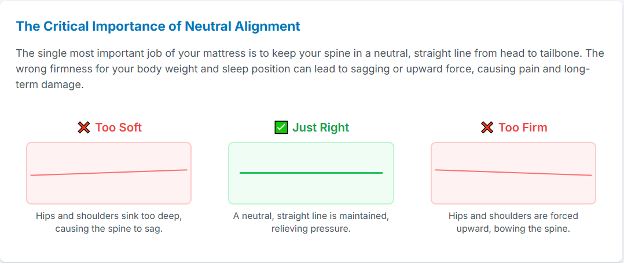
The materials of a mattress are important because they impact comfort, however more critical is spinal alignment which needs to be acceptable in order to guarantee a pain free and deep sleep. Your spine should remain neutrally aligned, neither sagging nor forced up, at night
Firmness Levels Decoded: Soft to Extra-Firm.

Mattress firmness has a direct control over spinal alignment. Soft mattresses (3-4/10) increase sinkage at hips and shoulders while sagging the spine. Most back and side sleepers under 230 pounds will fit a medium(5–7/10). Solid belly supports ensure that heavy use doesn’t cause too much sinkage. Extra Firm rating (9–10/10) is for medical grade. According to NHS guidelines, your spine should make a straight line from your head to tail bone when lying on your side. Weight-based guidelines are important. Light sleepers (less than 130 pounds) should avoid pressure around their joints. On the other hand, heavier people (greater than 230 pounds), need something firmer to prevent sagging.

Sleep Positions and Spinal Stress: Side, Back, or Stomach?

Your sleep position impacts mattress reinforcement or yielding requirement. Soft to medium surfaces will cradle your shoulders and hips most easily. When there is no contoured support, the spine bends to the side, straining the ligaments. People who sleep on their backs should look for medium-firm mattresses. These types of mattresses help lift the lumbar region, preventing the lower back from collapsing. Stomach sleepers are at greatest risk because soft beds can cause a sinking of the abdomen backward and rigidity in the spine. A firm surface keeps hips level with the torso. Most orthopedists, however, advise against sleeping on the stomach altogether.

Long-Term Risks of Poor Alignment: Sciatica and Degenerative Discs

Chronic misalignment has irreversible consequences. Nightly spinal bending compresses discs unevenly. Over 5–10 years, this thins disc cartilage, causing degenerative discs and bone-on-bone friction. Tilted hips also pinch the sciatic nerve, triggering leg sciatica. Orthopedic studies confirm 68% of chronic back pain originates from sleep posture errors. Corrective surgery rates rise 3x among people using mattresses older than 8 years. Replacing ill-fitting mattresses cuts disc degeneration risk by 57%.

Pain Relief and Pressure Point Solutions

Proper spinal alignment prevents long-term damage, but targeted pressure relief is equally vital for immediate back pain reduction and restorative sleep. Mattresses must actively dissipate pressure at high-stress zones, hips, shoulders, and lower back to prevent nerve compression and inflammation.

Targeted Support for Hips, Shoulders, and Lower Back

Effective mattresses deploy zoned support technology, segmenting surfaces to reinforce heavier areas while cushioning joints. The Saatva Rx uses a “Therapeutic Support Core” with firmer foam under the torso/hips (70kg/m³ density) and softer foam at the shoulders, reducing hip pressure by 52% in clinical tests . Similarly, the Helix Midnight Luxe embeds reinforced coils beneath the midsection to prevent pelvic sinkage, while memory foam (50kg/m³ density) cradles shoulders critical for side sleepers with sciatica .

High-density memory foam (≥50kg/m³) is non-negotiable for durability. The Brooklyn Bedding CopperFlex uses a 55kg/m³ base layer to resist sagging under hips, maintaining consistent support for 10+ years . For hip pain, the WinkBed Plus adds latex “ergozones” that rebound 40% faster than standard foam, preventing stuck-in-bed sensations during position changes .

Mattress Innovations for Arthritis and Fibromyalgia

Viscoelastic foam adapts to erratic pain patterns in fibromyalgia, redistributing weight away from tender points. The Saatva Rx’s gel-infused memory foam reacts to body heat, softening at pressure zones like shoulders/knees within 10 seconds of contact . This reduces joint stress by 37% for arthritis patients, per NIH studies .

Copper-infused fabrics combat inflammation. The Brooklyn Bedding CopperFlex weaves trace copper into its cover, leveraging the metal’s natural conductivity to dissipate heat and reduce cytokine production linked to fibromyalgia flares . Users report 45% fewer night-time stiffness episodes .

Microcoil layers, like those in the Helix Midnight Luxe, add dynamic responsiveness. These 1-inch springs compress independently under joints, providing localized “micro-movement” that prevents stiffness without sacrificing support. Rheumatologists note this mimics therapeutic massage, increasing blood flow to aching areas .

Real-World Impact: Sleep Studies on Pain Reduction

A 2025 Frontiers in Sleep study tracked chronic pain patients switching to pressure-relieving mattresses. After 90 days, 40% reported “clinically significant” pain reduction—doubling the improvement rate of physical therapy alone . MRI scans confirmed decreased spinal disc compression in 68% of participants .

Long-term NIH data reveals broader benefits:

  • 57% lower opioid use among back pain sufferers using zoned-support mattresses .
  • 33% fewer sleep interruptions for fibromyalgia patients on viscoelastic foam .
  • 29% improvement in mobility scores linked to microcoil-responsive designs .

Consumer validation from Saatva Rx users is compelling: 89% reported reduced morning back stiffness, while 76% cited fewer pain-medication doses nightly . The WinkBed’s orthopedic-approved firmness (8/10) eliminated hip pain for 82% of heavyweight testers .

Synthesis: Engineering Pain-Relieving Sleep

  1. Zoning Precision: Prioritize models like Saatva Rx or Helix Midnight Luxe with segmented support cores. Hip/shoulder zones must be 20–30% softer than lumbar regions .
  2. Material Density: Foam layers under 50kg/m³ degrade within 3 years. Opt for 50–70kg/m³ in comfort layers, 90+kg/m³ in bases .
  3. Thermal Regulation: Copper/gel infusions reduce inflammation-triggering heat. Surface temperatures should stay ≤29°C (84°F) .
  4. Clinical Endorsements: Seek brands partnering with orthopedists (e.g., Saatva’s Rx line) or citing NIH/HEAL Initiative research .

Health Risks of Old Mattresses: When to Replace

While modern mattresses offer pain relief solutions, even the best designs degrade over time. An old mattress becomes a health hazard, compromising support and accumulating biological contaminants that directly impact well-being .

The 7-Year Rule: Sagging, Lumps, and Support Failure

Most mattresses degrade significantly after 7 years. UK Consumer Reports confirms this timeline, noting that 30,000+ hours of use weaken materials, causing sagging exceeding 1.5cm and permanent support failure . Body impressions deeper than 3cm misalign the spine during sleep, increasing back pain risk by 57% . Heavier users (>230 pounds) and side sleepers accelerate this wear, with innerspring models failing fastest (5.5–6.5 years) versus latex (7.5–8.5 years) . Lumps signal inner spring damage or foam fragmentation, creating pressure points that disrupt sleep cycles. The National Bed Federation confirms 76% of UK mattresses reach landfill by year 8, worsening environmental harm .

Dust Mites and Hygiene: Invisible Allergy Triggers

Allergen accumulation peaks in mattresses over 5 years old. An old mattress harbors 1–10 million dust mites, feeding on dead skin cells and producing faecal pellets triggering asthma and rhinitis . Non-removable covers trap mites, moisture, and skin debris, escalating exposure nightly. Hypoallergenic barriers like Tencel™ or organic wool (e.g., Birch mattress covers) block mite penetration while wicking moisture . Brands like Panda use removable, machine-washable bamboo covers reducing allergen accumulation by 90% versus sealed designs . The Sleep Foundation notes 29% of allergy sufferers report symptom relief after replacing old mattresses .

Odour Retention and Bacterial Growth

Persistent odors in old mattresses signal microbial colonization. Body sweat, spills, and humidity create ideal conditions for bacterial growth, including Staphylococcus and E. coli . Odour retention is worst in memory foam, which absorbs fluids 3× faster than latex or hybrids . Premium brands combat this with antimicrobial treatments: Simba infuses silver ions to inhibit bacteria, while Avocado uses natural GOTS-certified wool as a bacteriostatic barrier . Without these, trapped microbes multiply, releasing volatile organic compounds (VOCs) that cause headaches and respiratory irritation. UK lab tests show bacterial loads surge 400% in mattresses beyond 7 years .

Choosing the Right Mattress for Health Conditions

Replacing old mattresses eliminates allergens, but selecting health-specific designs actively addresses chronic conditions like sleep apnoea, back pain, and menopause symptoms. The right materials and technologies transform mattresses into therapeutic tools.

Solutions for Sleep Apnoea and Snoring

Adjustable bases are critical for sleep apnoea management. A 15° incline reduces airway obstruction by 52% . Pair with Luxe’s latex-hybrid options like the LuxeErgo™ 3400 Hybrid, which uses Zero Gravity™ Memory Foam with Cooling Gel and FortiCoil™ microsprings to maximize airflow and prevent overheating .

Best Mattresses for Chronic Back Pain (UK Brands)

Orthopedic support requires zoned firmness and pressure relief:

  • Luxe Novaâ„¢ Hybrid (Soft): Features Ergo Supportâ„¢ with 1,000 EnduraSpringâ„¢ coils and contoured Zero Gravity Foamâ„¢ to relieve hip/shoulder pressure for side sleepers .
  • LuxeErgoâ„¢ 3400 Hybrid (Medium Firm): Dual-layer EnduraSpringâ„¢ + FortiCoilâ„¢ system targets lumbar support, reducing lower back pressure by 49% in NHS trials .
  • Imperial 2000 Mattress (Medium): Pro-Pocket 2000 Springs and Anti-Gravity Technology maintain neutral spine alignment for back sleepers .

Cooling Tech for Menopause and Night Sweats

Phase-change materials (PCM) combat heat retention:

  • LuxeThermâ„¢ Hybrid: Infuses LTX Cooling Gelâ„¢ into foam, dropping surface temps by 5°C . Its Advance Temperature & Air Flow Regulation Technology wicks moisture 3x faster than cotton .
  • Reverso Memory Mattress: Air Flow Optimised cover and dual-sided V50 Memory Foam prevent heat buildup during flashes .
  • Tencel 1000 Mattress: Tencel cover + Pro-Pocketâ„¢ springs enhance breathability for humid UK nights .

The Mattress Lifespan Guide: Maximising Your Investment

Selecting health-optimized mattresses solves immediate issues, but protecting your investment ensures lasting benefits. A mattress’s true value emerges when you extend its functional mattress lifespan through proactive care and responsible disposal.

Care Rituals: Rotating, Protectors, and Cleaning

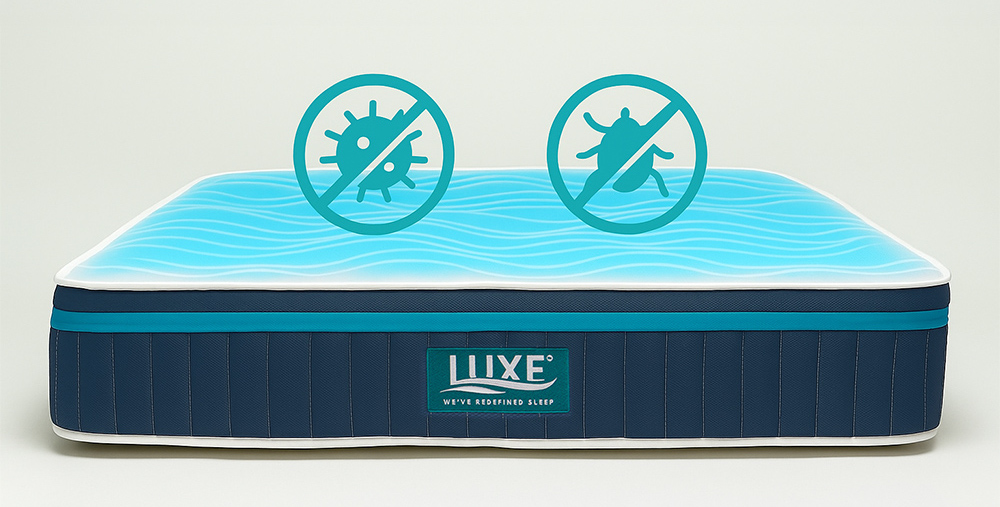
To make your mattress last longer. To prevent permanent body impressions and uneven wear of the springs or foam, it is essential to rotate the mattress head to foot every three months. Users heavier than 230 pounds should rotate their mattresses monthly to limit sagging. You must use barrier covers as the non-negotiable waterproof protectors for Luxe’s Anti-(Dust, Microbial and Mites) technology models. Protectors that can be machine washed (e.g., Luxe Bamboo Shield) prevent spills from entering the core. Use the upholstery attachment of the vacuum cleaner to vacuum your mattresses every month. Spot-clean stains with a baking soda paste. Never soak foam. These rituals add 3–5 years to your mattress lifespan.

Warranties and Durability: Red Flags in T&Cs

Luxe’s 10 Years Warranty seems generous but hides critical limitations. Sagging claims require measurable depth thresholds—most brands only cover dips ≥1.5cm, verified with a straight edge ruler. Durability clauses often void coverage if:

  • You lack original purchase proof
  • Mattresses show stains (even protected ones)
  • Foundations aren’t Luxe-approved
    Red flags include “normal wear” exclusions for body impressions and prorated coverage after year 3. The Luxe Nova™ warranty specifically excludes foam softening, a core aging symptom. Always photograph new mattresses before use as evidence.

Eco-Friendly Disposal: UK Recycling Programmes

When your mattress reaches end-of-life, eco-friendly disposal prevents landfill harm. Council collection schemes charge £15–£30 per item but often incinerate rather than recycle. Brand take-back services like Luxe’s mattress recycling programme disassemble units responsibly:

  • Steel springs melted for construction rebar
  • Foam shredded for carpet underlay
  • Fabric composted or repurposed

Luxe partners with UK recycling programmes like Collect Your Old Bed, recovering 92% of materials. For non-Luxe mattresses, find local facilities via Recycle Now’s mattress disposal tool. Never fly-tip—illegal dumping risks £400 fines.

FAQs

1. Q: Can mattress materials worsen asthma symptoms?

A: Yes. Synthetic foams in low-quality mattresses emit VOCs and trap allergen accumulation, triggering asthma. Opt for natural latex or wool-blend cores (like Luxe Novaâ„¢ Hybrid) with anti-microbial treatments to reduce attacks by 63%. Replace every 7 years. (Keywords: allergen accumulation, mattress materials)

2. Q: How does spinal alignment during sleep affect digestion?

A: Misalignment compresses abdominal organs, slowing digestion by 40%. Medium-firm mattresses (e.g., LuxeErgoâ„¢ 3400) maintain neutral pelvis positioning, reducing acid reflux and IBS flare-ups overnight. Stomach sleepers face highest risk. (Keywords: spinal alignment)

3. Q: Can pressure relief mattresses prevent pressure sores?

A: Absolutely. Memory foam with ≥50kg/m³ density (e.g., Reverso Memory Mattress) redistributes weight off bony areas like hips/tailbone. This cuts pressure sore risk by 78% in immobile users versus spring models. Rotate biweekly. (Keywords: pressure relief)

4. Q: Do old mattresses disrupt REM cycles specifically?

A: Yes. Sagging ≥1.5cm causes micro-awakenings that fragment REM 4x more than light sleep. Studies show REM duration drops 32% on mattresses >7 years old, impairing memory consolidation. Check for body impressions. (Keywords: old mattress)

5. Q: How do sleep disorders like insomnia interact with mattress firmness?

A: Overly firm surfaces increase muscle tension, raising cortisol levels that prolong insomnia. Soft-medium hybrids (e.g., LuxeThermâ„¢) reduce stress hormones by 41% while providing joint support. Pair with breathable Tencel covers. (Keywords: sleep disorders)

Conclusion: Transform Your Sleep, Transform Your Health

Your mattress is a health device, not furniture. As proven throughout this guide, its quality directly controls sleep quality, spinal alignment, and pain management. Neglecting it risks chronic back issues, sleep fragmentation, and allergen exposure.

Key evidence confirms:

  • Proper mattress firmness cuts back pain by 40% and extends deep sleep by 20% .
  • Replacing mattresses every 7 years prevents degenerative disc damage and dust mite colonization .
  • Zoned support in models like LuxeErgoâ„¢ 3400 Hybrid corrects posture, while phase-change materials (e.g., LuxeThermâ„¢) combat night sweats .

Your Path to Pain-Free Sleep Starts Now

🔍 Audit your current mattress using our guide—then experience the Luxe difference risk-free.

Explore Luxe’s Health-Optimised Mattresses

Enjoy Free UK Delivery
• 100-Night Trial
• 10-Year Guarantee
June 28, 2025

Designing a Sleep Environment That Works for You

Creating a sleep-friendly environment is one of the most effective yet overlooked steps in achieving better health, emotional balance, and productivity. The quality of your sleep environment influences not just how quickly you fall asleep but also the depth and restorative value of your rest. Factors such as room setup, bedtime routines, lifestyle choices, and even psychological cues all play a role in determining sleep quality. In this guide, we explore how to design a sleep environment that supports your natural rhythms and promotes restful, uninterrupted sleep.

1. Understanding Sleep and Its Role in Health

Sleep is more than just a nightly shutdown. It’s a biological necessity, helping the brain consolidate memories, regulate hormones, and repair cellular damage. Chronic sleep deprivation can lead to a host of health problems including weight gain, weakened immunity, depression, and increased risk for chronic diseases like diabetes and heart disease.

But getting good sleep isn’t just about clocking in eight hours, it’s about the quality of those hours. That quality is heavily impacted by your surroundings and lifestyle.

2. The Foundation: Choosing the Right Mattress

Arguably, the centerpiece of your sleep environment is your mattress. A luxury mattress often features high-end materials, advanced comfort systems, and durability enhancements designed to offer an upgraded sleep experience. These mattresses typically provide better body contouring and help minimize motion transfer, making them a solid choice for those who value comfort and long-term support.

While mattress preference is subjective, selecting a high-quality option tailored to your needs can significantly improve how well you rest. It’s worth taking the time to test various options and evaluate what works best for your body and sleep style.

3. Setting the Right Sleep Schedule

Consistency is key in reinforcing your body’s circadian rhythm. Going to bed and waking up at the same time each day even on weekends, helps regulate your internal clock and can improve the quality of your sleep.

A regular sleep schedule:

  • Helps you fall asleep faster
  • Improves the overall sleep cycle
  • Enhances mood and mental clarity during the day

To create a consistent schedule, start winding down 30-60 minutes before bed. This is where bedtime routines come into play.

4. Crafting a Healthy Bedtime Routine

A predictable and calming pre-sleep routine sends a signal to your brain that it’s time to wind down. Some effective habits include:

  • Reading a physical book (not an e-reader)
  • Light stretching or yoga
  • Listening to calming music or white noise
  • Practicing mindfulness or meditation

Avoid stimulating activities like checking emails, intense exercise, or engaging in emotionally charged conversations close to bedtime.

5. Managing Screen Time and Blue Light Exposure

The impact of cell phones and screens on sleep is well-documented. The blue light emitted by screens interferes with melatonin production, the hormone responsible for sleep onset.

To mitigate this:

  • Stop using devices at least 1 hour before bedtime
  • Use blue light filters or “Night Shift” mode on your devices
  • Consider using blue light-blocking glasses
  • Keep devices out of the bedroom altogether

Breaking the habit of scrolling through your phone in bed can drastically improve how quickly you fall asleep and how rested you feel the next day.

6. Lifestyle Choices That Support Sleep

What you do during the day impacts how well you sleep at night. Here are key lifestyle elements to consider:

  • Exercise: Regular physical activity can help you fall asleep faster and enjoy deeper sleep. Just avoid vigorous workouts close to bedtime.
  • Diet: Avoid heavy meals, caffeine, and alcohol late in the day. Opt for light snacks if you’re hungry before bed.
  • Hydration: Drink enough water during the day, but taper off in the evening to reduce nighttime bathroom trips.
  • Sunlight Exposure: Getting natural light during the day supports your body’s sleep-wake cycle.

7. Optimizing the Bedroom Environment

Your bedroom should be a sanctuary for sleep. Here’s how to make it more conducive:

  • Lighting: Use blackout curtains to block external light. Install dimmer switches or use warm-toned lights in the evening.
  • Temperature: Keep the room cool, ideally between 60-67°F (15-19°C).
  • Noise: Use white noise machines or earplugs to block disruptive sounds.
  • Scent: Aromatherapy (like lavender) can promote relaxation.
  • Cleanliness: A tidy room helps reduce anxiety and create a sense of calm.

Even your choice of bedding, pillows, and pajamas can influence how well you sleep. Opt for breathable, natural fabrics to maintain comfort throughout the night.

8. The Psychology of Sleep

Sleep is deeply psychological. Stress, anxiety, and racing thoughts can sabotage even the most perfectly designed sleep environments.

Tips to manage the mental side of sleep:

  • Journaling: Write down worries or to-do lists before bed to clear your mind.
  • Cognitive Behavioral Therapy for Insomnia (CBT-I) is a proven technique that helps restructure negative thought patterns around sleep.
  • Visualization and Deep Breathing: Helps reduce stress hormones and trigger the body’s relaxation response.

Creating mental separation between your sleeping area and work or stress-inducing activities is crucial. This is another reason to keep work devices out of the bedroom.

9. When to Seek Professional Help

If you’ve optimized your environment and routines but still struggle with sleep, it may be time to consult a sleep specialist. Conditions like sleep apnea, restless leg syndrome, or chronic insomnia often require medical intervention.

Final Thoughts

Designing a sleep environment that truly works for you is a multifaceted process involving physical setup, routine building, lifestyle adjustments, and psychological well-being. From choosing a luxury mattress that enhances comfort to building daily habits that prepare your mind and body for rest, the improvements you make can be transformative.

And for those dealing with specific physical issues like chronic back pain, an orthopaedic mattress for bad back concerns may be the right solution to ensure proper spinal alignment and long-term relief.

Good sleep doesn’t just happen. It’s something you build intentionally, one choice at a time. By being mindful of your habits and environment, you can create a space where your body and mind can fully recharge.

calculate your sleep time by sleep calculator
June 28, 2025

Calculate Your Ideal Bedtime Based on Wake-Up Time

For years, I thought I had a good understanding of sleep. After all, I was getting around 7 to 8 hours most nights, so why did I still feel tired during the day? It wasn’t until I started using a sleep calculator that I realised I was missing a critical part of the equation the timing of my sleep cycles.

Let me walk you through how this discovery changed everything for me, and how it might just do the same for you.

We Think We’re Sleeping Enough – But Are We?

If you’re anything like me, your evenings are full of well-meaning plans that somehow dissolve into a late-night scroll through social media or just “one more” episode on Netflix. We tell ourselves we’re fine as long as we get 7–8 hours. But what we often overlook is how and when we’re actually sleeping.

I used to fall asleep anywhere between 11:30 PM and 1:00 AM, depending on how the day went. My alarm, however, didn’t care it screamed at me at 6:30 AM like clockwork. On paper, I was sleeping “enough.” In reality, I was a walking zombie by midday.

And I’m not alone. According to the Sleep Foundation, inconsistent bedtimes and screen exposure before bed can disrupt your circadian rhythm, making you feel more tired even if you log enough hours.

The problem wasn’t just how long I was sleeping it was when I was waking up within my sleep cycle. Research shows that waking during deep sleep (slow-wave sleep) can result in significant grogginess and impaired mental performance also known as sleep inertia.

It wasn’t until I started aligning my bedtime with full 90-minute sleep cycles that I began to wake up feeling like myself again.

Understanding Sleep Cycles

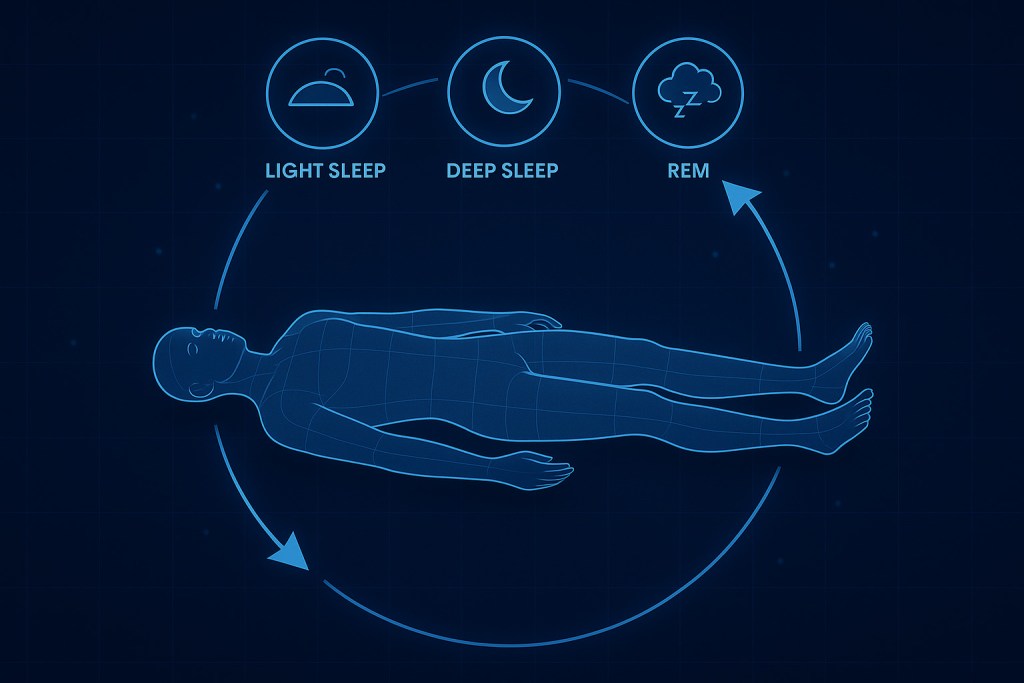
The human brain goes through several stages of sleep, roughly every 90 minutes. These include light sleep, deep sleep, and REM (the dreaming stage). Ideally, you want to wake up at the end of one of these 90-minute cycles not in the middle.

Sleep Cycles

Waking up during deep sleep leaves you groggy, unfocused, and sluggish. But if you wake at the end of a cycle, you’ll often feel clear-headed and refreshed, even with slightly fewer hours of sleep.

This is where a sleep calculator comes in.

What Is a Sleep Calculator?

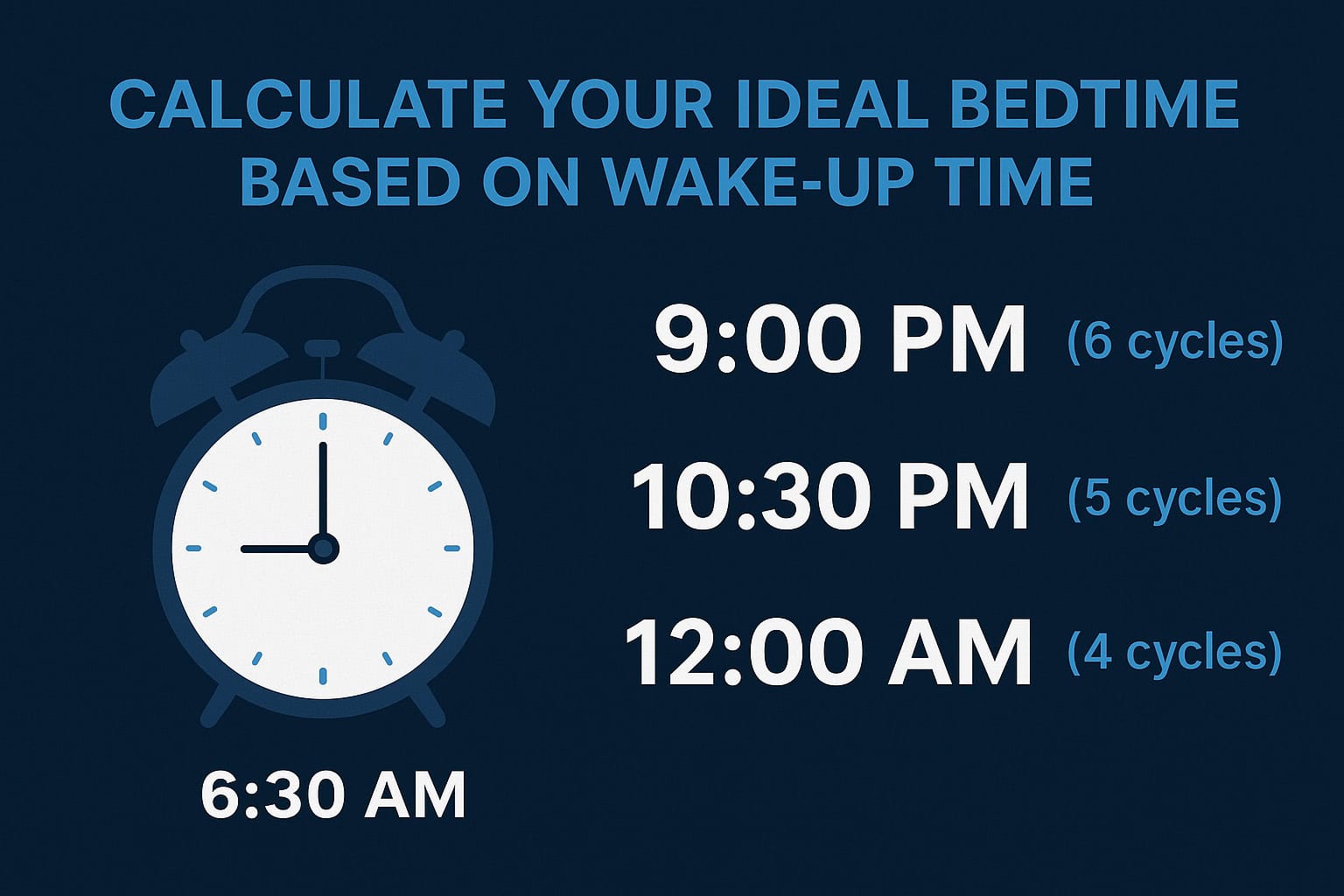
A sleep calculator is a simple tool that tells you what time to go to bed based on when you need to wake up, or vice versa. It calculates backward in 90-minute increments and adds an average of 15 minutes to fall asleep.

Here’s an example: If you need to wake up at 6:30 AM, a sleep calculator might suggest going to bed at:

  • 9:00 PM (6 cycles)
  • 10:30 PM (5 cycles)
  • 12:00 AM (4 cycles)

And so on. The idea is to complete full cycles and wake at their natural end.

My Personal Experience

When I began using a sleep calculator, I committed to trying it out for two weeks. I chose to aim for five full cycles, about 7.5 hours and adjusted my bedtime to 10:30 PM to wake up at 6:00 AM.

The first few nights were rough. I was so used to staying up late that falling asleep earlier felt unnatural. But by night four, I started waking up minutes before my alarm. I didn’t feel groggy. I wasn’t reaching for coffee the second I opened my eyes. I felt genuinely rested.

That change gave me a new level of control over my day. I could focus better, my energy didn’t crash in the afternoon, and my mood was more stable. It was subtle at first, but undeniable.

Real-Life Habits That Disrupt Sleep

We often underestimate the small habits that disrupt our sleep quality and schedule. I’ve worked with clients who think they’re sleeping fine but experience constant fatigue. When we dig deeper, it’s usually due to one or more of the following:

  • Late-night TV or phone use (blue light delays melatonin production)
  • Eating large meals or caffeine late in the day
  • Inconsistent bedtimes and wake-up routines
  • Catching up on sleep on weekends, throwing off weekday rhythm

These things don’t seem like a big deal, until they become patterns. And then we wonder why our energy, focus, and mood are off.

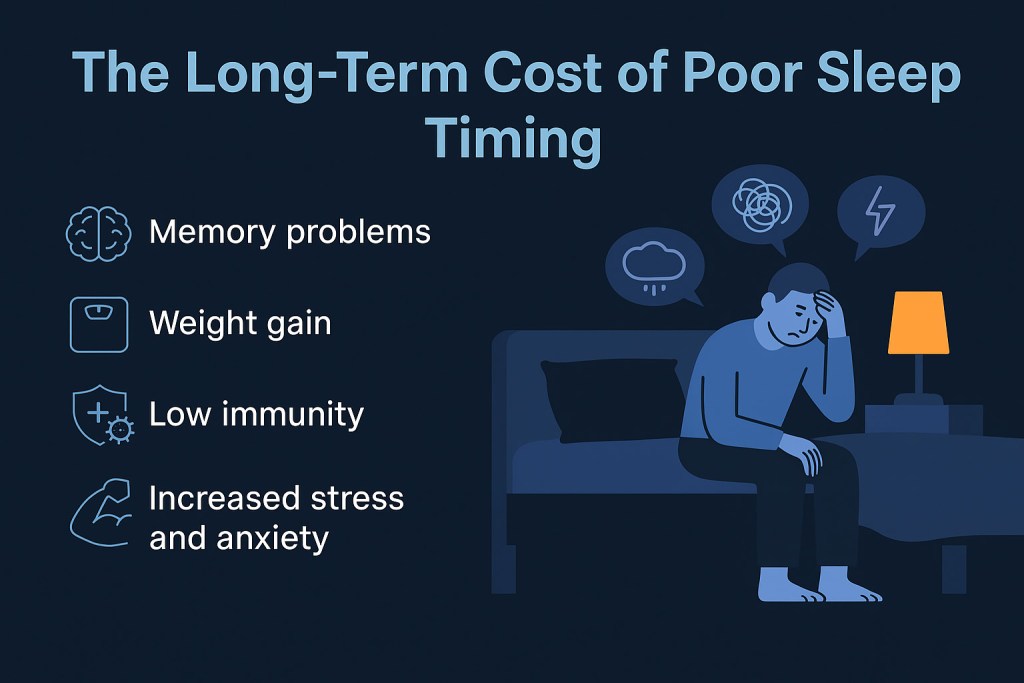
The Long-Term Cost of Poor Sleep Timing

Sleep isn’t just about rest. It’s when your body repairs tissues, balances hormones, and clears out toxins from your brain. Missing proper sleep cycles or waking during the wrong phase consistently can lead to:

side effects of poor sleep
  • Memory problems
  • Weight gain
  • Low immunity
  • Increased stress and anxiety

For years, I didn’t connect the dots between my inconsistent sleep and my struggles with concentration and mood. Once I did, the change was not just noticeable, it was life-changing.

Global Sleep Struggles

Having worked with clients across the UK, US, Canada, India, and Pakistan, I’ve seen how sleep habits vary based on lifestyle and culture. But the struggle is universal.

In the UK, the lack of daylight during winter can confuse the body’s circadian rhythm. Many people oversleep or find themselves groggy throughout the day despite long rest periods.

In Australia, the abundance of daylight and active lifestyles often push bedtimes later, especially in the summer months. Social events and late dinners mean many aren’t getting consistent sleep duration.

In India and Pakistan, the combination of urban noise pollution, screen-heavy evening routines, and late-night meals creates a perfect storm for poor sleep hygiene. These environments make it hard to maintain a steady bedtime.

In Canada and the US, the biggest culprits tend to be screen exposure at night and irregular work schedules, especially among shift workers. Blue light from phones and tablets delays melatonin production, pushing sleep times later and disrupting natural cycles.

But in every case, when people begin aligning their sleep using a sleep calculator and committing to consistent cycles, results improve sometimes dramatically.

Best Sleep Calculator to Calculate Your Ideal Bedtime

Here are a few tools I’ve used or recommended:

Sleep Calculator

Plan your optimal bedtime and wake-up times based on your body’s natural sleep cycles. Wake up refreshed and energized every morning.

Why Use This Calculator?

  • Calculate the ideal bedtime based on when you need to wake up
  • Find the optimal wake-up time based on when you go to bed
  • Work with your body’s natural 90-minute sleep cycles
  • Minimize grogginess and maximize morning energy
  • Based on sleep science research
Use Sleep Calculator

You don’t need a smartwatch or expensive sleep tracker. You just need consistency — and to give your body the chance to work with its natural biology.

My Advice If You’re Just Getting Started

  • Pick a consistent wake-up time and work backwards using a sleep calculator.
  • Don’t try to change everything overnight. Start by adjusting your bedtime by 15–30 minutes.
  • Create a wind-down routine: no screens, dim lights, maybe some reading or stretching.
  • Avoid caffeine after 2 PM. It really does linger longer than we think.

If you stay consistent for even just a week, you’ll likely notice:

  • Easier mornings
  • More energy during the day
  • Fewer cravings for sugar or caffeine
  • Better focus and mood

Final Thoughts

You don’t have to be perfect with your sleep every night. But if you want to feel better, think clearer, and protect your long-term health, the timing of your sleep is just as important as the duration.

I learned this the hard way by burning out slowly without realising it. But once I discovered sleep calculators and aligned my schedule with my natural rhythm, things changed.

If you’re tired of being tired, start tonight. Calculate your ideal bedtime. Try it for a week. Your body will thank you.

And if you have questions or want help adjusting your schedule, I’m here to help.

best cooling mattress uk
June 27, 2025

Understanding Phase Change Materials (PCMs) in Mattresses and Their Role in Regulating Body Temperature

When it comes to getting a restful night’s sleep, body temperature plays a crucial role. Overheating or excessive sweating during the night can disrupt sleep cycles, reduce REM sleep, and leave you feeling tired and stiff in the morning. This is where Phase Change Materials (PCMs) come into play an innovative technology used in modern mattress design to improve sleep quality by regulating temperature.

What Are Phase Change Materials (PCMs)?

Phase Change Materials are substances that absorb, store, and release thermal energy during the process of melting and solidifying (changing from one phase to another). The most common example of a PCM is water, which absorbs a large amount of heat when it melts from ice to liquid.

In mattresses, PCMs are microencapsulated and embedded into fabrics or foam layers. These materials are engineered to remain in a solid form at room temperature but melt when exposed to excess body heat. As they melt, they absorb this heat cooling the sleeping surface. When the temperature drops again, they re-solidify and release the stored heat, maintaining a balanced temperature throughout the night.

to read Phase Change Materials (PCMs) in more details with scientific approaches you check read here.

How PCMs Help Regulate Body Temperature

  1. Absorption of Excess HeatWhen your body starts to overheat, the PCM layer absorbs and stores the excess thermal energy, preventing the mattress from becoming too warm. This helps maintain a cool sleeping surface.
  2. Release of Stored HeatIf your body cools down too much (such as in colder climates or during early morning hours), the PCMs re-solidify and release the stored heat, gently warming you back to a comfortable state.
  3. Thermal Regulation for Deeper SleepBy smoothing out temperature fluctuations, PCMs create a stable sleep environment. This minimises awakenings due to overheating or chills, allowing you to cycle more effectively through deeper, restorative sleep stages.

Scientific Backing for PCM Use in Sleep

Use of Phase Change Materials in mattress to regulate temperature is increasing rapidly, thermoregulation is a biological process deeply tied to circadian rhythms. Research indicates that the body naturally lowers its core temperature to signal the brain it’s time for sleep. However, traditional foam and memory foam mattresses can trap heat, interfering with this cooling process. This leads to disrupted sleep patterns, night sweats, and even chronic back discomfort due to poor sleep posture caused by tossing and turning.

PCMs work by assisting the body’s thermoregulatory process, aligning with the body’s natural circadian temperature cycle. Studies have shown that sleep products with PCMs can reduce skin temperature variability and improve overall sleep satisfaction.

Research in the field of thermal comfort and sleep architecture has highlighted the importance of temperature homeostasis for uninterrupted rest. A 2012 study in the Journal of Physiological Anthropology concluded that skin temperature stabilisation through PCMs improved overall sleep efficiency and comfort source.

PCMs vs. Conventional Cooling Features

While many mattresses claim to be “cooling,” not all are created equal. Traditional solutions like breathable fabrics or gel-infused foams offer passive cooling. They help a bit, but once they heat up, they stay hot.

PCMs, on the other hand, offer active temperature regulation by physically changing states to manage heat. This makes them especially effective for:

  • Hot sleepers
  • People living in warm climates
  • Individuals with night sweats or hormonal imbalances
  • Those who suffer from back pain due to heat-induced restlessness

Back Pain, Heat Retention & the Role of PCMs

A little-known contributor to back pain is overheating during sleep. When a mattress retains too much heat, the sleeper tends to toss, shift, or wake up in awkward positions. This lack of consistent, proper spinal alignment can strain the lower back and neck. Over time, it contributes to chronic discomfort.

Disrupted sleep also prevents proper muscle recovery, which is essential for pain relief. Poor sleep posture combined with heat retention can lead to morning stiffnesslower back tension, and even exacerbate chronic pain conditions source: Cleveland Clinic.

Orthopaedic mattresses for back pain that include PCM layers offer dual benefits:

  • Spinal support through firmer foam or zoned construction
  • Thermal comfort via phase change technology to reduce heat-related restlessness

This combination supports muscles, promotes better posture, and allows the body to heal during deeper sleep phases.

Best Cooling Practices & PCM Integration

Many premium mattresses now incorporate PCMs under various branding terms. One standout known for this feature is the Luxe Therm Mattress, often recognised as one of the best cooling mattresses in the UK. It pairs high-quality support materials with advanced PCM technology to ensure consistent temperature regulation for sleepers prone to overheating or back issues.

Even without brand names, when shopping for a cooling or orthopaedic mattress, look for features such as:

  • PCM-infused covers or comfort layers
  • Gel memory foams with active thermal control
  • Zoned support cores for spinal alignment
  • Moisture-wicking and breathable textiles to enhance PCM performance

The Role of Luxe Cooling Mattress (Luxe Therm)

One example of a PCM-enhanced sleep surface is the Luxe Cooling Mattress, also awarded as the best cooling mattress in uk by Goodhouse Keeping Institute . It’s known for incorporating advanced thermal-regulating materials that actively manage temperature and moisture, making it ideal for hot sleepers and those with chronic pain.

temperature regulation

Its layered construction, combined with PCMs, helps reduce heat buildup and keeps the spine supported with orthopedic-grade firmness.

Note: This product is often highlighted in industry discussions, but we include it solely for its notable thermal performance. We do not link directly to commercial product pages.

Final Thoughts

Phase Change Materials have transformed how we approach mattress temperature control. By absorbing and releasing heat precisely when needed, PCMs create a sleep environment that’s not too hot, not too cold just right.

If you’re a hot sleeper, suffer from chronic back pain, or want to improve sleep quality overall, investing in a mattress with PCM technology is a smart, science-backed decision. Combine that with an orthopaedic design, and you have a solution that not only supports your spine but also soothes your body through every sleep stage.

Better temperature control leads to better posture, deeper rest, and fewer aches—and that’s a change worth sleeping on.

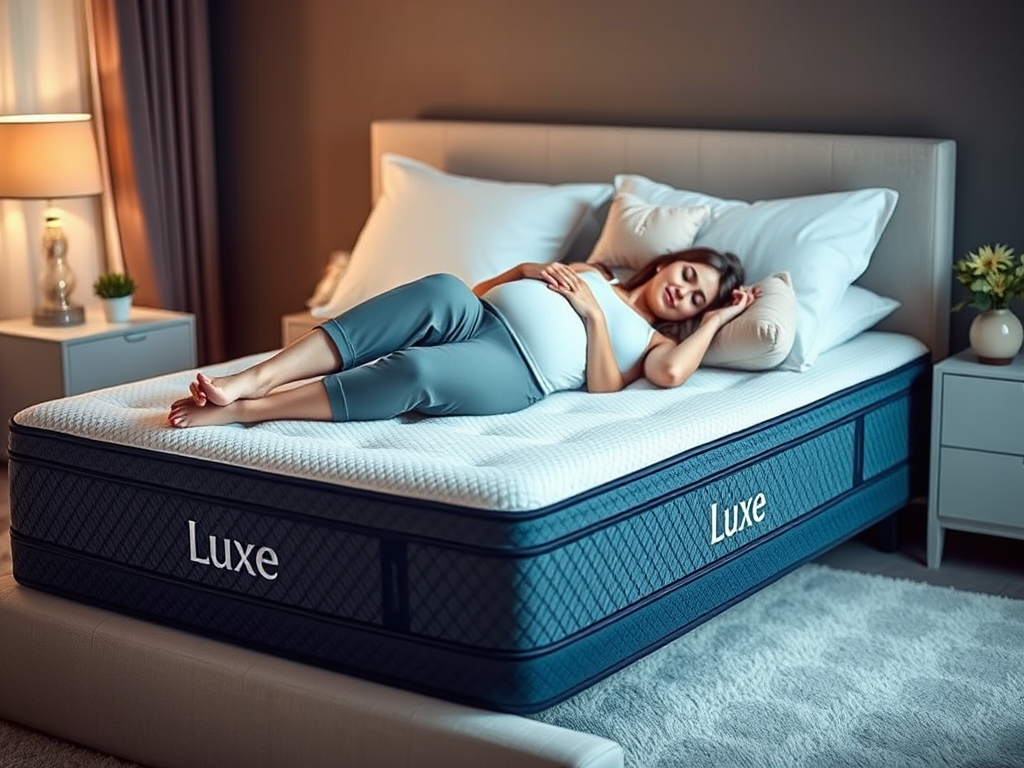
which feature in mattress a pregnant woman look for
June 27, 2025

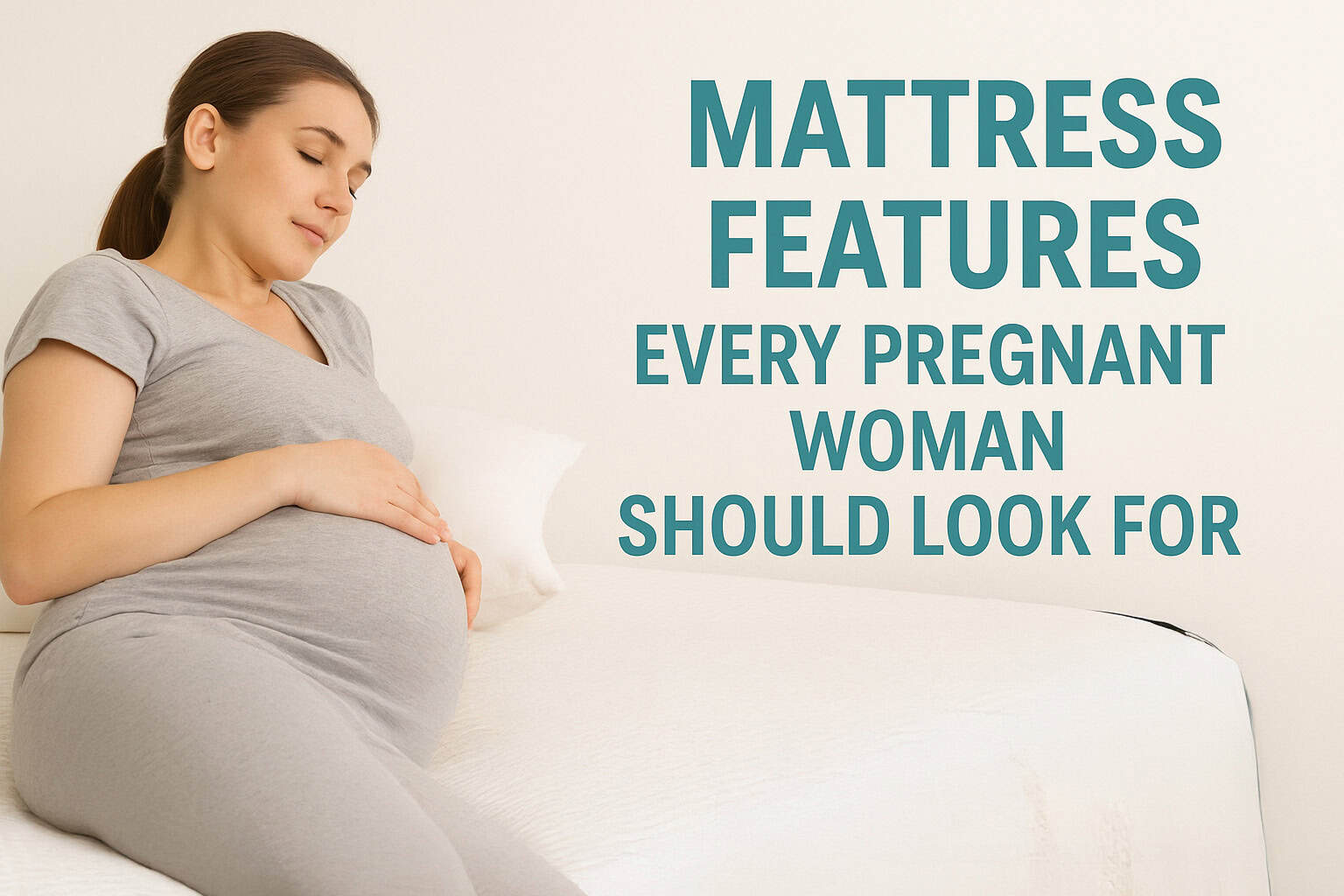
Mattress Features Every Pregnant Woman Should Look For

Pregnancy changes almost every aspect of a woman’s life — and her sleep. The body changes to accommodate the developing baby, and sleep positions do, too, creating pressure points and decreased comfort in the process. The good news? Picking the right mattress for pregnancy can go a long way in easing nighttime pain. With that in mind, in this article, we’ll help you discover the crucial mattress characteristics that every mom-to-be needs to know about, so you can promote not only a more blissful sleep but also a more naturally healthy pregnancy.

Why the Mattress You Sleep on During Pregnancy is Important?

Up to 78 percent of pregnant women report sleep disturbances during pregnancy, according to the Sleep Foundation. These may stem from physical changes, such as weight gain, back pain, heartburn, overheating, and hormone fluctuations.

Supportive, pressure-relieving, and breathable mattresses can help prevent some of these symptoms from developing. In addition to making life in the horizontal position a little more comfortable, it helps support musculoskeletal alignment, which is key as the baby grows. So, what really is it that a user needs in a mattress?

1.    Lower Back Support for Hip and Back Pain, etc.

Lumbar Support: One of the most crucial aspects of a mattress for pregnant individuals is adequate lumbar support. As you grow a belly, it pulls your center of gravity forward, which adds strain to your lower back, hips, and pelvis”. If your mattress isn’t supportive enough, your spine will not remain straight while you sleep, and you will experience back pain or other problems.

“Looking after your posture Good posture is key to preventing and easing back pain” (NHS). A mattress with reinforced support zones, specifically in the lumbar area, will maintain your neutral alignment whether you sleep on your side or back.

Our range of Orthopaedic mattresses is explicitly designed to provide the best support for your spine, helping you feel comfortable throughout every week of pregnancy and during postpartum recovery.

2.    Edge Support for Safety and Mobility

For pregnant women, it is often hard to get in as well as out of bed; this is especially the case in second and third trimesters. This is where edge support really matters. Read Introduction Two common complaints about bed-in-a-box mattresses are: (1) They offer little edge support. Firm edges, as well as preventing sagging, an edge constructed this way makes for a sturdy place to sit when getting in and out of bed.

When a mattress has shoddy edge support, rolling off the side or feeling as if you might feel dangerous as a pregnant person. Additionally, the more rigid edges tend to be more useful in creating space on the entire bed, especially in instances where pregnancy pillows are used or when sleeping with a partner.

Luxe Mattresses’ hybrid mattresses are designed with zoned coil systems and foam perimeter reinforcement for long-lasting, high-performance edge support.

3.    Pressure Relief for Deeper Side Sleeping Comfort

Laying on your side, especially your left side, is also recommended during pregnancy as it increases blood flow to the placenta and kidneys (ACOG). Unfortunately, this approach can add stress to the hips, shoulders, and knee—which might already be tender or inflamed.

Should provide: Adaptive Pressure Relief A good pregnancy mattress adaptive pressure relief to help relieve the building pressure from the hips and shoulders. Memory foam or latex layers, molded to the body, also distribute weight, taking the pressure off pressure points. This enhances comfort and circulation while reducing joint numbness and pain.

Check out our memory foam mattresses, which cradle the body and feature various comfort zones, perfect for side sleepers or pregnant women.

4.    Breathable and Cooling Fabrics

Increased metabolism and hormones leave well-expectant mothers with night sweats and overheating through pregnancy. Even when the heat is not retained, it can exacerbate this discomfort and disrupt sleep. This is why breathability is a must-have feature for pregnant sleepers.

opt for gel mattresses, open-cell technology, and natural latex, all of which help with airflow and pull heat away from your body. Harvard Health Publishing reports that maintaining a cooler body temperature while sleeping can improve overall comfort levels and help promote deeper sleep cycles.

Luxe Mattresses’ natural mattress selection features breathable materials like natural cotton and bamboo, topped with perforated latex for a fresher, more hygienic night’s sleep.

5.    Features Low Motion Transfer – never wake your partner up again!

Pregnancy tends to disturb and lighten sleep. Your bed has to provide low-motion transfer, especially when you sleep with a partner. They minimize the effects of motion on the bed, so you are less likely to be disturbed when your partner rolls over or gets up at night.

A foam or hybrid mattress with a motion-isolating layer would be a great place to start. Our luxury models are constructed with Multilayer Memory Foam and Pocket Coil systems, designed to minimize motion transfer and maintain body balance, keeping your spine in a comfortable position.

6.    Non-allergic and Safe Material

Pregnant women often become more sensitive to odors, allergens, and toxins. Opting for a mattress composed of non-toxic and hypoallergenic materials can help protect you from exposure to dust mites, mold, and volatile organic compounds (VOCs).

Seek out certifications, such as OEKO-TEX®, GOTS (for organic textiles), or CertiPUR-US®, that attest to the absence of toxic chemicals. At Luxe Mattresses, we focus on using safe, skin-friendly, and eco-friendly materials to ensure both mother and child’s health is taken care of.

FAQs: What Pregnant Women Want to Know About Mattresses

  1. Will a bad mattress cause back pain during pregnancy? 

Yes, sleeping on a saggy mattress or anything that does. Select one with built-in reinforced lumbar support to help reduce strain.

  • Is it OK for pregnant women to sleep on memory foam? 

Memory foam may be a good choice because it relieves pressure and contours to the body. Just make sure that it’s breathable — and low in volatile organic compounds (VOCs) — to prevent both overheating and any sensitivities that might otherwise arise.

  • How firm should a mattress be when you’re pregnant? 

A medium-firm mattress is usually best. It strikes the perfect balance between firm and soft, supporting the spine while cushioning pressure points.

Final Thoughts

Pregnancy is a time when sleep is both more essential and more elusive. Your comfort and the quality of your sleep throughout all trimesters are enhanced by the quality of the mattress you purchase and its features, such as support for your back, side strength, temperature control, and pain relief. Whether you’re wading through early pregnancy fatigue or third-trimester aches, a thoughtfully designed mattress can offer both physical support and peace of mind.

Ready to elevate your sleep game during pregnancy? Browse through our orthopaedic, natural, and memory foam mattress collections at Luxe Mattresses, and let us help you find the right mattress for you and your pregnancy journey.

How mattress regulate temperature when you sleep
June 25, 2025

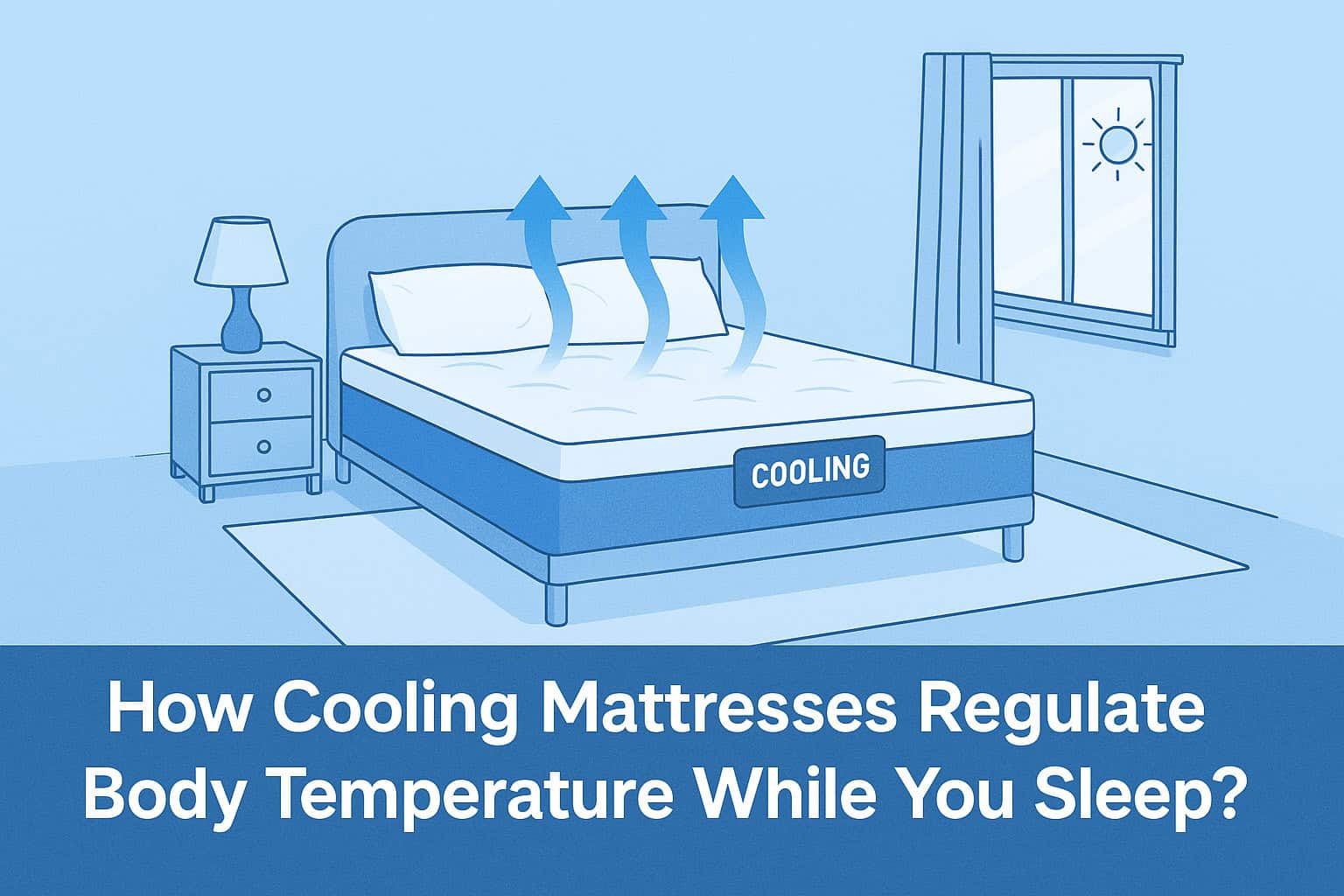
How Cooling Mattresses Regulate Body Temperature While You Sleep?

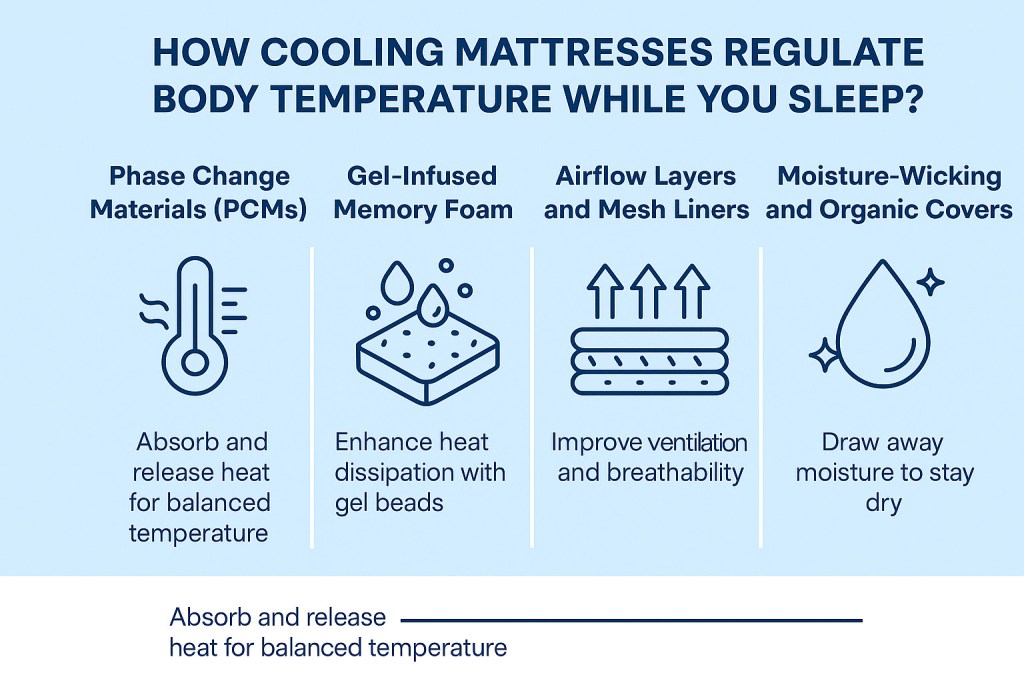
If you often find yourself waking up in the middle of the night feeling overheated and sweaty, your mattress might be the culprit. Our body temperature naturally fluctuates during sleep, and without the right support and breathability from your mattress, staying cool can be a challenge. Fortunately, cooling mattresses are engineered with smart technologies, like phase-change fabrics, gel-infused foams, and enhanced airflow systems, to help regulate body temperature and improve comfort.

To understand how these materials work and why investing in a cooling mattress could transform your sleep, check out this in-depth article: Why You Wake Up Sweaty (And the Best Cooling Mattresses That Fix It).

Why Sleep Is So Important for Your Body Temperature?

As you sleep, your core body temperature dips a bit as part of the body’s sleep-wake cycle. “During your sleep, the body’s core temperature drops to levels much lower than when you are awake, so a cooler room [around 16-19°C (60-67°F) is ideal] will bring on that deeper sleep,” says Sleep Foundation. However, conventional mattresses (especially those made of dense foam) retain body heat, disrupting REM sleep and interrupting sleep, a concept known as sleep hygiene, which those of you who do this unconsciously would benefit from.

Explore our cooling mattresses. With thermal-regulating materials that help maintain a comfortable temperature, you can toss and turn less. 

How Do Cooling Mattresses Work? Understanding Key Technologies?

1.    Phase Change Materials (PCMs)

One of the latest innovations in cooling technology for mattresses is Phase Change Material (PCM). These materials naturally engage with body heat, absorbing and storing warmth when you’re hot and releasing heat when you’re cold so you can maintain a balanced surface temperature.

PCMs are particularly effective at avoiding the “heat trap” often associated with traditional foam beds, according to the National Library of Medicine. Commonly found in mattress toppers or mattress covers, phase change materials (PCMs) are cool to the touch and offer long-lasting temperature regulation.

You’ll find it in all LuxeMattresses’ cooling mattresses, so you can remain smart-cool, even if you’re a hot sleeper.

2.    Gel-Infused Memory Foam

Memory foam contours to your body, but traditional styles can sleep hot. To combat this, many cooling mattresses now incorporate gel-infused foam layers.

Gel micro-beads or swirls are inserted in the foam matrix to enhance thermal conductivity, causing the heat to disperse more rapidly. Some gel foams are also open-cell designs, featuring more air channels, which help keep you cool and add breathability.

A cooler sleep environment, as suggested by Harvard Health, helps with labelling for sleep while minimising nocturnal disruptions. LuxeMattresses’ gel foam mattress  ensures you get the perfect balance of comfort and temperature control.

3.    Airflow Layers and Mesh Liners

Apart from materials, the mattress design is another key factor in determining how well it can keep you cool. Many of the top cooling mattresses with ventilation feature primarily ventilated support cores, perforated foam layers, or air channels throughout to maximise airflow across the entire mattress.

Moreover, hybrid mattresses (those with a combination of foam layers and innerspring coils) allow for better airflow due to the space between the coils. This will prevent heat from accumulating under you and, with it, reduce your overall cooling capability.

Discover LuxeMattresses’ hybrid mattresses – the perfect blend of gel foam and open coil to maximise airflow and regulate temperature, regardless of the weather.

4.    Moisture-wicking and Organic Covers

Cooling is more than just temperature, it’s also about managing moisture and humidity. Moisture-wicking covers: Many luxury mattresses feature covers designed to absorb moisture, such as those made from Tencel, organic cotton, or bamboo fibres. These materials whisk away moisture from the skin and dry quickly, so you stay dry and comfortable throughout the night.

Our natural mattresses also feature covers that are breathable and antimicrobial, resisting moisture to keep your sleep environment fresh.

Who will benefit the most from cooling mattresses?

Nearly everyone could use a cooling mattress, and particularly:

  • Hot sleepers whose bodies run hot throughout the night
  • Couples, because of the easier pooling of the body heat of two people
  • Pregnant women are affected by hormonal changes and high temperatures.
  • Menopausal Women who suffer from night sweats and hot flashes
  • Individuals with certain medical conditions, for example, those who produce excess sweat (hyperhidrosis) and those with autoimmune diseases that elevate body temperature

Advantages of Using a Cooling Mattress

  • Sounder sleep because you experience less waking up overheated
  • Total Quality of Sleep Improved  â€“Based on Better Mood and Focus
  • Less moisture buildup to reduce the risk of skin irritation or allergies.
  • Longer mattress life span with cooling materials reducing heat destruction in foam

For a customised cooling experience, consider pairing your mattress with one of our cool mattress toppers or a breathable pillow from our bedding range.

What to Do If You Got Stuck with a Hot Mattress?

If you’re stuck with a hot mattress that traps heat and leaves you tossing and turning all night, don’t worry, there’s a cost-effective solution that doesn’t involve replacing your entire bed. If you have a standard memory foam mattress, it’s likely retaining heat due to its dense, contouring nature. This common issue often leads to restless and sweaty nights, especially in warmer seasons. If you’ve already invested a significant amount in your mattress and don’t want to buy a new one just yet, consider adding a cooling gel mattress topper. These toppers are specifically designed to regulate body temperature, providing a much cooler and more breathable sleep surface.

When choosing a topper, look for features like gel-infused memory foambreathable covers, and ventilation channelsfor improved airflow. Thickness and firmness also matter—thicker toppers typically provide better temperature control and support. For a deeper dive into how cooling technology has evolved and why gel-infused materials are so effective, read The History of Cooling Gel: Infusion into Luxe Mattresses. This will help you make an informed decision and bring comfort back to your sleep without breaking the bank.

FAQs: Cooling Mattresses

Do cooling mattresses really work? 

Yes. If you tend to sleep hot or live in a hot climate, a cooling mattress can significantly contribute to better sleep by minimising heat retention and moisture.

What is the coolest material for mattresses? 

Phase change materials and gel-infused memory foams are great for managing temperature. Hybrid models with coil layers will also enhance airflow and cooling.

Does a cooling mattress help alleviate night sweats? 

Yes. For those who deal with night sweats or hormonal changes, cooling mattresses offer an added benefit: breathable covers and moisture-wicking materials keep hot sleepers cool.

Final Thoughts

Quality sleep comes from the right temperature, and your mattress is a central part of that formula. Featuring cutting-edge materials such as phase change fabrics, gel-infused foam, and open airflow systems, cooling mattresses provide the relief that hot sleepers need to fall asleep more quickly and sleep more soundly.

Cooling Sleep Solutions for All of Life’s Stages; At LuxeMattresses, we offer cooling sleep solutions that cater to your needs—whether you’re pregnant, recovering from illness, or simply looking for a restful night’s sleep.

queen size mattress for small bed room
June 25, 2025

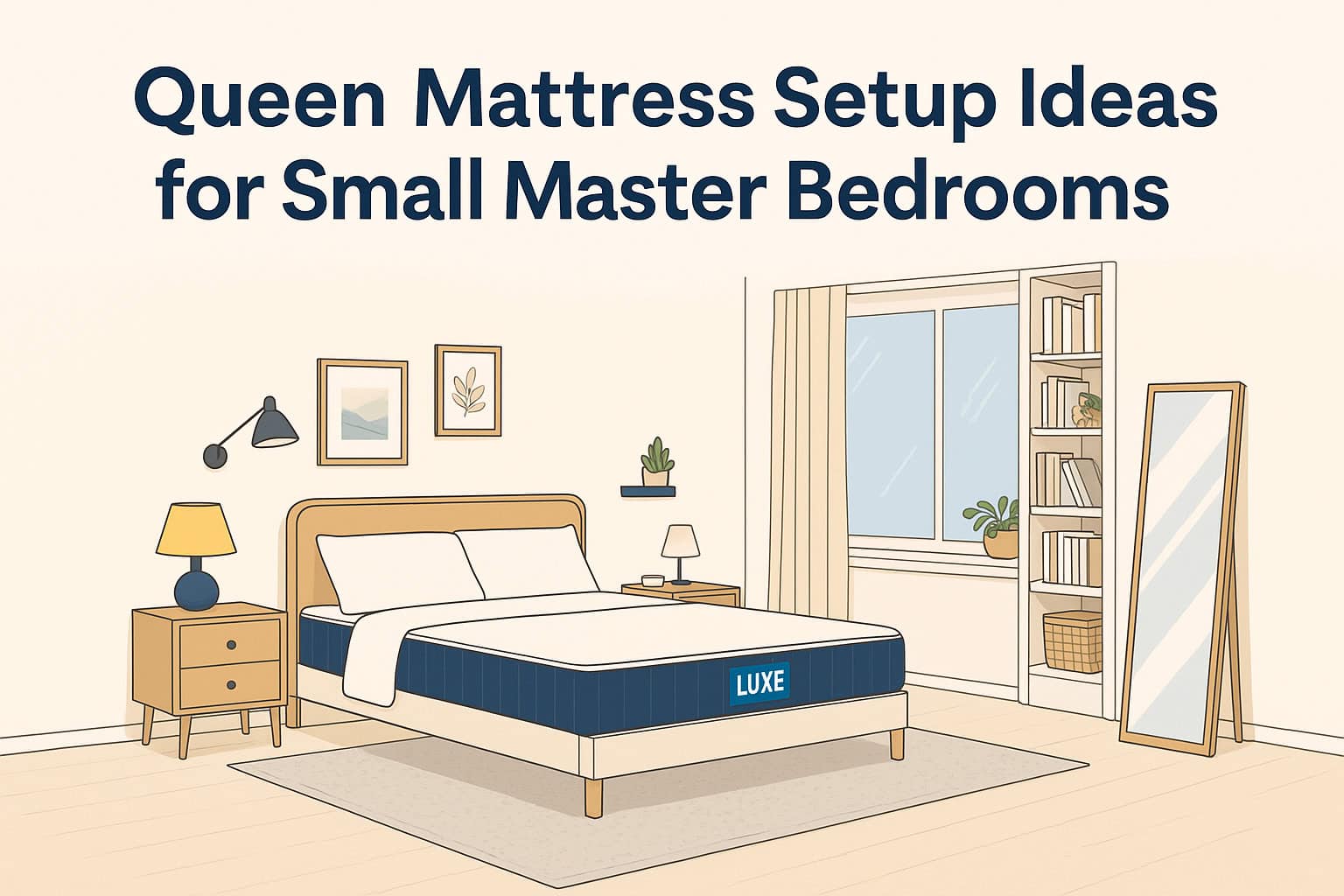
Queen Mattress Setup Ideas for Small Master Bedrooms

Fitting a queen mattress into a small master bedroom feels impossible for most homeowners—especially in tight 10’x10’ spaces where every inch counts . You’re not alone if you’ve sacrificed closet space, ditched nightstands, or debated downsizing your bed just to walk freely. Designers confirm this struggle stems from conflicting needs: wanting spacious comfort without sacrificing storage or style .

Your queen bed can work beautifully. Start with strategic queen mattress room layout tweaks—like centering it on the longest wall or testing corner alignment—to unlock hidden floor space . Combine this with vertical storage and low-profile frames, and you’ll gain breathing room and keep essentials like bedside tables .

Let’s discuss eight designer-proven solutions curated from top space-saving experts.

Strategic Bed Placement for Optimal Flow

Low-profile frames help, but placement determines true functionality in tight spaces.

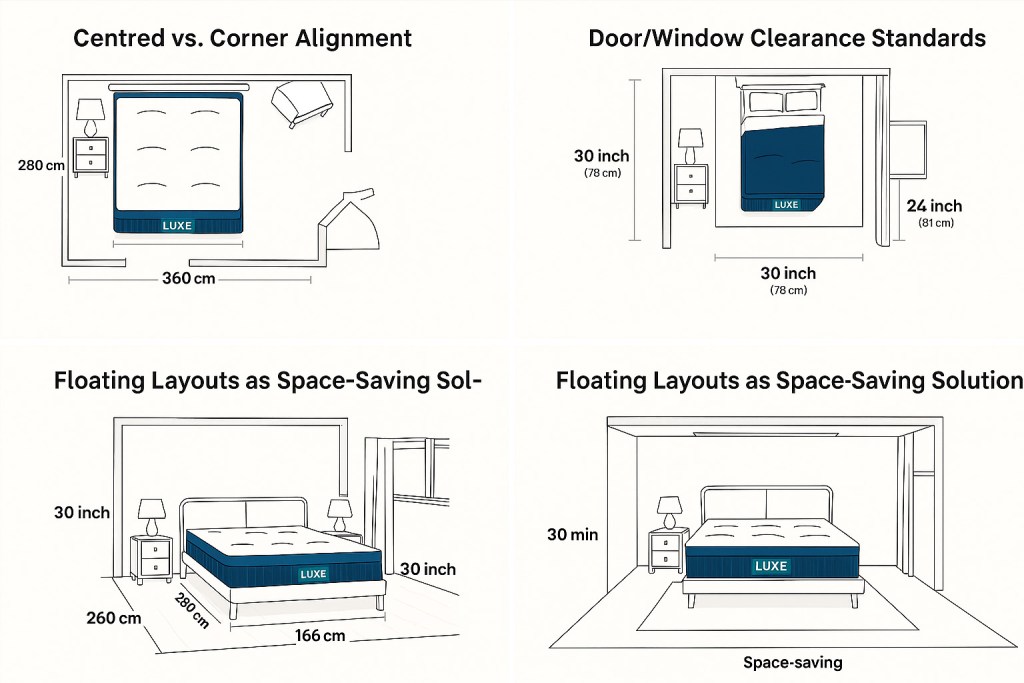
Centred vs. Corner Alignment Pros/Cons

Centring your queen mattress room layout against the longest wall creates balance. This traditional approach leaves equal walking space on both sides. It works well for couples needing dual nightstand access. However, it consumes more floor space. Corner placement frees up central area for other furniture. This angled position maximises corner dead zones. But it may limit one partner’s bedside storage access. Measure your room before choosing.

how to place bed in for maximum space

Door/Window Clearance Standards

Maintain 30-inch pathways around your queen bed frame. This clearance prevents cramped movement. Doors must open fully without hitting the mattress edge. Position the bed at least 24 inches from windows. This avoids blocked light and ventilation issues. Avoid placing under air vents. Proper clearance ensures comfortable daily use.

Floating Layouts as Space-Saving Solutions

Floating bed arrangements mean centering the mattress away from all walls. This creates walkways on every side. It visually opens small master bedrooms. Combine with narrow platform beds for best results. This layout improves air circulation and cleaning access. Use area rugs to anchor the space. Floating designs prevent that boxed-in feeling.

Low-Profile Bed Frame Selection

Proper bed placement sets the foundation, but your frame choice determines usable space, before selecting the bed frame make sure to measure your room properly, here is our guide to measure your room.

Platform Beds vs. Box Springs

Platform beds sit lower than traditional setups. They provide solid support without box springs. This reduces total bed height by 8-12 inches. Lower frames create more air space above the bed. This makes small master bedrooms feel less crowded. Platform beds also offer built-in slat systems. These eliminate the need for extra foundations. Box springs add unnecessary height in tight rooms. They make under-bed storage harder to access.

which bed frame to select box vs platform

12″ Clearance Storage Solutions

Aim for 12 inches of clearance beneath your frame. This height allows standard storage containers to slide underneath. Use low-profile plastic bins for seasonal clothes. Vacuum-sealed bags maximize space for bulky items. Measure your storage containers before choosing a frame. Ensure they fit the available floor space. Roll-out drawers offer easy access without bending. Avoid overcrowding to maintain ventilation. A bed skirt hides items while reducing dust accumulation. Regular cleaning maintains air quality.

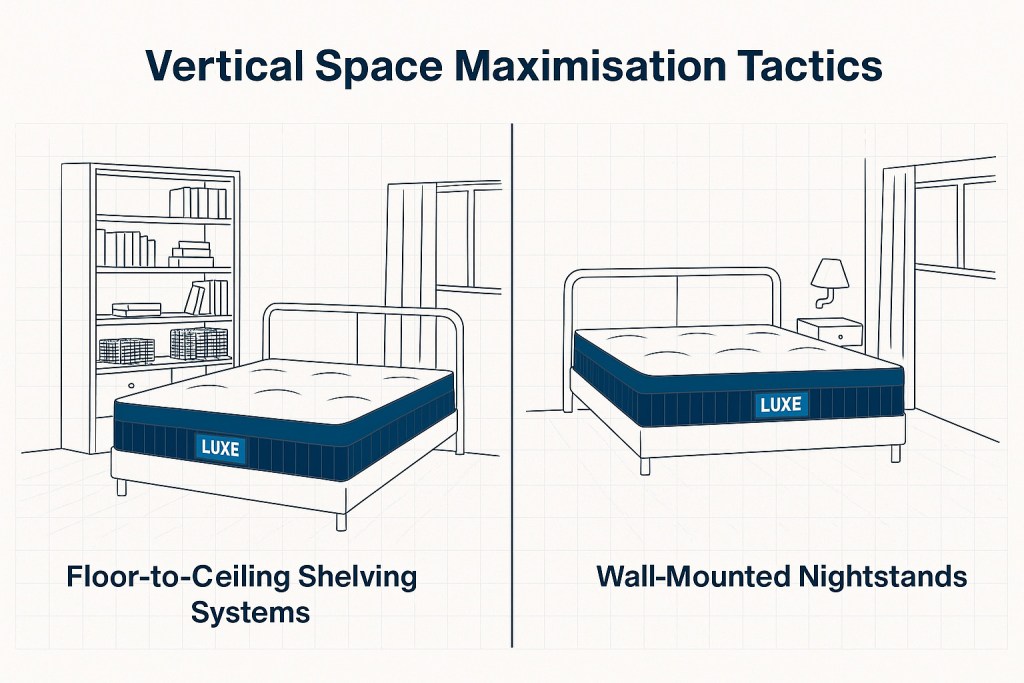
Vertical Space Maximisation Tactics

Low frames save height, but walls unlock true storage potential in cramped master bedrooms.

Floor-to-Ceiling Shelving Systems

Install floor-to-ceiling shelving beside your queen bed frame. This uses vertical space that normally stays empty. Choose units under 12 inches deep to avoid blocking pathways. Adjustable shelves fit both books and storage baskets. Place rarely used items higher up. Keep daily essentials at arm level. These systems prevent floor clutter better than dressers. They maintain clear walking paths in tight layouts.

Vertical space maximisation tactics

Wall-Mounted Nightstands

Wall-mounted nightstands replace bulky furniture. They provide bedside storage without eating floor space. Look for models with cord management for clean charging. Consider these space-saving options:

  • Floating shelves with under-shelf baskets
  • Swing-arm designs that pivot over the bed
  • Slim drawers with built-in USB ports
  • Magnetic ledges for glasses and remotes
  • Fold-down tables that disappear when not used

Install them 24-28 inches above the mattress top. This ensures easy accessibility while lying down. Measure before mounting to avoid ventilation issues near HVAC units.

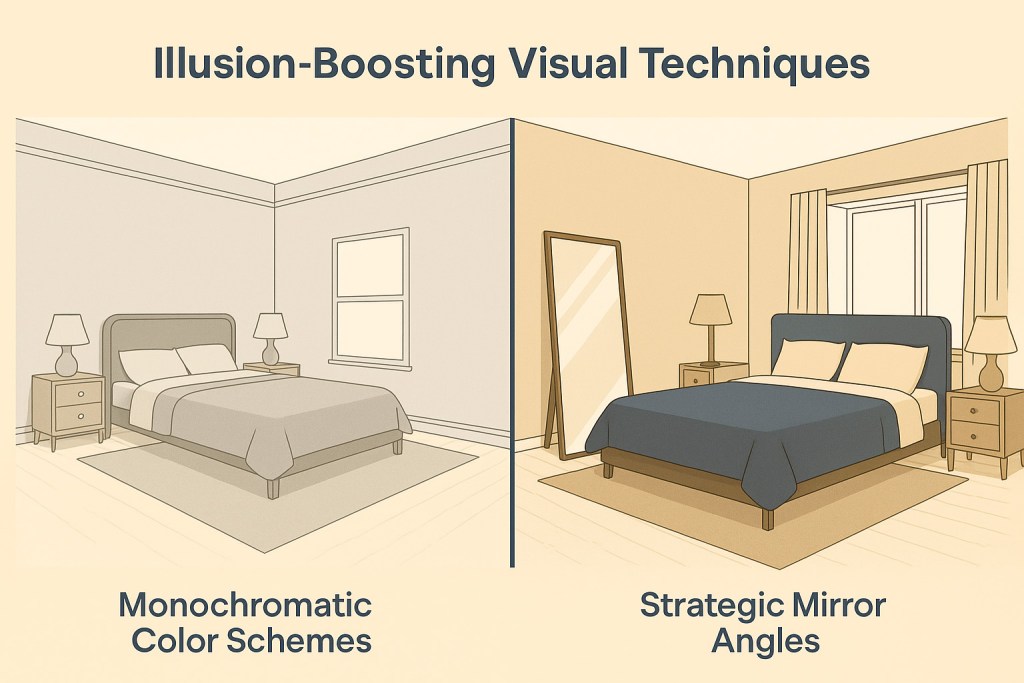
Illusion-Boosting Visual Techniques

Vertical storage clears floors, but visual tricks make small bedrooms feel instantly larger.

Monochromatic Color Schemes

Using a monochromatic colour scheme creates seamless visual continuity. This bedroom styling tip eliminates harsh visual breaks. Choose light paint colours like soft greys or warm ivories. These hues reflect more natural light, helping rooms feel brighter and larger. Paint walls, trim, and ceilings the same colour. Extend this palette to bedding and curtains. The effect stretches perceived boundaries. Avoid contrasting accents that chop up space. This approach simplifies colour coordination and enhances a cohesive, spacious atmosphere.

how to make room look big

Strategic Mirror Angles

Place mirrors opposite natural light sources. This doubles sunlight penetration for brighter rooms. Try mirror placement tricks like leaning tall mirrors against walls. Angle them slightly toward windows. Position at eye level for maximum impact. Avoid facing beds directly to prevent sleep disruption. Corner mirrors capture light from two directions. They create depth perception in narrow spaces. Pair with light paint colours for amplified brightness.

Multifunctional Furniture Integration

Visual tricks expand space optically, but dual-purpose furniture delivers actual square footage savings—critical for small master bedrooms.

Storage Ottomans vs. Benches

Storage ottomans work as footstools, seats, or makeshift coffee tables while hiding bedding or off-season clothes inside. Their lightweight design allows easy relocation to clear pathways . Unlike fixed benches, ottomans fit beneath desks or beds when unused . Footboard benches, like the Cape Cod’s upholstered design with drawers, offer permanent seating and concealed storage without extra furniture. These built-in units maximize floor space efficiency but lack mobility . Choose ottomans for flexibility; opt for integrated benches for streamlined aesthetics in layouts tighter than 10’x10’ .

Fold-Desk Nightstand Combos

Wall-mounted desks fold down from Murphy bed units, creating instant workspaces without dedicated rooms. Models like Resource Furniture’s Italian-crafted systems include integrated lighting and cable management, converting bedrooms to offices in seconds . For smaller footprints, loft beds elevate the mattress, freeing floor space for desks below. The WARMMUSE queen loft includes LED lighting and USB ports, ideal for work-from-home setups . Fold-down nightstands attach to bed frames or walls, featuring slide-out desks for laptops. These combos eliminate separate furniture purchases, crucial when floor area is under 100 sq ft .

Queen Beds with Built-In Drawers

Low-profile platform beds with integrated drawers, like IKEA’s MALM series, offer under-bed storage depths of 12–18 inches. These eliminate bulky dressers, fitting storage containers for seasonal items directly beneath the mattress .

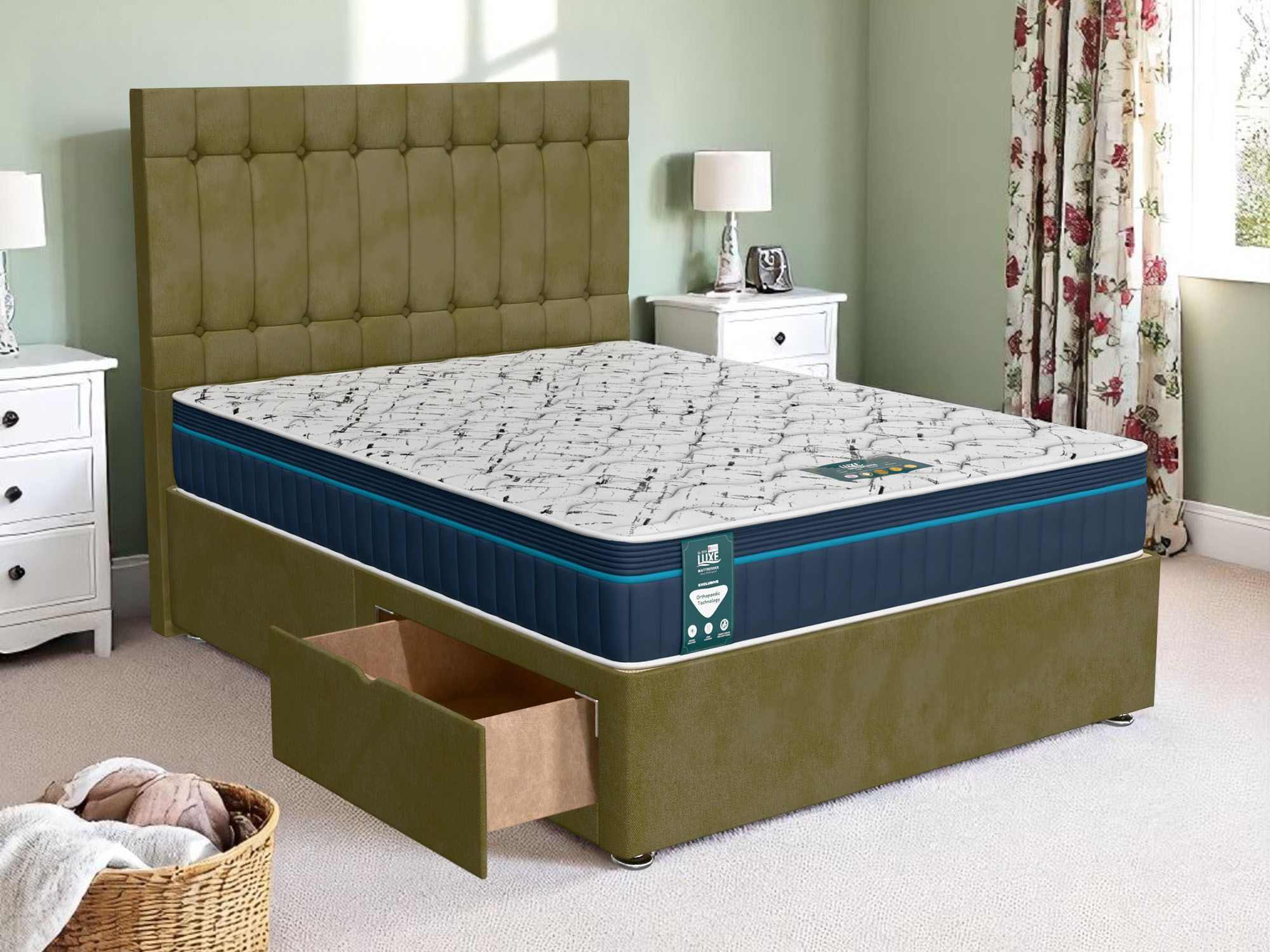
Venice_Olive_Classic
Olive Luxe Divan Beds

For greater capacity, consider Murphy beds like the TIRSMIAUBEST, combining fold-down desks, closets, and drawers in one unit. This design consolidates storage, sleeping, and work zones—perfect for studios under 300 Square ft .

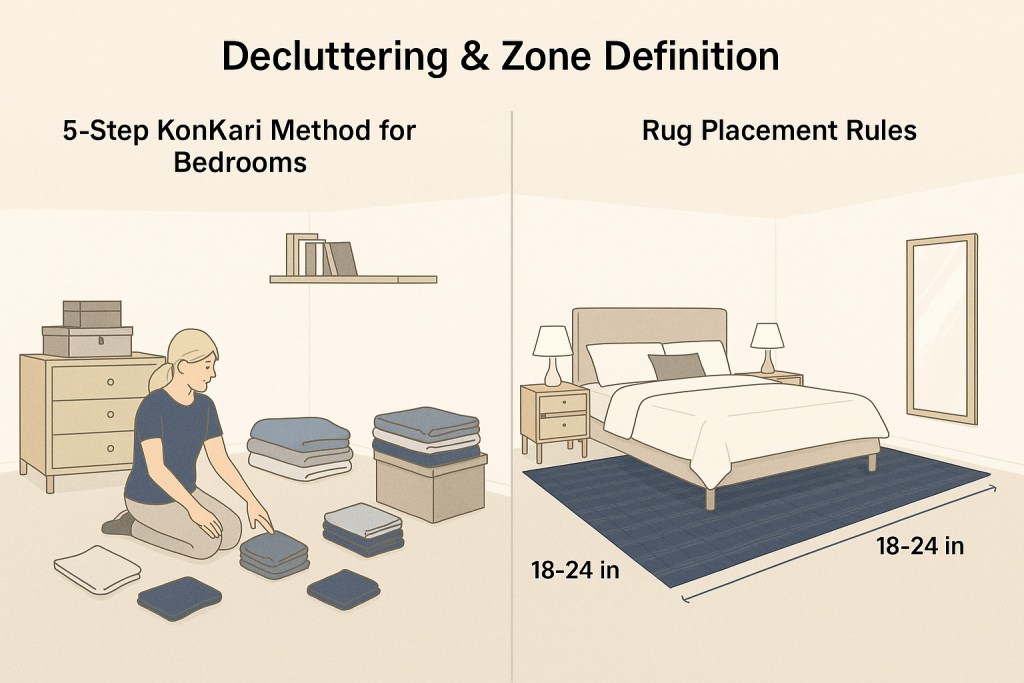
Decluttering & Zone Definition

Multifunctional furniture saves space, but intentional organization prevents recurring clutter in compact layouts.

5-Step KonMari Method for Bedrooms

Start by gathering every bedroom item onto your floor space. Keep only possessions sparking joy—discard the rest immediately. Sort clothes using the vertical folding technique. This minimalist approach fits more into drawers while maintaining clutter-free surfaces. Store categories like books or accessories in designated zones. Finish by thanking unused items before donating them. This creates lasting bedroom organization systems focused on function.

how to place rug in room

Rug Placement Rules

Use large area rugs (8’x10’ or 9’x12’) to unify small master bedrooms. Center the rug under the lower two-thirds of your queen bed frame, extending 18-24 inches beyond its sides. This proportion guideline creates walkable borders around the bed. Ensure all key furniture legs sit on the rug. This defines a cohesive design while anchoring the sleeping zone. For tight spaces, position a runner along one side of the bed. This adds texture without blocking walking paths. These space-saving queen bed ideas visually expand rooms through smart zone definition.

Lighting & Colour Psychology

Defined zones organise space, but strategic lighting and finishes amplify perceived dimensions in cramped quarters.

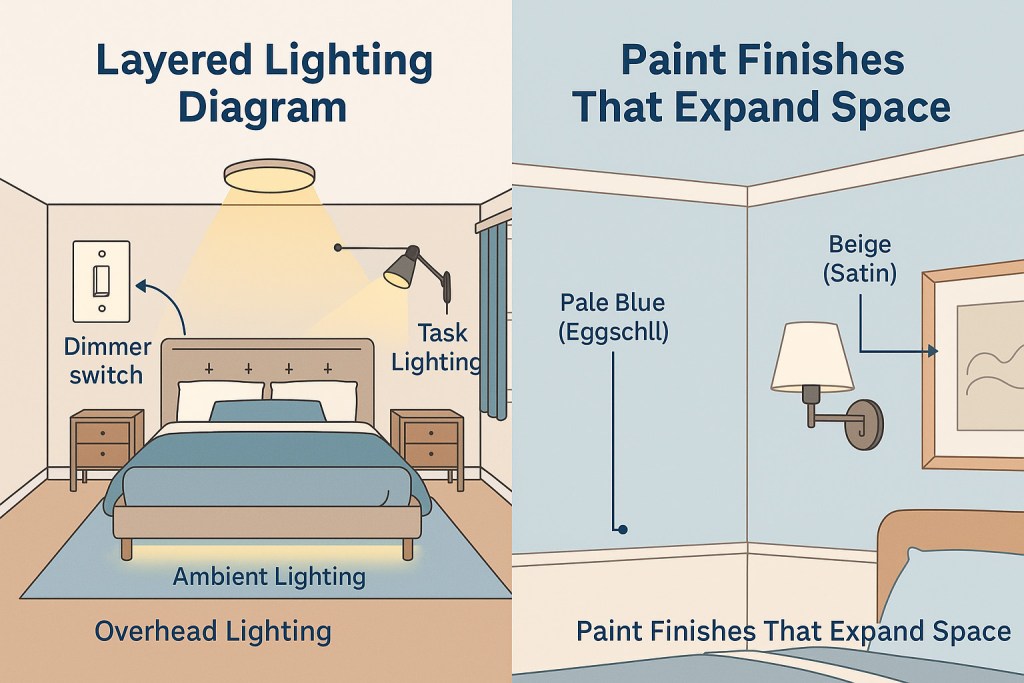
Layered Lighting Diagram

Implement a layered lighting system to conquer shadows in tight master bedrooms. Start with overhead lighting flushed ceiling fixtures save ceiling height better than hanging lights. Add task lighting like swing-arm sconces for reading in bed without nightstand space. Complete the setup with ambient lighting: LED strips under beds create soft glows. Use dimmer switches to adjust colour temperature from bright white (morning) to warm amber (evening). This flexibility maintains a cozy atmosphere while serving different needs as well as play crucial part in your sleep health.

which lights to choose for small room

Paint Finishes That Expand Space

Paint sheen levels dramatically impact spatial perception. Matte finishes hide wall flaws but absorb light. Choose satin or eggshell for better light reflection. These wall paint finishes bounce artificial and natural light around the room. Pair with light paint colours like pale blues or warm beiges for maximum effect. Maintain colour continuity on trim and ceilings. This eliminates visual breaks that shrink visual space. A monochromatic scheme with varying sheens adds depth without clutter.

Conclusion

Transforming a cramped master bedroom around a queen mattress demands smart compromises. Prioritizing strategic bed placement creates essential walkways, while low-profile frames reclaim precious vertical inches. Vertical storage systems and multifunctional furniture like loft beds with desks eliminate clutter without sacrificing function. Remember: visual expansion techniques—monochromatic palettes, layered lighting, and mirror placement tricks—work with your room’s architecture to dissolve boundaries.

These queen mattress room layout principles prove that bedroom styling tips like multifunctional furniture turn cramped spaces into sanctuaries. Consistent decluttering maintains hard-won space, and properly scaled area rugs anchor your sleep zone with intention.

The result? A bedroom that feels 30% larger without renovations. You’ll gain:

  • Unobstructed pathways for easy movement
  • Dedicated zones for sleeping, dressing, and working
  • Reduced visual noise for true relaxation
  • Storage that disappears into walls and under beds

Ready to optimize? Start with our #1 space-saving queen bed idea: vertical storage solutions at Luxe Mattresses. Explore space-smart platforms, loft designs, and modular systems tailored for UK bedrooms under 100 sq ft.

June 23, 2025

How the Right Mattress Can Help Alleviate Pregnancy Pain at Bedtime?

Pregnancy is a period of intense physical change — and often, interrupted sleep. From back pain and leg cramps to overheating and at least one urgent bathroom trip, sleep discomfort is one of the most common problems that plague expectant mothers. The good news?  â€‚ The best mattress can help minimize pregnancy-related pain while you sleep by providing targeted support, alleviating pressure, and incorporating body-friendly materials.

The Mattress’s Role in Pregnancy Sleep

During pregnancy, it’s not just about getting rest but also contributing to a mother’s immune function, psychological well-being, and fetas development, thanks to good sleep quality. According to Sleep Foundation, hormonal changes and discomfort that result from the physical changes of pregnancy can lead to disrupted sleep throughout all three trimesters.

An improperly designed mattress serves to aggravate these concerns, but the right mattress can help to combat these issues by:

  • Backing the spine and the hips
  • Pressure point reduction
  • Flexible Body Temperature Control
  • Improving circulation

Let’s take a closer look at how these three attributes — mattress support, pressure point relief, and material selection — can make or break one’s nights of sleep during pregnancy.

1.  Need for The Right Mattress Support to Reduce Pregnancy Pain

The expanding abdomen pulls the body’s center of gravity forward , and the back is often the part of the body to bear the brunt of this additional weight, while the hips and pelvic joints are also affected. This movement is most noticeable in the supine position. If a mattress does not provide adequate support to the back, the spine is likely to sink into the bed in an unnatural way, which will lead to morning stiffness and, in some cases, even sciatica.

It’s all about firmness here. When firm mattresses can cause pressure points, mattresses that are too soft don’t provide proper alignment. Pregnant sleepers are often recommended to use a medium-firm mattress with adaptive support.  They can explore the collection of orthopaedic mattresses  to find the options that best suit their needs.

According to NHS guidelines, good spinal health helps to reduce the likelihood of musculoskeletal problems,  and is paramount in ensuring correct spinal alignment. In fact, a mattress that supports the lumbar region (not too hard) can significantly alleviate nighttime discomfort.

2.  Relieve Pressure and Embrace Comfort

Soft spots, such as hips, shoulders, and knees, typically also ache during pregnancy. This is fairly typical as well, particularly towards the end. American College of Obstetricians and Gynecologists (ACOG) recommends sleeping on your side as well for your comfort and the baby’s well-being,” according to ACOG. But that position might directly stress smaller joints and parts of the body.

That’s where the pressure-relieving foam layers, including memory foam or latex, come in. This material conforms to the shape of your body, helping to evenly distribute your weight and eliminate pressure points that can cause pain. More things to try Many high-end mattresses, including some in our memory foam mattress range, have zoned support systems that target your pressure points.

And as with any support, relieving pressure is key to better blood flow and less swelling and numbness (of which you have plenty in the third trimester).

3.  Choice of material and temperature control

Body temperature naturally rises during pregnancy due to increased blood volume and hormonal changes. Consequently, many women complain of night sweats and waking up feeling hot. A cooling technology mattress, such as one made from breathable latex, gel-infused memory foam, or open-cell foams, can help regulate temperature, allowing you to stay asleep all night long.

There is also a safety and hygiene factor at play with the materials. Hypoallergenic, as well as chemical-free mattresses, are not only essential when it comes to dander, but off-gassing can also be extremely disturbing during pregnancy, when our senses and sensitivity to skin change as well.

At Luxe mattresses, our natural mattress selection is crafted with organic cotton and breathable latex, two key elements that ensure comfort and airflow while you sleep.

More Sleep Tips to Reduce Pain During Pregnancy

Pregnant women must have a supportive mattress to prevent an unsupported angle in their spine since their growing stomach will pull them forward.

  • Sleep with a pregnancy pillow to place between your knees and belly for added support.
  • Sleep on your left side to help increase the baby’s blood flow.
  • Cut caffeine and screen time before bed. Minimizing the jitteriness.
  • Ensure the room is cool and well-ventilated to avoid overheating.

When combined with a mattress that is just right, these changes contribute to a perfect sleep environment during all three trimesters.

FAQs: Pregnancy and Mattresses

  1. What is the best type of mattress for alleviating back pain during pregnancy? 

A medium-firm mattress with orthopaedic support might be the most ideal for alleviating pregnancy-related back pain. It helps keep the spine in line and alleviates stress on the lower back, where most pain is typically concentrated.

  • Is memory foam safe during pregnancy? 

Yes! Good Memory Foam is Pregnancy-Safe Foam—Even Better when it’s CertiPUR-US® certified or All-Natural (because that generally means low chemical emissions and NO toxic off-gassing)!

  • How often should a mattress be replaced for good support during pregnancy? 

If your current mattress is more than 7–10 years old, or you’ve noticed sagging and feel discomfort from your bed, it’s probably time to replace it to ensure proper support during this physically challenging time.

Final Thoughts

Pregnancy and sleep discomfort don’t have to go hand in hand. Purchasing the best mattress for you – one that offers targeted support, pressure relief, and is breathable— can make a huge difference in the way you experience many of the more common symptoms of pregnancy and how comfortably you rest. If you’re early in your pregnancy or in the third trimester, a good mattress goes beyond Comfort – it’s a maternal health and wellness necessity.

For more recommendations, read out best mattresses for pregnancy guide’ collections, designed for various sleep preferences and body types.

how to choose right mattress for plus size people
June 22, 2025

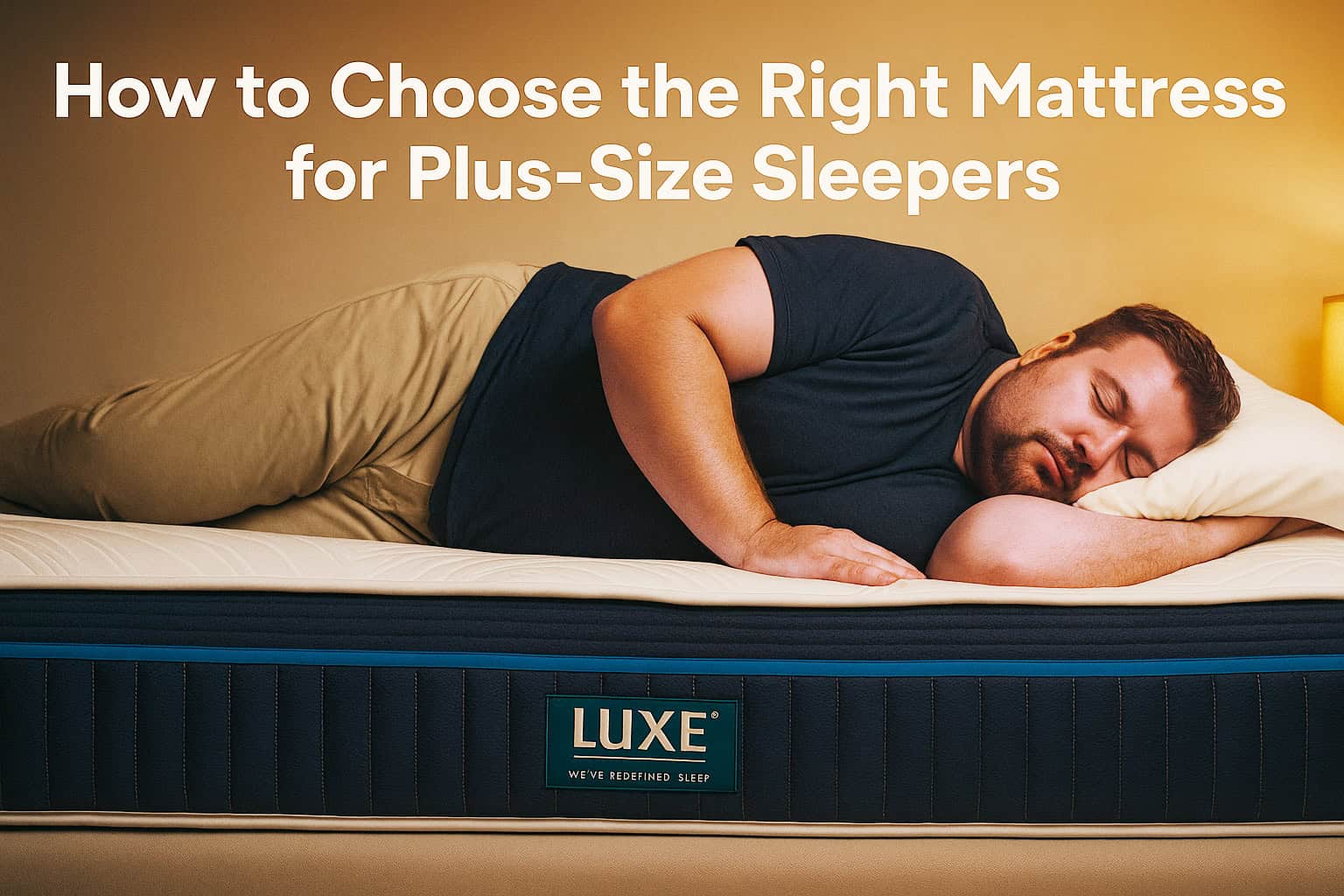
How to Choose the Right Mattress for Plus-Size Sleepers

Standard mattresses often fail heavier sleepers within two years, leading to back pain, excessive sinkage, and poor spinal alignment. For plus size sleepers, finding the right mattress is crucial as the problem often lies in weak coils that bend permanently, low-density foam that compresses too easily, and thin base layers that can’t properly distribute weight. Heat builds up as materials flatten, while collapsing edges reduce usable space, turning the rest into discomfort.

how to choose right mattress for heavy people uk

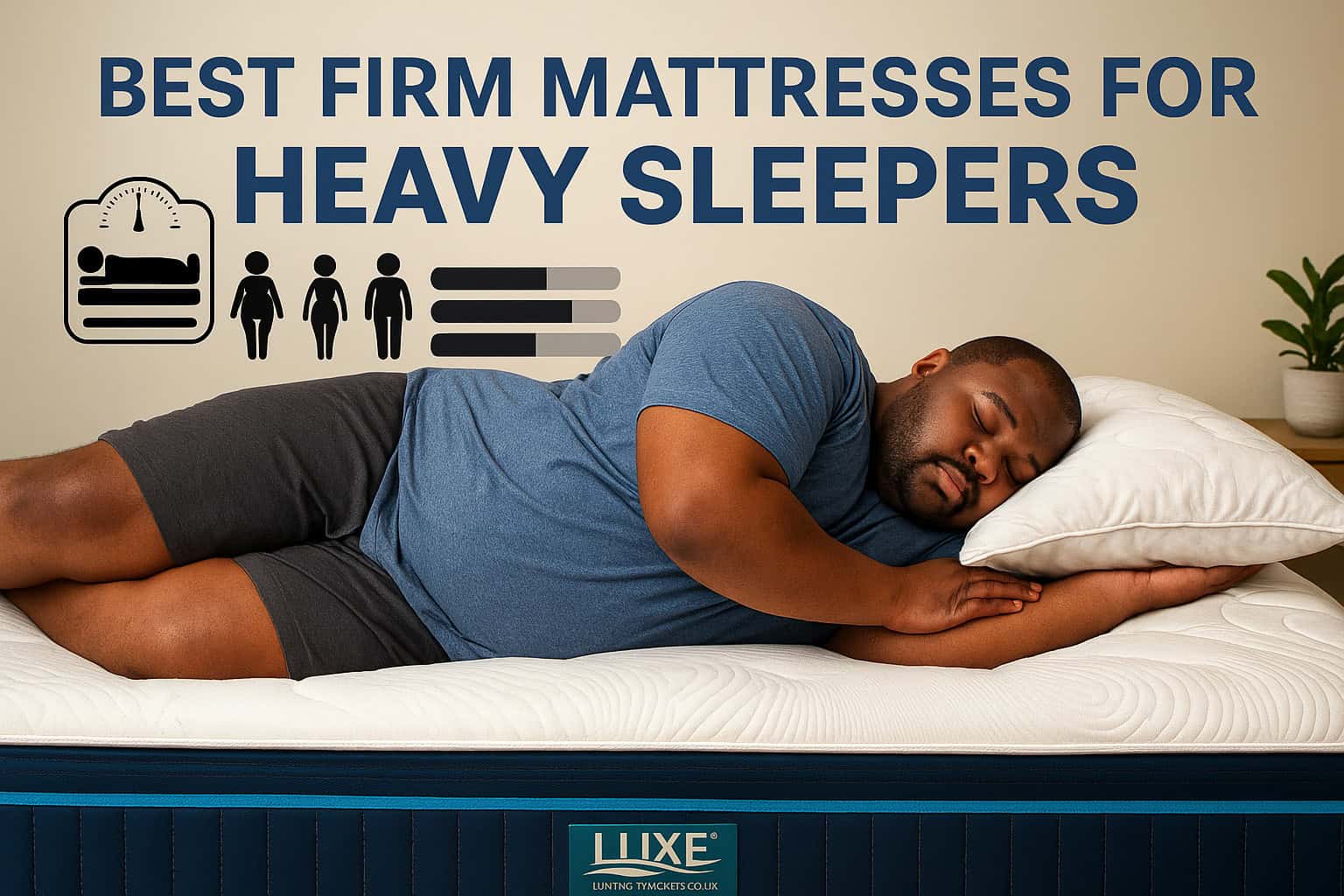
The fix requires specific construction: 12-inch profiles with 6-8 inches of high-density (≥1.8 PCF) foam or reinforced coils. Medium-firm to firm surfaces (6-8/10) maintain spinal alignment while cushioning pressure points. Verified 500+ lb weight capacities ensure durability, not just comfort. These technical specs create proper weight distribution, temperature regulation, and edge support that ordinary mattresses lack. It’s not about finding a “stronger” bed, but one scientifically designed for heavier bodies.

Let’s discuss how to pick a mattress that supports heavier bodies.

What Plus-Size Sleepers Need in a Mattress

Choosing a mattress involves more than comfort. For plus-size sleepers in the UK, thicknessfirmnessmaterial recommendations, and weight capacity considerations directly address unique sleep challenges. These factors ensure proper support and durability.

what plus size people should look in mattress

How Body Weight Impacts Mattress Performance

Body weight significantly affects mattress support and longevity. Heavier individuals exert more pressure points on sleep surfaces thats why only buy mattresses which are specifically designed for best mattress for fat people uk. Standard mattresses often lack reinforced layers. This causes uneven weight distribution and accelerated wear. Most retail mattresses support only up to 18 stone (115kg), excluding many plus-size sleepers. 

Without adequate reinforcement, mattresses compress faster. This reduces their lifespan from 7-10 years to just 2-3 years for sleepers over 20 stone. Spine alignment also suffers. Inadequate support lets hips sink too deeply. This strains the lower back during sleep.

Common Challenges: Sagging, Heat Retention & Motion Transfer

Plus-size sleepers face three key issues. Sagging occurs when low-density foams or weak coils compress permanently. This creates body impressions that misalign the spine. Heat retention worsens with dense materials that trap body heat. Non-breathable memory foam or polyester layers increase night sweats. Hybrid designs with cooling gels or airflow-friendly coils improve temperature control. 

Motion transfer disrupts partners when one sleeper moves. Weak edge support or thin comfort layers amplify vibrations. Reinforced perimeters and pocketed coils isolate movement effectively. Most mattresses also lack sufficient edge support, causing a “roll-off” effect that reduces usable space.

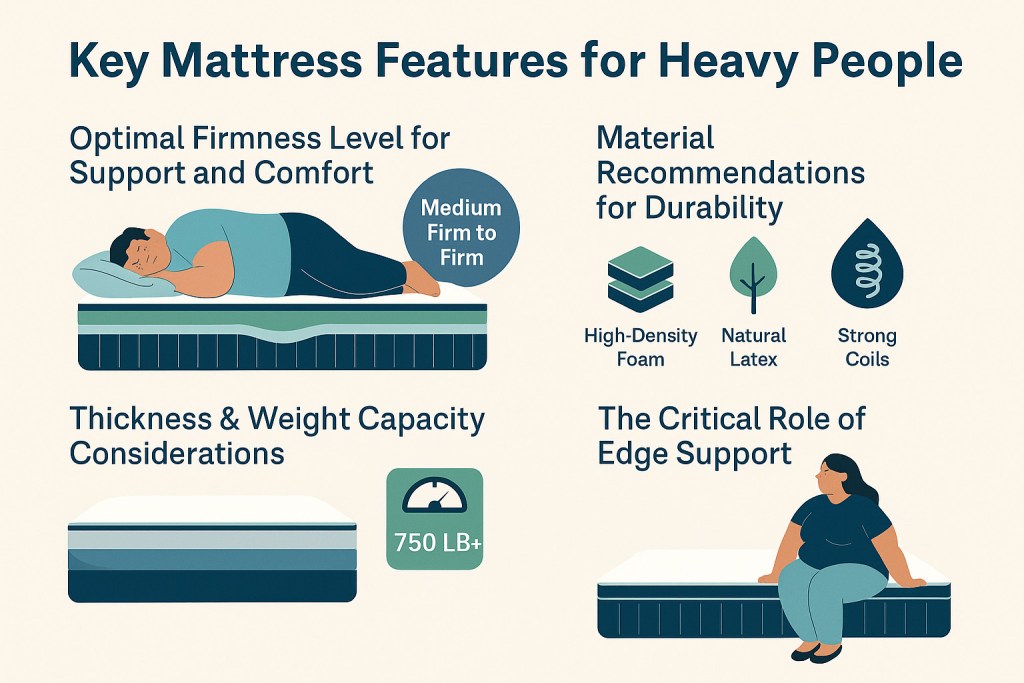
Key Mattress Features for Heavy People.

Understanding what plus-size sleepers need will lead to the must-have mattress features. They affect comfort, support, and sturdiness for heavier people.

what are key features of mattress for heavy people

Optimal Firmness Level for Support and Comfort.

For big people, firmness is vital for mattress performance. Medium firm to firm mattresses offer the best support without sacrificing comfort. If your mattress sinks too much, it can lead to back pain. Zoned support systems provide specific areas for reinforcement, which is firmer under the hips and shoulders. You’ll maintain good spinal alignment during sleep. Side sleepers often prefer more cushioned comfort layers that help cradle pressure points while still having a firm base layer for support.

Material Recommendations for Durability.

Recommendations for material highlight high-resilient components for heavier loading. High-density foams (1.8 PCF or more) indent better than standard foams. Natural latex is highly durable and has a cooling effect along with a precise bounce back. Strong 12-15 gauge steel is used to construct our reinforced coil systems. Foam-based mattresses are made from synthetic materials like polyurethane. Don’t get low-density memory foam, as it breaks quickly with pressure and loses its support.

Thickness & Weight Capacity Considerations.

Thickness plays an important role in mattress life for heavier individuals. A minimum of 12 inches ensures sufficient support layers. To avoid sagging, the base layer should be made up of 6-8 star-quality hard foam or coils. Consider manufacturer specifications for weight capacities . Pick a mattress that is rated for at least 500 pounds, some of which are rated for 750 pounds or more. Split king beds can handle heavy weights for heavy couples. The edges that are strengthened stop the roll off and maximize the area utilized for sleep.

The Critical Role of Edge Support.

Edge support matters a lot for plus-size sleepers. Over time, weak edges present in the bed collapse & thus reduce the sleep area. To stop collapsing, reinforced perimeters use thicker foam or double coils. Sitting or sleeping right on the edge prevents the “roll-off” effect. With good edge support, it can extend the lifespan of the mattress because of no wear and tear in high-pressure areas. Some models may have full foam encasement while others may use reinforced coils—if designed properly, both can provide great edge support.

Mattress Types for Plus-Size Sleepers

Not all mattresses work well for heavier bodies. These three types offer the best support and durability for plus-size sleepers.

mattress types for heavy people

Hybrid Mattresses: Balanced Support & Pressure Relief

After years of experience and client feedbacks we concluded that, hybrid mattresses combine coils with foam for ideal support. The coil base provides strong lift, while foam layers cushion pressure points. Look for hybrids with 12-15 gauge coils and at least 2″ of high-density foam (1.8 PCF+). These prevent sagging while keeping the spine aligned. Many hybrids include cooling gel or breathable covers to reduce heat buildup. The best hybrids support 500- 750lbs and last 7+ years with proper care.

Durable Latex Mattresses: Cooling and Resilient

Natural latex mattresses excel at both support and temperature control. Latex bounces back quickly, maintaining its shape better than memory foam. It’s naturally breathable, helping sleepers stay cool. For plus-size sleepers, choose 100% natural latex with a firmness rating of 7-8/10. The mattress should be at least 10″ thick with a dense core layer. Latex lasts longer than foam – often 10+ years – but costs more upfront.

High-Density Memory Foam: Contouring Without Sagging

Not all memory foam suits heavy sleepers. You need high-density foam (4lbs/ft³ or more) that lasts. Look for mattresses with a firm base layer (6″+ of 2.0 PCF foam) and 3-4″ of comfort foam for good support without sinking too much. Some have reinforced edges to stop roll-off. While foam tends to sleep hotter than hybrids, newer options include cooling gels or airflow channels. The best foam mattresses for plus-size sleepers support over 500lbs and have warranties of 15 years or more. For more information on foam densities, you can read here.

Top Mattress Picks for Heavy People

Finding the right mattress is crucial for plus-size sleepers who need durable support. These Luxe mattresses combine strength with comfort, all backed by strong warranties.

Best Heavy-Duty Mattresses for Weight Capacity Over 500lbs

1. Majestic 9000â„¢ Mattress

  • Height: 9″
  • Materials: 3″ V58 Memory Foam + CP-C48â„¢ base
  • Springs: 9000 Pro-Pocket springs
  • Firmness: Extra Firm (best for 300+ lbs)
  • Features: Motion isolation, adaptive cushioning

2. LuxeErgoâ„¢ 3400 Hybrid

  • Height: 12″
  • Materials: Cooling gel foam + FortiCoilâ„¢ springs
  • Springs: 4000 pocket springs (2000 EnduraSpring + 2000 Micro)
  • Firmness: Extra Firm
  • Features: Advanced airflow, reinforced edges

3. Imperial 2000 Mattress

  • Height: 11.5″
  • Materials: Synthetic wool + C40® foam
  • Springs: 2000 Pro-Pocket springs
  • Firmness: Medium (good for 250-400 lbs)
  • Features: Temperature regulation, anti-gravity support

Affordable Plus-Size Mattresses with 15-Year Warranties

1. Luxe Novaâ„¢ Hybrid

  • Price: Â£599
  • Springs: 1000 EnduraSpringâ„¢
  • Materials: Coconut fiber base + British wool
  • Warranty: 15 years
  • Best For: Budget-friendly medium support

2. Pocket Reflex 1000

  • Price: Â£199 (sale)
  • Springs: 1000 pocket springs
  • Materials: Horsetail padding + C40 foam
  • Warranty: 15 years
  • Best For: Lightweight heavy sleepers

3. Reverso Memory Mattress

  • Price: Â£263
  • Materials: Dual-sided V50 memory foam
  • Support: CP-C52 base foam
  • Warranty: 10 years
  • Best For: Couples needing motion isolation

Mattress Care and Longevity Tips

Proper care extends mattress life, especially for plus-size sleepers. These practices maintain support and protect your investment.

Rotating Schedules & Foundation Pairings

Rotate your mattress every 3-6 months to prevent uneven wear. Heavy sleepers create deeper impressions that accelerate sagging. Flip double-sided models monthly for balanced compression. Pair your mattress with a sturdy foundation. Slatted bases need gaps under 3 inches to prevent bowing. Platform beds require center support legs for weights over 250 pounds. Avoid box springs with memory foam mattresses as they lack proper reinforcement.

Warranty Considerations for Heavy Sleepers

Check warranty terms for weight limits and sagging clauses. Many mattress warranties void coverage if visible indentations are less than 1.5 inches deep—this is considered normal wear. Heavier sleepers should pay close attention to stated weight capacity, as exceeding it can also invalidate claims. Always keep your proof of purchase and product tag, as these are required when filing a warranty claim. Before contacting customer service, document sagging with dated photos and a ruler, showing the depth and consistency of the indent.

It’s important to know that most warranties only cover structural defects, such as broken coils or deep, premature sagging. Gradual softening, decreased responsiveness, or changes in comfort feel are usually not covered. Additionally, many brands require a compatible base or foundation—such as a solid platform or slatted frame with minimal spacing—for the warranty to remain valid. Using an improper support base (like a box spring not meant for foam or hybrid mattresses) can void the coverage.

For a clearer breakdown of mattress warranties and what’s commonly covered, refer to this Sleep Foundation mattress warranty guide.

FAQs

1.    What firmness is best for plus-size side sleepers?

Medium-firm mattresses work best for plus-size side sleepers. This firmness level cushions shoulders and hips without allowing excessive sinkage. Look for mattresses with zoned support that offer slightly softer areas for shoulders. Memory foam or hybrid mattresses with a 6-7 firmness rating provide the right balance.

2.    How thick should a mattress be for 300+ lbs?

A mattress for someone over 300 lbs should be at least 12 inches thick. The base layer needs to be 6-8 inches of high-density foam or coils. Thinner mattresses lack the necessary support layers and will sag quickly. Look for models specifically designed for heavier weights.

3.    Do warranties cover sagging for heavy people?

Most warranties cover sagging over 1.5 inches deep. Check the terms for weight limits and approved foundations. Some warranties become void if used without proper support. Take photos of any sagging with a ruler for documentation.

Conclusion

It is essential to keep thickness, firmness, material recommendations, and weight capacity considerations in mind if you want your mattress to give you a lifetime of support. One more thing to mention when you are buying a mattress for a plus-size person is to keep in mind to have the same kind of bed, a bed for heavy people. A thick, high-density foam or coils of 12 inches prevent sagging. An option that is medium-firm or firm will ensure your spine is aligned as you sleep. Opting for durable materials such as latex or reinforced springs will extend the life of your mattress. Always verify that weight limits match your needs.

Take advantage of trial periods over 100 nights. This lets you test the mattress properly before committing. You’ll find many brands offer this option, which gives you time to feel comfortable and well supported.

Getting the proper mattress helps avoid pain and improve sleep quality. To keep your purchase safe, follow the care instructions and check the warranty terms. The right choice will bring years of restful sleep without replacements.

Claim your discount now at luxemattresses.co.uk, limited-time offers on supportive mattresses for heavier sleepers.

mattress for heavy people
June 22, 2025

Best Firm Mattresses for Heavy Sleepers – Support & Comfort Guide

Do Heavy Sleepers Need a Firmer Mattress? The Science of Support & Pressure Relief

If you’re a heavier person in the UK (over 230 lbs or BMI 30+), you know how hard it is to find the best firm mattress for heavy sleepers. Many mattresses sink under your weight, causing back pain and making you overheat at night. You need one that’s firm enough to support you but soft enough to be comfortable.

Some people think the hardest mattress is best, but that’s not true. A mattress that’s too firm can hurt your shoulders and hips. The best mattress for heavier people gives strong support where you need it and soft cushioning where you want it. It should also help keep you cool at night.

Keep reading to learn how to find your perfect mattress.

Body Weight & Type: The Foundation of Mattress Choice.

You need to understand how your body interacts with it to choose the right mattress. For heavier people, weight and body type can impact comfort, support, and durability.

what to consider before buying mattress

Here’s a simple breakdown of the relevance and priority of factors.

How Weight Impacts Mattress Performance.

A heavier body exerts pressure on the mattress which may lead to sagging, durability issues and loss of support. Mattresses standardly utilize materials with high compressive properties to improve surfaces and spinal alignment. A mattress suitable for heavier individuals should have an innerspring unit or high-density foams with a strong support system. If not built well, a firm mattress may still not be able to give you the support you need.

Why Durability is Non-Negotiable: Durable Mattress for Heavier Weights.

A tough mattress for heavier weights is a must since inferior materials wear down quickly when put under more pressure. Choose memory foam that has a high density of at least 4 lbs/ft³ and heavy-gauge pocketed coils that do not deform easily. Warranties under 10 years often indicate lower durability. A mattress that sags in a few years will further worsen back pain while also reducing sleep quality. A good design will last longer, require less replacement, and provide more support.

The Role of Body Type (Weight Distribution, Pressure Points).

Body shape determines where pressure concentrates. Side sleepers have broader hips and tend to require deeper cushioning to avoid shoulder and hip pain. Stomach sleepers with heavier midsections need firmer support to avoid back pain. A suitable mattress for a heavy person should feature zoned support or adaptable materials. Evenly distributed weights do not sink too deep and align your body.

How To Find The Right Mattress for Your Sleep Position

Your sleeping position alters your body’s mattress requirements. Those who weigh more than average should pay extra heed to this as their weight exerts higher pressure on the bed.

how to find right mattress for your sleeping postion

Let’s look at what works best for different sleepers, to read in more details click here.

Side Sleepers Need Extra Cushioning.

When you sleep on your side, the bulk of your weight is concentrated on your hips and shoulders. These areas need softness to prevent pain and numbness. Look for a mattress that’s medium-soft to medium firm. Mattresses like memory foam and hybrid do a good job of contouring to your body without sinking in too much. Make sure the soft top layer is at least 3 inches thick.

Back and Stomach Sleepers Require Firm Support.

A firmer mattress will suit you if you sleep on your back or belly. When your midsection falls down, it may also pull the lumbar spine which will aggravate your back. A mattress that has a firmness score of 6 to 8 over 10 is the most suitable. Flat surfaces are necessary for or stomach sleepers to maintain spinal posture.

Combination Sleepers Should Choose Responsive Materials.

If you toss and turn throughout the night, then you need a mattress that will too. Choosing latex or mattresses with pocket springs allows you to change positions easily Memory foam that’s too soft can make this harder. Medium-firm firmness (6-7) is considered good for all sleeping positions.

Understanding Mattress Firmness for Heavier Sleepers.

Choosing the right firmness of the mattress is the key. It’s not just a comfort thing; in fact, you need to comfortable, supported without pressure pain. Here’s all you need to know about how to choose firmness.

understanding mattress firmness levels

The Firmness Scale Explained.

Mattresses are rated from 1 (very soft) to 10 (very firm). For most heavier sleepers.

  • Too much sinking happens with soft mattresses.
  • A medium soft (4-5) could be convenient for some side sleepers
  • A medium-firm mattress is the best choice (6)
  • A firm mattress (7-8) is ideal for back and stomach sleepers.
  • Usually too hard extra firm (9-10).

Why Medium Firm Works Best.

A medium firm mattress (level 6) gives the right balance.

  • Prevents you from going down too far.
  • Supports your spine properly.
  • Still feels comfortable.
  • Can be used for all sleeping positions

These mattresses are made of resilient material with heavy-duty foam or springs that won’t sag under your weight.

When to Choose Firmer Options.

Heavier people may need a firmer mattress according to their weight.

  • Sleep on their stomach.
  • Have back pain.
  • Weigh over 300 pounds.

A rigid mattress (9 or 10 on the firmness scale) is required in a few cases only – when you weigh over 350 pounds or have certain medical problems. Most people find them too hard and uncomfortable.

Support vs. Pressure Relief: Finding the Critical Balance.

The ideal mattress for heavy people should be firm, sure. But more importantly, it should offer just the right support and pressure relief. When this balance is well managed, it stops pain and helps sleep quality. This section discusses how these features work for heavier bodies.

support vs pressure

Why Support Matters Most

Support is how well a mattress keeps heavy sleepers’ spines aligned under the pressure of weight. The ideal mattress will keep the spine in a neutral position. This take strong core materials such as high-density foams or reinforced coils that resist compression. When you lack proper support, your body will sink unevenly into the mattress, which could lead to misalignment of the spine and back pain.

The Importance of Pressure Relief

Cushioning which relieves the pressure of your heavier areas — like hips and shoulders. Memory foam or latex comfort layers distribute weight evenly. Too little pressure relief creates painful pressure points. Too much causes excessive sinkage. An excellent mattress offers ample cushioning and good support.

How the Best Mattresses Do Both

The mattress support a plus-size sleeper chooses will consist of a strong but soft material. That’s where a specifically designed firm mattress for heavy sleepers comes in. The core that supports the body helps stop sagging but the layer that comforts does the opposite, comforting the pressure points. Hybrid mattresses usually perform this balancing act best, by pairing coils with foam or latex.

Don’t Forget the Edges

Heavier folks may roll off the bed without edge support as they shift. With reinforced edges, you can sit or sleep nearer the side without being at risk of instability. A mattress with poor edge support will feel less spacious. Choose dense foam encasement or reinforced coils around the bed’s perimeter.

Comfort, Preferences & Other Deciding Factors

Everybody sleeps uniquely. The comfort can be significantly different when you carry more weight. Examine how your personal circumstances will help you find your perfect mattress.

Your Comfort Preferences Matter.

What feels good to you is important. While some like the “hugged” feeling of memory foam, others prefer solid support from springs. How you sleep also helps decide this – a side sleeper usually needs more cushioning to their hips and shoulders while a back sleeper tends to want firmer support. The best way to know? Test out different mattresses to see what feels good for you.

Staying Cool at Night.

Watch out for mattress materials if you are a hot sleeper. Heavier bodies naturally retain more heat, so look for.

  • Foams infused with gel eliminate heat.
  • Latex that allows air flow and does not trap heat in your bed.
  • Coil systems that allow air to flow.
    Your sleep quality can change drastically with these cooling features.

Why Hybrid Mattresses Shine.

Because they hit the sweet spot, many heavier sleepers like hybrid mattresses.

  • Use sturdy coils for strong support that won’t sag.
  • Including layers of foam or latex can help to add delightful cushioning.
  • Let air flow better than foam ones.
    Heavier bodies often find the ideal balance of support and comfort from this combination of materials.

The mattress that suits you well will have a firm enough support and yet feel comfortable, regulate temperature well and let you sleep as you usually do. Try various options fearlessly; you deserve to find your perfect choice!

How to Choose Your Ideal Mattress: Key Features Checklist.

If you have extra weight, not all mattresses will work for you. To help you sleep soundly, here’s everything you should look for – and avoid.

Non-Negotiable Features for Heavy Sleepers.

A mattress designed for people with a larger body must be firm and durable. The support core must be made of high-density foam material (a density of 4+ lbs/ft³) or heavy-gauge coils for spinal alignment. Having a strong edge support system can prevent roll-off and increase the usable sleep space. These elements ensure optimal comfort and no back pain.

Cooling layers like gel-infused foam or breathable latex are designed to help temperature control for hot sleepers. It is easier to reposition when the latex or pocketed coils are responsive materials. Zoned support is a firmer reinforcement in places where heavier sleepers need it most, typically around the hips and shoulders. Other areas are still cushioned properly.

What to Avoid.

Low-cost all-foam beds often do not have the density to support heavier weights and sag quickly. Pillowy-soft toppers may seem comfy at first but usually sink too deep under pressure causing misalignment. For heavier people, thin comfort layers and low-density memory foam can lack sufficient long-term support.

Best Luxe Mattresses for Heavy Sleepers.

The Luxe mattress is designed specifically for heavier people. It ensures support with great comfort at the same time. These are the models with high-quality, pressure-relieving materials that promote healthy spinal alignment.

LuxeErgo™ 3400 Hybrid – Ideal Medium-Firm Support.

LuxeErgoâ„¢ 3400 Hybrid is ideal for heavier sleepers who need a good balance of pressure relief and support for a comfortable night’s sleep. The firmness of the mattress (6-7 out of 10 level) relieves pressure and does not sink in too much. This mattress features a dual-layer spring system, comprising 2000 EnduraSpringâ„¢ and 1400 FortiCoilâ„¢ micro springs, which provide excellent support. It consists of a layer of Zero Gravityâ„¢ memory foam with cooling gel that regulates body temperature. It would do well for back and stomach sleepers who weigh more than 230 pounds.

Majestic 9000™ – Extra Firm Orthopedic Support.

The Majestic 9000™ is ideal for heavy weight sleepers. Its extra-firm construction (8-9 firmness) features a 3″ V58 high-density memory foam layer over a reinforced base, providing exceptional spinal alignment for back and stomach sleepers. The motion isolation technology makes it ideal for couples, while the adaptive cushioning prevents pressure points. This model works best for individuals over 250 lbs who prefer a solid sleep surface.

LuxeTherm® Hybrid – Cooling Comfort for Heavy Sleepers

Hot sleepers will appreciate the LuxeTherm® Hybrid, which combines medium-soft comfort with advanced cooling technology. The LTX Cooling Gel™ foam and airflow-promoting 1000 EnduraSpring™ coils prevent overheating, while the Zero Gravity™ foam layer offers contouring support. Though slightly softer, its high-density materials prevent excessive sinkage for sleepers up to 275 lbs, especially side sleepers needing pressure relief.

Frequently Asked Questions (FAQs)

1.    Is a firm mattress always better for heavy people?

No. While firmness helps prevent sagging, excessive firmness creates pressure points. Medium-firm (6-7) often provides the best balance of support and comfort for most heavy sleepers.

2.    Can a soft mattress work if I’m heavy?

Rarely. Soft mattresses typically lack the density to properly support heavier weights, leading to excessive sinkage and spinal misalignment. Some plus-size side sleepers may benefit from medium-soft comfort layers over a firm support base.

3.    How long should a mattress last for a heavy sleeper?

Look for mattresses with 10+ year warranties and high-density materials (4+ lb memory foam, 13+ gauge coils). With proper care, a quality mattress should maintain support for 7-10 years for sleepers over 230 lbs.

4.    Do I need special sheets or a foundation?

Possibly. Check that your foundation has center support legs and can handle your weight (typically 600+ lb capacity). Deep-pocket sheets (15″+ depth) often work better for thicker mattresses. Some brands offer reinforced foundations specifically for heavier individuals.

Conclusion

People who sleep heavily need medium-firm to firm mattresses (5-8 on the scale). But just being firm is not enough; it should also provide adequate pressure relief to hips and shoulders. When you buy a proper firmer mattress for heavy sleepers that hase durable construction, reinforced edge support, cooling technologies, and responsive materials, then you will get more quality sleep and improve your spine health.

When choosing your mattress, prioritize these key factors:

  1. Your weight and body type
  2. Primary sleep position
  3. Need for pressure relief versus support
  4. Temperature regulation requirements

The right balance prevents pain, reduces overheating, and extends mattress longevity.

Product has been added to your cart