
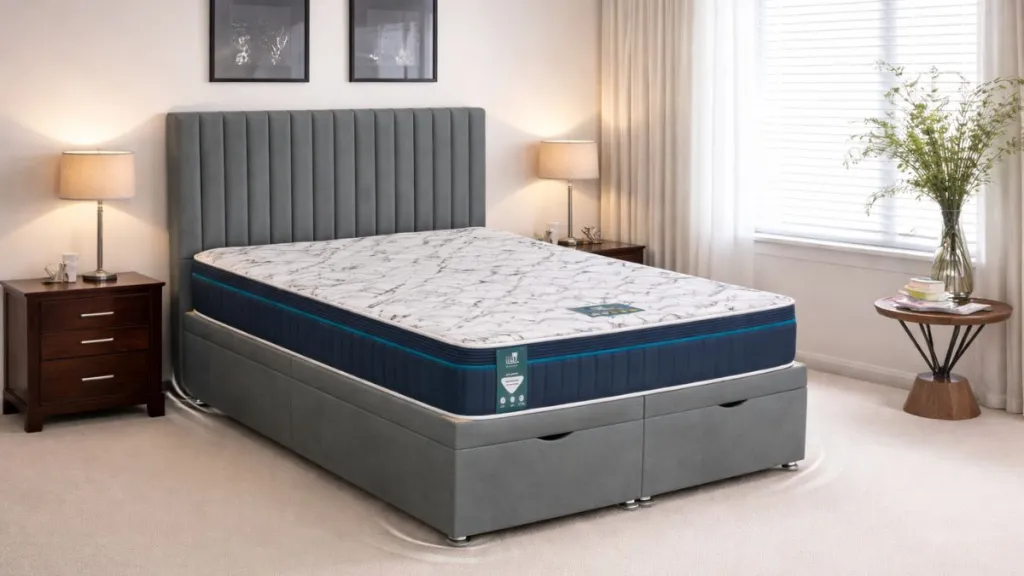
How long should an ottoman bed last?
A well-built double ottoman bed should last between 8 and 12 years when used and maintained properly. Frame quality plays the biggest role. Solid hardwood or reinforced metal frames generally outlast cheaper MDF or lightweight timber options. Daily lifting of the ottoman mechanism also affects lifespan, especially if gas pistons are low quality or overloaded. Mattress weight, user weight, and how often the storage base is opened all contribute to wear over time.
In UK homes, humidity and flooring type can also impact durability, particularly on carpet where movement is more common. If your ottoman double bed starts wobbling after six months, it usually points to assembly issues, weak fixings, or a poorly reinforced frame rather than normal ageing. Regular checks, tightening bolts, and ensuring the bed sits level can significantly extend its usable life and keep it feeling stable for years.
How do I stop my bed from wobbling?
Wobbling in an ottoman bed double is usually caused by loose fixings or uneven support. Start by checking every bolt, screw, and joint, tightening them firmly but without over-torquing. Place the bed on a flat, level surface; even slight floor unevenness can cause movement. On carpet, anti-slip pads or furniture grippers under the legs can help. Inspect the central support beam, as many double bed ottoman frames rely on this for stability.
If it’s bent or poorly secured, wobbling will continue. Slats should also sit evenly in their holders with no cracks. If the problem persists, adding corner brackets or extra support plates can reduce side-to-side movement and restore confidence in the bed’s stability.
How to stop ottoman bed creaking?
Creaking is common in double ottoman beds, especially after a few months of use. Noise usually comes from friction between joints, slats, or the lifting mechanism. Tightening all fixings is the first step. Next, apply a silicone-based lubricant to metal joints, hinges, and gas piston connection points. Avoid oil-based products, as they attract dust.
Wooden contact points can benefit from a light wax application to reduce friction. Check that slats are properly seated and not rubbing against the frame. Also ensure the mattress is evenly positioned, as uneven pressure can amplify creaks. Regular maintenance every few months helps keep an ottoman bed quiet and comfortable.
What are the disadvantages of an ottoman bed?
While double bed ottoman designs offer excellent storage, they do have drawbacks. They are heavier than standard frames, making movement or relocation more difficult. The lifting mechanism adds mechanical parts that can wear out over time, especially with frequent use. Poor-quality models may feel less rigid, leading to wobbling or creaking.
Ventilation can also be limited, which may increase moisture risk if the base is overfilled or rarely opened. Assembly is often more complex, and incorrect setup can affect stability. These disadvantages don’t make ottoman beds a bad choice, but they highlight the importance of quality materials, correct assembly, and regular care.
What are common problems with adjustable beds?
Adjustable beds share some issues with ottoman beds double, particularly around moving parts. Common problems include loose joints, motor or hinge noise, and uneven lifting. Weight limits are often exceeded, causing strain on mechanisms.
Over time, fixings may loosen due to repeated motion. Poor alignment can lead to instability or uneven support across the mattress. Electrical components in adjustable beds can also fail if not properly maintained. Although adjustable and ottoman beds differ in function, both require careful assembly and periodic checks to remain stable, quiet, and supportive.
Are ottoman beds stable?
A high-quality double ottoman bed is designed to be stable when correctly assembled. Stability depends on frame thickness, joint reinforcement, and the presence of a strong central support rail. Beds with multiple legs and cross-bracing perform better than minimalist designs.
Problems arise when cheaper materials flex under load or when fixings loosen. Mattress weight distribution also matters; an uneven or oversized mattress can affect balance. When these factors are addressed, ottoman beds are just as stable as traditional frames and suitable for everyday use in UK households.
Why does my bed feel like it’s swaying?
A swaying sensation in double ottoman beds usually indicates lateral movement in the frame. This can be caused by loose side rails, weak corner joints, or missing support brackets. Flooring plays a role too; thick carpet can exaggerate movement. Over time, repeated motion can widen bolt holes, increasing sway.
Checking alignment and reinforcing joints often resolves the issue. Adding rubber pads under legs or ensuring the centre beam is firmly anchored can dramatically reduce side-to-side movement and improve overall feel.
What are the signs of a bad bed frame?
A poor-quality ottoman double bed frame often shows issues early. Common signs include persistent wobbling, visible flexing when you sit down, and loud creaking during movement. Screws that repeatedly loosen or strip are another red flag.
If slats crack or bow within months, the materials are likely substandard. Misaligned joints and gaps at corners also indicate weak construction. A good bed frame should feel solid, quiet, and supportive from day one and remain that way with basic maintenance.
What Are the Signs of a Bad Bed Frame?
Persistent Wobbling
A bad-quality ottoman double bed frame often starts wobbling very early, sometimes within weeks of use. This usually means the frame lacks proper reinforcement or strong joints. Even after tightening the screws, the bed may continue to move, which shows weak construction rather than a simple assembly issue. Persistent wobbling affects comfort and can worsen over time.
Visible Flexing When You Sit Down
If the bed frame bends or dips when you sit or lie down, it’s a clear warning sign. Flexing indicates low-quality wood, thin metal, or poor central support. Over time, this flexing puts stress on joints and fixings, making the bed feel unstable and reducing its overall lifespan.
Loud Creaking During Movement
Frequent creaking noises when you turn or get out of bed often point to poor-quality materials or badly fitted joints. In a weak ottoman bed frame, parts rub against each other because they are not properly secured. While occasional noise can happen, constant loud creaking usually means the frame will continue to deteriorate.
Screws That Keep Loosening or Stripping
If screws repeatedly come loose or their threads strip easily, it shows the frame material is too soft or poorly finished. This is common in low-grade MDF or cheap timber frames. Once screw holes weaken, the bed loses stability and becomes harder to fix permanently.
Slats Cracking or Bowing Early
Slats should remain straight and supportive for years. When slats crack, split, or bow within a few months, it suggests they are too thin or made from substandard wood. Weak slats reduce mattress support and can lead to discomfort, sagging, and further damage to the frame.
Misaligned Joints and Corner Gaps
Gaps at the corners or joints that don’t sit flush are strong indicators of poor manufacturing. Misalignment puts uneven pressure on the frame, causing wobbling and noise. Over time, these gaps grow wider, making the bed feel unstable and unsafe.
Why does my bed feel unstable?
Instability in a double ottoman bed often comes from uneven load distribution or assembly errors. Missing washers, incorrectly placed bolts, or reversed components can compromise the structure. An overloaded storage compartment can also strain the frame. Floor level is another factor; even small slopes can cause imbalance. Reviewing the assembly instructions and redistributing stored items evenly usually improves stability. If instability continues, the frame itself may lack sufficient reinforcement.
Do all Ottoman beds creak?
Not all double ottoman beds creak, but some noise is common over time. Creaking depends on materials, construction quality, and maintenance. Solid frames with reinforced joints tend to stay quieter. Beds that are rarely checked or tightened are more likely to develop noise. Environmental factors like temperature changes can also cause materials to expand and contract. With proper assembly and occasional lubrication, most ottoman beds can remain relatively quiet throughout their lifespan.
How do you maintain an ottoman bed?
Maintaining ottoman beds double is straightforward but important. Check and tighten fixings every three to six months. Keep hinges and lifting mechanisms clean and lightly lubricated. Avoid exceeding weight limits for both sleepers and stored items. Open the ottoman base occasionally to allow airflow and reduce moisture build-up. Rotate the mattress as recommended to ensure even wear. Simple maintenance steps like these help prevent wobbling, creaking, and premature wear.
Why does my bed creak when I move but?
When a double bed ottoman creaks only during movement, it usually points to friction at pressure points. This may include slats shifting slightly, joints rubbing, or the mattress moving against the frame. Tightening fixings and adding felt pads where wood meets wood can reduce noise. Ensuring the mattress fits snugly without gaps also helps. Movement-related creaks are often easier to fix than constant noise and rarely indicate serious structural problems.
How long is the lifespan of a bed?
Most beds, including double ottoman beds, have a lifespan of around 8–10 years. Frames may last longer if built from quality materials, while mattresses often need replacing sooner. Daily use, body weight, and maintenance habits all influence longevity. A bed that shows early wobbling or noise may still last if issues are addressed promptly. Regular care ensures the frame reaches its expected lifespan without compromising comfort or safety.
Do ottoman beds go mouldy?
Mould can develop in ottoman beds double if ventilation is poor and moisture builds up. This is more common when storage is tightly packed or the base is never opened. UK homes with higher humidity are particularly at risk. To prevent mould, avoid storing damp items, open the ottoman regularly, and allow air circulation. Using a breathable mattress and occasionally airing the storage space helps keep the bed fresh and hygienic.
Why is my ottoman bed not staying up after?
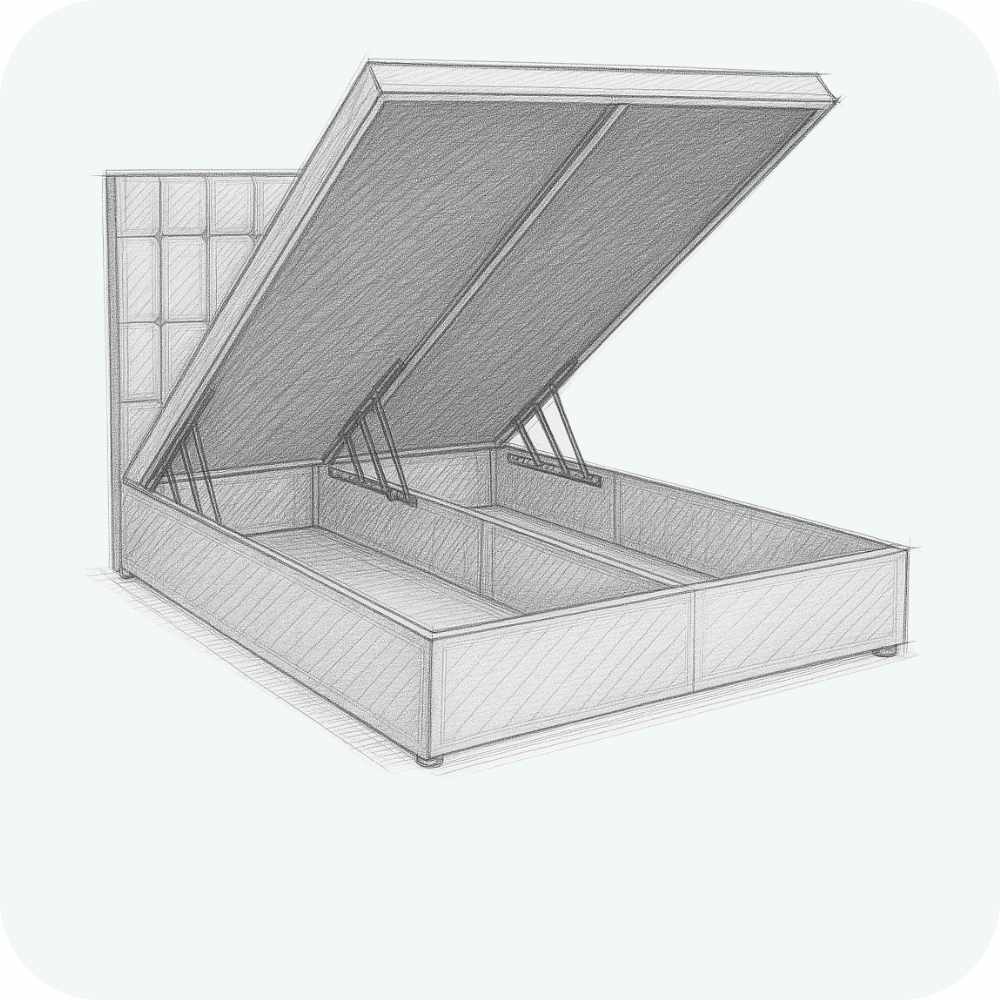
If a double ottoman bed won’t stay open, worn or faulty gas pistons are usually to blame. Overloading the storage area or using a heavier-than-recommended mattress can accelerate piston failure. Cold temperatures can also temporarily reduce lifting power. Replacing the gas struts with the correct weight rating typically resolves the issue. This is a common maintenance task rather than a sign of overall bed failure.
Are ottoman beds ok for heavy people?
High-quality double ottoman beds can be suitable for heavier individuals if they are properly rated. Look for reinforced frames, strong central support, and higher load-rated gas pistons. Cheaper models may flex or wear faster under higher weight. Distributing weight evenly and avoiding overloading storage are important. When designed well, ottoman beds offer both comfort and durability for a wide range of users.
| Issue | Likely Cause | Practical Fix |
|---|---|---|
| Wobbling | Loose fixings or uneven floor | Tighten bolts, level the bed |
| Creaking | Joint friction | Lubricate hinges and joints |
| Won’t stay open | Weak gas pistons | Replace struts |
| Frame Type | Average Lifespan | Stability Level |
|---|---|---|
| Solid wood | 10–12 years | High |
| Metal reinforced | 9–11 years | High |
| MDF / lightweight wood | 5–7 years | Medium |
Conclusion
A double ottoman bed feeling wobbly or unstable after just a few months is usually not normal wear and tear—it’s often a sign of poor frame quality, weak fixings, or incorrect assembly. Early warning signs such as persistent wobbling, loud creaking, flexing, or cracking slats should never be ignored, as they tend to worsen over time.
The good news is that many stability issues can be fixed with regular maintenance, proper tightening, and correct weight distribution. However, if the frame itself is poorly built, no amount of adjustment will fully resolve the problem. Choosing a well-constructed ottoman bed with strong materials, reinforced joints, and adequate support is essential for long-term comfort, safety, and durability. A stable bed should feel solid, quiet, and supportive every night—not something you have to constantly worry about.
FAQs
Why does my double ottoman bed wobble after a few months?
Wobbling usually happens due to loose fixings, uneven flooring, or a weak central support. It’s rarely normal wear and can often be fixed with tightening and reinforcement.
Is a double ottoman bed less stable than a normal bed?
No, a well-built double ottoman bed is just as stable as a standard frame when correctly assembled and maintained.
How often should I check my ottoman bed frame?
It’s best to check and tighten fixings every three to six months to prevent wobbling and noise.
Can overloading storage cause bed instability?
Yes, excessive or unevenly distributed storage weight can strain the frame and lifting mechanism, leading to instability.

Results-driven Digital Marketing and E-Commerce Specialist with 5+ years of experience helping diverse clients achieve their online business goals. Proven expertise in managing end-to-end Shopify store operations, developing impactful Social Media strategies, and driving traffic through effective SEO techniques.
Core Skills & Expertise:
• E-Commerce Strategy & Management: Building, optimizing, and managing successful online stores, particularly on Shopify.
• Digital Marketing Campaigns: Planning, executing, and analyzing multi-channel campaigns (Social Media, Search, Email).
• Social Media Marketing: Creating engaging content, managing communities, running targeted ads (Facebook, Instagram, etc.), and building brand presence.
• Search Engine Optimization (SEO): On-page & technical optimization, keyword research, link building, and improving organic search visibility & rankings.
• Client Collaboration: Understanding client objectives, delivering measurable results, and maintaining successful long-term partnerships.
What I Bring:
• Proven Track Record: Successfully delivered projects for numerous clients across various industries.
• Platform Proficiency: Deep hands-on experience with Shopify, major social platforms, and SEO tools.
• Data-Driven Approach: Focusing on analytics and KPIs to optimize performance and demonstrate ROI.
• Holistic E-Commerce View: Integrating marketing, platform management, and optimization for sustainable growth.
Ready to help your business thrive online. Let’s connect!