
100-Night Risk-Free Trial
Free Nationwide Delivery
10 Years Warranty
Call us at: 020 4572 5122
0% APR Finance Available
Ottoman beds for heavy people
January 7, 2026

Small Double Ottoman Bed: Is It Enough for Two People?

Can two people sleep in a small double bed?

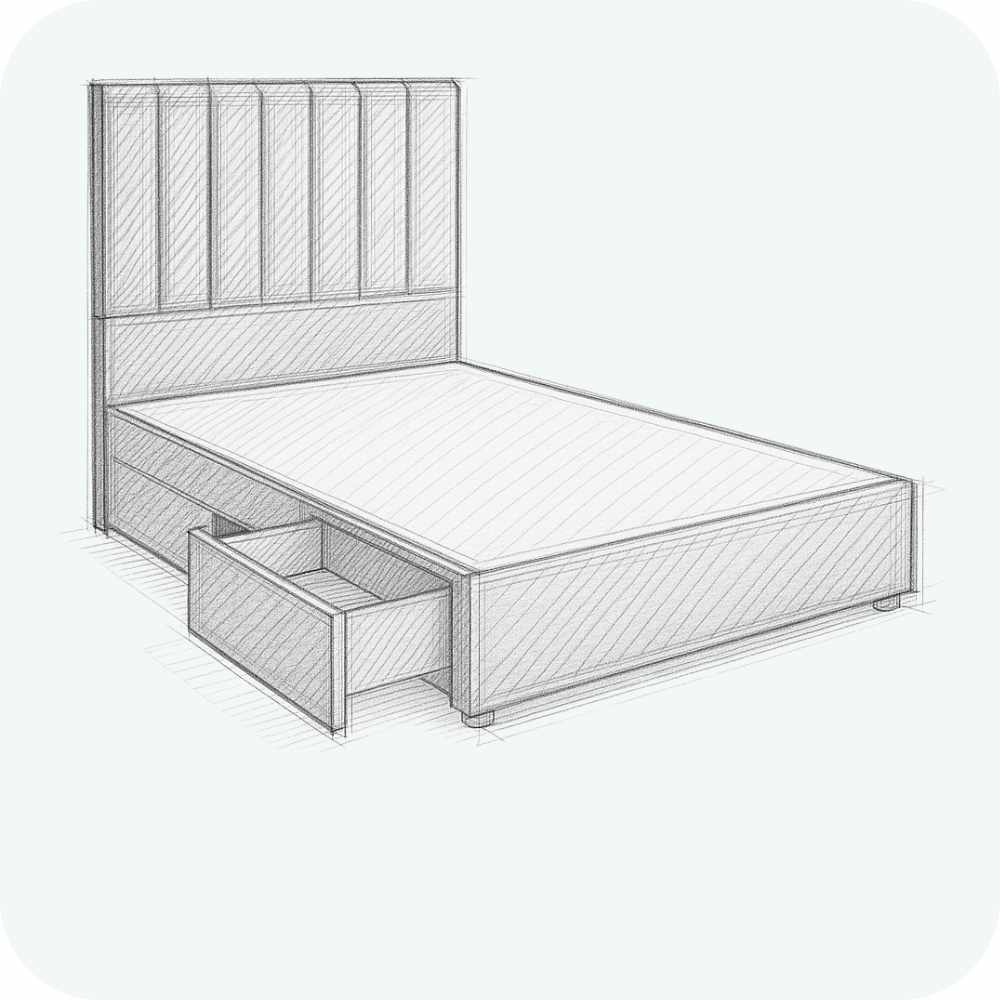
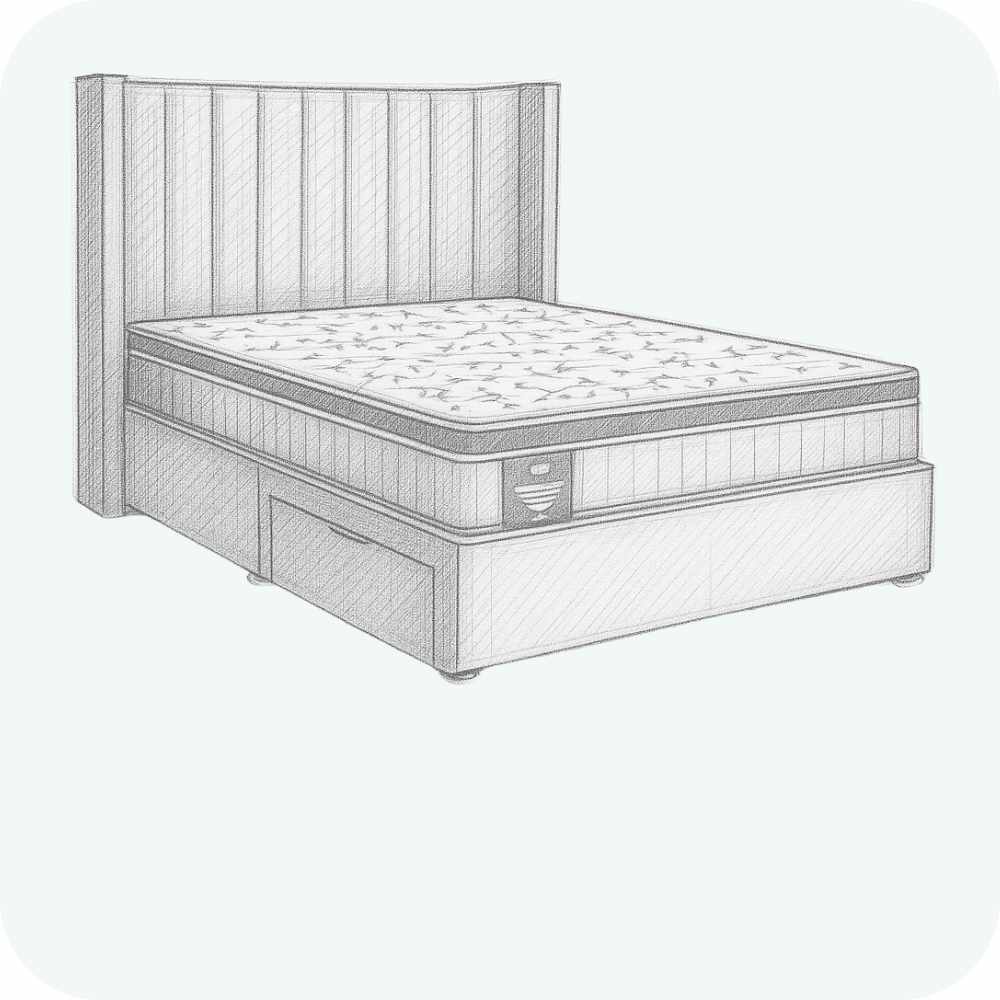
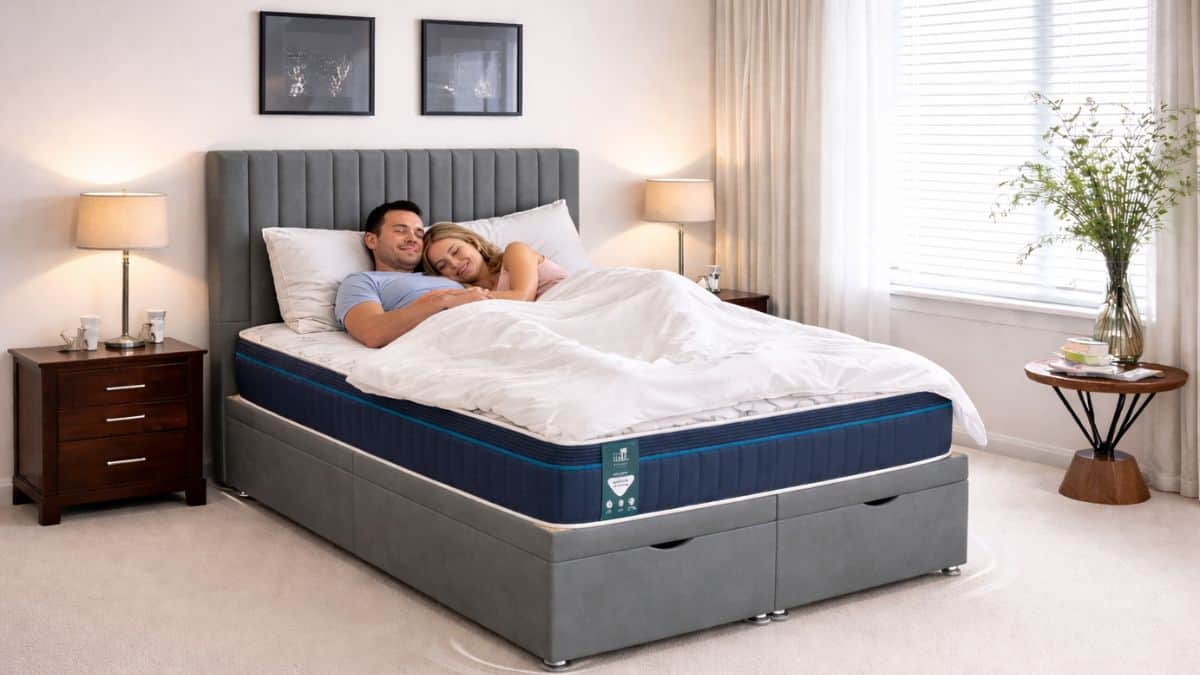
A small double ottoman bed, also known as a three-quarter bed, can technically sleep two people, but comfort depends on expectations and body space needs. With a width of around 120 cm, it offers more room than a single but less than a standard double. Couples who are used to close sleeping or who have limited bedroom space often find a small double ottoman bed workable, especially for short-term or occasional use. However, taller individuals or those who move a lot during sleep may feel restricted. The ottoman design adds valuable under-bed storage, making it popular in UK homes where space efficiency matters. For everyday use, mattress quality, firmness, and edge support play a big role in how comfortable two people feel sharing this bed size.

What size bed should I get for 2 people?

Choosing the right bed size for two people depends on room size, sleeping habits, and comfort preferences. A small double ottoman bed can suit couples in compact bedrooms, but a standard double or king size is generally more comfortable for long-term use. In the UK, couples who value personal sleeping space usually prefer at least a double bed. However, if storage is a priority and the room is tight, an ottoman bed small double offers a practical compromise. Consider also the mattress depth and motion isolation, as these factors affect sleep quality when sharing a bed nightly.

What size is a small double ottoman bed?

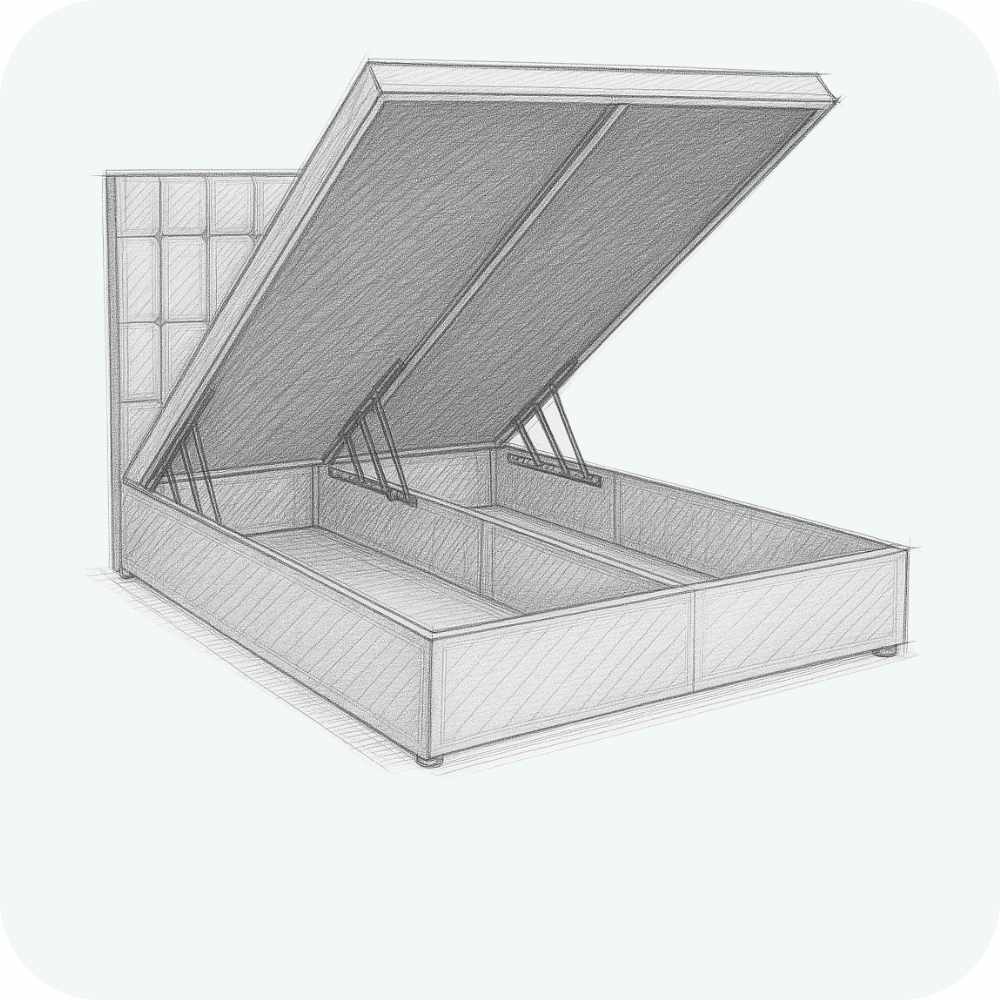
A small double ottoman bed typically measures around 120 cm wide by 190 cm long in the UK. This makes it wider than a single bed (90 cm) but narrower than a standard double (135 cm). The ottoman mechanism allows the mattress base to lift, providing hidden storage underneath without increasing the bed’s footprint. This size is popular for guest rooms, smaller master bedrooms, and apartments where space-saving furniture is essential. When choosing bedding and mattresses, it’s important to buy products specifically labelled for small double ottoman beds to ensure a proper fit.

How many people does a small double fit?

A small double bed is designed to fit one adult very comfortably or two adults closely. While it can accommodate two people, it doesn’t provide the same personal space as a full double or king size bed. Couples who don’t mind sleeping close together may find it acceptable, especially in the short term. For regular use, factors such as body size, sleep position, and mattress support influence whether two people will feel comfortable. The added storage of small double ottoman beds makes them attractive despite the tighter sleeping area.

Is a small double too small?

Whether a small double is too small depends on how it’s used. For solo sleepers, it offers generous space and extra storage. For couples, it can feel tight, particularly for restless sleepers or those who prefer more room. In UK homes with limited bedroom dimensions, a small double ottoman bed can be a smart solution, balancing sleeping space and storage. However, if comfort is the top priority and space allows, moving up to a standard double often improves sleep quality for two people.

Can a double bed for 2 people?

A standard double bed is generally suitable for two people and is the most common choice for couples in the UK. Compared to a small double ottoman bed, it provides an extra 15 cm of width, which can make a noticeable difference in comfort. Couples who share a bed every night usually find a double bed more practical. However, if storage and room size are limiting factors, a small double bed ottoman may still work with the right mattress and realistic expectations.

Which bed size is perfect for a couple?

The perfect bed size for a couple varies by lifestyle and space. In an ideal scenario, a king size offers the most comfort. In smaller homes, a double is often the best balance. A small double ottoman bed can work for couples who prioritise storage and have limited space, but it’s more of a compromise option. Couples should consider how much personal space they need, how often they share the bed, and whether storage is a key requirement.

Which bed is best for two people?

The best bed for two people is one that supports good sleep posture, minimises movement disturbance, and offers enough space. A standard double or king size usually meets these needs better than a small double. However, small double ottoman beds stand out where space efficiency is essential. With a high-quality mattress and sturdy frame, they can serve couples well in compact bedrooms, especially when additional storage is needed.

Is a full too small for two people?

In UK terms, a full bed is similar to a standard double. This size is generally acceptable for two people, though it may feel snug compared to larger options. A small double ottoman bed is smaller than a full/double and therefore more likely to feel tight. Couples used to a full bed may notice the reduced width immediately when switching to a small double.

What are the disadvantages of an ottoman bed?

Ottoman beds offer excellent storage but come with a few drawbacks. They are usually heavier than standard frames, making them harder to move. The lifting mechanism can require effort, especially with heavier mattresses. Small double ottoman beds also combine limited sleeping width with storage, which may not suit all couples. Additionally, they can be more expensive than basic bed frames due to the lift system and reinforced base.

Pros Cons
Large hidden storage Heavier frame
Space-saving design Can feel tight for couples
Clean, modern look Higher cost than basic beds

What is another name for a small double bed?

A small double bed is also commonly called a three-quarter bed in the UK. Some retailers may label it as a 4ft bed. Despite the different names, the dimensions remain the same. When shopping for mattresses or bedding, it’s important to check measurements rather than relying solely on the name to ensure compatibility.

Are small double storage beds good for couples?

Small double storage beds, including ottoman styles, can be good for couples living in smaller homes. They maximise storage without increasing floor space, which is a major benefit. However, couples should be realistic about sleeping comfort. For occasional use or short-term living arrangements, they work well. For long-term use, comfort may depend heavily on mattress choice and personal sleeping habits.

Can two adults sleep on a small double?

Two adults can sleep on a small double, but it will be a close fit. It’s more suitable for couples who don’t require much personal space or for guest situations. Over time, some couples may feel the need to upgrade to a larger bed for better sleep quality. A small double ottoman bed remains a practical option where space and storage are priorities.

What’s the difference between a small double bed and a normal double bed?

The main difference is width. A small double measures about 120 cm wide, while a normal double is around 135 cm. That extra space in a normal double can significantly improve comfort for two sleepers. Both sizes are similar in length. Storage options like ottoman bases are available for both, but the small double suits tighter rooms.

What is the smallest bed that can fit two people?

The smallest bed that can fit two people is generally a small double. Anything narrower, such as a single, is not practical for two adults. While a small double ottoman bed can technically sleep two, it’s best viewed as the minimum size rather than an ideal one for couples.

Can a couple sleep comfortably in a double bed?

Most couples can sleep comfortably in a standard double bed, especially if they choose a supportive mattress. Compared to a small double, a double offers more freedom of movement and personal space. For couples who value comfort over storage, a standard double is often the better choice, provided the room can accommodate it.

Is there much difference between a small double and a double bed?

Yes, the difference is noticeable, particularly for couples. The additional width of a double bed provides more comfort and reduces sleep disturbance. A small double ottoman bed, however, offers better space efficiency and storage. The choice comes down to balancing comfort needs with room size and storage requirements.

FAQs

Is a small double ottoman bed suitable for everyday use by couples?

It can be used daily by couples, but comfort may feel limited over time compared to a standard double.

Do small double ottoman beds save space?

Yes, they maximise storage without increasing the bed’s footprint, ideal for smaller UK bedrooms.

Can I use a standard double mattress on a small double bed?

No, a small double requires a mattress specifically sized at around 120 cm wide.

Are small double ottoman beds good for guest rooms?

Yes, they’re an excellent choice for guest rooms due to their versatility and storage.

Is a small double better than a single for adults?

For solo adults, a small double offers more comfort and space than a single bed.
Double Ottoman Bed
January 7, 2026

Double Ottoman Bed: Why Do Some Feel Wobbly After 6 Months?

How long should an ottoman bed last?

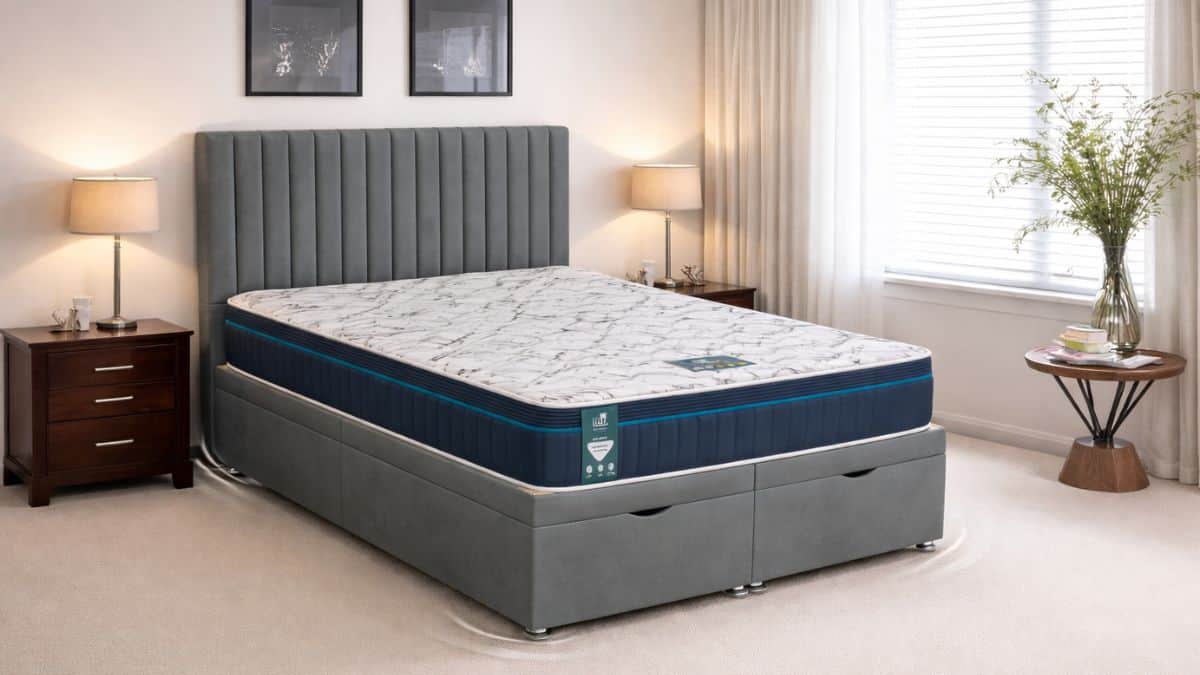
A well-built double ottoman bed should last between 8 and 12 years when used and maintained properly. Frame quality plays the biggest role. Solid hardwood or reinforced metal frames generally outlast cheaper MDF or lightweight timber options. Daily lifting of the ottoman mechanism also affects lifespan, especially if gas pistons are low quality or overloaded. Mattress weight, user weight, and how often the storage base is opened all contribute to wear over time.

In UK homes, humidity and flooring type can also impact durability, particularly on carpet where movement is more common. If your ottoman double bed starts wobbling after six months, it usually points to assembly issues, weak fixings, or a poorly reinforced frame rather than normal ageing. Regular checks, tightening bolts, and ensuring the bed sits level can significantly extend its usable life and keep it feeling stable for years.

How do I stop my bed from wobbling?

Wobbling in an ottoman bed double is usually caused by loose fixings or uneven support. Start by checking every bolt, screw, and joint, tightening them firmly but without over-torquing. Place the bed on a flat, level surface; even slight floor unevenness can cause movement. On carpet, anti-slip pads or furniture grippers under the legs can help. Inspect the central support beam, as many double bed ottoman frames rely on this for stability.

If it’s bent or poorly secured, wobbling will continue. Slats should also sit evenly in their holders with no cracks. If the problem persists, adding corner brackets or extra support plates can reduce side-to-side movement and restore confidence in the bed’s stability.

How to stop ottoman bed creaking?

Creaking is common in double ottoman beds, especially after a few months of use. Noise usually comes from friction between joints, slats, or the lifting mechanism. Tightening all fixings is the first step. Next, apply a silicone-based lubricant to metal joints, hinges, and gas piston connection points. Avoid oil-based products, as they attract dust.

Wooden contact points can benefit from a light wax application to reduce friction. Check that slats are properly seated and not rubbing against the frame. Also ensure the mattress is evenly positioned, as uneven pressure can amplify creaks. Regular maintenance every few months helps keep an ottoman bed quiet and comfortable.

What are the disadvantages of an ottoman bed?

While double bed ottoman designs offer excellent storage, they do have drawbacks. They are heavier than standard frames, making movement or relocation more difficult. The lifting mechanism adds mechanical parts that can wear out over time, especially with frequent use. Poor-quality models may feel less rigid, leading to wobbling or creaking.

Ventilation can also be limited, which may increase moisture risk if the base is overfilled or rarely opened. Assembly is often more complex, and incorrect setup can affect stability. These disadvantages don’t make ottoman beds a bad choice, but they highlight the importance of quality materials, correct assembly, and regular care.

What are common problems with adjustable beds?

Adjustable beds share some issues with ottoman beds double, particularly around moving parts. Common problems include loose joints, motor or hinge noise, and uneven lifting. Weight limits are often exceeded, causing strain on mechanisms.

Over time, fixings may loosen due to repeated motion. Poor alignment can lead to instability or uneven support across the mattress. Electrical components in adjustable beds can also fail if not properly maintained. Although adjustable and ottoman beds differ in function, both require careful assembly and periodic checks to remain stable, quiet, and supportive.

Are ottoman beds stable?

A high-quality double ottoman bed is designed to be stable when correctly assembled. Stability depends on frame thickness, joint reinforcement, and the presence of a strong central support rail. Beds with multiple legs and cross-bracing perform better than minimalist designs.

Problems arise when cheaper materials flex under load or when fixings loosen. Mattress weight distribution also matters; an uneven or oversized mattress can affect balance. When these factors are addressed, ottoman beds are just as stable as traditional frames and suitable for everyday use in UK households.

Why does my bed feel like it’s swaying?

A swaying sensation in double ottoman beds usually indicates lateral movement in the frame. This can be caused by loose side rails, weak corner joints, or missing support brackets. Flooring plays a role too; thick carpet can exaggerate movement. Over time, repeated motion can widen bolt holes, increasing sway.

Checking alignment and reinforcing joints often resolves the issue. Adding rubber pads under legs or ensuring the centre beam is firmly anchored can dramatically reduce side-to-side movement and improve overall feel.

What are the signs of a bad bed frame?

A poor-quality ottoman double bed frame often shows issues early. Common signs include persistent wobbling, visible flexing when you sit down, and loud creaking during movement. Screws that repeatedly loosen or strip are another red flag.

If slats crack or bow within months, the materials are likely substandard. Misaligned joints and gaps at corners also indicate weak construction. A good bed frame should feel solid, quiet, and supportive from day one and remain that way with basic maintenance.

What Are the Signs of a Bad Bed Frame?

Persistent Wobbling

A bad-quality ottoman double bed frame often starts wobbling very early, sometimes within weeks of use. This usually means the frame lacks proper reinforcement or strong joints. Even after tightening the screws, the bed may continue to move, which shows weak construction rather than a simple assembly issue. Persistent wobbling affects comfort and can worsen over time.

Visible Flexing When You Sit Down

If the bed frame bends or dips when you sit or lie down, it’s a clear warning sign. Flexing indicates low-quality wood, thin metal, or poor central support. Over time, this flexing puts stress on joints and fixings, making the bed feel unstable and reducing its overall lifespan.

Loud Creaking During Movement

Frequent creaking noises when you turn or get out of bed often point to poor-quality materials or badly fitted joints. In a weak ottoman bed frame, parts rub against each other because they are not properly secured. While occasional noise can happen, constant loud creaking usually means the frame will continue to deteriorate.

Screws That Keep Loosening or Stripping

If screws repeatedly come loose or their threads strip easily, it shows the frame material is too soft or poorly finished. This is common in low-grade MDF or cheap timber frames. Once screw holes weaken, the bed loses stability and becomes harder to fix permanently.

Slats Cracking or Bowing Early

Slats should remain straight and supportive for years. When slats crack, split, or bow within a few months, it suggests they are too thin or made from substandard wood. Weak slats reduce mattress support and can lead to discomfort, sagging, and further damage to the frame.

Misaligned Joints and Corner Gaps

Gaps at the corners or joints that don’t sit flush are strong indicators of poor manufacturing. Misalignment puts uneven pressure on the frame, causing wobbling and noise. Over time, these gaps grow wider, making the bed feel unstable and unsafe.

Why does my bed feel unstable?

Instability in a double ottoman bed often comes from uneven load distribution or assembly errors. Missing washers, incorrectly placed bolts, or reversed components can compromise the structure. An overloaded storage compartment can also strain the frame. Floor level is another factor; even small slopes can cause imbalance. Reviewing the assembly instructions and redistributing stored items evenly usually improves stability. If instability continues, the frame itself may lack sufficient reinforcement.

Do all Ottoman beds creak?

Not all double ottoman beds creak, but some noise is common over time. Creaking depends on materials, construction quality, and maintenance. Solid frames with reinforced joints tend to stay quieter. Beds that are rarely checked or tightened are more likely to develop noise. Environmental factors like temperature changes can also cause materials to expand and contract. With proper assembly and occasional lubrication, most ottoman beds can remain relatively quiet throughout their lifespan.

How do you maintain an ottoman bed?

Maintaining ottoman beds double is straightforward but important. Check and tighten fixings every three to six months. Keep hinges and lifting mechanisms clean and lightly lubricated. Avoid exceeding weight limits for both sleepers and stored items. Open the ottoman base occasionally to allow airflow and reduce moisture build-up. Rotate the mattress as recommended to ensure even wear. Simple maintenance steps like these help prevent wobbling, creaking, and premature wear.

Why does my bed creak when I move but?

When a double bed ottoman creaks only during movement, it usually points to friction at pressure points. This may include slats shifting slightly, joints rubbing, or the mattress moving against the frame. Tightening fixings and adding felt pads where wood meets wood can reduce noise. Ensuring the mattress fits snugly without gaps also helps. Movement-related creaks are often easier to fix than constant noise and rarely indicate serious structural problems.

How long is the lifespan of a bed?

Most beds, including double ottoman beds, have a lifespan of around 8 to 10 years. Frames may last longer if built from quality materials, while mattresses often need replacing sooner. Daily use, body weight, and maintenance habits all influence longevity. A bed that shows early wobbling or noise may still last if issues are addressed promptly. Regular care ensures the frame reaches its expected lifespan without compromising comfort or safety.

Do ottoman beds go mouldy?

Mould can develop in ottoman beds double if ventilation is poor and moisture builds up. This is more common when storage is tightly packed or the base is never opened. UK homes with higher humidity are particularly at risk. To prevent mould, avoid storing damp items, open the ottoman regularly, and allow air circulation. Using a breathable mattress and occasionally airing the storage space helps keep the bed fresh and hygienic.

Why is my ottoman bed not staying up after?

If a double ottoman bed won’t stay open, worn or faulty gas pistons are usually to blame. Overloading the storage area or using a heavier-than-recommended mattress can accelerate piston failure. Cold temperatures can also temporarily reduce lifting power. Replacing the gas struts with the correct weight rating typically resolves the issue. This is a common maintenance task rather than a sign of overall bed failure.

Are ottoman beds ok for heavy people?

High-quality double ottoman beds can be suitable for heavier individuals if they are properly rated. Look for reinforced frames, strong central support, and higher load-rated gas pistons. Cheaper models may flex or wear faster under higher weight. Distributing weight evenly and avoiding overloading storage are important. When designed well, ottoman beds offer both comfort and durability for a wide range of users.

Issue Likely Cause Practical Fix
Wobbling Loose fixings or uneven floor Tighten bolts, level the bed
Creaking Joint friction Lubricate hinges and joints
Won’t stay open Weak gas pistons Replace struts
Frame Type Average Lifespan Stability Level
Solid wood 10 to 12 years High
Metal reinforced 9 to 11 years High
MDF / lightweight wood 5 to 7 years Medium

Conclusion

A double ottoman bed feeling wobbly or unstable after just a few months is usually not normal wear and tear it’s often a sign of poor frame quality, weak fixings, or incorrect assembly. Early warning signs such as persistent wobbling, loud creaking, flexing, or cracking slats should never be ignored, as they tend to worsen over time.

The good news is that many stability issues can be fixed with regular maintenance, proper tightening, and correct weight distribution. However, if the frame itself is poorly built, no amount of adjustment will fully resolve the problem. Choosing a well-constructed ottoman bed with strong materials, reinforced joints, and adequate support is essential for long-term comfort, safety, and durability. A stable bed should feel solid, quiet, and supportive every night not something you have to constantly worry about.

FAQs

Why does my double ottoman bed wobble after a few months?

Wobbling usually happens due to loose fixings, uneven flooring, or a weak central support. It’s rarely normal wear and can often be fixed with tightening and reinforcement.

Is a double ottoman bed less stable than a normal bed?

No, a well-built double ottoman bed is just as stable as a standard frame when correctly assembled and maintained.

How often should I check my ottoman bed frame?

It’s best to check and tighten fixings every three to six months to prevent wobbling and noise.

Can overloading storage cause bed instability?

Yes, excessive or unevenly distributed storage weight can strain the frame and lifting mechanism, leading to instability.


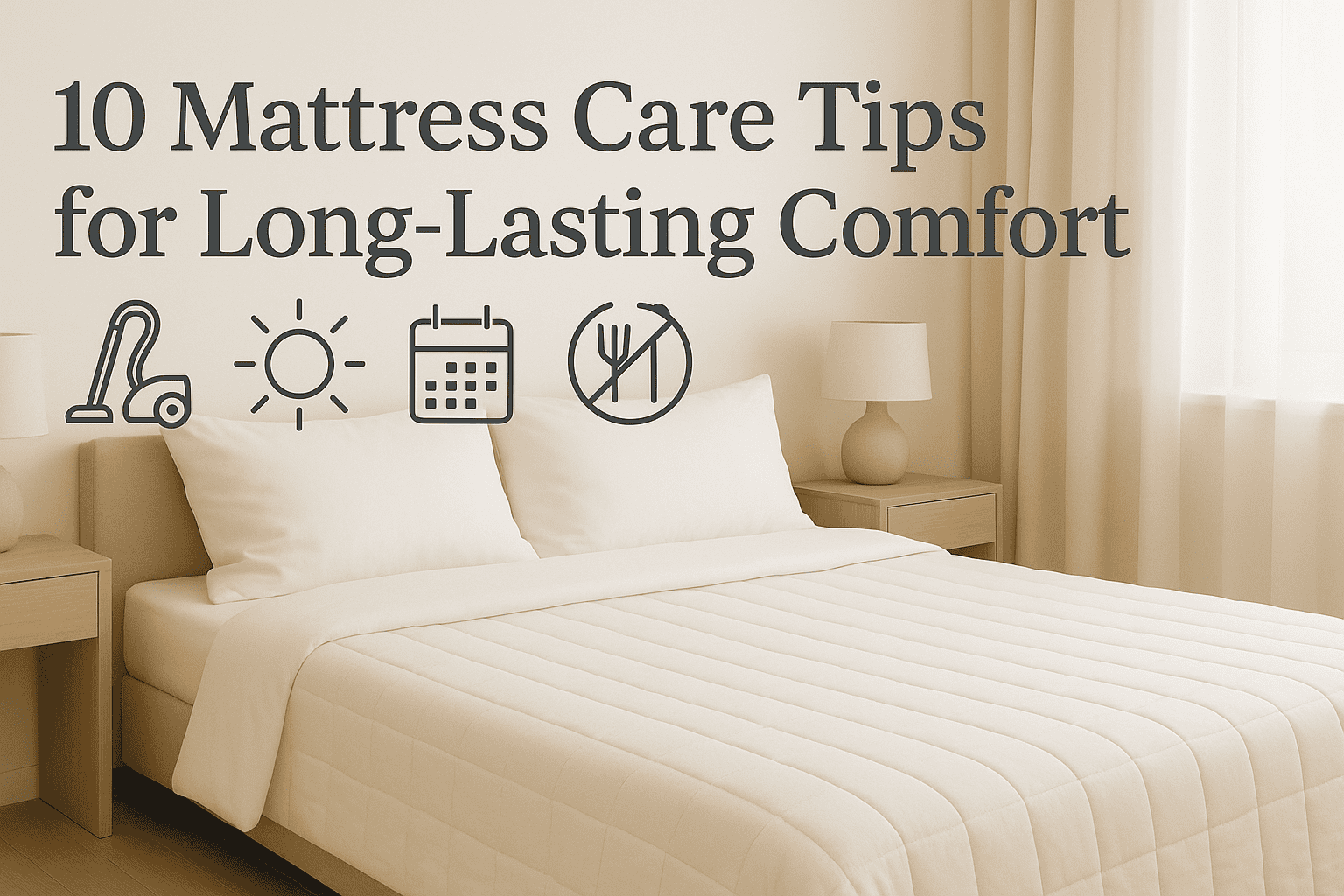
10 Mattress Care Tips for Long-Lasting Comfort
January 7, 2026

10 Mattress Care Tips for Long-Lasting Comfort

A mattress is more than just a place to sleep, it’s the foundation of your rest, your recovery and your overall wellbeing. But even the most comfortable mattress won’t last forever without good care. Over time, daily use introduces sweat dust and pressure that can damage support and comfort. The good news? A little maintenance goes a long way.

Follow these ten mattress care tips to preserve your bed’s structure hygiene and feel for years of deep uninterrupted sleep.

1. Rotate Your Mattress Every 3 to 6 Month

Mattresses, especially foam and hybrid styles, can form body impressions with time. Rotating your mattress every three to six months ensures the wear is evenly distributed. This simple habit prevents sagging, maintains support and extends the life of your bed.

Set a seasonal reminder and either rotate it 180° or flip if your mattress is double-sided. Even wear equals longer-lasting comfort.

2. Use a Mattress Protector

A waterproof breathable mattress protector is your mattress’s best defense. It shields against spills, sweat, dust mites and bacteria without affecting breathability. Ideal for allergy sufferers, it also keeps the surface fresher between cleanings.

Wash it every two to four weeks to maintain peak hygiene and extend your mattress’s life. It’s an invisible upgrade that makes a massive difference.

3. Clean Your Bedding Regularly

Your sheets are the barrier between your body and the mattress, so if they’re dirty your mattress is too. Sweat, skin oils and bacteria soak through over time. Wash pillowcases and sheets weekly in hot water to kill mites and allergens. Don’t forget duvets and toppers every few weeks. Clean bedding means a cleaner bed underneath.

4. Vacuum the Mattress Surface

Dust and dander build up even under clean sheets. Using your vacuum’s upholstery tool monthly helps remove invisible irritants from the surface. Focus on crevices and edges where debris tends to collect. This habit keeps your mattress fresh, reduces allergens and can even help with skin sensitivities or respiratory issues.

5. Spot Clean Stains Promptly

From spilled drinks to night sweats, stains happen. Blot stains immediately with a clean dry cloth, but don’t scrub or you’ll spread it. Use a mild detergent mixed with cold water to lift marks gently. Always let the area dry fully to avoid mold. Fast action preserves the look and smell of your mattress. 

6. Avoid Sitting on the Edge

The edge of your mattress wasn’t made to support your body weight long-term. Sitting there daily compresses the foam or springs unevenly leading to sagging. Try to spread your weight evenly when getting in and out of bed. Protecting the perimeter helps maintain structure and support where it matters most.

7. Keep Pets Off the Bed

We love our pets but their fur, claws and dirt don’t belong in your mattress. Dander can trigger allergies and embed deep into the fabric, making cleaning harder. If your pet insists on joining you use a washable throw as a barrier. Better yet, give them their own cozy bed nearby. They’ll love it and so will your mattress.

8. Let It Breathe

Your mattress needs airflow to stay dry and fresh. Strip the bed down every few months and open the windows to allow ventilation. If safe and possible, expose it to a few hours of sunlight, as UV rays naturally eliminate moisture and bacteria. This refreshes the material and neutralizes odors, leaving your bed feeling brand new.

9. Follow the Manufacturer’s Guidelines

Not all mattresses are created equal. Some should never be flipped, others need rotating and care instructions can vary by material. Always read the tag or check the brand’s website to avoid mistakes. Proper care ensures you are not voiding warranties or damaging your mattress unknowingly.

10. Replace When It’s Time

Even the best mattresses don’t last forever. Signs it’s time to upgrade include sagging aches upon waking or worsening allergies. Most mattresses last seven to ten years depending on quality and usage. When your bed no longer supports restful sleep, consider switching to a Luxe Mattress crafted for lasting comfort cooling and spine-aligned support.

Care More Sleep Better

Mattress maintenance isn’t complicated but it is essential. These simple habits can protect your investment, improve your health and elevate the quality of your rest.

Include these tips in your seasonal routine and your mattress will repay you with clean supportive sleep for years. After all, better care means better nights and better mornings.

Conclusion

A mattress is more than just a place to sleep, it’s an investment in your health, comfort, and overall wellbeing. By following simple care routines like rotating your mattress, using a protector, keeping it clean, and following the manufacturer’s guidelines, you can significantly extend its lifespan and maintain its support and hygiene. 

Remember, even with the best care, every mattress has a lifespan, so replacing it when needed ensures you continue to enjoy deep, restorative sleep. Consistent maintenance isn’t just about preserving your mattress it’s about preserving your quality of rest.

FAQs

How often should I rotate my mattress?

Rotate your mattress every 3 to 6 months to ensure even wear, prevent sagging, and maintain support. Double-sided mattresses can also be flipped according to manufacturer instructions.

Do I really need a mattress protector?

Yes. A breathable, waterproof mattress protector shields your mattress from spills, sweat, dust mites, and allergens, keeping it cleaner and prolonging its life.

Can I clean my mattress myself?

Absolutely. Regular vacuuming, prompt spot cleaning with mild detergent, and letting your mattress breathe in sunlight or fresh air helps maintain hygiene and freshness.

Is it bad to sit on the edge of my mattress?

Frequent sitting on the edge can compress foam or springs unevenly, causing sagging over time. Always try to distribute your weight evenly when using the bed.

How do I know it’s time to replace my mattress?

If you notice sagging, waking up with aches, worsening allergies, or general discomfort, it’s likely time to upgrade. Most mattresses last 7 to 10 years, depending on quality and care.

Product has been added to your cart