
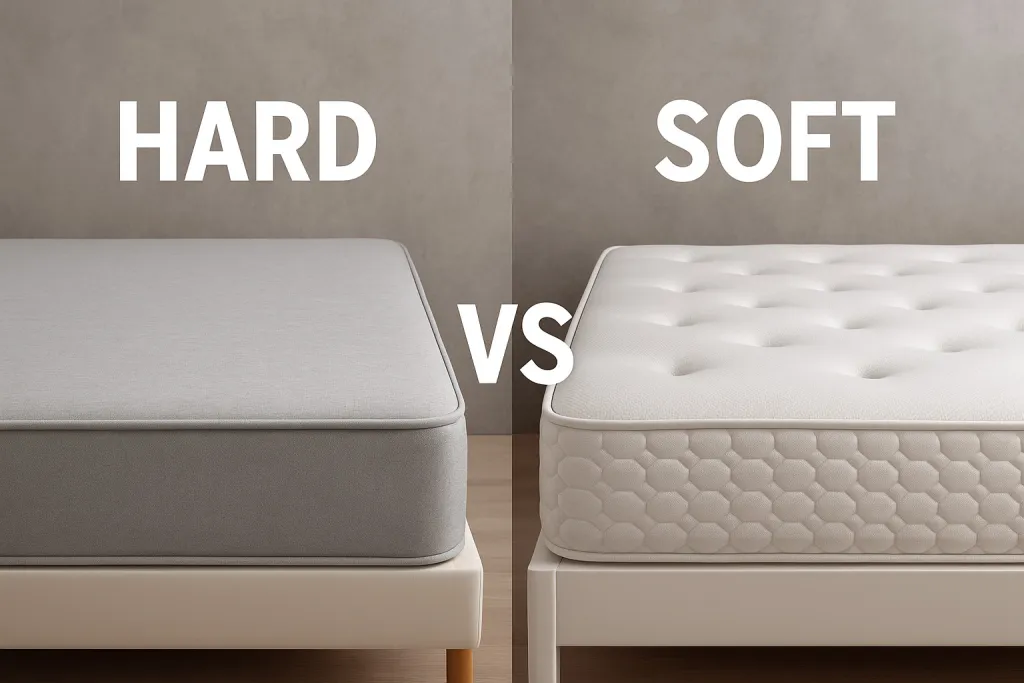
Choosing the right mattress feels a bit like picking a side in a long-standing debate. Some swear by the firm support of a hard mattress. Others can’t imagine sleeping on anything but a soft, cloud-like surface. So how do you know what’s right for you, your back, posture, and unique sleep style?
Let’s break down the myths, the facts, and the real-life experiences that reveal what kind of mattress truly helps you sleep better and wake up pain-free.
First, Let’s Get Clear on What “Hard” and “Soft” Really Mean
The terms hard and soft are often misunderstood. They aren’t fixed categories but part of a spectrum of firmness levels that vary across brands and materials. What one company calls “medium” might feel quite firm compared to another’s “plush” model.
Generally speaking:
- A hard mattress provides a flatter, more rigid surface with very little sink-in.
- A soft mattress allows more give and contouring around your body.
But it’s not just about how the bed feels when you lie down. It’s about how it supports your spine over hours of sleep.
The Relationship Between Mattress Firmness and Back Health
Here’s where it gets interesting and personal. Studies have shown that the wrong mattress firmness can lead to poor spinal alignment, muscle tension, and even chronic pain over time.
For example, a 2015 study published in the Journal of Chiropractic Medicine found that medium-firm mattresses offered the best balance between comfort and support for people with lower back pain. Another study published in The Lancet showed similar results, where patients with chronic back pain slept better on medium-firm surfaces compared to very firm ones.
But not everyone experiences firmness the same way. Weight, sleep posture, and personal preference all play a role.
Story Time: When a Soft Mattress Went Too Far
Let me tell you about Tom. A friend of mine who was convinced he needed the softest mattress money could buy. He ordered an ultra-plush memory foam model online and raved about how comfortable it felt at first.
Two weeks in, things changed. He started waking up stiff, especially in his lower back. He thought it was stress or age catching up with him, but a physiotherapist pointed out that his spine wasn’t getting the support it needed during the night.
He swapped it out for a slightly firmer hybrid mattress and within days, the pain eased.
This is the kind of real-world shift that shows how important the right level of firmness is, and how it’s not just about softness equals comfort.
Find Your Perfect Mattress Firmness
Discover the ideal mattress firmness for your sleep position, body type, and support needs — backed by sleep science.
Take the Assessment →Who Should Sleep on a Hard Mattress?
Hard mattresses are often recommended for certain types of sleepers and health profiles. For example:
- Back sleepers tend to benefit from firmer surfaces because they help keep the spine in a neutral position.
- Stomach sleepers (though not ideal in general for spinal health) need firmer support to avoid sinking in at the hips, which can lead to lumbar strain.
- Heavier individuals may also find hard mattresses better at preventing sag and maintaining even support over time.
That said, overly hard mattresses can create pressure points around the shoulders and hips — especially if you move around a lot in your sleep.
When a Soft Mattress Is the Better Choice
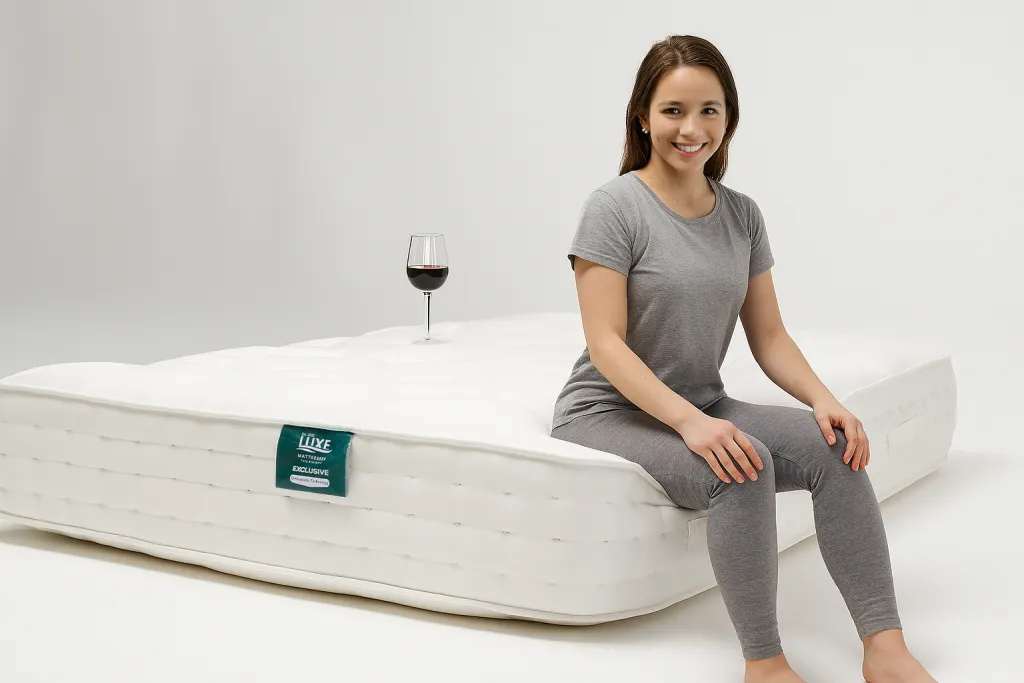
Soft mattresses shine in a few specific scenarios:
- Side sleepers often find relief on softer surfaces that allow their shoulders and hips to sink in slightly, reducing joint pressure.
- Lighter individuals may not compress a firm mattress enough to benefit from its support, making a softer bed more comfortable.
- People dealing with arthritis or joint pain may prefer the cushioning of a plush top layer.
But remember, too soft can be just as problematic as too firm. If your body sinks in too deeply without proper support, your spine ends up out of alignment, leading to stiffness or even long-term discomfort.
Matching Firmness to Sleep Style
Here’s a simple way to look at it, based on how you naturally sleep.
- Back sleeper? Medium-firm is usually the sweet spot. It keeps your spine aligned without being too rigid.
- Side sleeper? Go for something soft to medium, especially if you’re light to average in weight.
- Stomach sleeper? Firmer is safer, though switching sleep positions might help your back more.
- Toss and turn all night? A responsive hybrid mattress could offer the best blend of comfort and support for combination sleepers.
The most important thing is spinal alignment, keeping your head, shoulders, and hips level with your lower back, no matter your position.
Pros and Cons of Each Type
Let’s be honest: neither hard nor soft mattresses are inherently “better.” Each comes with its own set of tradeoffs.
Hard Mattresses:
- Pros: Durable, great for spinal support, especially for heavier or stomach sleepers.
- Cons: Can feel uncomfortable or rigid, may create pressure points for side sleepers.
Soft Mattresses:
- Pros: Luxuriously comfy at first, excellent pressure relief, ideal for side sleepers.
- Cons: Can sag over time, potentially leads to poor posture if too plush, not ideal for heavier sleepers.
A mattress is only as good as how you feel when you wake up, not just how it feels when you first lie down.
It’s Not Just About Firmness – It’s About Construction
Modern mattresses come in a variety of materials that influence how “hard” or “soft” they feel, including memory foam, latex, innerspring, and hybrid designs. For instance, a firm memory foam mattress still contours differently than a firm innerspring one.
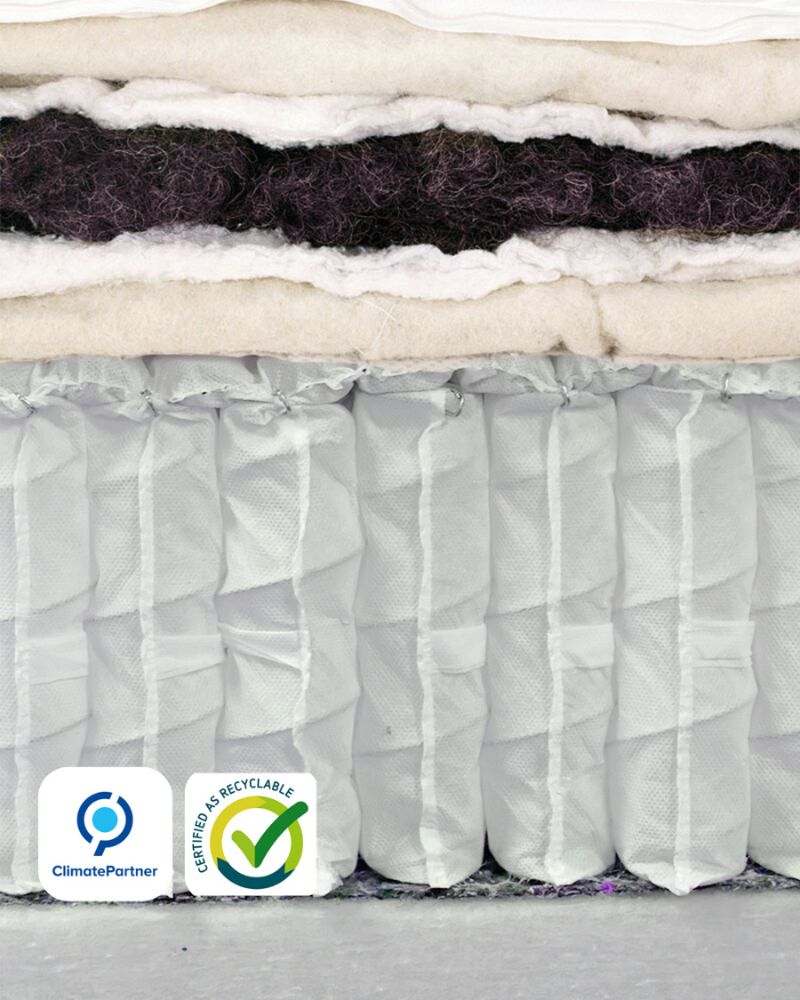
Hybrid models are especially popular because they often deliver the best of both worlds, a supportive core with a plush top layer. These are great options for people who fall between preferences or share a bed with someone who sleeps differently.
Trying Before You Buy (or At Least Testing at Home)
If you can visit a showroom, take your time. Lie on the mattress in your natural sleep position for several minutes. Don’t just press it with your hand or sit on the edge. Your spine and muscles need to experience how the mattress supports you when you’re fully relaxed.
Buying online? Look for retailers that offer 100-night sleep trials or better. That way, you can truly test it in your own space, with your pillow, your partner, and your bedtime habits. A mattress should work for you, not just look great in a catalog.
So, What’s the Final Word?
Choosing between a hard and soft mattress is deeply personal, but it doesn’t have to be confusing. Listen to your body. Think about how you sleep, how you wake up, and what your day-to-day comfort feels like. Don’t fall for one-size-fits-all solutions.
Whether you’re shopping for a new mattress sale UK or browsing a trusted local brand near you, focus on alignment, pressure relief, and lasting support. That’s the real formula for better sleep, and better mornings.

Giulia is a content writer at Luxe Mattresses, where she blends her background in product development with a passion for sleep science and design. A graduate of Imperial College London, Giulia studied Product Development & Entrepreneurship, giving her a strong foundation in how everyday products like mattresses & impact human well-being.
At Luxe, she focuses on writing informative, user-friendly blogs that explore everything from mattress comparisons and sleep quality tips to innovations in bedding technology. Giulia is especially passionate about helping readers make smarter choices when it comes to comfort, health, and bedroom design.
