


Estimated reading time: 6 minutes
Sleep is a fundamental component of overall health, influencing everything from cognitive function to immune response. Using a sleep calculator can help you find the perfect balance. While general guidelines suggest that adults need between 7 to 9 hours of sleep per night, individual needs can vary based on age, lifestyle, and health conditions. Understanding your unique sleep requirements is essential for optimising rest and well-being.
1. Understanding Sleep Cycles and Their Impact
Sleep is composed of multiple cycles, each lasting approximately 90 minutes. These cycles include stages of light sleep, deep sleep, and REM (rapid eye movement) sleep. Waking up at the end of a sleep cycle, rather than in the middle, can lead to feeling more refreshed and alert. Aligning your sleep schedule with these natural cycles can enhance sleep quality and daytime functioning.
2. Personalized Bedtime and Wake-Up Calculations
Bedtime Calculator
Determining the optimal time to go to bed involves considering your desired wake-up time and the number of complete sleep cycles you aim to achieve. For instance, if you need to wake up at 6:30 AM and want to complete five sleep cycles (7.5 hours), your ideal bedtime would be around 11:00 PM. This calculation also accounts for the average time it takes to fall asleep, typically about 15 minutes.
Sleep Calculator
Plan your optimal bedtime and wake-up times based on your body’s natural sleep cycles. Wake up refreshed and energized every morning.
Why Use This Calculator?
- Calculate the ideal bedtime based on when you need to wake up
- Find the optimal wake-up time based on when you go to bed
- Work with your body’s natural 90-minute sleep cycles
- Minimize grogginess and maximize morning energy
- Based on sleep science research
Wake-Up Time Calculator
Conversely, if you plan to go to bed at a specific time, calculating the best wake-up time involves ensuring you complete full sleep cycles. For example, going to bed at 10:00 PM and aiming for six sleep cycles (9 hours) would suggest a wake-up time of 7:00 AM.
3. Assessing and Managing Sleep Debt
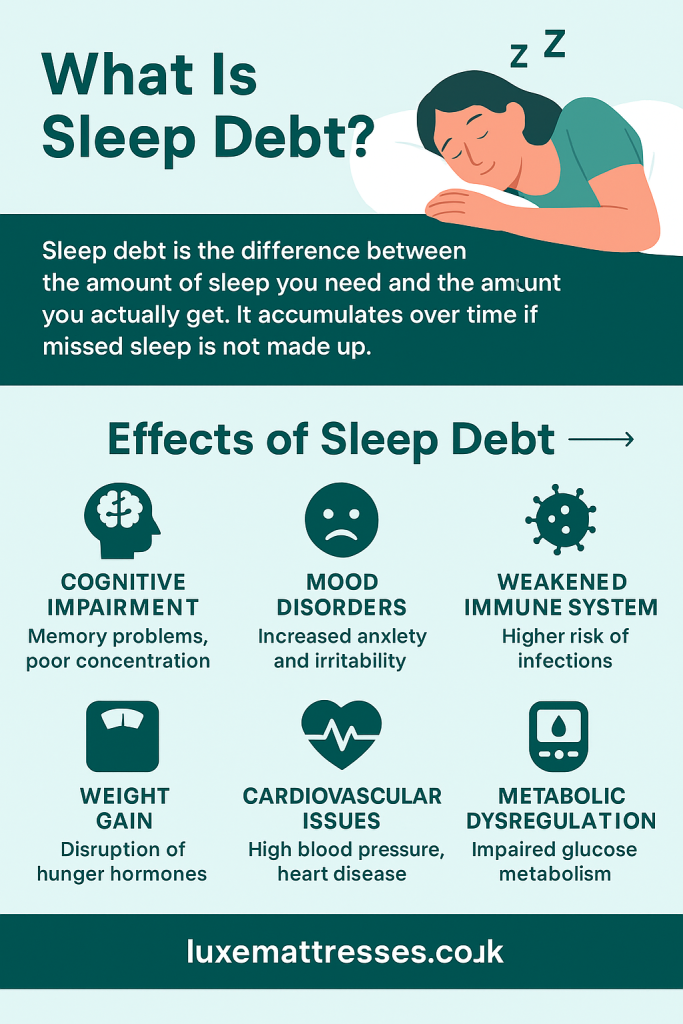
What Is Sleep Debt?
Sleep debt accumulates when you consistently get less sleep than your body requires. For example, if your body needs 8 hours of sleep per night but you only get 6 hours, you accrue a sleep debt of 2 hours per night. Over a week, this amounts to 14 hours of lost sleep.
Calculating Your Sleep Debt
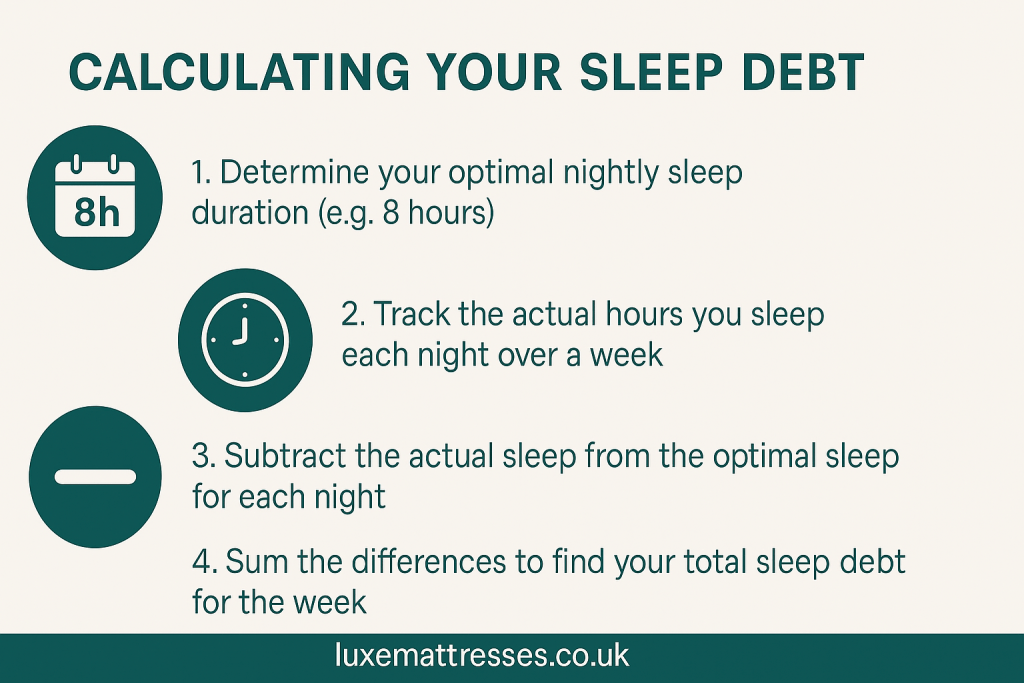
To calculate your sleep debt:
- Determine your optimal nightly sleep duration (e.g., 8 hours).
- Track the actual hours you sleep each night over a week.
- Subtract the actual sleep from the optimal sleep for each night.
- Sum the differences to find your total sleep debt for the week.
Comprehensive Sleep Quiz
Discover your personalized sleep score and get expert recommendations to improve your sleep quality. This quiz takes about 5-7 minutes to complete.
Why Take This Quiz?
- Get a comprehensive analysis of your sleep habits
- Receive personalized recommendations from sleep experts
- Find the perfect mattress match for your sleep style
- Learn science-backed tips to improve your sleep quality
- Get personalized product recommendations
Managing sleep debt involves adjusting your schedule to allow for additional sleep, improving sleep hygiene, and addressing any underlying sleep disorders.
4. Evaluating Sleep Quality and Establishing Benchmarks
Assessing sleep quality goes beyond duration. Key factors include:
- Sleep Latency: Time taken to fall asleep.
- Sleep Efficiency: Percentage of time in bed spent sleeping.
- Nighttime Awakenings: Frequency and duration of awakenings during the night.
Establishing benchmarks for these factors helps in identifying areas for improvement and tracking progress over time.
5. Discovering Your Sleep Personality
Understanding your sleep personality can provide insights into your sleep patterns and needs. Common sleep personalities include:
- The Light Sleeper: Easily awakened by noise or light.
- The Deep Sleeper: Rarely disturbed during sleep.
- The Night Owl: Prefers late bedtimes and wake-up times.
- The Early Bird: Naturally inclined to sleep and wake early.
Identifying your sleep personality can guide you in tailoring your sleep environment and routines for optimal rest.
6. Personalized Sleep Recommendations
Based on your sleep assessments and personality, consider the following personalized recommendations:
- For Light Sleepers: Use white noise machines, blackout curtains, and maintain a consistent sleep schedule.
- For Deep Sleepers: Ensure alarm clocks are effective in waking you and avoid oversleeping.
- For Night Owls: Gradually adjust bedtime earlier and limit exposure to screens before bed.
- For Early Birds: Maintain consistent sleep and wake times, even on weekends.
Additionally, selecting a mattress that aligns with your sleep preferences can enhance comfort and support, contributing to better sleep quality.
7. The Hidden Dangers of Sleep Debt
Chronic sleep deprivation can have profound effects on both physical and mental health. Some of the potential consequences include:
- Cognitive Impairment: Difficulty concentrating, memory lapses, and decreased problem-solving abilities.
- Mood Disorders: Increased risk of depression, anxiety, irritability and Mental health effects
- Weakened Immune System: Greater susceptibility to infections and slower recovery times.
- Weight Gain: Disruption of hormones that regulate appetite, leading to increased hunger and calorie intake.
- Cardiovascular Issues: Elevated blood pressure, increased risk of heart disease and stroke.
- Metabolic Dysregulation: Impaired glucose metabolism, increasing the risk of type 2 diabetes.
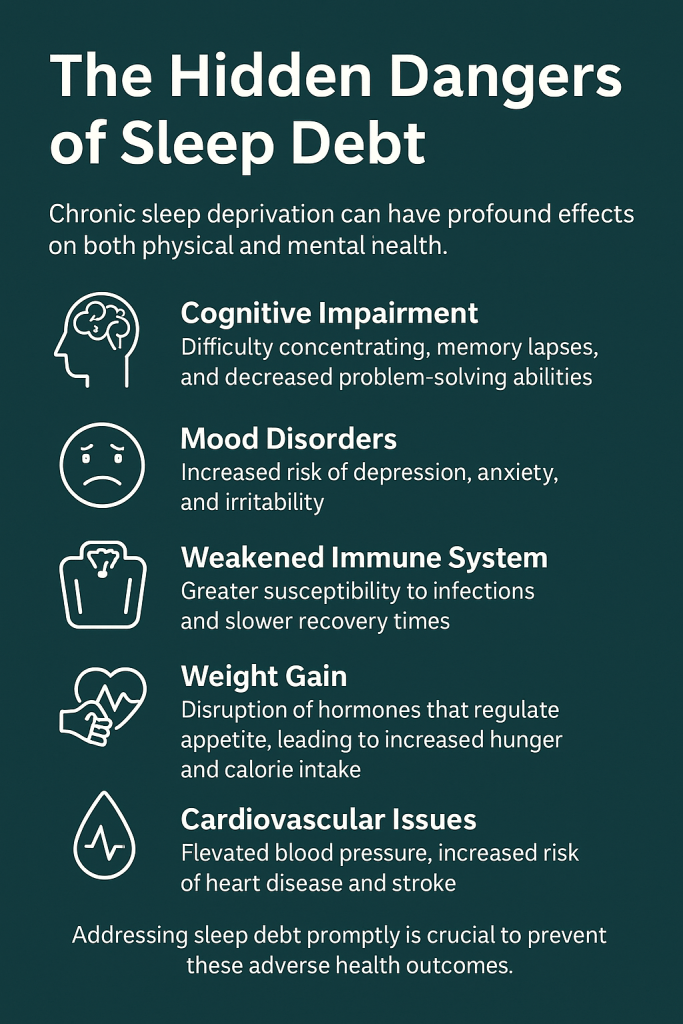
Addressing sleep debt promptly is crucial to prevent these adverse health outcomes.
FAQs
How many hours of sleep do I truly need?
Adults truly need 7-9 hours per night for optimal health, per AASM/CDC guidelines less increases risks like heart disease and cognitive decline.
Is 4 hours of sleep really enough?
No, 4 hours is chronically insufficient for most, leading to impaired cognition, weakened immunity, and higher chronic disease risk; only rare short sleepers thrive on it.
What is the 10 5 3 2 1 sleep rule?
10 hours before bed: no caffeine; 5 hours: no alcohol/eat; 3 hours: no work/exercise; 2 hours: no naps; 1 hour: no screens promotes quality sleep.
Do some people really need 12 hours of sleep?
Yes, some like those with hypersomnia or recovery needs require 10-12 hours, but most adults over 9 signals underlying issues like depression.
Who sleeps for 90% of the day?
Koalas sleep up to 90% (18-22 hours/24), an adaptation for low-nutrient eucalyptus diets requiring energy conservation.
Conclusion
Understanding and aligning with your unique sleep needs is essential for maintaining long-term health and well-being. With the help of tools like our sleep calculator, you can evaluate your current sleep patterns, identify potential sleep debt, and uncover your individual sleep personality. These insights empower you to make smarter, more tailored decisions about your nightly routine. By adopting personalized strategies and enhancing your sleep environment, you’ll set the foundation for more restorative, high-quality sleep and better overall daily performance.

Roman is a seasoned expert in mattress development with over a decade of experience in sleep technology, material innovation, and product engineering. He has played a key role in designing and refining sleep solutions for leading mattress brands, with a deep focus on ergonomics, pressure relief, and sleep quality optimization.
With a background in product design and biomechanics, Roman combines scientific research with hands-on development to create mattresses that address real-world sleep issues—from spinal alignment to temperature regulation. His work has contributed to several award-winning mattress lines known for their comfort, durability, and user satisfaction.