
Estimated reading time: 8 minutes
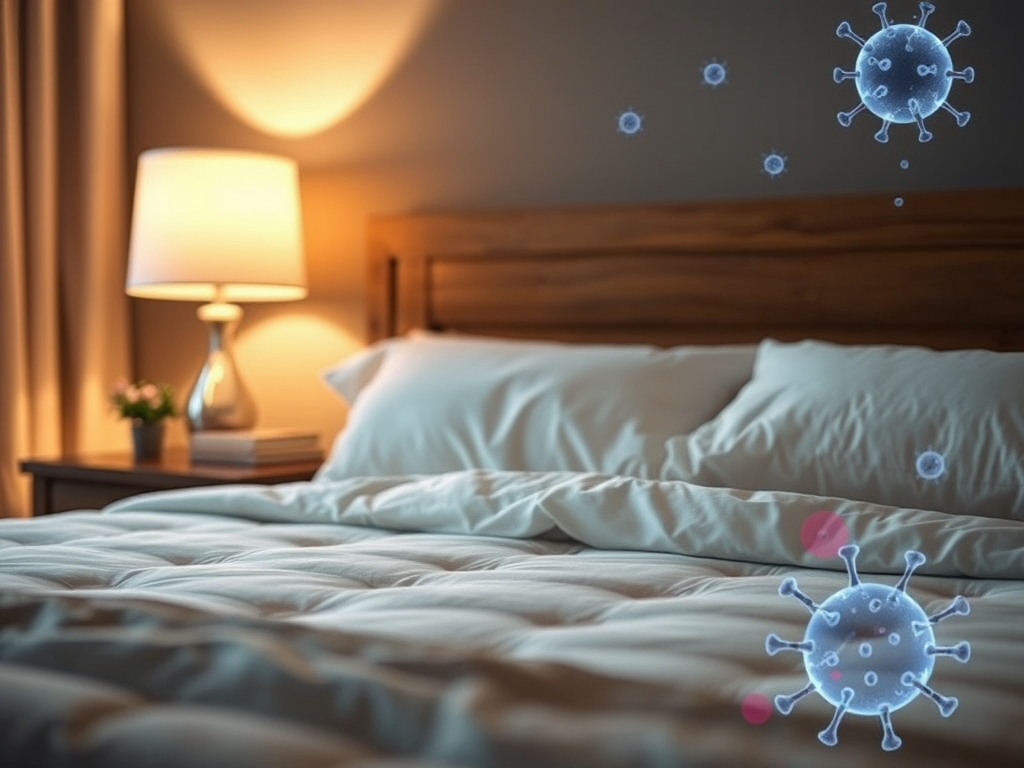
Imagine waking up tired, your body fighting off the common cold or flu despite every other preventative strategy. What if the secret to a healthier immune system isn’t expensive supplements or fad diets but the quality of your sleep? The connection between how sleep affects your immune system is stronger than most realise.
In today’s high-stress lifestyle, with stress and long working hours, sleep often gets pushed to the side, and so does your body’s ability to battle off illness. That’s why learning the science of sleep and immunity is more important than ever. From the mattress you rest your head on to your bedtime routine, small changes can make a difference in your immune health.
The Science of Sleep and Immunity
Sleeping is not a passive activity but a complex biological process necessary for immune function. Immune defense mechanisms that are in a dormant state when a person is awake are activated during deep sleep. It is the time of renewal when the immune system can rebuild and repair itself.
One of the key players is cytokines, which are small proteins that help regulate immune responses. Some cytokines are produced and released during sleep to fight infection and inflammation. Without adequate sleep, the body’s production of these protective cytokines is inhibited, making it harder for the body to defend against disease.

T-cells, which are white blood cells that detect and destroy infection, become more active while you sleep, too. Phases of deep sleep have been discovered to cause the proliferation and activation of these cells so your immune system becomes stronger.
Research explains that sleep assists the immune system as it enables the body to develop antibodies and fight infections. The body’s circadian rhythm, which is responsible for sleep and wakefulness, also manages immune function, which further strengthens the relationship between sleep and immunity.
Disturbed sleep patterns, such as decreased deep sleep, can undermine this immune stimulation process. That is why a proper sleeping environment is crucial to having a healthy immune system. A supportive mattress, such as the Luxe Nova Hybrid Mattress, promotes deeper and longer sleep. Ultimately, you get to start your day with a fight against infection.
When you understand these concepts, you will realise why sleep is so much more than simple relaxation. It’s an active time of immune restoration and rehearsal.
How Lack of Sleep Affects the Immune System
Long-term sleep deprivation has a proven ill effect on the immune system, making us more vulnerable to infection. So, theoretically, if you consistently sleep less than six hours per night, your body generates fewer cytokines and infection-fighting white blood cells, weakening your body’s natural defence.
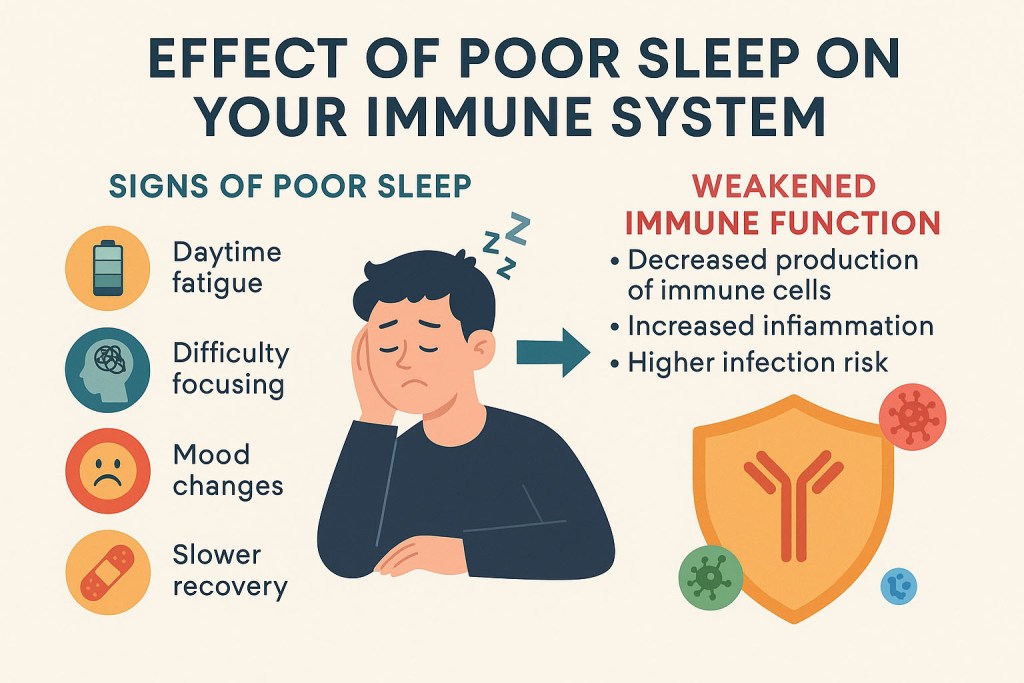
Research indicates that those who sleep normally fewer than the recommended hours a night are much more susceptible to catching colds and other illnesses.
Sleep deprivation also wreaks havoc with the body’s balance of inflammation, resulting in chronic low-grade inflammation, which is harmful in the long term.
Sleep deprivation influences the speed at which the immune system reacts to new infections. Vaccines, for instance, areless effective in individuals who have a poor sleeping pattern since the immune response is compromised. This is particularly relevant in the UK, where seasonal flu, influenza, and other infections strain the healthcare system annually.
Sleep Calculator
Plan your optimal bedtime and wake-up times based on your body’s natural sleep cycles. Wake up refreshed and energized every morning.
Why Use This Calculator?
- Calculate the ideal bedtime based on when you need to wake up
- Find the optimal wake-up time based on when you go to bed
- Work with your body’s natural 90-minute sleep cycles
- Minimize grogginess and maximize morning energy
- Based on sleep science research
Therefore, the answer to “Does sleep deprivation weaken the immune system?” is a resounding yes, and it is evidence-supported. Sleep deprivation renders your body less efficient at identifying and fighting off invaders and makes you more susceptible to attack.
Real-world situations testify to this. Night shift workers, who usually work nonstandard shifts, have increased infection and illness rates. Likewise, students who stay up all night to study for exams discover that their immunity is low and thus are susceptible to colds.
Poor sleep over the long term typically not only decreases immune function but potentially also raises the risk of inflammatory-linked chronic diseases like diabetes and heart disease.
How Good Sleep Boosts Your Immune System
Having quality sleep has a very positive impact on your immune system. As discussed before, when you get deep sleep, your body increases the production of infection-fighting cells, such as natural killer cells and T-cells, which roam around and destroy harmful viruses and bacteria.
Research also shows that well-rested people have a greater response to vaccines. For instance, people who are well-rested before, during, and after inoculation produce more effective protective antibodies that enable their bodies to develop long-lasting immunity.

Chronic inflammation, which accompanies poor sleep, harms tissue and breaks down immune defences. Proper rest keeps inflammation at bay, which promotes general health.
If you find it hard to get a good night’s sleep, it’s about time you invest in a good quality and comfortable mattress. Luxe Mattresses is all about creating mattresses that are specifically crafted for maximum comfort and support, which lead to longer deep sleep cycles. A better mattress will most likely provide you with the good sleep your immune system requires to operate at its best.
Good sleep also helps with mental health. Mind.org.uk discusses that poor sleep can worsen anxiety and depression, which can reduce immune response. In contrast, quality sleep enhances the mind and body.
Check out this article to learn how your mattress can impact mental health and stress levels.
In a nutshell, we can say that sleeping is the strongest natural way of increasing your immune system, reducing the risk of illness, and aiding in recovery.
Who is most at risk for sleep-associated immune suppression?
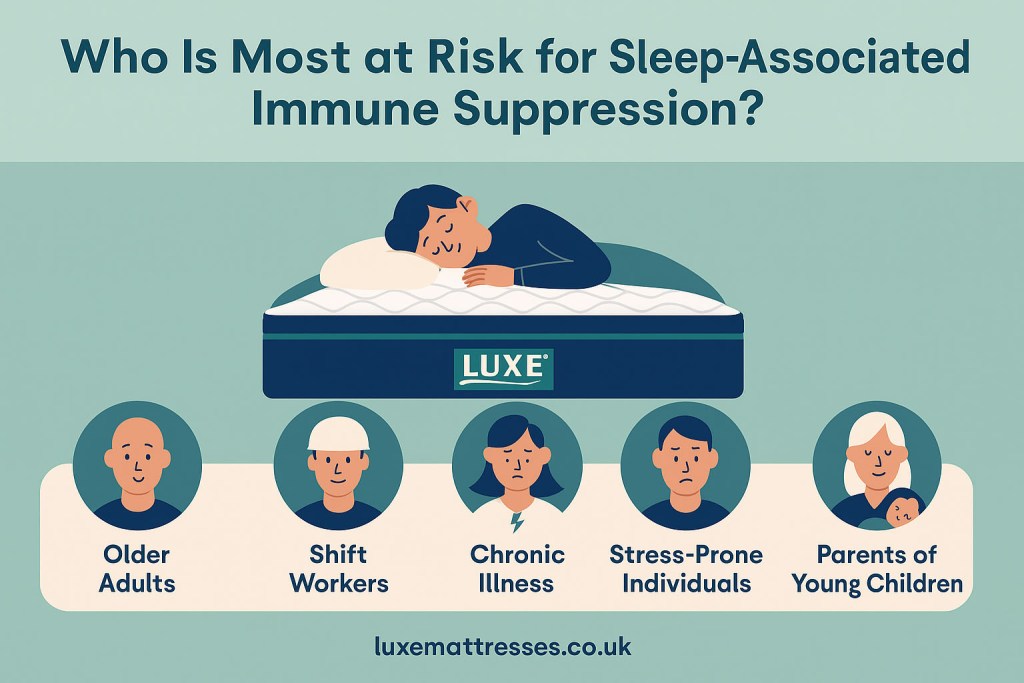
People often underestimate sleep affect on immune system, the Certain groups are particularly vulnerable to weakened immune systems due to insufficient sleep. They include shift workers whose sleep patterns are interrupted, which influences their immune system and predisposes them to infections and slower healing.
Students, especially during examination periods, lose sleep, weakening their immunity. The older people also experience alterations in sleeping behaviors and immunity naturally, making them susceptible to sickness if there is not good quality sleep.
Patients with chronic illness also sleep poorly and struggle with immunity. Diabetes or heart disease is exacerbated by sleep deprivation, contributing to a spiralling effect on health.
5 Tips for Improving Sleep for a Well-functioning Immune System
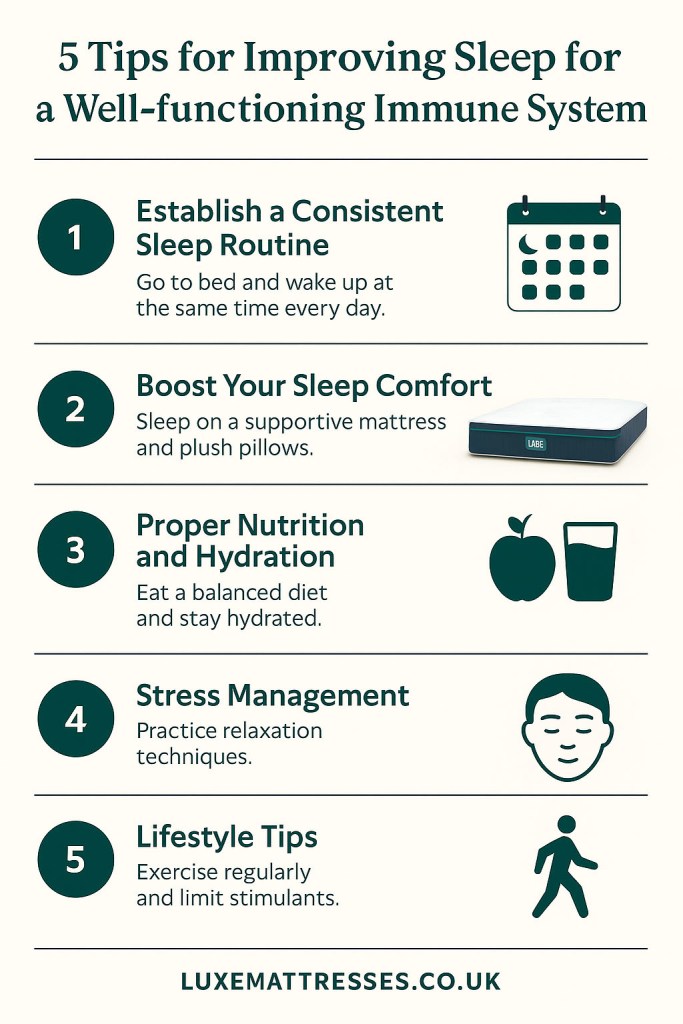
Establish a Consistent Sleep Routine
One of the easiest things to do to strengthen your immune system is to maximise the quality of your sleep. Establishing a regular sleep routine synchronises your body’s internal rhythm so that you sleep more soundly. Rising and retiring at the same time every day, weekends included, instills a rhythm that is immune-friendly.
Boost Your Sleep Comfort
Your sleeping arrangement matters. Having a good mattress, like the Majestic 9000, to support the body to avoid pains and facilitate uninterrupted sleep is very important. Keeping the room cool, dark, and quiet also facilitates deep sleep.
Choosing the right mattress firmness can also help reduce snoring and sleep apnea symptoms; learn more about this in can a firm mattress help with snoring and sleep apnea?.
Proper Nutrition and Hydration
Sleep and immunity are also affected by nutrition and hydration. Avoid heavy meals, caffeine, and alcohol close to bedtime as they disrupt sleep patterns. A proper diet rich in minerals and vitamins supports sleep and immunity.
Stress Management
Stress needs to be managed as stress upsets the quality of sleep. Techniques like meditation, mindfulness, or even deep breathing can calm the mind during the night, and the individual will be able to sleep comfortably. According to NHS reports, reducing stress improves sleep as well as immunity.
Lifestyle Tips
Cutting down on screen time at bedtime is another big step. Blue light emitted from screens will delay the release of melatonin, the hormone that makes your body sleep. It doesn’t take radical lifestyle adjustments to make these changes. Small, persistent habits can be a big sleep quality booster.
The Takeaway Message
Sleep is the key to a robust immune system. When you priorities restorative sleep with better habits and a quality mattress like the Majestic 9000 or Luxe Nova Hybrid Mattress, you enhance your body’s natural protection. Remember: better sleep means better immunity, so invest in rest to protect your health from what lies ahead.
FAQs
Sleep promotes the growth of infection-fighting cells and also maintains inflammation in check, thus making your immune system stronger.
Yes. Sleep deprivation over time depresses immune cell function and raises the risk of infection.
You should adhere to a regular sleeping pattern, establish a sleeping environment, control stress, and refrain from taking stimulants close to bedtime.
Most adults need 7–9 hours of quality nighttime sleep for optimal immunity.
Yes, definitely. Stress interferes with sleep and also directly impairs immune functions.
Supportive beds that permit deep, uninterrupted sleep, such as Luxe Mattresses, contribute to enhanced immune function.

Marie Soukup is a seasoned senior copywriter and editor who’s written for global brands like Virgin Australia, blending storytelling and strategy to create content that connects. She’s passionate about bringing ideas to life across the travel, lifestyle, and business worlds.

Roman is a seasoned expert in mattress development with over a decade of experience in sleep technology, material innovation, and product engineering. He has played a key role in designing and refining sleep solutions for leading mattress brands, with a deep focus on ergonomics, pressure relief, and sleep quality optimization.
With a background in product design and biomechanics, Roman combines scientific research with hands-on development to create mattresses that address real-world sleep issues—from spinal alignment to temperature regulation. His work has contributed to several award-winning mattress lines known for their comfort, durability, and user satisfaction.

Dr. Arshad Malik is an Associate Professor at Tsinghua University with a PhD from the same institution. He completed his prestigious CAS-TWAS Postdoctoral Research Fellowship at the Chinese Academy of Sciences in Beijing. With over 99 published research papers and 1,000+ academic citations, Dr. Malik brings a deep scientific perspective to topics at the intersection of biomedical science, health, and wellness.
He has previously served as an Associate Professor at the International Islamic University Islamabad (IIUI), and currently contributes as an editorial advisor and content reviewer on health-related topics for Luxe Mattresses & Beds. His insights help bridge the gap between academic research and everyday well-being.
