

We often treat sleep like an optional luxury, something to squeeze in when everything else is done. But after a few nights of staying up too late or rising too early, you don’t just feel tired. Your body starts to keep score. That score is called sleep debt, and trust me, it’s more than just a catchy phrase, it’s your body’s way of reminding you that rest is non-negotiable.
I learned this the hard way, constantly burning the candle at both ends. What I didn’t realise was how that “just one more episode” mindset was slowly compromising everything from my ability to think clearly to my emotional balance.
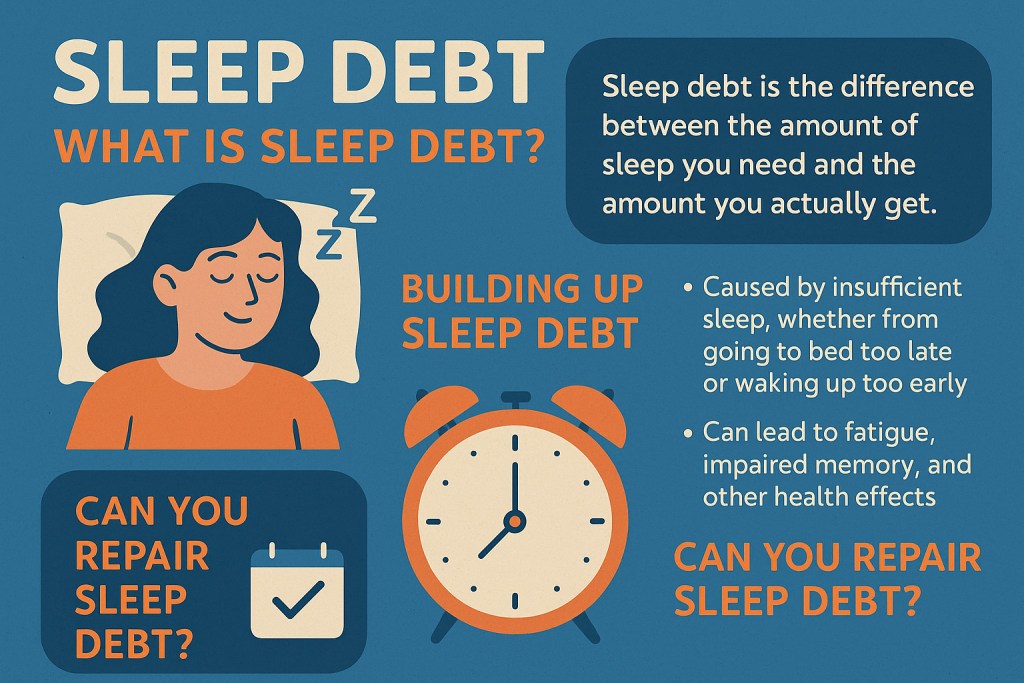
What Is Sleep Debt?
Sleep debt is the difference between the amount of sleep your body needs and what you actually get. For example, if your body needs 8 hours per night, but you’ve been sleeping only 6 hours a night all week, you’re carrying a sleep debt of 14 hours by the weekend. And unfortunately, you can’t always just “catch up” in one night.
Your Brain on Sleep Debt
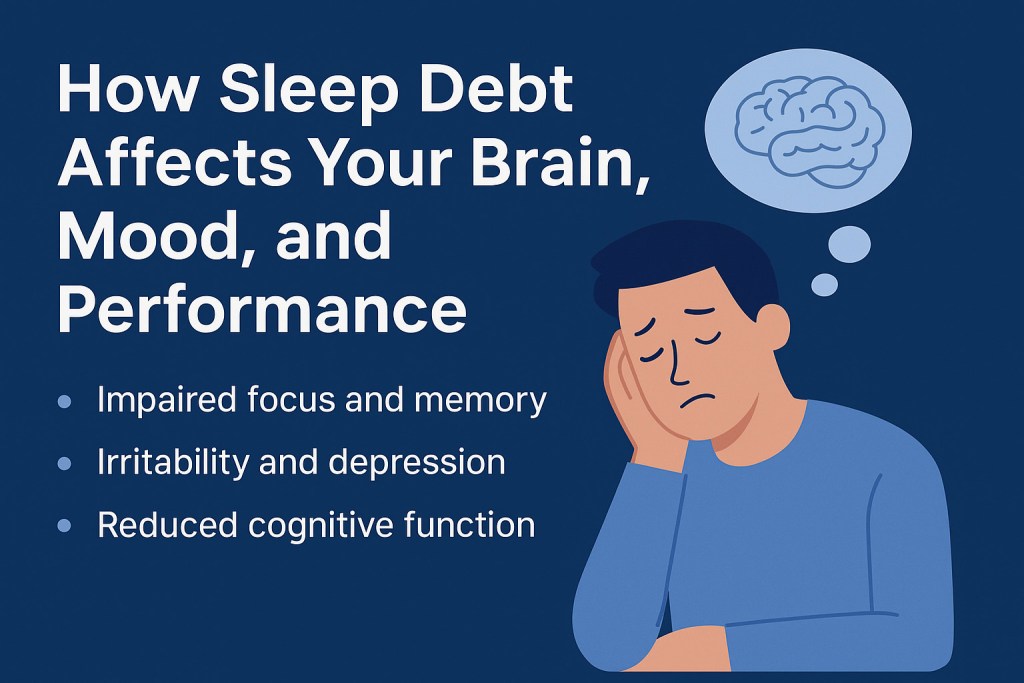
Sleep isn’t just for physical restoration; it’s when your brain performs its nightly cleanup. Research shows that during deep sleep, cerebrospinal fluid actually washes through the brain, clearing out toxins including proteins linked to Alzheimer’s. Without enough rest:
- Memory consolidation falters
- Learning becomes harder
- Focus and attention drop drastically
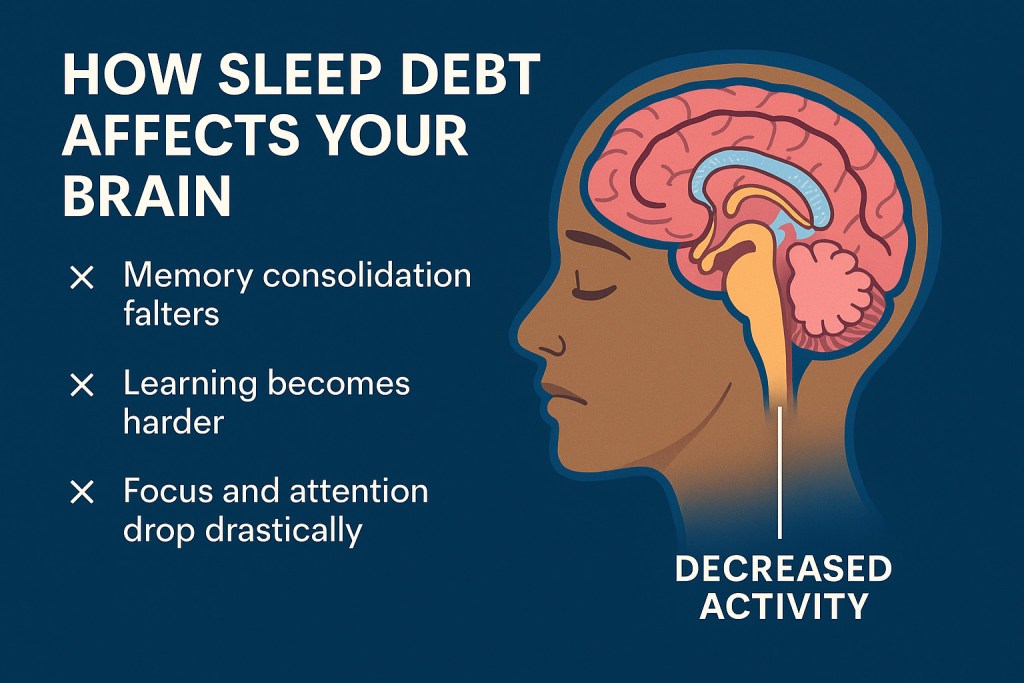
MRI scans even show decreased activity in the prefrontal cortex, the part of the brain responsible for complex thinking, decision-making, and impulse control, after just one night of poor sleep.
Emotional Regulation and Mood Shifts
Ever feel extra irritable or anxious after a bad night’s sleep? That’s no coincidence.
Studies from Harvard Medical School show that chronic sleep deprivation impacts the amygdala (the brain’s emotional control center), making it hyper-reactive. This can lead to:
- Heightened anxiety
- Increased irritability
- Reduced ability to manage stress
- A tendency to catastrophize or overreact to small issues
Over time, poor sleep is strongly correlated with depression, emotional instability, and even symptoms of bipolar disorder.
How Sleep Debt Often Goes Unnoticed
One of the trickiest parts of sleep debt is that it builds silently. You might not even realise it’s happening especially if you’re only missing an hour here or there.
For example, say your body needs 8 hours of sleep but you’re consistently getting just 7. That’s 7 hours of sleep debt per week, nearly an entire night’s rest lost. Because it happens gradually, your body starts adjusting to a lower baseline of energy and alertness. You think you’re functioning “fine,” but in reality:
- Your productivity dips
- Your focus narrows
- Your stress response becomes exaggerated
- Your memory gets patchy
Over time, you may find that tasks feel harder, your mood is more reactive, and your energy crashes earlier in the day. This creates a misleading perception: “I’m used to 6 hours.” But being used to it doesn’t mean it’s healthy or sustainable.
🧠 Fun Fact: Studies have shown that people with chronic sleep restriction often rate their alertness higher than objective tests suggest, meaning they feel fine, but they’re actually impaired.
Who Is More Sleep-Deprived – Men or Women?
When it comes to sleep deprivation, both men and women are at risk, but women tend to be more sleep-deprived overall. According to multiple studies (including a large report by the Sleep Research Society), women typically need more sleep than men due to more complex hormonal cycles and multitasking demands, but often get less of it.

This isn’t just about quantity, either. Hormonal changes during menstruation, pregnancy, and menopause can disrupt sleep quality, even when time in bed is adequate.
How Sleep Deprivation Affects Women’s Appearance
Sleep debt doesn’t just make you feel tired, it shows on your face. For women especially, this is often visible in:
- Dark circles and puffiness under the eyes
- Dull, dehydrated skin
- Increased fine lines and wrinkles
- Hormonal acne flare-ups
Lack of sleep disrupts collagen production and increases inflammation, which accelerates signs of aging. Your skin regenerates while you sleep and if you’re missing cycles, you’re missing your natural beauty reset.
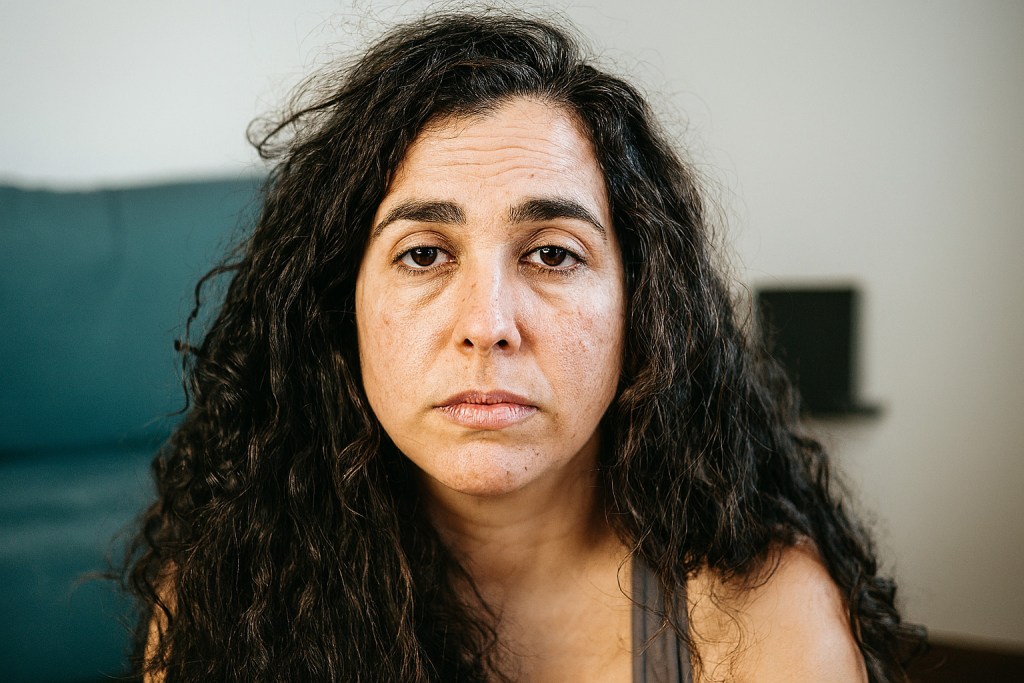
Plus, poor sleep throws off oestrogen balance, which plays a role in skin hydration and elasticity. That’s why even a few nights of poor sleep can leave your complexion looking noticeably fatigued.
How Sleep Deprivation Affects Men’s Health and Energy
Men aren’t immune to the downsides of sleep debt, in fact, they often face issues in different areas:
- Reduced testosterone production: Even one week of short sleep can significantly lower testosterone levels.
- Lower energy and motivation: Chronic fatigue dulls mental clarity and physical drive.
- Impaired muscle recovery: Sleep is vital for growth hormone release, crucial for anyone physically active.
- Increased risk of heart disease and weight gain
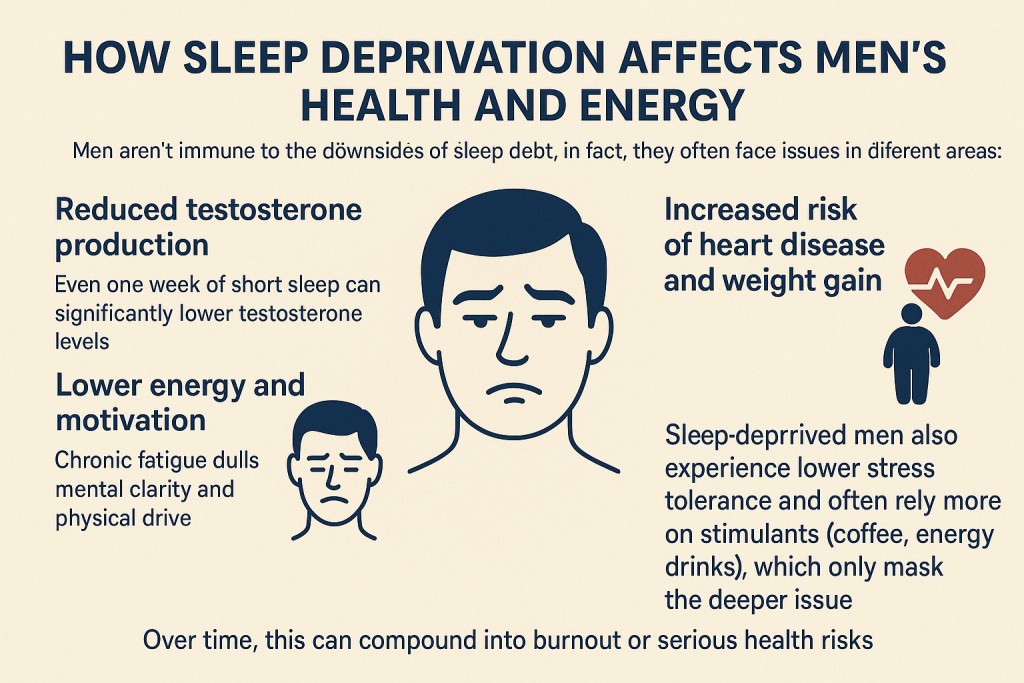
Sleep-deprived men also experience lower stress tolerance and often rely more on stimulants (coffee, energy drinks), which only mask the deeper issue. Over time, this can compound into burnout or serious health risks.
Physical Performance and Reaction Time
Athletes know that rest is as important as training. But even if you’re not competing for gold medals, sleep debt can seriously hinder your physical abilities:
- Slower reflexes
- Decreased endurance
- Lower strength and coordination
- Greater risk of injury
Even driving while sleep-deprived has been equated with driving under the influence — it’s that dangerous. One study found that staying awake for 18 hours impairs reaction time as much as having a blood alcohol level of 0.05%.
Sleep Debt Disrupts Your Circadian Rhythm
Your circadian rhythm, the body’s internal 24-hour clock, thrives on regularity. Accumulated sleep debt throws this rhythm into chaos, affecting:
- Hormone release (including melatonin and cortisol)
- Metabolic processes
- Core body temperature
- Digestive timing and hunger cues
This disruption makes it even harder to fall asleep at a healthy time, creating a vicious cycle of fatigue and misalignment.
Short-Term vs Long-Term Effects of Sleep Debt
| Short-Term Effects | Long-Term Effects |
|---|---|
| Brain fog and poor concentration | Increased risk of cardiovascular disease |
| Moodiness or emotional volatility | Higher likelihood of developing type 2 diabetes |
| Impaired judgment and slower reaction times | Chronic anxiety or depression |
| Increased hunger and poor dietary choices | Hormonal imbalances |
| Reduced immune function | Premature aging and cognitive decline |
My Turnaround: Using a Sleep Calculator
I reached a point where no amount of caffeine could save me. That’s when I turned to a sleep calculator to reset my sleep schedule based on natural sleep cycles. Instead of guessing when to sleep or wake up, I started planning bedtime around full 90-minute sleep cycles. The difference? I woke up more refreshed and less groggy, even with slightly fewer hours, because I wasn’t cutting REM short.
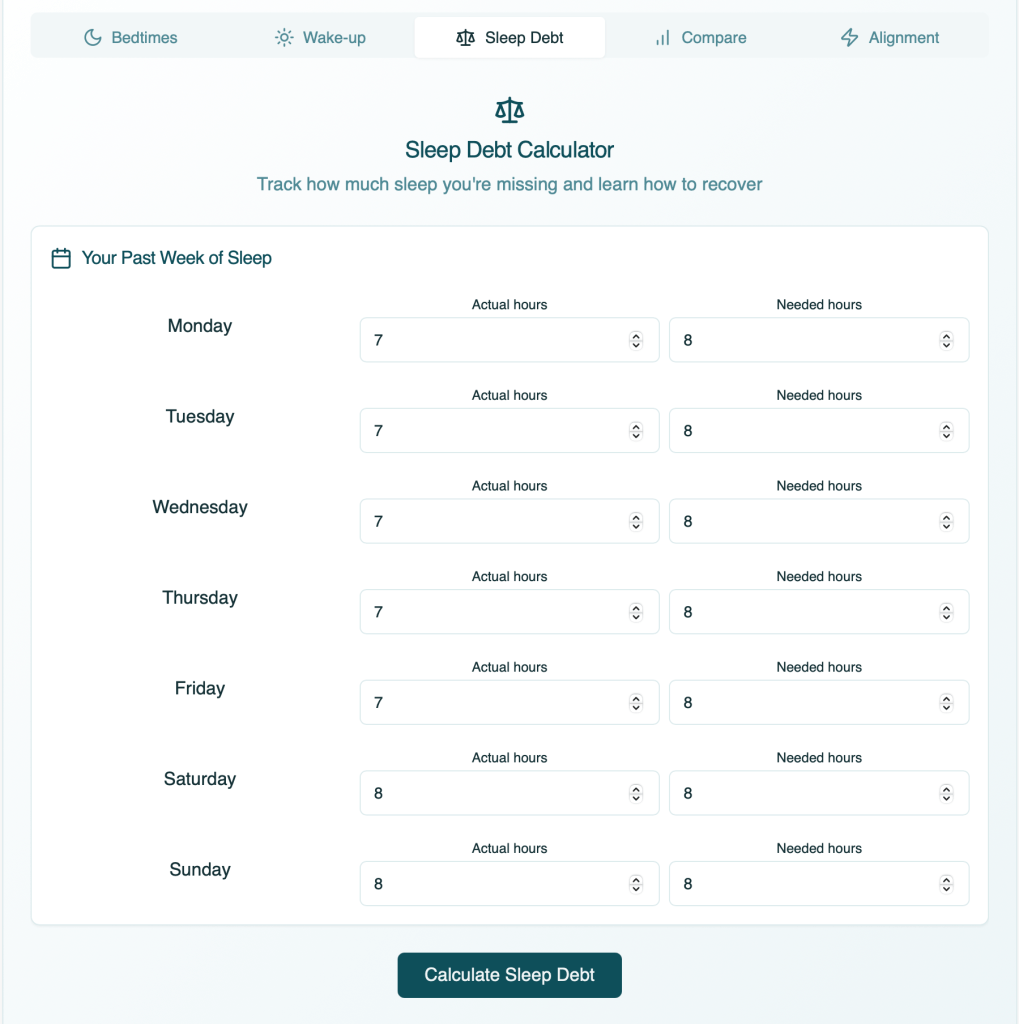
Tip: Try our sleep calculator to align your bedtime with your natural rhythms and start reducing sleep debt the smart way.
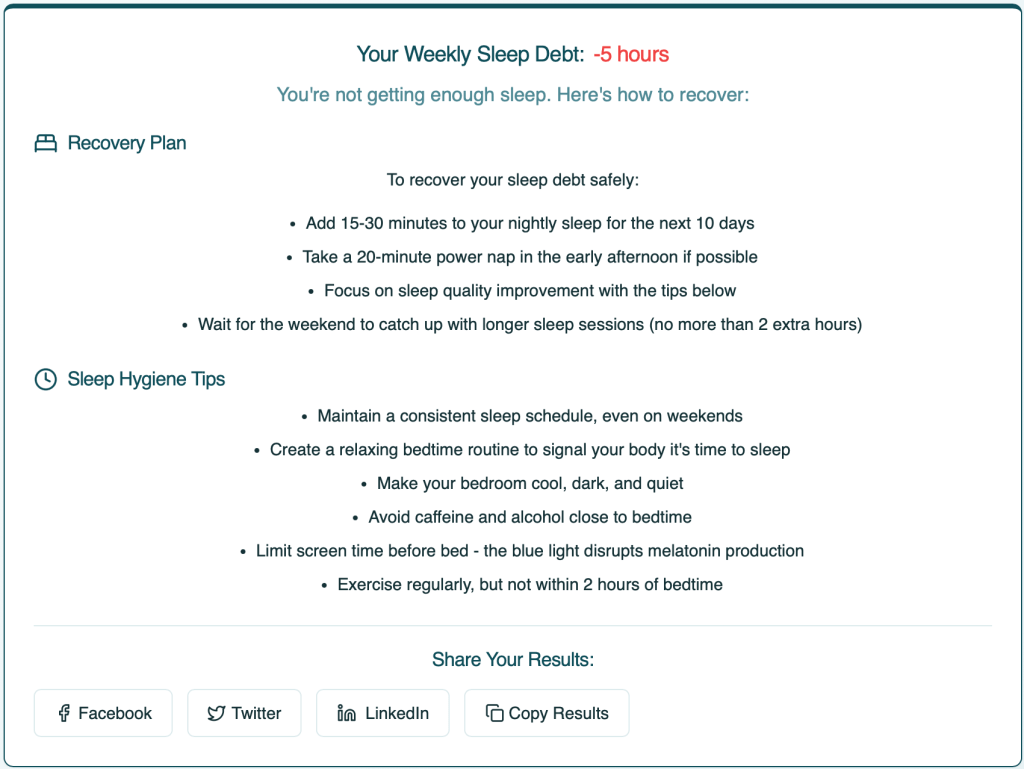
Sleep Debt Calculator Results
How to Repay Sleep Debt
Unfortunately, sleep debt isn’t cleared in one night. But the good news? It’s reversible. Here’s how:
- Gradually extend your sleep: Add 30–60 minutes each night for a week instead of sleeping 12 hours at once.
- Stick to a consistent sleep schedule, even on weekends.
- Create a calming bedtime routine to fall asleep faster and deeper.
- Avoid caffeine and screens before bed, which delay melatonin release.
Final Thoughts
Sleep debt doesn’t just make you tired, it affects your cognitive sharpness, your emotional health, and even your long-term physical wellbeing. If you’ve been ignoring sleep as a priority, your body and brain are already noticing.
You don’t need to overhaul your life overnight. Just start by calculating when you should sleep to complete full sleep cycles and work from there. It’s a small step that brings big returns in energy, focus, and overall health.

Marie Soukup is a seasoned senior copywriter and editor who’s written for global brands like Virgin Australia, blending storytelling and strategy to create content that connects. She’s passionate about bringing ideas to life across the travel, lifestyle, and business worlds.

Dr. Arshad Malik is an Associate Professor at Tsinghua University with a PhD from the same institution. He completed his prestigious CAS-TWAS Postdoctoral Research Fellowship at the Chinese Academy of Sciences in Beijing. With over 99 published research papers and 1,000+ academic citations, Dr. Malik brings a deep scientific perspective to topics at the intersection of biomedical science, health, and wellness.
He has previously served as an Associate Professor at the International Islamic University Islamabad (IIUI), and currently contributes as an editorial advisor and content reviewer on health-related topics for Luxe Mattresses & Beds. His insights help bridge the gap between academic research and everyday well-being.