


Have you ever woken up after a full 8 hours of sleep and still felt groggy or more tired than usual? You’re not alone. It turns out, the quality of your sleep may matter more than the quantity. Understanding how sleep cycles work, and how to align your sleep schedule with them, can make a huge difference in how energetic, focused, and refreshed you feel during the day.
In this guide, I’ll break down what sleep cycles are, how they affect your body, and how you can calculate your ideal sleep and wake times to feel truly rested. Plus, I’ll show you how tools like a sleep cycle calculator and the right mattress (yes, seriously) can make a difference in how well you sleep.
What Is a Sleep Cycle?
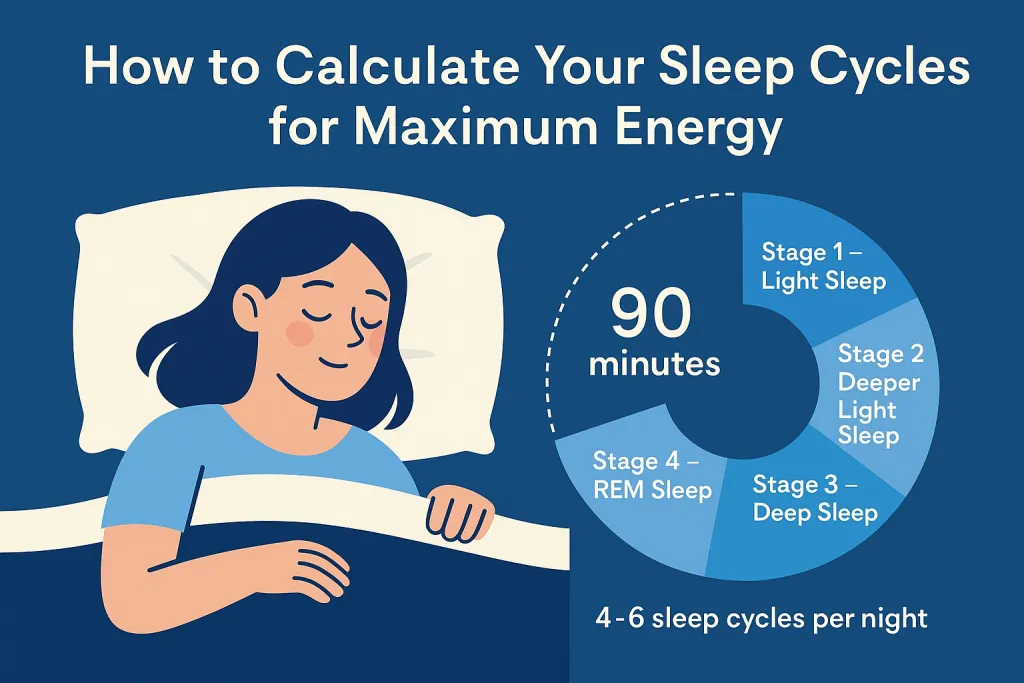
A sleep cycle is the progression of various stages of sleep that your brain and body go through during the night. On average, one sleep cycle lasts about 90 minutes, and each cycle is made up of four main stages:
- Stage 1 – Light SleepThis is the transition phase between wakefulness and sleep. It’s light and easy to wake from.
- Stage 2 – Deeper Light SleepYour heart rate slows, body temperature drops, and you start to disconnect from your environment.
- Stage 3 – Deep Sleep (Slow-Wave Sleep)This is where real restoration happens. Your body repairs itself, strengthens the immune system, and energy is restored.
- Stage 4 – REM Sleep (Rapid Eye Movement)This is when most dreaming occurs. Your brain consolidates memory, boosts learning, and supports emotional processing.
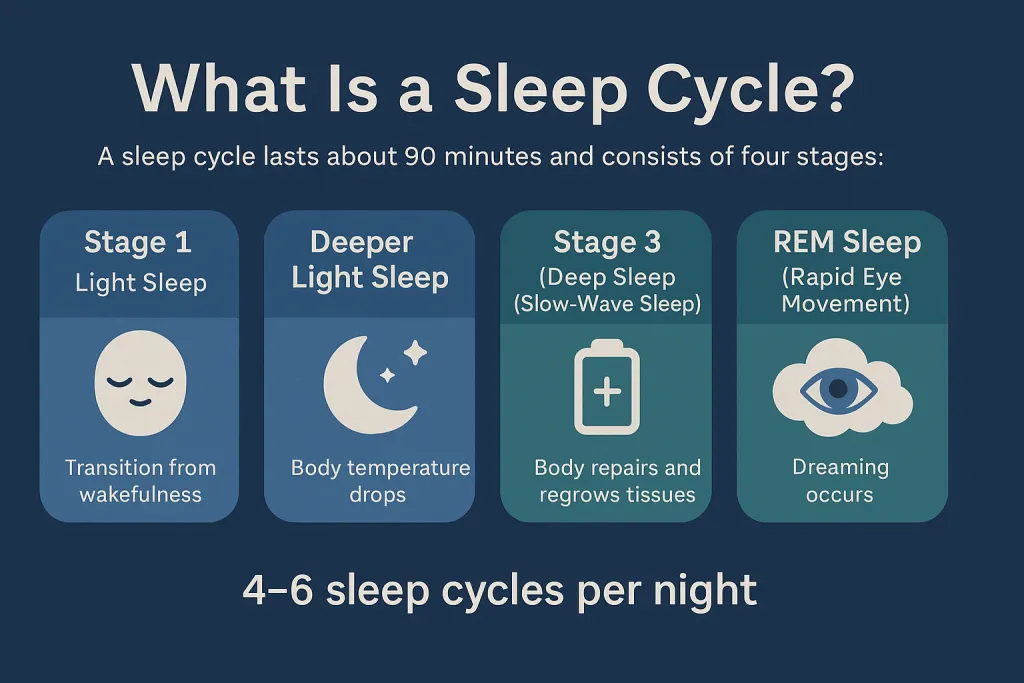
After REM, your brain returns to Stage 1 and the cycle repeats. On average, a person completes 4–6 sleep cycles per night.
Why Sleep Cycles Matter More Than Just Hours
Here’s the catch: waking up in the middle of a deep sleep stage (especially Stage 3 or REM) can leave you feeling disoriented, foggy, and groggy. On the other hand, waking at the end of a full sleep cycle, when your brain is naturally transitioning to lighter sleep, makes it much easier to feel alert and refreshed.
This explains why you might feel better after 6 hours of sleep than after 8, if those 8 hours disrupted your natural cycle.
How to Calculate Your Sleep Cycles
1. Start with the 90-Minute Rule
Since each sleep cycle is about 90 minutes, the goal is to wake up at the end of one.
Here’s a general breakdown of ideal total sleep times:
- 4 cycles = 6 hours
- 5 cycles = 7.5 hours
- 6 cycles = 9 hours
2. Add Time to Fall Asleep
Most people take 10–20 minutes to fall asleep. Add this to your bedtime.
3. Use a Sleep Cycle Calculator
Online sleep cycle calculators (just search “sleep calculator”) can help you backtrack from your desired wake-up time to determine the best time to go to bed.
Example:
If you want to wake up at 7:00 AM, your optimal bedtimes might be:
- 9:00 PM (6 cycles)
- 10:30 PM (5 cycles)
- 12:00 AM (4 cycles)
How Many Sleep Cycles Do You Need?
The ideal number of sleep cycles varies depending on your age, lifestyle, and stress level, but here’s a general guideline:
| Age Group | Recommended Sleep | Sleep Cycles |
|---|---|---|
| Adults (18–65) | 7–9 hours | 5–6 cycles |
| Teenagers (13–18) | 8–10 hours | 5.5–7 cycles |
| Older Adults (65+) | 7–8 hours | 5–6 cycles |
You don’t need to hit the same number every night, but bed time schedule and consistency matters more than perfection. Going to bed and waking at the same times, even on weekends, helps reset your internal clock.
How to Tell If You’re Waking Up at the Wrong Time
Here are some signs that your sleep cycle is being disrupted:
- You wake up tired even after “enough” sleep
- You feel groggy for the first 30–60 minutes of your day
- You hit the snooze button multiple times
- You experience daytime fatigue or brain fog
- Your dreams are vivid and you feel like you were pulled out of them
These are clear clues that you’re waking during deep sleep, not at the end of a cycle. Read Guide here
Optimizing Your Sleep Cycle: The Essentials
Here are the top things you can do to sync better with your sleep cycles:
Stick to a Consistent Sleep Schedule
Your internal body clock thrives on consistency. Sleep and wake up at the same time daily—even on weekends.
Limit Screen Time Before Bed
Blue light suppresses melatonin. Turn off devices at least an hour before bed.
Avoid Late Caffeine or Heavy Meals
Both can delay sleep onset and reduce time spent in deep sleep.
Create a Sleep-Friendly Environment
Your bedroom should be:
- Cool (16°C to 20°C is ideal)
- Quiet (use white noise or earplugs if needed)
- Dark (blackout curtains or sleep masks help)
Track Your Sleep with a Journal or App
To really dial in your optimal sleep time, consider using:
- Sleep tracking apps or wearables (e.g., Fitbit, Oura, Apple Watch)
- Manual sleep journals to log bedtimes, wake times, energy levels, and dream recall
Tracking helps you notice patterns and find your natural rhythm.
Bonus: Gift Yourself the Right Mattress
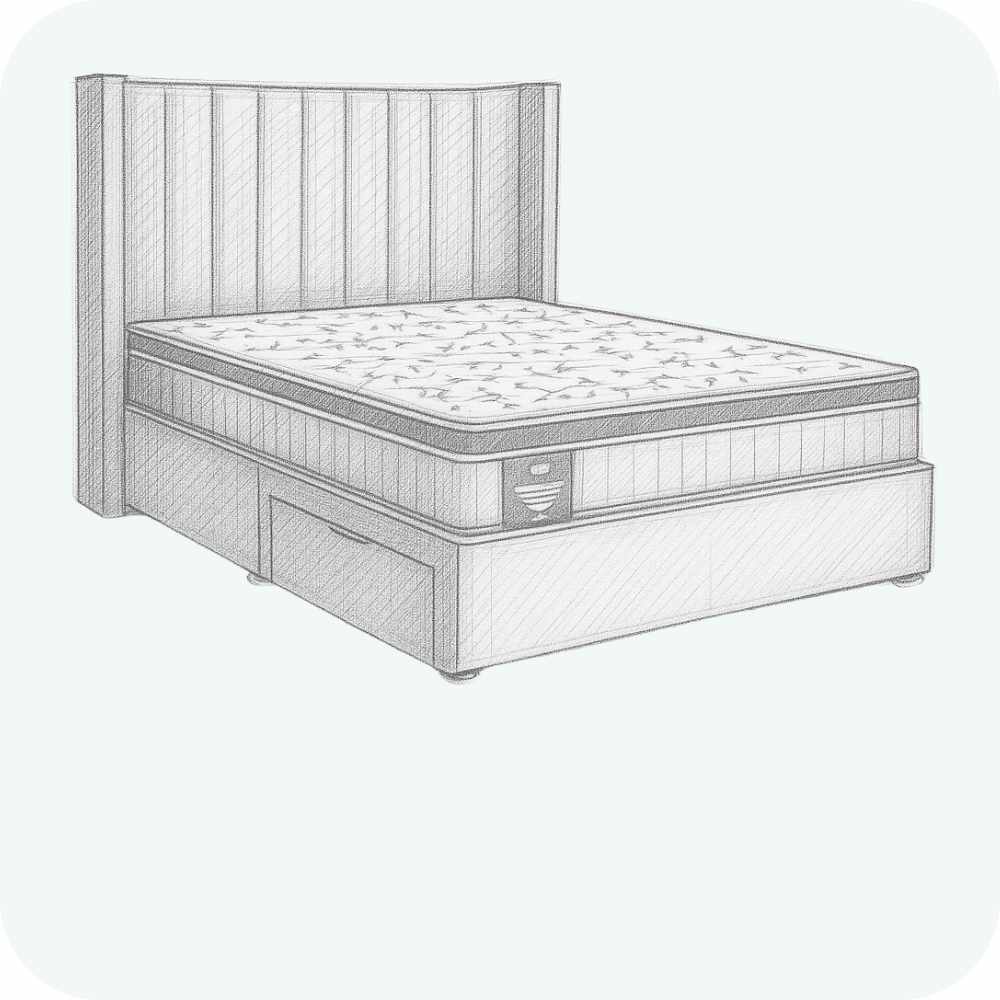
Your mattress plays a critical role in how well you sleep and move through each cycle. A poor-quality or overly firm/soft mattress can trigger restlessness, overheating, and wake-ups in deep sleep.
If you can afford one luxury for your sleep health, invest in a luxury mattress with temperature regulation, orthopaedic support, and natural materials.
Look for features like:
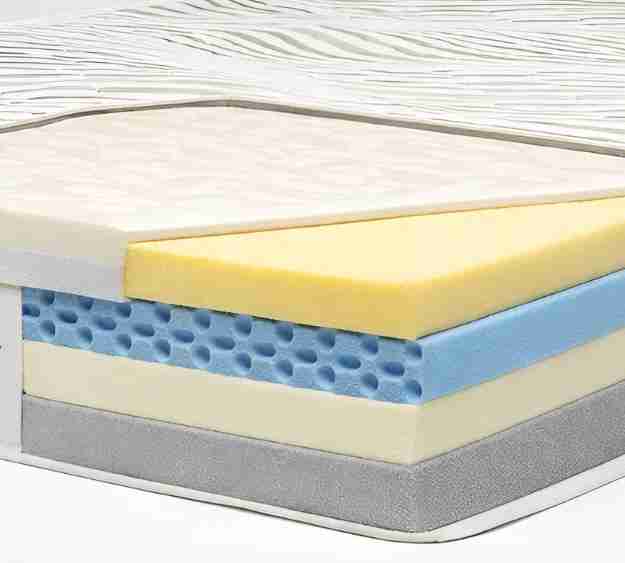
- Zero Gravity Foam™ for pressure relief and airflow
- LTX Cooling Gel™ to stay cool during REM sleep
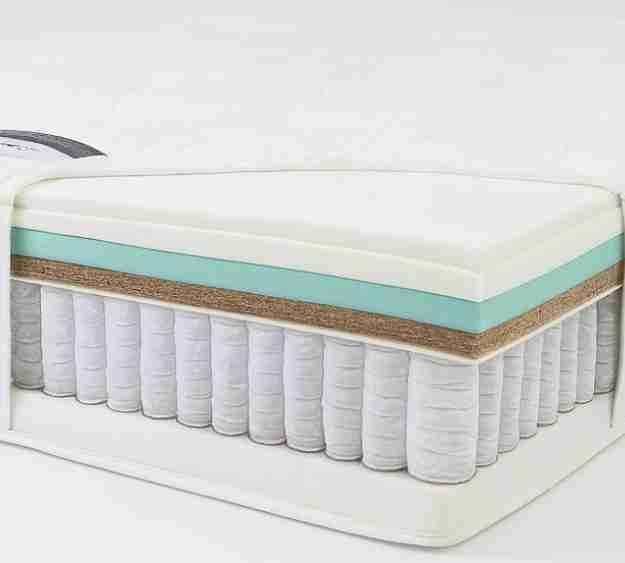
- FortiCoil® micro-spring layers for support and bounce
- Organic cotton or wool covers for breathability
These innovations not only help with comfort, but also reduce the chance of waking up in the middle of a cycle.
How I Found My Ideal Sleep Cycle
Let me share a personal example.
I used to go to bed at 11 PM and wake at 7 AM. That’s 8 hours, right? But I still felt foggy and unmotivated in the morning.
Sleep Calculator
Plan your optimal bedtime and wake-up times based on your body’s natural sleep cycles. Wake up refreshed and energized every morning.
Why Use This Calculator?
- Calculate the ideal bedtime based on when you need to wake up
- Find the optimal wake-up time based on when you go to bed
- Work with your body’s natural 90-minute sleep cycles
- Minimize grogginess and maximize morning energy
- Based on sleep science research
After using a sleep cycle calculator, I found out that 7.5 hours (5 cycles) was a better fit. I shifted my bedtime to 11:30 PM, woke at 7:00 AM, and felt noticeably better. My energy was more consistent, and I no longer hit the snooze button.
Quick Sleep Optimization Checklist
Here’s a bullet-point rundown to help you put this all into action:
- Know your wake-up time
- Work backwards in 90-minute blocks
- Add 15 minutes for falling asleep
- Use a sleep cycle calculator
- Maintain a cool, dark, and quiet room
- Avoid blue light and caffeine at night
- Invest in a quality mattress if you can
- Track your sleep and energy daily
Final Thoughts: Quality Over Quantity
More hours in bed don’t always mean better rest. If you’re sleeping for 8+ hours but still feel tired, it’s likely you’re disrupting your natural sleep cycle.
By calculating your cycles, adjusting your bedtime, and improving your sleep environment, you can wake up feeling more energetic and productive, without needing more sleep.
Remember: great days begin with smarter nights.

Roman is a seasoned expert in mattress development with over a decade of experience in sleep technology, material innovation, and product engineering. He has played a key role in designing and refining sleep solutions for leading mattress brands, with a deep focus on ergonomics, pressure relief, and sleep quality optimization.
With a background in product design and biomechanics, Roman combines scientific research with hands-on development to create mattresses that address real-world sleep issues—from spinal alignment to temperature regulation. His work has contributed to several award-winning mattress lines known for their comfort, durability, and user satisfaction.