
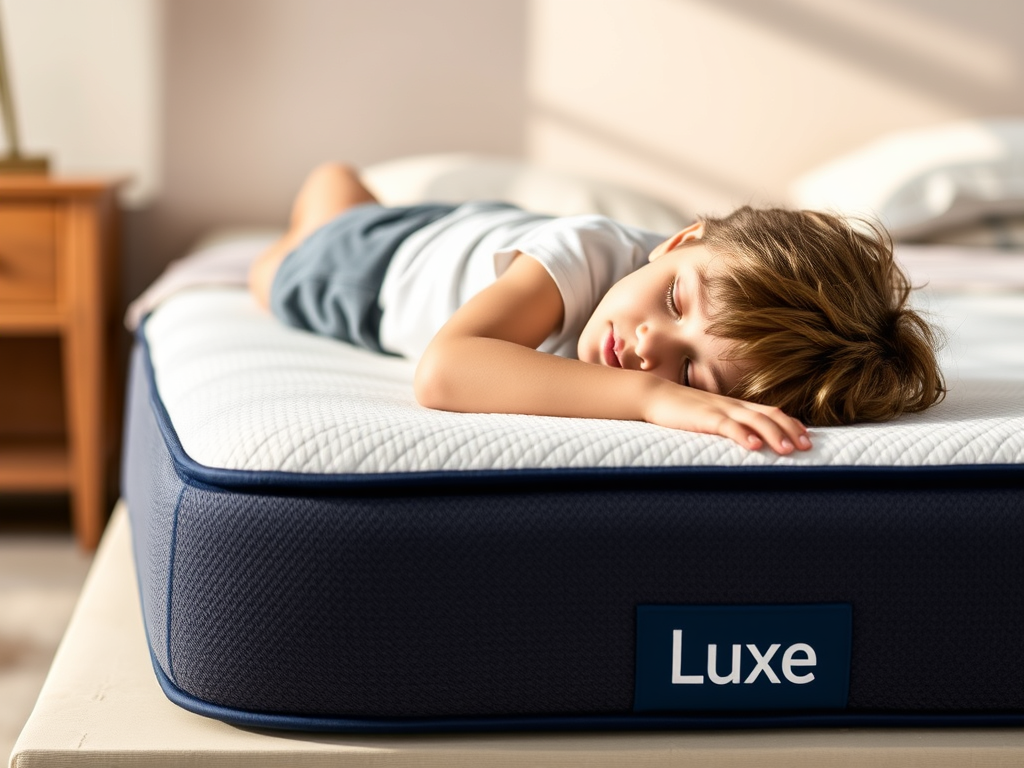
Mattress shopping for kids or teens isn’t always easy. Especially when it comes to firmness. Considering whether an extra firm mattress might be suitable can add another layer of complexity to the decision-making process.
Many parents wonder,
- “Should kids sleep on a firm mattress?”
- “Is an extra firm mattress good for growing bones?”
- “Will a hard mattress help with posture?”
These questions are important. Sleep plays a big role in healthy growth. The right mattress can make a big difference.
Let’s clear up the confusion with real advice from pediatricians and sleep experts. Here’s what to know before choosing a mattress for a child or teenager.
What Does “Extra Firm” Mean?
An extra firm mattress is very stiff. It has almost no “give.” When someone lies down, the mattress stays flat. There’s little or no sinking in. This can be okay for some adults, especially those with more weight or who sleep on their backs. But kids are different.
Children are lighter. Their bodies are still developing. Their bones and joints need some cushioning. Lying on a rock hard mattress can feel uncomfortable to a young child or teenager. It can cause pressure on the hips, shoulders, or back.
So no, extra firm doesn’t always mean “better.”
Is a Firm Mattress Good for Kids?
Yes, in most cases, a firm mattress is good for children. But there’s a difference between firm and extra firm.
- Firm means strong support, but still with some comfort.
- Extra firm means very little softness, almost none.
Mattress Comparison of Firmness for Kids & Teens: Soft vs. Firm vs. Extra Firm
| Feature | Soft Mattress | Firm Mattress | Extra Firm Mattress |
|---|---|---|---|
| Spinal Alignment | May lack proper support; can cause misalignment | Good alignment for most body types | Excellent support for spine (if body weight is high) |
| Comfort Level | Very high comfort for lightweight or side sleepers | Balanced comfort and support | Can feel too rigid or hard for many |
| Pressure Relief | Excellent for pressure relief on shoulders & hips | Moderate – some pressure on joints possible | Low – may cause discomfort in pressure points |
| Blood Flow | Promotes good blood flow by reducing pressure points | Neutral – less sinking, moderate flow | Can reduce blood flow due to firmness |
| Best For Sleep Position | Side sleepers, lightweight individuals | Back sleepers, some side and stomach sleepers | Stomach sleepers, heavier individuals |
| Support for Heavier Individuals | Not ideal – may cause excessive sinking | Ideal – prevents excessive sinking | Best – strong resistance to sinkage |
| Motion Isolation | Good, especially in foam mattresses | Very good | Good if foam-based, average if coil-based |
| Body Contouring | High – conforms easily to body curves | Moderate body contouring | Minimal – designed for flat support |
| Temperature Regulation | Retains more heat unless specially ventilated | Better airflow than soft mattresses | Good airflow, stays cooler |
| Durability | Moderate – soft foams may degrade faster | High – supportive and longer lasting | Very high – extremely durable materials |
Doctors often recommend firm or medium-firm mattresses for young children. These help keep the spine straight during sleep.
A back support mattress should keep the body level, not bent or curved. But it should also be soft enough to avoid pressure pain.
What About Babies?
Babies are different. Infants need a very firm mattress. This is for safety. Soft mattresses can raise the risk of suffocation or SIDS (Sudden Infant Death Syndrome). That’s why crib mattresses are hard and flat. For newborns:
- Always use a firm, flat surface
- Never use a soft or squishy bed
- Make sure the mattress fits tightly in the crib
After age 1, as the baby grows into a toddler, mattress options can start to change.
What Works for Toddlers and Young Kids?
Toddlers and young kids (ages 2–7) still need support. A firm or medium-firm mattress is usually best. At this age:
- Their bones are soft but growing fast
- Sleep posture matters
- A little cushioning helps with comfort
A hard mattress that’s too stiff may cause them to toss and turn. It might also create soreness in the morning. So, skip the extra firm mattress for this age group unless a doctor says otherwise.
What About Preteens and Teens?
This is where things get more personal. As kids grow into teens, their bodies change a lot. Some grow taller quickly. Others gain muscle. Some are very active, while others are not. So, their mattress needs change, too. In general:
- Back and stomach sleepers often like a firm mattress
- Side sleepers usually need more softness on top
- Active teens might need more support for recovery
For this age group, a medium-firm or firm back support mattress is often a great choice. It gives structure but still feels comfortable.
Too much firmness, like a rock hard mattress, can cause shoulder or hip pain, especially if the teen sleeps on their side.
When Is an Extra Firm Mattress Okay?
In most cases, it’s not the best choice for kids or teens.
But there are a few exceptions:
- If a doctor recommends it
- If the child is very heavy and needs extra support
- If the teen strongly prefers a hard surface
Even then, it’s a good idea to test the mattress first. Many stores or online brands offer trial periods. Let the child or teen try it out and see how they feel after a few nights.
Signs the Mattress Is Too Firm
Watch for these red flags:
- Complains the bed feels “hard” or “like the floor”
- Wakes up with stiff shoulders or hips
- Tosses and turns at night
- Seems tired in the morning even after a full night’s sleep
These signs may mean the mattress is too firm for their size or sleep style.
Adding a soft mattress topper can helpwithout needing to replace the entire bed.
Mattress Material Matters Too
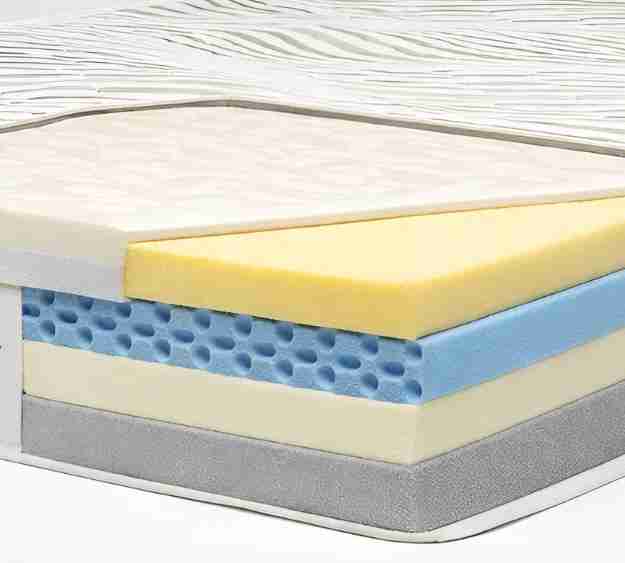
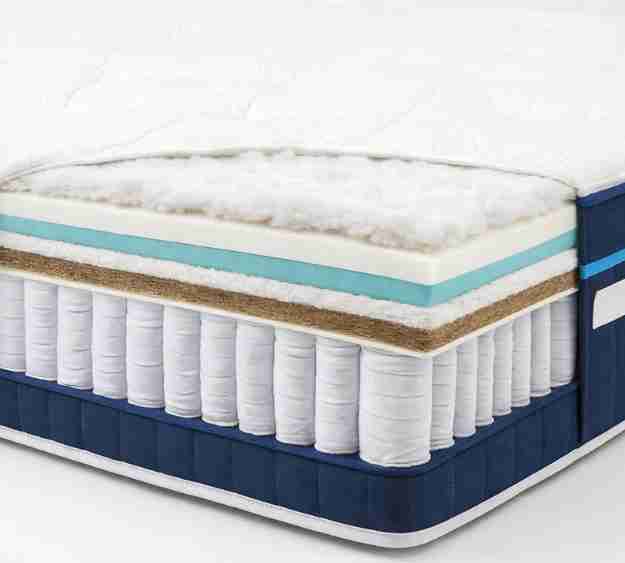
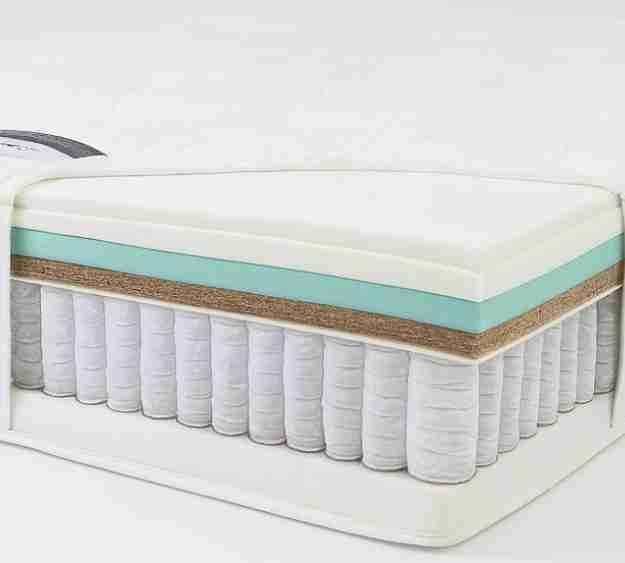
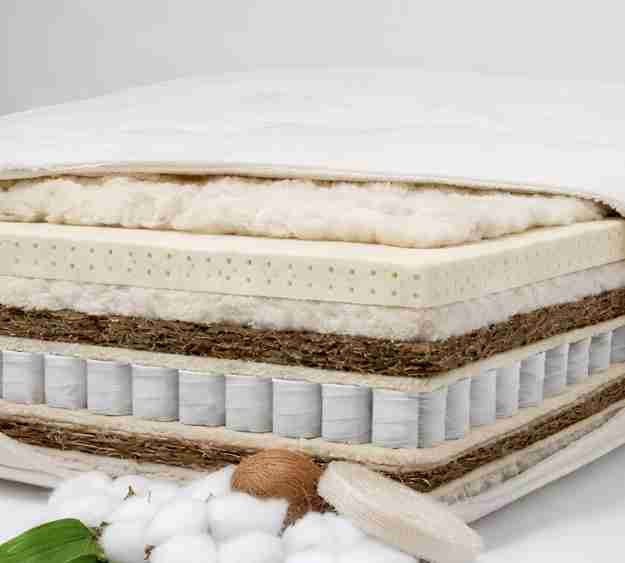
Not all firm mattresses feel the same. The material inside matters.Some back support mattresses use memory foam. These feel soft on top, but still hold the spine in place. Others use innerspring or hybrid designs.Look for these things:
- Foam or layers that contour to the body
- Breathable materials (helps prevent overheating)
- Strong edges, so kids don’t roll off
- Long-term durability
The best firm mattress for a kid or teen is one that balances support with comfort. It should help them sleep deeply, without pain or pressure.
Tips for Picking the Right Mattress for Kids or Teens
- Choose firm or medium-firm, not extra firm
- Think about how they sleep (back, side, stomach)
- Let them try the mattress first if possible
- Check if there’s a trial period
- Look for quality materials
- Make sure it fits the bed frame properly
- Watch how they sleep after a few nights
1. Prioritize Spinal Support for Growing Bodies
Children and teenagers experience rapid growth. A mattress that supports spinal alignment helps prevent posture issues and promotes healthier bone and muscle development. Look for medium-firm mattresses with responsive foam or coil support.
2. Choose the Right Size for Growth
Kids outgrow toddler beds fast. Instead of replacing mattresses frequently, consider starting with a twin XL or full-size mattress to give them space to grow—especially during teenage years.
3. Opt for Hypoallergenic Materials
Young sleepers can be sensitive to dust, mites, and allergens. Choose mattresses made with hypoallergenic or organic materials such as bamboo, organic cotton, or latex to reduce the risk of allergies and asthma.
4. Breathability and Temperature Control Matter
Children can overheat more easily than adults. Choose a mattress with good airflow, breathable fabric covers, or cooling gel layers to help regulate body temperature throughout the night.
5. Balance Comfort and Firmness
Kids need softness for comfort and firmness for support. For most children and teens, a medium or medium-firm mattress is ideal — it cushions their body without letting them sink in too deeply.
6. Consider Sleep Position and Weight
- Side sleepers need a slightly softer surface for shoulders and hips.
- Back and stomach sleepers benefit from firmer surfaces to keep their spine aligned.
- Heavier teens may require more support than lighter ones — opt for a mattress that won’t sag quickly.
7. Look for Certified Safe Materials
Ensure the mattress is CertiPUR-US® or GOLS/GOTS certified, indicating it’s free from harmful chemicals, heavy metals, and formaldehyde.
8. Durability is Key
A quality kid’s mattress should last 7–10 years. Choose one with high-density foam or pocketed coils that won’t lose shape over time.
9. Check for a Removable, Washable Cover
Accidents, spills, and allergies are common. A removable, machine-washable cover helps keep the mattress clean and extends its lifespan.
10. Choose a Trial Period for Flexibility
Kids and teens can be picky or need time to adjust. Choose a mattress brand that offers a risk-free sleep trial (90–100 nights) and a solid warranty.
Conclusion
An extra firm mattress might sound like the healthy choice, but it’s not the best fit for most kids or teens. Children need support, yes, but also comfort. The spine should stay straight, but the mattress shouldn’t feel like sleeping on the ground.
In most cases, a firm or medium-firm mattress gives the right balance. A good back support mattresshelps with growth, posture, and peaceful sleep. Always pick based on the child’s age, weight, and sleep habits. Not every “firm” mattress works for every kid. When in doubt, skip the rock hard mattress and go with something that feels firm, but still friendly.
FAQs
Not recommended for most kids. It’s usually too hard and can cause discomfort.
A firm or medium-firm mattress is ideal. It supports their back but isn’t too stiff.
Sometimes. If they sleep on their back or stomach, it can work. But too much firmness can cause pain for side sleepers.
One that offers support, has breathable materials, and is comfy to lie on. Not too soft. Not too hard.
Yes. If they complain of pain, stiffness, or trouble sleeping, the mattress may be too hard.
References
https://www.saatva.com/blog/kids-mattress
https://www.bedshed.com.au/blog/best-type-of-mattress-for-children
https://forum.mattressunderground.com/t/selecting-firmness-for-children/722

Roman is a seasoned expert in mattress development with over a decade of experience in sleep technology, material innovation, and product engineering. He has played a key role in designing and refining sleep solutions for leading mattress brands, with a deep focus on ergonomics, pressure relief, and sleep quality optimization.
With a background in product design and biomechanics, Roman combines scientific research with hands-on development to create mattresses that address real-world sleep issues—from spinal alignment to temperature regulation. His work has contributed to several award-winning mattress lines known for their comfort, durability, and user satisfaction.