
By Dr. A. H., General Physician
I am in my mid-40s. I spend long hours seated, consulting patients, writing reports, doing paperwork. Over time, I gained a little weight. One morning, I woke up with a stiff and aching lower back. I assumed the clinic’s chair was to blame. I replaced the chair, adjusted height, lumbar support, everything, still pain. I tried to stand more during the workday, to stretch, to walk between appointments. Still pain.
Then one weekend, my wife and I stayed in Manchester at a Travelodge. The next morning, I awoke with no pain. It was the first time in weeks. I examined the hotel bed. It was firm. At home, we had a soft mattress I chose mostly because my wife liked it. That soft mattress was the culprit.
From that point I began studying mattresses. Trying different options. My first purchase was a DreamCloud model decent, but not firm enough. Eventually I came across Luxe Mattresses, spoke with them about my situation and needs. They let me try at home before buying. I chose the LuxeErgo 3400 Hybrid. That mattress struck the balance of firmness and comfort I needed: firm enough to support, soft enough to relieve pressure. Now I wake up without that morning ache.
Below is what I discovered from my own journey + what I advise as a doctor to anyone suffering lower back pain and looking for the best mattress in the UK in 2025.
Why Proper Mattress Choice Is Vital for Lower Back Pain
Many of us assume sitting, posture, chairs or sporting activity cause pain. Often they do contribute, but sleep posture and mattress support are hugely underestimated.

- A mattress that is too soft lets your spine sag. This causes abnormal curvature during the night and forces muscles to compensate.
- A mattress that is too firm can create pressure points, particularly around hips or shoulders, which also disturbs alignment and causes discomfort.
- Inadequate lumbar support overnight means the lower back rests in an unnatural shape for many hours.
So a mattress that keeps your spine in neutral alignment, supports lumbar area, distributes your body weight properly and allows muscle relaxation will reduce or often eliminate morning low back pain.
What to Look for When Choosing a Mattress for Lower Back Pain
These are the criteria I used, and now recommend, when selecting a mattress that supports the lower back:
The LuxeErgo 3400 Hybrid: My Experience & Key Features
Because this model solved my back pain, here are its features and how they match my needs (and likely yours):
Key Specifications / Features
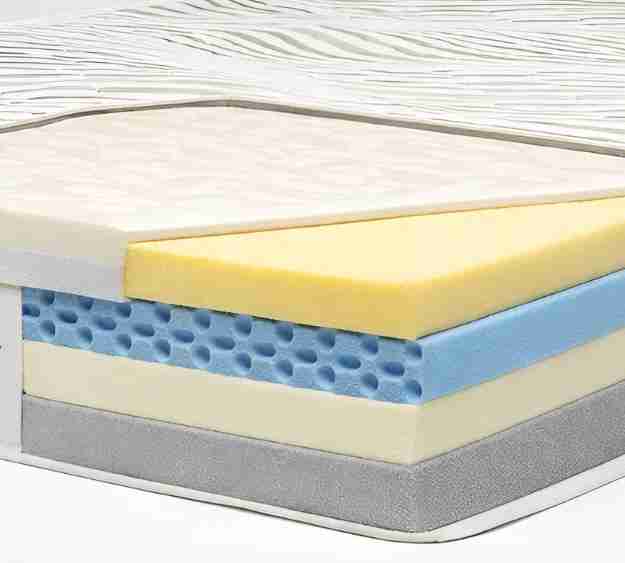
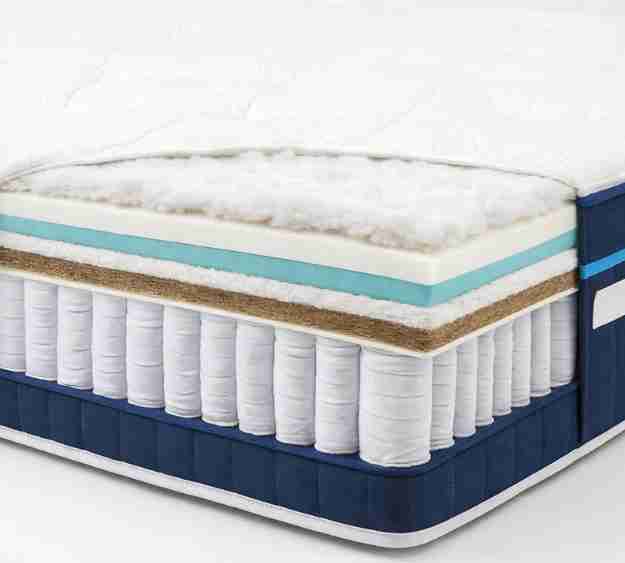
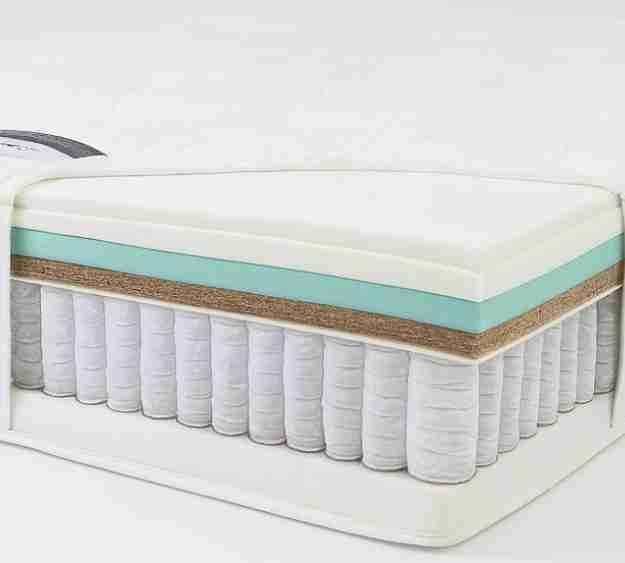
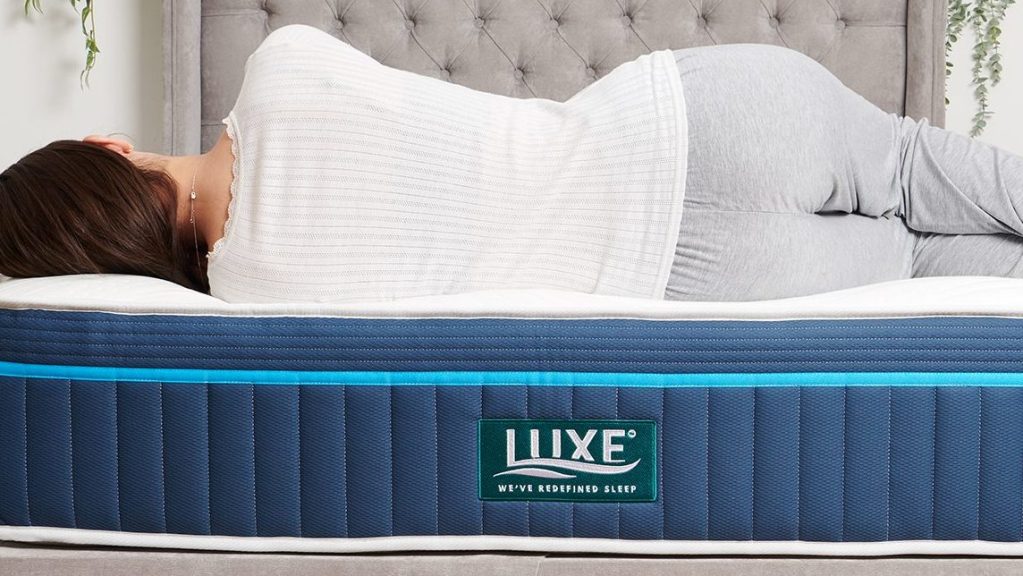
- Hybrid construction: • Two spring systems: 2000 EnduraSpring™ coils plus 1400 micro-pocket springs (FortiCoil™) to give strong core support and adaptivity. • Layers of memory foam (“Zero Gravity™” gel-infused) for contouring and pressure relief.
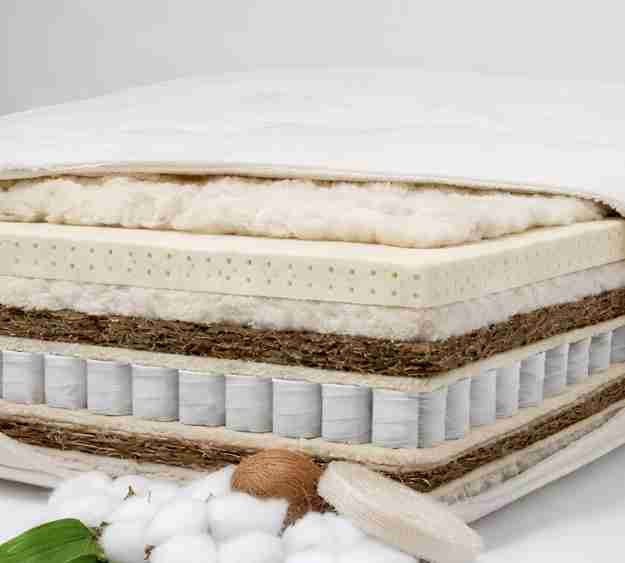
- Natural materials: British wool and cotton blend in comfort layers, coir (coconut fibre) base for spring stabilisation. Better airflow and less heat buildup.
- Breathable cover, moisture-wicking, antimicrobial outer fabric. Helpful if you sleep warm, or for hygiene.
- Firmness rating: It is medium-firm / firm (the description says “balance of support and softness,” but the support core is strong) so it keeps lower back well supported without excessive sink.
- Size & trial / guarantee: 100-night home trial so you can test whether it relieves your lower back pain. Also free delivery (within UK), 10-year warranty.
Pros (for Lower Back Pain)
- Good core support from the dual spring systems; resists sagging.
- Pressure relief via foam / memory foam top + natural fibres prevents “pressure point” pains.
- Cooling and breathability help you sleep more deeply, avoid waking due to overheating or discomfort. Deep sleep helps muscle repair.
- The home trial meant I didn’t commit unless I was confident it reduced the morning pain.
Cons / What to Be Mindful Of
- Some people who prefer very firm beds (almost “rock-hard”) may still feel this has some give. If you prefer extra-firm, you might want a more rigid model.
- Heavier individuals may notice more sink in foam layers over time; edge support and durability depend on use.
- Price is higher than budget foam mattresses; you pay for quality, support and materials. But for me, the benefit in reduced pain made it worth the investment.
How LuxeErgo Compares with Other Mattress Types
To give you context, here are comparisons vs other mattress styles I considered:
My Tips for Getting the Best Out of a New Mattress
Even the best mattress won’t help fully unless you pair it with good sleep habits and adjustments:
- Use a pillow that supports the neck properly so the spine stays aligned from head to hips.
- Keep sleeping position in mind: for back sleepers, a pillow under knees helps; for side sleepers, a thin pillow between knees helps.
- Rotate or flip if applicable (though many hybrid mattresses are one-sided) to prevent uneven wear.
- Maintain good sleep hygiene: consistent sleep schedule, avoid heavy meals or electronics before bed.
- Ensure your bed base is solid / appropriate: slats in good condition, correct spacing, no sagging from the base.
Final Advice & My Recommendation
If I were advising a patient, or someone like me (40s, sedentary work, gained a bit of weight, morning lower back stiffness), here’s what I’d say:
- Do not settle for a very soft mattress just because it feels plush initially. Long term, medium-firm or firm support is more likely to reduce back pain.
- Try mattresses that offer home trials you need at least a few weeks to really assess whether your back feels better in the morning.
- The LuxeErgo 3400 Hybrid is a strong choice. In my case, it solved the problem. If your budget allows, this kind of mattress gives excellent support, comfort, and long-term durability.
- If cost is an issue, look for similar hybrid or orthopedic spring mattresses with trial periods, good support systems, natural fibres if possible, but try them out in-store or via trial.

Roman is a seasoned expert in mattress development with over a decade of experience in sleep technology, material innovation, and product engineering. He has played a key role in designing and refining sleep solutions for leading mattress brands, with a deep focus on ergonomics, pressure relief, and sleep quality optimization.
With a background in product design and biomechanics, Roman combines scientific research with hands-on development to create mattresses that address real-world sleep issues—from spinal alignment to temperature regulation. His work has contributed to several award-winning mattress lines known for their comfort, durability, and user satisfaction.

Dr. Aftab is the Physician works at Leicester NHS Center and write medical related articles, he is specialised in muscle pain and fatigue related diseases.