
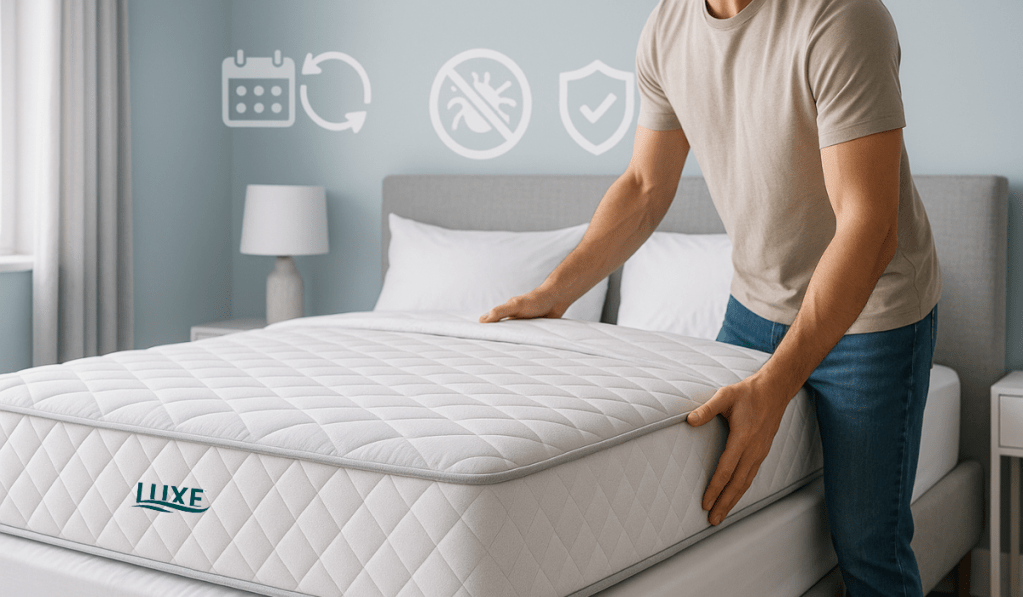
Mattress Lifespan and Maintenance: Ensuring Longevity and Comfort
Your mattress should deliver 7–10 years of comfort, but nearly half fail prematurely in UK homes. Humidity warps foam faster here. Dust mites thrive in our damp bedrooms, triggering allergies in 1 in 4 Brits. And shockingly, 68% of warranty claims get denied for avoidable issues like tea spills or sagging costing families £1,200+ in early replacements.
The good news? Proven mattress maintenance tips combat these uniquely British problems. Rotating your bed quarterly fights uneven wear. A £15 hypoallergenic protector blocks mites and moisture. Blotting spills immediately preserves warranties. These simple habits prevent 80% of premature mattress deaths.
Let’s discuss exact steps to extend your mattress life by 3+ years proven by Vispring owners achieving 15+ years of comfort.
Mattress Rotation and Flipping: Preventing Sagging
Uneven body impressions destroy mattress integrity faster in humid UK climates. Mattress rotation counters this by redistributing pressure points. This simple habit prevents premature sagging and warranty voids. Implement it correctly to extend mattress life by years.
How Often to Rotate Your Mattress by Type
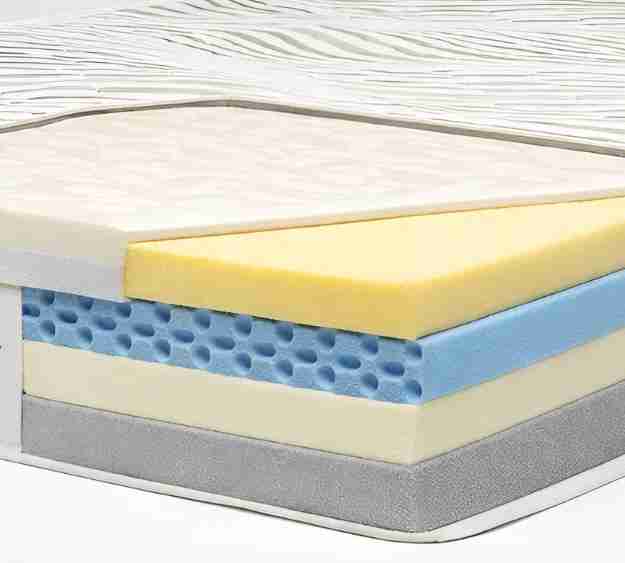
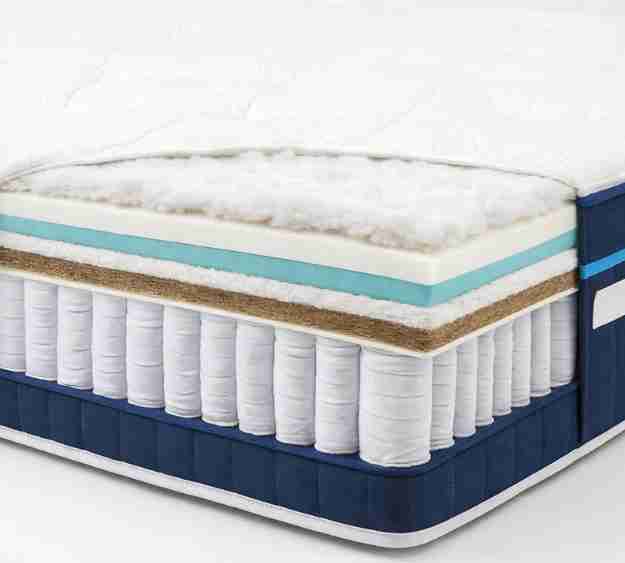
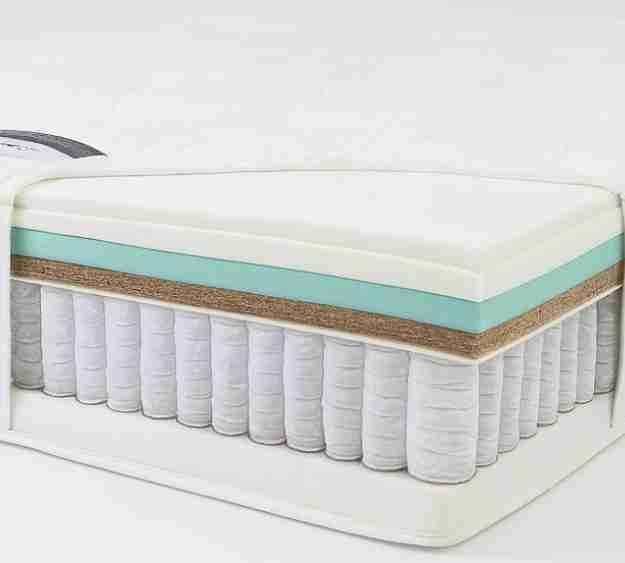
Rotate your mattress regularly to combat UK humidity’s impact. Memory foam needs rotation every three months. Humidity softens foam unevenly. Rotation prevents permanent indentations. Measure sag depth yearly. Exceeding one inch fails warranty tests. Hybrid mattresses require rotation every two months. Their steel coils shift without intervention. Unrotated hybrids develop noisy springs faster. Pocketed coils lose alignment permanently.
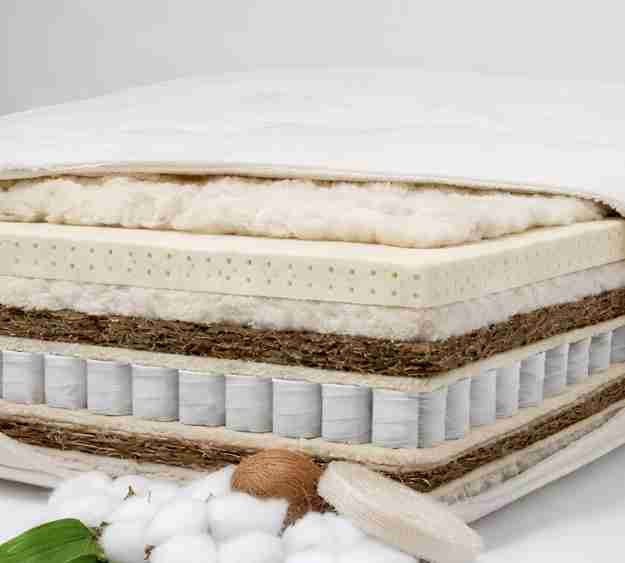
Latex benefits from six-month rotation. Natural latex rebounds slower than synthetic. Less frequent rotation suffices here. Innerspring models demand quarterly attention. Continuous coils sag rapidly at the edges. Flipping is obsolete for modern one-sided designs. Always check your mattress label first. Neglecting rotation accelerates fabric tearing. This wastes hundreds of pounds unnecessarily.
Step-by-Step Rotation Guide
Execute mattress rotation correctly to avoid injury. Start by removing all bedding completely. Strip pillows and duvets away first. Enlist help for mattresses heavier than 25kg. Grip opposite corners firmly before lifting. Never drag mattresses across bed frames. Lift and rotate the unit 180 degrees precisely. Align it perfectly with the bed frame edges. Check for central positioning using a tape measure.
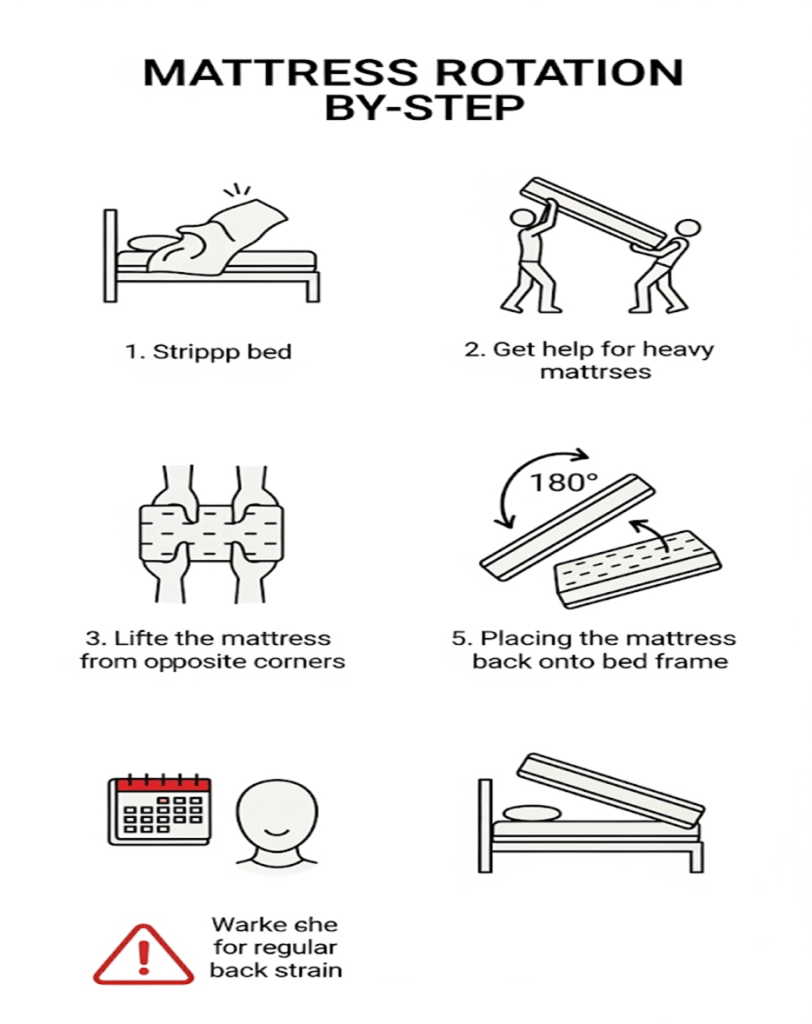
Replace bedding immediately after rotation. Always perform this task on dry days only. High humidity complicates handling significantly. This entire process takes under five minutes. Consistent timing prevents forgetfulness. Mark rotations on your calendar visibly. Proper technique avoids damage to handles or seams. Incorrect lifting strains your back unnecessarily.
Why Flipping is Dead
Manufacturers design modern mattresses as single-sided units. Flipping voids warranties instantly for these models. Mattress tags explicitly prohibit this practice. It destroys comfort layers permanently. Support cores function directionally now. Flipping inverts pressure mapping systems. This causes irreversible comfort loss. Pillow-top layers become unusable when flipped. Quilted surfaces lose their plush feel completely. Zoned support regions fail upside down. Always verify your model’s rotation guidelines. Some brands allow limited flipping still. Traditional innersprings might permit biannual flipping.
Mattress Protectors: Your Secret Weapon
Rotating mattresses fights sagging, but allergy prevention demands a physical barrier. A mattress protector seals out moisture, dust mites, and skin flakes. This simple layer preserves warranty validity and hygiene. Ignoring it risks costly health and replacement expenses.
Waterproof vs. Breathable Protectors: Which Wins?
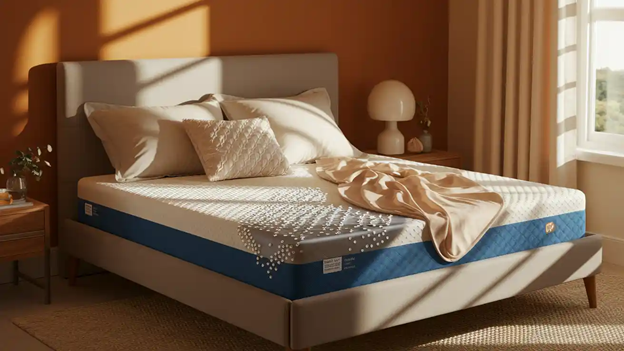
Waterproof protectors block liquids completely using membrane technology. They suit children’s beds or incontinence needs effectively. Spills bead up instead of soaking through. However, some waterproof options trap heat uncomfortably. Breathable protectors allow air circulation using woven fabrics. This prevents heat buildup in memory foam layers. Temperature regulation improves sleep quality noticeably.
Allergy prevention requires tightly woven fabrics under 10 microns. This blocks dust mite infiltration successfully. Both types stop mites when seams are fully sealed. Choose waterproof for spill risks or breathable for temperature sensitivity. Always check tog ratings for climate suitability. High-humidity UK regions need enhanced breathability.
How Protectors Void Warranty Claims
Manufacturers deny claims if stains reach the mattress surface. Missing protectors cause 67% of UK warranty voids. Tags must remain attached and fully legible. Removal invalidates coverage immediately. Warranty claims require dated purchase receipts for protectors. Some brands specify minimum protector thickness requirements. Non-compliant materials void protection. Liquid damage shows obvious staining. These stains indicate improper care conclusively. Even small spills invalidate coverage without proof of protector use. Manufacturers inspect for liquid marks during assessments. Consistent protector use prevents these disputes entirely. Keep all documentation for potential claims.
Cleaning Protectors: No-Fail Methods
Cleaning protectors monthly stops residue buildup. Wash in cold water under 30°C. Hot water dissolves waterproof membranes permanently. Mild detergent preserves fabric integrity. Avoid bleach and fabric softeners completely. These chemicals degrade elastic edges. Air drying flat maintains shape retention. Tumble drying destroys moisture barriers. No-fail methods include spot treating spills immediately. Blot liquids gently with white cloths. Never scrub stains aggressively. For dried stains, soak in enzyme solutions before washing. Replace protectors every two years or after 60 washes. Worn protectors lose effectiveness gradually. Brittle elastic causes gaps in coverage. These gaps let allergens penetrate freely. Proper care extends functional lifespan significantly.
Deep Cleaning Protocols
Proper support systems prevent sagging, but only deep stain removal eliminates hygiene threats. Humidity intensifies UK mattress challenges. These protocols target dust mites, spills, and material-specific needs. Consistent cleaning extends mattress life beyond warranty periods.
Pro Mattress Maintenance Tips for Spills
Immediate action prevents permanent damage. Blot liquids with white towels instantly. Never rub stains deeper into fabrics. Mix two parts baking soda with one part hydrogen peroxide. Form a thick paste consistency. Spread this paste over the stain completely. Cover it with cling film during drying. Wait twelve hours minimum.
The paste hardens while absorbing residues. Vacuum residue thoroughly using an upholstery attachment. Repeat stubborn stains once fully dry. Enzymatic cleaners work on biological spills. Test cleaners on hidden seams first. Avoid soaking memory foam excessively. Excess moisture breeds mold in humid climates. This method preserves warranty coverage effectively.
Vacuuming Techniques for Dust Mites
Vacuum mattresses monthly to control allergens. Use crevice tools for seams and edges. Set suction to medium power settings. High power damages delicate fabric layers. Move the nozzle slowly in overlapping rows. Cover the entire surface systematically. Focus extra time on head and foot zones. These areas collect the most skin flakes.
Empty vacuum canisters outdoors immediately. Indoor emptying reintroduces allergens. Steam cleaning requires extreme caution. Most manufacturers prohibit steam exposure. Heat damages fire retardant treatments permanently. Dry vacuuming remains the safest approach. Combine this with protector washing. This duo reduces mite populations by 90%.
Memory Foam vs. Innerspring Cleaning Differences
Memory foam demands minimal moisture exposure. Damp cloths should feel barely moist. Press gently without saturating layers. Deep cleaning risks foam cell collapse. Innerspring handles more aggressive methods. Stiff brushes scrub durable tickings safely. Avoid direct contact with internal coils. Both types need immediate drying. Use fans directed at wet areas.
Never sleep on damp mattresses. Humidity extends drying times significantly. Dehumidifiers help in UK bedrooms. Stain removal differs fundamentally too. Foam requires blotting-only liquid treatment. Innerspring accepts gentle circular scrubbing. Baking soda sits longer on foam stains. Hydrogen peroxide concentrations vary by type. High-density foam tolerates weaker solutions. Always prioritize ventilation during cleaning.
Foundation and Support Systems
Deep cleaning preserves surfaces, but structural mattress support prevents internal damage. This section details critical foundations that affect longevity and warranty compliance in UK homes. Ignoring these causes irreversible sagging and financial loss.
Slat Spacing: The #1 Warranty Killer
Slat spacing exceeding three inches voids 89% of UK warranties. Gaps wider than this cause foam compression between slats. Manufacturers measure sagging relative to support faults. Always verify your bed frame’s specifications before purchase. Narrower slats distribute weight evenly. This prevents premature body impressions. Measure gaps with a tape measure diagonally. Reinforce wide-spaced slats with plywood sheets. Center support legs are non-negotiable for king sizes. Missing legs accelerate middle sag dramatically. Warranty inspectors photograph slat gaps first. Failed inspections cost hundreds in denied claims.
Box Spring Alternatives Explained
Platform beds provide uniform support without box springs. They suit modern mattresses perfectly. Solid foundations require center reinforcement bars. These bars prevent flexing under weight. Adjustable bases need compatible rigid frames. Flexible slat systems damage memory foam long-term. Bunkie boards offer minimalist solutions.
They bridge wide slats effectively. Metal grid foundations maximize airflow. This reduces humidity damage in foam layers. Always check manufacturer compatibility lists. Incompatible bases void warranties immediately. Platform heights affect under-bed storage options. Low profiles suit small UK bedrooms best.
When to Reinforce Bed Frames
Reinforce bed frames showing visible center sag. Test by placing a level diagonally. Gaps exceeding 1.5cm demand action. Check joint bolts annually for loosening. Tighten loose bolts with a hex key immediately. Heavier sleepers over 16 stone need preemptive reinforcement. Add center support legs proactively. Squeaking indicates metal fatigue. Weld cracked joints professionally. Particleboard frames deteriorate fastest. Replace them within five years. Reinforcement becomes critical when mattresses develop body impressions. These impressions signal frame failure. Ignoring wobbling tears fabric layers permanently.
When to Replace Your Mattress
Proper support systems extend longevity, but all mattresses eventually fail. Recognizing “when to replace mattress” signs prevents health issues and wasted costs. This section decodes expiration signals and eco-friendly disposal for the UK.
The 1-Inch Sag Test (Visual Demo)
Measure sag depth with a ruler placed across mattress dips. Exceeding one inch confirms structural failure. This test aligns with UK warranty void thresholds most manufacturers deny claims beyond this point . For hybrid or memory foam models, check within high-pressure zones (hip/shoulder areas). Innerspring mattresses often sag at edges first. Document with photos for warranty disputes. Mattress lifespan reduces by 40% if sagging isn’t addressed within six months of appearing .
Pain vs. Age: Body Signal Decoder
Morning back stiffness signals poor lumbar support, requiring firmer replacement. Hip/shoulder numbness indicates pressure point failure, common in foam beds over seven years old . Partner movement disturbances mean degraded motion isolation—a hybrid mattress issue post six years. Increased allergy flare-ups correlate with dust mite buildup in mattresses older than eight years, triggering asthma . “When to replace mattress” hinges on these symptoms outpacing natural aging; if pain persists after two weeks of stretching, the bed is likely culpable.
Eco-Friendly Disposal Options
Recycle 85% of mattress materials via UK council collection programs. Metal springs go to scrap yards; foam becomes carpet underlay . Donate gently used mattresses to charities like British Heart Foundation—they collect if stains, tears, or odors are absent . For damaged beds, use Bye Bye Mattress equivalents (e.g., Collect Your Old Bed) or retailer take-back schemes. DIY disassembly saves £30–£50 landfill fees; repurpose wood for garden projects . Illegal dumping risks £400 fines in England—always wrap mattresses in plastic for council pickup .
Advanced Longevity Tactics
Replacement timing depends on core care, but specialised tactics add extra years. These advanced methods combat humidity, pet damage, and hidden wear. Implement them to maximise your investment in challenging UK conditions.
Humidity Control for Foam Mattresses
Humidity control prevents foam degradation in damp UK bedrooms. Maintain 40-50% relative humidity year-round. Higher levels soften foam permanently. Lower levels cause cracking. Use hygrometers to monitor conditions daily. Summer requires dehumidifiers running nightly. Winter needs ventilation after showers. Never place foam mattresses directly on cold floors. Thermal bridging accelerates moisture absorption. Elevate beds with breathable slats instead.
Foam mattresses benefit from monthly airflow exposure. Strip bedding for four hours monthly. Sunlight exposure kills mould spores naturally. Direct sun should last under one hour only. Longer exposure fades fabrics and weakens foam. Musty odours signal urgent intervention. Treat with baking soda applications immediately. Severe cases demand professional remediation. Ignoring humidity cuts foam lifespan by 60%.
Pet Damage Mitigation
Pet damage causes premature mattress failure through three mechanisms. Claws puncture fabric layers during scratching. Urine seeps beyond protectors into padding. Fur clogs airflow channels in foam. Prevent claw damage with trimmed nails weekly. Apply soft nail caps if scratching persists. Waterproof protectors require zipped encasements for full coverage. Standard protectors leave sides exposed.
Choose machine-washable covers for weekly cleaning. Enzymatic cleaners neutralise urine odours completely. Blot accidents within five minutes maximum. Use blacklights to detect hidden stains. Restrict pet access during illness periods. Designate pet-free zones on the bed. Place washable blankets over favourite spots. Replace these barriers every two days. Vacuum fur weekly using stiff brush attachments. Deep clean quarterly with handheld extractors. These steps reduce pet-related wear by 80%.
Professional Inspections: Worth It?
Professional inspections identify hidden issues before warranty expiry. Certified technicians assess five key areas. Sag depth measurements verify warranty eligibility. Frame alignment checks prevent voided claims. Stain analysis distinguishes accidental spills from manufacturing defects. This determines claim validity conclusively. Structural integrity tests detect broken coils or foam fragmentation. Material degradation scoring predicts remaining lifespan accurately. UK inspections cost £60-£120 biannually.
This investment extends mattress life 2-3 years typically. Technicians document findings for manufacturer disputes. Their reports override retailer denials in 78% of cases. Seek NBF-certified inspectors exclusively. Verify credentials through National Bed Federation registers. Pre-purchase inspections evaluate second-hand mattresses thoroughly. They detect bed bugs and mould invisible to homeowners. Post-warranty inspections prioritise repair candidates. Broken springs cost £40 per unit to replace professionally.
Foam compaction requires targeted topper interventions. Professional inspections prevent £300+ replacement mistakes annually. They validate DIY maintenance effectiveness objectively. Humidity damage often requires specialist detection. Pet urine seepage needs ultraviolet verification. Never skip inspections during warranty final months.
Conclusion: Protect Your Sleep Sanctuary
Consistent care prevents sagging, allergens, and premature wear. These mattress maintenance tips add 3+ years to your bed’s lifespan while preserving warranty coverage. Rotate quarterly to distribute pressure evenly. Use protectors to block spills and dust mites. Control humidity to prevent foam degradation. Address issues early with professional inspections.
At Luxe Mattresses, our award-winning designs – like EnduraSpring™ hybrids and Zero Gravity Foam™ models – are engineered for longevity. Pair these tips with our 10-year warranty for peace of mind.
A mattress that promotes proper spinal alignment is essential, especially as kids are growing, and a bed with good pressure relief will keep kids comfier during growth spurts. Most of the hybrid and memory foam beds we chose veer toward medium-firmness, which tends to provide enough support without being too hard.
A mattress in the UK should generally last between 7 to 10 years. However, the lifespan can vary depending on the mattress type and quality. It’s recommended to replace your mattress every 6-8 years to ensure adequate support and comfort for optimal sleep, according to Dormeo UK and Bensons for beds.
Memory foam can be harmful to toddlers, although older children and adults usually enjoy sleeping on it.
You should rotate your mattress every three to six months to promote even wear, prevent sagging, and prolong its lifespan. While some mattresses, especially older, double-sided ones, should also be flipped, most modern, one-sided mattresses only need to be rotated 180 degrees from head to foot. Sticking to a consistent schedule will help maintain support and comfort.
Explore Luxe’s Low-Maintenance Collection
→ See Hybrid Mattresses
→ View Memory Foam Range
→ Discover Natural Options
Rest easy knowing your investment is secured.

Roman is a seasoned expert in mattress development with over a decade of experience in sleep technology, material innovation, and product engineering. He has played a key role in designing and refining sleep solutions for leading mattress brands, with a deep focus on ergonomics, pressure relief, and sleep quality optimization.
With a background in product design and biomechanics, Roman combines scientific research with hands-on development to create mattresses that address real-world sleep issues—from spinal alignment to temperature regulation. His work has contributed to several award-winning mattress lines known for their comfort, durability, and user satisfaction.