
Usually, you do not think of the mattress when you are not sleeping well. However, the body may notice the need to replace the mattress before the eyes do. You can find so many reasons behind its breakdown. If you are struggling through sleepless nights and feel back pain when you wake up, it means you have bad bedding.
In this article, we will discuss 5 signs of bad mattresses. They will help you to make a change and get better mattresses from Luxe Mattresses for balance of comfort. Medical professionals highlight these red flags. From sagging to getting sniffles, you will learn about the warning signs.
What are the Five Signs of a Bad Mattress
Read these symptoms of sleeping on a bad mattress. If you experience any of them, it may be time to upgrade to a new mattress to set yourself up for sleeping success.
Waking Up Sore
Do you wake up each day feeling new aches and pains? You probably need a new bedding. An old mattress can cause pain in the shoulders, neck, lower back and hips. The reason is that your mattress no longer gives you the needed support. People may notice the physical outline of body impressions in their bed. Supportive beds return to their natural state. If the mattress loses its shape, it does not support the natural curvature of your spine.
It adds stress to other body parts during sleep. The break of the mattress happens gradually. It means you feel tightness or soreness in certain body areas. So you can’t immediately blame the mattress. Although, it can be a first sign that you need to look for a new one especially if the soreness is not caused by other reasons.
You Can’t Seem to Fall Asleep
You have tried so much sleeping music and even minimized your screen time an hour before your head hits the pillow. But, despite your best efforts, falling asleep feels more challenging than it should be. No matter how many breathing techniques you learn, dozing off may become an impossible feat. What is the reason?
The reason is that your mattress is not supporting the spinal alignment or providing the body with the degree of firmness it needs. Falling asleep time for an average person is about 10-20 minutes at night. But if you feel that you constantly need an hour or more to do so, take a closer look at your bed. Try some sleeping hacks and a good mattress.
You Disturb Each Other in Bed
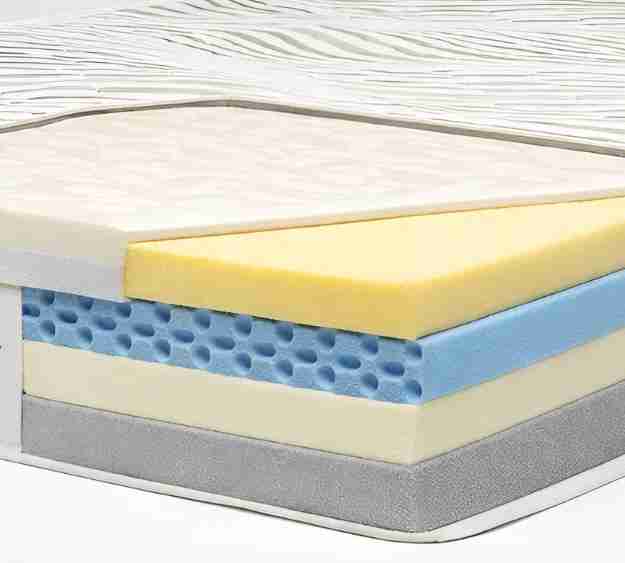
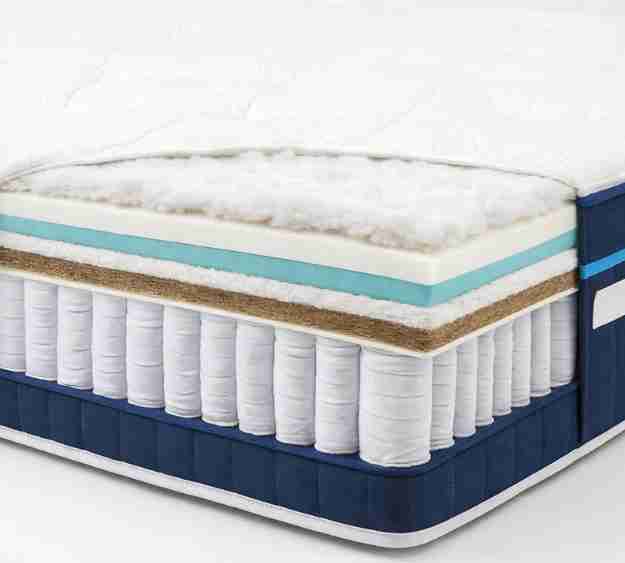
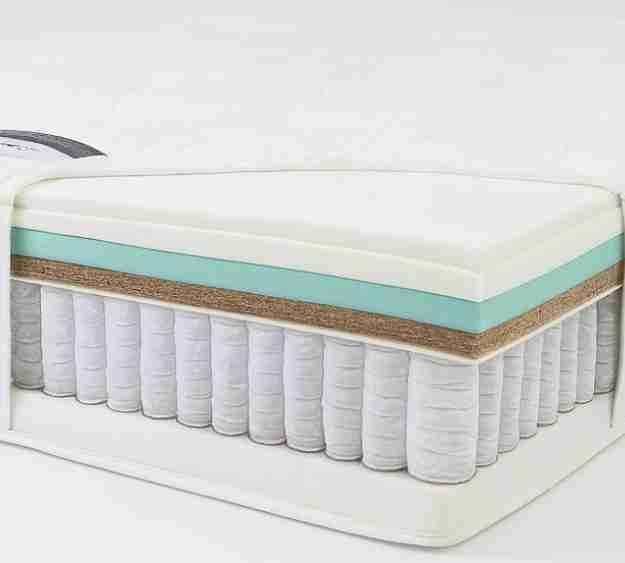
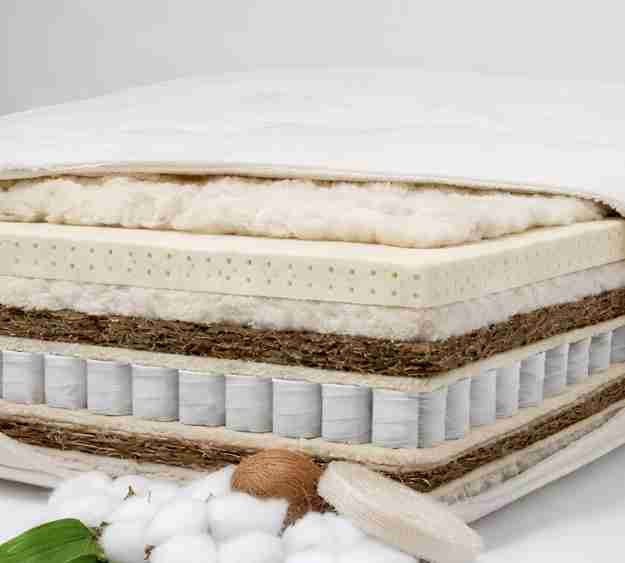
The best memory foam mattresses are excellent at absorbing the movements of restless partners so the motion does not transfer to the other side of the bed. Other mattresses are not that great at motion isolation. They are also known for their cooling properties. Other than this, hybrid mattresses, pocket spring mattresses and latex mattresses are good.
Do you constantly wake up by your partner’s movement? It is because your mattress has high motion transfer and low motion isolation. Check to see if your bedding contains springs, as the bouncy properties may be why you are disturbed by the co-sleeper tossing and turning.
Your Mattress Looks Worn
Peel off the sheet and look at your mattress’s condition. Note whether you see any yellow stains or any rips in the fabric. Lie down on it and roll from one side to the other. Now pay attention to how the body moves across the mattress and see whether there are any bumps, lumps and sagging areas with lost support.
According to orthopedic surgeons, an uncomfortable mattress might lead to restless sleep, persistent tossing and frequent awakenings. These visible signs of a bad mattress indicate the aging mattress and how it could negatively impact your spinal health and sleep quality. Make sure to listen to the body.
You have got the Sniffles
Are you tired of constant sneezing, blowing your nose and being irritated by itchy eyes? It may be due to an airborne allergen like pollen. Instead, it can be caused by the allergen you go to bed with every night like dust mites. These microscopic creatures burrow themselves into a warm and humid place with a life bed mattress and sofas.
They cause skin rashes, a scratchy throat and postnasal drip. Therefore you must take preventive measures against dust mites topping your mattress with a breathable mattress protector to fend off all unwanted irritants. It will keep you comfortable and cool the whole night.
Conclusion
In conclusion, the above-mentioned signs indicate that you have a bad mattress. We recommend buying mattresses that are designed to withstand sagging, overheating and discomfort of springs. They contain layers of precision foam support and thousands of unique cone-shaped comfort springs. Choosing a mattress or replacing is not easy as you have to analyze so many aspects. The above bad mattress symptoms will help you to decide whether you need a new one or not.
FAQs
Common signs include sagging, lumps, visible wear, squeaking noises, and waking up feeling tired or stiff. If your mattress no longer provides even support, it may be worn out. Poor sleep quality is often the earliest warning sign.
Yes, a bad mattress can cause back, neck, shoulder, and hip pain. Lack of proper support can strain muscles and misalign the spine. Pain that improves when you sleep elsewhere is a strong indicator.
A bad mattress can contribute to insomnia by causing discomfort and frequent nighttime awakenings. Poor support makes it harder to relax and stay asleep. Over time, this can disrupt your sleep cycle.
Yes, an unsupportive mattress can lead to neck strain and poor sleeping posture, which may trigger tension headaches. Inadequate spinal alignment is a common cause. Morning headaches can be a related symptom.
If you experience allergies, breathing issues, skin irritation, or frequent congestion, your mattress may be the cause. Old mattresses can collect dust mites, mold, and bacteria. Persistent symptoms that improve away from your bed are a key sign.

I’m a professional sleep health and mattress content specialist with extensive experience writing about orthopedic mattresses, back pain relief, pressure-point support, and overall sleep comfort. I collaborate with industry research, sleep studies, and mattress performance insights to deliver accurate, trustworthy, and reader-focused content. I’m known for simplifying complex mattress technologies such as memory foam, motion isolation, and firmness levels, making them easy to understand for everyday buyers. My goal is to help readers choose mattresses that match their lifestyle, sleep posture, and health needs empowering them to achieve deeper, healthier, and pain-free sleep through informed decisions.