




Sleep is not merely a time of rest; it’s a critical period during which your body and mind undergo essential repair, processing, and renewal. Every age group has different biological demands, which is why sleep needs vary across a lifetime. Understanding these differences can help you better manage health, performance, and emotional balance.
Why Sleep Duration Changes with Age
Newborns require hours of uninterrupted sleep to support rapid brain development. As we age, our need for sleep decreases, but the quality and regularity of sleep become increasingly important. Adolescents experience hormonal shifts, adults face lifestyle and stress-related interruptions, and seniors often see changes in sleep cycles and depth of sleep.
Dr. Matthew Walker, a sleep scientist and author of Why We Sleep, says: “Sleep is the single most effective thing we can do to reset our brain and body health each day.”
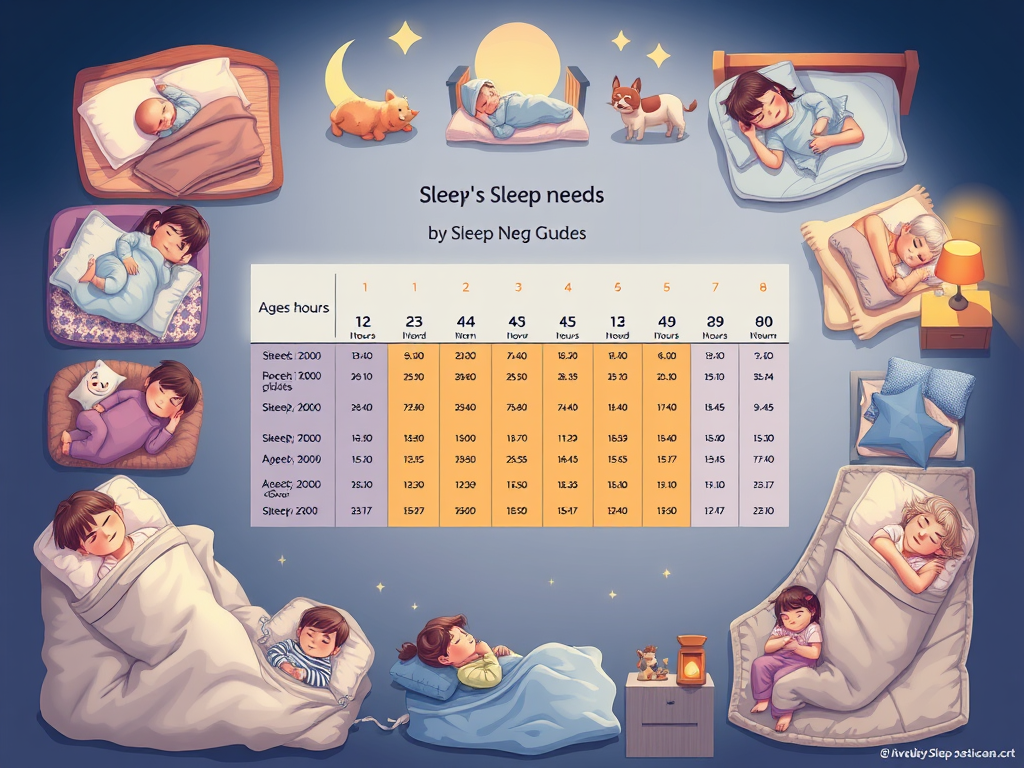
Recommended Sleep Duration by Age Group
| Age Group | Recommended Sleep Duration |
| Newborns (0–3 months) | 14–17 hours |
| Infants (4–11 months) | 12–15 hours |
| Toddlers (1–2 years) | 11–14 hours |
| Preschoolers (3–5 years) | 10–13 hours |
| School-age (6–13 years) | 9–11 hours |
| Teenagers (14–17 years) | 8–10 hours |
| Young Adults (18–25 years) | 7–9 hours |
| Adults (26–64 years) | 7–9 hours |
| Seniors (65+ years) | 7–8 hours |
Consequences of Sleep Deprivation
When you consistently get less sleep than recommended, your body and mind experience measurable declines. Sleep is when your brain consolidates memories, your body repairs cells, and hormones are regulated. Sleep deprivation disrupts all of these functions.
Short-term Side Effects
- Impaired concentration and decision-making
- Reduced physical performance and coordination
- Increased irritability and mood swings
- Heightened risk of accidents and errors
Long-term Health Risks
- Higher risk of heart disease and hypertension
- Obesity due to disruption in hunger hormones
- Type 2 diabetes and insulin resistance
- Cognitive decline and memory issues
- Weakened immune system
Why Babies Need So Much Sleep
Newborns and infants grow rapidly, both physically and neurologically. Sleep enables the brain to build neural connections that will support language, motor skills, and memory. During deep sleep, growth hormone is released, supporting tissue development and immune function.
Sleep in Children and Teens
Children and teens require more sleep to fuel learning, emotional regulation, and bodily growth. Lack of sleep in children can result in behavioral issues, poor academic performance, and weakened immunity.
Teenagers experience a natural delay in their sleep-wake cycle, often making it hard to fall asleep before 11 p.m. Early school start times conflict with this rhythm, contributing to chronic sleep deprivation among adolescents.
Sleep in Adults
Most adults need 7–9 hours to maintain cognitive sharpness, emotional stability, and physical health. Many adults compromise sleep due to stress, work, and digital distractions. Over time, this results in burnout, reduced productivity, and chronic health conditions.
Sleep in Seniors
Although sleep needs slightly decrease with age, older adults often report poor sleep quality. Factors include reduced melatonin production, chronic pain, and medical conditions. Poor sleep in seniors has been linked to falls, memory decline, and depression.
Tools and Resources
To manage your sleep quality and quantity, it helps to track patterns using digital tools. The Sleep Lab by Luxe Mattresses offers Sleep calculators, tips, and sleep science to help improve nightly rest for all age groups.
Improving Sleep at Any Age
- Maintain a regular bedtime and wake-up schedule—even on weekends
- Avoid screens 60 minutes before bed to reduce blue light exposure
- Keep your room cool, dark, and quiet for optimal rest
- Exercise daily, but not too close to bedtime
- Avoid caffeine and heavy meals in the evening
Conclusion
Sleep is a pillar of health. The right amount varies with age, but the consequences of too little are universal: poor health, low energy, and reduced performance. By understanding and respecting your body’s sleep requirements, you can unlock more focus, resilience, and vitality at every stage of life.
Further Reading: The Silent Killer: How Untreated Sleep Apnoea Increases Risk of Sudden Death

Giulia is a content writer at Luxe Mattresses, where she blends her background in product development with a passion for sleep science and design. A graduate of Imperial College London, Giulia studied Product Development & Entrepreneurship, giving her a strong foundation in how everyday products like mattresses & impact human well-being.
At Luxe, she focuses on writing informative, user-friendly blogs that explore everything from mattress comparisons and sleep quality tips to innovations in bedding technology. Giulia is especially passionate about helping readers make smarter choices when it comes to comfort, health, and bedroom design.