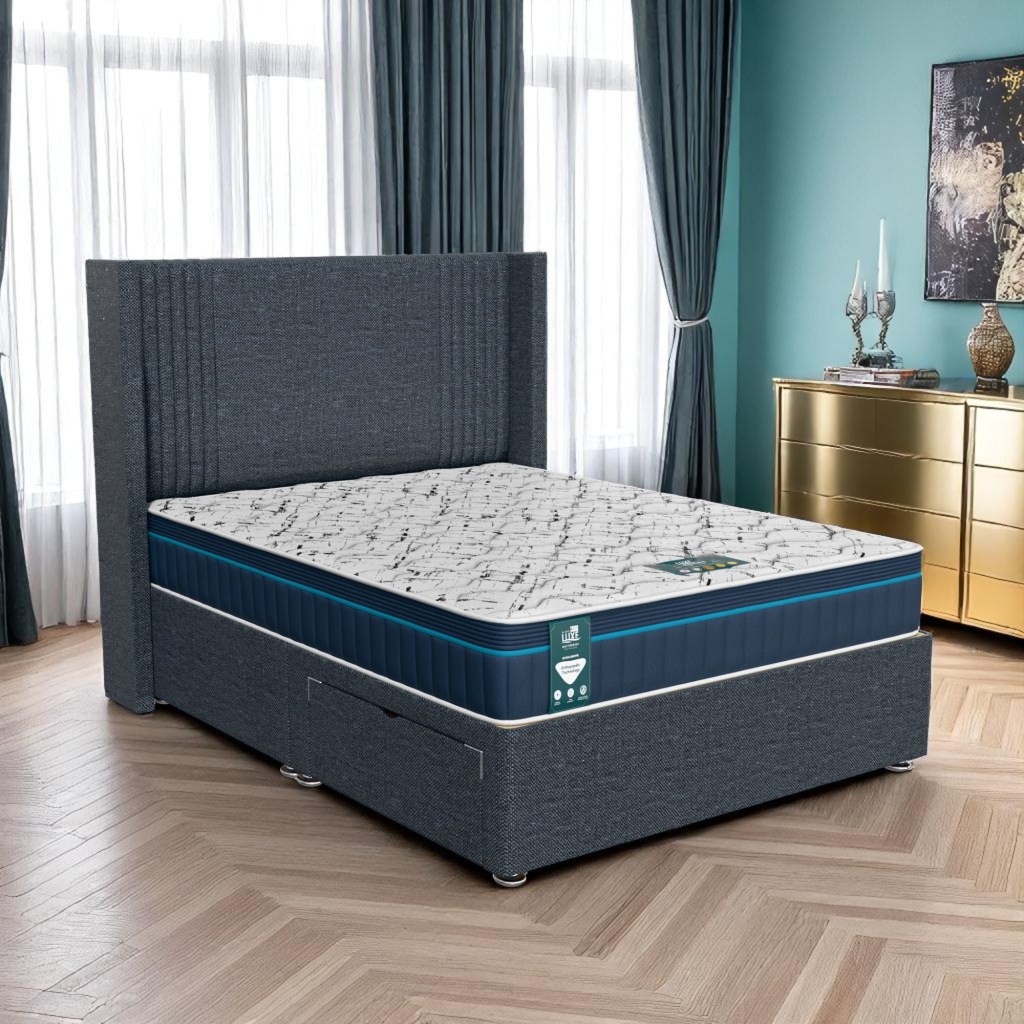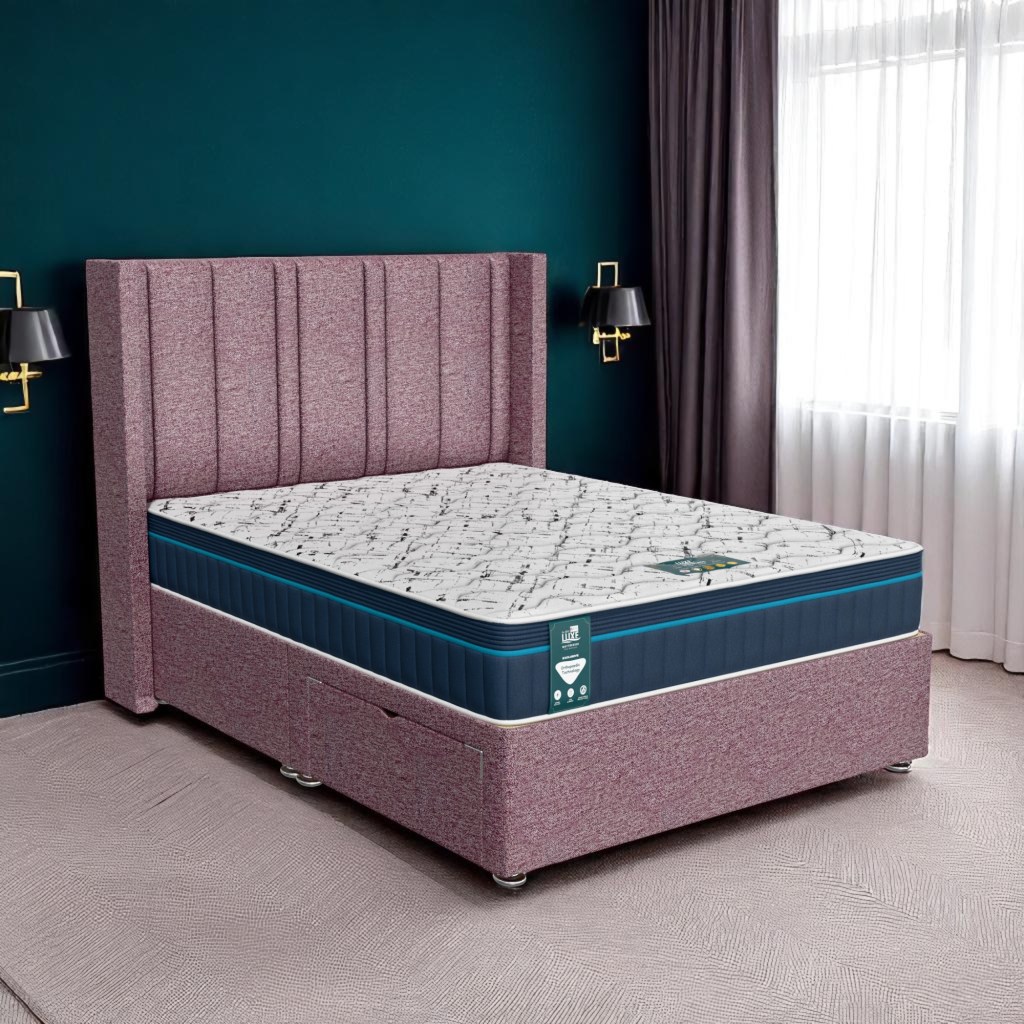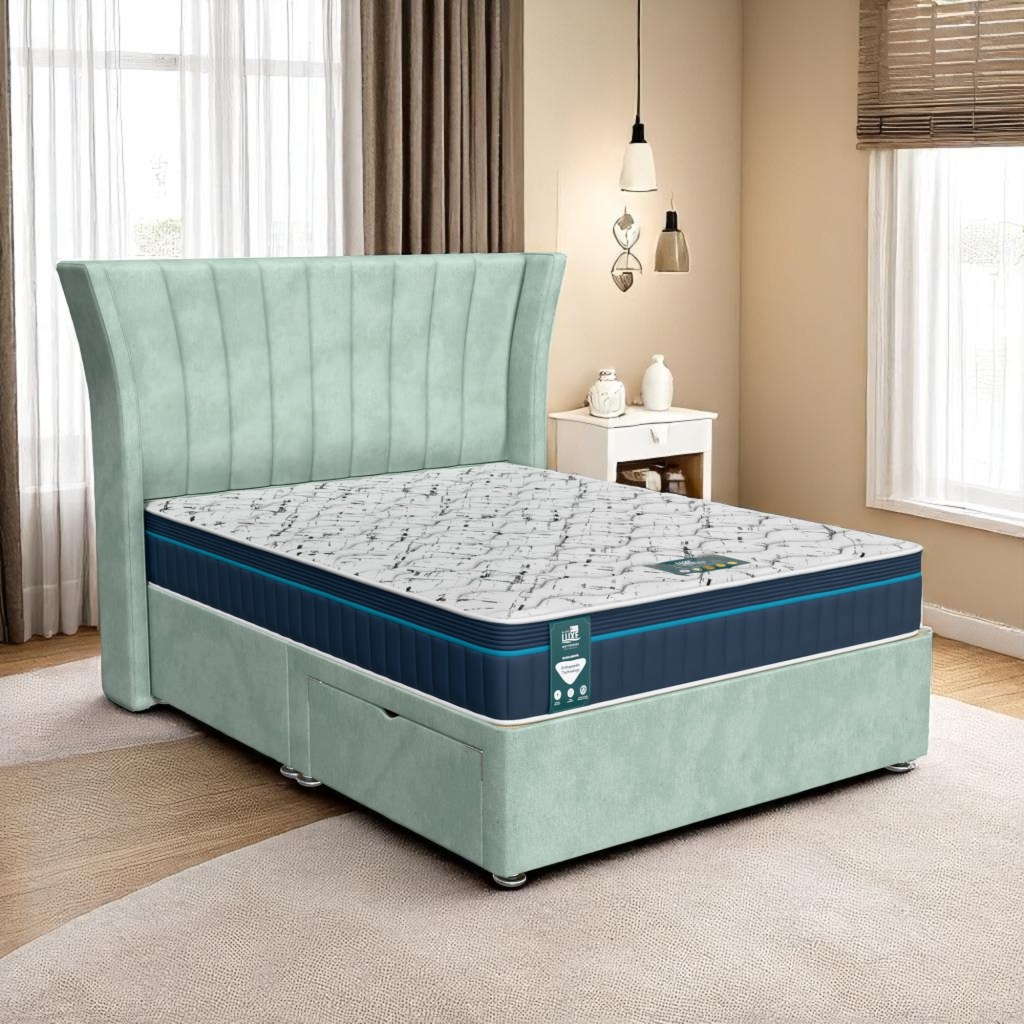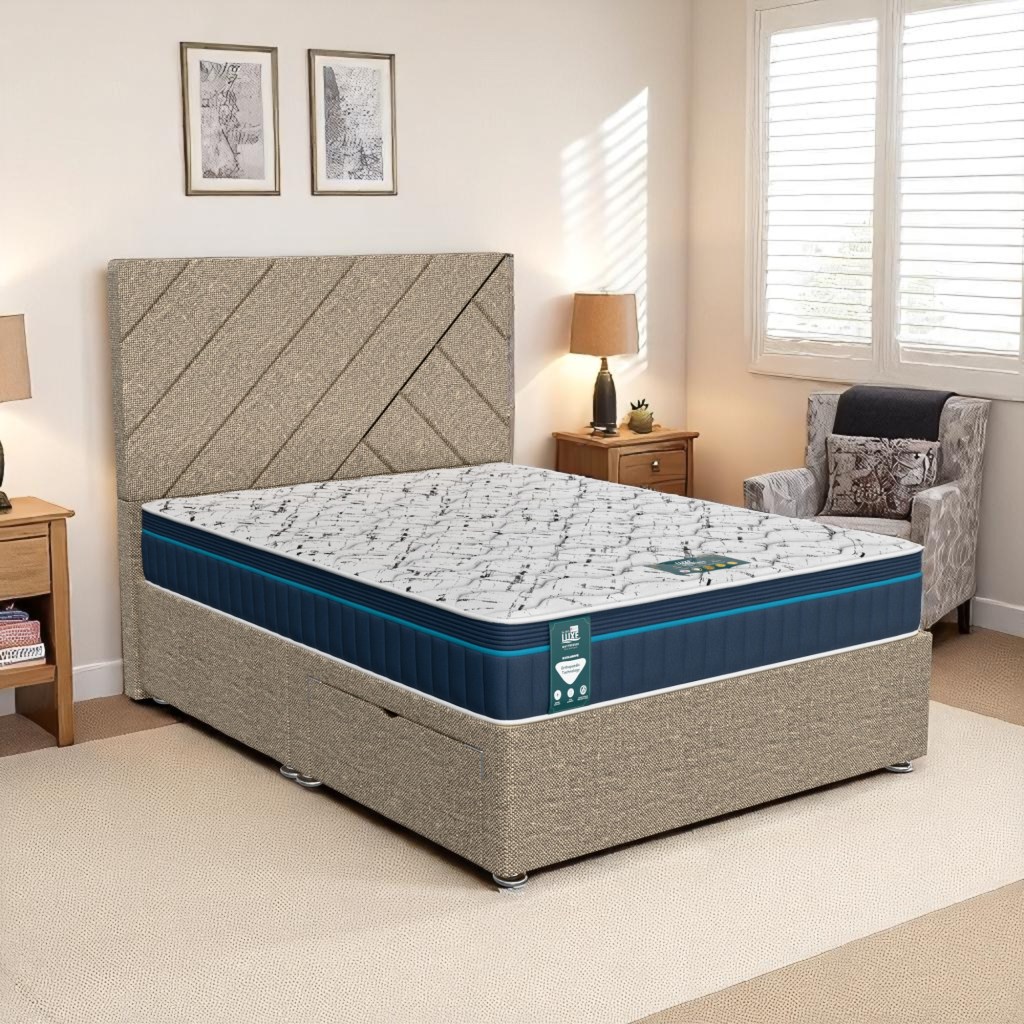

100-Night Risk-Free Trial
Free Nationwide Delivery
10 Years Warranty
Call us at: 020 4572 5122
0% APR Finance Available
customise your bed
July 12, 2025

Customise Your Bed with Luxe Mattresses: Step-by-Step Guide

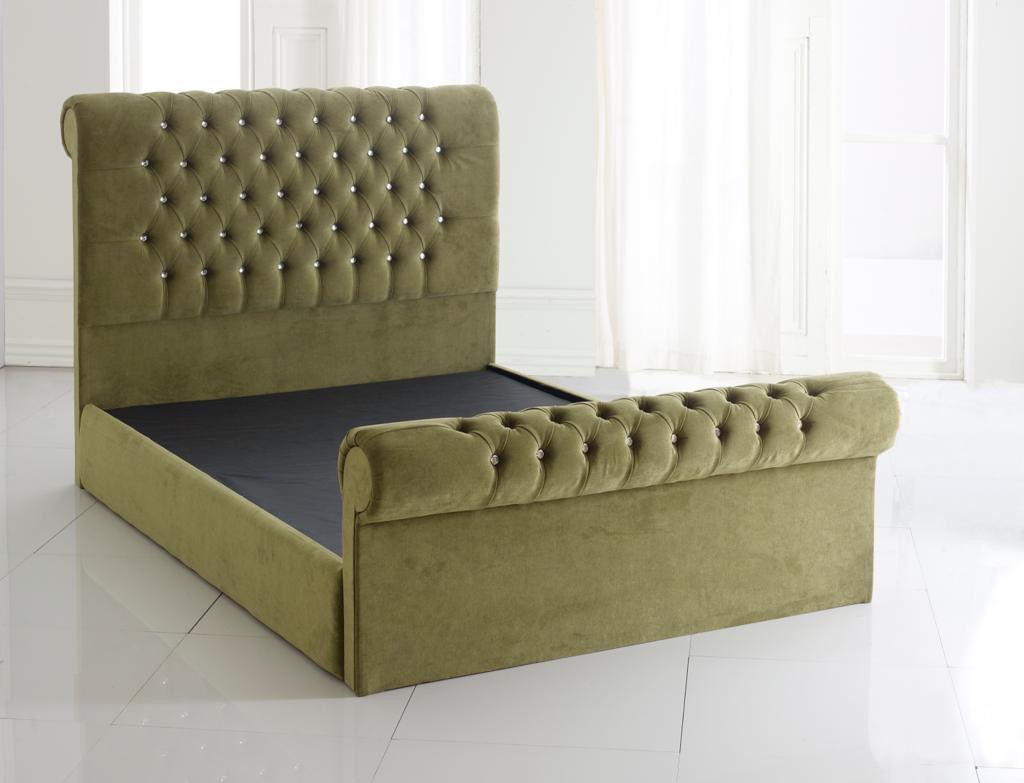
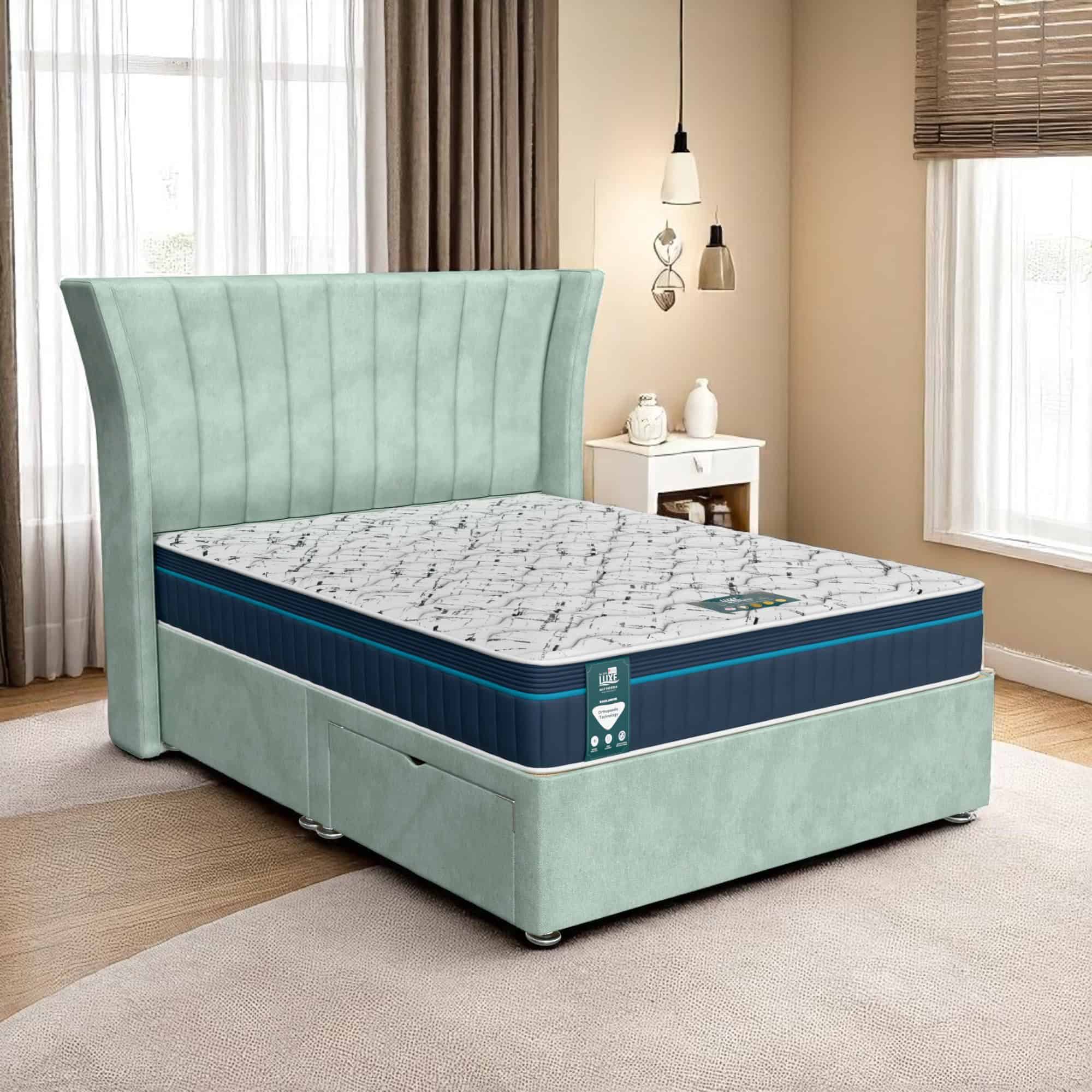
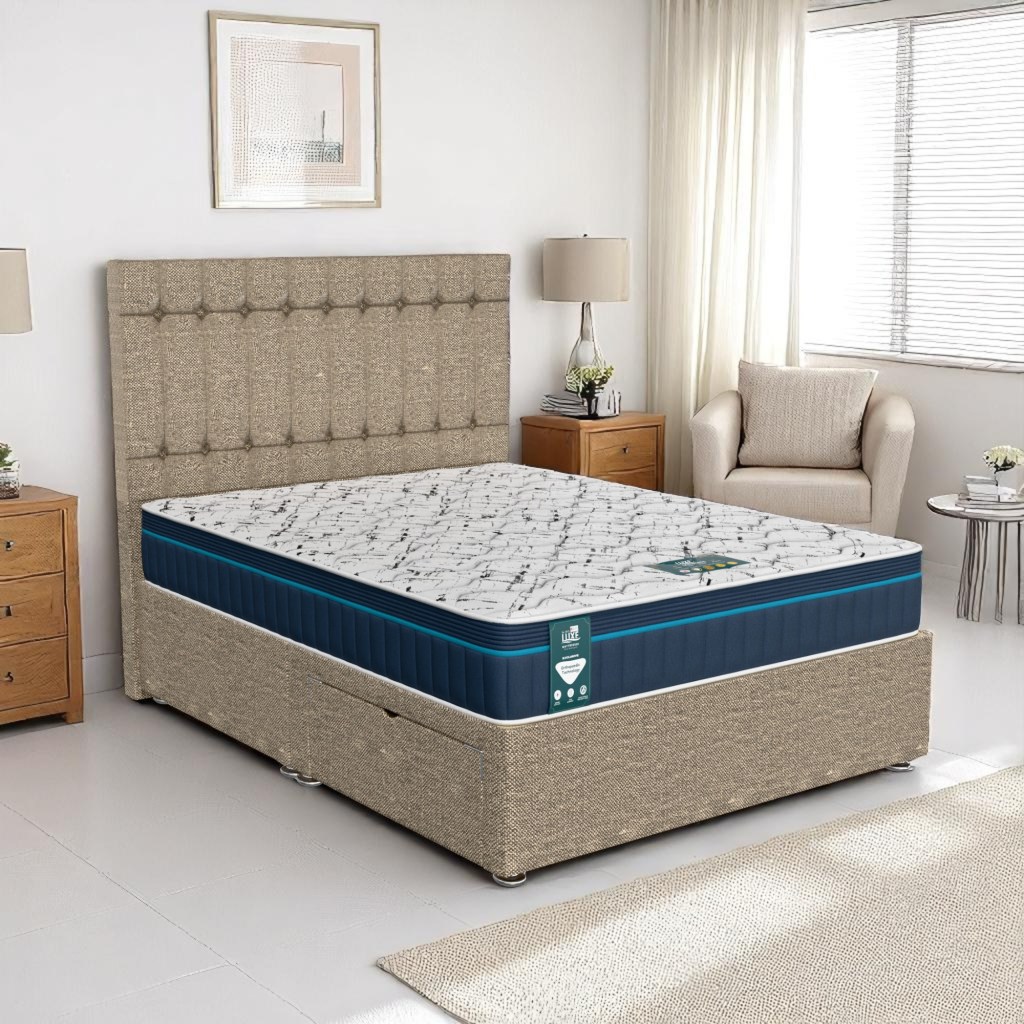
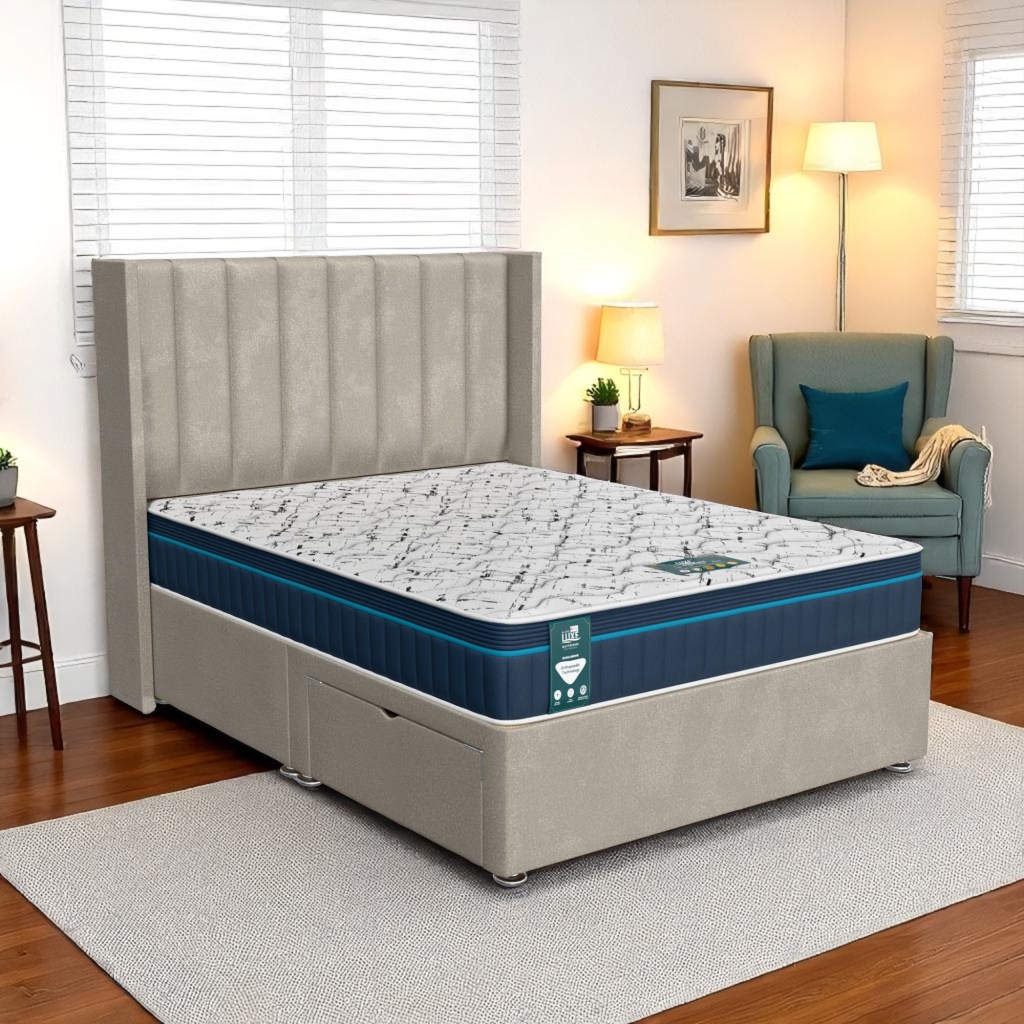
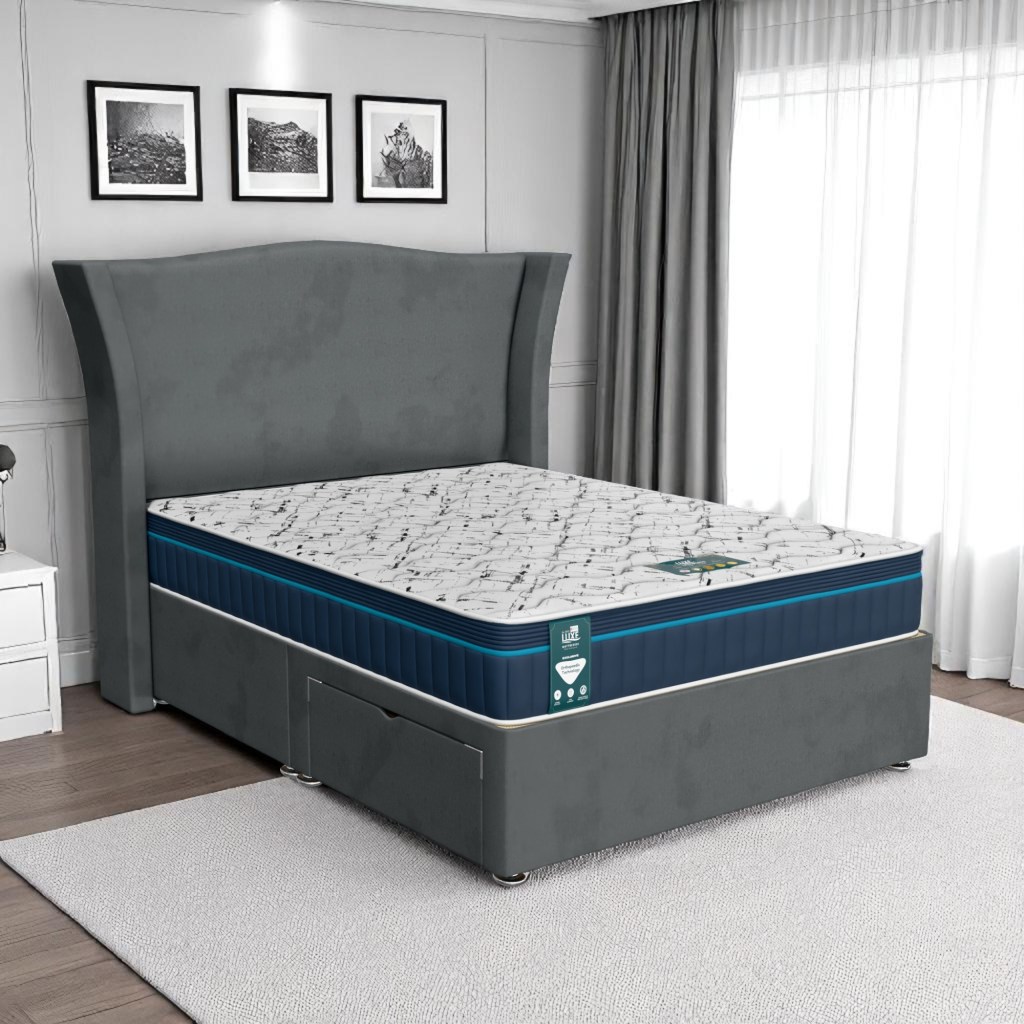
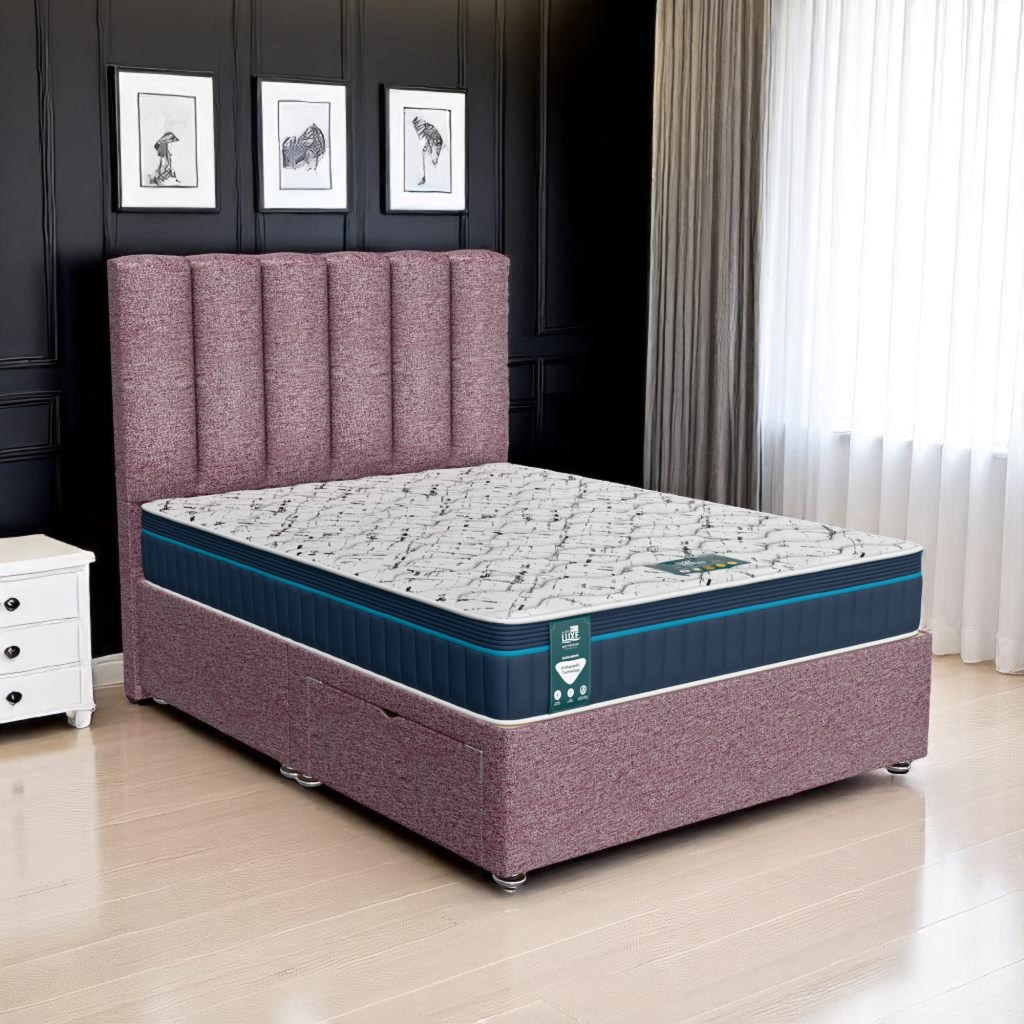
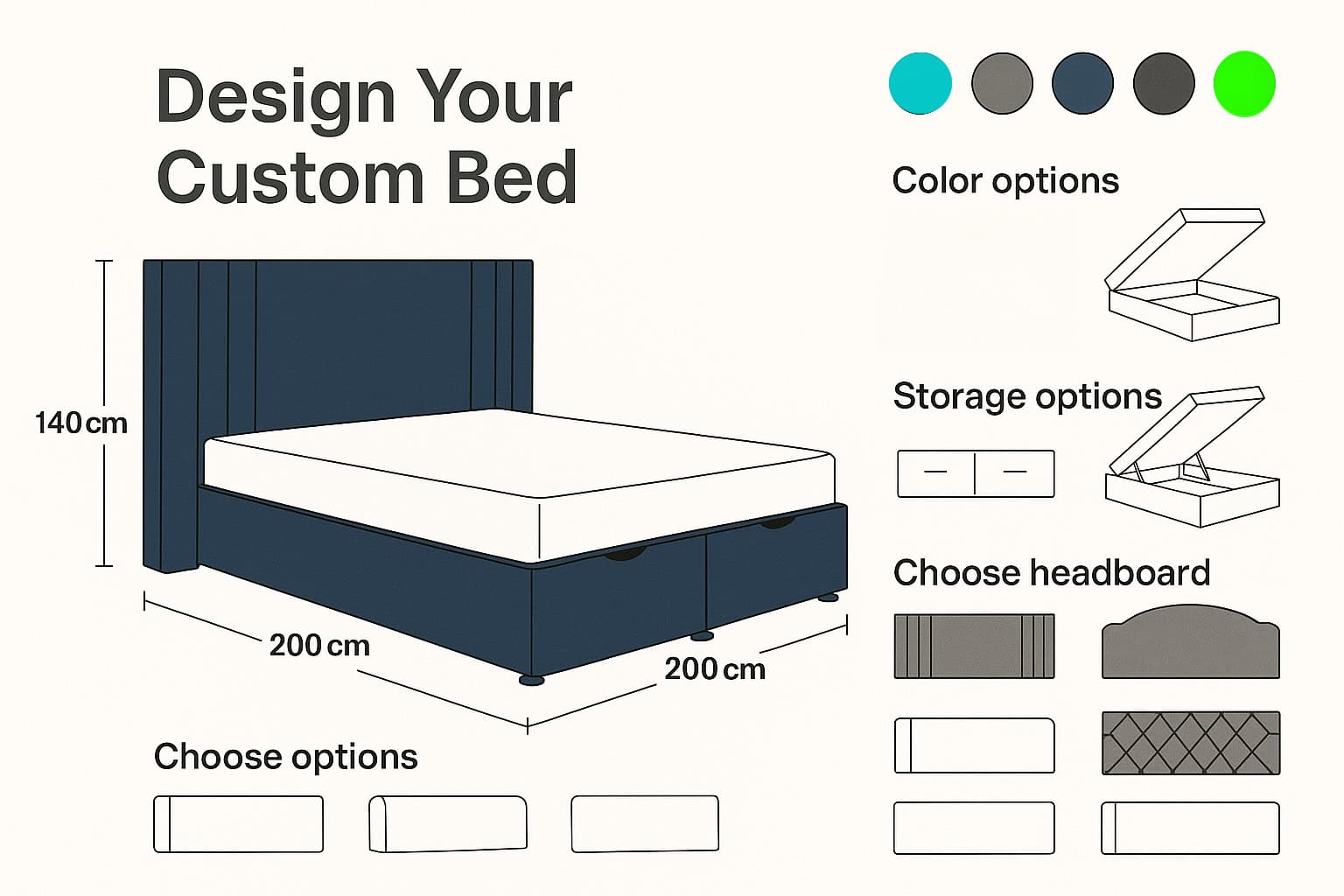
Designing a bed that suits your personal style, comfort needs, and practical requirements is a rewarding experience, and luxe custom bed , design your own bed option makes it easier than ever. With a detailed customisation process, you can build your ideal bed from the base up, ensuring everything from storage to fabric feels made just for you.

Whether you’re furnishing a new bedroom or upgrading for better support and design, this guide will walk you through every stage, from selecting your base to choosing the perfect headboard and fabric.

Step 1: Choose the Base

Your bed’s base determines both its structure and how much functionality it can offer. Luxe Mattresses offers four unique base options, each catering to different space needs and aesthetic preferences.

1. Simple Base (No Storage)

Ideal for minimalists or those who already have ample storage, the Simple Base offers a clean, understated design without any built-in storage features. It’s perfect if you’re looking for a streamlined bed frame that focuses purely on comfort and visual simplicity.
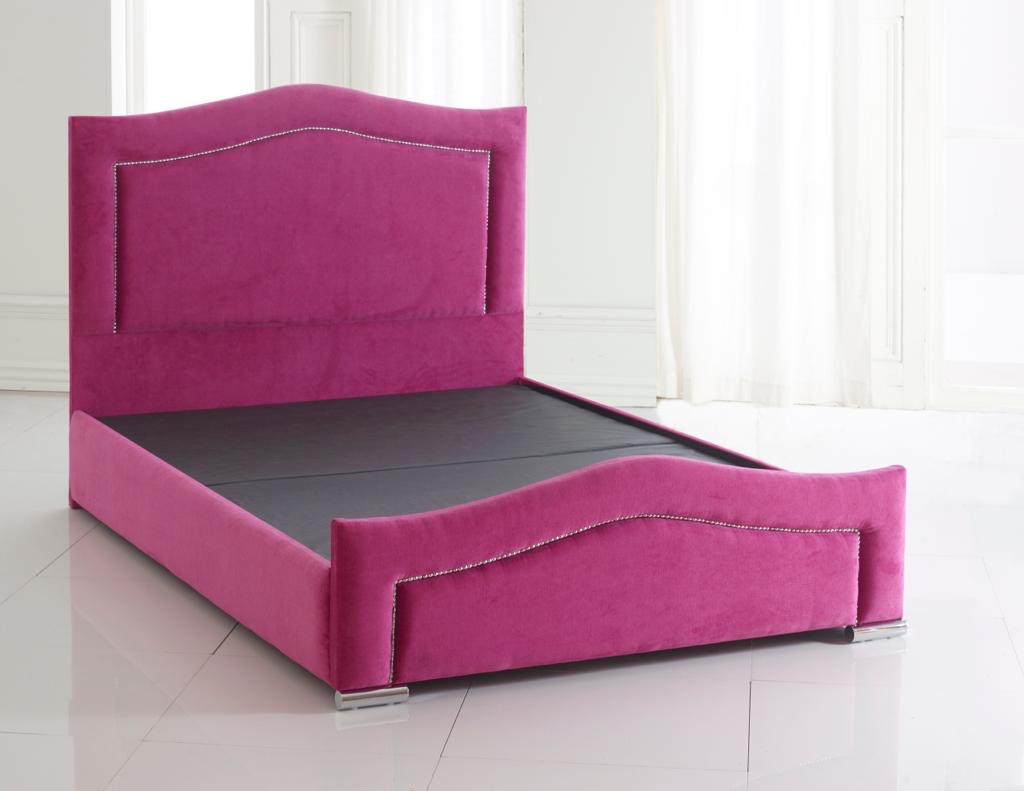
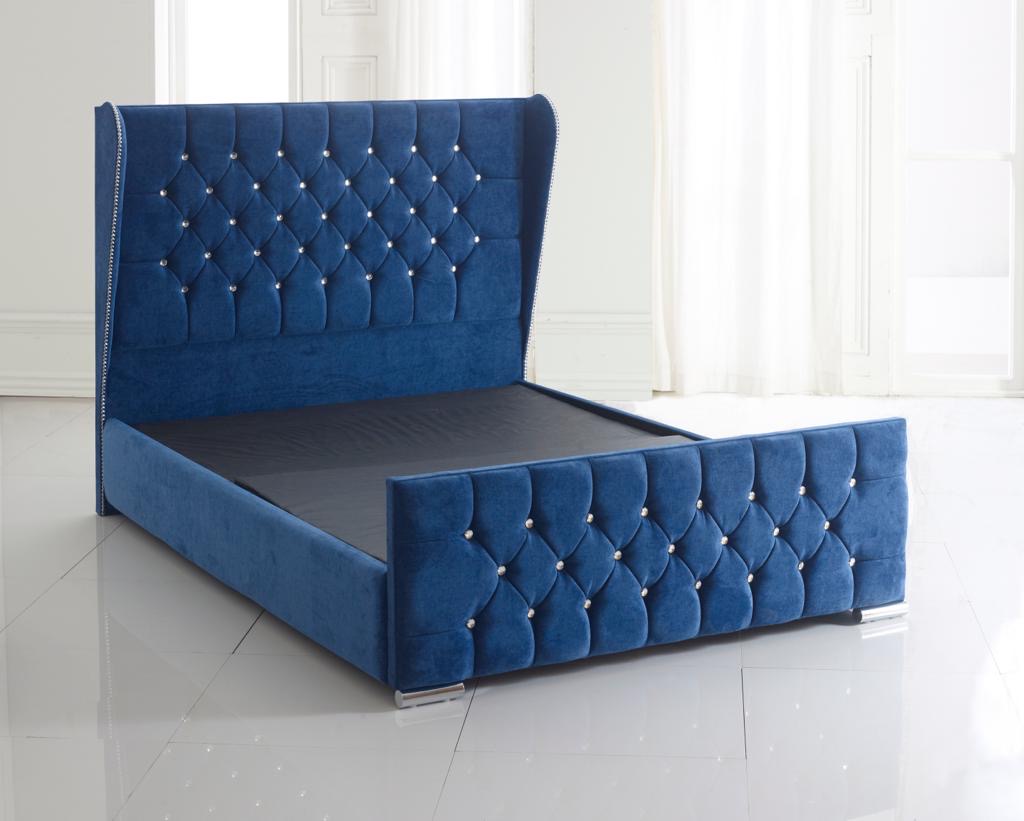
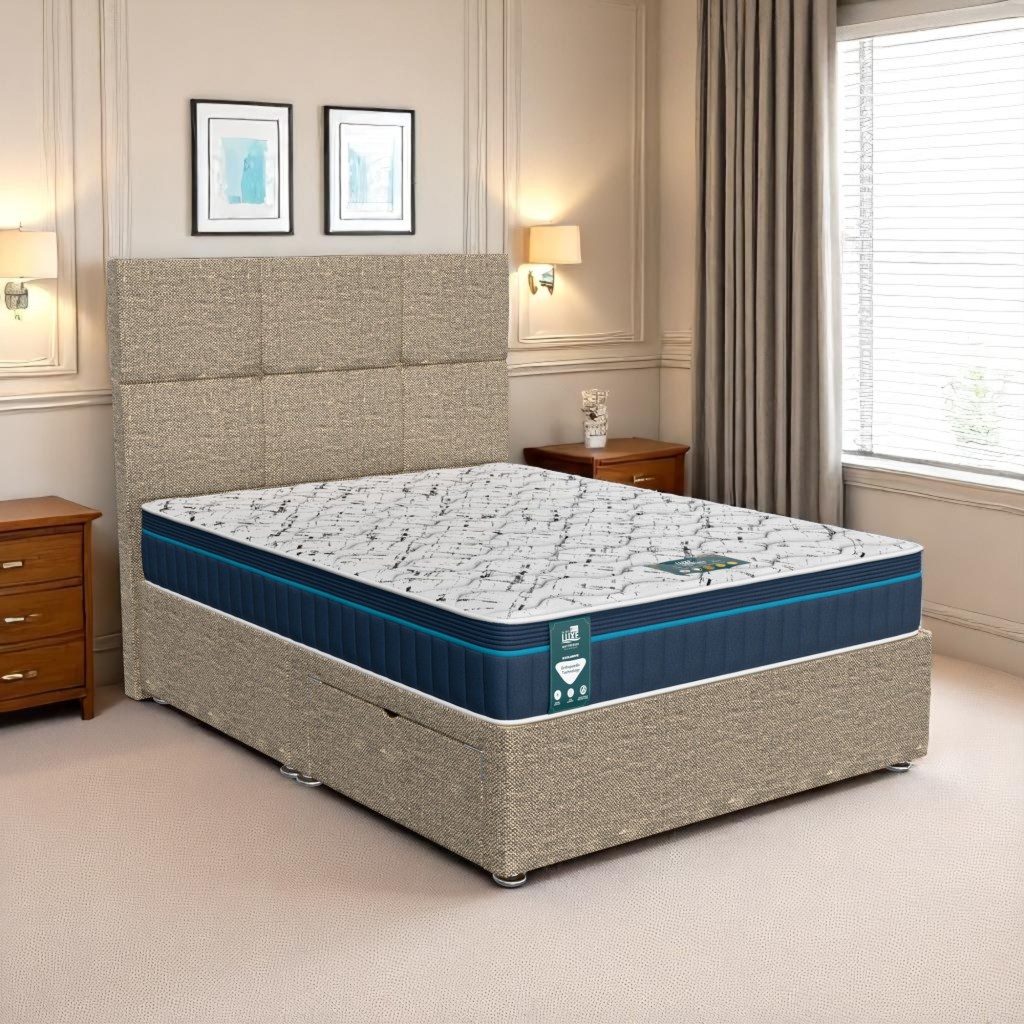
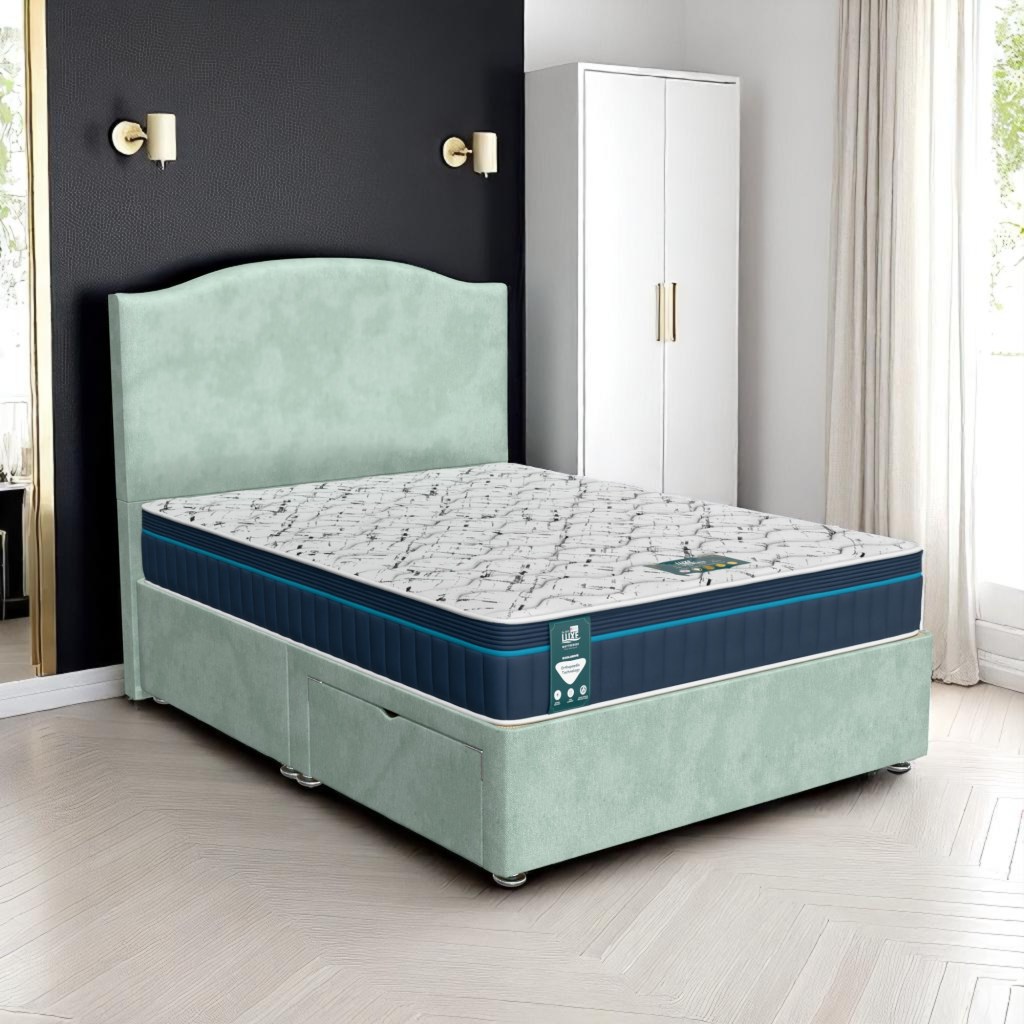
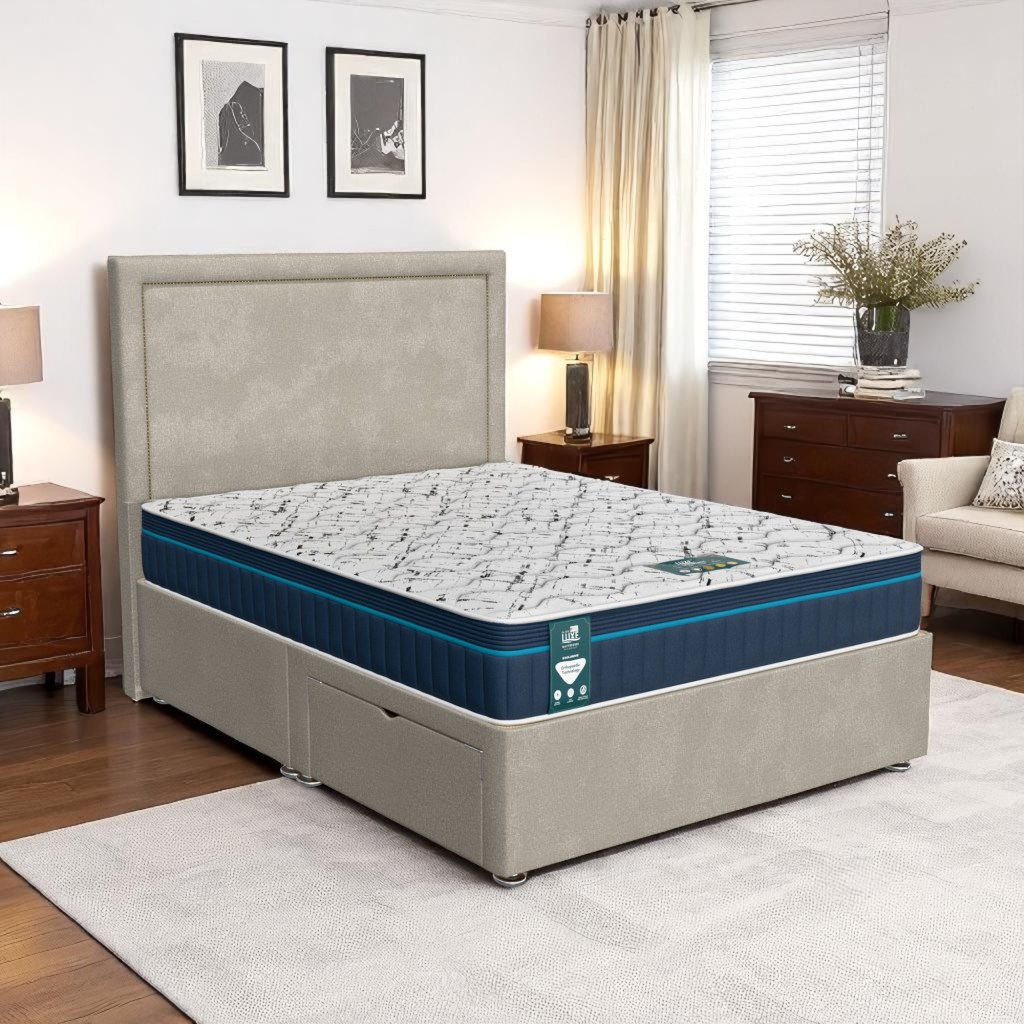
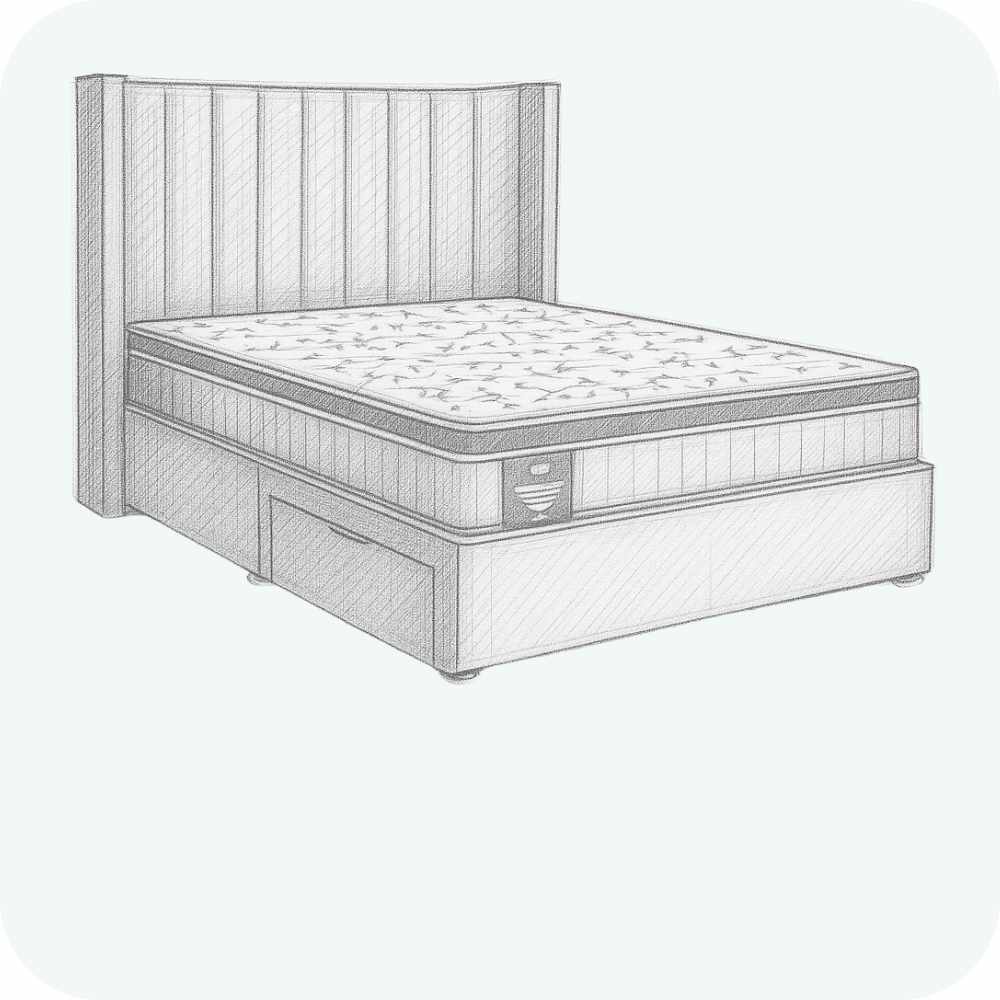
2. Divan Base with Drawers – £99

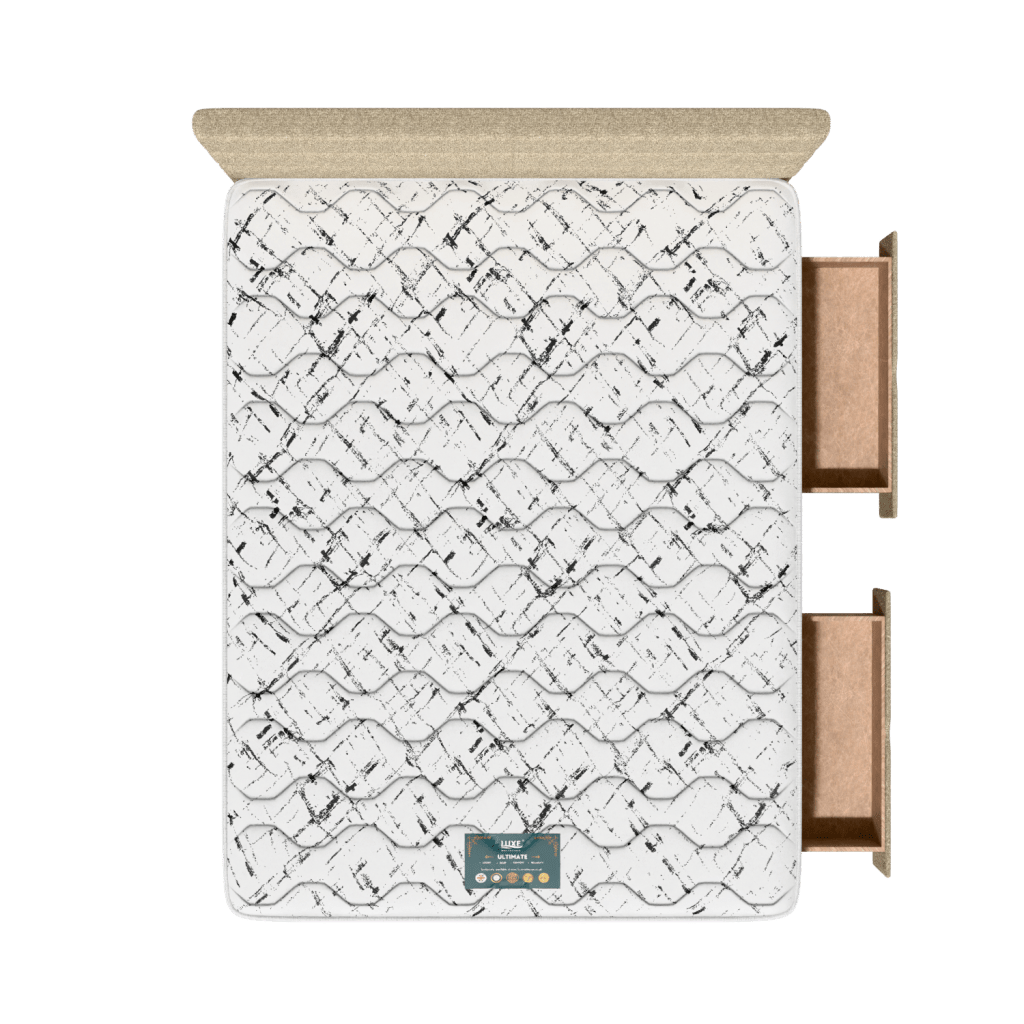
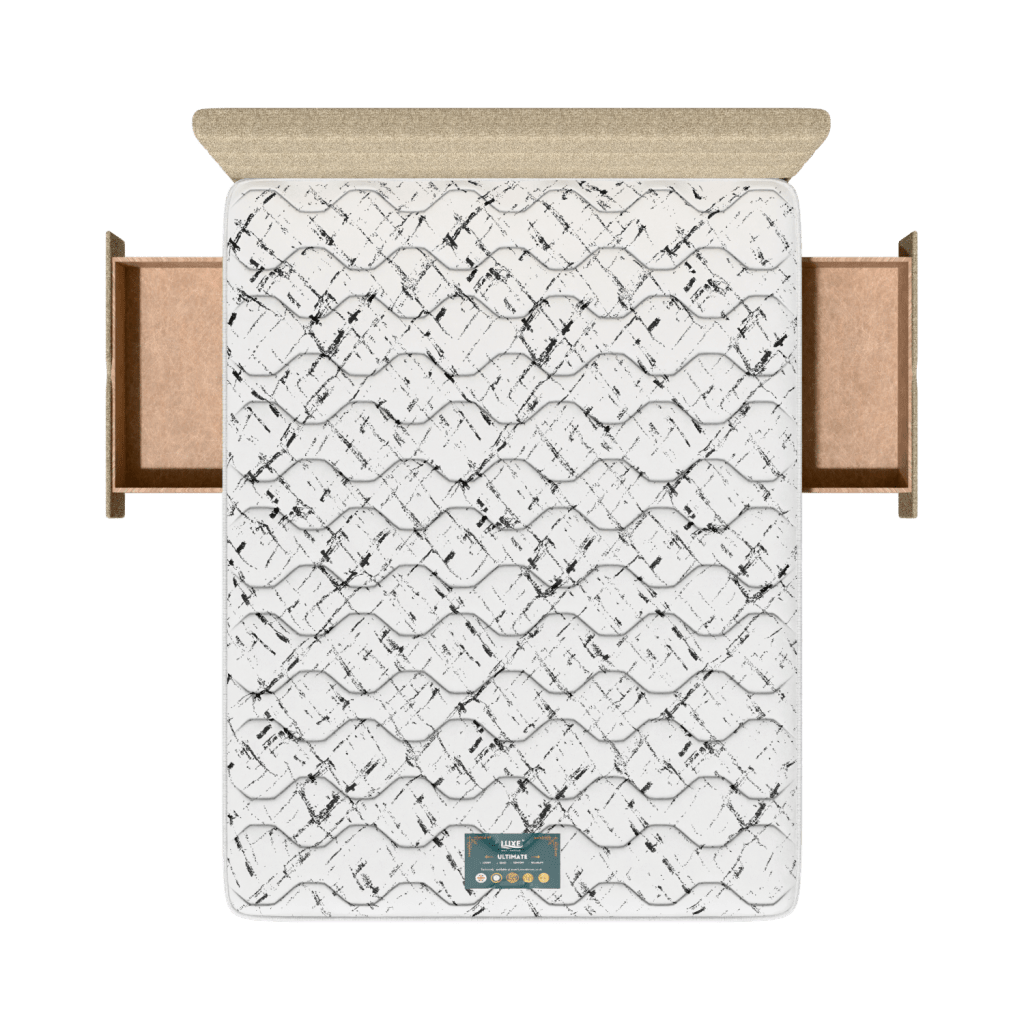
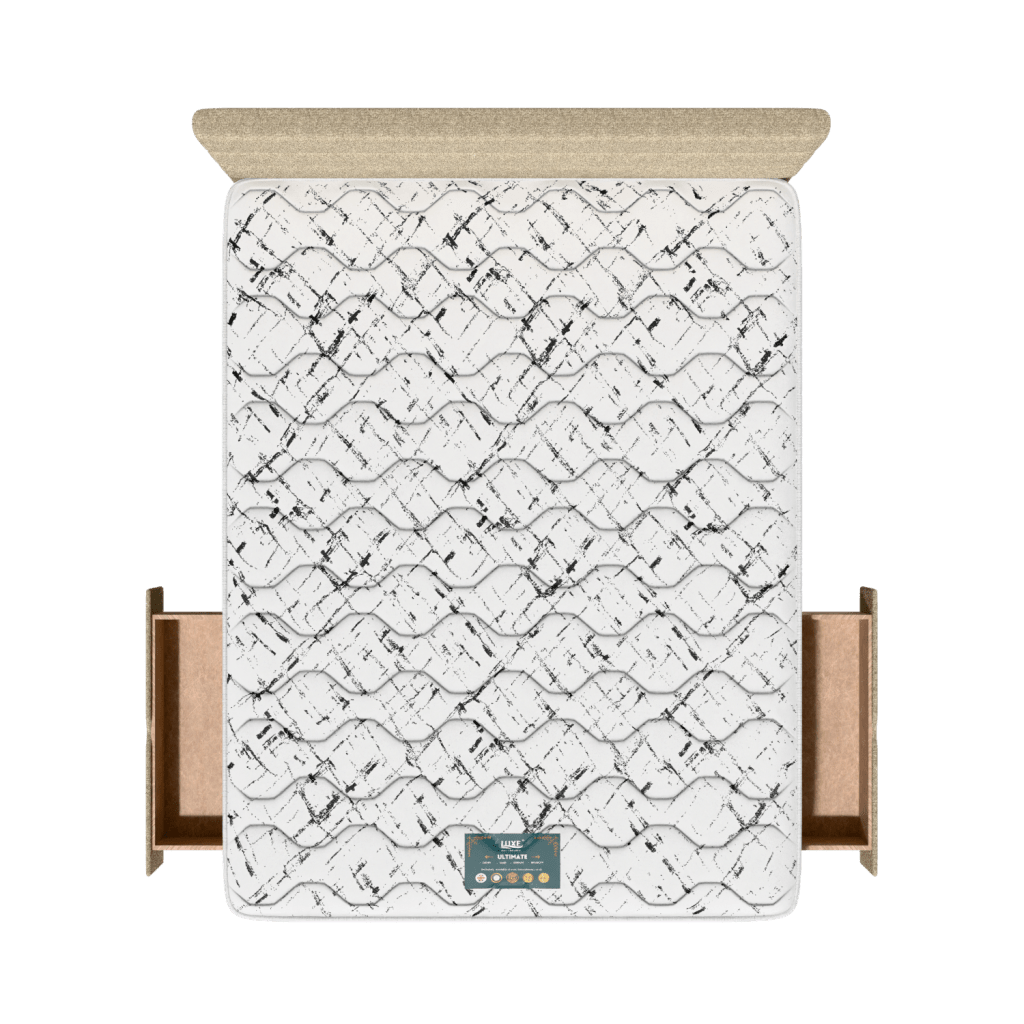
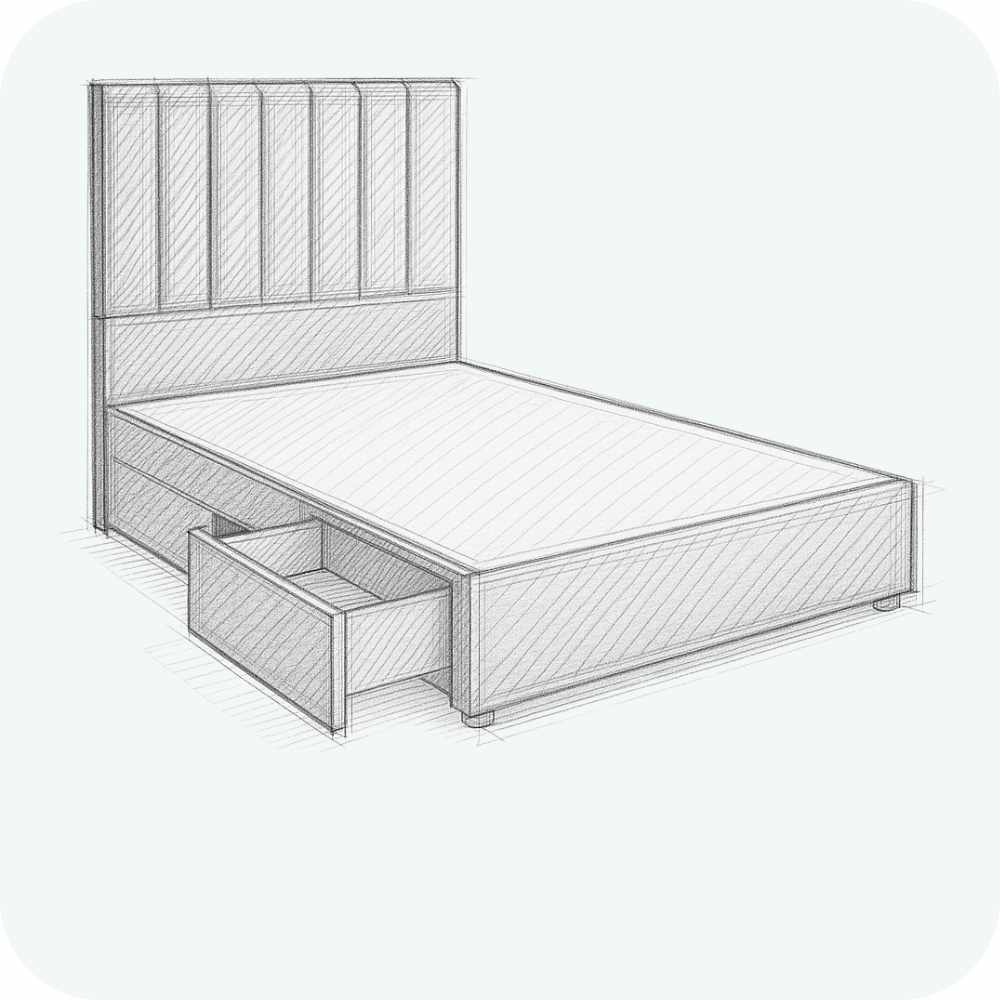
For those who need extra storage, the Divan Base is a practical and elegant choice. This upholstered base includes drawers built into the frame, ideal for storing linens, seasonal items, or personal belongings.
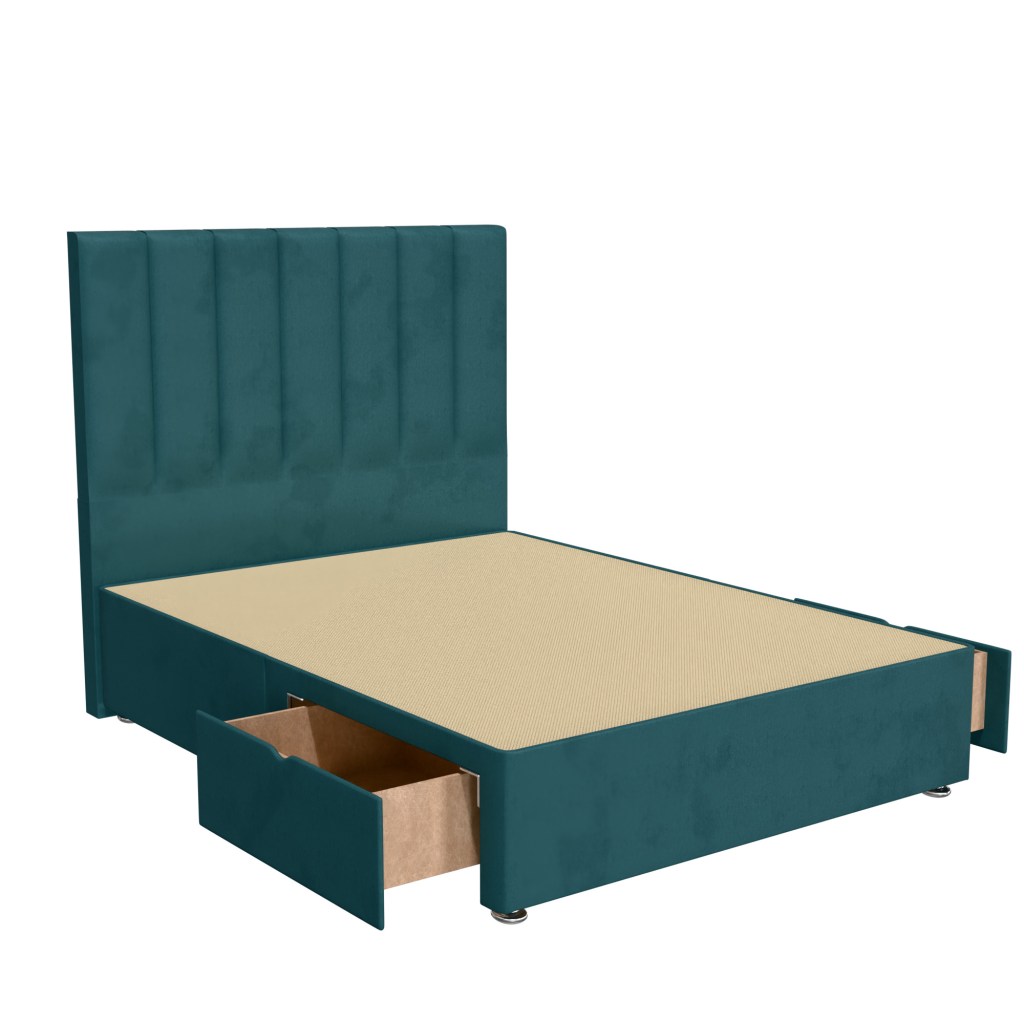
Drawer configurations include:

  • One drawer (typically placed on the right or left side)
  • Two drawers on the right or left side
  • Two drawers at the headboard side (one on each side)
  • Two drawers at the foot of the bed (left and right)
  • Four drawers (two on each side of the bed)

Two drawers are included in the £99 base price, while the four-drawer option comes with an additional cost of £60. This flexibility allows you to customise your bed to suit the shape and size of your room.

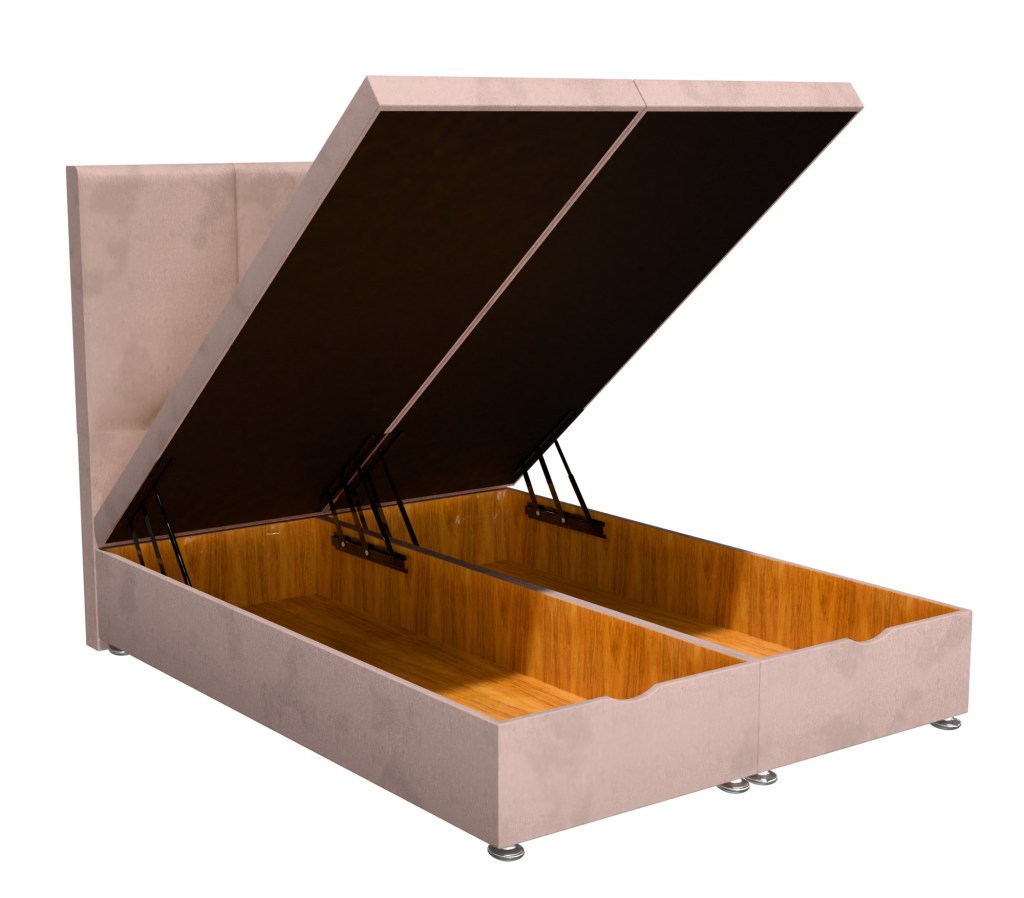
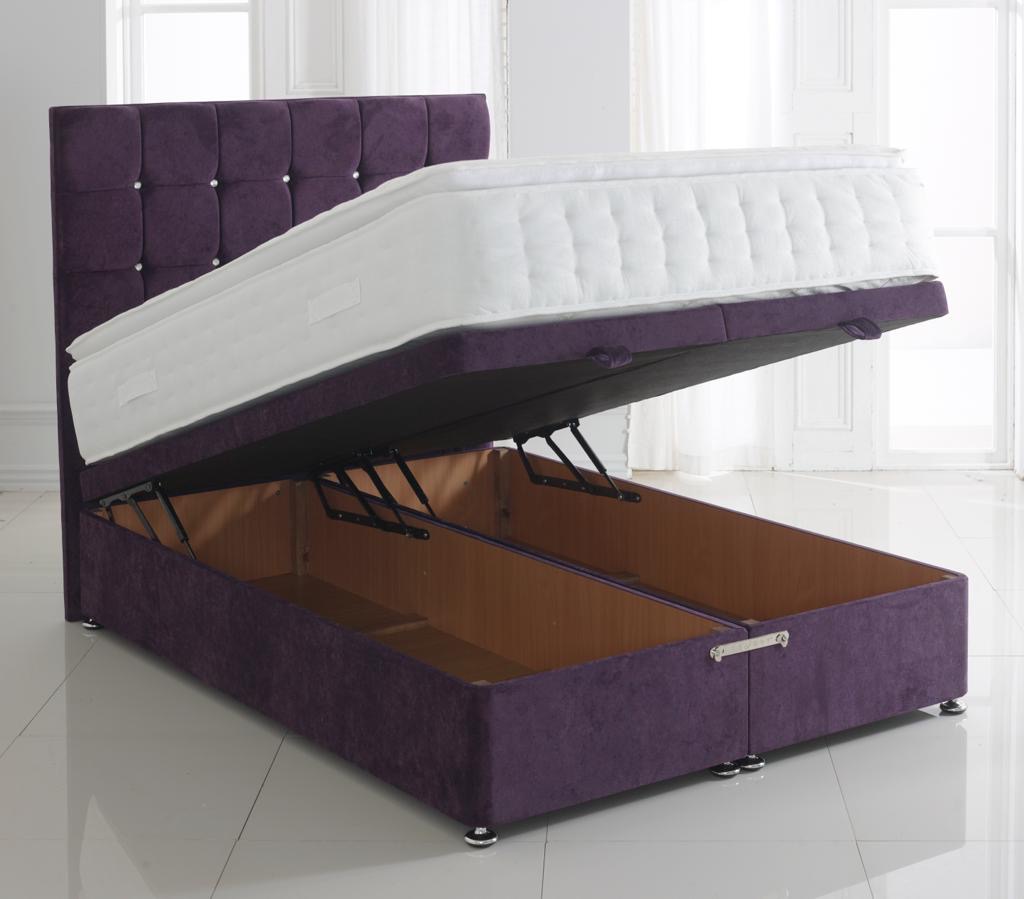
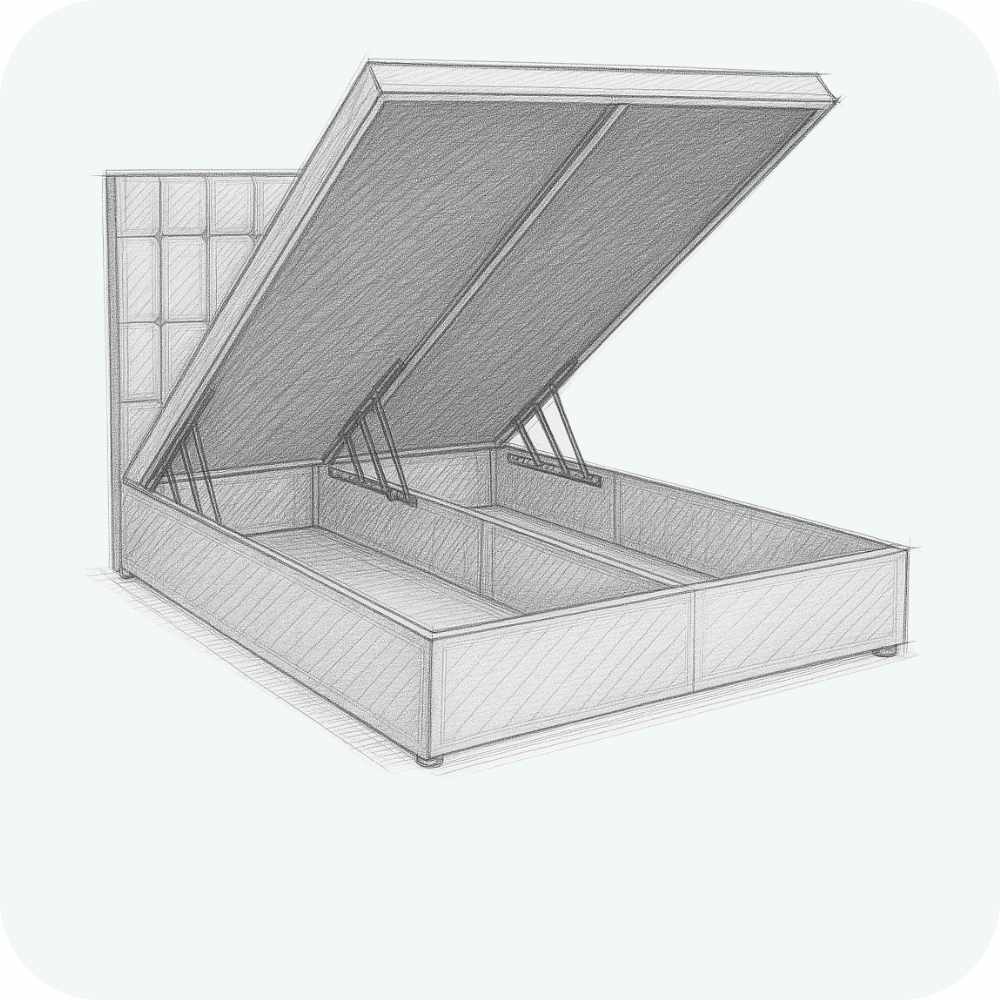
3. Ottoman Base with Cylindrical Lift – £109

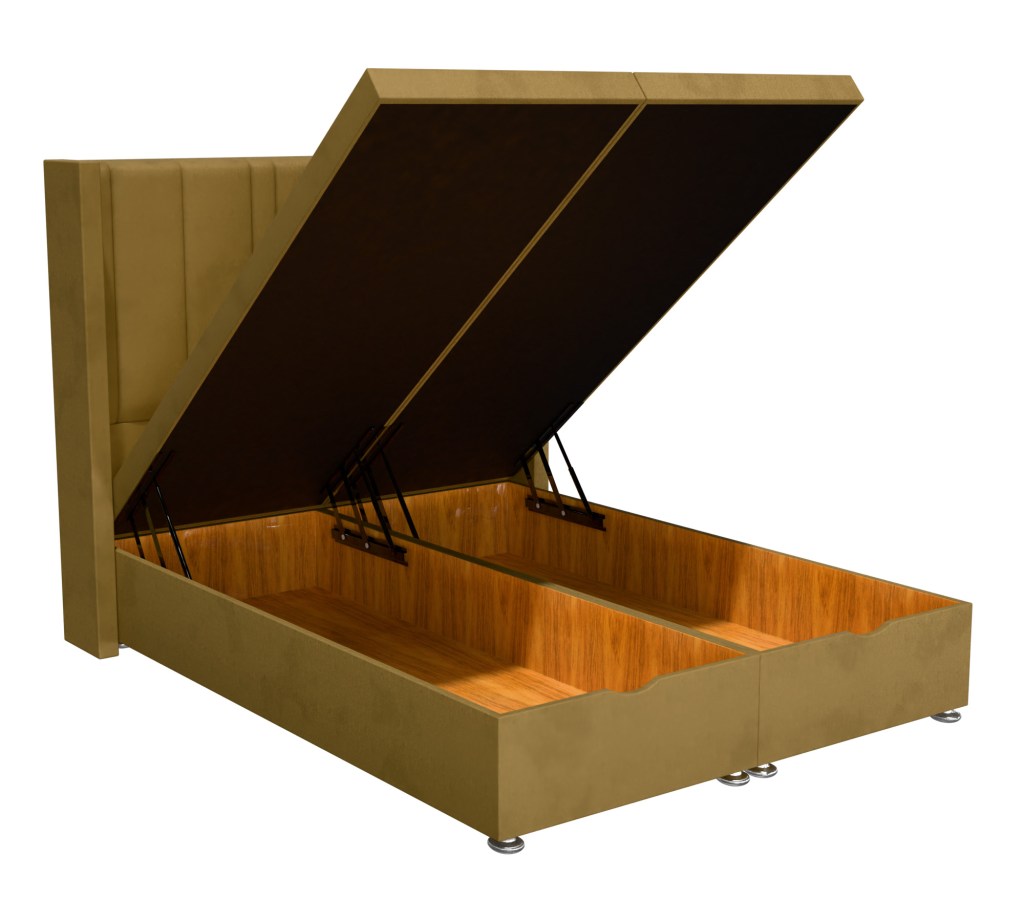
If hidden, spacious storage is what you’re after, the Ottoman Base is the premium solution. Built with full wooden panels on the top, sides, and bottom, this base provides an enclosed space beneath the mattress.
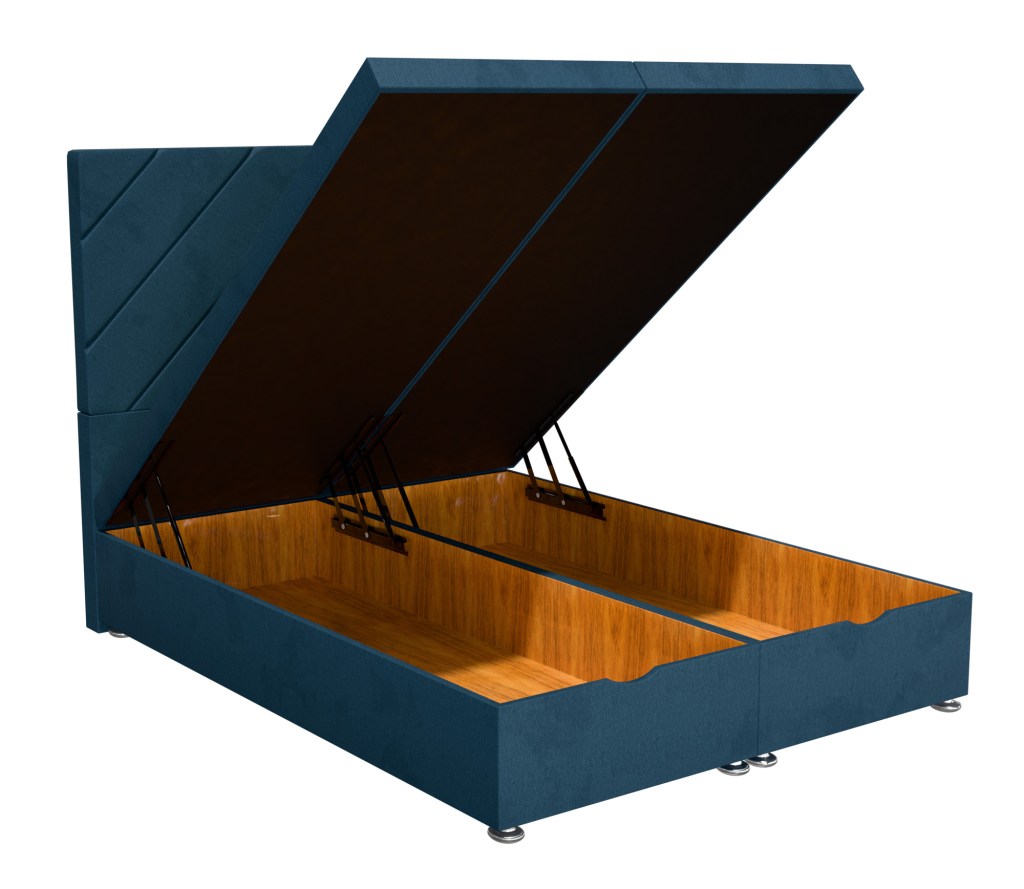
You can choose between:

  • side lift mechanism, which is great for narrow or enclosed rooms
  • bottom lift, suited to larger rooms or symmetrical layouts

The base opens smoothly using a cylindrical push-lift system, making it easy to access storage space beneath the bed with minimal effort.

4. Settler Base (Wooden Grill)

The Settler base is a slatted, open wooden grill structure without any storage. It’s a good choice for those who prefer simplicity, maximum breathability, and a more traditional or rustic bed design.

Step 2: Select Your Headboard

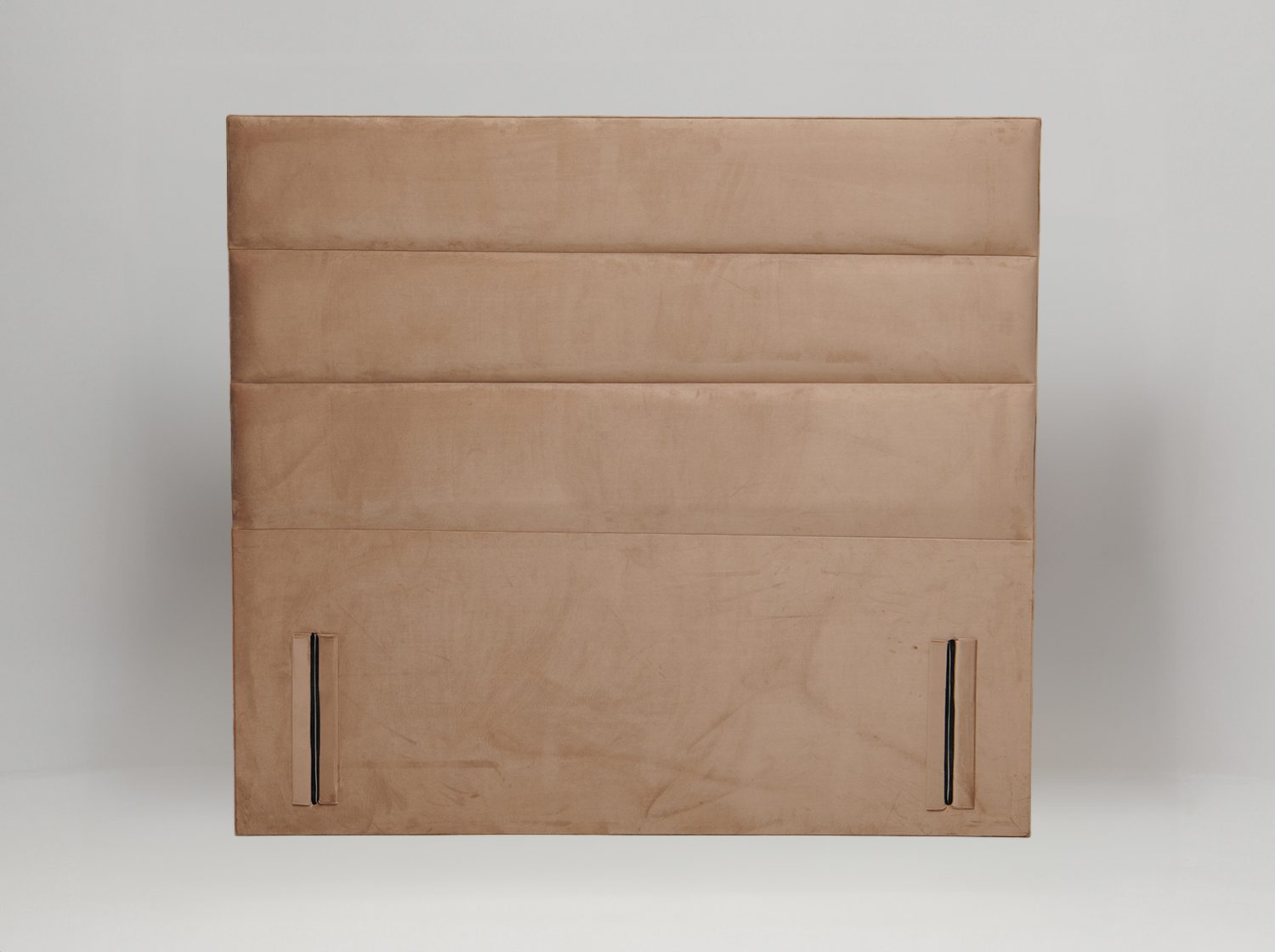
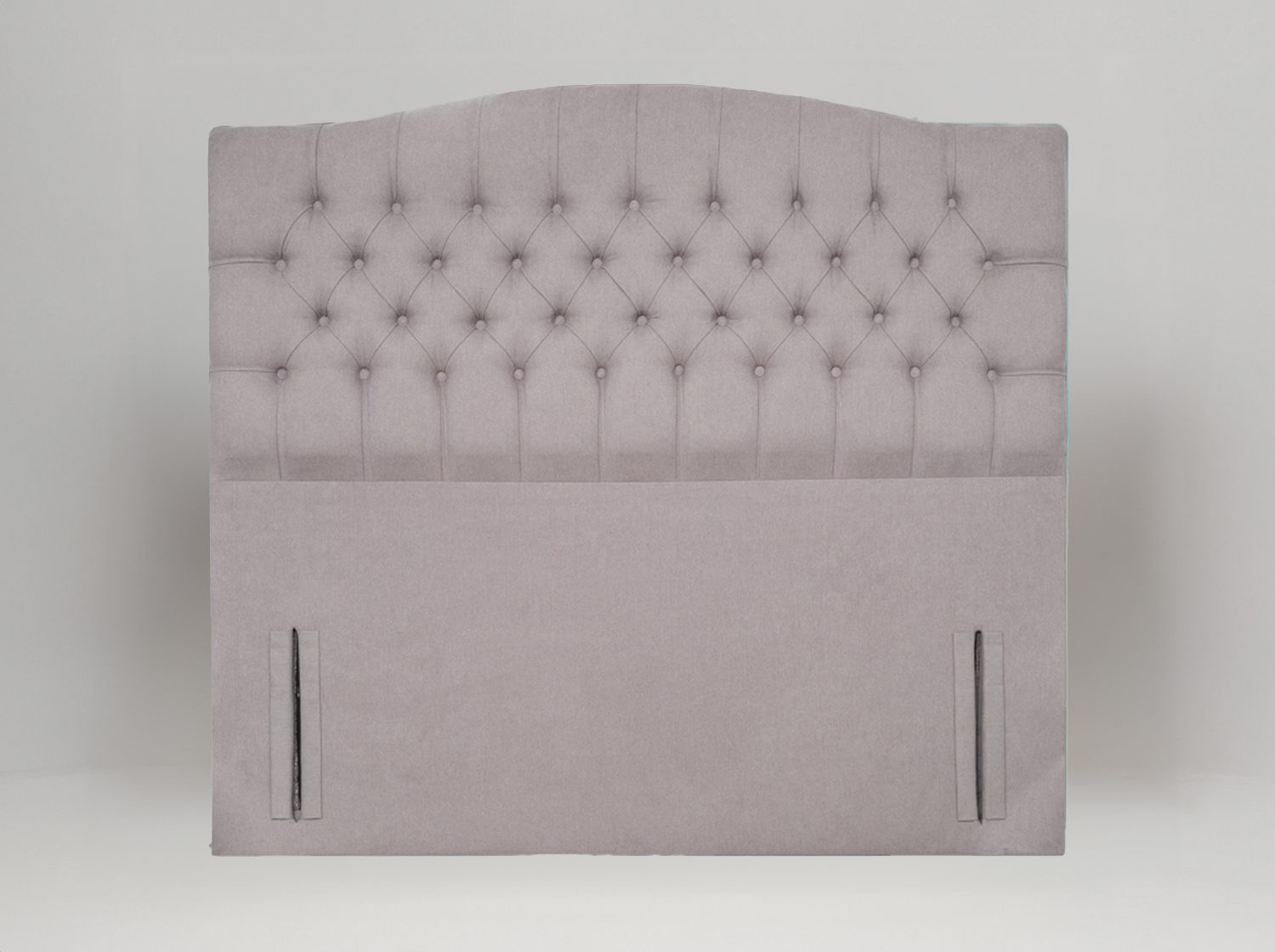
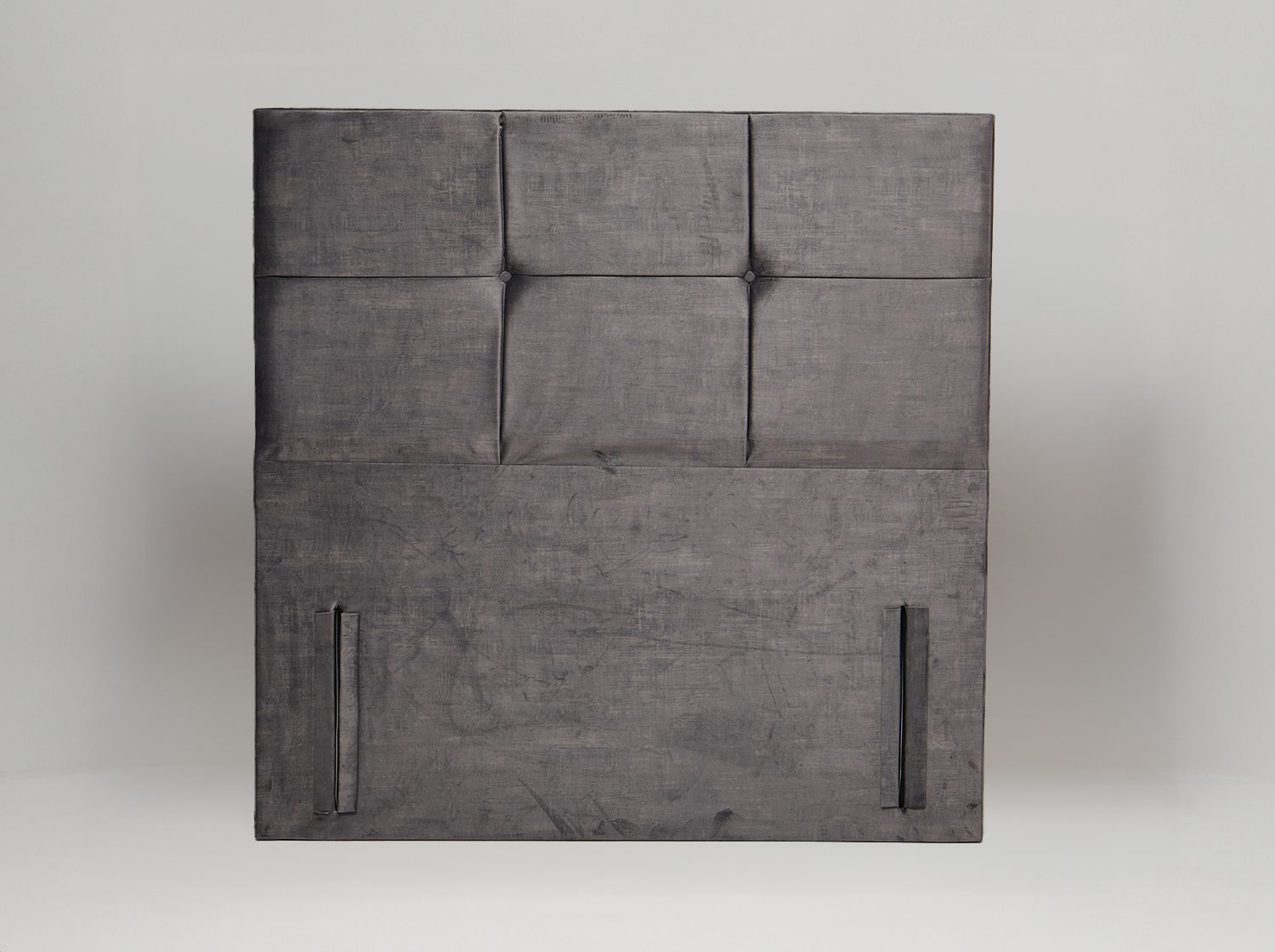
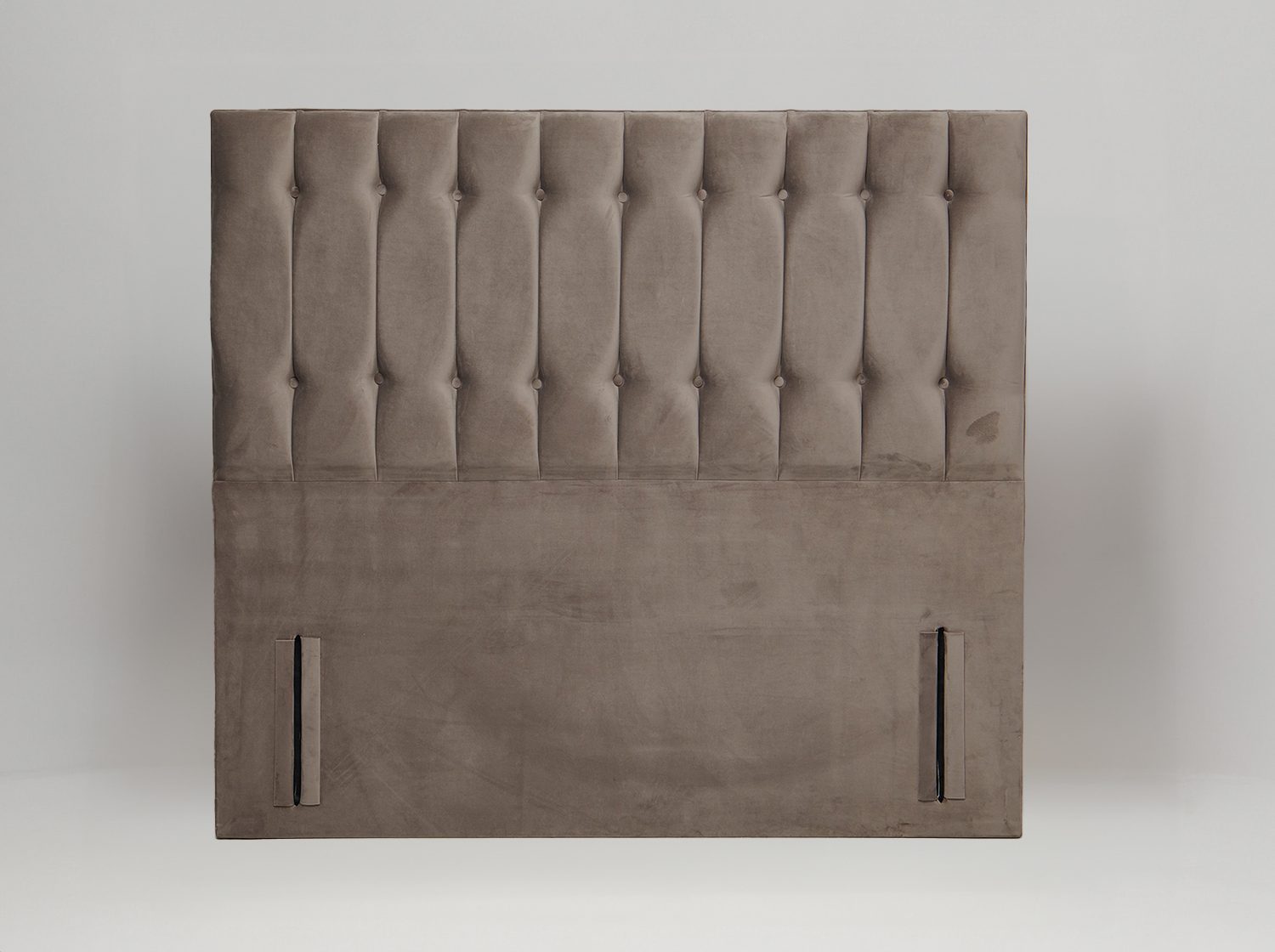
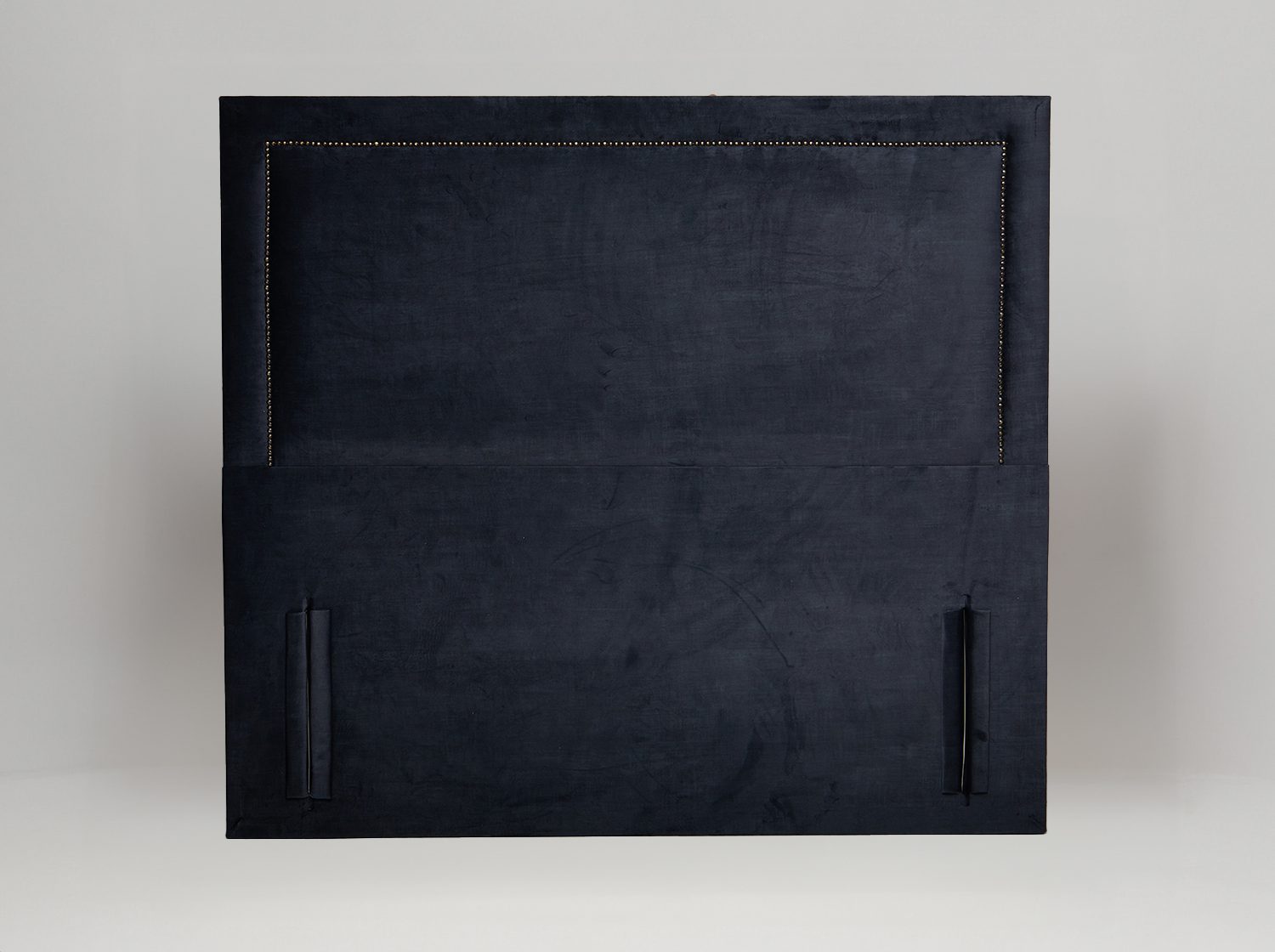
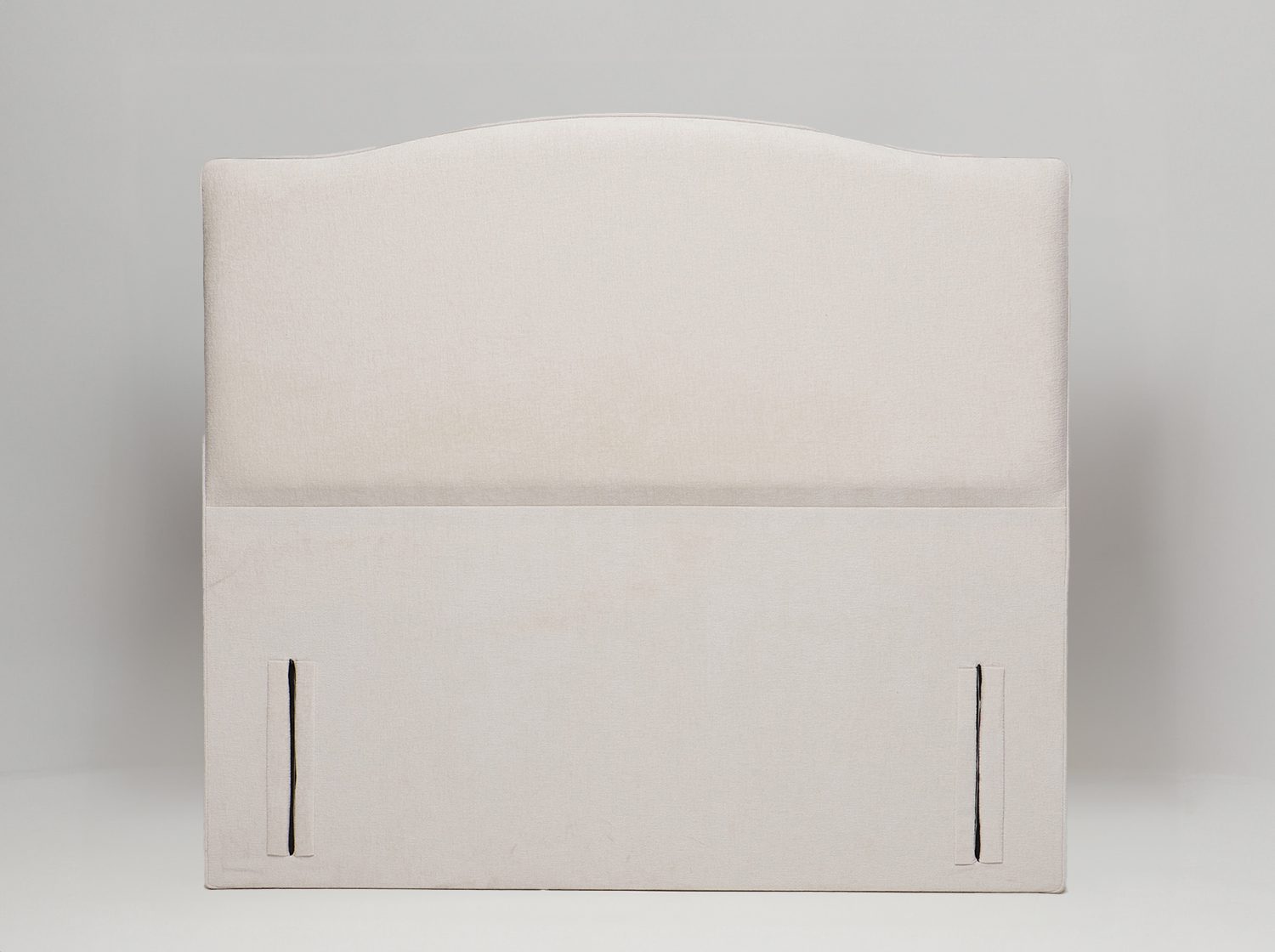
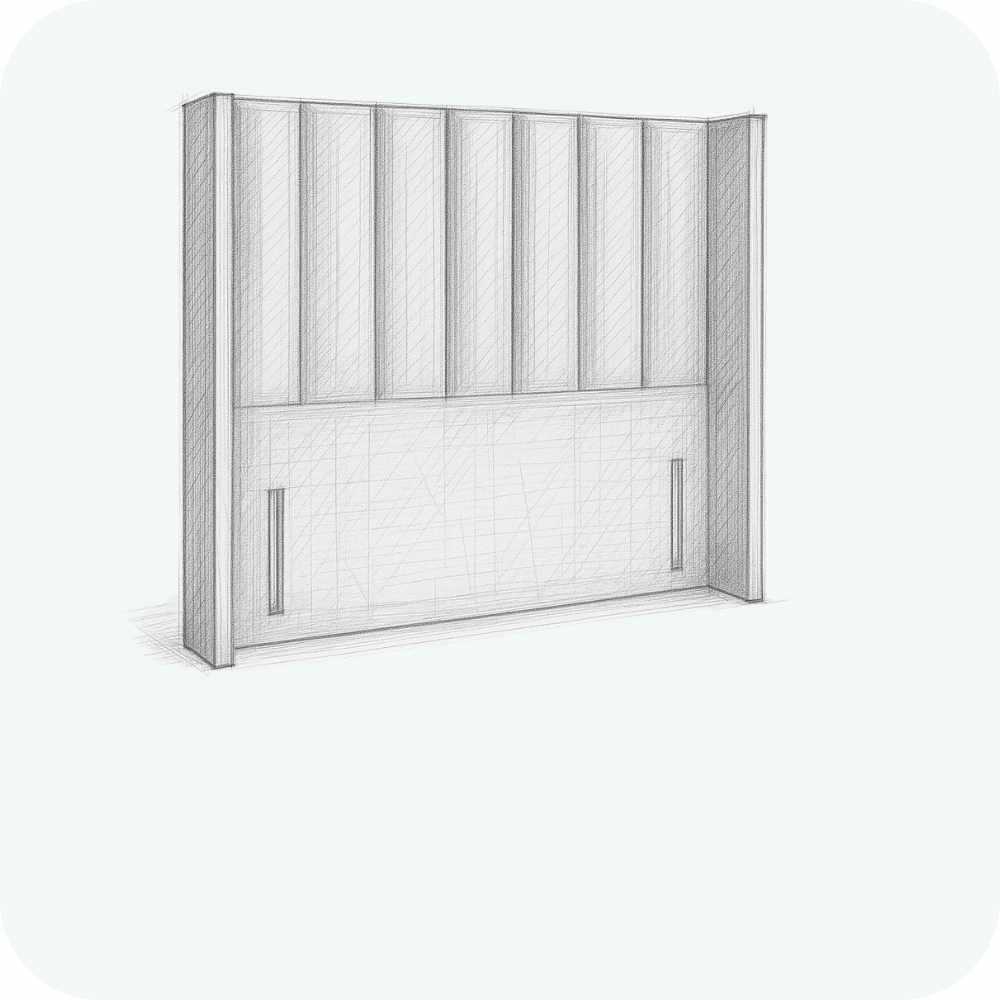
After choosing the base, your next step is selecting from 11 modern headboard styles, each designed with both function and visual appeal in mind. Whether you’re looking for vertical tufting, soft padding, or clean lines, Luxe offers options to complement your room’s interior.
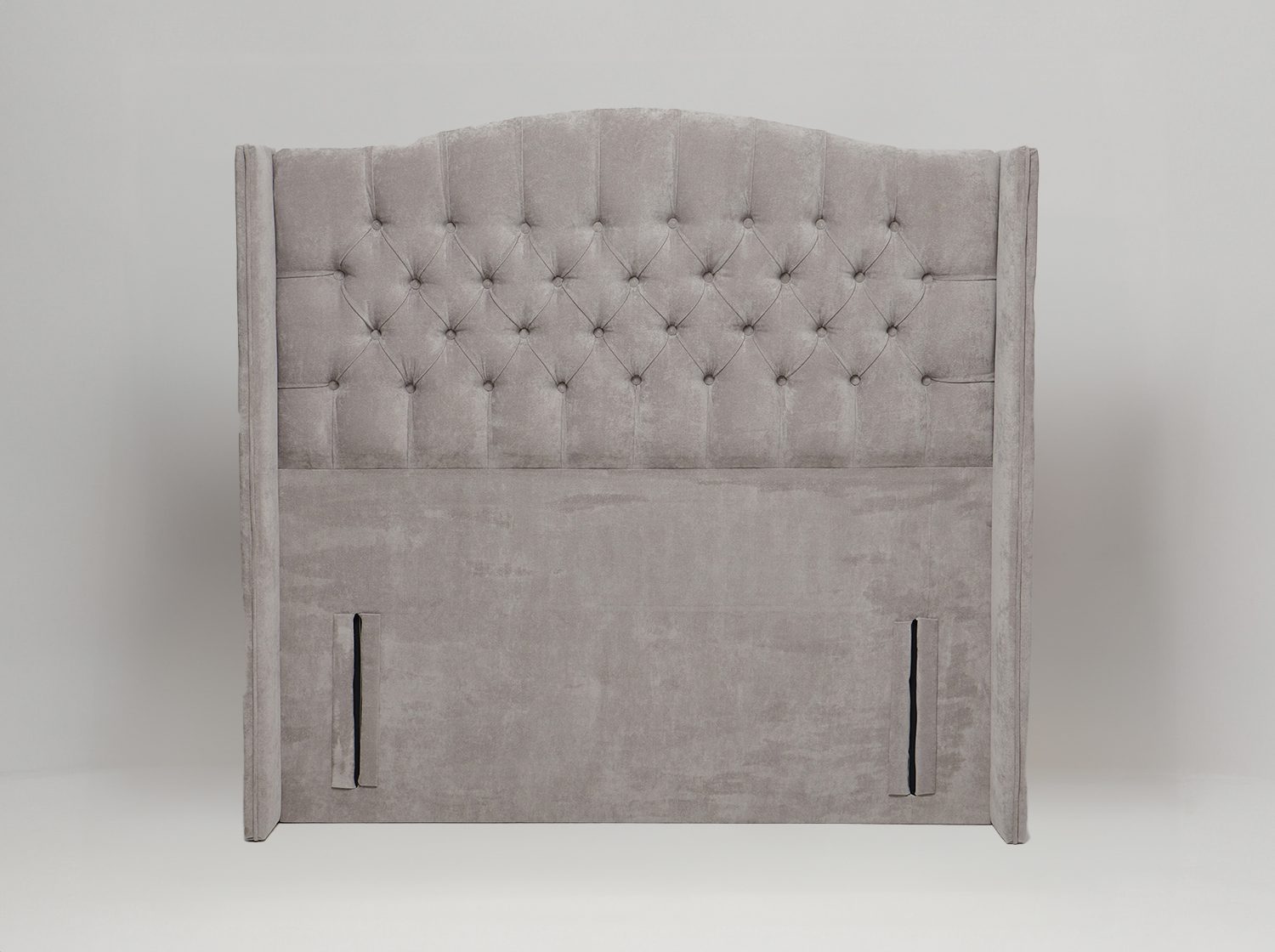
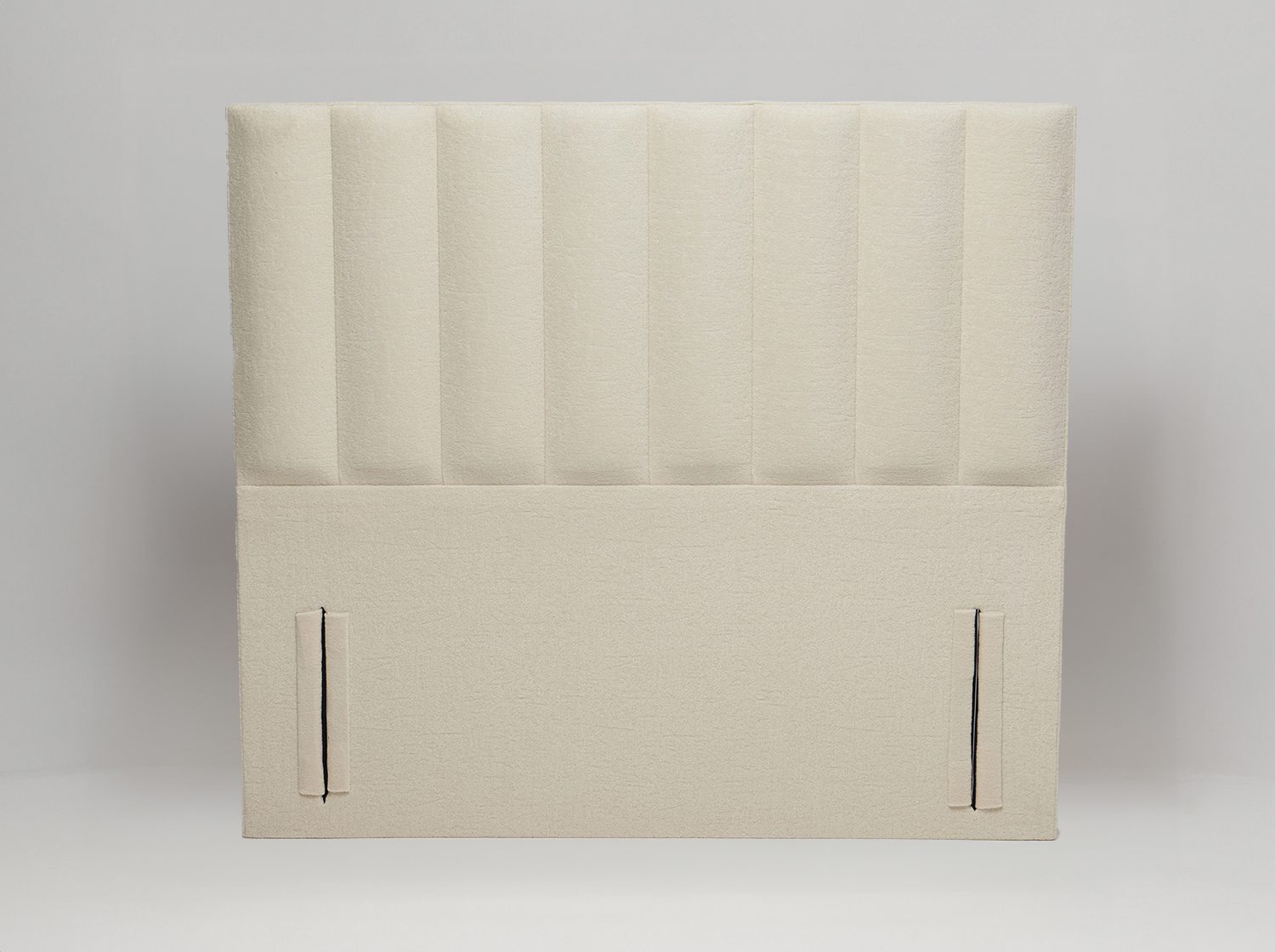
Prices for headboards range from Â£199 to £219 for a single bed, with larger sizes priced accordingly. All headboards are upholstered in your choice of fabric and built to match the frame seamlessly, enhancing both the comfort and overall look of your bed.

Step 3: Choose Fabric Texture and Colour

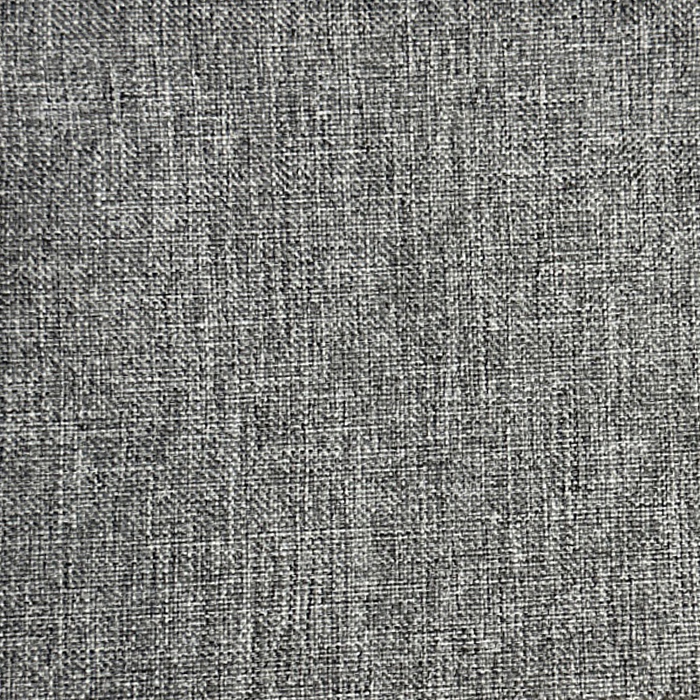
Now comes the most creative part, choosing your fabric and colour. Luxe offers over 30 colours across eight different textures, allowing for endless combinations that suit any bedroom style.

Available textures include:

  • Ascot â€“ A versatile, soft texture that suits classic designs
  • Milan â€“ Smooth and refined with a high-end feel
  • Venice â€“ Plush, luxurious, and bold
  • Naples â€“ Clean and modern, perfect for contemporary themes
  • Wool â€“ Natural warmth with a textured finish
  • Linen â€“ Airy, breathable, and timeless

With such a wide selection, you can tailor your bed to be bold and dramatic or subtle and elegant, whichever best suits your space.

Step 4: Finalise and Add to Cart

Once you’ve chosen your base, headboard, and fabric, you’re ready to complete your customisation. Simply review your selections and add your unique bed to the cart. The Luxe team will then begin handcrafting your custom bed with precision and care.

Why Customise Your Bed with Luxe?

Customising your bed isn’t just about appearance, it’s about creating a sleeping environment that enhances comfort, maximises space, and reflects your lifestyle. With LuxeMattresses.co.uk, you benefit from:

  • UK-made craftsmanship using durable, natural materials
  • Smart, flexible storage options that don’t sacrifice design
  • A wide range of modern headboard styles
  • Over 30 fabrics and 8 textures to personalise your look
  • Seamless integration with Luxe’s natural hybrid mattress range

Whether you’re aiming for simplicity or luxury, the Luxe custom bed system puts full creative control in your hands.

Would you like to include a downloadable spec sheet, sample mood board, or visual guide for each step? Let me know, I’d be happy to create supporting materials for your audience or product team.

Design Your Custom Bed to Reflect Your Style and Perfectly Complement Your Room.

custom bed
July 12, 2025

10 Reasons to Invest in a Custom Bed for Better Sleep

Few investments can have as significant an impact as a bespoke bed when it comes to improving sleep. Compared to regular off-the-shelf mattresses, a custom bed is tailor-made around your body, lifestyle, and preferences, which provides customised comfort, better spinal support, and long-term well-being. So, why choose a custom bed over a ready-made one? Basic: Improved sleep quality equals improved health, productivity, and happiness.

We delve into 10 reasons supported by evidence why you should think about making the switch and why a custom bed may be the solution your sleep has been needing.

1. Tailored to Your Unique Body Shape and Sleep Style

Everyone sleeps differently, some on their side, others on their back or stomach. These differences are carefully considered when designing a custom bed. Rather than forcing your body to conform to a standard surface, a well-made bed adapts to your unique shape and sleep style.

According to the Sleep Foundation, your preferred sleeping position should influence the ideal mattress firmness and support level you choose. For example, side sleepers typically benefit from softer surfaces that cushion shoulders and hips, while back sleepers often need medium-firm support to maintain spinal alignment. Custom sleep setups allow for precise pressure point reliefpersonalised firmness zones, and enhanced body contouring, all of which can significantly reduce pain and improve sleep quality, especially for those with chronic back pain or joint-related conditions.

2. Enhanced Spinal Alignment

Maintaining the correct spinal position is crucial for achieving adequate sleep and a healthy musculoskeletal system in the future. A custom bed also helps keep your spine in a neutral position throughout the night, thereby reducing stress on your muscles and joints.

enhanced spine alignment

Harvard Health research confirms that back pain is often worsened by sleeping surfaces that are either too soft, causing the spine to sag, or too firm, which creates pressure on joints and muscles. The solution lies in a customised bed that strikes the right balance: firm enough to support spinal alignment, yet soft enough to cushion pressure points. This tailored approach is particularly beneficial for those managing chronic lower back pain, as it reduces strain and helps promote more restorative, uninterrupted sleep.

3. Minimise Motion Transfer for Couples

When you sleep with someone, you are aware of how annoying it is when the other person turns and tosses. Custom beds typically feature zoned support and dual firmness, which helps minimise motion transfer between sleep partners.

Instead of settling for a compromise of a middle ground, each partner can decide how firm and supportive they require to be, and restless nights are now a thing of the past. It is beneficial in case one of the parties is a light sleeper or you and your partner have dramatically different body structures or sleeping habits.

4. Ideal for Managing Chronic Pain or Medical Needs

Individuals who have arthritis, sciatica, or sleep disorders such as fibromyalgia usually find it challenging to cope with the regular beds. A custom bed can be constructed to fit sensitive pressure points and meet medical support requirements.

The NHS recommends using ergonomic sleeping surfaces that reduce pressure on joints and support proper body alignment. These surfaces can help improve blood circulation, alleviate pain symptoms, and enhance mobility, especially in individuals with musculoskeletal issues or chronic back conditions. Features commonly found in custom beds include adjustable bases, which allow for head or leg elevation, temperature-regulating materials, and pressure-relieving layers like natural latex or high-specification foam, all tailored to the sleeper’s body and needs.

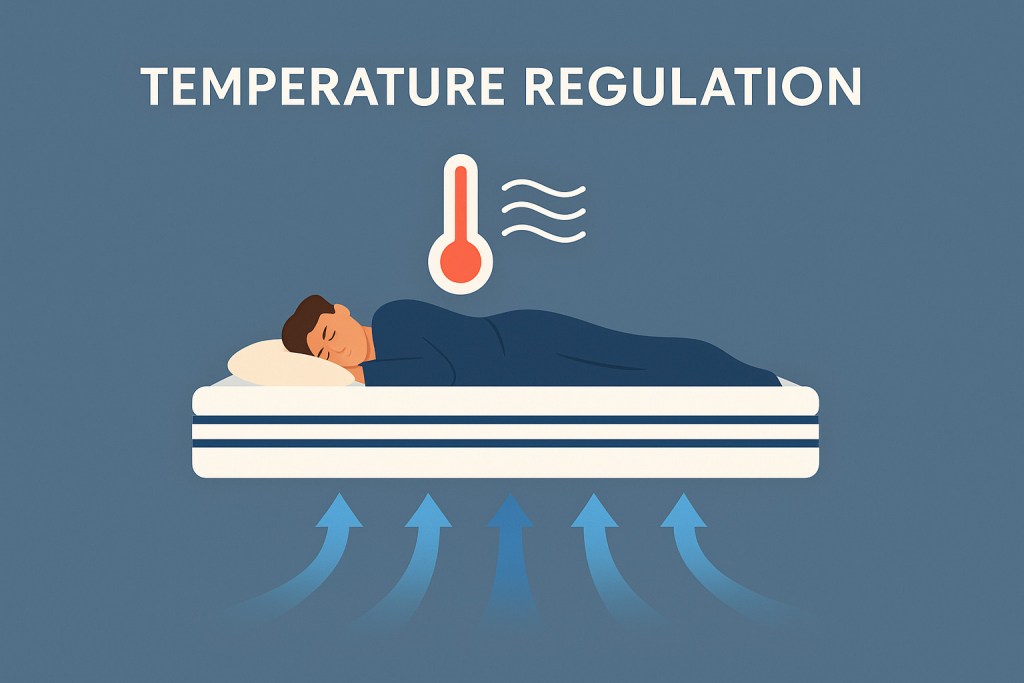
5. Temperature Regulation for Better Sleep Quality

When you sleep in conditions that are either too hot or too cold, your sleep quality can suffer significantly. A bespoke bed can incorporate advanced materials such as gel-infused memory foam or moisture-wicking fabrics to help regulate temperature and promote optimal airflow throughout the night.

temperature regulation in mattress

This is crucial because a study by the National Institutes of Health (NIH) found that maintaining a comfortable sleep temperature, typically between 18°C and 20°C—helps individuals fall asleep more quickly and experience deeper, more restorative REM sleep. Your sleep setup can be further personalised to respond to your body temperaturelocal climate, or even hormonal shifts such as menopause or night sweats, making high-quality, uninterrupted rest more achievable.

6. Durability and Quality of Materials Long-Term

Beds in the mass market tend to skimp on materials to cut costs. Custom beds are created to order with high-quality, durable materials, be it natural latex, high-density foams, organic cotton, or reinforced edge coils.

Since you will select the construction, your bed will not only work better but also will last longer. Most custom beds are sold with extended warranties, assuring their artistry.

See also: Analyse the Luxe Mattresses Materials and Craftsmanship

7. Greater Long-term Value

The initial price of a custom bed may be higher, but its durability and functionality are likely to be better in the long term. You will have fewer chances to replace it earlier or to add expensive mattress toppers, pain medications, or sleeping aids.

A 2022 consumer survey by Which? revealed that higher-end mattresses, particularly bespoke models, tend to last several years longer than budget alternatives. These premium options also achieved significantly higher owner satisfaction ratings across key categories, including comfort, durability, and overall support. The findings reinforce the value of investing in a well-crafted sleep surface, especially for individuals with specific health or mobility needs.

8. Custom Aesthetic and Size Options

In addition to comfort, a tailor-made bed can fit your style and room needs. Customization also means you can have an extra-long frame, built-in storage, a specific fabric, and a finish that matches your decor without having to compromise.

You can have the bed to match the rest of your bedroom – you can choose the color, style of headboard, type of base, and even the height. This is especially useful in non-standard bedroom designs or for those who want to achieve a luxury design finish.

Design Your Bed with Luxe Mattresses

9. Sustainability and Ethical Manufacturing

Most bed custom makers, such as Luxe Mattresses, utilize sustainable materials, employ ethical labor practices, and utilize green packaging. You can select organic fabrics, recycled steel springs, or vegan-friendly construction options when choosing a customised bed.

This mindful strategy not only benefits your health and comfort but also supports the planet. It aligns with the growing shift toward eco-conscious consumerism, especially in the home and lifestyle space. According to McKinsey’s 2024 Sustainable Consumer Report, over 60% of UK consumers now consider a product’s environmental impact before making significant purchases. Choosing a sustainable, bespoke bed, made with natural materials and responsible production practices, meets both personal and ethical standards.

10. A Bespoke Experience From Start to Finish

The experience is the least appreciated advantage of a custom-made bed. The process is empowering, featuring consultations, sleep assessments, home trials, and white-glove delivery. You are not purchasing a product; you are creating a remedy for your health.

At Luxe Mattresses, we help customers make informed choices based on their sleep patterns, body type, health history, and lifestyle. The resultant outcome? A sleep system that supports you in life- not only your back.

Final Thoughts: Why Choose a Custom Bed?

In conclusion, buying a custom bed is not a luxury; it is a choice based on comfort, health, and value. Do you have pain or sleep disturbance, or do you want to elevate your lifestyle? A customized solution to sleep will provide quantifiable results that can never be achieved with off-the-shelf beds.

A good night’s sleep is an investment in your night quality and, by extension, a day.

FAQs: 

How much does a custom bed cost in the UK?

They usually cost between £ 800 and £ 3,000+ pounds, depending on size, materials, and features. Although custom beds are more expensive compared to mass-produced ones, they have a longer lifespan and are generally more comfortable.

Do custom beds help back pain?

Of course, people with back problems are usually advised to use custom beds. They offer personalised support and pressure relief, which helps alleviate spinal pressure and pain while sleeping.

Do couples have the option of having different firmnesses on the same bed?

Absolutely. Most custom beds feature a dual-firmness option, allowing each partner to adjust their bed to the desired comfort level without affecting the other.

mattress for elderly people
July 12, 2025

The Complete Guide to Beds for Elderly People: Choosing the Right Support for Aging Bodies

As we age, the importance of sleep quality becomes more pronounced, not just for energy, but for maintaining physical independence and reducing the risk of chronic pain or injury. For many older adults, the wrong bed can mean discomfort, poor sleep, or even health issues like joint strain and pressure sores.

This guide covers everything you need to know about choosing beds for elderly people, including mattress types, ideal bed height, mobility-friendly features, and evidence-based health considerations. It also includes product insights from LuxeMattresses.co.uk, whose best mattress for elderly selections feature high-quality, natural hybrid sleep systems specially designed to support older adults.

Why Choosing the Right Bed Matters

According to the Sleep Foundation, older adults experience more fragmented sleep, lighter sleep stages, and greater difficulty staying asleep. This means the surface they sleep on plays a major role in rest and recovery.

Medical studies also highlight that older people are more prone to skin breakdown and musculoskeletal pain due to reduced mobility and aging tissue. Choosing a well-designed bed can:

  • Reduce back and joint pain
  • Lower the risk of pressure sores
  • Make getting in and out of bed safer and easier
  • Improve circulation and breathing through supportive positioning

Best Mattress Types for the Elderly

Not all mattresses are created equal, especially when it comes to meeting the specific needs of older adults. While soft foams may seem comfortable at first, they can lack the long-term support and pressure relief needed.

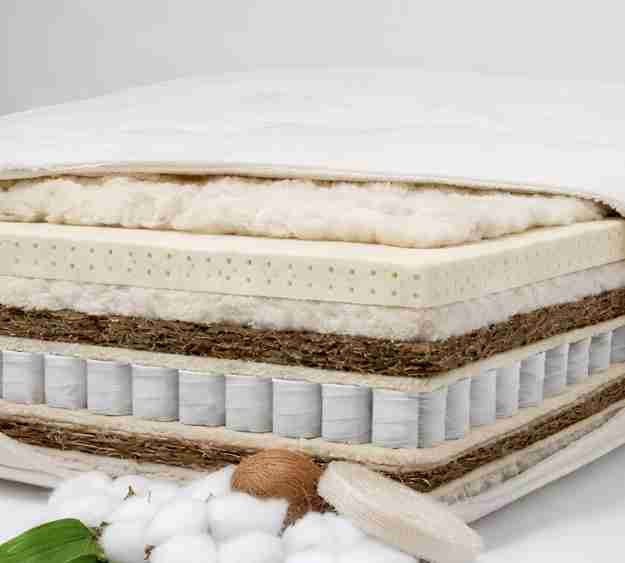
A strong option for UK shoppers is a natural latex hybrid mattress, like those found in LuxeMattresses.co.uk’s Natural Collection. These models feature a thoughtful combination of:

  • GOLS-certified organic latex for responsive, breathable support
  • Individually pocketed springs to isolate motion and improve spinal alignment
  • Natural wool and cotton covers, offering temperature regulation and hypoallergenic properties

This type of construction maintains resilience and body support far better than low-density foam alternatives, which are shown in NICE guidelines to increase pressure ulcer risk in immobile adults.

Why they work for elderly people:

  • Conform to the body without “sinking”
  • Distribute pressure evenly across joints and muscles
  • Support circulation and natural sleep posture
  • Durable materials ensure performance over time

Optimal Bed Height for Seniors

One of the most overlooked, but crucial, considerations is bed height. For elderly individuals, the surface should be at or just below knee height when standing. The goal is to allow the person to sit down and rise without strain or instability.

The recommended range is typically 50–60 cm (20–23 inches) from floor to mattress top. If a mattress is too high, stepping up becomes unsafe. If it’s too low, standing up requires excess effort and may strain the knees or hips.

When selecting beds for elderly people, look for adjustable or low-profile bed frames that work with standard-height mattresses to maintain a comfortable sitting level.

Adjustable Bed Bases: Increased Safety and Comfort

For seniors with arthritis, circulation issues, or limited mobility, adjustable bed bases offer considerable benefits. These beds allow users to elevate the head or feet, raise or lower the height, and adjust positioning at the touch of a button.

Benefits include:

  • Improved breathing for people with sleep apnea or COPD
  • Enhanced blood flow, especially for those with edema
  • Reduced acid reflux when sleeping with the upper body elevated
  • Easier transfer into and out of bed, especially for those with walkers or carers

Though not always available through the NHS, adjustable beds are a practical investment for aging in place. They pair well with natural latex hybrid mattresses that flex and conform without sagging.

Pressure Relief and Skin Health

As people age, their skin becomes thinner and more vulnerable to pressure damage. Limited movement during the night can increase the risk of pressure ulcers, especially at the shoulders, lower back, and hips.

According to a systematic review published in BMJ Open, high-specification foam and hybrid surfaces significantly reduce the development of pressure injuries in elderly populations.

Beds with the following features provide essential protection:

  • Zoned support to relieve pressure at critical points
  • Airflow-enabled materials to prevent overheating and sweating
  • Firm edges for safer sit-to-stand movement

Mattresses like Luxe’s natural latex hybrids offer exactly these benefits. The natural latex adapts to the body’s curves while maintaining firm support, and wool-cotton covers promote breathability for temperature-sensitive skin.

Bed Safety and Mobility Aids

Even the most supportive mattress can’t prevent falls if the overall bed setup isn’t senior-friendly. When choosing beds for elderly people, look beyond just comfort, consider ease of movement and accessibility.

Look for options that allow:

  • Secure grip rails or compatibility with over-bed support poles
  • Stable edge support, so sitting on the edge feels firm, not unstable
  • Non-slip flooring or carpet runners next to the bed
  • Optional low-height or floor-level bases for those at risk of rolling off

Combining ergonomic design with the right support tools can significantly extend independence for older adults living at home.

Final Thoughts

Choosing a bed for an elderly loved one or yourself, is about more than comfort. It’s about preserving independence, preventing injury, and enhancing health through high-quality rest. The right bed setup considers not only the mattress, but height, pressure relief, and adaptability to changing physical needs.

Natural latex hybrid mattresses, like those found at LuxeMattresses.co.uk, offer UK-based shoppers a balance of comfort, support, and health-conscious design. They’re crafted with sustainability in mind and tailored for long-term performance, making them a smart investment for older adults.

Whether you’re a caregiver, adult child, or senior shopping for yourself, don’t underestimate how life-changing the right bed setup can be.

July 12, 2025

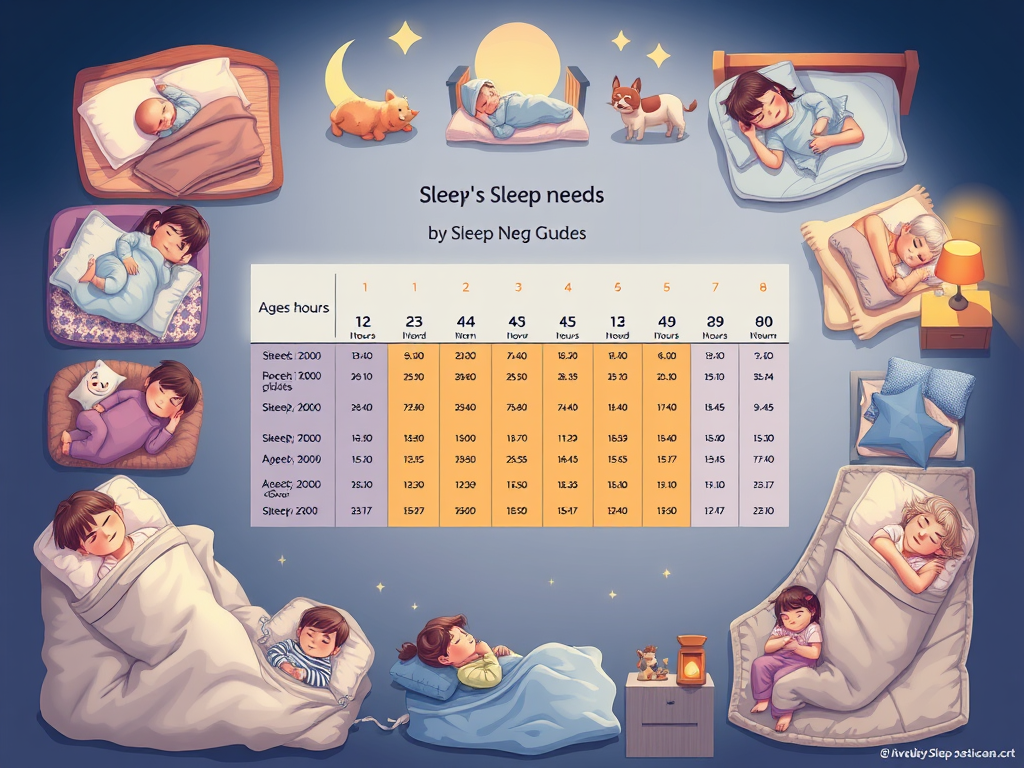
Sleep Chart by Age: How Much Sleep You Really Need

Sleep is not merely a time of rest; it’s a critical period during which your body and mind undergo essential repair, processing, and renewal. Every age group has different biological demands, which is why sleep needs vary across a lifetime. Understanding these differences can help you better manage health, performance, and emotional balance.

Why Sleep Duration Changes with Age

Newborns require hours of uninterrupted sleep to support rapid brain development. As we age, our need for sleep decreases, but the quality and regularity of sleep become increasingly important. Adolescents experience hormonal shifts, adults face lifestyle and stress-related interruptions, and seniors often see changes in sleep cycles and depth of sleep.

Dr. Matthew Walker, a sleep scientist and author of Why We Sleep, says: “Sleep is the single most effective thing we can do to reset our brain and body health each day.”

Age GroupRecommended Sleep Duration
Newborns (0–3 months)14–17 hours
Infants (4–11 months)12–15 hours
Toddlers (1–2 years)11–14 hours
Preschoolers (3–5 years)10–13 hours
School-age (6–13 years)9–11 hours
Teenagers (14–17 years)8–10 hours
Young Adults (18–25 years)7–9 hours
Adults (26–64 years)7–9 hours
Seniors (65+ years)7–8 hours

Consequences of Sleep Deprivation

When you consistently get less sleep than recommended, your body and mind experience measurable declines. Sleep is when your brain consolidates memories, your body repairs cells, and hormones are regulated. Sleep deprivation disrupts all of these functions.

Short-term Side Effects

  • Impaired concentration and decision-making
  • Reduced physical performance and coordination
  • Increased irritability and mood swings
  • Heightened risk of accidents and errors

Long-term Health Risks

  • Higher risk of heart disease and hypertension
  • Obesity due to disruption in hunger hormones
  • Type 2 diabetes and insulin resistance
  • Cognitive decline and memory issues
  • Weakened immune system

Why Babies Need So Much Sleep

Newborns and infants grow rapidly, both physically and neurologically. Sleep enables the brain to build neural connections that will support language, motor skills, and memory. During deep sleep, growth hormone is released, supporting tissue development and immune function.

Sleep in Children and Teens

Children and teens require more sleep to fuel learning, emotional regulation, and bodily growth. Lack of sleep in children can result in behavioral issues, poor academic performance, and weakened immunity.

Teenagers experience a natural delay in their sleep-wake cycle, often making it hard to fall asleep before 11 p.m. Early school start times conflict with this rhythm, contributing to chronic sleep deprivation among adolescents.

Sleep in Adults

Most adults need 7–9 hours to maintain cognitive sharpness, emotional stability, and physical health. Many adults compromise sleep due to stress, work, and digital distractions. Over time, this results in burnout, reduced productivity, and chronic health conditions.

Sleep in Seniors

Although sleep needs slightly decrease with age, older adults often report poor sleep quality. Factors include reduced melatonin production, chronic pain, and medical conditions. Poor sleep in seniors has been linked to falls, memory decline, and depression.

Tools and Resources

To manage your sleep quality and quantity, it helps to track patterns using digital tools. The Sleep Lab by Luxe Mattresses offers Sleep calculators, tips, and sleep science to help improve nightly rest for all age groups.

Improving Sleep at Any Age

  • Maintain a regular bedtime and wake-up schedule—even on weekends
  • Avoid screens 60 minutes before bed to reduce blue light exposure
  • Keep your room cool, dark, and quiet for optimal rest
  • Exercise daily, but not too close to bedtime
  • Avoid caffeine and heavy meals in the evening

Conclusion

Sleep is a pillar of health. The right amount varies with age, but the consequences of too little are universal: poor health, low energy, and reduced performance. By understanding and respecting your body’s sleep requirements, you can unlock more focus, resilience, and vitality at every stage of life.

Further Reading: The Silent Killer: How Untreated Sleep Apnoea Increases Risk of Sudden Death

Sleep apnoea uk
July 12, 2025

How the NHS Diagnoses and Treats Sleep Apnoea: What Patients Should Know

If you’ve been waking up tired, struggling to focus, or your partner keeps nudging you because of loud snoring, it might not just be “poor sleep.” You could be suffering from sleep apnoea, a serious but treatable sleep disorder that affects breathing during the night.

The good news? The NHS has a clear process for identifying and treating sleep apnoea. In this post, we’ll walk you through everything UK patients need to know, from symptoms and diagnosis to the free treatment options available through the NHS.

Let’s dive in.

 What Is Sleep Apnoea?

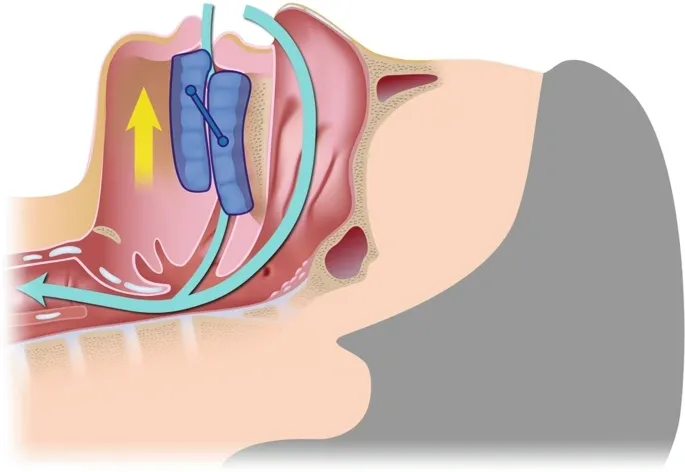
Sleep apnoea (also spelled sleep apnea) is a condition where your breathing repeatedly stops and starts during sleep. The most common type is obstructive sleep apnoea (OSA), where the throat muscles relax too much, blocking the airway.

It may sound minor, but OSA can have major consequences if left untreated, including high blood pressure, stroke, heart disease, and even type 2 diabetes. many people don’t even realise they have it. They just know they feel exhausted all the time.

Common Signs and Symptoms

Not sure if what you’re experiencing could be sleep apnoea? Here are some classic symptoms to look out for:

  • Loud, persistent snoring
  • Gasping, choking, or pauses in breathing during sleep
  • Morning headaches or sore throat
  • Feeling excessively sleepy during the day
  • Trouble concentrating or remembering things
  • Mood swings or irritability

Often, it’s a partner who notices the warning signs first. If any of these sound familiar, it’s worth booking an appointment with your GP to explore further.

Step 1: Visit Your NHS GP

Your first stop on the NHS pathway is a chat with your General Practitioner (GP).

At this appointment, your GP will:

  • Ask about your sleep patterns and daily energy levels
  • Review your medical history and lifestyle
  • Possibly use the Epworth Sleepiness Scale to gauge daytime sleepiness
  • Refer you to a specialist sleep clinic if sleep apnoea is suspected

Referrals are quick and straightforward. Some GPs may also recommend initial lifestyle adjustments while you wait for your sleep study.

Step 2: Sleep Study and Diagnosis

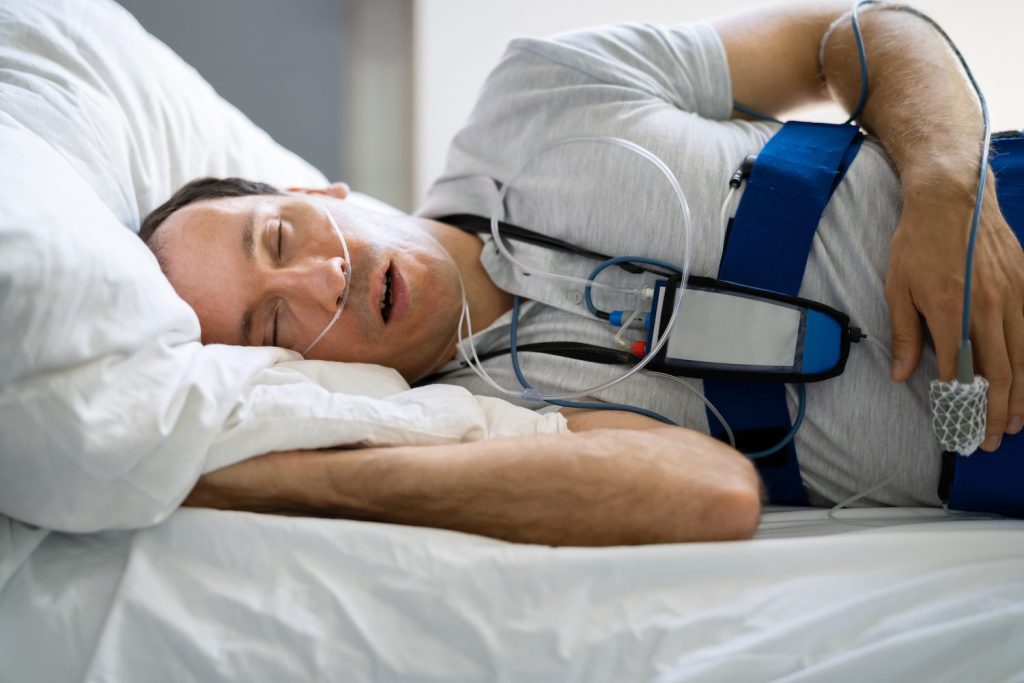
Once referred, you’ll usually be given a home sleep test kit, a simple, non-invasive way to monitor your sleep from the comfort of your own bed.

What does the test involve?

  • A small monitor worn overnight
  • A nasal cannula or mask to track airflow
  • A pulse oximeter (clips to your finger) to monitor oxygen
  • Possibly a belt across your chest to track breathing effort

You’ll return the equipment the next day, and the data will be analysed by NHS sleep specialists. In more complex cases, an in-clinic sleep study (known as polysomnography) may be arranged instead.

Step 3: Understanding Your Results

Based on your sleep data, the sleep specialist will calculate something called the Apnoea-Hypopnoea Index (AHI), the number of times you stop or restrict breathing per hour.

Here’s how they categorise it:

AHI ScoreDiagnosis
5–14Mild Sleep Apnoea
15–30Moderate Sleep Apnoea
30+Severe Sleep Apnoea

Even mild OSA can interfere with your health and daily life, so you’ll likely be offered some form of treatment regardless of the severity.

 Step 4: NHS Sleep Apnoea Treatment Options

Once you’re diagnosed, your NHS sleep clinic will discuss next steps based on the severity of your condition.

CPAP Therapy (Continuous Positive Airway Pressure)

This is the gold standard treatment for sleep apnoea.

CPAP machine delivers gentle air pressure through a mask to keep your airway open overnight.

Best of all? The NHS provides CPAP machines free of charge in most UK areas, along with:

  • Mask fittings
  • Tubing and filters
  • Follow-up appointments and adjustments

If you stick with it (and most people do after the first few weeks), CPAP can dramatically improve your sleep and health.

Lifestyle Adjustments

Alongside any device-based treatment, your doctor will likely recommend some lifestyle changes, especially if your apnoea is mild or linked to excess weight.

Helpful tips include:

  • Losing weight (even a small amount can help)
  • Avoiding alcohol or sedatives at night
  • Sleeping on your side, not your back
  • Quitting smoking
  • Keeping your nasal passages clear

These changes alone can significantly reduce symptoms for many people.

Dental Devices (MADs)

If CPAP isn’t right for you, or if your case is mild to moderate, you may be offered a Mandibular Advancement Device (MAD).

These custom-made dental devices gently move your lower jaw forward to help keep your airway open during sleep.

They aren’t always available through the NHS, but some Trusts do offer them. Alternatively, you can purchase one privately (expect to pay £200–£800).

Surgical Options (Rare)

In certain rare cases, typically where there are physical obstructions like large tonsils or nasal blockages surgery may be considered.

You’ll need a referral to an ENT (Ear, Nose, and Throat) specialist or oral/maxillofacial team. Surgery is usually only offered if other treatments fail or aren’t suitable.

Does NHS Treatment Cost Anything?

No! If you’re going through the NHS system:

  • Sleep studies are free
  • CPAP therapy and supplies are provided at no cost
  • Follow-up care and replacements are handled through your local sleep clinic

This makes the sleep apnea NHS pathway one of the most accessible and effective systems in the world for treating sleep disorders.

How Long Does It Take?

Every NHS Trust operates slightly differently, but here’s a general idea of the timeline:

  • Referral to sleep clinic: 4–12 weeks (depending on location)
  • Testing and results: 2–3 weeks
  • Treatment (CPAP or other): Usually starts shortly after diagnosis

Waiting times are improving, and you can also choose to go private for faster diagnosis if desired.

 Private vs NHS Sleep Apnoea Care: What’s the Difference?

Going private can give you:

  • Faster access to sleep testing and diagnosis
  • More customisation in mask or device choice
  • One-on-one consultations and long-term support

However, you can still switch to the NHS later if your private provider shares the results with your GP.

For most people, NHS diagnosis and treatment is free, reliable, and more than sufficient, especially if you’re eligible for CPAP.

Final Thoughts

If you’re feeling constantly tired, foggy, or have been told you snore like a chainsaw, don’t ignore it.

Sleep apnoea is common, treatable, and potentially life-threatening if left undiagnosed. The NHS offers a well-structured, evidence-based approach to diagnosis and treatment, without the price tag.

Helpful Resources for UK Patients

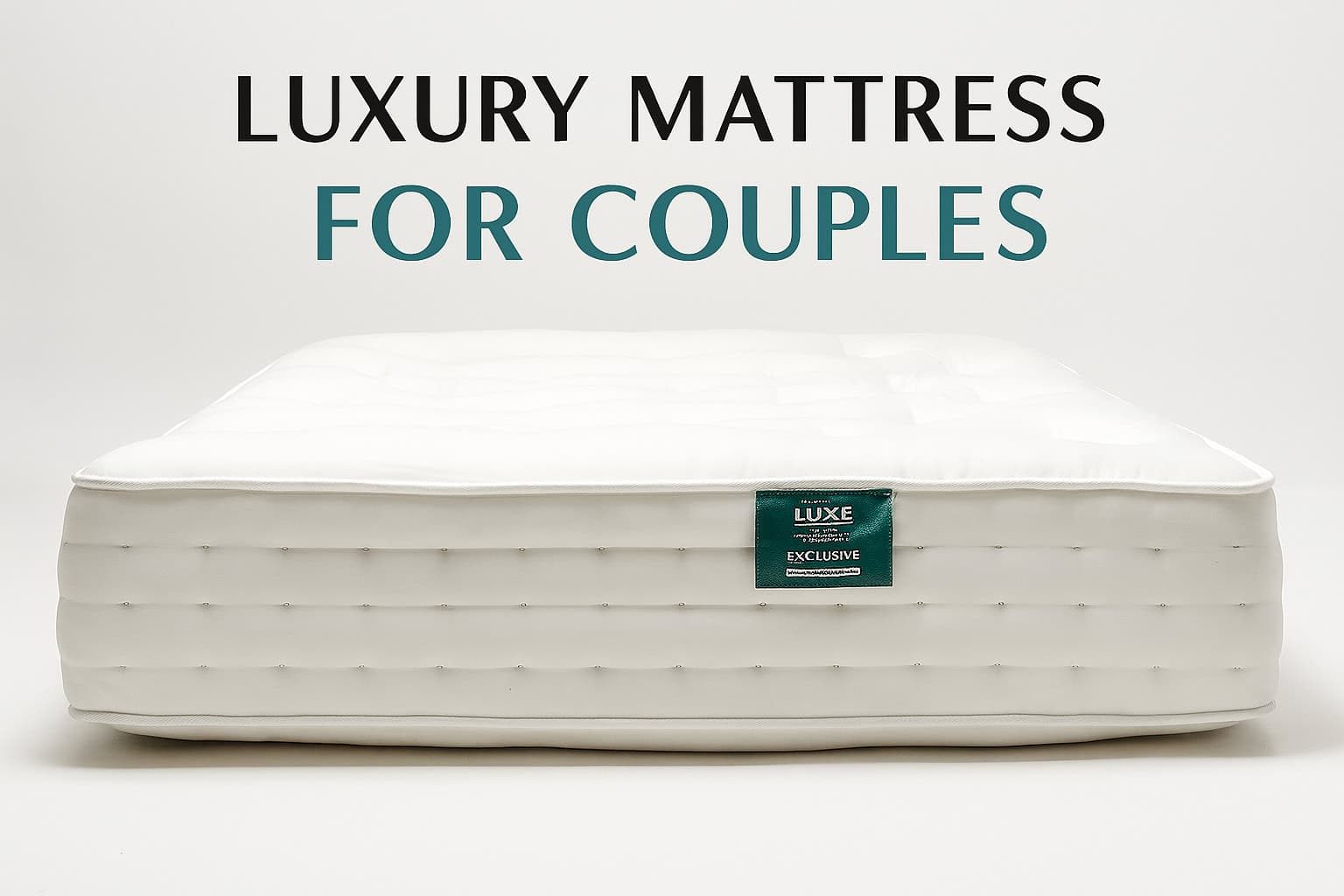
luxury mattress for couples with advance motion isolation
July 12, 2025

Luxury Mattress for Couples: Solving Motion Transfer and Comfort Battles

Sharing a bed may seem romantic in theory-but in practice, it often brings surprises. Your partner tosses, turns, or runs hot at night. You sink into the edge while they sleep like a rock. Over time, these small disturbances add up to big sleep debt. That’s why investing in a luxury sleep surface designed specifically for couples isn’t just a comfort decision, it’s a health one.

Let’s explore how the right natural hybrid can resolve the most common problems couples face at night: motion transfer, firmness disagreements, edge instability, and temperature imbalance.

Motion Transfer: The Silent Sleep Killer

You’re finally drifting off, then boom, your partner rolls over, jolting you awake. Sound familiar?

Motion transfer is one of the top complaints couples have when sharing a bed. It’s the ripple effect that happens when one person moves, and that movement travels across the entire surface. The solution? Motion isolation.

advanced motion isolation in luxury mattress

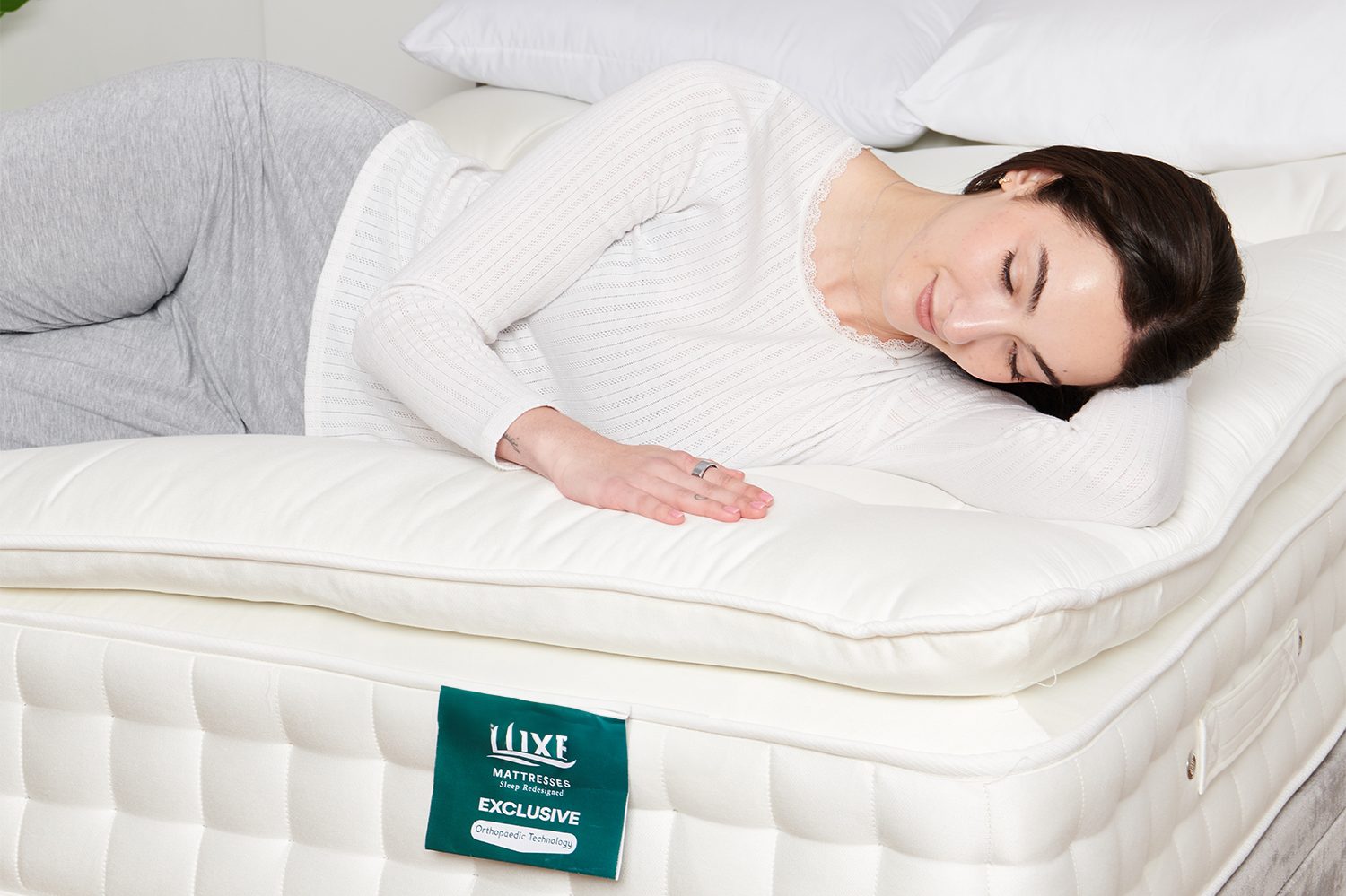
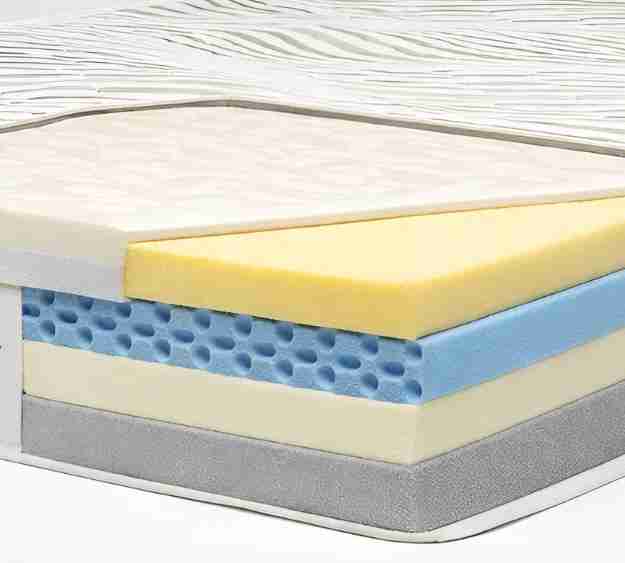
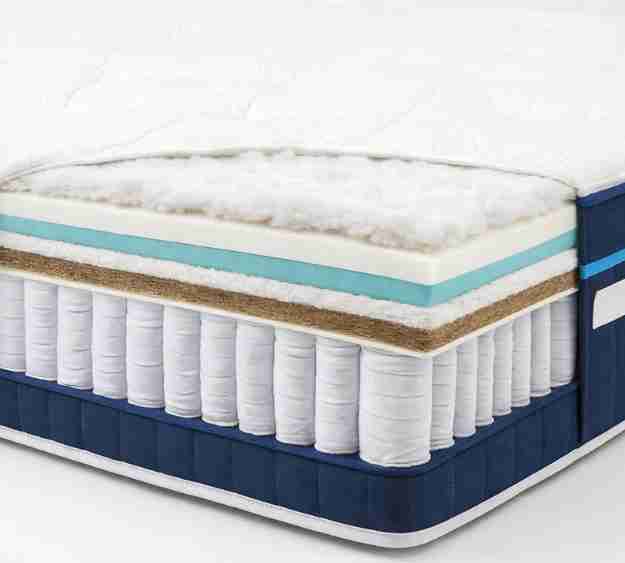
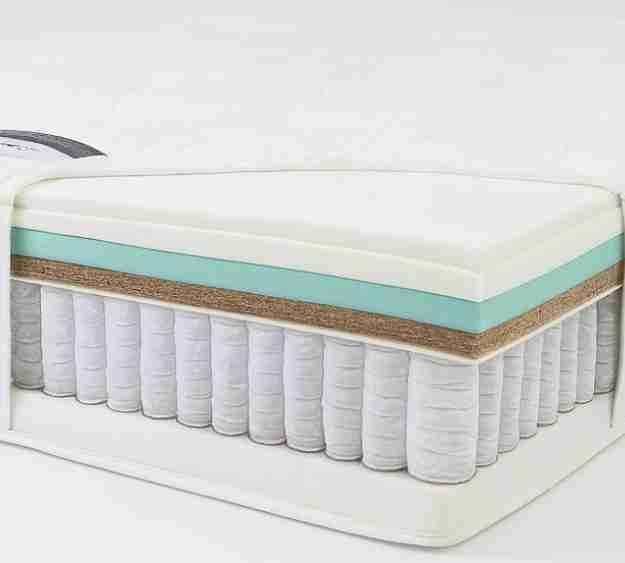
Natural hybrids from Luxe luxury mattress collection are designed with individually wrapped coils, which act like shock absorbers. Each spring moves independently, absorbing motion at the source. Topped with breathable, pressure-relieving natural latex, this combo not only keeps motion localised, it also responds more naturally than synthetic foams.

Unlike traditional connected coil systems, pocket coils reduce partner disturbance dramatically, without making the sleep surface feel dead or unresponsive.

So, whether your partner gets up for a 3 a.m. glass of water or you shift positions often, your movements won’t shake the whole bed.

Firmness Conflicts: Solved by Zoning & Choice

You like soft. They prefer firm. Sound like you?

Couples commonly struggle with different firmness preferences, especially if there’s a weight or sleep-style difference between them. One-size-fits-all rarely works.

Luxe tackles this by offering multiple firmness options, from Extra Soft to Extra Firm, so you can pick what truly suits your body. Their natural collection makes it easy to choose support levels that promote spinal alignment and comfort.

multiple firmness options in luxury mattress

Tip: Consider a medium-firm base for universal support, then add a plush organic topper on one side to soften it for the partner who prefers more cushion.

Want even more customisation? A Split King setup (two separate sleep surfaces side-by-side) allows each person full control without compromising togetherness.

Temperature Regulation That Works for Two

One of you sleeps hot. The other prefers to be bundled up under layers. That thermal tug-of-war can leave both of you uncomfortable.

Luxury natural hybrids shine in this department. At Luxe Mattresses, the use of natural latexorganic wool, and cotton covers creates a naturally temperature-neutral surface. Unlike synthetic foams that trap heat, these materials allow airflow and wick away moisture.

  • Natural latex is inherently breathable
  • Organic wool regulates temperature and humidity
  • Cotton and natural fibres keep the surface cool and soft

You’ll feel balanced, not too warm or too cold and your sleep will be less likely to be disrupted by overheating.

Edge Support: Share Every Inch

Couples need more usable sleep space. And that means solid edge support is non-negotiable.

There’s nothing more annoying than feeling like you’ll roll off the edge the second you stray from the center. Poorly built sleep surfaces collapse at the sides, forcing both people to huddle in the middle.

edge support in luxury mattress

Luxe’s reinforced edge systems, built into their hybrid base layers, ensure that sitting, lying, or moving near the edge feels just as stable as the center. It’s a small detail that makes a massive difference in shared comfort.

Real Couples, Real Struggles

“We finally gave up trying to agree on a firmness—we now each have our own setup on one frame. Game-changer.”

—Anonymous Reddit User (source)

You’re not alone. Hundreds of couples face this dilemma. What separates those who solve it from those who keep struggling? Choosing solutions tailored to partnership—like Luxe’s hybrid models designed for minimal motion transfer and adjustable firmness.

Why Natural Materials Matter More for Two

Luxury doesn’t just mean softness, it means better health, breathability, and sustainability. Couples especially benefit from:

  • No harmful off-gassing (safe for sensitive sleepers)
  • Hypoallergenic materials (no VOCs, flame retardants, or irritants)
  • Natural resistance to dust mites and mold
  • Better durability—natural latex holds shape longer than synthetic foams

The Luxe Natural Collection is handcrafted using GOLS-certified latexorganic cotton, and locally sourced wool. It’s as good for the planet as it is for your sleep.

Which Size Is Best for Couples?

Here’s a quick guide:

SizeBest For
KingCouples who want shared space and motion isolation
Split KingPartners with different firmness preferences
Super KingMaximum shared space with zero compromise
Standard DoubleBest for smaller rooms, less ideal for couples

Regardless of size, choosing the right construction, like those found at Luxemattresses.co.uk, ensures you’re maximising comfort within your space constraints.

What Sets Luxe Apart?

Many high-end brands promise comfort, but Luxe delivers it with:

  • Natural and organic sourcing
  • Customizable firmness levels
  • Eco-conscious packaging and production
  • Supportive hybrid design with certified materials
  • Made in the UK with British craftsmanship

Plus, with clear guidance and customer support, you’re never left guessing about what will work for you as a couple.

Final Thoughts: Better Sleep, Together

Couples shouldn’t have to compromise on rest. Whether you’re light sleepers, mismatched in comfort preferences, or just want to upgrade to something luxurious and natural, Luxe’s handcrafted hybrid models offer the perfect balance of support, softness, and isolation.

When you sleep better together, you wake better together. And that, more than anything, is what defines luxury.

July 12, 2025

Sleep Apnoea Symptoms: How to Know If You’re at Risk

Sleep apnoea is more than occasional snoring, it is a disorder in which your breathing repeatedly stops during sleep. These interruptions deprive your body of oxygen and disrupt your sleep cycle, often without your awareness. Over time, untreated sleep apnoea can lead to high blood pressure, heart disease, stroke, diabetes, cognitive decline, and even premature death.

This article will help you identify both common and overlooked symptoms of obstructive sleep apnoea (OSA), explain who is most at risk, and guide you toward when to seek professional evaluation.

What Is Sleep Apnoea?

Obstructive sleep apnoea (OSA) is a condition where the upper airway temporarily collapses during sleep, blocking airflow despite ongoing efforts to breathe. Each pause, known as an apnoea or hypopnoea, can last 10 seconds or more. These events frequently happen throughout the night, often hundreds of times.

According to Sleep Foundation , symptoms include snoring, tossing and turning during sleep, daytime fatigue, and morning headaches. Yet many sufferers remain unaware, as the most obvious signs happen while they’re sleeping.

Night-Time Symptoms You Might Miss

  • Loud, persistent snoring : Frequent, heavy snoring—especially with pauses or choking sounds—is a classic sign.
  • Pauses in breathing or choking/gasping : A bed partner may report that you stop breathing for several seconds, then gasp or snort when breathing resumes. ( NHS )
  • Frequent nighttime awakenings : Waking up repeatedly, even without full awareness, leads to fragmented sleep.
  • Dry mouth or sore throat upon waking
  • Restless sleep, tossing, or excessive movement
  • Night sweats or excessive perspiration while sleeping
  • Frequent nighttime urination (nocturia) : Nearly 50% of people with OSA experience nocturia. ( Health.com )

Daytime Symptoms: The Hidden Toll

  • Excessive daytime sleepiness or fatigue : Even after eight hours in bed, you may feel persistently tired. Studies find excessive sleepiness in 31% of OSA patients. ( Patient.info )
  • Morning headaches : Fluctuating oxygen levels and carbon dioxide retention during the night can trigger headaches upon waking.
  • Difficulty concentrating, brain fog, or memory problems : Cognitive impairment is common in OSA sufferers due to poor-quality sleep and intermittent oxygen deprivation.
  • Mood changes, irritability, or depression : Chronic fatigue and disrupted sleep contribute to mood instability.
  • Daytime drowsiness or falling asleep at inappropriate times : This is especially dangerous while driving or operating machinery.
  • Reduced libido or sexual dysfunction

Less Recognized Symptoms

  • High blood pressure that’s difficult to control
  • Heart palpitations or irregular heartbeats
  • Chest discomfort at night or upon waking
  • Nocturnal sweating
  • Insomnia or difficulty maintaining sleep

How Common Are These Symptoms?

Sleep apnoea affects a significant portion of the population. According to the Journal of Thoracic Disease , OSA affects approximately 22% of men and 17% of women. When combined with daytime sleepiness, the syndrome impacts around 6% of men and 4% of women.

Who Should Be Concerned?

  • Age over 40
  • Male gender (though female cases are often underdiagnosed)
  • Being overweight or having a BMI above 25–30
  • Neck circumference over 17 inches (men) or 15 inches (women)
  • Family history of OSA
  • Smoking or heavy alcohol use
  • Nasal congestion or deviated septum

When to Talk to a Doctor

See your GP or a sleep specialist if you experience symptoms like loud snoring, witnessed breathing pauses or choking, persistent daytime sleepiness, and mood changes. The NHS also recommends bringing observations from your sleep partner.

Diagnostics: What to Expect

  1. Home sleep apnoea test : Measures airflow, oxygen levels, and sleep patterns at home.
  2. Polysomnography : A lab-based sleep study that measures brain activity, eye movement, heart rate, and breathing.

Treatment Options

  • CPAP Therapy : A machine that delivers constant air pressure to keep the airway open.
  • Oral Appliances : Dental devices that reposition the jaw.
  • Lifestyle Changes : Weight loss, side sleeping, and limiting alcohol.
  • Surgery or Implants : Tissue removal or nerve stimulation devices for severe cases.

Benefits of Early Detection

Identifying and treating sleep apnoea early can reduce your risk of stroke, improve cognitive function, enhance mood, and increase life expectancy. Untreated OSA doesn’t just affect your sleep—it can quietly damage your heart and brain over time. To understand the full extent of these risks, read this detailed article on how untreated sleep apnoea can increase your risk of sudden death.

Final Thoughts

If you or a loved one shows signs of sleep apnoea, do not ignore them. A simple sleep test can lead to life-changing treatment. For more on how your sleep environment may contribute, visit this guide on sleep apnoea and mattresses .

is 7 hours sleep enough
July 12, 2025

Are You Getting Enough Sleep? Signs You’re Under-Sleeping or Over-Sleeping

Sleep is one of the most essential pillars of human health, yet it’s often the first thing we compromise in our modern lives. Many people wonder, is 7 hours sleep enough to maintain optimal health? Whether you’re burning the midnight oil to meet deadlines or hitting snooze far too often on weekends, it’s easy to lose touch with what your body actually needs when it comes to rest.

Most people know the general advice: adults should aim for 7–9 hours of sleep per night. But what if you’re hitting that range and still feeling exhausted? Or sleeping more than nine hours and waking up groggy? The truth is, not all sleep is equal, and getting either too little or too much of it can disrupt everything from your focus to your metabolism.

This guide helps you identify the subtle (and not-so-subtle) signs of under-sleeping and over-sleeping, understand the health consequences of both, and most importantly, discover how to align your rest with your unique biological needs.

Understanding the Science Behind Sleep Duration

Sleep isn’t just downtime; it’s an active process that your brain and body need to function properly. During sleep, your body:

  • Clears out metabolic waste from the brain
  • Repairs tissues and muscles
  • Consolidates memories
  • Balances hormones
  • Regulates emotions

But not all sleep is created equal. The body cycles through various sleep stages-light sleep, deep sleep (slow-wave), and REM sleep. Getting enough time in each of these stages is more critical than hitting a number on the clock.

The ideal sleep duration varies depending on age, genetics, health conditions, and lifestyle factors. According to the Sleep Foundation, the general guideline for adults is 7–9 hours, but some people may need slightly more or less.

Signs You’re Not Getting Enough Sleep (Under-Sleeping)

1. You Struggle to Wake Up-Even After a Full Night’s Sleep

If you wake up feeling more exhausted than when you went to bed, it may indicate that your sleep is fragmented or that you’re not completing full sleep cycles. Quality, uninterrupted sleep is more important than simply clocking hours.

2. You Experience Daytime Sleepiness or Micro-sleeps

Falling asleep while reading, watching TV, or even during conversations is a red flag. Micro-sleeps, brief episodes of sleep lasting seconds, suggest that your brain is forcing rest because it’s deeply deprived.

3. Mood Changes: Irritability, Anxiety, or Depression

Sleep deprivation heavily impacts your emotional regulation. People who are under-sleeping are more likely to experience increased irritability, anxious thoughts, and even depressive episodes. According to the American Psychological Association, lack of sleep amplifies stress and reduces emotional resilience.

4. Impaired Focus and Memory

Cognitive symptoms are often the first to appear with even mild sleep deprivation. Struggling with concentration, forgetting things easily, or feeling mentally sluggish? These are signs your brain didn’t get enough time to consolidate memories during REM sleep.

5. Weakened Immunity and Frequent Illness

Chronic under-sleeping weakens the immune system, making you more vulnerable to viruses and longer recovery times. One study published in Sleep found that people who sleep fewer than 6 hours a night were four times more likely to catch a cold than those who slept 7 or more.

6. Increased Cravings and Weight Gain

Lack of sleep disrupts hormones like ghrelin (which increases appetite) and leptin (which signals fullness). As a result, you may feel hungrier, particularly for high-carb, sugary foods, which can lead to weight gain over time.

Signs You’re Getting Too Much Sleep (Over-Sleeping)

While getting enough sleep is crucial, more is not always better. Oversleeping can cause fatigue, cognitive fog, and may be a sign of underlying health issues.

1. You Sleep Over 9 Hours Regularly-And Still Feel Tired

If you’re sleeping 9–10 hours or more and still waking up groggy or lethargic, it may be due to sleep fragmentation or an imbalance in your sleep architecture.

2. Headaches and Brain Fog in the Morning

Oversleeping can disrupt neurotransmitter activity in the brain, especially serotonin, which is linked to sleep-wake cycles. This often results in morning headaches, cloudy thinking, or even light sensitivity.

3. Worsening Depression Symptoms

Excess sleep is both a symptom and contributing factor to depression. According to the National Institutes of Health (NIH), people with depression are more likely to sleep excessively-and doing so can actually worsen fatigue and reduce motivation further.

4. Lowered Physical Activity and Motivation

If sleeping longer reduces your energy rather than restores it, it could be interfering with your body’s circadian rhythm. Oversleeping often results in sluggishness that extends throughout the day, making exercise and mental productivity harder.

5. Weekend Sleep Binges

Do you sleep 6 hours on weekdays but 10 on weekends? That discrepancy is called social jet lag. It can confuse your internal body clock, impair Monday-morning alertness, and contribute to sleep inertia—a foggy feeling upon waking.

Health Risks Associated with Chronic Over- or Under-Sleeping

Whether you’re consistently sleep-deprived or regularly oversleeping, both patterns can pose serious health risks over time.

Health Risk Under-Sleeping Over-Sleeping
Heart disease ✅ ✅
Stroke ✅ ✅
Type 2 diabetes ✅ ✅
Cognitive decline ✅ ✅
Depression ✅ ✅
Obesity ✅ ✅
Increased mortality ✅ ✅

How to Discover Your Ideal Sleep Duration

Since individual sleep needs vary, there’s no universal magic number. Instead, focus on listening to your body and refining your sleep schedule over time. Here’s how:

Start With a Sleep Calculator

A sleep calculator can help you find the best time to go to bed based on your desired wake time and natural 90-minute sleep cycles. It ensures you’re not just sleeping enough, but also waking during lighter stages of sleep.

Track Sleep and Energy for 2 Weeks

Use a journal or app to record:

  • Time you go to bed and wake up
  • How long it takes to fall asleep
  • Daytime mood and energy levels
  • Use of caffeine or naps

Patterns will emerge, and you’ll begin to see which sleep duration leaves you feeling at your best.

Limit Variability

Try to go to bed and wake up within the same 30–60 minute window each day—even on weekends. Consistency strengthens your circadian rhythm and makes falling asleep easier over time.

Monitor External Factors

Don’t ignore how your sleep is affected by factors like:

  • Diet (especially caffeine and alcohol)
  • Screen time before bed
  • Stress and anxiety
  • Room temperature and light exposure

Addressing these can significantly improve both sleep quality and duration.

Final Thought: It’s Not About the Number, It’s About the Balance

While 7–9 hours is a good starting point, true sleep health goes far beyond counting hours. The right amount of sleep is the one that leaves you energised, clear-headed, emotionally stable, and physically well, and that number may differ for everyone.

Whether you’re under-sleeping due to stress and busyness, or over-sleeping because of fatigue and emotional strain, the solution lies in self-awareness, routine, and sleep hygiene. Use tools like a sleep calculator, track your patterns, and adjust your habits slowly but intentionally.

Because sleep isn’t just rest-it’s your body’s most powerful form of repair, renewal, and resilience.

Frequently Asked Questions about Sleep


What is under-sleeping?

Under-sleeping refers to consistently getting less sleep than your body needs to function optimally. While sleep needs vary, most adults require 7–9 hours per night. Falling short of this can lead to symptoms like fatigue, irritability, reduced cognitive function, and a weakened immune system. Long-term under-sleeping is associated with serious health risks such as heart disease, diabetes, and depression.


What is over-sleeping?

Over-sleeping, also called hypersomnia, occurs when someone sleeps more than 9–10 hours regularly, particularly if they still feel tired afterward. While occasional extra rest is normal (e.g., after illness or exhaustion), chronic over-sleeping can be linked to underlying conditions like depression, poor sleep quality, or sleep disorders. It may also increase risks of obesity, cognitive decline, and cardiovascular issues.


What is micro-sleep?

Micro-sleep refers to extremely brief, involuntary episodes of sleep that can last from a fraction of a second to several seconds. People experiencing micro-sleeps may nod off momentarily without even realizing it. These are often caused by severe sleep deprivation and can be dangerous, especially while driving or operating machinery. If you’re frequently zoning out during the day, it may be a sign you’re not getting enough restful sleep.


What is light sleep?

Light sleep is the first stage of the sleep cycle (also called Stage 1 and Stage 2 NREM sleep). It acts as a transition between wakefulness and deeper stages of sleep. During light sleep:
Your heart rate and breathing slow down
Muscles relax
Brain activity begins to slow
Though not as restorative as deep or REM sleep, light sleep is important for memory consolidation and overall sleep architecture. You spend about 50% of your total sleep in this phase.


What is deep sleep?

Deep sleep, or slow-wave sleep (Stage 3 NREM), is the most restorative stage of sleep. During this phase:

The body repairs tissue and muscles
Growth hormone is released
Immune system functions strengthen
Brain waves are at their slowest

Deep sleep usually occurs more in the first half of the night. Lack of deep sleep can lead to physical fatigue, poor recovery, and immune dysfunction.


What is sleep fragmentation?

Sleep fragmentation refers to frequent interruptions or awakenings during sleep, which prevent the body from progressing naturally through the full sleep cycle. Even if total sleep time is adequate, fragmented sleep reduces the amount of deep and REM sleep you get, leaving you tired and unfocused. Causes include:

Noise or light disturbance
Stress or anxiety
Sleep apnea
Restless leg syndrome

Improving sleep hygiene, managing stress, and evaluating for medical conditions can help reduce fragmentation.


How much sleep should I get?

Most adults need between 7 and 9 hours of sleep per night. However, your optimal sleep duration depends on:

Age
Genetics
Lifestyle
Physical or emotional demands
Sleep quality

To find your personal sweet spot, track how you feel during the day with varying amounts of sleep, and consider using a sleep calculator to align with your natural sleep cycles.


Is 8 hours of sleep enough?

For many people, 8 hours is ideal, but it’s not a universal rule. Some individuals may feel great on 7.5 hours, while others might need 9 hours for optimal performance and recovery. The best indicator is how you feel during the day: if you’re alert, emotionally stable, and focused without caffeine dependence, your sleep is likely sufficient.


What are signs of poor sleep quality?

Even if you sleep long enough, poor sleep quality can leave you exhausted. Signs include:

Waking up multiple times per night
Morning headaches
Night sweats or vivid dreams
Feeling unrefreshed despite 8+ hours in bed
Daytime irritability, forgetfulness, or brain fog

Sleep quality is just as important as duration, make sure your environment, routine, and health support uninterrupted rest.


Can naps make up for lost sleep?

Short naps (10–30 minutes) can help improve alertness and mood if you’re sleep-deprived, but they don’t fully replace the benefits of a full night’s rest, especially deep and REM sleep. Consistent nighttime sleep is necessary for hormone regulation, immune function, and long-term health.

why 7 hours of sleep is not enough copy
July 12, 2025

Why 7 Hours Isn’t Enough for Everyone: Personalised Sleep Needs Explained

For decades, sleep researchers and wellness gurus alike have echoed a familiar rule: “Get 7 to 8 hours of sleep per night.” But as our understanding of human biology deepens, it’s becoming clear that this guideline, while well-meaning isn’t universally sufficient. For some, seven hours leaves them alert and productive; for others, it barely scratches the surface of what’s needed to feel truly rested.

In truth, sleep is deeply personalised, shaped by a combination of genetic traits, lifestyle demands, stress load, and recovery needs. Here’s why the standard recommendation often falls short, and how you can begin identifying how much sleep you really need.

1. Sleep Needs Are Hardwired in Your Genes

One of the most overlooked elements in sleep research is our genetic predisposition. According to a study published in Nature Communications, certain people carry gene variants, such as DEC2 or ADRB1, that naturally reduce their sleep needs. These “short sleepers” can thrive on as little as 4 to 6 hours per night without performance drops.

But they are the exception, not the rule. For most of us, skimping on sleep causes real harm, from impaired cognition and mood swings to long-term risks like cardiovascular disease, metabolic dysfunction, and weakened immunity, as shown in research by Harvard Medical School.

In short, your biology, not social norms, should dictate your sleep duration.

3. Quality Trumps Quantity – But They Both Matter

You could spend eight hours in bed and still feel exhausted if your sleep quality is compromised.

Factors like poor mattress support, screen exposure before bed, alcohol, or undiagnosed sleep disorders (like sleep apnea) can degrade sleep efficiency. This means that even if you technically meet your sleep quota, your body might not receive the deep and REM sleep needed for full restoration.

This is why tracking your sleep cycles, not just total sleep time, is essential. Tools like this sleep calculator can help optimize your bedtime by aligning it with natural 90-minute sleep intervals. Over time, this can improve how you wake up, feeling more refreshed even if sleep duration doesn’t change dramatically.

4. Recovery Isn’t a Luxury-It’s Biological Currency

Sleep is the body’s most powerful recovery mechanism. If you’re fighting off illness, building muscle from workouts, recovering from burnout, or adapting to new routines, your body requires more rest sometimes significantly more.

Athletes often need 9 to 10 hours of sleep during intense training phases, according to findings by the Sleep Foundation. Likewise, individuals recovering from trauma or surgery might benefit from extended nighttime sleep and daytime naps, allowing the body to complete its healing work.

If you’ve recently been through a high-demand period, emotionally or physically, then treating sleep as negotiable can delay recovery and trigger other health issues.

5. How to Discover Your Ideal Sleep Window

There’s no single number that guarantees optimal health across the board. Instead, focus on patterns and outcomes:

  • Track how you feel 30 minutes after waking. Groggy, irritable, or craving caffeine? That’s a red flag.
  • Notice your midday performance. Do you crash after lunch, need stimulants, or have mood dips?
  • Use digital tools or a sleep calculator to structure your bedtime around sleep cycles.
  • Experiment with adding 30–60 minutes of sleep over a few weeks. See if your energy, focus, and resilience improve.

When you match your sleep schedule with your body’s true needs, you stop surviving and start thriving.

Final Thought: Rethink the Rulebook

It’s time to retire the myth that everyone should aim for the same amount of sleep. The 7-hour minimum might be adequate for some, but it’s inadequate for many, especially in today’s overstimulated world. Sleep is not just a passive state, it’s an active investment in every aspect of your health, from cognitive performance to emotional resilience.

Instead of chasing arbitrary numbers, focus on alignment: your genetic needs, your daily demands, and your real recovery capacity.

Start by tracking your rhythm, enhancing your sleep environment, and using science-backed tools like a sleep calculator to fine-tune your nightly routine. Because in the end, you don’t just need more sleep you need the right kind of sleep.

Sleep Calculator

Plan your optimal bedtime and wake-up times based on your body’s natural sleep cycles. Wake up refreshed and energized every morning.

Why Use This Calculator?

  • Calculate the ideal bedtime based on when you need to wake up
  • Find the optimal wake-up time based on when you go to bed
  • Work with your body’s natural 90-minute sleep cycles
  • Minimize grogginess and maximize morning energy
  • Based on sleep science research
Use Sleep Calculator
is queen size bigger than double
July 12, 2025

Is a Queen Bigger Than Double Size Mattress? The Real Size Breakdown

Is a Queen Size Mattress Bigger Than a Double? Understanding the UK’s “Small Double” Confusion, When shopping for a mattress in the UK, the term â€œQueen Size” can be surprisingly confusing. Unlike in the US or Europe, where mattress sizes like “Queen” and “King” follow consistent measurements, the UK market uses terms more loosely. Most notably, many UK retailers refer to the Small Double mattress (120 x 190 cm) as a “Queen.” So the real question becomes:

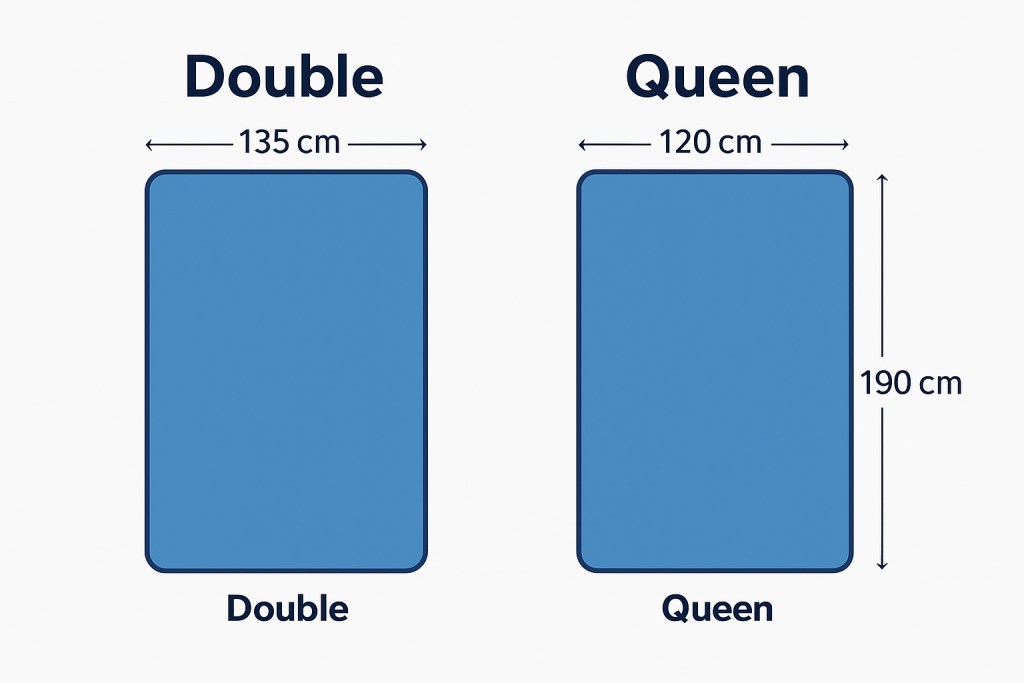
Is a UK Queen Size (Small Double) mattress bigger than a Double?

No â€” a Small Double (Queen) is actually smaller than a standard Double.

Mattress Type Dimensions (cm) Width Comparison
Small Double (Queen) 120 x 190 –
Double 135 x 190 +15 cm wider

1. Understanding Mattress Size Terminology

Before diving into measurements, it’s important to note that mattress terminology differs by region:

  • In the UK, the term “Queen” is not officially standardised. A Small Double (120 x 190 cm) is often informally referred to as a “Queen.”
  • In Europe, “Euro Queen” refers to a 160 x 200 cm mattress.
  • In the US, a standard Queen size is 60 x 80 inches (approximately 152 x 203 cm).

This variation in naming leads to confusion. When we ask “Is a queen bigger than a double?”—we must first clarify which queen and which double.

2. Standard Mattress Sizes at a Glance

Let’s look at how the most common sizes compare:

Mattress Size Dimensions (cm) Best For
Single 90 x 190 Kids, teens, small guest rooms
Small Double (Queen) 120 x 190 Solo adults, small bedrooms
Double 135 x 190 Couples with limited space
UK King 150 x 200 Couples who want more room
Super King 180 x 200 Luxury spaces, co-sleeping

3. What Is a Small Double (Queen) Mattress?

Small Double mattress measures 120 x 190 cm and is the size often referred to as â€œQueen” in the UK market. It’s wider than a single but not quite as roomy as a standard double.

queen size mattress dimensions

Who is it for?

  • Solo adults wanting extra room to stretch
  • Teenagers transitioning from single beds
  • Small bedrooms where every cm counts

Advantages:

  • Compact yet spacious for one person
  • Fits in small to medium bedrooms
  • More affordable than double or king options

Drawbacks:

  • Can be tight for two people
  • Limited bedding availability compared to standard sizes

4. What Is a Double Mattress?

Double mattress is 135 x 190 cm and is traditionally viewed as the first standard couple’s bed. It provides 15 cm more width than a Small Double.

double size mattress dimensions

Who is it for?

  • Budget-conscious couples
  • Solo sleepers wanting generous space
  • Guest rooms or modest master bedrooms

Advantages:

  • Affordable and widely available
  • Works in most UK bedrooms
  • More space for couples than small double

Drawbacks:

  • Can still feel cramped for two, especially for restless sleepers

5. Size Comparison: Small Double vs Double

Let’s break it down clearly:

is queen bigger than double size mattress comparison
  • Width
    • Small Double: 120 cm
    • Double: 135 cm
    • Difference: 15 cm more space in a Double
  • Length
    • Both are 190 cm long
  • Surface Area
    • Small Double: 22,800 cm²
    • Double: 25,650 cm²
    • Difference: 2,850 cm², or ~12.5% more surface area in a Double

This difference in space can make a noticeable difference in comfort, especially for two people sharing the bed.

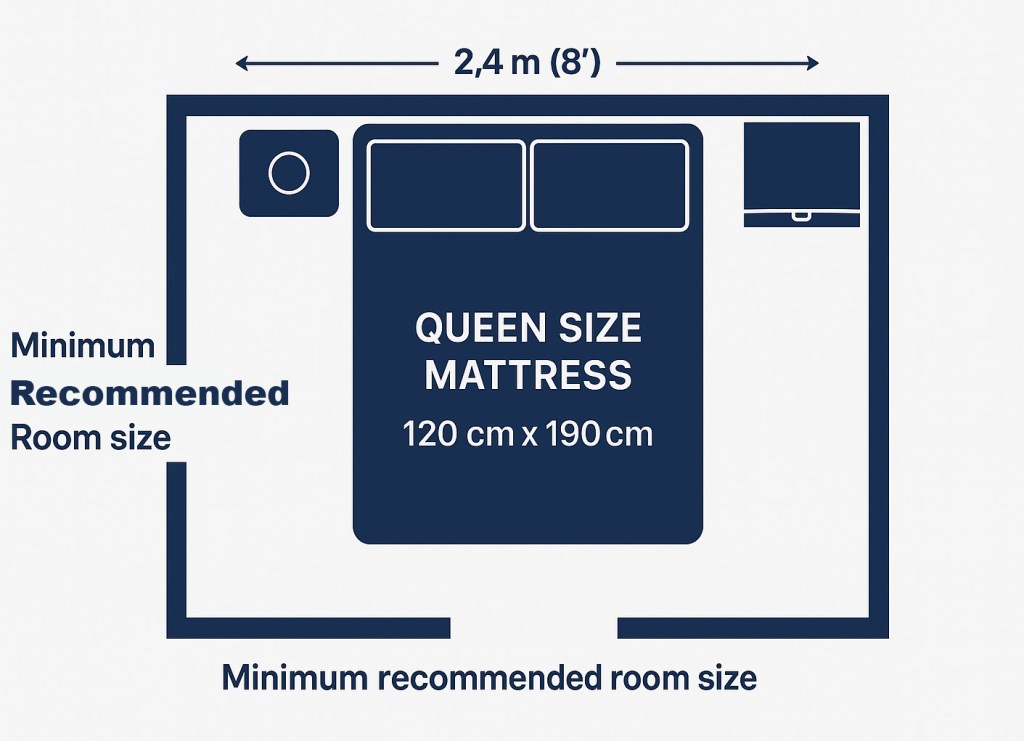
6. How Much Room Do You Need?

To sleep comfortably and maintain good room flow, consider these spacing guidelines:

  • 60–70 cm of clearance on each side of the bed
  • 90 cm at the foot of the bed for easy movement

Room Size Tips:

  • Small Double (Queen): Room should be at least 2.3 metres wide
  • Double: Room should be 2.4–2.5 metres wide for optimal flow
how big room is required for queen size mattress

7. Who Should Choose a Small Double?

  • Solo sleepers needing more than a single
  • Teenagers in their own room
  • Guest bedrooms with limited space
  • Budget buyers who want compact comfort

A small double works well for people who don’t share their bed or need a compact solution that doesn’t sacrifice comfort entirely.

8. Who Should Choose a Double?

  • Couples who are okay with less space
  • Guest rooms needing to fit two adults
  • Solo sleepers wanting extra space and comfort
  • Budget-conscious master bedrooms

For couples who don’t toss and turn much or are used to tighter spaces, the double can still work. But if personal space matters, it might not be ideal.

9. Bedding and Compatibility

Small Double:

  • May require more specific bedding (not as widely stocked)
  • Often found in student bedding ranges or at IKEA

Double:

  • Bedding is universally available across the UK
  • Usually cheaper and easier to find

Buying Tip: Always check the labelled size on packaging. “Queen” can mean 120 or 160 cm depending on the store.

10. Personal Story: Why I Moved from Small Double to Double

In my 20s, I moved into my first flat and bought a “Queen size” bed from an online retailer. I later found out it was actually a Small Double. At first, it was great for just me, but when my partner moved in, we found ourselves bumping elbows more than sleeping peacefully.

We upgraded to a Double, and it made a significant difference. That extra 15 cm gave us enough space to sleep without constantly waking each other. It fit the room just fine with some rearranging, and I could finally buy bedding from local shops without special orders.

11. Common Confusion: UK Queen vs Euro Queen

  • UK Queen = Small Double = 120 x 190 cm
  • Euro Queen = 160 x 200 cm (bigger than a UK King)

Many retailers use “Queen” for both, so always check dimensions before assuming size. The Euro Queen is 40 cm wider than a UK Small Double, so you don’t want to get the wrong frame or bedding.

12. Final Verdict

If you’re comparing a UK Queen (Small Double) to a Double, the Double is definitely larger, offering better space, more comfort for two, and easier bedding options.

Choose a Small Double if:

  • You sleep alone
  • Your room is tight on space
  • You’re upgrading from a single bed

Choose a Double if:

  • You’re sleeping as a couple
  • You have a medium-sized room
  • You want more room to stretch

Bonus Tips Before You Buy

  • Measure your room before choosing your mattress size
  • Don’t rely on labels, check actual measurements
  • Consider your future needs: Will a partner be joining you soon?

Conclusion

A mattress isn’t just about comfort, it’s about function, fit, and long-term satisfaction. While the Queen (Small Double)can suit many UK homes, a Double mattress offers more value and space for most sleepers. Choosing the right size from the start can dramatically improve your sleep quality and how well your bedroom works.

Product has been added to your cart