
Estimated reading time: 4 minutes
A memory foam mattress is made from viscoelastic material known for its unique ability to conform to the body’s shape in response to heat and pressure. As you lie down, the foam softens and molds to your body’s curves, distributing weight evenly across the surface. When you get up, it slowly returns to its original shape.
This “cradle-like” effect is what makes memory foam mattresses ideal for promoting spinal alignment, reducing joint strain, and delivering a more customised, supportive sleep experience.
Key Benefits of Memory Foam Mattresses
Pressure Relief and Body Contouring
One of the standout benefits of a memory foam mattress is its exceptional pressure relief. By responding to body heat and weight, memory foam reduces pressure on sensitive areas like the shoulders, hips, and lower back.
- Helps alleviate joint pain and arthritis symptoms
- Improve overall spinal health
- reduce the likelihood of waking up with aches and stiffness
- Promotes deeper, more restful sleep
If you suffer from chronic back pain, arthritis, or joint discomfort, a memory foam mattress could make a dramatic difference to your nightly comfort.
Motion Isolation for Undisturbed Sleep
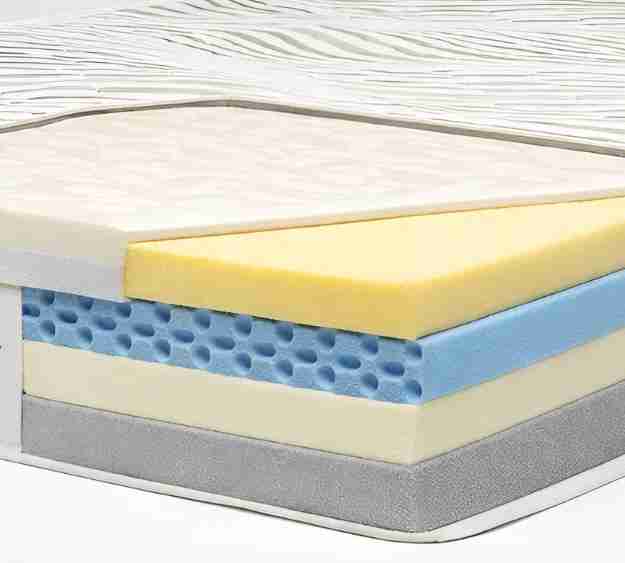
Unlike traditional spring mattresses that use coils for support, memory foam mattresses are constructed from multiple dense foam layers. This design absorbs motion effectively, making them excellent for couples.
With a memory foam mattress, you’ll experience minimal disturbance from your partner’s movements — allowing for more continuous, restful sleep.
Allergy Resistance
Memory foam mattresses are also naturally resistant to dust mites and allergens due to their dense structure. This makes them a healthier sleep choice for people who suffer from allergies or respiratory sensitivities compared to many innerspring options.
Cooling Gel and Breathability Innovations
Early memory foam designs were notorious for retaining body heat. However, today’s cooling memory foam mattresses incorporate advanced technologies such as:
• Gel infusions
• Breathable, perforated foam layers
• Temperature-regulating covers
These innovations promote better airflow, wick away body heat, and help maintain a cooler, more comfortable sleep environment ideal for hot sleepers.
Who Should (and Shouldn’t) Buy a Memory Foam Mattress?
Best for:
• Sleepers seeking personalized contouring and excellent pressure relief
• Individuals with back pain, joint pain, or arthritis
• Couples wanting motion isolation
• Allergy sufferers needing a sanitary sleep surface
Might Not Be Ideal for:
• Very hot sleepers (unless opting for gel-infused memory foam)
• Heavier individuals (who may prefer a firmer hybrid mattress)
• Those who prefer the bounce and feel of traditional spring beds
Final Thoughts: Why Memory Foam Mattresses Are a Smart Investment
From pressure relief and motion isolation to customized support and hypoallergenic benefits, memory foam mattresses offer incredible value for a wide range of sleepers. Thanks to advances like cooling gels and breathable designs, today’s memory foam beds are more comfortable and versatile than ever.
Choosing the right memory foam mattress can transform your sleep quality and your health for years to come.
FAQs
Yes. Their contouring and pressure-relieving nature helps maintain spinal alignment, easing or preventing back pain.
Older memory foam could retain heat, but most modern memory foam mattresses use cooling technologies to enhance breathability.
A high-quality memory foam mattress typically lasts 7 to 10 years, offering excellent durability and value.
Memory foam can accommodate heavier weights, but firmer or hybrid models may offer better long-term support and less sagging.
Not necessarily, but using a solid or slatted bed frame with strong support will help maintain the mattress’s shape and lifespan.

I’m a professional sleep health and mattress content specialist with extensive experience writing about orthopedic mattresses, back pain relief, pressure-point support, and overall sleep comfort. I collaborate with industry research, sleep studies, and mattress performance insights to deliver accurate, trustworthy, and reader-focused content. I’m known for simplifying complex mattress technologies such as memory foam, motion isolation, and firmness levels, making them easy to understand for everyday buyers. My goal is to help readers choose mattresses that match their lifestyle, sleep posture, and health needs empowering them to achieve deeper, healthier, and pain-free sleep through informed decisions.