







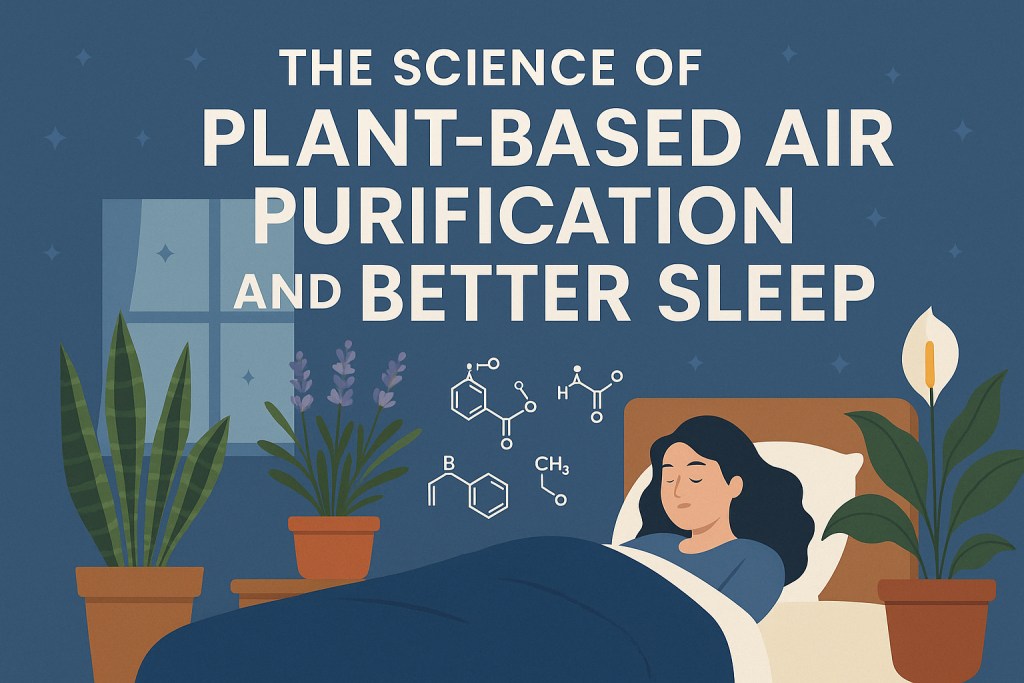
Sleep is one of the most vital components of our health. It’s the time when the body resets, repairs, and rejuvenates. However, millions of people struggle to fall asleep or stay asleep due to various factors, one of which is poor air quality in their living space. While sleep aids and high-tech air purifiers are common solutions, nature offers a simpler, more sustainable option: indoor plants.
Plants are more than just beautiful decorations. Certain varieties can actively improve the air you breathe and enhance the conditions needed for deep, restorative sleep. In this article, we’ll explore the science behind plant-based air purification and how it can contribute to better sleep quality. We’ll also highlight specific plants known for their nighttime benefits and provide practical tips on incorporating them into your bedroom environment.
The Air You Breathe and Sleep Quality
Why Air Quality Matters at Night
When you’re asleep, your body goes into a restorative mode, repairing tissues, consolidating memories, and balancing hormones. However, this recovery process can be easily disrupted by poor indoor air quality, which often worsens at night.
At bedtime, most people close windows and doors to reduce noise, light, or outdoor temperature changes. While this creates a quiet and comfortable environment, it also reduces ventilation. As a result, airborne pollutants can build up overnight, affecting both your physical health and quality of sleep.
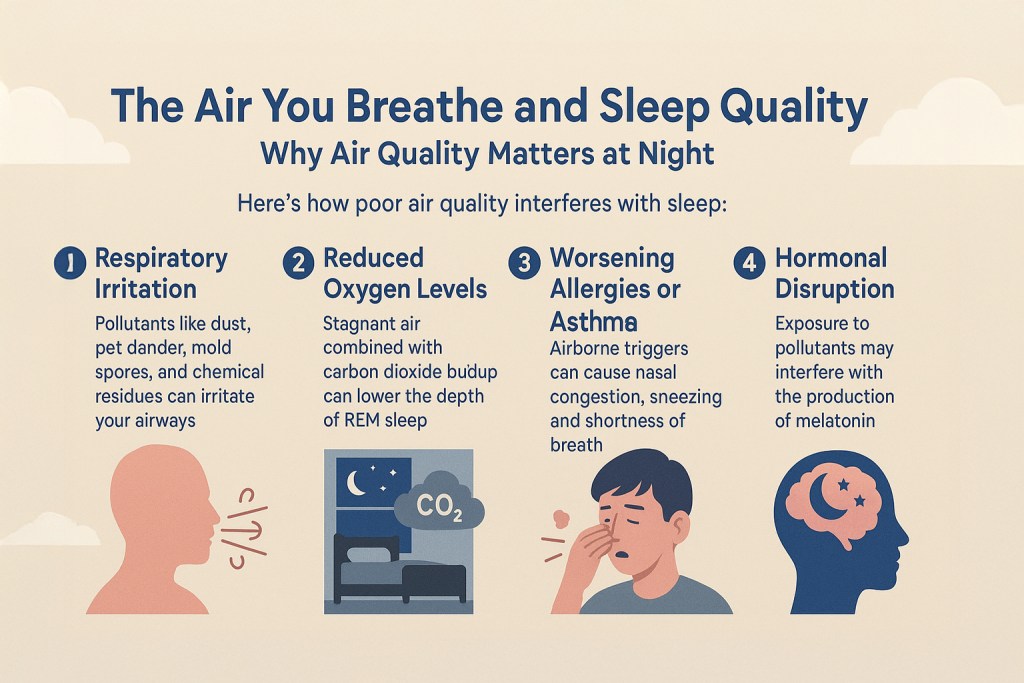
Here’s how poor air quality interferes with sleep:
- 1. Respiratory Irritation Pollutants like dust, pet dander, mold spores, and chemical residues (from cleaning products, paints, or furniture) can irritate your airways. This may lead to sleep apnea, coughing, wheezing, or even mild sleep apnea, causing you to wake up frequently or feel unrested in the morning.
- 2. Reduced Oxygen Levels Stagnant air combined with carbon dioxide buildup, especially in rooms without plants or proper ventilation, can lower the amount of fresh oxygen available. Less oxygen in the room can reduce the depth of REM (Rapid Eye Movement) sleep, which is the most restorative stage of the sleep cycle.
- 3. Worsening Allergies or Asthma If you suffer from allergies or asthma, airborne triggers can cause flare-ups during the night. This may include nasal congestion, sneezing, shortness of breath, or tightness in the chest, all of which can interrupt your sleep.
- 4. Hormonal Disruption Clean air plays a subtle but important role in maintaining your body’s natural circadian rhythm, the internal clock that regulates sleep and wakefulness. Exposure to VOCs and poor oxygenation may interfere with the production of melatonin, the hormone responsible for making you feel sleepy. Inadequate melatonin levels can lead to insomnia or restless sleep.
In short, even if your room looks clean, invisible pollutants in the air can seriously undermine your ability to sleep well. That’s why improving air quality in your bedroom, through plants, better airflow, and fewer synthetic chemicals, is a powerful yet often overlooked way to support healthier sleep.
How Plants Help Purify the Air
NASA’s Clean Air Study
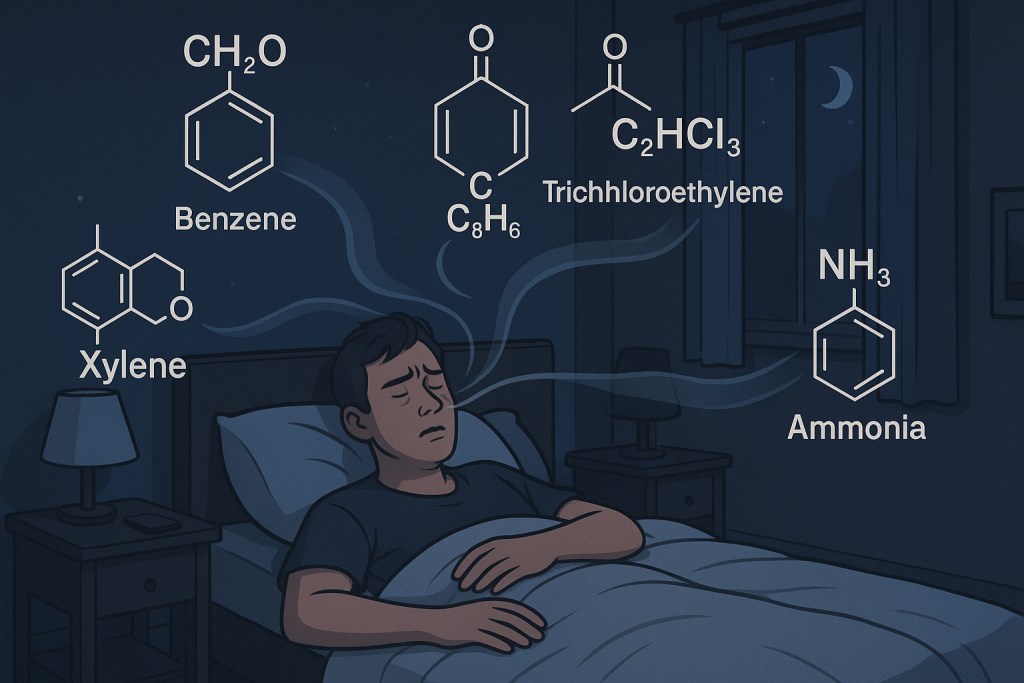
One of the foundational studies on this topic is the NASA Clean Air Study (1989), which identified several common houseplants capable of filtering out toxins such as:
Common Indoor Air Pollutants That Affect Sleep
Even in well-kept homes, the air often contains invisible pollutants that can harm your health—especially while you sleep. Here are some of the most common culprits:
1. Formaldehyde
- What it is: A colorless, strong-smelling gas used in many household products.
- Where it comes from:
- Pressed-wood furniture (like particleboard and plywood)
- Carpets and rugs with synthetic backing
- Tobacco smoke
- Household cleaners and glues
- Health effects: Can irritate the eyes, nose, and throat, trigger asthma, and disrupt respiratory function, especially during sleep when your body is more sensitive. for more details please read here.
2. Benzene
- What it is: A volatile organic compound (VOC) and known carcinogen.
- Where it comes from:
- Paints and varnishes
- Synthetic fibers
- Plastics and rubber products
- Vehicle exhaust that seeps indoors
- Health effects: Long-term exposure can harm the nervous system and immune function. In the short term, it may cause dizziness, headaches, and breathing difficulties, all of which can interfere with restful sleep.
3. Trichloroethylene (TCE)
- What it is: A solvent primarily used in industrial degreasing and dry cleaning.
- Where it comes from:
- Dry-cleaned clothes
- Certain cleaning products
- Adhesives and paint removers
- Health effects: TCE is linked to dizziness, nausea, and sleep disturbances. Long-term exposure may contribute to liver and kidney damage.
4. Xylene
- What it is: A flammable solvent often used in the printing, rubber, and leather industries.
- Where it comes from:
- Paint thinners and lacquers
- Adhesives and sealants
- Cigarette smoke
- Health effects: Can cause headaches, drowsiness, and confusion, making it difficult to enter and maintain deep sleep.
5. Ammonia
- What it is: A pungent gas commonly found in cleaning products.
- Where it comes from:
- Household cleaners (especially glass and bathroom cleaners)
- Animal urine (in homes with pets)
- Health effects: Even at low levels, ammonia can irritate the nose and throat, worsen asthma, and lead to sleep-disrupting respiratory issues.
The study found that plants not only absorb carbon dioxide but can also filter out harmful chemicals via their leaves, roots, and the microorganisms in their soil.
How the Purification Works
Plants purify air through multiple mechanisms:
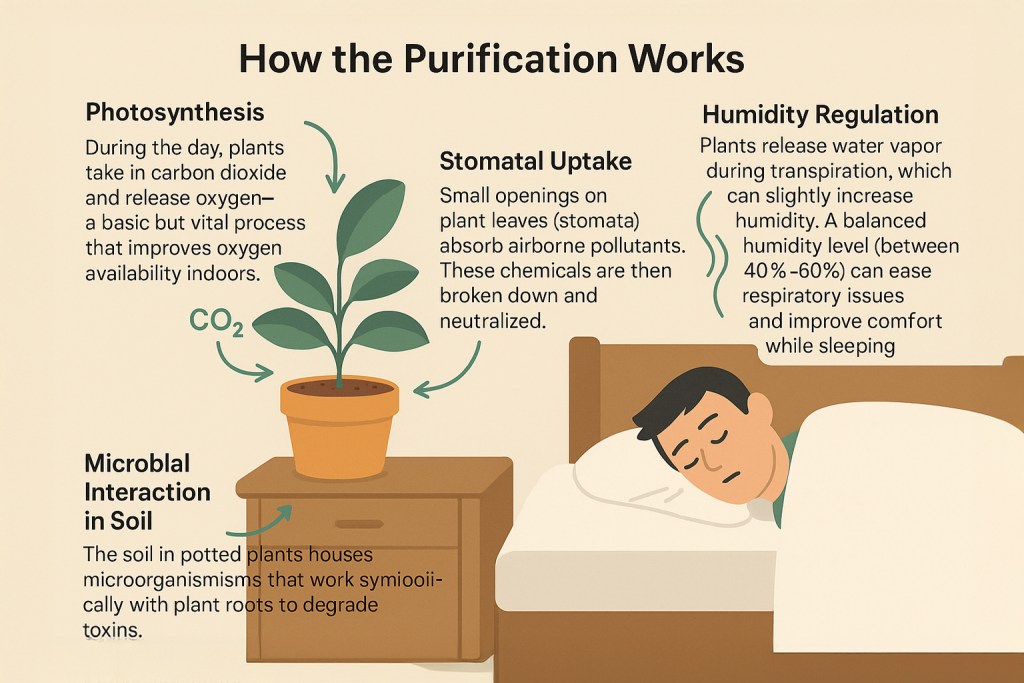
- Photosynthesis During the day, plants take in carbon dioxide and release oxygen—a basic but vital process that improves oxygen availability indoors.
- Stomatal Uptake Small openings on plant leaves (stomata) absorb airborne pollutants. These chemicals are then broken down and neutralized.
- Microbial Interaction in Soil The soil in potted plants houses microorganisms that work symbiotically with plant roots to degrade toxins.
- Humidity Regulation Plants release water vapour during transpiration, which can slightly increase humidity. A balanced humidity level (between 40%–60%) can ease respiratory issues and improve comfort while sleeping.
Best Plants for Air Purification and Sleep
Not all plants are created equal when it comes to sleep support. Some are particularly effective due to their oxygen release patterns, scent profile, or air-filtering abilities, here is detailed list of plants which help you fall sleep.
1. Lavender (Lavandula angustifolia)
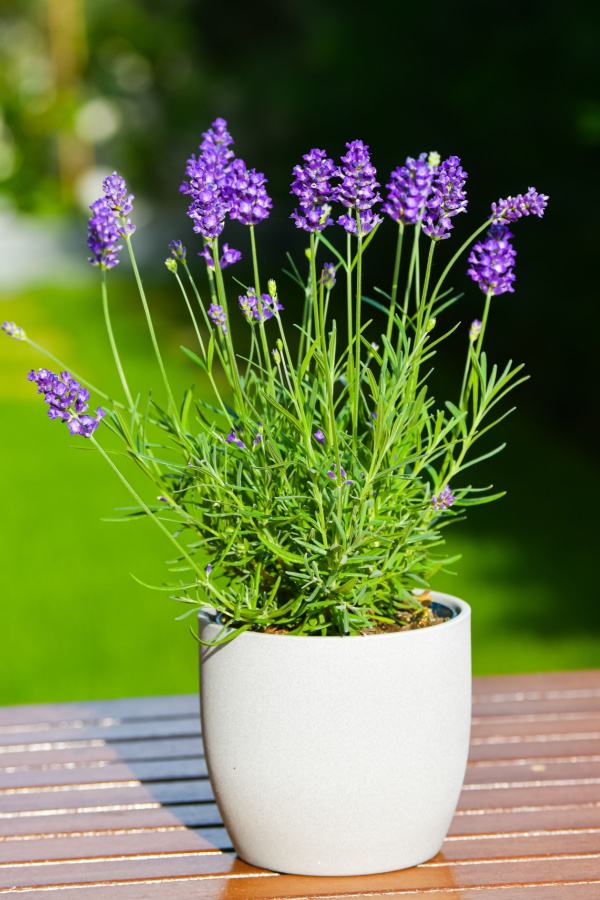
- Benefits: Lavender is famous for its calming scent, which has been shown to lower heart rate, reduce anxiety, and improve sleep quality. While it’s not a top air purifier, its aromatherapeutic benefits are unrivaled.
- Care Tips: Needs bright light, minimal watering.
2. Snake Plant (Sansevieria trifasciata)
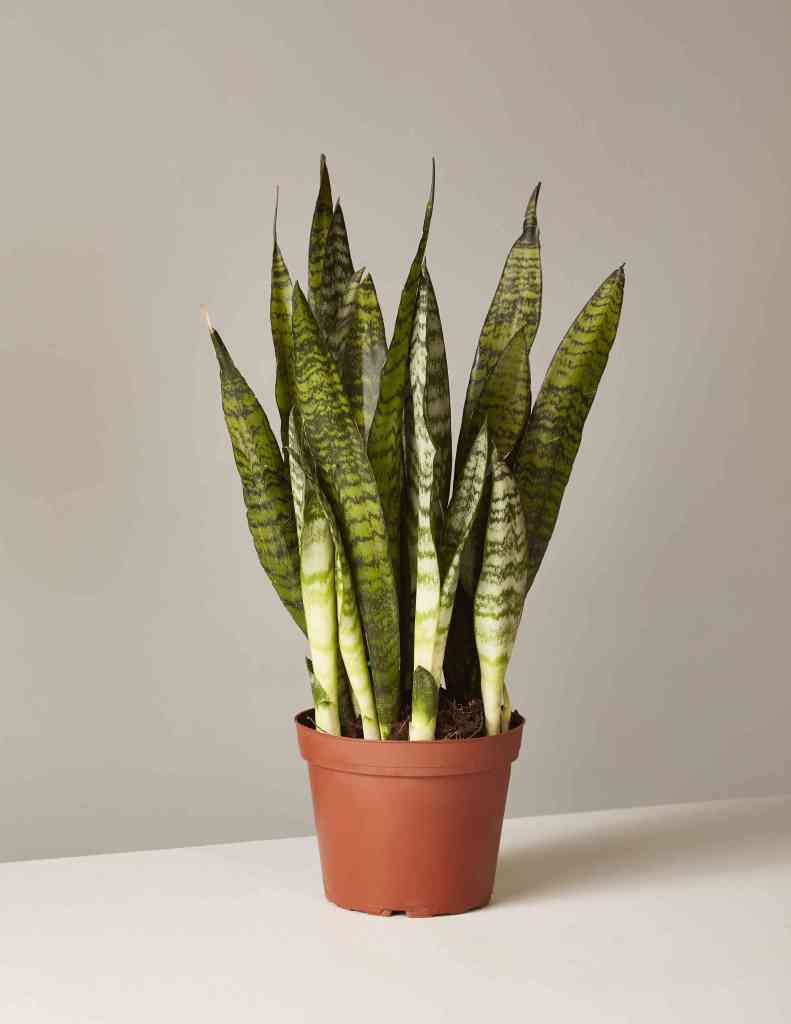
- Unique Feature: Releases oxygen at night (CAM plant), improving air quality when you’re asleep.
- Air Purification: Removes formaldehyde, benzene, and xylene.
- Care Tips: Extremely low maintenance, thrives on neglect.
3. Peace Lily (Spathiphyllum)
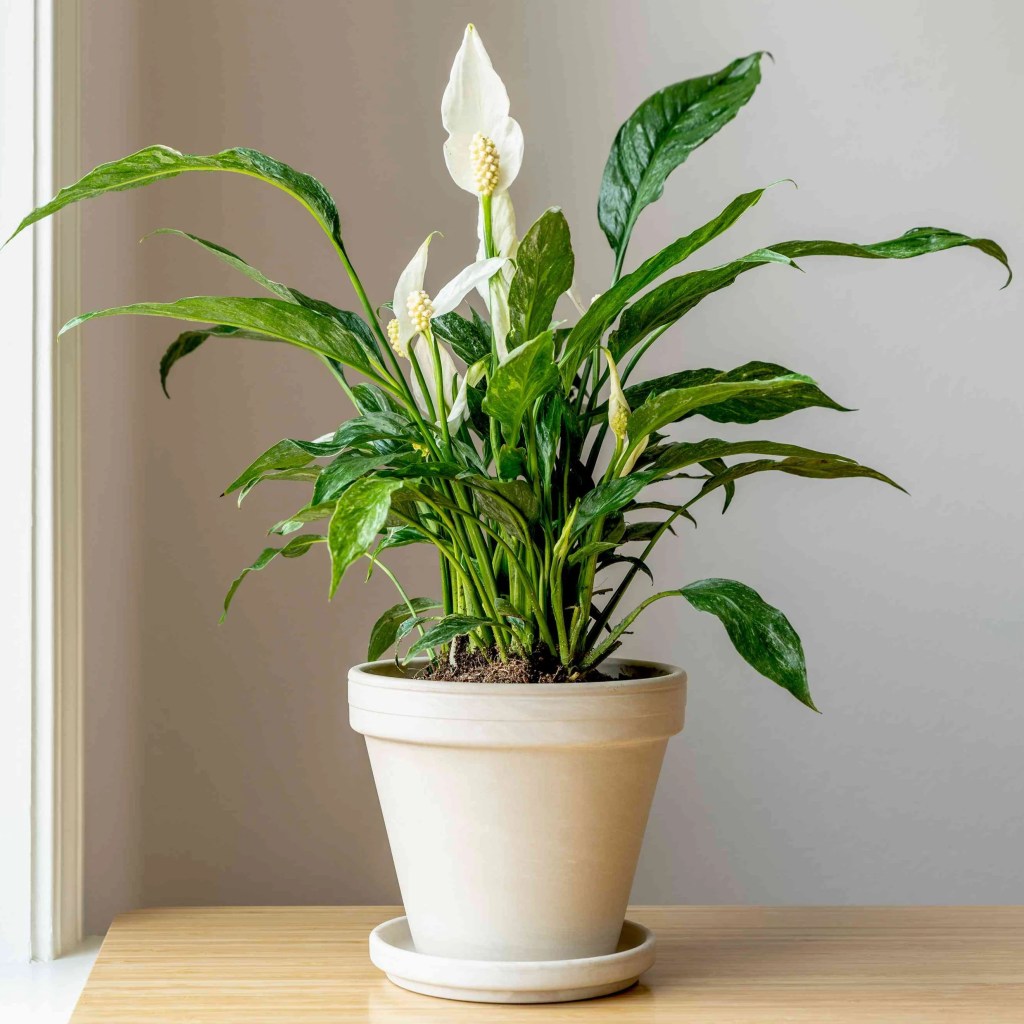
- Air Filtration: Removes benzene, formaldehyde, trichloroethylene, and ammonia.
- Humidity Boost: Adds moisture to the air, which can soothe dry throats and nasal passages.
- Care Tips: Likes low light; keep soil moist but not soggy.
4. Areca Palm (Dypsis lutescens)

- Air Benefit: Excellent natural humidifier, removing airborne toxins.
- Aesthetic: Lush and tropical; perfect for bedroom corners.
- Care Tips: Needs indirect light and regular watering.
5. Aloe Vera
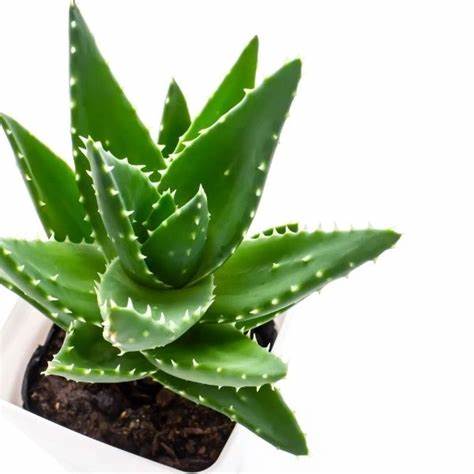
- Air Filtration: Emits oxygen at night.
- Additional Benefit: Its gel can be used to treat burns and skin irritations.
- Care Tips: Requires bright light and minimal watering.
The Role of Scent and Aromatherapy in Sleep
While some plants purify the air, others contribute to better sleep in a different way, through their scent. Plants like lavender, jasmine, and gardenia release natural fragrances that can have a powerful impact on your mood, stress levels, and sleep quality. This effect is due to how scent interacts with your brain.
How Scent Affects the Brain and Sleep
Your sense of smell, or olfactory system, is directly connected to areas of the brain involved in emotion, memory, and nervous system regulation. When you inhale a calming scent, here’s what happens:
- Activation of the Amygdala and Hippocampus These two parts of the brain help regulate emotional responses. Pleasant scents stimulate them in ways that promote feelings of relaxation and emotional comfort, preparing your body for rest.
- Reduction in Cortisol (Stress Hormone) Levels Soothing scents like lavender and jasmine have been shown in studies to lower cortisol, the hormone responsible for stress. Lower cortisol makes it easier for your mind to settle, reducing anxiety or racing thoughts that often keep people awake.
- Stimulation of the Parasympathetic Nervous System The body has two main nervous system states: the sympathetic (“fight or flight”) and the parasympathetic (“rest and digest”). Inhaling calming plant aromas encourages a parasympathetic response, slowing your heart rate, lowering blood pressure, and making it easier to fall asleep naturally.
What the Research Says
Scientific studies back up the calming power of plant-based scents:
- Lavender: Numerous studies have shown that lavender can increase the amount of time spent in slow-wave sleep(deep sleep) and reduce nighttime awakenings. It’s particularly effective in reducing mild insomnia and improving sleep quality in both adults and children.
- Jasmine: Known for its sweet and exotic fragrance, jasmine has been linked to increased sleep efficiency and even reduced anxiety when used in aromatherapy.
- Gardenia: Though less researched than lavender, gardenia has shown sedative effects similar to low-dose valium in some studies, offering a natural alternative to sleep medications.
Ways to Use Aromatic Plants for Sleep
- Place a potted lavender or jasmine plant near your bed or window.
- Gently crush a few leaves before bedtime to release more fragrance.
- Use essential oils or dried flowers in a diffuser if live plants aren’t practical.
- Consider using a linen spray made from natural plant oils to scent your pillows and sheets.
Incorporating these fragrant plants into your nighttime environment doesn’t just make your space more inviting, it helps your body and brain unwind more easily, setting the stage for deep, uninterrupted sleep.
How to Incorporate Plants into Your Sleep Space
Adding plants to your bedroom isn’t just about putting a pot on a nightstand. Here are some strategies to optimise their impact:
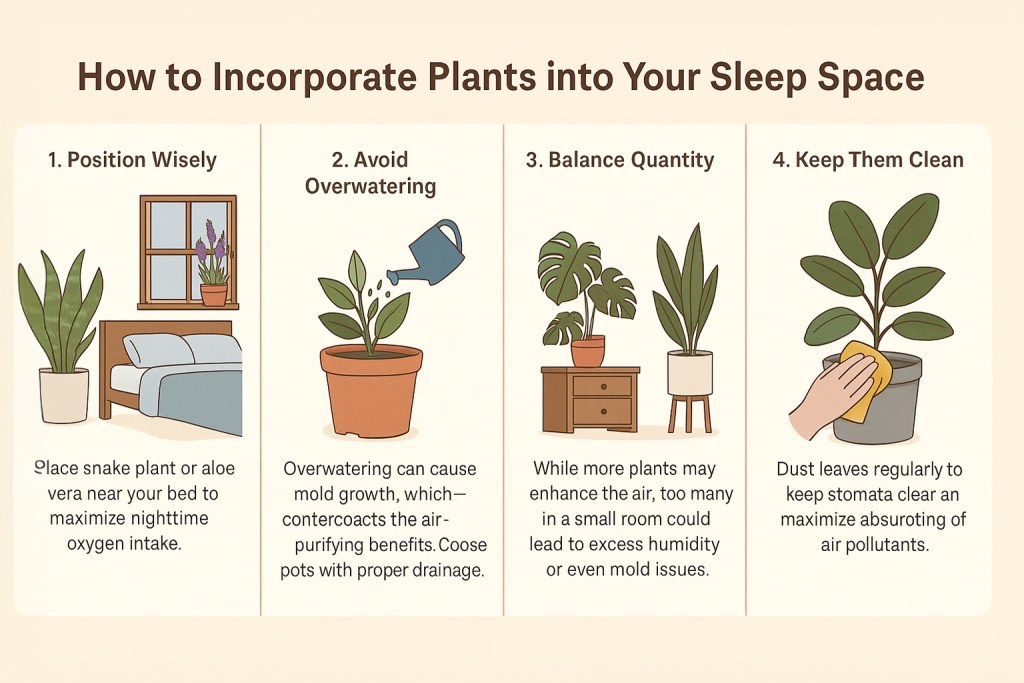
1. Position Wisely
- Place snake plant or aloe vera near your bed to maximise nighttime oxygen intake.
- Use lavender or jasmine near a window or airflow source to distribute their aroma.
2. Avoid Overwatering
- Overwatering can cause mold growth, which counteracts the air-purifying benefits.
- Choose pots with proper drainage.
3. Balance Quantity
- While more plants may enhance the air, too many in a small room could lead to excess humidity or even mold issues.
4. Keep Them Clean
- Dust leaves regularly to keep stomata clear and maximise absorption of air pollutants.
Myths and Misconceptions
Do Plants Take Oxygen at Night?
This is partly true for most plants. However, CAM (Crassulacean Acid Metabolism) plants, like snake plant and aloe vera, release oxygen at night, making them ideal for bedrooms.
Are Plants Enough to Purify Indoor Air?
While plants contribute meaningfully, they’re not a substitute for proper ventilation or HEPA filters, especially in polluted urban environments. Still, they offer psychological and physical benefits that synthetic purifiers don’t.
Mental Health and the “Biophilic Effect”
Beyond air quality, there’s a psychological principle called the biophilic effect, which suggests that being around nature (or representations of nature) reduces stress and promotes well-being. Studies have found that:
- Bedrooms with houseplants create a more peaceful ambiance
- People feel more relaxed and less anxious in plant-filled rooms
- Exposure to natural elements indoors correlates with better sleep patterns
Final Thoughts: Let Plants Tuck You In
The intersection of nature and science offers us a beautiful, low-effort path to better sleep. By selecting the right plants and incorporating them thoughtfully into your bedroom, you’re not just decorating, you’re curating a space that supports physical, mental, and emotional rest.
So, next time you’re struggling to fall asleep, don’t just reach for the melatonin bottle. Consider adding a snake plant to your nightstand or a lavender pot on your windowsill. Sleep, after all, is a natural process and nature might just be the best way to nurture it.

Giulia is a content writer at Luxe Mattresses, where she blends her background in product development with a passion for sleep science and design. A graduate of Imperial College London, Giulia studied Product Development & Entrepreneurship, giving her a strong foundation in how everyday products like mattresses & impact human well-being.
At Luxe, she focuses on writing informative, user-friendly blogs that explore everything from mattress comparisons and sleep quality tips to innovations in bedding technology. Giulia is especially passionate about helping readers make smarter choices when it comes to comfort, health, and bedroom design.

Roman is a seasoned expert in mattress development with over a decade of experience in sleep technology, material innovation, and product engineering. He has played a key role in designing and refining sleep solutions for leading mattress brands, with a deep focus on ergonomics, pressure relief, and sleep quality optimization.
With a background in product design and biomechanics, Roman combines scientific research with hands-on development to create mattresses that address real-world sleep issues—from spinal alignment to temperature regulation. His work has contributed to several award-winning mattress lines known for their comfort, durability, and user satisfaction.