




By Dr. Patel
As a sleep specialist, I’ve seen firsthand how little people understand about the importance of the sleep cycle, especially the role of REM cycle and sleep. Most patients come in believing that more hours automatically equal better rest. But in reality, the structure of your sleep, particularly the time spent in REM, is just as crucial as duration.
Let’s explore what REM sleep actually is, how it affects your brain and body, what happens when you don’t get enough, and what you can do to improve it.
What Is REM Sleep?
REM stands for Rapid Eye Movement, a unique and critical stage of the sleep cycle. It occurs about 90 minutes after you fall asleep and repeats several times during the night, becoming longer with each cycle.
REM sleep is characterised by:
- Quick and random movement of the eyes
- Elevated brain activity similar to when you’re awake
- Muscle paralysis (to prevent acting out dreams)
- Irregular breathing and faster heart rate
- Vivid dreams
REM typically makes up about 20–25% of your total sleep, amounting to roughly 90–120 minutes per night for most adults. It’s not just dream time, it’s a vital period where the brain sorts information, regulates mood, and resets itself.
How the Sleep Cycle Works
To appreciate the importance of REM sleep, it’s helpful to understand how the full sleep cycle operates.
There are four stages of sleep:
- Stage 1 (Light Sleep): This transitional phase lasts a few minutes as you drift off.
- Stage 2: Your body temperature drops, heart rate slows, and your brain begins to relax.
- Stage 3 (Deep Sleep): Also known as slow-wave sleep, this is where the body repairs itself.
- Stage 4 (REM Sleep): The brain becomes highly active, but the body remains still.
Each full sleep cycle lasts approximately 90–120 minutes and repeats 4–6 times per night. REM sleep generally occurs at the end of each cycle, increasing in length toward morning.
Why REM Sleep Is So Important
While deep sleep helps your body recover physically, REM sleep is essential for mental and emotional health. I often explain to my patients that if deep sleep is about the body, REM is about the brain.
The benefits of REM sleep include:
- Memory consolidation: Your brain processes and stores new information during REM. This includes both facts and emotional memories.
- Emotional regulation: REM helps manage stress and regulate mood. It acts as an overnight form of emotional processing.
- Cognitive performance: Creativity, problem-solving, and learning ability are all enhanced through regular REM cycles.
- Neurological resilience: A lack of REM sleep over time is associated with increased risk of depression, anxiety, and neurodegenerative disorders.
When REM sleep is disrupted or shortened, you may find yourself feeling forgetful, emotionally unstable, or mentally foggy, even after a full night in bed.
Signs You’re Not Getting Enough REM Sleep
It’s a common misconception that sleeping 7-8 hours automatically means you’re well-rested. Poor sleep quality can mean very little time spent in REM, especially if sleep is fragmented.
Symptoms of insufficient REM sleep often include:
- Trouble concentrating
- Mood swings or irritability
- Vivid dreams followed by fatigue
- Cravings or poor decision-making
- A general feeling of unrest despite “enough” sleep
Several factors can negatively impact REM sleep, such as high stress, irregular sleep schedules, alcohol, and certain medications (particularly antidepressants and beta blockers).
How Much REM Sleep Do You Actually Need?
Most adults need between 90 to 120 minutes of REM sleep each night. However, the exact amount can vary slightly depending on age and health conditions.
Breakdown by age group:
Infants: Can spend up to 50% of sleep in REM Teenagers: Typically require 20–25% of total sleep time as REM Adults: Aim for 90–120 minutes per night Older adults: REM time may decrease slightly but remains vital
The best way to ensure adequate REM sleep is by maintaining a full night of uninterrupted rest. Since REM periods become longer toward the morning, cutting sleep short significantly reduces the amount of time spent in this phase.
How to Improve REM Sleep Naturally
Improving your REM sleep isn’t about sleeping longer, it’s about sleeping smarter. You can enhance the quality of your REM cycles with a few intentional lifestyle changes.
Start with basic sleep hygiene:
- Stick to a regular sleep schedule, even on weekends.
- Avoid screens an hour before bed to limit blue light exposure.
- Keep your bedroom cool, quiet, and dark to promote deeper cycles.
- Avoid alcohol, caffeine, and heavy meals at least three hours before sleep.
Also consider these tips:
- Wind down with meditation or breathing exercises to lower cortisol levels.
- Use a supportive mattress and pillow to reduce tossing and turning.
- Track your sleep with devices like Oura or Fitbit to monitor your sleep stages.
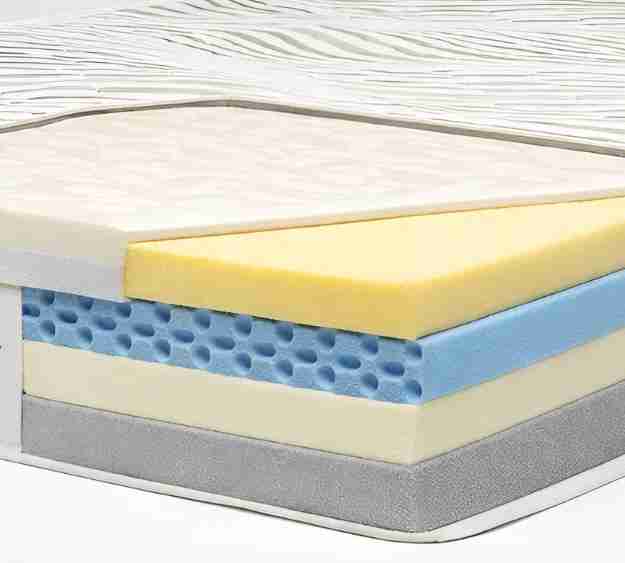
For those who overheat at night a common cause of disrupted REM, I recommend a temperature-regulating mattress. Cooling options like those in our cooling mattress, especially our best cooling mattress luxe therm mattress can help maintain consistent comfort throughout the night.
How to Track REM Sleep
Wearable devices can give you a general estimate of your REM cycles. While not perfectly accurate, they can show trends over time, especially when paired with a sleep journal.
Sleep Calculator
Plan your optimal bedtime and wake-up times based on your body’s natural sleep cycles. Wake up refreshed and energized every morning.
Why Use This Calculator?
- Calculate the ideal bedtime based on when you need to wake up
- Find the optimal wake-up time based on when you go to bed
- Work with your body’s natural 90-minute sleep cycles
- Minimize grogginess and maximize morning energy
- Based on sleep science research
Here’s what to watch for:
- Changes in sleep stages after lifestyle or diet changes
- Impact of alcohol or caffeine on sleep quality
- Correlation between stress levels and dream patterns
If you notice consistently low REM readings, despite adequate sleep duration, it might be worth discussing with a sleep professional.
When to Seek Help
There are some cases where poor REM sleep is linked to a deeper health issue. If you experience:
- Chronic fatigue despite full nights of sleep
- Frequent waking or vivid nightmares
- Inability to concentrate during the day
- Signs of depression or anxiety
You may be suffering from a sleep disorder such as REM Sleep Behavior Disorder, insomnia, or sleep apnea. A sleep study can help identify the issue and guide you toward treatment options.
Final Thoughts
REM sleep isn’t just a mysterious part of the night filled with dreams. It’s a vital component of your overall health just as important as exercise or a balanced diet. During this phase, your brain resets, stores memories, and processes emotional stress.
The more you understand and respect your body’s need for REM sleep, the better your mental clarity, mood, and long-term health will be. By making a few key adjustments to your lifestyle and sleep environment, you can significantly enhance both the quantity and quality of REM sleep you get each night.
If you feel like your sleep is not leaving you rested or if you’re experiencing persistent cognitive or emotional issues, REM sleep may be the piece of the puzzle you’re missing.
— Dr. Patel

Roman is a seasoned expert in mattress development with over a decade of experience in sleep technology, material innovation, and product engineering. He has played a key role in designing and refining sleep solutions for leading mattress brands, with a deep focus on ergonomics, pressure relief, and sleep quality optimization.
With a background in product design and biomechanics, Roman combines scientific research with hands-on development to create mattresses that address real-world sleep issues—from spinal alignment to temperature regulation. His work has contributed to several award-winning mattress lines known for their comfort, durability, and user satisfaction.