


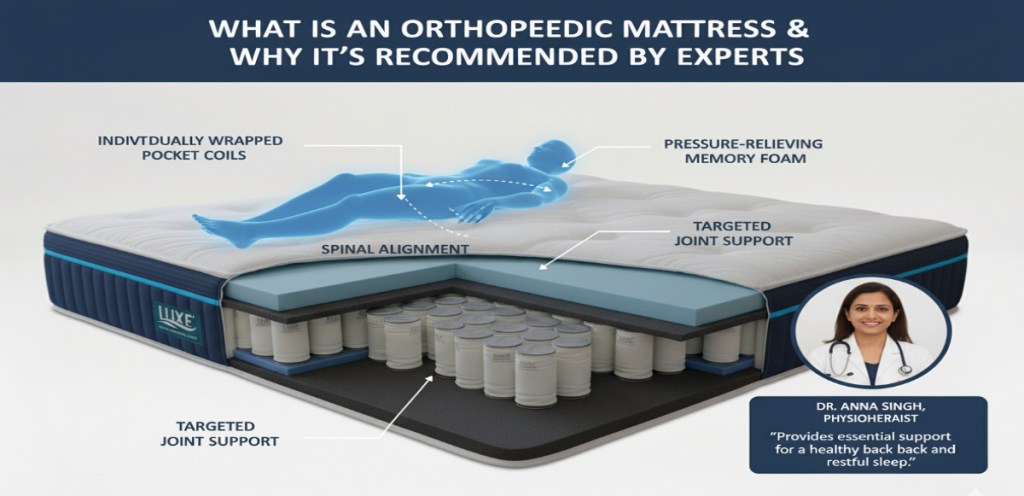
Sleep quality is closely linked to spinal health, and many people experience back pain from inadequate mattress support. An orthopaedic mattress provides targeted support for the spine and joints, relieving pressure points and promoting proper alignment.
Experts recommend orthopaedic mattresses for long-term comfort and better sleep. With firm support and adaptive materials like memory foam, latex, or hybrid constructions, they balance comfort and stability, helping with chronic pain, injury recovery, or preventive spinal care.
What Is an Orthopaedic Mattress?

An orthopaedic mattress is specifically designed to support the spine, joints, and overall body alignment during sleep. Unlike traditional mattresses that focus primarily on comfort, orthopaedic mattresses prioritize proper posture, pressure relief, and targeted support, making them ideal for people experiencing back pain or joint discomfort.
Key Features of Orthopaedic Mattresses
- Firmness Levels: Usually medium-firm to firm, providing stable support without excessive sinking.
- Zoned Support: Different areas of the mattress are designed to support the shoulders, hips, and lower back.
- Durable Materials: High-quality memory foam, latex, or hybrid constructions ensure long-lasting support.
By combining these features, an orthopaedic mattress helps maintain correct spinal alignment, reduces pressure points, and contributes to more restful and pain-free sleep.
How Orthopaedic Mattresses Help with Back Pain
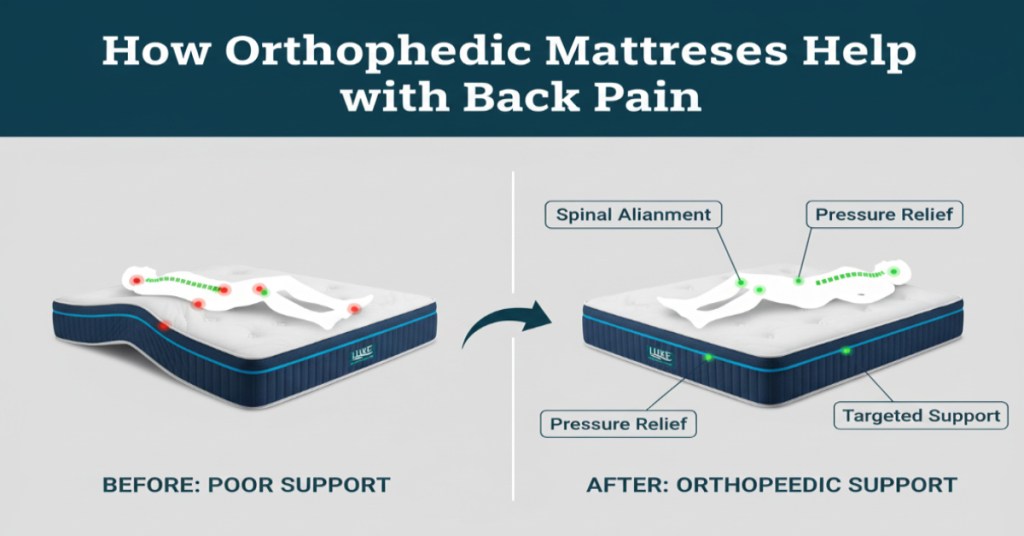
An orthopaedic mattress for back pain is specifically designed to provide targeted support that aligns the spine and relieves pressure on critical areas such as the lower back, hips, and shoulders. By maintaining proper posture throughout the night, it reduces strain on muscles and joints, which is essential for preventing discomfort and chronic pain.
Key Benefits for Back Pain Relief
- Spinal Alignment: Supports the natural curve of the spine, reducing stress on vertebrae and muscles.
- Pressure Point Reduction: Zoned support and firm materials prevent sinking in key areas, alleviating tension and discomfort.
- Enhanced Comfort: Materials like memory foam and latex adapt to the body while maintaining consistent support.
Expert recommendations and cool mattress reviews highlight that individuals using orthopaedic mattresses often experience fewer nighttime aches and improved sleep quality, making them a trusted solution for back pain management.
Types of Orthopaedic Mattresses
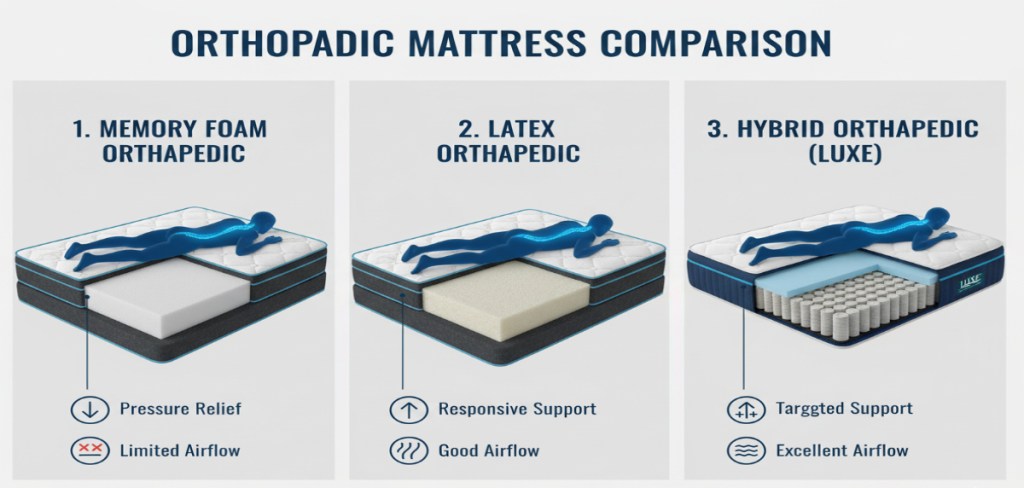
Selecting the right orthopaedic mattress involves understanding the different types available, their construction, and how each addresses spinal support, pressure relief, and overall comfort. Each type offers unique benefits, and the best choice depends on your sleeping style, body type, and specific back or joint issues.
1. Memory Foam Orthopaedic Mattresses
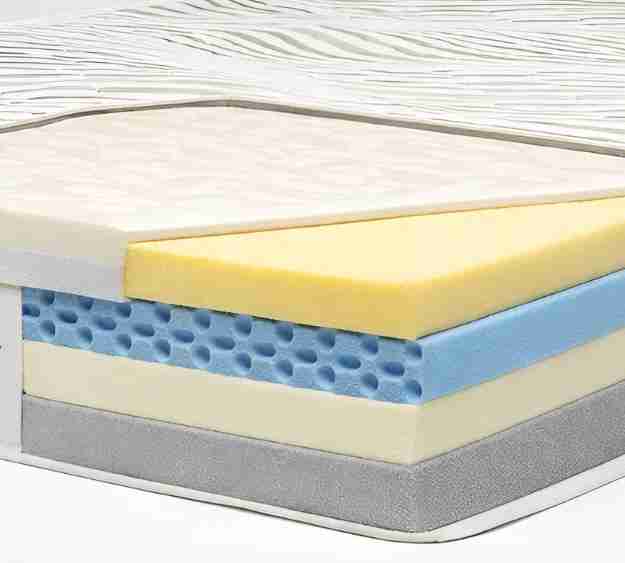
Memory foam mattresses conform closely to the body’s contours, providing personalized support for the spine, shoulders, and hips. Many memory foam orthopaedic mattresses include gel-infused layers or open-cell designs to improve airflow and regulate temperature, preventing heat retention during sleep. This type is ideal for individuals seeking orthopaedic mattresses for back pain, as it distributes weight evenly and reduces pressure points.
2. Latex Orthopaedic Mattresses
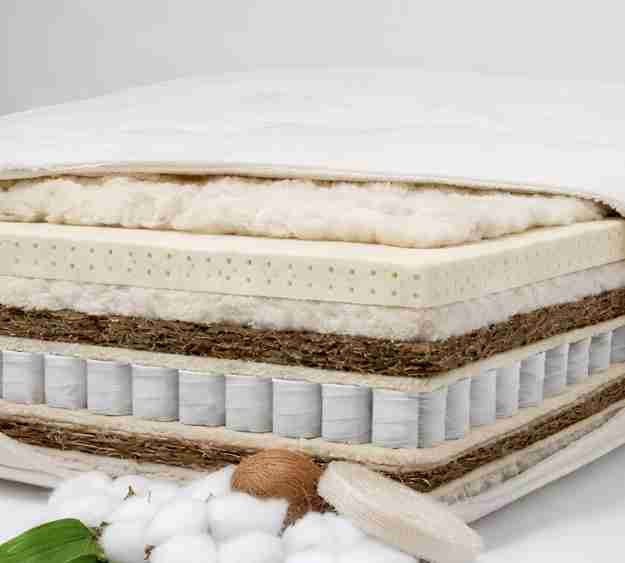
Latex mattresses are naturally resilient, durable, and breathable. They provide firm support while maintaining comfort, promoting proper spinal alignment. Latex is also hypoallergenic and resistant to dust mites, making it suitable for allergy sufferers. Its firm yet slightly responsive feel makes it effective for relieving joint and back discomfort, while offering a cooler sleep experience than traditional memory foam.
3. Hybrid Orthopaedic Mattresses
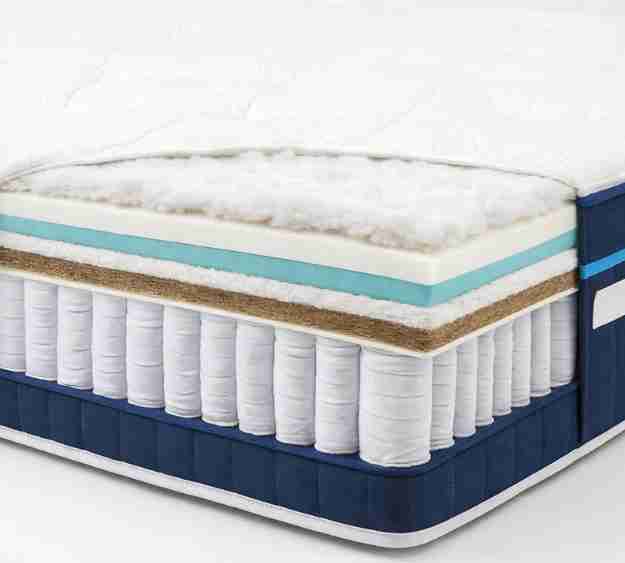
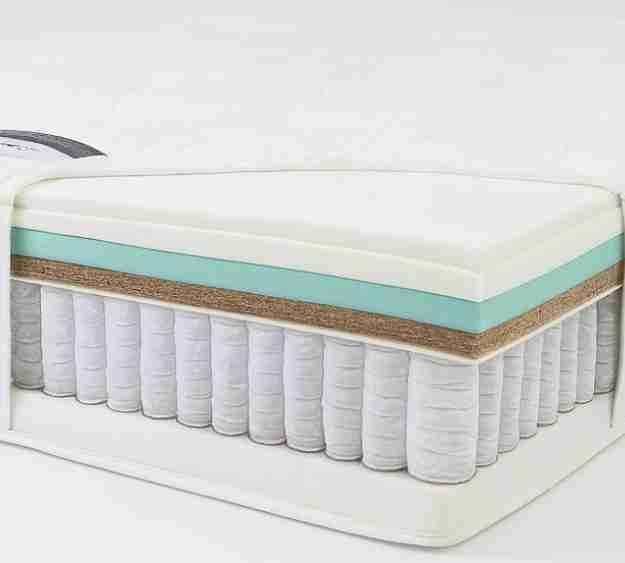
Hybrid mattresses combine the benefits of foam or latex layers with pocketed coil systems. The coils provide strong, responsive support and enhance airflow, while the foam or latex layers contour to the body to relieve pressure on the spine and joints. Hybrids are particularly effective for back pain sufferers who need a balance of comfort, support, and temperature regulation. They are often recommended as the best orthopaedic mattress UK options for people with chronic back issues.
By understanding these types and their unique advantages, sleepers can make an informed choice when selecting the best orthopaedic mattress tailored to their specific needs, sleeping positions, and comfort preferences. Proper selection ensures improved sleep quality, better spinal alignment, and long-term relief from back pain.
How to Choose The Best Orthopedic Mattress For You
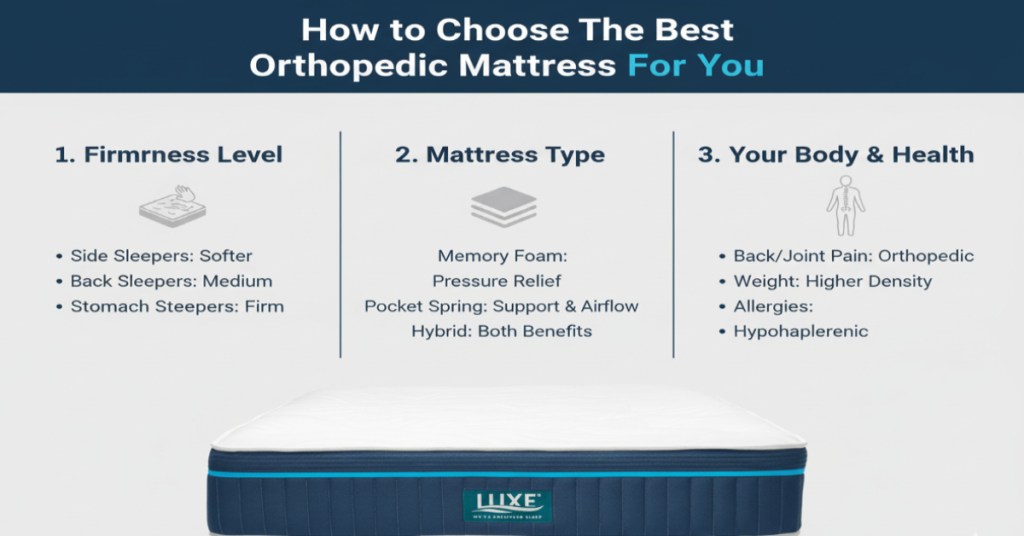
Selecting the best orthopaedic mattress requires more than just picking a firm mattress. Factors like sleeping position, body weight, back pain, and material preferences play a crucial role in ensuring proper spinal support and comfortable sleep.
1. Consider Your Sleeping Position
- Side Sleepers: Medium-firm orthopaedic mattresses provide pressure relief for shoulders and hips while maintaining spine alignment.
- Back Sleepers: Medium-firm to firm mattresses support the natural curvature of the spine and prevent sagging.
- Stomach Sleepers: Firmer mattresses reduce midsection sinking and maintain spinal alignment.
2. Body Weight and Support
- Light to Average Weight: Most memory foam or latex orthopaedic mattresses offer sufficient support and pressure relief.
- Heavier Sleepers: High-density foam or hybrid mattresses with reinforced coils ensure durability, consistent support, and proper heat dissipation.
3. Materials and Technology
- Memory Foam: Contours to the body while providing firm support. Gel-infused or open-cell foams enhance airflow.
- Latex: Naturally resilient, breathable, and supportive for long-term spinal alignment.
- Hybrid: Combines foam or latex with pocketed coils for optimal support, bounce, and temperature regulation.
4. Firmness and Comfort
Choosing the right firmness ensures proper spinal alignment and pressure relief. Medium-firm mattresses are generally recommended by experts as the optimal balance for most sleepers.
5. Size, Durability, and Budget
- Select a mattress that fits your bed frame and sleeping space.
- Look for high-quality materials that ensure long-term durability.
- Consider brands offering trial periods or warranties to ensure satisfaction.
By evaluating these factors, you can identify the best orthopaedic mattress UK or local option that suits your sleep style, body type, and specific back or joint needs. Proper selection leads to enhanced comfort, reduced pain, and more restorative sleep.
Which Mattress Types Have Orthopedic Models?
Orthopaedic mattresses are not limited to a single type or material. Several mattress constructions are designed with orthopaedic features to provide spinal support, pressure relief, and enhanced comfort. Understanding the available types helps you choose the best orthopaedic mattress for your needs.
1. Hybrid Orthopaedic Mattresses
Hybrid mattresses combine layers of foam or latex with pocketed coils. The foam or latex contours to the body for pressure relief, while the coils provide firm support and durability. Hybrid orthopaedic mattresses are ideal for sleepers who want a balance of comfort and spinal alignment along with enhanced airflow.
2. Innerspring Orthopaedic Mattresses
Traditional innerspring mattresses with reinforced coil systems can also feature orthopaedic designs. These mattresses offer strong support for heavier sleepers and improved spinal alignment, especially when combined with a firm comfort layer. They provide responsive support that reduces sagging and promotes healthy posture.
3. Foam Orthopaedic Mattresses
Memory foam mattresses are a popular orthopaedic option because they conform closely to the body and distribute weight evenly. Gel-infused or open-cell foams improve airflow, reduce heat retention, and relieve pressure on the back, hips, and shoulders, making them ideal for back pain relief.
4. Latex Orthopaedic Mattresses
Latex mattresses offer natural resilience and firm support while maintaining comfort. They are durable, breathable, and hypoallergenic. Orthopaedic latex mattresses support spinal alignment and relieve pressure points while providing a cooler sleeping surface compared to traditional foam.
By choosing an orthopaedic mattress in any of these types hybrid, innerspring, foam, or latex sleepers can enjoy targeted support, improved posture, and enhanced sleep quality tailored to their individual needs.
Orthopaedic Mattress Comparison: Top Picks at a Glance
When it comes to spinal health and sleep support, not all mattresses are created equal. Whether you’re seeking pain relief, better posture, or simply a cooler, more comfortable night’s rest, choosing the right orthopaedic mattress can make a world of difference.
Comparison Table: Orthopaedic & Supportive Mattresses
| Mattress | Type | Support / Cooling Tech | Best For | Price Estimate (Queen) |
|---|---|---|---|---|
| Luxe Velour Hybrid (Luxe) | Hybrid | LTX Cooling Foam + Zoned Orthopaedic Support | All Sleepers | £599 – £799 (~$740–$980) |
| Purple Hybrid (Orthopaedic) | Hybrid | Hyper-Elastic Grid + Airflow Channels | Side & Back Sleepers | ~$2,500 – $3,200 |
| Pocket Orthopaedic Mattress (Heal’s) | Pocket Spring | 1,500 Hand-Nested Springs + Breathable Foam | Back Pain & Firm Support | Varies (per Heal’s UK listing) |
Note: Prices may vary depending on region, size, retailer, and seasonal offers. Use this table as a reference not a final quote.
Pros and Cons of Orthopaedic Mattresses
Understanding the advantages and potential drawbacks of an orthopaedic mattress helps you make an informed choice for your sleep and spinal health.
| Pros | Cons |
| Helps with spinal alignment and reduces back pain | Premium models can be expensive |
| Distributes body weight more evenly | Firmer feel may require adjustment |
| Durable build if quality materials used | Hefty and harder to move/rotate |
| Often backed by warranties and trials | “Orthopaedic” label is not standardized, always inspect specs |
When selecting, be especially cautious of brands that merely call “orthopaedic” without delivering firm structure, zoning, or quality materials.
Conclusion
An orthopaedic mattress supports the spine and joints, relieving pressure points and promoting proper alignment, making it ideal for back pain, posture issues, or long-term comfort. Memory foam, latex, hybrid, and innerspring options offer benefits like contouring, durability, and improved airflow for restful, pain-free sleep.
Experts recommend orthopaedic mattresses for spinal health and back pain prevention. By considering sleeping position, body weight, and firmness, you can choose the best orthopaedic mattress for your needs, enhancing sleep quality, reducing discomfort, and supporting overall well-being.
FAQs
Orthopaedic mattresses provide targeted support for the spine and joints, while normal mattresses may focus primarily on comfort. Orthopaedic options reduce pressure points and promote proper posture.
They are generally medium-firm to firm to ensure proper spinal alignment, though some models include softer comfort layers on top.
Spring mattresses rely on coil support, while orthopaedic mattresses often combine foam or latex layers for targeted pressure relief and back support.
Yes. Older adults benefit from enhanced support, joint relief, and reduced discomfort, making it easier to sleep comfortably.
Experts typically recommend medium-firm to firm mattresses that provide full spinal support, often orthopaedic memory foam, latex, or hybrid designs.

I’m a professional sleep health and mattress content specialist with extensive experience writing about orthopedic mattresses, back pain relief, pressure-point support, and overall sleep comfort. I collaborate with industry research, sleep studies, and mattress performance insights to deliver accurate, trustworthy, and reader-focused content. I’m known for simplifying complex mattress technologies such as memory foam, motion isolation, and firmness levels, making them easy to understand for everyday buyers. My goal is to help readers choose mattresses that match their lifestyle, sleep posture, and health needs empowering them to achieve deeper, healthier, and pain-free sleep through informed decisions.