
100-Night Risk-Free Trial
Free Nationwide Delivery
10 Years Warranty
Call us at: 020 4572 5122
0% APR Finance Available
The Power of a Hard Mattress: Why Back & Stomach Sleepers Sleep Better with Hard Mattresses
March 24, 2026

The Power of a Hard Mattress: Why Back & Stomach Sleepers Sleep Better with Hard Mattresses

Estimated reading time: 8 minutes

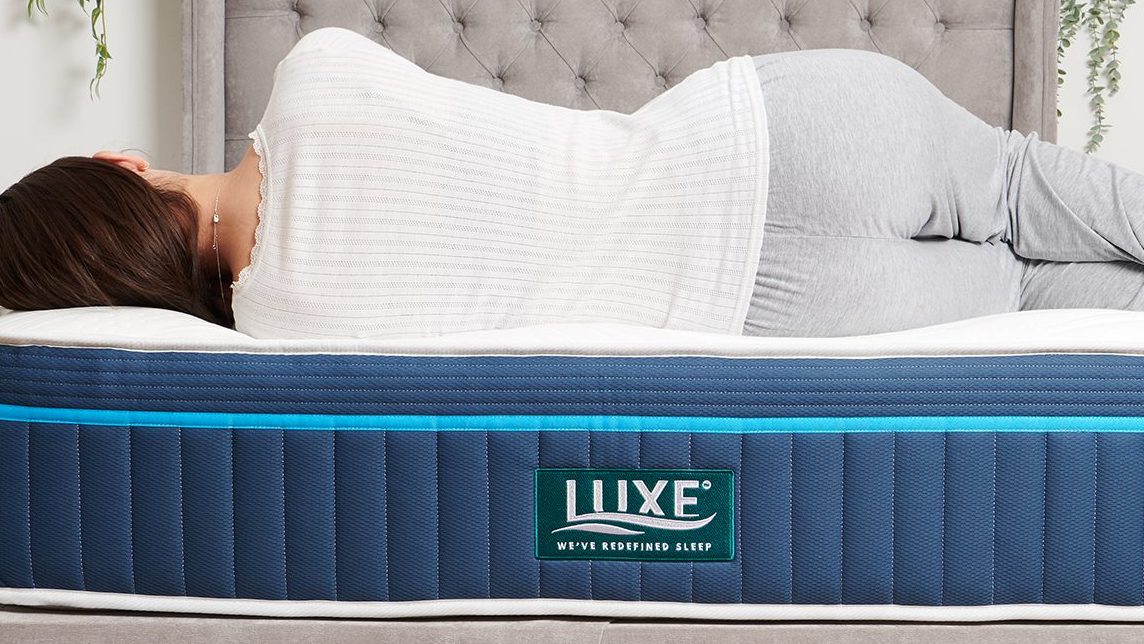
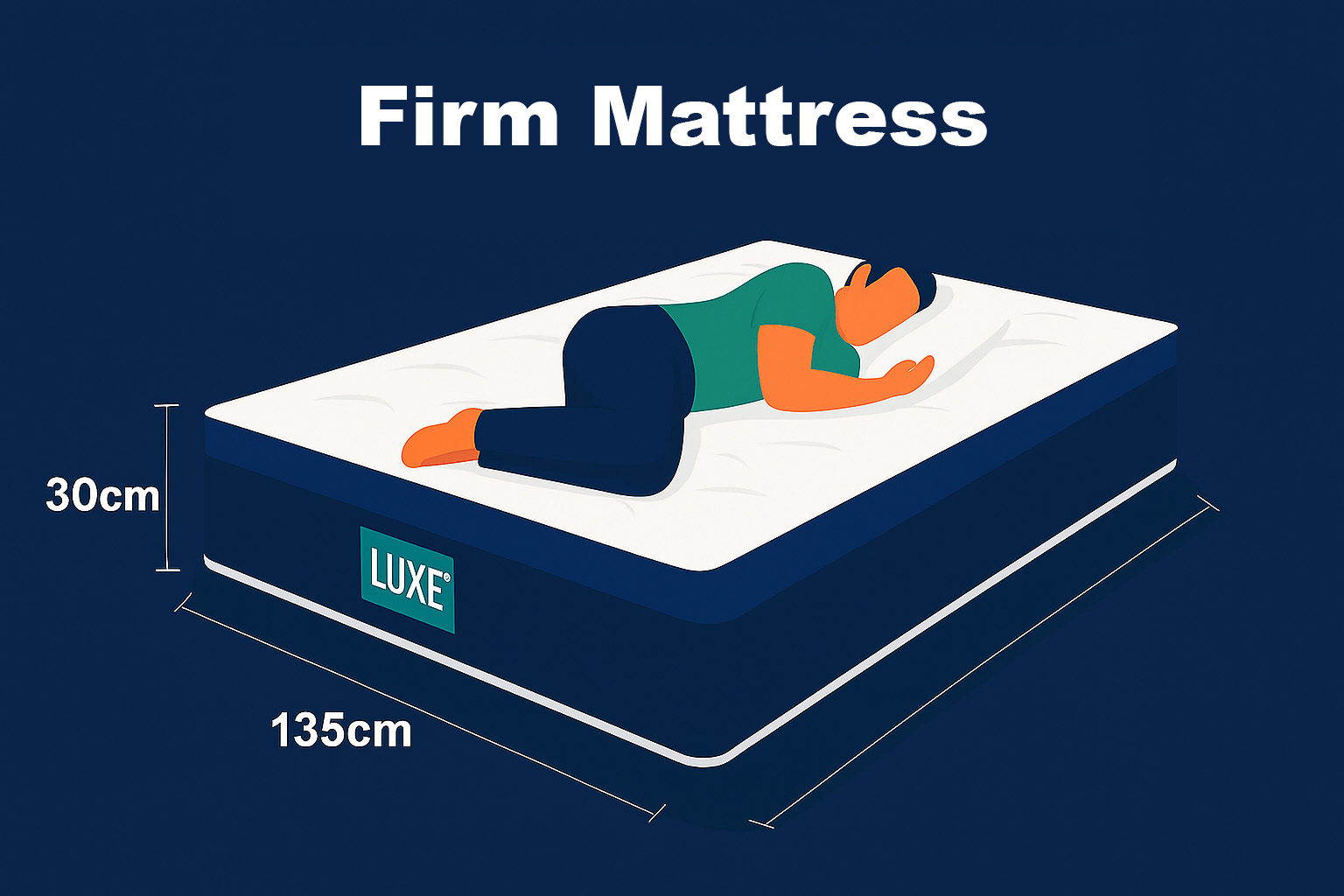
In the pursuit of deep, restorative sleep, mattress firmness plays a critical role – especially for those who sleep on their back or stomach. At Luxe Mattresses, we understand how important spinal alignment and pressure relief are for these sleep positions. That’s why our range of firm and extra firm mattresses is specifically designed to support the body’s natural posture and reduce discomfort throughout the night.

While plush mattresses may seem appealing, they often lack the support needed to maintain a healthy spine position. For back and stomach sleepers, this can lead to tension in the lower back, disrupted sleep, and long-term health issues. A hard mattress provides the even, stable surface needed to align the spine, promote circulation, and minimize muscular stress.

Understanding Sleep Positions and the Role of Firmness

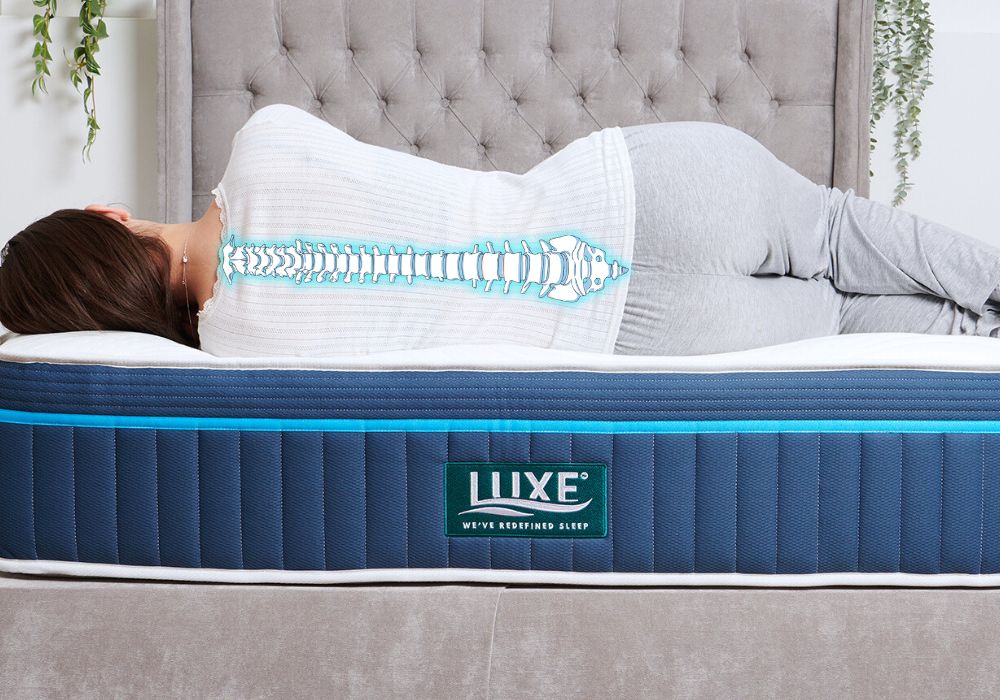
Back sleepers benefit from a surface that supports the natural curvature of the spine without allowing the hips or shoulders to sink too deeply. Too much sinkage creates strain in the lumbar region. Luxe Mattresses’ firm and extra firm options, like the Majestic 9000 and Majestic 11000, provide the consistent support necessary to keep your back in alignment all night long.

firm mattress for back pain and spinal health

Stomach sleepers, meanwhile, often struggle with alignment due to the position of the neck and pelvis. When a mattress is too soft, it causes the abdomen and hips to sink lower than the rest of the body. This exaggerated curve places strain on the spine, leading to discomfort upon waking. A firm mattress, such as the LuxeErgo 3400, helps reduce this issue by offering a flat and supportive surface that minimizes excessive curvature.

Sleep position greatly influences your overall sleep quality and health. Back and stomach sleepers, in particular, need to ensure their mattress is firm enough to prevent their spine from bending into awkward positions overnight. A properly designed mattress can make the difference between restless sleep and waking up refreshed.

Why Mattress Firmness is Essential for Support

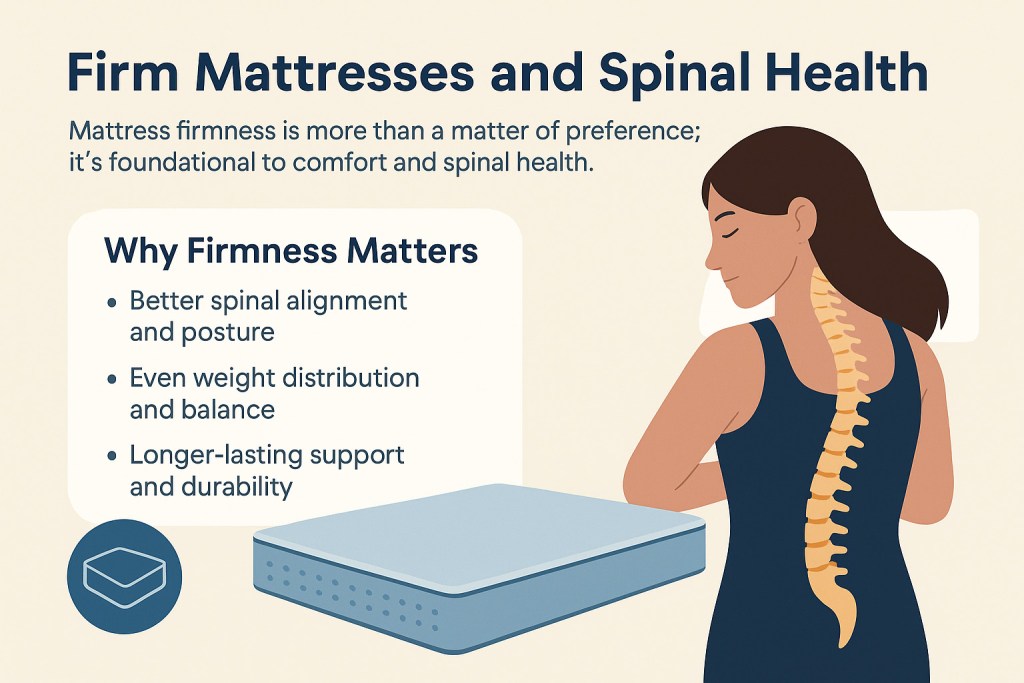
Mattress firmness is more than a matter of preference, it’s foundational to comfort and spinal health. For those who sleep on their back or stomach, a mattress that’s too soft can do more harm than good. Soft surfaces can lead to poor posture during sleep, misalignment of the spine, and increased pressure on key areas like the lower back.

Firm mattresses provide the resistance needed to keep your body in a stable position. Rather than allowing the body to sink in, they distribute weight more evenly and provide a sense of balance that supports the natural curves of the spine. This ensures that the heavier parts of your body, such as the hips and shoulders, do not sink disproportionately, which can lead to discomfort or long-term issues.

Choosing the right firmness is also vital in terms of durability. Softer mattresses tend to wear out faster and lose their structural integrity, while firm mattresses hold their shape longer. This results in better support and a longer lifespan for the product, which is especially beneficial for people who require consistent support night after night.

Meet Luxe Mattresses: Designed for Restorative Sleep

Luxe Mattresses offers a range of premium-quality mattresses engineered to deliver orthopedic support and luxury-level comfort. Our firm and extra firm mattresses are thoughtfully crafted for people who experience chronic back pain, sleep on their stomach, or simply prefer a supportive sleep surface. Unlike generic brands, we focus on UK-crafted design and high-performance materials that stand the test of time.

Majestic 9000

The Majestic 9000 is a high-density foam mattress offering firm support without compromising on comfort. It’s specifically designed to cradle your body while maintaining spinal alignment, which is particularly beneficial for back sleepers. The firm foam layers absorb motion and support even weight distribution, helping relieve pressure in critical areas such as the lower back and hips.

Stomach sleepers also benefit from the firm surface of the Majestic 9000. The mattress prevents the hips and torso from sinking too deeply, maintaining a more neutral spine position and reducing tension on the lower back. This model is especially helpful for those who want the contouring benefits of foam without the sag often found in softer alternatives.

Majestic 11000

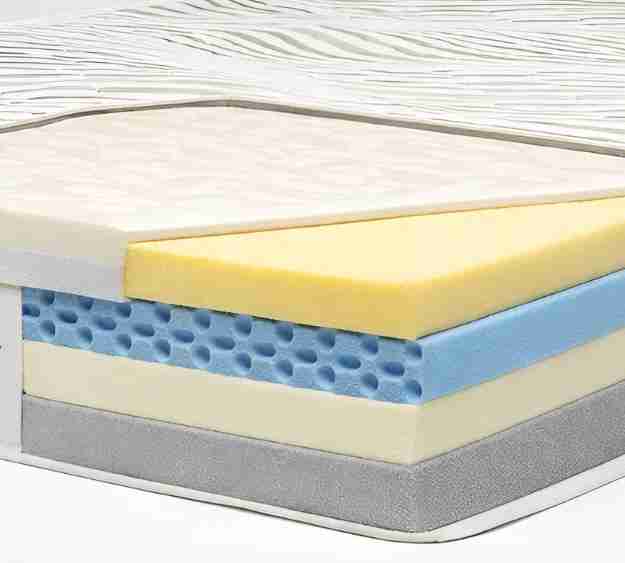
For sleepers who need extra firmness, the Majestic 11000 is the perfect solution. This foam-based mattress is engineered with multiple layers that provide robust support, making it ideal for heavier individuals or those who experience chronic lower back pain.

majestic 11000 firm foam mattress

What sets the Majestic 11000 apart is its superior resilience and density. This mattress retains its shape night after night, ensuring reliable support and minimal wear. With its orthopedic-grade firmness, it offers a truly restorative experience that can significantly improve sleep quality for people who have struggled with alignment and discomfort on softer mattresses.

LuxeErgo 3400

For those seeking a balance between foam and springs, the LuxeErgo 3400 delivers the best of both worlds. This premium hybrid mattress includes layers of foam supported by 4000 responsive pocket springs, offering a firmness level that accommodates both back and stomach sleepers.

Luxe Ergo 3400 hybrid firm mattress

Although categorized as medium firm, the LuxeErgo 3400’s spring system gives it the stability and support of a firmer mattress. It contours where needed while maintaining enough resistance to support spinal alignment. It is particularly well-suited for combination sleepers who shift between their back and stomach throughout the night.

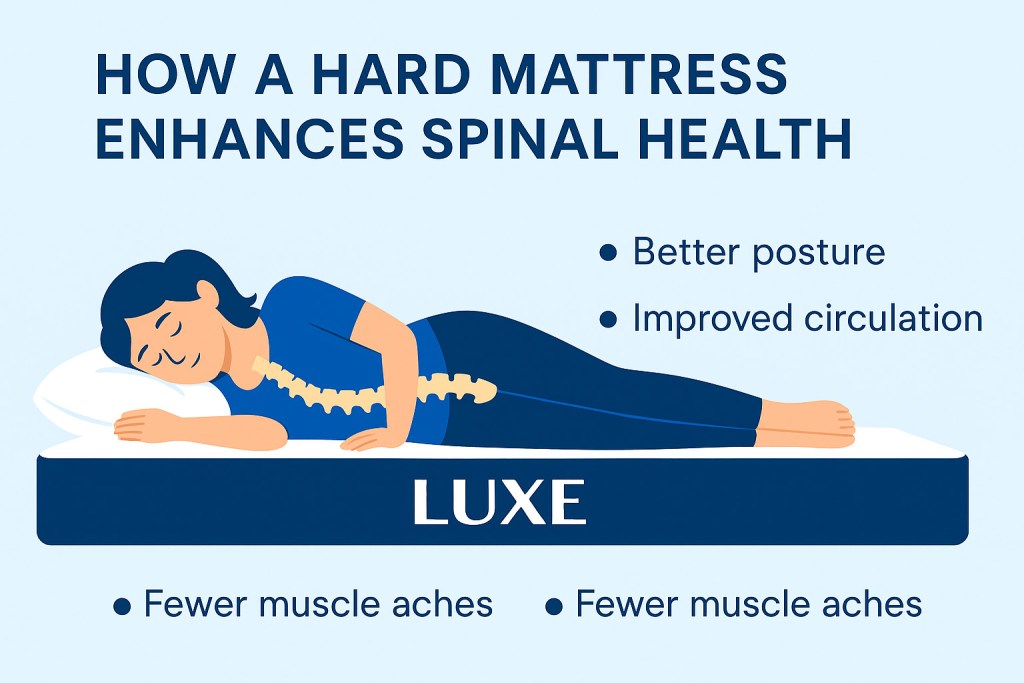
How a Hard Mattress Enhances Spinal Health

A properly aligned spine is the cornerstone of a healthy sleep posture. When the spine is in a neutral position, the body can relax fully, muscles can recover, and circulation improves. A hard mattress plays a crucial role in achieving this alignment.

How a Hard Mattress Enhances Spinal Health

Hard mattresses also contribute to benefits such as:

  • Better posture: Sleep is the longest period your body remains still. Poor support can lead to long-term posture issues.
  • Improved circulation: By keeping your body level, a firm mattress reduces pressure points that can restrict blood flow.
  • Fewer muscle aches: With proper support, muscles stay relaxed throughout the night, reducing morning soreness.

When your mattress supports you correctly, you’ll not only sleep more soundly but also wake up with fewer aches and greater flexibility.

For additional insights on how sleep affects physical health, you can refer to resources like the National Sleep Foundation and the Sleep Research Society.

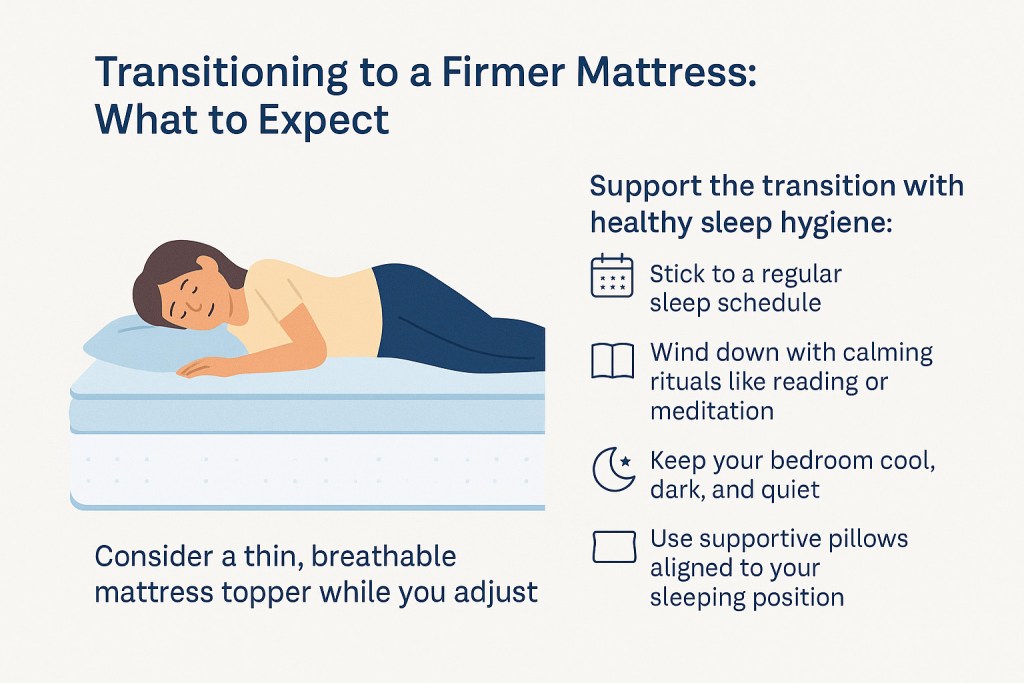
Transitioning to a Firmer Mattress: What to Expect

If you’re used to a soft mattress, transitioning to a firm or extra firm surface may feel unfamiliar at first. Your body needs time to adjust to the new level of support, and you might even experience slight discomfort during the first few nights. However, this is a natural part of the adaptation process.

Transitioning to a Firmer Mattress: What to Expect

One effective way to ease the transition is to use a thin, breathable mattress topper to provide a touch of cushioning while your body acclimates to the firmness. Gradually, you can remove the topper once you feel fully adjusted.

Support the transition with healthy sleep hygiene:

  • Stick to a regular sleep schedule.
  • Wind down with calming rituals like reading or meditation.
  • Keep your bedroom cool, dark, and quiet.
  • Use supportive pillows aligned to your sleeping position.

Why Luxe Mattresses Are the Best Fit for You

Luxe Mattresses stand out because of our dedication to quality, comfort, and clinical support. Each of our products is designed to address specific sleep needs, from posture correction and spinal alignment to pressure relief and reduced motion transfer.

Our foam mattresses like the Majestic 9000 and Majestic 11000 are built for longevity and body-conforming support without excessive sinkage. They cater especially to people suffering from back pain or those who prefer a dense, stable sleep surface.

The LuxeErgo 3400, with its hybrid construction, is excellent for those wanting some give without losing firmness. With 4000 pocket springs, it provides dynamic response to movement while still maintaining the spine’s natural curve.

Each mattress is handcrafted in the UK and backed by rigorous quality testing to ensure you get the support your body deserves.

Conclusion: Invest in Better Sleep Today

Choosing a hard mattress is not about choosing discomfort it’s about choosing alignment, durability, and long-term health. For back and stomach sleepers, firm support is essential to prevent pain, promote restfulness, and support recovery. Luxe Mattresses offers a range of solutions tailored to these needs.

Whether you’re drawn to the firm, supportive feel of the Majestic 9000, the ultra-stable design of the Majestic 11000, or the balanced hybrid support of the LuxeErgo 3400, you’re making a choice that prioritizes your health and sleep quality.

Explore our full hard mattress collection or browse extra firm options and take the first step toward deeper, more restorative rest tonight.

Need help choosing the perfect firmness level for your body type and sleep style? Contact the Luxe Mattresses team for a personalised recommendation. Your spine will thank you.

Sleep Blissfully: The Ultimate Guide to the Best Mattress for Hip Pain Relief
March 24, 2026

Sleep Blissfully: The Ultimate Guide to the Best Mattress for Hip Pain Relief

Are you tossing and turning at night, struggling with discomfort that keeps you from truly resting? Hip pain is a common sleep disruptor, and choosing the best mattress for hip pain can make a significant difference in how well you sleep and recover overnight. The right mattress helps relieve pressure, supports proper spinal alignment, and reduces strain on sensitive joints.

We’ll explore the underlying causes of hip pain, the essential features in a mattress that alleviate it, and top-rated mattress choices tailored for your needs. Whether you’re seeking the best mattress for pregnancy hip pain, or wondering if a hard mattress is right for you, our expert insights and carefully curated options featuring top models like the Majestic 9000 Memory Foam Firm Mattress and the Luxe Ergo Hybrid 3400 Medium Firm Mattress will help you wake up refreshed and pain-free.

Understanding Hip Pain: Causes and Symptoms

Hip pain while sleeping can be disruptive and, over time, detrimental to your physical and mental well-being. The causes of hip pain range from chronic medical conditions to lifestyle factors. Understanding these causes is the first step toward effective relief.

Medical causes include:

  • Arthritis: Particularly osteoarthritis, causes cartilage breakdown and joint inflammation, leading to stiffness and nighttime aches.
  • Bursitis: Inflammation of the bursae, the fluid-filled sacs that cushion the hip joint, causes pain when pressure is applied especially while lying on one side.
  • Injuries: Fractures, hip dislocations, or post-surgical recovery often require targeted mattress support.
  • Muscle strains or tendinitis: Frequently triggered by repetitive movements, poor posture, or high-impact sports.

Other contributing factors may include excessive body weight, pregnancy-related pelvic shifts, and even sedentary lifestyle habits that weaken core and hip muscles.

Common symptoms include:

  • Dull, deep aching in the hips
  • Pain that radiates to the thighs, groin, or lower back
  • Stiffness after prolonged rest
  • Discomfort when lying on one side or switching positions

When these symptoms begin to affect sleep quality, your mattress may no longer be providing the support you need.

Why Mattress Choice Matters for Hip Pain Relief

A good night’s sleep starts with a well-suited mattress. For those suffering from hip pain, the mattress isn’t just about comfort it’s a tool for healing and restoration. A supportive and pressure-relieving mattress can:

  • Maintain neutral spinal alignment, reducing strain on joints
  • Cushion pressure points around the hip and pelvis
  • Minimise movement disruption, especially beneficial for couples
  • Support muscle recovery and reduce inflammation through better circulation

For pregnant individuals, these benefits are doubly important. Weight gain, hormonal changes, and pelvic shifting all contribute to increased strain on the hips. Choosing the best mattress for pregnancy hip pain one that provides gentle support and adaptive comfort can significantly reduce nighttime discomfort and improve rest.

According to Harvard Health, proper mattress support is essential in managing joint-related discomfort and improving overall sleep hygiene.

What to Look for: Mattress Features That Matter

Choosing the right mattress isn’t just about comfort or brand recognition it’s about finding the perfect balance between support, material quality, and personalized features that meet your sleep needs. Whether you struggle with hip discomfort or are simply due for an upgrade, focusing on specific mattress features can guide you toward a smarter purchase.

1. Firmness Level

Firmness is arguably the most noticeable aspect of a mattress and plays a crucial role in pressure relief and spinal alignment. It ranges from ultra-soft to extra-firm and should be selected based on your sleep position and pain points.

  • Medium-firm mattresses offer the best balance for most sleepers, particularly those with hip pain. They provide cushioning for joints while keeping the spine aligned.
  • Soft mattresses are great for lighter side sleepers but can cause excessive sinkage for heavier users.
  • Firm mattresses work well for back and stomach sleepers who need a stable surface to prevent the hips from dipping. The Majestic 9000 Memory Foam Firm Mattress is an excellent choice in this category, offering reliable support for proper posture. Learn more here.

2. Pressure Relief Zones

A standout feature in premium mattresses is zoned support, which means certain parts of the mattress are softer or firmer based on the body area. This technology helps alleviate pressure on sensitive zones such as hips, shoulders, and lower back ideal for people who wake up with soreness.

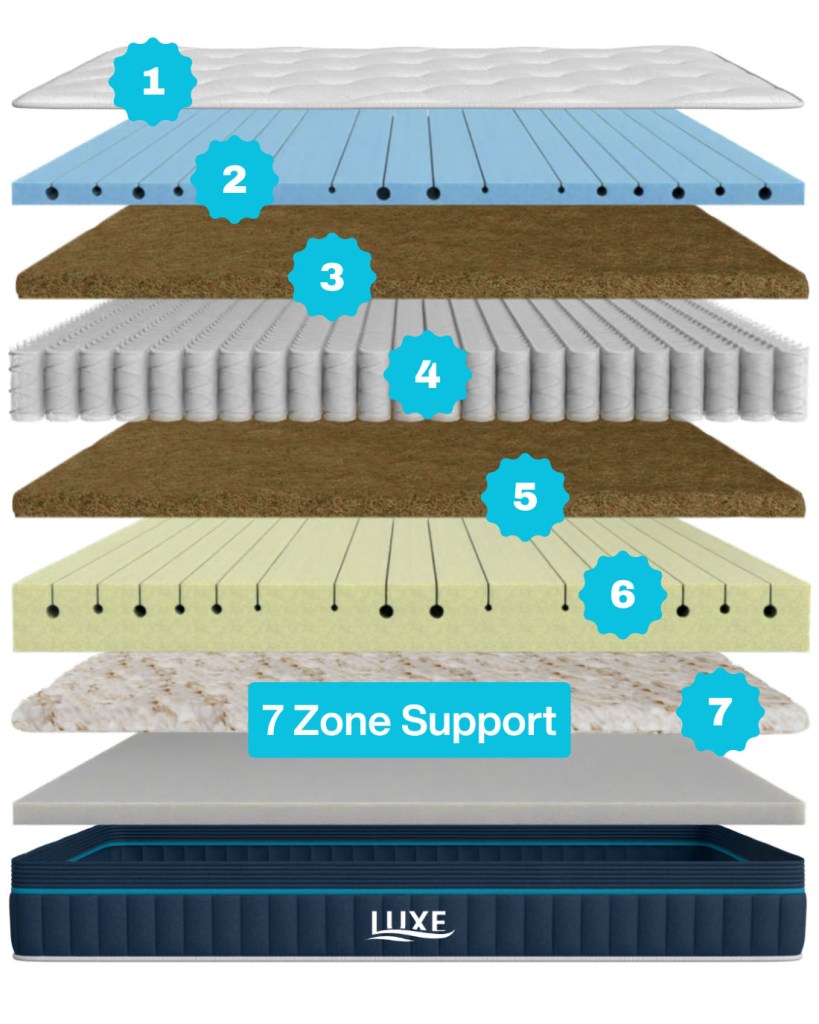
The Luxe Ergo Hybrid 3400 excels in this department with its 7-zone pressure relief system and advanced spine alignment technology, making sure your body receives customized support from head to toe. Explore it here.

3. Material Composition

Different materials offer distinct sleep experiences. Your ideal mattress should match your body’s needs, preferred feel, and environmental values.

  • Memory Foam: Provides contouring comfort and isolates motion, making it ideal for side sleepers and couples. However, it may retain heat unless infused with cooling gel or open-cell technology.
  • Latex: Naturally breathable and hypoallergenic. It offers bounce and responsiveness, appealing to eco-conscious and hot sleepers.
  • Hybrid: Combines coils for support with foam or latex for comfort often the best of both worlds. Hybrid options like the Luxe Ergo excel in airflow, edge support, and longevity.
  • Innerspring: Traditional coil mattresses offer a firmer, bouncier feel with good breathability but less contouring.
  • Adjustable Air Mattresses: Allow you to fine-tune firmness on each side. Best for couples with differing sleep preferences, though usually more expensive.

4. Edge Support and Durability

High-quality mattresses don’t sag over time especially around the edges. Reinforced edge support keeps the sleep surface stable, expands usable space, and makes it easier to sit or sleep near the sides. Durable materials such as high-density foam, tempered steel coils, or natural latex also contribute to longevity.

Hybrid mattresses, such as the Luxe Ergo, tend to score highly in both edge support and durability.

5. Sleep Position and Body Type Compatibility

Your sleeping position and body weight heavily influence which mattress will suit you best:

  • Side sleepers benefit from softer materials like memory foam or zoned support systems to cushion shoulders and hips.
  • Back sleepers need even support across the body to prevent sagging at the hips.
  • Stomach sleepers require firmer surfaces to prevent the lower back from arching.
  • Heavier individuals (over 230 lbs) should look for firmer or hybrid models that prevent bottoming out and provide enhanced durability.

6. Mattress Size and Fit

Mattresses come in various standard sizes, Single, Small Double (Queen size mattress), Double , Euro Queen, King Size , and Super King Size. Choose based on:

  • Your height and body size
  • Whether you sleep alone or with a partner
  • Bedroom size and furniture layout

Queen mattress is the most popular for adults, while King or Cal King sizes offer extra space for couples.

7. Certifications and Safety Standards

If you’re concerned about chemical exposure or sustainability, look for mattresses that are:

  • CertiPUR-US® certified (free from harmful chemicals in foam)
  • GREENGUARD Gold or OEKO-TEX® Standard 100 certified for fabric and emissions safety

Latex mattresses may also be certified organic by organisations like GOLS or GOTS.

8. Budgeting and Price Ranges

Good Housekeeping suggests setting a realistic budget based on your needs:

  • Budget range (£300–£700): Basic foam or innerspring options, suitable for guest rooms.
  • Mid-range (£800–£1,500): Higher-quality foam or hybrid mattresses with cooling and zoning features.
  • Luxury range (£1,600+): Premium hybrids, latex, and smart mattresses with tech or adjustable firmness.

9. Delivery, Trial Periods, and Returns

Buying a mattress online? Look for brands offering:

  • Free delivery and setup
  • At least 90–120 nights of trial
  • Hassle-free returns or exchanges
  • Warranties of 10 years or more

White-glove service may also include old mattress removal, especially with luxury models.

10. In-Store vs Online Buyin

In-store testing allows you to feel the mattress firsthand, while online shopping offers more variety and convenience. Regardless of the method, reading customer reviews and checking return policies is crucial.

Luxe Mattresses advises combining both: test a few mattresses in-store to understand your preferences, then explore online options with better trial periods and deals.

Mattress Types: Which One is Right for Hip Pain?

Let’s explore which mattress types offer the best hip pain relief:

Memory Foam

  • Conforms closely to the body
  • Excellent pressure relief for side sleepers
  • May retain heat, so look for gel-infused or ventilated options

Best pick: Majestic 9000 Memory Foam Firm Mattress firm support, orthopaedic layering, and breathable cover.

Latex

  • Naturally cooling
  • Firmer, responsive surface
  • Long-lasting and hypoallergenic

Latex is often recommended for people with allergies and those who prefer sustainable bedding options. Its firmness is supportive yet cushioning, making it suitable for lighter sleepers who want pain relief without the deep sink of memory foam.

Innerspring

  • Traditional coil support
  • Often lacks adequate pressure relief
  • Best when topped with a foam comfort layer

If you’re on a budget or need firmer bounce, innerspring mattresses with a pillow-top may offer temporary relief but may not be ideal for chronic hip pain sufferers.

Hybrid

  • Combines foam and coil benefits
  • Supports proper spinal alignment
  • Reduces motion transfer and heat retention

Best pick: Luxe Ergo Hybrid 3400 Medium Firm Mattress, zoned relief, adaptive support, and cooling airflow.

How to Test a Mattress for Hip Pain Support

Whether shopping in-store or online, evaluate a mattress based on:

  • Body contouring: Does the mattress conform without compressing your hips too deeply?
  • Supportive lift: Are your hips aligned with your shoulders and knees?
  • Pressure point reduction: Do you feel relief from pain, or additional pressure?
  • Sleep trial: Most premium mattresses offer 100+ night trials. Use this time to track your pain and sleep quality.

Don’t judge a mattress after one night. It takes 2–4 weeks for your body to fully adjust.

To really assess a mattress:

  • Try lying on your side and check if your spine remains straight.
  • Shift positions and note how easily you can move without creating pressure points.
  • Ask about edge support and durability ratings, especially if you sit on the bed edge frequently.

Enhancing Sleep Comfort Beyond the Mattress

Your mattress is crucial but it’s just one piece of the puzzle. Here are additional strategies to improve your sleep and reduce hip pain:

  • Use supportive pillows: Side sleepers should place a pillow between the knees; back sleepers benefit from a pillow under the knees.
  • Keep sleep space cool: A temperature of 60–67°F is ideal for restorative sleep.
  • Stretch before bed: Gentle hip stretches or prenatal yoga (if pregnant) can ease tension.
  • Maintain a regular sleep schedule: Go to bed and wake up at the same time daily.

Posture tip: Avoid sitting in the same position for hours during the day. Stand up and walk around every 30 minutes to maintain joint flexibility.

Ergonomics: If you work at a desk, consider a chair with lumbar and hip support, or a standing desk to reduce hip compression.

For more sleep optimisation techniques, visit Sleep Foundation.

FAQs

What is the best mattress for hip pain?

A medium-firm mattress with zoned pressure relief and spinal alignment technology. Try the Luxe Ergo Hybrid 3400or Majestic 9000 for proven results.

Should I use a hard mattress for hip pain?

Not always. A hard mattress can cause additional pressure points if it lacks conforming comfort layers. Medium-firm is generally best.

Is there a difference between hip pain relief and pregnancy hip pain relief?

Yes, pregnancy hip pain is often caused by pelvic shifts and increased body weight, requiring a mattress that supports and cushions gently, like the Majestic 9000.

Can the right mattress help avoid surgery or medication?

While not a cure, the right mattress can significantly reduce symptoms and reliance on pain medication. Always consult with a healthcare professional for severe conditions.

How often should I replace my mattress if I suffer from hip pain?

Every 7–10 years, or sooner if sagging occurs. Supportive integrity is key to pain relief.

Conclusion: Your Path to Pain-Free Sleep Starts Here

Finding the best mattress for hip pain is more than a purchase it’s a commitment to health, comfort, and recovery. Whether you’re dealing with chronic pain, healing from an injury, or managing pregnancy discomfort, the right mattress can make all the difference.

We recommend:

Pair your mattress with supportive sleep hygiene habits, posture awareness, and ergonomic lifestyle adjustments, and you’ll soon rediscover the joy of restful, pain-free nights.

Sleep blissfully your dream mattress awaits.

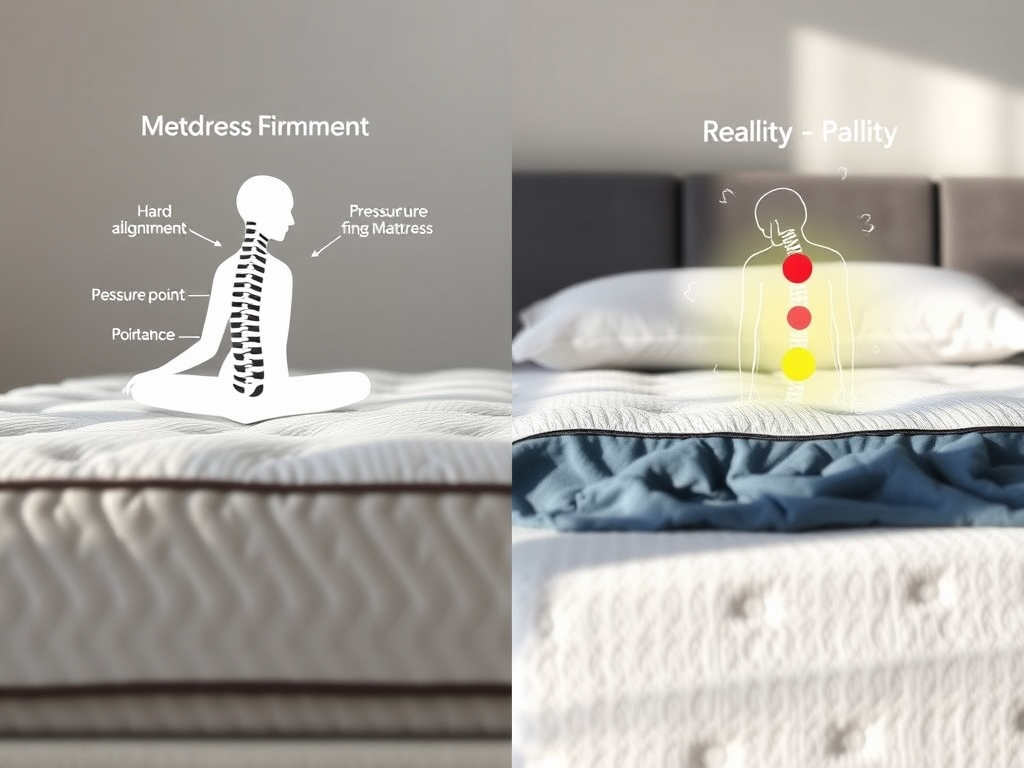
Hard Mattress Myths Debunked: What Science and Sleep Experts Say 
March 2, 2026

Hard Mattress Myths Debunked: What Science and Sleep Experts Say 

Estimated reading time: 6 minutes

There’s a lot of talk about mattresses, especially the hard mattress. While there are many hard mattress myths, many people still believe firmer means better. The old advice? Get a rock hard mattress for back pain. Simple, right?

Well, not really.

New research and expert insights show that some of the most common beliefs about firm mattresses aren’t exactly true. Some are outdated. Some just don’t work for everyone.

Common Mattress Myths vs. What Science Really Says
Mattress Myth Scientific Fact
Hard mattresses are best for back pain Medium-firm mattresses often relieve back pain better by supporting natural spinal curves.
Firm mattresses last longer Durability depends on material quality, not just firmness.
Everyone sleeps better on a firm mattress Sleep needs vary—side sleepers often need softer surfaces.
Soft mattresses are bad for the back Soft top layers with supportive cores can aid spinal alignment.
Firmness means higher quality Quality is defined by material density, support zones, and construction.

Here’s what the science says, and what to really look for when choosing a mattress.

Myth 1: Hard Mattresses Are Better for Back Pain

This is probably the most common one. The idea is that the harder the surface, the better the support. People picture lying flat on something solid to keep the spine straight.

What experts say

Too much firmness can actually create pressure points, especially around the hips and shoulders. That leads to discomfort, and sometimes more pain. The goal is to support the spine’s natural curve, not to flatten it.

Many studies have found that a medium-firm mattress often works better for people with lower back pain than a very hard one. The mattress should hold the body in a neutral positionwithout being stiff or unforgiving.

Myth 2: A Firm Mattress Means High Quality

Firmness and quality are often mixed up. Some shoppers assume that a heavy, extra firm mattress must be better built than a softer one.

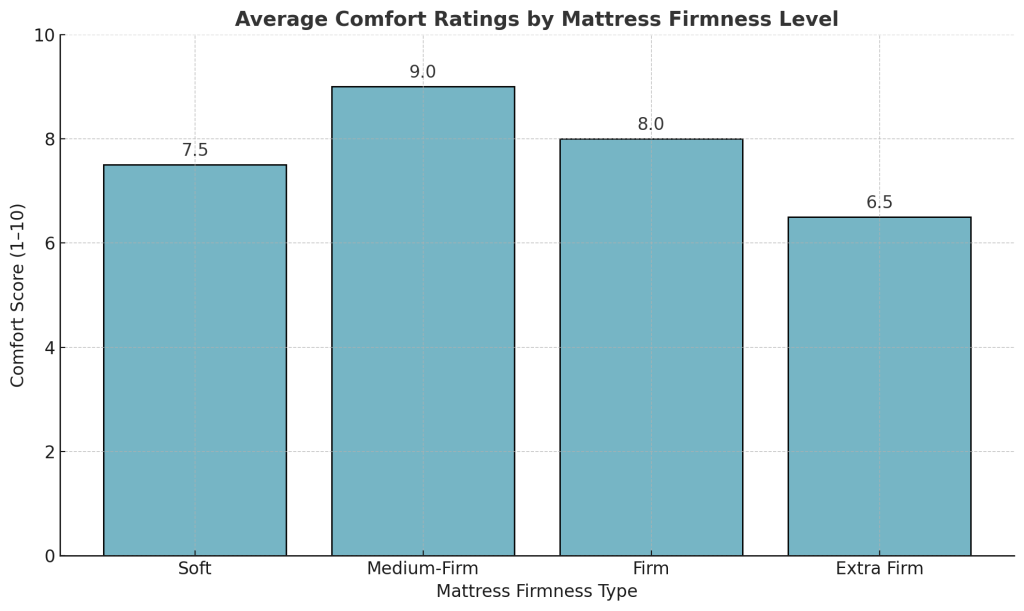
the chart showing average comfort ratings by mattress firmness level

The real story

Quality comes from good materials and solid construction, not how firm the surface feels. A mattress can feel supportive without being rock hard. And a mattress can be rock hard and still fall apart in a year.

The best firm mattress is one that lasts, supports the body well, and fits the sleeper’s needs.

Myth 3: The Harder, the Longer It Lasts

It might seem like a firm mattress will hold its shape longer than a softer one. But durability doesn’t depend on firmness alone.

What matters

  • Foam density
  • Coil strength
  • Edge support
  • Overall design

A poorly made hard mattress will sag or lose shape, no matter how stiff it feels on day one. A well-built mattress with the right balance of comfort and support will last much longer.

Myth 4: Everyone Sleeps Better on a Firm Mattress

This belief ignores one key thing: not everyone sleeps the same way.

Some sleep on their side. Others on their back. Some on their stomach. Each position places different pressure on the body. That’s why a one-size-fits-all rule doesn’t really work.

chart showing how pressure relief varies by mattress firmness

What sleep experts suggest

  • Side sleepers need pressure relief on the hips and shoulders. A rock hard mattress may cause soreness.
  • Back sleepers usually benefit from a firm or medium-firm mattress to keep the spine aligned.
  • Stomach sleepers often need a firmer surface to stop the hips from sinking too deep.

Sleep is personal. The best firm mattress is the one that matches body type and sleeping style, not just what a label says.

Myth 5: Soft Mattresses Are Bad for Your Back

This one isn’t always true either. Soft doesn’t mean unsupportive.

Here’s how it really works

Many back support mattresses use layers. The top can feel soft while the lower layers provide the support. Some memory foam mattresses contour to the body while still keeping the spine in a neutral position.

In some cases, especially for lighter sleepers or those with joint pain, something with a soft feel might actually be better.

What Science Says About Mattress Firmness

Several clinical studies have tested how mattress firmness affects sleep quality and back pain. One major finding: medium-firm mattresses tend to work best for the largest group of people, especially those with chronic back issues.

Overly firm beds can cause the body to tense up and may lead to restlessness or stiffness. Overly soft beds can cause poor spinal alignment. A balance is often the ideal solution.

Choosing the Right Mattress: What to Look For

So, how do you choose the best firm mattresswithout falling for the myths?Here are some simple tips:

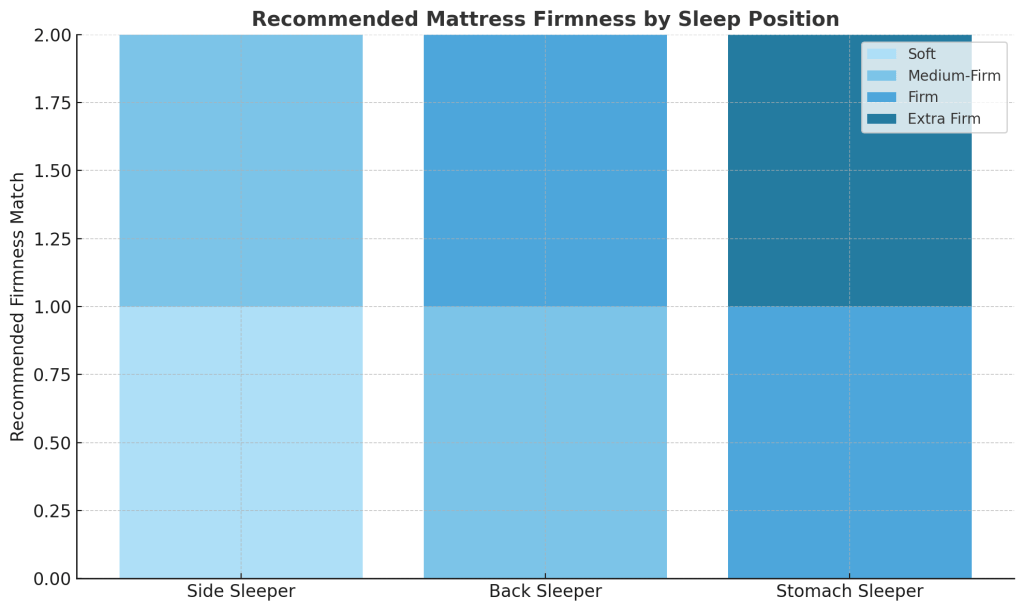
sleep position vs. mattress firmness chart

 Body Type

  • Heavier sleepers may prefer firm or extra firm mattresses for better support.
  • Lighter sleepers often do better on softer surfaces that allow more contouring.
Sleep StyleLightweight (<150 lbs)Average (150–200 lbs)Heavy (>200 lbs)
Side SleeperSoftMediumMedium-Firm
Back SleeperMediumMedium-FirmFirm
Stomach SleeperMedium-FirmFirmExtra Firm

Sleep Position

  • Back sleepers = firm or medium-firm
  • Side sleepers = soft to medium
  • Stomach sleepers = firm

Try Before You Buy

Many brands now offer home trials. These can last anywhere from 30 to 100 nights. Trying a mattress in your own space is the best way to know if it really works.

Materials Matter

Look for high-density foam, strong springs, and breathable materials. These affect comfort, durability, and temperature control more than firmness level alone.

Signs a Mattress Is Too Firm

Not sure if your mattress is too hard? Here are a few red flags:

  • Waking up with sore hips or shoulders
  • Numbness in arms or legs
  • Tossing and turning to get comfortable
  • Morning stiffness in the lower back

In those cases, the mattress might be too firm, or just not the right fit. A mattress topper can help in the short term, but a better mattress might be the long-term fix.

Expert Quotation about hard mattresses

“A mattress that’s too hard can actually misalign your spine rather than support it. The goal is neutral posture, not stiffness.”

Dr. Elena Marshall, Orthopedic Therapist (Paraphrased)

“Medium-firm mattresses tend to offer the best balance of support and pressure relief for most body types.”

Dr. Michael Tan, Sleep Medicine Specialist (Paraphrased)

“People often confuse firmness with durability, but materials and build quality matter far more.”

Karen Liu, Certified Physical Therapist (Paraphrased)

“For side sleepers especially, a rock-hard mattress can lead to shoulder and hip discomfort. A touch of softness helps distribute pressure.”

Dr. Sarah Bennett, Sleep Ergonomics Expert (Paraphrased)

“There is no one-size-fits-all when it comes to firmness. Your ideal mattress depends on your sleep position, weight, and spinal health.”

Dr. Amir Qureshi, Sleep Science Researcher (Paraphrased)

Conclusion 

hard mattress isn’t automatically better. It’s not the best choice for everyone, and in many cases, it can cause more harm than good.

A well-made back support mattress gives proper alignment, reduces pressure, and feels comfortable, not painful. Whether it’s a firm mattressextra firm mattress, or something softer, the right one will support healthy sleep and help the body recover during the night.

Always choose based on comfort, support, and personal sleep habits, not just firmness labels.

FAQs

Is a hard mattress good for back pain?

Not for everyone. A mattress that’s too hard can cause pressure and discomfort. Medium-firm is often better for back support.

What’s the difference between firm and extra firm?

Firm mattresses feel supportive with some give. Extra firm mattresses are harder and less cushiony. Some people prefer them, others don’t.

Can a mattress be too firm?

Yes. A rock hard mattress can cause soreness, especially in the hips and shoulders.

What’s a back support mattress?

It’s a mattress designed to help keep your spine aligned while you sleep. It doesn’t have to be extremely firm, just supportive in the right areas.

Is firmness the most important thing?

No. Support, comfort, materials, and personal sleep style matter more. The best firm mattress is one that fits you.

Extra Firm Mattresses for Heavy or overweight Sleepers: Do They Really Work? 
February 27, 2026

Extra Firm Mattresses for Heavy or overweight Sleepers: Do They Really Work? 

If you are a heavy sleeper, finding the right mattress can be hard. Some beds feel too soft, some sag over time, and others don’t give enough support. That’s why many people look for an extra firm mattress. But do these really help? Are they worth it?

In this post, we will talk about what a firm mattress is, why heavy sleepers may need one, the pros and cons, and how to choose the best firm mattress for you.

Mattress Comparison: Light vs Heavy Sleepers
Category Light Sleeper Heavy Sleeper
Weight Range < 60 kg (130 lbs) > 90 kg (200 lbs)
Mattress Pressure Low High
Recommended Firmness Soft to Medium Medium-Firm to Extra Firm
Average Mattress Lifespan 8–10 years 5–7 years

What Is an Extra Firm Mattress?

An extra firm mattress is a bed that feels very solid. It doesn’t sink much when you lie on it. Some people call it a rock hard mattress. It feels flat, strong, and sturdy. It gives your body support and holds your weight well.

This kind of hard mattress is often best for people who are heavier or those who have back pain.

Why Heavy Sleepers Need Firm Support

When you weigh more, you press down more on a mattress. A soft bed may sink too much. Over time, it loses shape and support. This can cause problems like:

  • Back pain
  • Neck pain
  • Hip or shoulder pain
  • Bad sleep
  • Feeling tired after waking up

firm mattress helps by keeping your body up, not sunken in. It keeps your spine straight. This can help you sleep better and wake up without pain.

Extra Firm vs. Firm: What’s the Difference?

Let’s keep this simple.

  • firm mattress is solid but has a little softness.
  • An extra firm mattress is even harder. It feels almost like the floor but with a little padding.

Some people need that extra support. Especially if they are heavy sleepers, or sleep on their back or stomach.

mattress support retention over time comparison between lighter and heavy person

Good Things About Extra Firm Mattresses

Here are some reasons why an extra firm mattress might work for you:

1. Helps Your Back

back support mattress helps your spine stay in line. This can stop back pain. It can also help your body rest better all night. The good thing is that it prevents chances of long-term backache and make sure you don;t have a back slump. 

2. Lasts Longer

A soft bed may wear out fast for heavy people. A hard mattress does not sag as quickly. It keeps its shape and lasts longer. This means you won’t have to worry about replacing your mattress every five years, making it an economical option. 

3. Less Bouncing

If you sleep with someone else, a firm mattress wont move much when they roll over. You’ll sleep better without shaking or bouncing. This is one of the best options for people who don’t like spring mattresses. 

4. Stays Cooler

Soft beds hold heat. They wrap around your body. A firm mattress keeps you on top of the bed, so air flows better or better option can be firm mattress with cooling properties. This helps keep you cool at night. We don’t mind saying that it will also help you keep the electricity bill to a minimum because you might not have to turn the AC on. 

Bad Things About Extra Firm Mattresses

Not everything is perfect. Here are some downsides to extra firm mattresses:

1. May Feel Too Hard

If you’re used to a soft bed, this kind of mattress might feel way too firm at first. It can take time to adjust, especially if you have always slept on softer surfaces. 

2. Not Great for Side Sleepers

If you sleep on your side, a rock hard mattress may push too hard on your hips and shoulders. It might not feel nice for everyone and can also lead to temporary aches. So, make sure you are mentally prepared for this adjustment period. 

3. Hard to Pick the Right One

Some mattresses say they are firm but feel soft. Some feel too hard. It’s not always easy to find the one that feels just right, so make sure you visit the store and test it out. 

How to Choose the Best Firm Mattress for Heavy Sleepers

Picking the best firm mattress can take some work. But here are simple things to look for:

Smart Mattress Quiz

Find your perfect mattress match with our personalized recommendation system. Based on your sleep style, health needs, and comfort preferences.

Why Take This Quiz?

  • Get tailored mattress recommendations for your specific needs
  • Save time researching – we’ve done the analysis for you
  • Compare mattresses that match your sleep style and budget
  • Understand which mattress features matter for your comfort
  • Exclusive discounts on recommended mattresses
Take the Mattress Quiz

1. Strong Materials

Look for strong springs or high-density foam. These will hold your weight better and last longer. This is important to make sure you have spent on something that brings value. 

2. Mattresses for Heavy Sleepers

Some beds are made just for heavy people. They are thicker, stronger, and won’t sag easily. Look for these options when shopping.

3. Free Trial Period

Many mattress companies give you 90 or 100 nights to try the bed. If it doesn’t feel right, you can return it. This helps you find what works for you.

4. Don’t Go by Labels Only

One brand’s firm might be another’s medium. Always read reviews and, if you can, test the bed yourself.

Do Doctors Say Firm Beds Are Better?

Yes, many doctors say a firm mattress is good for back support. It helps keep your back straight while you sleep. But the mattress shouldn’t be too hard. If it’s painful or makes pressure points, it’s not right for you.

back support mattress should feel firm but not like sleeping on the floor. For heavy people, a mattress between firm and extra firm usually works best.

What Real People Say

Here are some things heavy sleepers have said about extra firm mattresses:

  • I used to wake up sore. After I got a firm mattress, I sleep much better.
  • It felt hard the first few nights. But now I wake up with no back pain.
  • If you’re big like me, you need the firmest bed you can get. Trust me.

Many people say it helped them sleep better and feel better in the morning.

Are Extra Firm Mattresses Worth It?

So, what’s the final answer? Do extra firm mattresses work for heavy sleepers?

Yes, for many people, they do.

They give strong back support, they last longer, and they help your spine stay in a good position. That means fewer aches and better sleep.

But not every hard mattress works for every person. Some may feel too firm. Some may not give enough comfort. That’s why it’s important to test and find the best firm mattress for your body.

Start by asking yourself:

  • Do I sink too much in my current bed?
  • Do I wake up with pain?
  • Is my mattress worn out or sagging?

If you answered yes to any of those, it might be time to try a firm or extra firm mattress.

Quick Tips

  • firm mattress helps support your back and body.
  • rock hard mattress is not for everyone, but many heavy sleepers love it.
  • Look for mattresses made for heavier people.
  • Try before you buy if you can.
  • Don’t give up if it feels too hard at first, your body might need time to adjust.

Conclusion 

Good sleep is so important. If you are a heavy sleeper and your current bed isn’t doing the job, an extra firm mattress might change everything. It may take a few nights to get used to, but the support it gives can make a big difference.

  • No more sinking, no more sagging, no more back pain.
  • Just strong support, better rest, and waking up feeling good.
  • Give it a try because your body will thank you.

Resources:

https://shopsleepology.com/blogs/the-guide-for-choosing-the-perfect-mattress/5-reasons-an-extra-firm-mattress-is-great-for-your-health-and-3-reasons-it-might-not-be?srsltid=AfmBOopRzgxoo7F8ENkeWmOOGhFZsqPwcCwRDcY_IPBL3DNFFITefBqH

https://www.prestige-affairs.com/blogs/mattress/do-extra-firm-mattresses-really-help-your-back?srsltid=AfmBOopsHv0xsMqJted3Xq9mdJiw-iofgNh3pQG4LOvYVTQ4ryc044Kf

https://shopsleepology.com/blogs/the-guide-for-choosing-the-perfect-mattress/understanding-the-difference-between-a-firm-and-extra-firm-mattress?srsltid=AfmBOoqncKIJXWompN8WMRxaXWh8uH5xFyTY-bkjqwCwucEGY6FMEjiK

Can a Firm Mattress Help with Snoring and Sleep Apnea?
February 26, 2026

Can a Firm Mattress Help with Snoring and Sleep Apnea?

If you or someone you know snores loudly or struggles with sleep apnea, you’ve probably tried all kinds of things mouth guards, nose strips, humidifiers, or even switching sleep positions. But one thing many people forget about is their mattress.

Could switching to a firm mattress actually help with snoring or sleep apnea? Or is that just another sleep myth? Let’s break it down in simple terms and see what the research says.

What Are Snoring and Sleep Apnea?

Before we talk about mattresses, let’s first understand what these sleep issues are.

Snoring

Snoring is the noise made when air can’t move freely through your nose or throat while you sleep. This causes the tissues in your airway to vibrate, creating that familiar rumbling sound. Snoring can be harmless, but in some cases, it’s a sign of a blocked or narrow airway.

Sleep Apnea

Sleep apnea is more serious. It happens when your breathing stops and starts repeatedly during the night. The most common type is called obstructive sleep apnea (OSA). It happens when the muscles in your throat relax too much and block your airway. Signs include:

  • Loud snoring
  • Gasping or choking while sleeping
  • Feeling tired after a full night’s sleep
  • Dry mouth or headaches in the morning

Sleep apnea is linked to serious health issues like high blood pressure, heart disease, and even stroke. That’s why it’s important to take it seriously.

Can Mattress Firmness Help?

You might be wondering what your mattress has to do with breathing. A lot, actually. The firmness of your mattress affects how your body is aligned while you sleep. And body position plays a big role in keeping your airways open.

1. Firmness Affects Sleep Position

If your mattress is too soft, you might sink in too much. This can make your chin tilt down toward your chest or your spine curve in a way that blocks airflow.

rock hard mattress or extra firm mattress, on the other hand, might not let your shoulders and hips sink in at all. This can also throw off your body alignment, putting pressure on your neck and back.

That’s why many sleep experts recommend a medium-firm mattress. It offers just the right balance of support and comfort, helping you maintain good posture while you sleep.

2. Sleep Position Matters Too

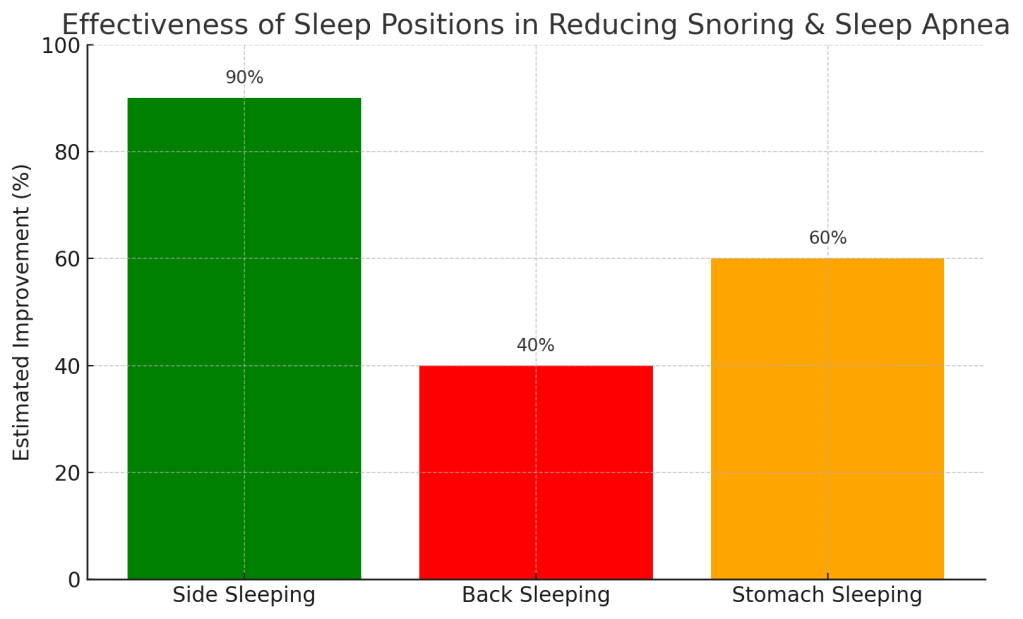
Different sleeping positions affect snoring and sleep apnea in different ways. Here’s how mattress firmness plays a part:

effectiveness of sleep positions in reducing snoring and sleep apnea
  • Back sleepers: You’re more likely to snore or have apnea if you sleep on your back. A soft mattress can let your head tilt backward, causing the tongue to fall back and block the airway. A firm mattress or back support mattress may help keep your spine and neck aligned better.
  • Side sleepers: This is usually the best position for snoring and apnea. But a rock hard mattress might create pressure on your hips and shoulders, making side sleeping uncomfortable. That might cause you to roll onto your back, which can make symptoms worse.

So, while firmness is important, it really depends on how you sleep. The best firm mattress for you is one that supports your favorite sleep position without causing pressure or discomfort.

What Does Science Say?

Several studies and sleep experts agree on a few key points:

A. Spinal Alignment Is Key

When your spine is properly aligned, your airway stays more open. A sagging mattress or poor sleeping posture can bend your neck or back in ways that reduce airflow. A firm mattress or one with zoned supporthelps maintain better alignment, especially if paired with the right pillow.

B. Side Sleeping Helps with Sleep Apnea

Research shows that side sleeping reduces the severity of sleep apnea in many people. A 2014 study in the journal Sleep and Breathing found that people with positional apnea improved just by sleeping on their side. A mattress that supports side sleeping firm enough for support, but soft enough for comfort is ideal.

C. Mattress and Pillow Work Together

Even the best firm mattress won’t help if your pillow doesn’t support your neck correctly. Your mattress and pillow should work as a team to keep your head, neck, and spine in a straight line.

When Can a Firm Mattress Help?

Let’s make it simple. A firm mattress can help if:

  • You sleep on your back and your soft mattress causes your head to sink too far in.
  • You’re heavier and need extra support so your body doesn’t sag.
  • You wake up with back or neck pain, which can affect your breathing too.

On the other hand, a firm or rock hard mattress might not help if:

  • It’s so hard that side sleeping becomes uncomfortable.
  • It causes pressure points that wake you up often.
  • It doesn’t work well with your pillow, making your head tilt at an odd angle.

What Should You Look for in a Mattress?

If you’re trying to reduce snoring or ease sleep apnea, here’s what to look for:

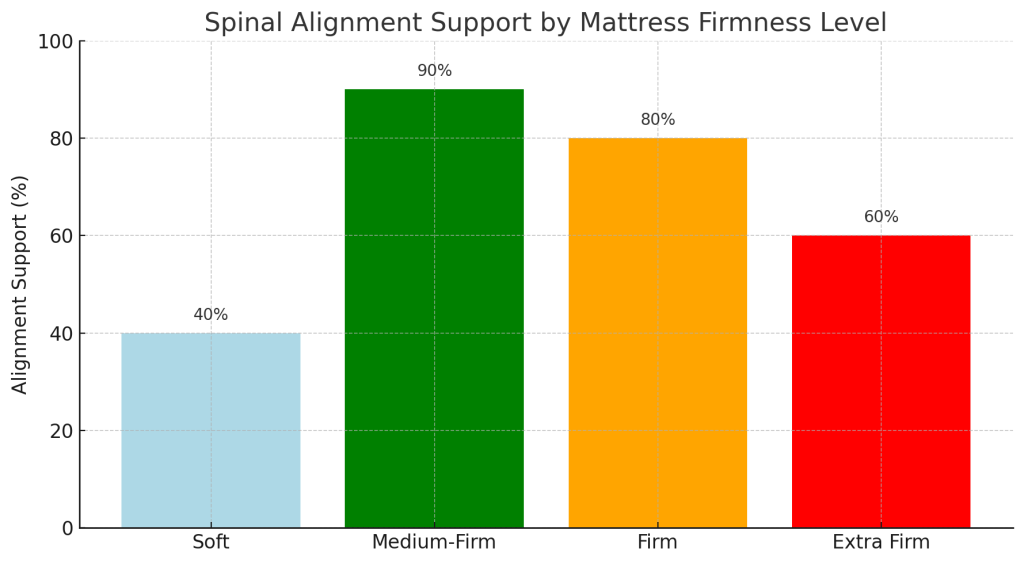
spinal alignment support by mattress firmness level

1. Medium-Firm Feel

This is often the sweet spot. It keeps your spine straight without being too stiff. It also helps with comfort if you sleep on your side.

2. Zoned Support

Some newer mattresses have firmer zones under the hips and softer zones under the shoulders. This helps keep your spine in line and can improve breathing posture.

3. Memory Foam or Latex

These materials are good at contouring to your body, reducing pressure points. They also support even weight distribution, which is helpful for side sleepers.

4. Adjustable Bed Base

If you have moderate to severe apnea, try pairing your firm mattress with an adjustable base. Raising your head 30“45 degrees can help keep your airway open and reduce snoring.

Other Tips to Improve Sleep and Breathing

A new mattress helps, but it’s not a complete cure. Try these tips too:

  • Sleep on your side: It’s the best position to reduce snoring and apnea.
  • Lose weight if needed: Extra weight around your neck can narrow your airway.
  • Avoid alcohol before bed: It relaxes throat muscles, making snoring worse.
  • Try nasal strips: If you’re congested, they can help open up your nose.
  • Use a CPAP machine: If you’ve been diagnosed with sleep apnea, this is the most effective treatment.

Conclusion

firm mattress won’t magically cure snoring or sleep apnea, but it can make a big difference especially if it helps keep your spine straight and supports side sleeping.

For many people, a medium-firm mattress is the best choice. It gives enough support to avoid sagging but is soft enough to prevent pressure and discomfort. When paired with the right pillow and sleeping position, it can help keep your airway open so you breathe better at night.

If you think you might have sleep apnea or your snoring is out of control, it’s best to talk to a doctor. But don’t ignore your mattress. Sometimes, the path to better sleep is right beneath you.

FAQs

Can a firm mattress stop snoring?

Not completely, but it can help. A firmer surface may improve your head and neck position, which can reduce snoring caused by poor alignment.

Is a soft or firm mattress better for sleep apnea?

Most people do best with a medium-firm mattress. Too soft or too hard can both mess with your posture and breathing.

Does sleeping on your back make sleep apnea worse?

Yes. Back sleeping often leads to more snoring and apnea. Side sleeping is better, and the right mattress makes that easier.

Can an adjustable bed help with apnea?

Definitely. Raising the head of the bed helps keep the airway open, which is especially useful for moderate to severe sleep apnea.

How do I know if my mattress is the problem?

If your symptoms started after getting a new mattress or only happen in certain sleep positions, your mattress might be the cause. Try a mattress topper or experiment with sleeping angles to see if things improve.

Reference resources

https://thebeddingmart.com/blogs/news/how-your-mattress-can-influence-snoring-and-sleep-apnea

https://megafurniture.sg/blogs/articles/best-mattress-for-snoring-sleep-apnea?srsltid=AfmBOoplVEUS3rn061k6LSjfuwjrhA3G_GOmpcnTCU5M9Kfkh61HRHoO

https://www.okoa.org/articles/sleep-soundly-mattress-choice-snoring-treatment

https://mysleepwell.com/blog-details/the-connection-between-mattress-comfort-and-sleep-apnea-rest-easy-with-the-right-support/277

orthopedic mattress pad
November 8, 2025

Orthopedic Mattress Pads for Better Sleep

Good sleep isn’t just a luxury it’s essential for your energy, mood, and long-term back health. Poor sleep quality often leads to fatigue, irritability, and persistent back discomfort. That’s where an orthopedic mattress pad can make all the difference.

Designed specifically to enhance comfort and support, an orthopedic mattress pad helps improve spinal alignment and relieve pressure points that disturb sleep. Whether your goal is better posture, fewer aches, or simply deeper rest, this guide explains everything you need to know from how these pads work to their materials, benefits, and maintenance tips for lasting performance.

What Is an Orthopedic Mattress Pad?

orthopedic mattress pad

An orthopedic mattress pad is a supportive sleep accessory made to sit on top of your existing mattress. Unlike a regular protector or thin cover, it adds a distinct layer of orthopedic-grade cushioning that targets your body’s key pressure areas.

Its main purpose is to provide targeted back support, especially around the spine, shoulders, and hips where tension and misalignment are most common. Typically, these pads are made with specialized foam layers such as memory foam, latex, or gel foam. These materials balance comfort and firmness, cradling your natural curves while maintaining a stable sleeping surface.

While a standard mattress topper focuses mainly on softness or comfort, an orthopedic pad emphasizes therapeutic alignment and pain relief.

How Orthopedic Mattress Pads Support Better Sleep?

The secret to improved rest lies in how an orthopedic mattress pad supports your body. Here’s how it helps enhance sleep quality:

Spinal Alignment

It adapts to your body’s natural curvature, keeping the spine in a neutral position throughout the night. This helps prevent the morning stiffness or soreness caused by poor posture.

Pressure Point Relief

By cushioning sensitive areas like the neck, shoulders, hips, and lower back, it reduces strain and helps your muscles relax more completely.

Motion Isolation

Couples love orthopedic pads because they minimize motion transfer so if your partner tosses and turns, you won’t feel it.

Temperature Control

Many modern pads include gel-infused or breathable foam layers, which maintain an optimal sleeping temperature.

  • Reduces tossing and turning
  • Promotes deeper sleep cycles
  • Aids recovery for people with back pain or joint stiffness

Key Benefits of Using an Orthopedic Mattress Pad

orthopedic mattress pad

An orthopedic mattress pad offers more than just extra comfort it provides targeted support that can transform your overall sleep quality.

1. Back Pain Relief

It provides firm yet cushioned back support, ideal for those struggling with lower back pain or spinal discomfort.

2. Improved Posture

By keeping your spine aligned, it encourages healthier sleeping posture for both side and back sleepers.

3. Pressure Distribution

An orthopedic mattress pad evenly spreads your body weight, reducing numbness and morning soreness.

4. Enhanced Mattress Lifespan

It acts as a buffer, protecting your main mattress from sagging, sweat, or wear.

5. Cost-Effective Upgrade

Instead of replacing your bed, this pad delivers orthopedic-grade comfort at a fraction of the cost.

Pro Tip: Pair your pad with a strong bed frame or an orthopedic base for maximum benefits it helps maintain the right height, stability, and airflow beneath your mattress.

Types of Orthopedic Mattress Pads and Materials

When shopping, you’ll notice several material options. Each offers unique pros and cons:

a. Memory Foam Pads

  • Mould precisely to your body shape for personalized back support
  • Excellent for easing back and joint pain
  • Can retain heat, so choose gel-infused memory foam for cooling comfort

b. Latex Pads

  • Naturally springy, durable, and breathable
  • Great for allergy sufferers or hot sleepers
  • Provide balanced firmness and longevity

c. Gel-Infused Pads

  • Designed for temperature control and pressure relief
  • Perfect for people who sleep hot or live in warm climates

d. Fiber or Polyester Pads

  • Budget-friendly and lightweight
  • Offer moderate support but less orthopedic precision

Orthopedic Mattress Pads vs. Orthopedic Toppers: What’s the Difference?

FeatureMattress PadMattress Topper
PurposeComfort + ProtectionFirmness Adjustment
Support LevelModerateHigh
Best ForLight back pain, mattress protectionDeep pressure relief, chronic back issues

While both add comfort, an orthopedic mattress pad fine-tunes the feel of your bed without drastically changing its firmness. In contrast, an orthopedic mattress topper is thicker and intended for people needing more intensive posture correction or rehabilitation support.

Choosing the Right Orthopedic Mattress Pad for You

Finding the right orthopedic mattress pad is all about balancing comfort, firmness, and support to match your unique sleep needs.

  • Firmness Level: Go for medium firm this balance ensures both comfort and spinal stability.
  • Material: Choose memory foam or latex for superior orthopedic-grade relief.
  • Sleep Position:
    • Side sleepers → Softer foam layers for shoulder and hip contouring
    • Back sleepers → Medium-firm pad for balanced support
    • Stomach sleepers → Firm pad for spinal alignment
  • Allergy Concerns: Select hypoallergenic covers and washable fabrics for hygiene and comfort.
  • Bed Frame Compatibility: Make sure your bed frame provides even surface support so the pad performs optimally.

Who Should Use an Orthopedic Mattress Pad?

An orthopedic mattress pad can benefit almost anyone, but it’s especially valuable for:

  • People with chronic back pain or muscle stiffness
  • Elderly individuals needing gentle joint cushioning
  • Office workers who sit for long hours and experience lower back tension
  • Athletes seeking recovery-focused rest
  • Anyone wanting to upgrade an aging or uneven mattress affordably

Note: Even if you already sleep on a firm mattress or a hybrid orthopedic bed, adding a pad can enhance comfort and fine-tune your support level without overspending.

Care and Maintenance Tips for Longevity

orthopedic mattress pad

Proper maintenance ensures your orthopedic mattress pad lasts for years while maintaining its supportive shape.

  • Rotate Every 2–3 Months: Prevents body impressions and ensures even wear.
  • Use a Protector: Add a breathable mattress cover to guard against spills, sweat, and dust.
  • Clean Correctly: Follow the brand’s washing or spot-cleaning instructions to preserve material quality.
  • Air It Out: Let it breathe occasionally to remove trapped moisture and odors.

Pro Tip: Never fold or roll thick orthopedic pads; always store them flat to avoid damage or permanent creases.

Expert Insight: How Orthopedic Mattress Pads Improve Sleep Health

According to physiotherapists and sleep consultants, an orthopedic mattress pad is one of the simplest and most effective tools for improving sleep posture. By maintaining proper spinal alignment, it promotes better circulation and reduces muscle tension, especially around the lower back and hips.

Better posture during sleep doesn’t just ease pain it also enhances overall wellness. Proper back support can reduce fatigue, improve mobility, and help you wake up refreshed instead of stiff or sore. Over time, this consistency improves your body’s recovery process, especially for those dealing with mild injuries or chronic pain conditions.

Conclusion

An orthopedic mattress pad is more than just an accessory it’s a powerful upgrade for anyone seeking better rest, stronger posture, and long-lasting comfort. It combines the perfect mix of softness and firmness, giving your spine the alignment it needs and your body the relaxation it deserves.

Whether you’re dealing with back pain, an aging mattress, or restless nights, this simple addition can transform your bed into a true orthopedic-friendly sleep surface. Explore premium orthopedic mattresses designed to align your spine and elevate your sleep quality.

FAQs

What is the best orthopedic mattress topper?

The best orthopedic mattress topper is made from high-density memory foam or latex, offering targeted pressure relief and proper spinal alignment for deep, restorative sleep.

What material is used in orthopedic mattresses?

Orthopedic mattresses and pads often use memory foam, latex, or gel-infused foam layers that provide durability, comfort, and even weight distribution.

What is an orthopedic mattress topper?

It’s a thicker layer placed over your existing bed to adjust firmness and support. It’s ideal for people with chronic pain or those needing stronger orthopedic correction.

What is a mattress pad called?

A mattress pad is sometimes referred to as a comfort layer or mattress protector. An orthopedic mattress pad specifically adds therapeutic support along with comfort and protection.

pregnancy pillow
July 15, 2025

Beat Back Pain and Hip Pressure: The Ultimate Guide to Pregnancy Pillow Support

Pregnancy is a beautiful journey, but let’s be real, it’s not always the most comfortable one. As your body grows and changes to support your baby, many women start experiencing aches and pains that make restful sleep feel like a distant dream. Back pain. Hip pressure. Leg cramps. You name it.

If you’re nodding along, know this: you’re not alone, and it’s not something you just have to “deal with.” The right pregnancy pillow can offer serious relief and transform your nights from restless to restorative.

Let’s explore how these specially designed pillows work, why they matter, and how to choose the perfect one for your pregnancy journey.

The Problem: Why Sleep Gets Tougher During Pregnancy

As your pregnancy progresses, your body goes through rapid changes, your centre of gravity shifts, your ligaments loosen, and your belly grows heavier. These changes, while natural, can lead to increased pressure on your hips and lower back, especially when you lie down.

Lying flat on your back during the later stages of pregnancy can also compress major blood vessels, making it harder for blood to flow to your baby. That’s why doctors often recommend sleeping on your left side it improves circulation and eases pressure on internal organs. Great advice in theory, but not always easy to follow when your body feels like it’s being pulled in ten different directions.

That’s where pregnancy pillows and the mattress for pregnancy come in. A supportive sleep setup makes a huge difference. The right pillow cushions your belly and back, while a well-designed mattress helps distribute weight evenly and prevents pressure buildup in the hips and lower spine. Together, they create the supportive environment your body needs to rest and recover.

The Solution: How Pregnancy Pillows Help

Pregnancy pillows are specially designed to support your changing body and encourage healthier sleep positions. They work by cushioning and aligning key areas like your belly, lower back, knees, and hips.

Let’s take Maya’s story as an example. Maya was six months pregnant and waking up multiple times a night with sharp hip pain and stiffness in her lower back due to using a soft mattress. After trying a stack of regular pillows to no avail, she finally invested in a medium firm mattress and U-shaped pregnancy pillow It cradled her belly, supported her spine, and gave her something to rest her knees on.

Within a few nights, she started sleeping more deeply. The difference, she said, was night and day.

Types of Pregnancy Pillows (and How They Work)

There are several kinds of pregnancy pillows, each designed to target specific discomforts. Here’s a breakdown:

1. C-Shaped Pillows

c shape pregnancy pillow
Pregnancy Pillow, C Shaped Full Body Pillow – Image is taken from Ebay

Great for supporting the head, belly, and knees at once. They’re ideal for women who toss and turn but still need full-body support without taking over the whole bed.

2. U-Shaped Pillows

U-shaped pregnancy pillow
Image is use from Regalo – U-Shaped Maternity Pillow

These are the heavyweights. They wrap around both sides of your body, offering total support whether you’re lying on your left or right. Perfect for back pain, hip alignment, and even neck tension.

3. Wedge Pillows

Image – OCCObaby Pregnancy Wedge Pillow for Sleeping

Small and compact, wedge pillows slide under the belly or back to provide targeted support. They’re great if you don’t want a full-body pillow or travel often.

4. Customisable Pillows

This is where things get interesting. Some brands now offer adjustable fill pillows that can be reshaped and repurposed, ideal for those who want more control over their support. For example, you can adjust the firmness or fold them to tuck under specific pressure points.

How Pregnancy Pillows Help with Back and Hip Pain

Here’s the science behind it. When you sleep on your side (especially the left), your body needs alignment across three critical points:

  • Neck and spine: To reduce tension and promote good circulation
  • Hips: To prevent sagging and relieve pressure on the lower back
  • Legs and knees: To keep hips level and aligned

A pillow placed between your knees takes pressure off your hips and pelvis. Meanwhile, support under your belly stops it from pulling your spine out of alignment. The result? Less compression, less inflammation, and less pain.

A study published in The Journal of Obstetrics and Gynaecology Research found that women who used body pillows during pregnancy reported significantly better sleep quality and reduced musculoskeletal pain.

You can read the study summary here.

What to Look for in a Pregnancy Pillow

With so many options on the market, choosing the right pillow can feel overwhelming. Here are a few key things to consider:

  • Adjustability: Can you change the loft or firmness?
  • Breathability: Pregnancy can raise your core temperature, so cooling fabrics help.
  • Washable covers: Spills and night sweats happen. Easy cleaning is a must.
  • Size: Do you want full-body support or something smaller and travel-friendly?
  • Shape: Think about which parts of your body need the most support.

Real-World Tip: Combine with a Customisable Bed Pillow

Many women find that combining a pregnancy body pillow with a customisable head/neck pillow works best. Why? Because even if your hips and back are supported, your neck alignment still matters.

One of our customers, Lisa, shared how switching to a  Luxe Pregnancy Pillow helped her during pregnancy. She adjusted the fill to better support her shoulders while sleeping on her side and it made a huge difference in morning stiffness.

Bonus: You’ll Still Use It After Baby Arrives

The best part about investing in a quality pregnancy pillow is that it doesn’t stop being useful after birth. Many mums use theirs for:

  • Postpartum support when recovering from delivery
  • Nursing and feeding (especially with U-shaped pillows)
  • C-section recovery to relieve pressure and improve comfort
  • Baby positioning for tummy time or bottle feeding

It’s not just a sleep aid, it becomes a daily tool in your new parenting life.

Final Thoughts: Listen to Your Body

Every pregnancy is different, and so is every sleeper. What works for one mum might not work for another, which is why customisation is such a big deal. Whether it’s adjusting the shape of a full-body pillow or modifying the fill in your head pillow, the more adaptable your sleep setup is, the better your rest will be.

You’re growing a human you deserve to sleep like one.

If you’re dealing with back pain, hip pressure, or just can’t seem to find the right position, don’t tough it out. Try a pregnancy pillow that fits your body, your space, and your needs. It might just be the best decision you make this trimester.

orthopaedic vs cooling mattress
July 13, 2025

Orthopaedic vs Cooling Mattresses: Which One Offers Better Relief for Pain and Heat?

You wake up feeling either sore or sweaty, maybe even both. Sound familiar? You’re not alone. Whether it’s back pain that won’t quit or waking up feeling like you’ve just run a marathon in your sleep, your mattress might be the one to blame… or to thank.

Two types of mattresses have been getting a lot of attention lately: orthopaedic mattresses and cooling mattresses. One is all about support and pain relief. The other is focused on regulating body temperature and keeping you from overheating at night.

But which one is right for you? Should you prioritise spinal alignment or cooling comfort? Let’s explore both options and figure out which is the better match, based on real needs, not just marketing claims.

What Is an Orthopaedic Mattress?

An orthopaedic mattress is designed to offer targeted support for your bones, joints, and muscles, especially your spine. They’re typically on the firmer side and built to promote proper alignment and reduce pressure on the body.

You’ll often hear the term associated with people who suffer from:

  • Lower back pain â€“ One of the most common reasons people seek orthopaedic support; firm mattresses can help maintain spinal alignment and reduce pressure on the lumbar region.
  • Sciatica â€“ Caused by irritation of the sciatic nerve, often worsened by poor sleeping posture or unsupportive mattresses.
  • Arthritis â€“ Pressure-relieving surfaces can help reduce joint pain and inflammation, particularly in the hips and knees.
  • Slipped or herniated discs – Supportive mattresses prevent excessive spinal movement during sleep, which can aggravate disc issues.
  • Post-surgery recovery – A stable, firm mattress is often recommended to promote healing and reduce muscular strain after orthopaedic procedures.

These mattresses are not just for the elderly. Many young adults with active jobs or sedentary desk habits also find relief using an orthopaedic mattress, especially if they suffer from poor posture, stiffness, or discomfort in the morning.

One great option we recommend exploring is this orthopaedic mattress collection from Luxe Mattresses for firm, supportive designs backed by thoughtful engineering.

What About Cooling Mattresses?

cooling mattress, on the other hand, is designed to regulate temperature and prevent heat buildup while you sleep. Unlike traditional memory foam (which is notorious for trapping heat), cooling mattresses are made from breathable, moisture-wicking materials like gel-infused foam, latex, or open-cell designs.

how cooling mattress regulate body temperature

They’re especially helpful for:

  • People who naturally sleep hot
  • Those going through menopause or hormonal changes
  • Couples who share a bed (because two bodies = double the heat)
  • Individuals with night sweats or certain medical conditions
  • Warmer climates or homes without air conditioning

Many modern models combine comfort with cool tech, like graphite layers, bamboo covers, or phase-change cooling gels, and you’ll find a wide selection of these in most premium mattress lines.

For those after a breathable option with eco-benefits, we also suggest checking out Luxe Mattresses’ latex mattress section, where cooling and sustainability meet.

Real People, Real Choices

Let me tell you about two customers from very different walks of life.

Brian is a 42-year-old warehouse supervisor in Nottingham. Years of lifting, bending, and working long shifts on concrete floors caught up to his lower back. After trying several soft and medium beds, he made the switch to an extra-firm orthopaedic mattress. Within weeks, he said the morning stiffness was gone and he started waking up with more energy and less pain.

On the other hand, Jasmine, a marketing manager in London, had the opposite issue. She constantly woke up hot, sometimes sweating through her sheets. She tried fans, lighter duvets, even sleeping with the window open, no luck. Finally, she invested in a gel-infused cooling mattress and said it felt like “sleeping on a calm breeze.” Her rest improved almost immediately, and her tossing at night practically disappeared.

Both made the right choice because they understood their sleep problem and picked a mattress that solved it.

Pros of Orthopaedic Mattresses

  • Spinal alignment support that helps reduce or prevent chronic pain
  • Firm and stable surface, which is ideal for people with mobility issues or post-surgery needs
  • Often recommended by physiotherapists and doctors
  • Long-lasting durability thanks to high-density materials

Great for: People with back pain, joint stiffness, or structural support needs

Pros of Cooling Mattresses

  • Helps regulate body temperature for uninterrupted sleep
  • Breathable materials like latex or gel foam enhance airflow
  • Often paired with motion isolation, making it ideal for couples
  • Reduces night sweats and heat-induced tossing and turning

Great for: Hot sleepers, couples, or anyone dealing with nighttime temperature spikes

When They Overlap (Yes, You Can Have Both)

It’s worth noting that some mattresses do both, they offer orthopaedic-level support and cooling comfort. For example, some hybrid mattresses combine firm support with breathable coils and cool gel layers on top. Others use natural latex which is both supportive and temperature-regulating.

If you’re looking for a balance between both worlds, browsing a cooling orthopaedic hybrid can be a smart starting point. Retailers like Luxe Mattresses often carry collections designed to meet both medical and comfort demands in one.

How to Decide: Pain vs Heat

Still not sure what to pick? Here’s a quick guide based on what’s bothering you most at night:

Symptom/ConcernGo With…
Lower back or joint painOrthopaedic Mattress
Posture problems or stiffnessOrthopaedic Mattress
Night sweats or overheatingCooling Mattress
Tossing and turning from heatCooling Mattress
Pain and heat combinedHybrid or Latex Option

Final Thoughts: Choose What Your Body Needs Most

There’s no right or wrong answer when choosing between an orthopaedic and a cooling mattress, only what works best for your body, your climate, and your lifestyle.

If pain is your biggest enemy, focus on structured support. If heat is ruining your nights, find a breathable surface that keeps you cool. And if you’re somewhere in between, consider a firm latex or hybrid option that ticks both boxes.

Remember, sleep isn’t a luxury, it’s a foundation for health. Make your mattress work for you, not against you.

mattress for heavy people
June 22, 2025

Best Firm Mattresses for Heavy Sleepers – Support & Comfort Guide

Do Heavy Sleepers Need a Firmer Mattress? The Science of Support & Pressure Relief

If you’re a heavier person in the UK (over 230 lbs or BMI 30+), you know how hard it is to find the best firm mattress for heavy sleepers. Many mattresses sink under your weight, causing back pain and making you overheat at night. You need one that’s firm enough to support you but soft enough to be comfortable.

Some people think the hardest mattress is best, but that’s not true. A mattress that’s too firm can hurt your shoulders and hips. The best mattress for heavier people gives strong support where you need it and soft cushioning where you want it. It should also help keep you cool at night.

Keep reading to learn how to find your perfect mattress.

Body Weight & Type: The Foundation of Mattress Choice.

You need to understand how your body interacts with it to choose the right mattress. For heavier people, weight and body type can impact comfort, support, and durability.

what to consider before buying mattress

Here’s a simple breakdown of the relevance and priority of factors.

How Weight Impacts Mattress Performance.

A heavier body exerts pressure on the mattress which may lead to sagging, durability issues and loss of support. Mattresses standardly utilize materials with high compressive properties to improve surfaces and spinal alignment. A mattress suitable for heavier individuals should have an innerspring unit or high-density foams with a strong support system. If not built well, a firm mattress may still not be able to give you the support you need.

Why Durability is Non-Negotiable: Durable Mattress for Heavier Weights.

A tough mattress for heavier weights is a must since inferior materials wear down quickly when put under more pressure. Choose memory foam that has a high density of at least 4 lbs/ft³ and heavy-gauge pocketed coils that do not deform easily. Warranties under 10 years often indicate lower durability. A mattress that sags in a few years will further worsen back pain while also reducing sleep quality. A good design will last longer, require less replacement, and provide more support.

The Role of Body Type (Weight Distribution, Pressure Points).

Body shape determines where pressure concentrates. Side sleepers have broader hips and tend to require deeper cushioning to avoid shoulder and hip pain. Stomach sleepers with heavier midsections need firmer support to avoid back pain. A suitable mattress for a heavy person should feature zoned support or adaptable materials. Evenly distributed weights do not sink too deep and align your body.

How To Find The Right Mattress for Your Sleep Position

Your sleeping position alters your body’s mattress requirements. Those who weigh more than average should pay extra heed to this as their weight exerts higher pressure on the bed.

how to find right mattress for your sleeping postion

Let’s look at what works best for different sleepers, to read in more details click here.

Side Sleepers Need Extra Cushioning.

When you sleep on your side, the bulk of your weight is concentrated on your hips and shoulders. These areas need softness to prevent pain and numbness. Look for a mattress that’s medium-soft to medium firm. Mattresses like memory foam and hybrid do a good job of contouring to your body without sinking in too much. Make sure the soft top layer is at least 3 inches thick.

Back and Stomach Sleepers Require Firm Support.

A firmer mattress will suit you if you sleep on your back or belly. When your midsection falls down, it may also pull the lumbar spine which will aggravate your back. A mattress that has a firmness score of 6 to 8 over 10 is the most suitable. Flat surfaces are necessary for or stomach sleepers to maintain spinal posture.

Combination Sleepers Should Choose Responsive Materials.

If you toss and turn throughout the night, then you need a mattress that will too. Choosing latex or mattresses with pocket springs allows you to change positions easily Memory foam that’s too soft can make this harder. Medium-firm firmness (6-7) is considered good for all sleeping positions.

Understanding Mattress Firmness for Heavier Sleepers.

Choosing the right firmness of the mattress is the key. It’s not just a comfort thing; in fact, you need to comfortable, supported without pressure pain. Here’s all you need to know about how to choose firmness.

understanding mattress firmness levels

The Firmness Scale Explained.

Mattresses are rated from 1 (very soft) to 10 (very firm). For most heavier sleepers.

  • Too much sinking happens with soft mattresses.
  • A medium soft (4-5) could be convenient for some side sleepers
  • A medium-firm mattress is the best choice (6)
  • A firm mattress (7-8) is ideal for back and stomach sleepers.
  • Usually too hard extra firm (9-10).

Why Medium Firm Works Best.

A medium firm mattress (level 6) gives the right balance.

  • Prevents you from going down too far.
  • Supports your spine properly.
  • Still feels comfortable.
  • Can be used for all sleeping positions

These mattresses are made of resilient material with heavy-duty foam or springs that won’t sag under your weight.

When to Choose Firmer Options.

Heavier people may need a firmer mattress according to their weight.

  • Sleep on their stomach.
  • Have back pain.
  • Weigh over 300 pounds.

A rigid mattress (9 or 10 on the firmness scale) is required in a few cases only – when you weigh over 350 pounds or have certain medical problems. Most people find them too hard and uncomfortable.

Support vs. Pressure Relief: Finding the Critical Balance.

The ideal mattress for heavy people should be firm, sure. But more importantly, it should offer just the right support and pressure relief. When this balance is well managed, it stops pain and helps sleep quality. This section discusses how these features work for heavier bodies.
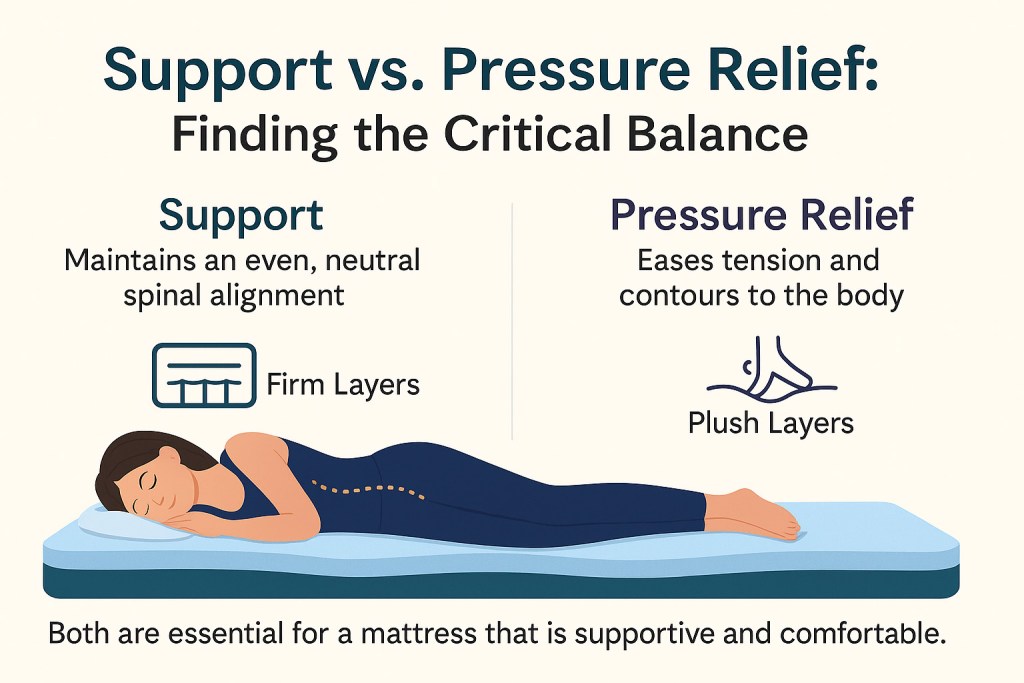
support vs pressure

Why Support Matters Most

Support is how well a mattress keeps heavy sleepers’ spines aligned under the pressure of weight. The ideal mattress will keep the spine in a neutral position. This take strong core materials such as high-density foams or reinforced coils that resist compression. When you lack proper support, your body will sink unevenly into the mattress, which could lead to misalignment of the spine and back pain.

The Importance of Pressure Relief

Cushioning which relieves the pressure of your heavier areas — like hips and shoulders. Memory foam or latex comfort layers distribute weight evenly. Too little pressure relief creates painful pressure points. Too much causes excessive sinkage. An excellent mattress offers ample cushioning and good support.

How the Best Mattresses Do Both

The mattress support a plus-size sleeper chooses will consist of a strong but soft material. That’s where a specifically designed firm mattress for heavy sleepers comes in. The core that supports the body helps stop sagging but the layer that comforts does the opposite, comforting the pressure points. Hybrid mattresses usually perform this balancing act best, by pairing coils with foam or latex.

Don’t Forget the Edges

Heavier folks may roll off the bed without edge support as they shift. With reinforced edges, you can sit or sleep nearer the side without being at risk of instability. A mattress with poor edge support will feel less spacious. Choose dense foam encasement or reinforced coils around the bed’s perimeter.

Comfort, Preferences & Other Deciding Factors

Everybody sleeps uniquely. The comfort can be significantly different when you carry more weight. Examine how your personal circumstances will help you find your perfect mattress.

Your Comfort Preferences Matter.

What feels good to you is important. While some like the “hugged” feeling of memory foam, others prefer solid support from springs. How you sleep also helps decide this – a side sleeper usually needs more cushioning to their hips and shoulders while a back sleeper tends to want firmer support. The best way to know? Test out different mattresses to see what feels good for you.

Staying Cool at Night.

Watch out for mattress materials if you are a hot sleeper. Heavier bodies naturally retain more heat, so look for.

  • Foams infused with gel eliminate heat.
  • Latex that allows air flow and does not trap heat in your bed.
  • Coil systems that allow air to flow.
    Your sleep quality can change drastically with these cooling features.

Why Hybrid Mattresses Shine.

Because they hit the sweet spot, many heavier sleepers like hybrid mattresses.

  • Use sturdy coils for strong support that won’t sag.
  • Including layers of foam or latex can help to add delightful cushioning.
  • Let air flow better than foam ones.
    Heavier bodies often find the ideal balance of support and comfort from this combination of materials.

The mattress that suits you well will have a firm enough support and yet feel comfortable, regulate temperature well and let you sleep as you usually do. Try various options fearlessly; you deserve to find your perfect choice!

How to Choose Your Ideal Mattress: Key Features Checklist.

If you have extra weight, not all mattresses will work for you. To help you sleep soundly, here’s everything you should look for – and avoid.

Non-Negotiable Features for Heavy Sleepers.

A mattress designed for people with a larger body must be firm and durable. The support core must be made of high-density foam material (a density of 4+ lbs/ft³) or heavy-gauge coils for spinal alignment. Having a strong edge support system can prevent roll-off and increase the usable sleep space. These elements ensure optimal comfort and no back pain.

Cooling layers like gel-infused foam or breathable latex are designed to help temperature control for hot sleepers. It is easier to reposition when the latex or pocketed coils are responsive materials. Zoned support is a firmer reinforcement in places where heavier sleepers need it most, typically around the hips and shoulders. Other areas are still cushioned properly.

What to Avoid.

Low-cost all-foam beds often do not have the density to support heavier weights and sag quickly. Pillowy-soft toppers may seem comfy at first but usually sink too deep under pressure causing misalignment. For heavier people, thin comfort layers and low-density memory foam can lack sufficient long-term support.

Best Luxe Mattresses for Heavy Sleepers.

The Luxe mattress is designed specifically for heavier people. It ensures support with great comfort at the same time. These are the models with high-quality, pressure-relieving materials that promote healthy spinal alignment.

LuxeErgo™ 3400 Hybrid – Ideal Medium-Firm Support.

LuxeErgoâ„¢ 3400 Hybrid is ideal for heavier sleepers who need a good balance of pressure relief and support for a comfortable night’s sleep. The firmness of the mattress (6-7 out of 10 level) relieves pressure and does not sink in too much. This mattress features a dual-layer spring system, comprising 2000 EnduraSpringâ„¢ and 1400 FortiCoilâ„¢ micro springs, which provide excellent support. It consists of a layer of Zero Gravityâ„¢ memory foam with cooling gel that regulates body temperature. It would do well for back and stomach sleepers who weigh more than 230 pounds.

Majestic 9000™ – Extra Firm Orthopedic Support.

The Majestic 9000™ is ideal for heavy weight sleepers. Its extra-firm construction (8-9 firmness) features a 3″ V58 high-density memory foam layer over a reinforced base, providing exceptional spinal alignment for back and stomach sleepers. The motion isolation technology makes it ideal for couples, while the adaptive cushioning prevents pressure points. This model works best for individuals over 250 lbs who prefer a solid sleep surface.

LuxeTherm® Hybrid – Cooling Comfort for Heavy Sleepers

Hot sleepers will appreciate the LuxeTherm® Hybrid, which combines medium-soft comfort with advanced cooling technology. The LTX Cooling Gel™ foam and airflow-promoting 1000 EnduraSpring™ coils prevent overheating, while the Zero Gravity™ foam layer offers contouring support. Though slightly softer, its high-density materials prevent excessive sinkage for sleepers up to 275 lbs, especially side sleepers needing pressure relief.

Frequently Asked Questions (FAQs)

1.    Is a firm mattress always better for heavy people?

No. While firmness helps prevent sagging, excessive firmness creates pressure points. Medium-firm (6-7) often provides the best balance of support and comfort for most heavy sleepers.

2.    Can a soft mattress work if I’m heavy?

Rarely. Soft mattresses typically lack the density to properly support heavier weights, leading to excessive sinkage and spinal misalignment. Some plus-size side sleepers may benefit from medium-soft comfort layers over a firm support base.

3.    How long should a mattress last for a heavy sleeper?

Look for mattresses with 10+ year warranties and high-density materials (4+ lb memory foam, 13+ gauge coils). With proper care, a quality mattress should maintain support for 7-10 years for sleepers over 230 lbs.

4.    Do I need special sheets or a foundation?

Possibly. Check that your foundation has center support legs and can handle your weight (typically 600+ lb capacity). Deep-pocket sheets (15″+ depth) often work better for thicker mattresses. Some brands offer reinforced foundations specifically for heavier individuals.

Conclusion

People who sleep heavily need medium-firm to firm mattresses (5-8 on the scale). But just being firm is not enough; it should also provide adequate pressure relief to hips and shoulders. When you buy a proper firmer mattress for heavy sleepers that hase durable construction, reinforced edge support, cooling technologies, and responsive materials, then you will get more quality sleep and improve your spine health.

When choosing your mattress, prioritize these key factors:

  1. Your weight and body type
  2. Primary sleep position
  3. Need for pressure relief versus support
  4. Temperature regulation requirements

The right balance prevents pain, reduces overheating, and extends mattress longevity.
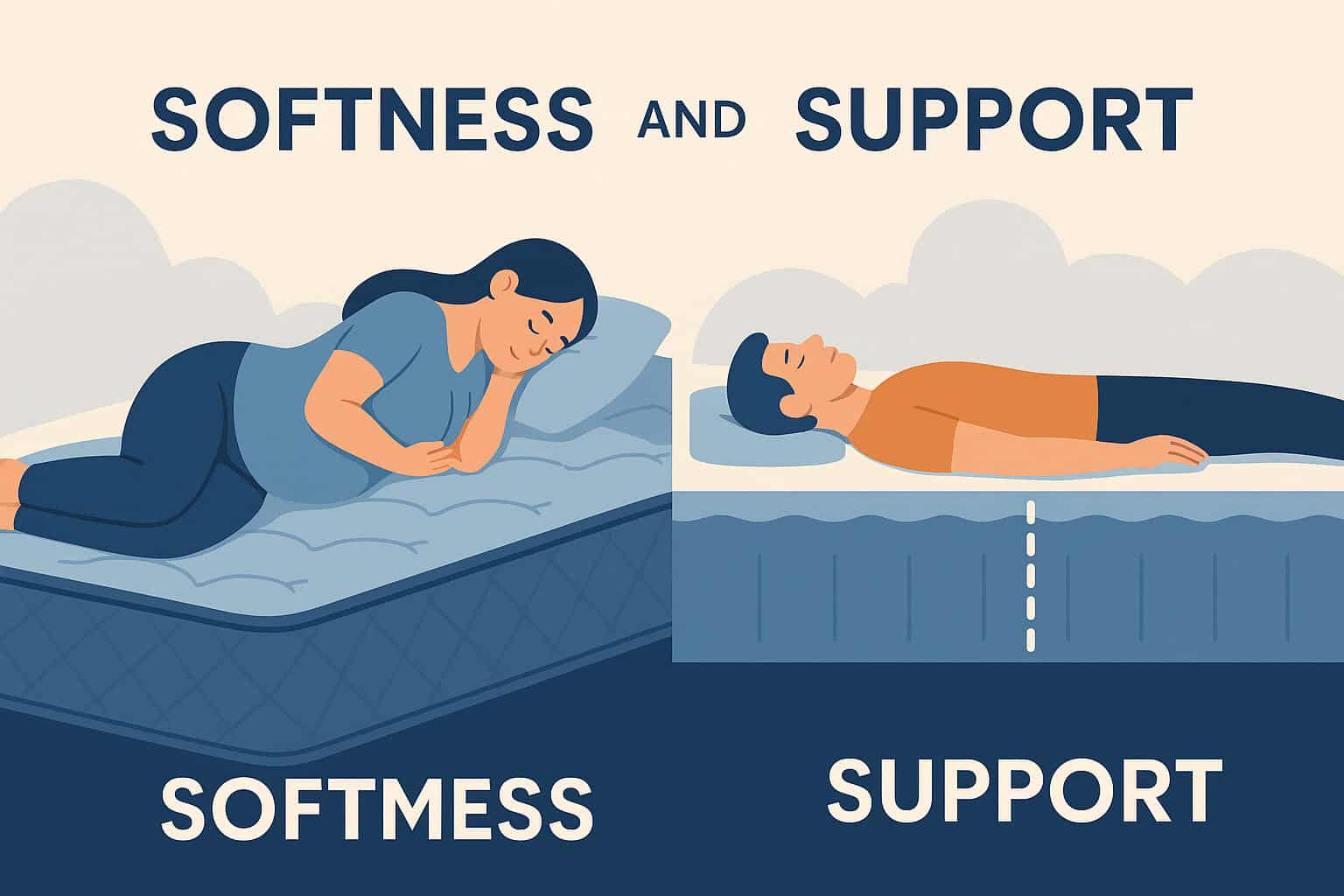
softness and support
June 19, 2025

What Makes a Mattress Feel Soft Without Sacrificing Support?

Discovering the right mattress for you, whether you are pregnant, recovering from an injury, or simply seeking a better night’s sleep, can raise a lot of questions: Can a mattress be both soft and supportive at the same time? Yes, for sure, it is, and this all begins with how the mattress is constructed from the inside out.

Support and comfort don’t have to be mutually exclusive. Actually, the proper mattress provides a plush, cradling surface that those pressure points would enjoy lying on while keeping the spine in line below. This model provides an excellent combination that reduces restlessness at night while decreasing back pain, thereby contributing to improved overall sleep quality.

In this guide, we explore how softness and firmness can coexist, the materials that enable this, and what to look for when shopping for a mattress that achieves both.

And if you’re already looking for comfort-first options, head over to our luxury hybrid mattresses, which are the right option.

What Is The Difference Between Softness And Support?

Some terminology before we delve into what exactly is inside a mattress:

Softness (Comfort):

The level of comfort you initially feel when you lie down, often described as plush or fluffy. This comes from top layers such as memory foam or quilted cushioning.

Support (Spinal Alignment):

How well the mattress helps maintain a neutral spine position, particularly under your hips and lower back. This is typically provided by the base layer or coil system.

Too much softness without adequate support can cause the body to sink too far, placing strain on the spine. On the flip side, excessive firmness without sufficient cushioning can create pressure points—especially around the shoulders and hips, which is problematic for side sleepers and pregnant women.

For a deeper explanation of the difference between comfort and support in mattresses, see this helpful guide from the Sleep Foundation..

How Supportive and Soft Mattresses Can Coexist?

1.    Zoned Support Systems

Orthopaedic mattress layers

Some mattresses feature zoned coil or foam support, with firmer materials positioned under heavier parts (the hips) of the body, and softer sections cradle the shoulders and legs. As a graduate of the Department of Orthopaedic Surgery, this style also maintains spine alignment from a foam standpoint, but makes the mattress itself not too hard.

Consider zoned hybrid mattresses at Luxe Mattresses, which focus on lumbar support with soft contouring for an ideal compromise.

2.    High-Density Base Foam

The support core of a mattress is essential for durability and shape. High-density polyurethane foam or encased coil bases provide support throughout the mattress’s lifespan, preventing sagging. These types of materials will hold the body “on” the mattress, as opposed to allowing it to sink in too much.

3.    Cushy Top Layers for Immediate Pressure Relief

What to Expect from the Top Layers of Comfort?

  • Memory foam – molds to the shape of your body for soft and comfortable support.
  • Latex – natural, breathable and durable
  • Pillow tops or Euro tops – lines of stitching sewn into the top of the mattress and outer attached for a soft initial feel

These are cloud-like with the firmness of a pillow, yet plush, without the pillow top.

Importance of Material Selection

There are many different types of mattress construction, each with different properties – all of which can help achieve this balance between softness and support:

  • Memory Foam: Provides body-confirming comfort and pressure relief, perfect for those that suffer from joint pain.
  • Latex: Get a more responsive bounce and breathable experience with latex while still enjoying cushioning and support.
  • Pocketed Coils: These provide the bounce and motion isolation found in some foams, but can offer even better support as they conform to your shape without sinking. 
  • Hybrid Designs: These feature a coil layer, as well as foam or latex layers, to provide you with the best of both worlds.

The perfect mattress provides what Harvard Health describes as “firm support with a soft top,” or flat support that won’t allow your spine to curve, while a soft cover provides comfort.

What to Consider When Shopping?

As you choose a mattress that is both plush and supportive, consider the following:

  • Medium-firm feel: Studies show that it’s optimal for back health.
  • Several comfort layers: A mattress with more than one foam or latex comfort layer will offer seamless contouring.
  • Supportive core: At the bottom, this may feature high-density foam or coil systems.
  • Zoning or lumbar support: Vitally important if you suffer from back pain or if you’re pregnant.
  • Edge Support: Supported edges provide roll-off prevention, making it easier to get in and out of bed.

For premium options that tick all these boxes, explore our our  recommended mattresses for pressure relief.

Why It’s Important to Be in Balance for the First Few Weeks of Pregnancy?

During pregnancy, softness can alleviate hip and back pain, and support can help keep the baby’s weight from throwing the mother’s spine out of alignment. A too-soft mattress can cause low back pain, especially during the second and third trimesters.

After giving birth, breastfeeding helps the body heal from the strains of delivery. This balance also benefits non-pregnant individuals: “Improved” sleep time means reduced joint stress, increased circulation, and a lower risk of chronic pain.

FAQs

Can a soft mattress alleviate back pain? 

Yes, with a supportive core of the mattress. Seek out options that pair plush comfort layers atop zoned or firm lower support, which helps keep your spine in alignment.

What is the best firmness level for pregnant ladies? 

Often, the best choice is a medium-firm mattress. It has just enough give to take pressure off the hips and tummy without sacrificing support for the lower back.

Are hybrid mattresses more comfortable than foam-only mattresses for balanced comfort? 

In many cases, yes. Hybrid mattress: A hybrid mattress combines contouring top layers with a coil base for enhanced spring, breathability, and robust support.

Final Thoughts

But you don’t have to sacrifice comfort to let the stable in. ​Today’s high-tech mattresses, made with quality materials, can give you the cloud-like comfort at the same time ensuring the support your back requires. Whether you’re pregnant, need a better night’s sleep, or require zoned support, consider these key features.

Explore our soft-yet supportive mattresses that are able to offer the night’s sleep you long for, without any pain.

Product has been added to your cart