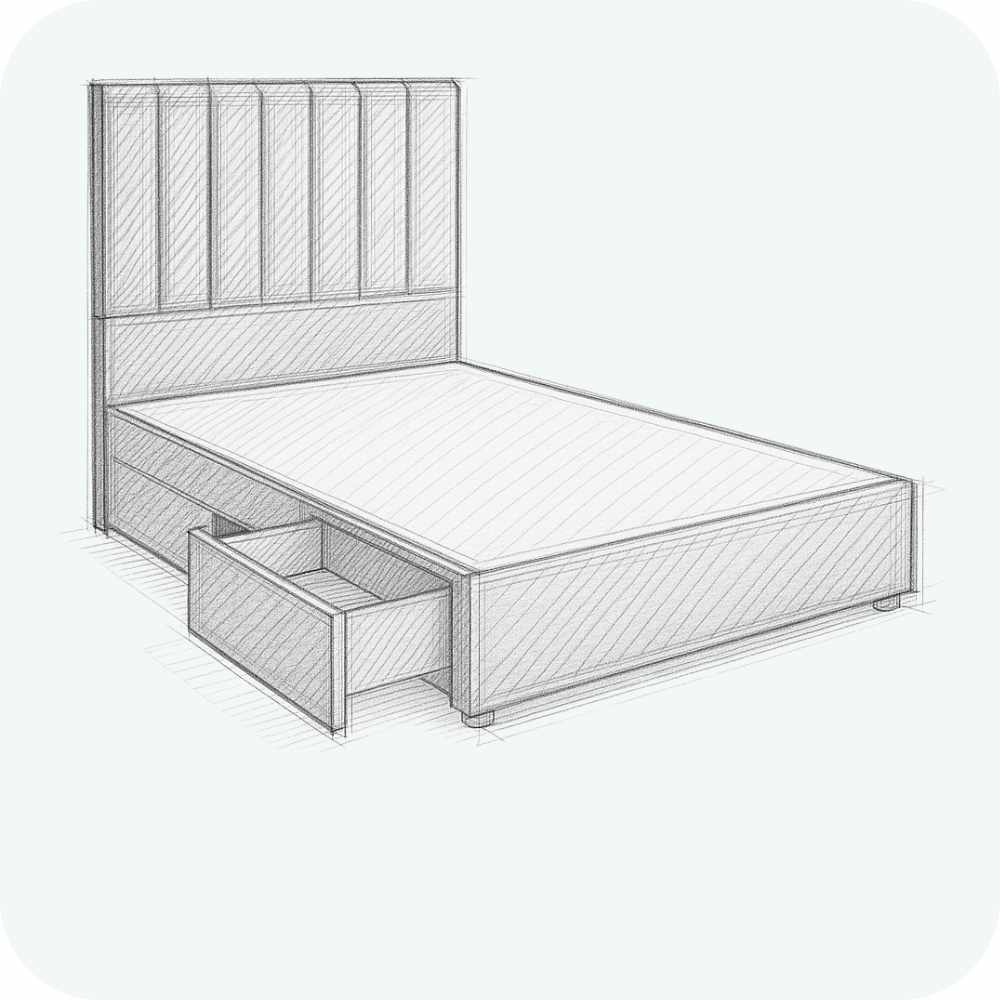
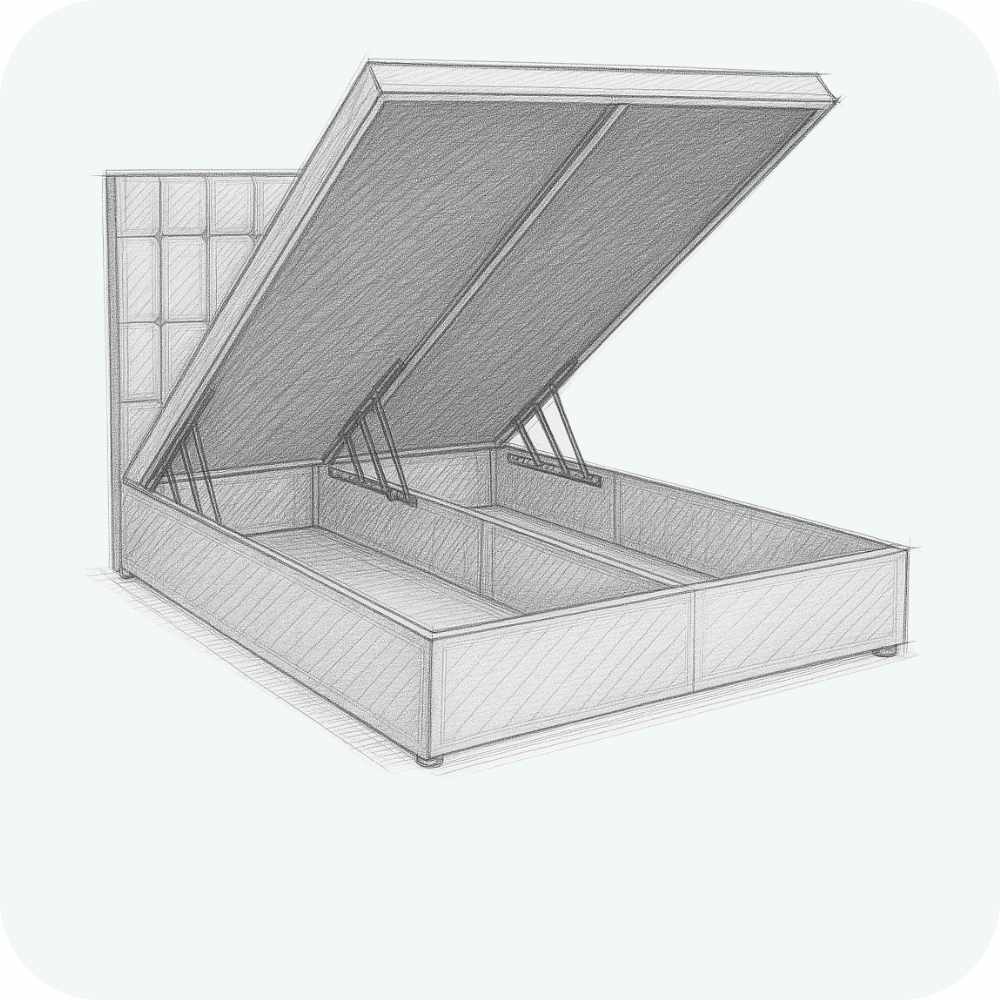
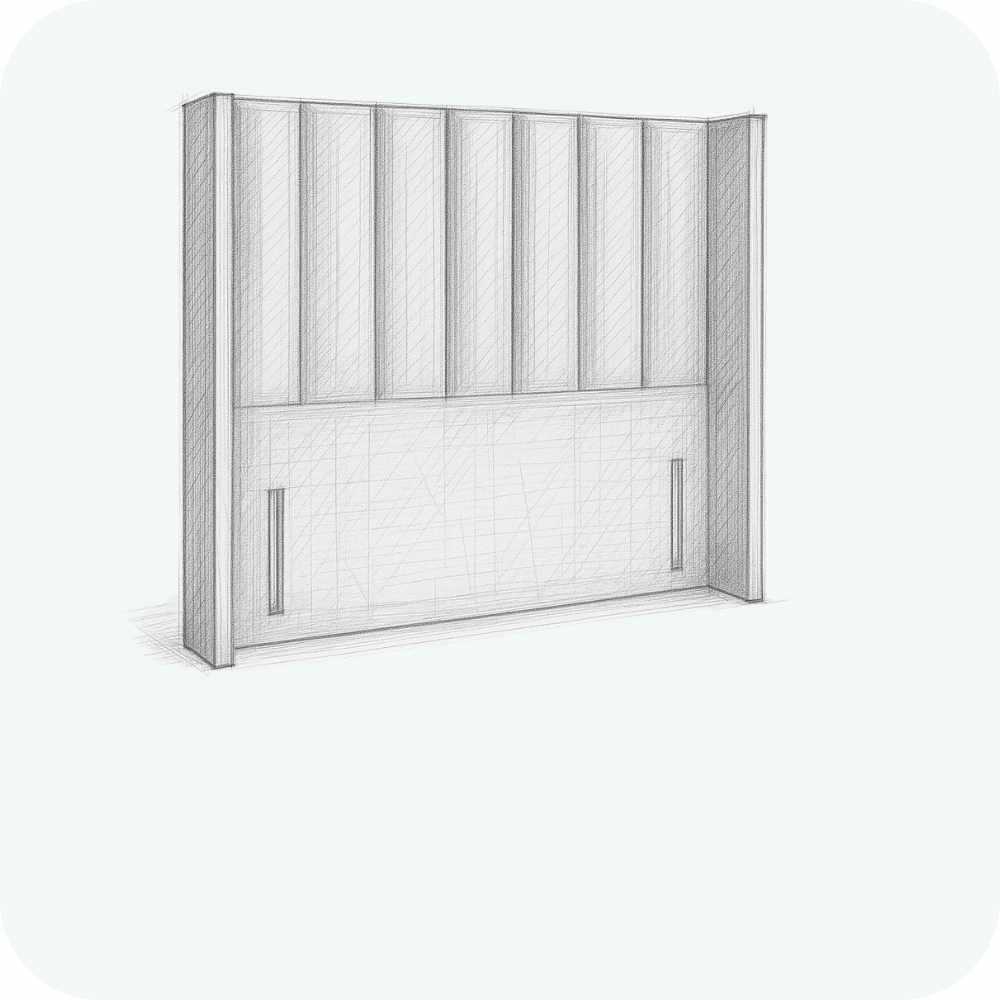
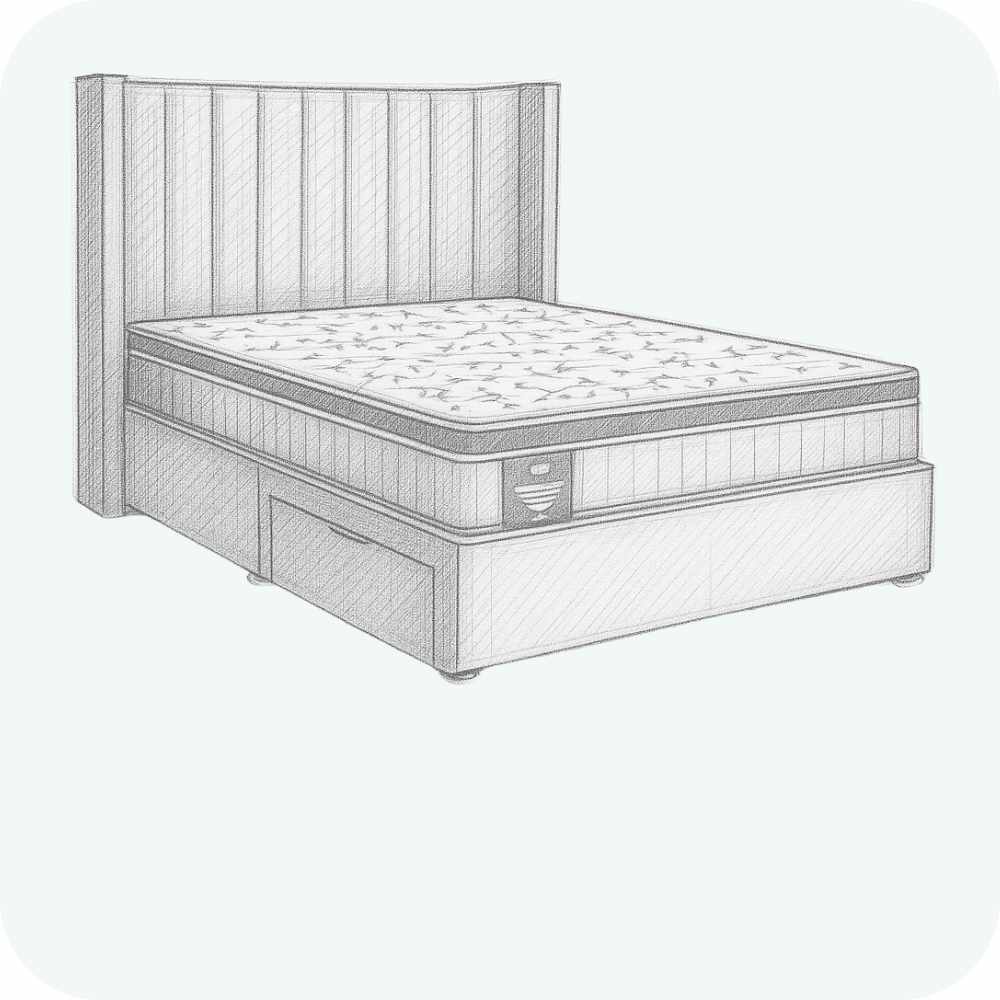


An ottoman bed is a modern form of bedroom furniture designed to combine sleeping comfort with concealed under-bed storage. The mattress lifts upward using a gas-assisted mechanism, revealing a large storage compartment beneath. This design is especially useful in space-constrained homes where additional cupboards are impractical. Many readers searching what is an ottoman bed want a clear, practical explanation of how this storage bed works and whether it suits everyday residential use.
What Is an Ottoman Bed?
An ottoman bed is a lift-up storage bed where the mattress rests on a hinged base supported by gas lift pistons. When raised, the entire under-bed area becomes accessible. Unlike drawer beds, this design uses the full footprint of the bed for storage. From a furniture engineering perspective, it is considered a space-saving bed solution because it integrates storage without expanding room dimensions. Understanding what is an ottoman bed helps clarify why it is widely adopted in modern bedroom layouts.
Why Is It Called an Ottoman Bed?
The term originates from the traditional ottoman, a padded furniture piece historically used for seating and internal storage. Furniture designers adapted this concept into bed frames where the base itself acts as a storage compartment. The name reflects functionality rather than appearance. In interior design terminology, this classification helps distinguish lift-up storage beds from drawer-based systems, reinforcing clarity for consumers researching what is an ottoman bed and its purpose.
How Does an Ottoman Bed Work?
An ottoman bed functions through a gas lift or hydraulic mechanism similar to those used in automotive tailgates. When the user pulls the handle, the pistons counterbalance the mattress weight and raise it smoothly. The mechanism locks in an open position until manually closed. This controlled motion allows frequent access without strain. From a mechanical safety standpoint, the system is designed for repetitive residential use and long-term reliability.
Step-by-Step Working of an Ottoman Bed
First, the user grips the lifting handle or base edge. The gas pistons activate and raise the mattress gradually. Once open, the bed remains stable without collapsing. The under-bed storage compartment can then be accessed fully. After use, the mattress is guided back down slowly. This step-based operation explains the everyday usability of a lift-up bed without requiring technical knowledge or physical strength.
Types of Ottoman Beds
Ottoman beds are categorized based on opening direction and structural design. These variations exist to suit different room layouts and access needs. Selecting the appropriate type improves functionality and safety. In furniture planning, understanding these classifications helps homeowners choose a storage bed that aligns with their spatial constraints and daily usage habits.
End-Lift Ottoman Bed
An end-lift ottoman bed opens from the foot of the bed. This configuration works best in narrow bedrooms where side clearance is limited. It allows full storage access without moving bedside furniture. End-lift designs are commonly used in apartments and compact master bedrooms where walkways must remain unobstructed.
Side-Lift Ottoman Bed
A side-lift ottoman bed opens from either the left or right side of the frame. This option is suitable when the foot of the bed is placed against a wall. Side-lift beds provide flexibility in room arrangement and are widely used in modern homes with fixed wardrobes or wall-mounted furniture.
Half Ottoman Bed
A half ottoman bed lifts only one section of the base, offering partial under-bed storage. This design suits lighter storage needs and smaller rooms. It is often used in guest bedrooms or secondary living spaces where full-depth storage is unnecessary.
Gas Lift Ottoman Bed
This term refers to the lifting mechanism rather than bed orientation. Most contemporary ottoman beds use gas lift systems due to their smooth operation and safety control. The mechanism reduces effort and supports consistent daily access, making it a standard feature in modern storage beds.
Materials Used in Ottoman Beds
Ottoman beds are manufactured using materials that affect strength, weight, and longevity. Common options include wood, metal, and upholstered composites. Large furniture retailers such as Luxe Mattresses and Wayfair classify ottoman beds by material to help consumers compare durability and design suitability across bedroom furniture ranges.
Wooden Ottoman Bed
Wooden ottoman beds are valued for structural strength and long service life. Solid or engineered wood frames provide excellent load-bearing capacity for mattresses and stored items. Their weight adds stability, making them suitable for long-term residential use.
Metal Ottoman Bed
Metal ottoman beds use steel or alloy frames for a lighter build. They are easier to transport and assemble while maintaining adequate durability. These beds suit modern interiors but may feel less rigid under heavy loads compared to wooden frames.
Upholstered Ottoman Bed
Upholstered ottoman beds feature fabric, velvet, or leather finishes. They enhance comfort and aesthetics while retaining full storage functionality. Regular cleaning is required to maintain appearance, especially in high-use bedrooms.
What Can You Store in an Ottoman Bed?
The storage compartment can accommodate bedding, blankets, pillows, seasonal clothing, shoes, luggage, and infrequently used household items. Because the storage remains concealed, it supports a clutter-free bedroom environment. From a space-management perspective, this under-bed storage reduces dependence on additional wardrobes or storage boxes.
Benefits of an Ottoman Bed
Ottoman beds maximize under-bed storage without increasing furniture footprint. Their lift-up design saves floor space and suits compact rooms. The concealed storage maintains a clean visual layout. These beds also support common mattress types such as memory foam and hybrid mattresses, making them practical for daily residential use.
Maximum Use of Under-Bed Space
An ottoman bed uses the entire space beneath the mattress for storage, unlike drawer beds that leave unused gaps. This full-base storage is especially helpful in homes where cupboard space is limited. It allows users to store large or bulky items neatly out of sight. From a space-management perspective, this design improves storage efficiency without increasing room size or adding extra furniture.
Ideal Solution for Small Bedrooms
Ottoman beds are highly suitable for small bedrooms because they open upward rather than outward. This means no additional clearance is required on the sides of the bed. In compact rooms, studio apartments, and shared living spaces, this vertical access helps maintain free walking space. As a result, the room feels more open, organized, and easier to move around.
Reduces the Need for Extra Furniture
By providing built-in storage, an ottoman bed reduces reliance on additional wardrobes, storage boxes, or cabinets. This simplifies bedroom layouts and minimizes overcrowding. Fewer furniture items also mean easier cleaning and better airflow. For minimalist interiors, this benefit supports both functionality and visual simplicity without compromising storage needs.
Note: To add trust signals, many homeowners compare ottoman beds from established furniture brands such as Luxe Mattresses or Wayfair, which classify storage beds by usability and durability.
Keeps the Bedroom Clutter-Free
Hidden storage helps keep everyday and seasonal items out of sight. Bedding, luggage, clothing, and household items can be stored neatly beneath the mattress. This creates a cleaner, more organized bedroom environment. From a psychological comfort standpoint, clutter-free spaces are often associated with reduced stress and improved relaxation, especially in sleeping areas.
Easy and Safe Lifting Mechanism
Modern ottoman beds use gas lift or hydraulic systems that make lifting the mattress smooth and controlled. The mechanism supports the mattress weight, reducing physical effort. Safety features such as locking pistons prevent sudden closure. This makes daily access practical for most adults without requiring strength or technical knowledge.
Suitable for Different Mattress Types
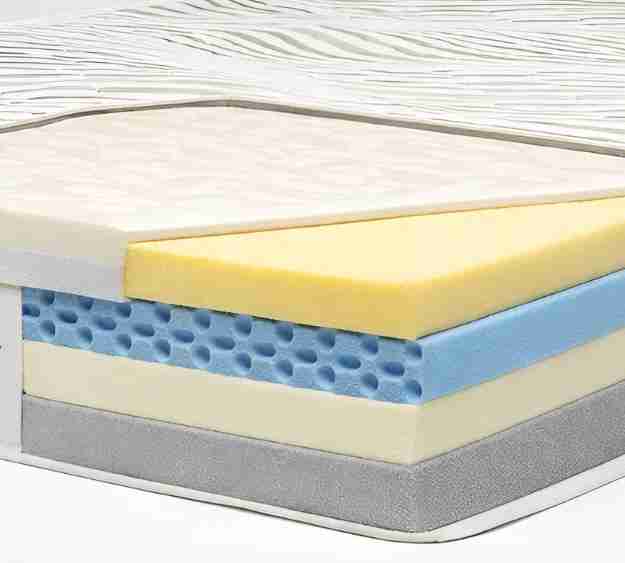
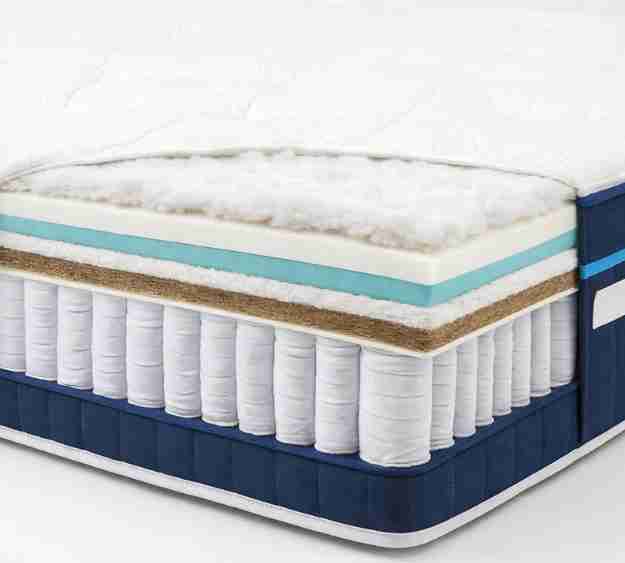
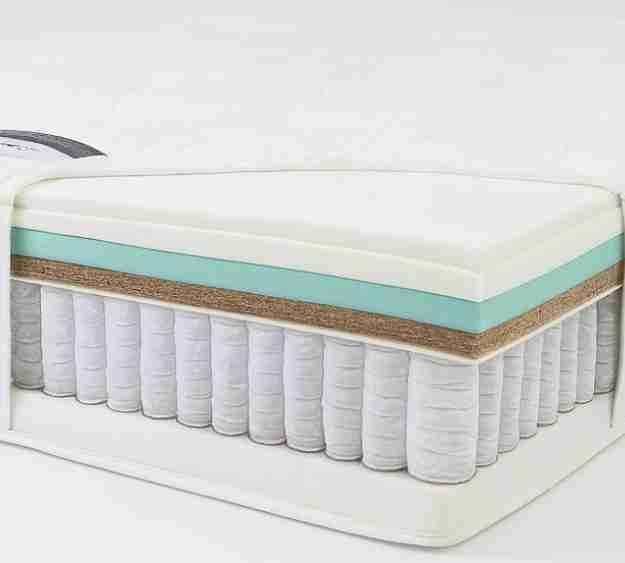
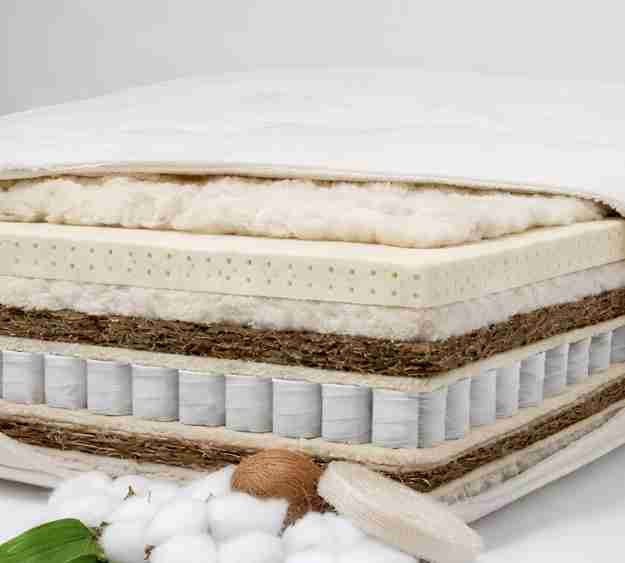
Ottoman beds are compatible with commonly used mattresses, including memory foam, pocket spring, and hybrid mattresses. The solid base provides stable support without affecting comfort. This flexibility allows users to choose a mattress based on personal sleep preferences rather than bed limitations, ensuring consistent sleeping quality.
Enhances Bedroom Aesthetics
With no visible drawers or external storage units, ottoman beds offer a clean and modern appearance. Upholstered designs, in particular, add softness and style to bedroom interiors. The storage remains completely hidden, preserving the visual balance of the room. This benefit is especially valued in contemporary and minimalist bedroom designs.
Useful for Seasonal and Long-Term Storage
Ottoman beds are well-suited for storing items that are not needed daily, such as winter blankets, seasonal clothing, or travel bags. The deep storage compartment allows organized long-term storage without occupying wardrobe space. This makes them practical for households with changing seasonal needs or limited storage infrastructure.
Helps Maintain Better Room Organization
Having a dedicated hidden storage area encourages better organization habits. Items can be grouped and stored systematically rather than scattered around the room. This improves accessibility and reduces time spent searching for stored belongings. Over time, this structured storage contributes to a more functional and efficient bedroom setup.
Long-Term Practical Value
Although ottoman beds may have a higher initial cost, their long-term usefulness often justifies the investment. The combination of sleeping comfort and storage functionality reduces the need for future furniture purchases. When properly maintained, a well-built ottoman bed provides reliable service for many years in everyday residential use.
Disadvantages of an Ottoman Bed
Ottoman beds generally cost more than standard bed frames due to their mechanical components. Their weight makes relocation difficult, and sufficient clearance is needed for lifting. Assembly can be complex, sometimes requiring professional installation. These factors should be considered when evaluating storage bed options.
Ottoman Bed vs Divan Bed
Ottoman Bed vs Divan Bed
Many people confuse ottoman beds with divan beds. Here is a simple comparison.
| Feature | Ottoman Bed | Divan Bed |
|---|---|---|
| Storage | Full base storage | Drawer-based |
| Space usage | 100% | Partial |
| Opening style | Lift-up | Pull-out drawers |
| Look | Clean and modern | Traditional |
| Cost | Slightly higher | Moderate |
Ottoman beds provide full-base storage accessed by lifting the mattress. Divan beds use pull-out drawers that require side clearance. Ottoman designs offer greater storage efficiency, while divan beds provide quicker access. Room layout typically determines which option is more suitable.
Is an Ottoman Bed Good for Small Rooms?
Yes, ottoman beds are highly suitable for small rooms because they open vertically. This eliminates the need for drawer clearance and reduces furniture congestion. As a result, bedrooms appear more spacious and organized.
Is an Ottoman Bed Strong and Durable?
Durability depends on frame material, gas lift quality, and correct installation. Wooden frames usually offer maximum strength, while metal frames provide reliable performance when well-engineered. Regular inspection improves lifespan.
How Much Weight Can an Ottoman Bed Hold?
Most ottoman beds are designed to support the mattress, two adults, and stored items. Weight capacity varies by model. Manufacturer specifications should always be reviewed to ensure safe use.
Safety Features of an Ottoman Bed
Modern ottoman beds include anti-slip mattress holders, locking gas pistons, and controlled closing systems. These features prevent sudden drops and ensure safe daily operation.
How to Choose the Right Ottoman Bed
Choosing the right ottoman bed involves measuring room dimensions, selecting an appropriate opening direction, assessing storage needs, and ensuring mattress compatibility. Material choice should balance durability and interior style.
Is an Ottoman Bed Comfortable for Daily Sleeping?
Comfort depends primarily on the mattress rather than the storage base. A well-constructed ottoman bed provides the same support as a standard bed frame and does not affect sleep quality.
Maintenance Tips for an Ottoman Bed
Avoid overloading storage, lift gently, keep the mechanism clean, prevent moisture buildup, and inspect fittings periodically. Proper care ensures long-term reliability.
Who Should Buy an Ottoman Bed?
Ottoman beds are suitable for apartments, small homes, families needing extra storage, minimalist interiors, guest rooms, and rental properties. They are ideal for users seeking hidden storage without visual clutter.
FAQs
Are ottoman beds easy to assemble?
Most ottoman beds in the UK are delivered flat-packed and require assembly at home. While instructions are usually clear, the frame and lifting mechanism can be heavy, so two people are recommended. Correct alignment of hinges and gas lift arms is important for smooth operation. Many UK retailers also offer a professional assembly service. It is advisable to check and re-tighten screws after a few weeks of regular use.
Do ottoman beds need a special mattress?
Generally, ottoman beds do not require a special mattress. Standard UK mattresses such as memory foam, pocket sprung, and hybrid mattresses are usually compatible. However, manufacturers often specify a maximum mattress weight and thickness. Very heavy mattresses can make lifting more difficult. Some frames include mattress retainers or anti-slip fabric to keep the mattress stable when opening and closing.
Can you put an ottoman bed on carpet?
Yes, ottoman beds can be placed on carpet, which is common in UK homes. Thicker carpets may slightly increase resistance when lifting, but this does not affect normal use if the bed is level. Ensure all feet are evenly supported to avoid strain on the mechanism. Furniture pads can improve stability, and enough clearance should be left so the bed can open fully.
What UK size should I choose: double, king, or super king?
The right size depends on room size, sleeping needs, and storage requirements. A UK double is suitable for smaller bedrooms and still offers useful under-bed storage. A king size provides more sleeping space and storage but needs extra floor area. A super king offers maximum comfort and storage, though it may feel too large in compact rooms. Measuring the room before buying is essential.
Do ottoman beds squeak, and how can you reduce noise?
Ottoman beds can develop squeaks if fixings loosen over time or if parts rub together. Regularly checking and tightening bolts helps reduce noise. Keeping the bed level and avoiding overloading the storage compartment also protects the frame. If permitted by the manufacturer, light lubrication on hinge contact points can help. Ensuring the mattress is secured properly also prevents movement-related sounds.
Final Thoughts on What Is an Ottoman Bed
An ottoman bed offers a practical balance between sleeping comfort and efficient storage. It supports modern living needs by maximizing available space while maintaining a clean bedroom layout. For readers seeking a clear understanding of what is an ottoman bed, it represents a long-term, space-efficient furniture solution grounded in functional design and everyday usability.

Results-driven Digital Marketing and E-Commerce Specialist with 5+ years of experience helping diverse clients achieve their online business goals. Proven expertise in managing end-to-end Shopify store operations, developing impactful Social Media strategies, and driving traffic through effective SEO techniques.
Core Skills & Expertise:
• E-Commerce Strategy & Management: Building, optimizing, and managing successful online stores, particularly on Shopify.
• Digital Marketing Campaigns: Planning, executing, and analyzing multi-channel campaigns (Social Media, Search, Email).
• Social Media Marketing: Creating engaging content, managing communities, running targeted ads (Facebook, Instagram, etc.), and building brand presence.
• Search Engine Optimization (SEO): On-page & technical optimization, keyword research, link building, and improving organic search visibility & rankings.
• Client Collaboration: Understanding client objectives, delivering measurable results, and maintaining successful long-term partnerships.
What I Bring:
• Proven Track Record: Successfully delivered projects for numerous clients across various industries.
• Platform Proficiency: Deep hands-on experience with Shopify, major social platforms, and SEO tools.
• Data-Driven Approach: Focusing on analytics and KPIs to optimize performance and demonstrate ROI.
• Holistic E-Commerce View: Integrating marketing, platform management, and optimization for sustainable growth.
Ready to help your business thrive online. Let’s connect!