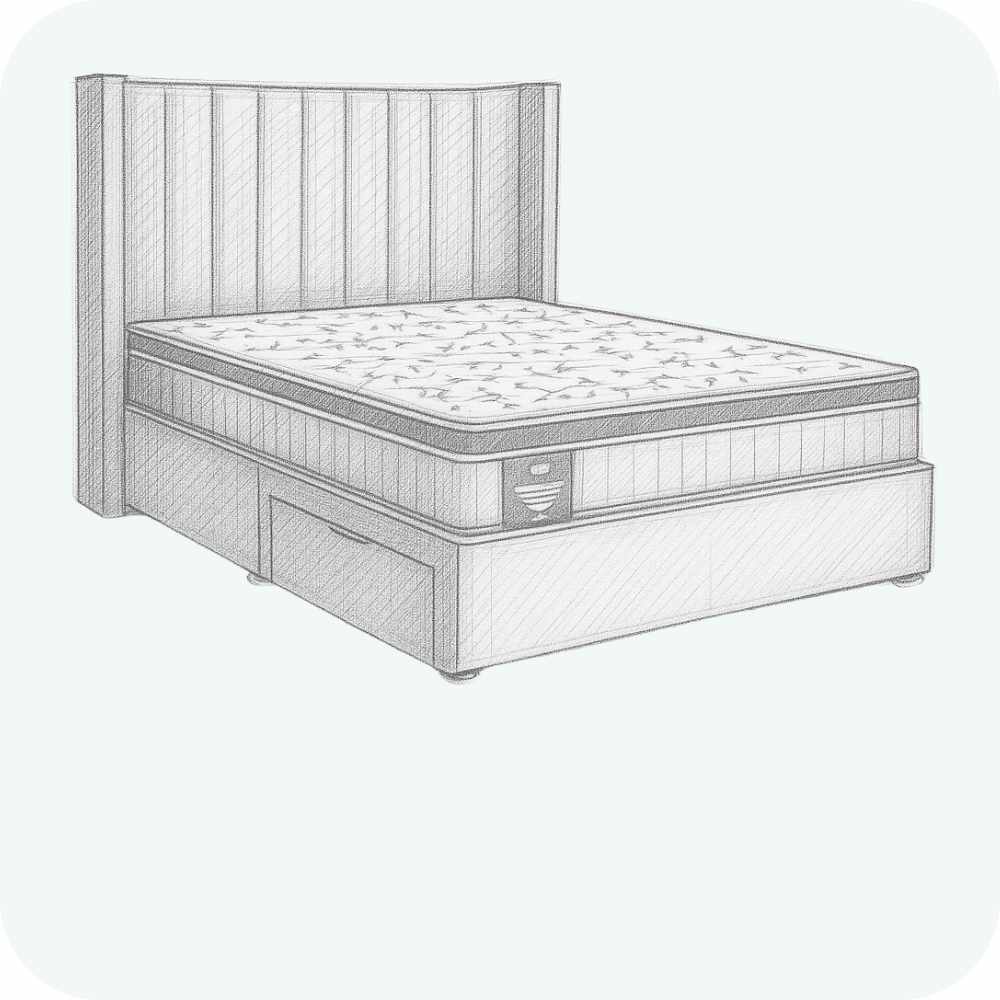


A memory foam mattress is made from viscoelastic foam that reacts to body heat. It softens with warmth, molding perfectly to your body shape for comfort. This support helps reduce pressure points on hips, shoulders, and back. Memory foam distributes weight evenly, improving spinal alignment while you sleep. Additionally, it absorbs motion, preventing your partner’s movements from disturbing rest.
The technology was originally developed by NASA for astronauts’ safety during launches. Today, it has become widely used for home mattresses. Its viscoelastic properties create a “memory” effect, allowing the mattress to regain shape after use. Many modern memory foam mattresses also include gel or plant-based layers. Choosing the right memory foam mattress improves comfort, durability, and sleep quality.
Different Types of Memory Foam Mattress
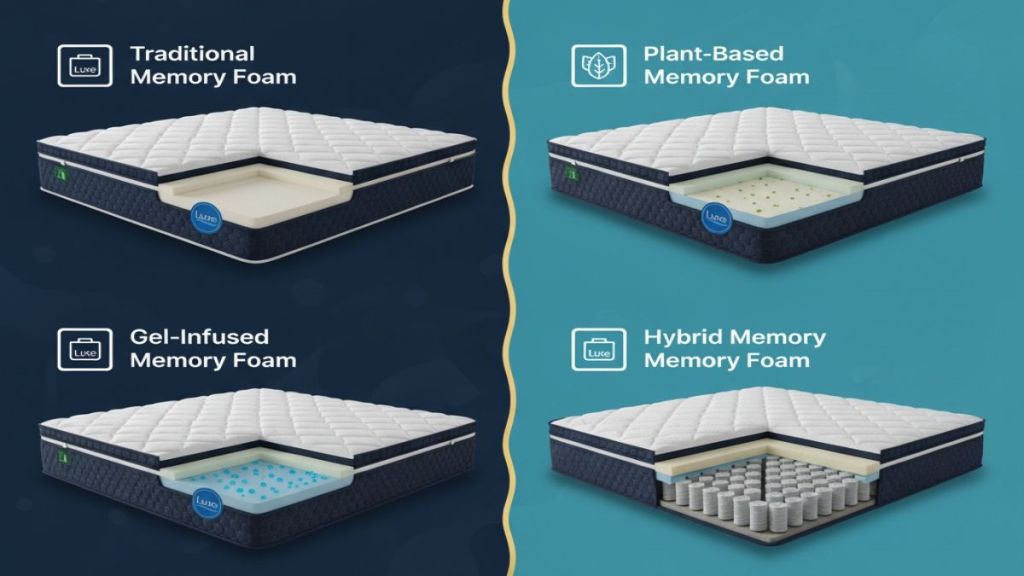
Memory foam mattresses are available in various types to suit needs. Traditional memory foam provides classic contouring and softness. Gel-infused memory foam reduces heat retention and regulates temperature.
Plant-based foam uses eco-friendly materials and remains breathable. Hybrid designs combine foam and springs for extra support. Each type varies in firmness, density, and responsiveness to personal preferences. Choosing the right type enhances comfort and sleep quality for years.
How Memory Foam Mattress Responds to Body Heat
Memory foam reacts to body temperature, softening in warmer areas to conform closely. This property reduces pressure points and supports spinal alignment. It also absorbs movement, preventing disturbances from a partner.
Foam slowly returns to its original shape after use, maintaining durability. The combination of heat response and pressure relief ensures personalized comfort throughout the night.
Memory Foam Mattress Layers and Construction
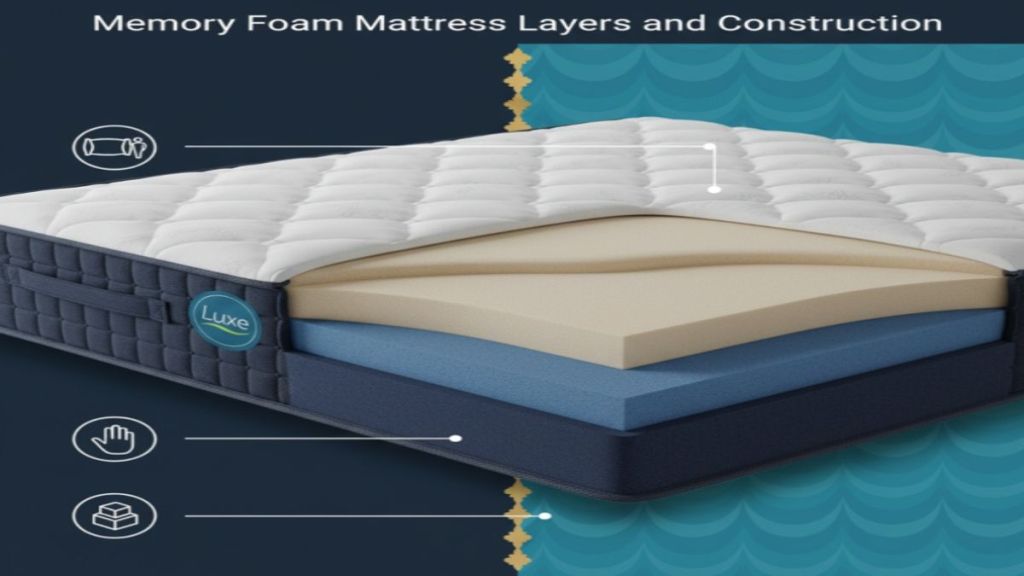
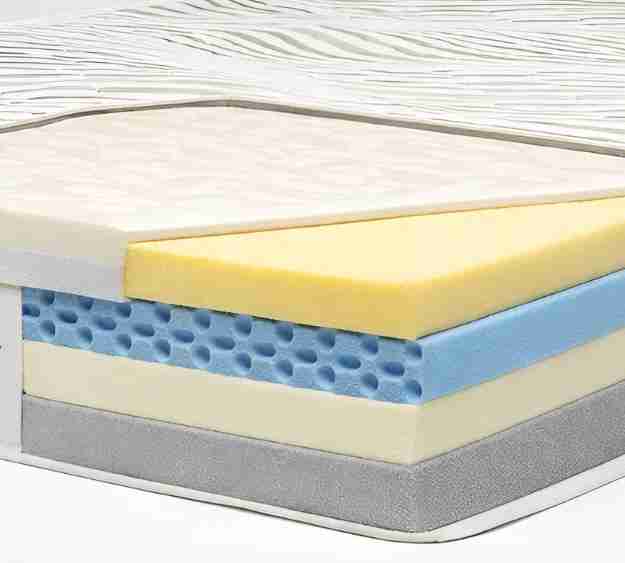
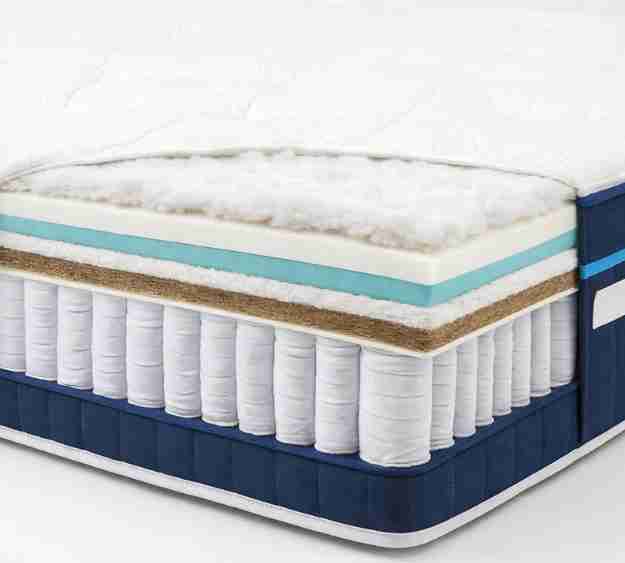
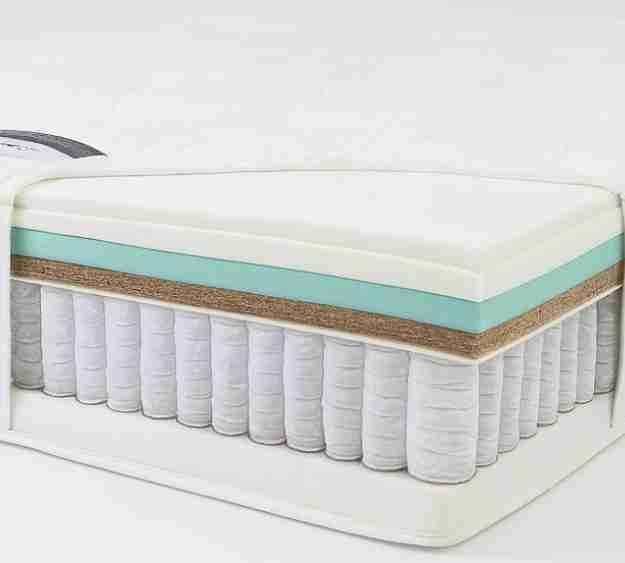
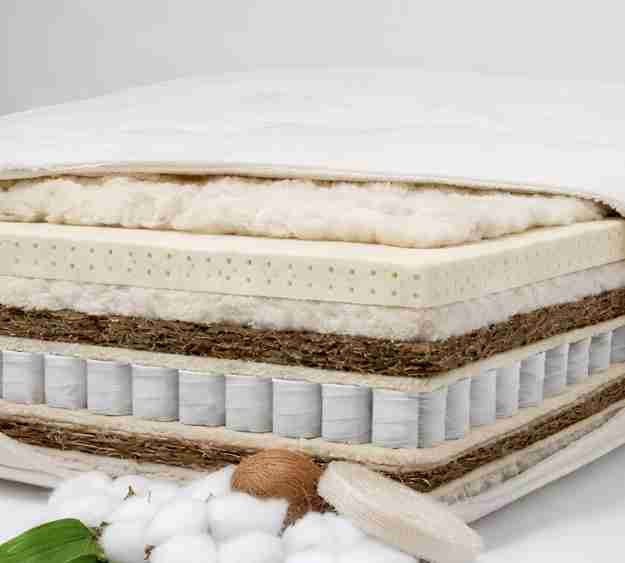
Most mattresses have multiple layers for comfort and support. The top comfort layer contours to your body for pressure relief. A transition layer provides medium support, preventing excessive sinking.
The base layer is denser, ensuring long-lasting durability. Some mattresses include cooling gel or eco-friendly materials. Understanding layers helps select the best mattress for sleeping needs and preferences.
Benefits of Memory Foam Mattress
A memory foam mattress offers significant comfort and health benefits. Its contouring properties reduce pressure points and improve blood circulation. Motion isolation ensures sleep remains undisturbed by partner movements.
Spinal alignment support reduces back and neck pain. Additionally, memory foam maintains shape and durability for many years, making it a valuable long-term investment.
It adapts to various sleeping positions. Side sleepers enjoy cushioning for shoulders and hips. Back sleepers receive medium-firm support to maintain spinal curves. Reduced tossing ensures deeper, more restful sleep.
Cooling technologies prevent heat buildup in modern memory foam mattresses. These features make it a popular choice among sleepers of all types.
Health Benefits of Memory Foam Mattress
Memory foam mattresses help reduce joint pain and improve posture. Proper spinal alignment prevents back and neck problems. Motion isolation decreases sleep interruptions, improving rest quality.
The foam distributes weight evenly, reducing pressure on hips and shoulders. Sleepers wake refreshed and with less stiffness due to consistent support throughout the night.
Long-Term Comfort and Durability of Memory Foam Mattress
High-density memory foam maintains shape for 7–10 years with proper care. Rotating the mattress regularly prevents uneven sagging. Modern materials resist wear and tear, offering long-lasting support.
Investing in a quality mattress ensures consistent comfort for years. Durability and comfort make memory foam a smart choice for long-term sleep health.
Memory Foam Mattress for All Sleeping Positions
Memory foam adapts to side, back, and stomach sleepers. Side sleepers enjoy cushioned shoulders and hips. Back sleepers benefit from medium-firm support.
Stomach sleepers need slightly firmer foam to prevent lower back strain. This versatility makes memory foam suitable for almost any sleeping style.
How to Choose the Right Memory Foam Mattress
Selecting the right mattress depends on density, firmness, and sleeping habits. Higher-density foam provides better support and longevity. Medium-firm mattresses suit most positions and sleeping preferences.
Consider whether you share the bed and your body weight. Testing options before purchase ensures optimal comfort and support. Choosing carefully improves both sleep quality and mattress lifespan.
Tips for Selecting Mattress for Back Support
Prioritize proper spinal alignment for back support. Side sleepers may need slightly softer foam for hip relief. Back sleepers should select medium-firm mattresses to maintain spinal curves. A quality bed base prevents sagging and uneven surfaces. Proper selection reduces the risk of chronic back pain.
Budget Considerations When Buying
Memory foam mattresses vary widely in price. Higher-density foam is more expensive but lasts longer. Look for warranties to protect your investment. Gel or eco-friendly layers may affect cost. Balancing price with features ensures good value without sacrificing comfort or durability.
Mattress Warranty and Return Policies
Most memory foam mattresses offer 10-year warranties. Trial periods allow testing comfort at home. Checking warranty coverage protects against defects or sagging. Reading fine print prevents unexpected issues. Good policies give peace of mind when purchasing a mattress.
Memory Foam Mattress vs Other Mattress Types
Memory foam differs from spring, latex, and hybrid mattresses. Springs provide bounce but limited contouring. Latex is durable but may feel firm for some sleepers. Hybrids combine springs and foam but may not isolate motion well.
Memory foam excels in pressure relief, body conformity, and motion absorption. This makes it ideal for couples and individuals seeking comfortable, long-lasting sleep.
Pros of Memory Foam Mattress
- Conforms to body shape
- Reduces pressure points
- Absorbs motion efficiently
- Long-lasting with proper care
- Supports spinal alignment
Cons of Memory Foam Mattress
- Can retain heat without cooling gel
- Initial off-gassing odor in new mattresses
- Heavier than spring mattresses
- Some types too soft for back sleepers
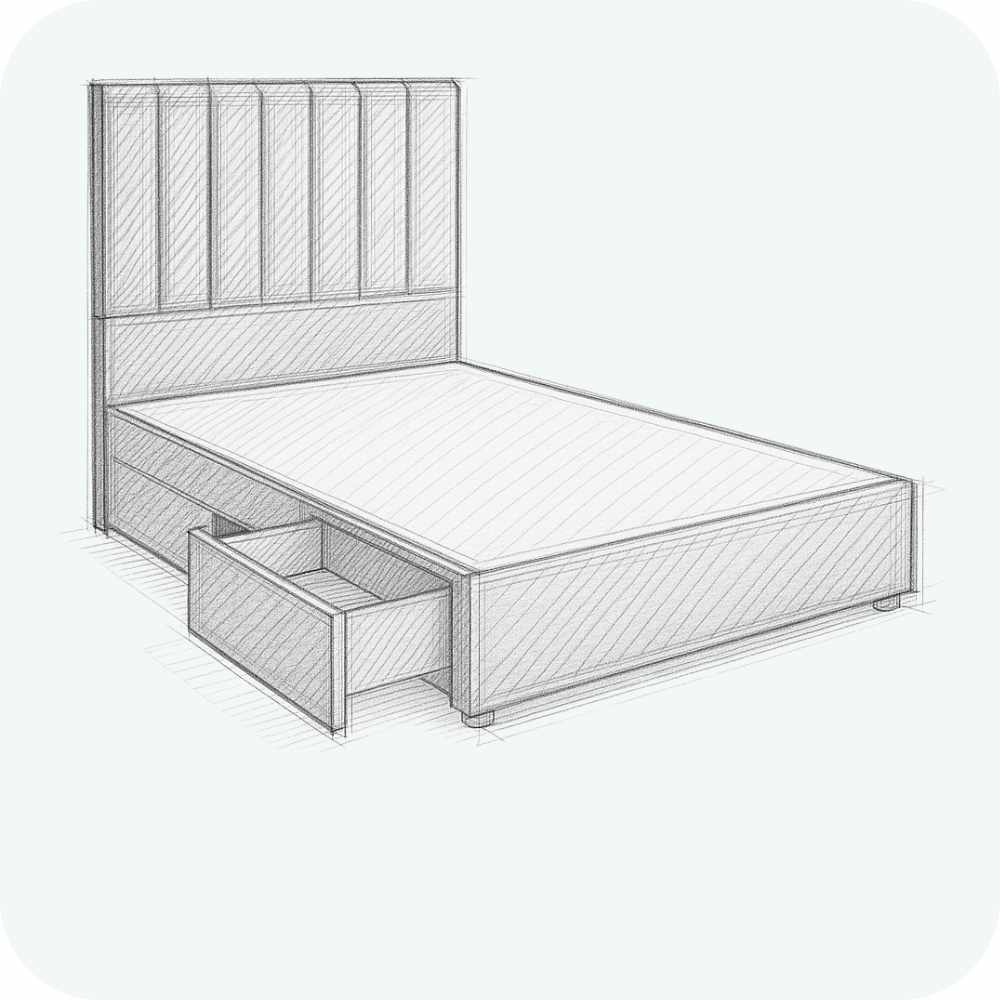
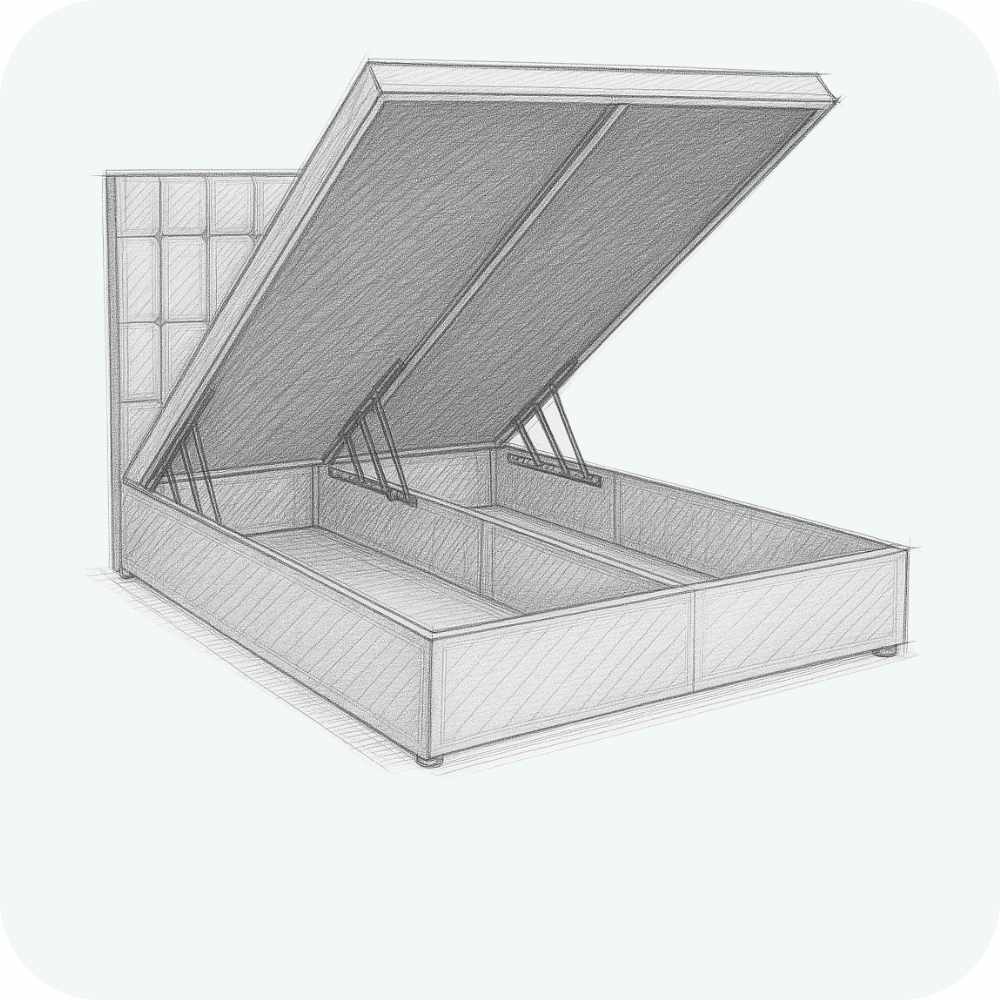
- Requires a solid bed base for support
Cleaning and Maintaining
Maintenance extends mattress lifespan. Use a mattress protector to prevent stains and spills. Rotate every 3–6 months to avoid sagging. Vacuum foam regularly to remove dust and allergens. Spot clean spills gently without soaking. Proper care keeps the mattress hygienic and comfortable for years.
Conclusion
In conclusion, a memory foam mattress provides comfort, support, and long-lasting durability. It molds to your body, relieves pressure points, and isolates motion. Understanding what memory foam mattress is helps you choose the best option for your sleeping needs. With proper care and selection, it ensures restful nights, better spinal alignment, and improved overall health.
FAQ’s
Yes, memory foam mattresses are excellent for relieving back pain. They contour to your spine’s natural curve, offering pressure relief and proper alignment. This helps reduce tension in your lower back and improves sleep quality over time.
Older versions could trap heat, but modern memory foam mattresses in the UK now feature cooling gel or breathable covers. These layers regulate temperature and prevent overheating, keeping you cool and comfortable all night.
A good-quality memory foam mattress typically lasts 7 to 10 years. Regular rotation, using a mattress protector, and proper care can extend its lifespan while maintaining comfort and support.
It’s best to use a solid or slatted bed base with gaps under 7cm. This ensures proper airflow and even support. Avoid old or uneven bases, as they can cause sagging and reduce mattress performance.
Memory foam mattresses rely entirely on foam layers for contouring and pressure relief. Hybrid mattresses combine memory foam with springs, offering added bounce and airflow.

Results-driven Digital Marketing and E-Commerce Specialist with 5+ years of experience helping diverse clients achieve their online business goals. Proven expertise in managing end-to-end Shopify store operations, developing impactful Social Media strategies, and driving traffic through effective SEO techniques.
Core Skills & Expertise:
• E-Commerce Strategy & Management: Building, optimizing, and managing successful online stores, particularly on Shopify.
• Digital Marketing Campaigns: Planning, executing, and analyzing multi-channel campaigns (Social Media, Search, Email).
• Social Media Marketing: Creating engaging content, managing communities, running targeted ads (Facebook, Instagram, etc.), and building brand presence.
• Search Engine Optimization (SEO): On-page & technical optimization, keyword research, link building, and improving organic search visibility & rankings.
• Client Collaboration: Understanding client objectives, delivering measurable results, and maintaining successful long-term partnerships.
What I Bring:
• Proven Track Record: Successfully delivered projects for numerous clients across various industries.
• Platform Proficiency: Deep hands-on experience with Shopify, major social platforms, and SEO tools.
• Data-Driven Approach: Focusing on analytics and KPIs to optimize performance and demonstrate ROI.
• Holistic E-Commerce View: Integrating marketing, platform management, and optimization for sustainable growth.
Ready to help your business thrive online. Let’s connect!