





Estimated reading time: 7 minutes
We’ve all asked it, sometimes aloud, often while still staring at a screen long past what we know is sensible: “What time should I really go to bed?” The answer isn’t quite as simple as a single hour on the clock. Your best bedtime depends on a few things: your age, your daily responsibilities, and what your body naturally responds to.
In this guide, we’ll walk through what the science says about bedtime by age, how different lifestyles shift that timing, and what you can do to find your own version of an ideal sleep schedule, even if your life isn’t exactly predictable.
Is There Such a Thing as the “Perfect” Bedtime?
Not quite, though there are definitely better (and worse) windows for winding down, our bodies follow a 24-hour rhythm, known as the circadian rhythm, which helps regulate when we feel sleepy and when we feel alert. That rhythm responds most strongly to light and dark, meaning what time you fall asleep matters just as much as how long you sleep for.
As the NHS explains, going to bed and waking up at roughly the same time each day is one of the most effective ways to improve your sleep, boost energy, and protect mental health, regardless of your age.
Recommended Bedtimes by Age
Let’s start with the basics: how much sleep do different age groups need, and when should they ideally be heading to bed?
Children (6–12 years)
Sleep needed: 9–12 hours
Suggested bedtime: 7:30–9:00pm
Younger children need a good block of sleep to support growth and brain development. Earlier bedtimes help them wake up refreshed for school without needing to hit snooze. Also, invest in a good mattress for kids to support their sleep.
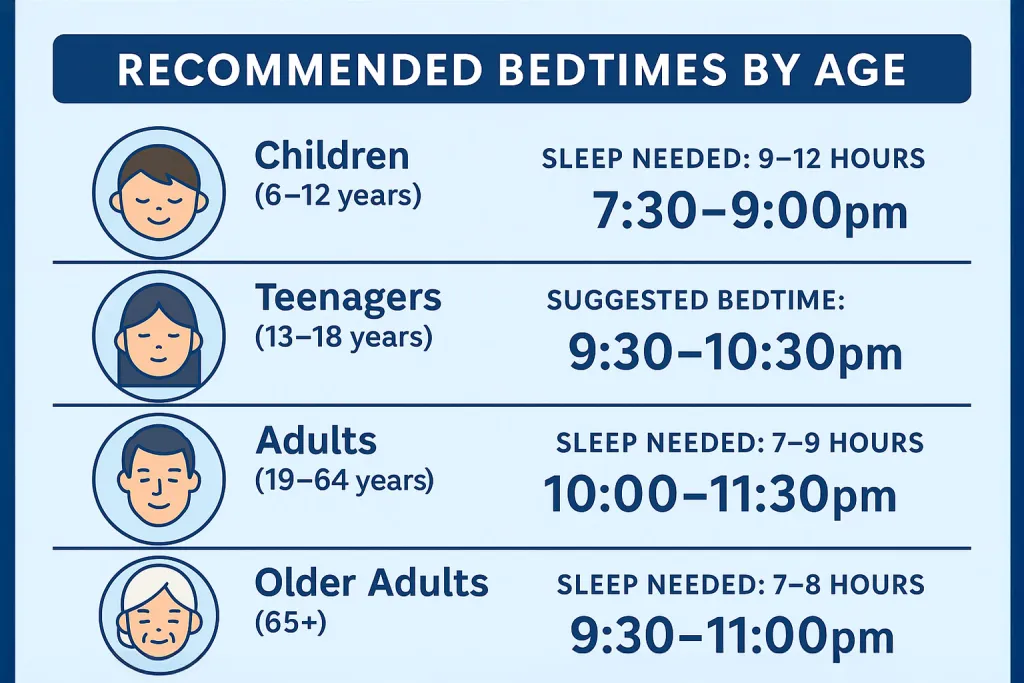
Teenagers (13–18 years)
Sleep needed: 8–10 hours
Suggested bedtime: 9:30–10:30pm
Teens naturally fall asleep later due to shifts in melatonin. Still, encouraging a calming routine around 9 pm can help bring sleep forward, especially during school terms.
Adults (19–64 years)
Sleep needed: 7–9 hours
Suggested bedtime: 10:00–11:30 pm
For most adults, the best bedtime is between 10 and 11 pm, with a wake-up window around 6:30 to 7:30 am. Consistency matters more than precision, though. If your schedule allows it, just try to stick within an hour’s difference on weekends.
Older Adults (65+)
Sleep needed: 7–8 hours
Suggested bedtime: 9:30–11:00 pm
As people age, they tend to go to bed and wake earlier. While this isn’t necessarily bad, fragmented sleep can become more common. A structured routine, including reduced evening light exposure, can make a big difference.
What About People With Non-Traditional Routines?
Let’s be honest, not everyone can follow textbook timing. Whether you work shifts, have young children, or just don’t sleep well, a lot of people live outside the 10-to-6 framework. So, let’s talk real life.
Shift Workers
Challenge: Sleeping during daylight or on irregular cycles
Best approach: Sleep within an hour of your shift ending, and try to stick to that schedule, even on days off.
Helpful tips:
- Use blackout curtains and a white noise machine
- Avoid caffeine 4–6 hours before sleeping
- Opt for a mattress that reduces motion and supports pressure points, like those from LuxeMattresses, to help you fall asleep faster during non-standard hours
Parents With Young Kids
Challenge: Broken sleep and unpredictable wake-ups
Best approach: Head to bed as soon as realistically possible, even if that’s 9:15pm. It may feel early, but it helps cover for night wake-ups.
Helpful tips:
- Keep your room dark, cool, and quiet
- Invest in a supportive mattress that allows you to fall back asleep quickly between interruptions
- Try to nap when your child naps, easier said than done, but it works
Students or Night Owls
Challenge: Staying up too late or sleeping too little
Best approach: Aim for at least 7.5 hours and reduce blue light in the hour before bed.
Helpful tips:
- Wind down around 10:30 pm with no screens
- Don’t sleep past 9 am regularly, it confuses your internal clock
- Use natural light in the morning to reset your rhythm
Health-Conscious Adults
Challenge: Finding an ideal sleep timing that supports performance
Best approach: Aim to sleep by 10:00–10:30 pm consistently
Helpful tips:
- Try a warm shower, dim lighting, and a calming scent (lavender or a natural sleep mist)
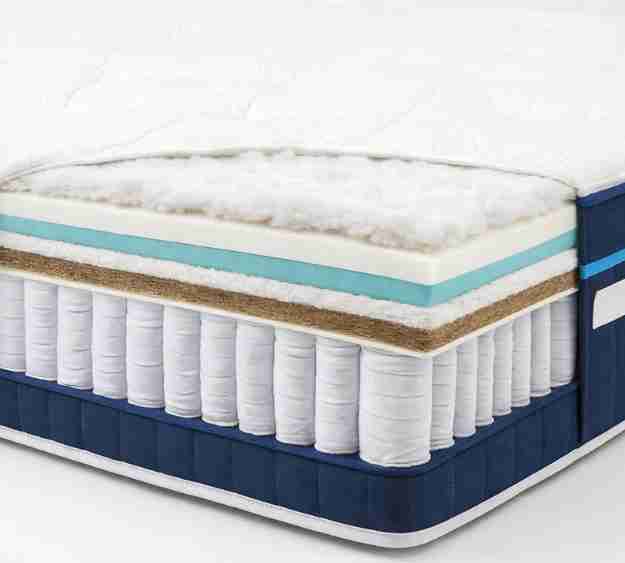
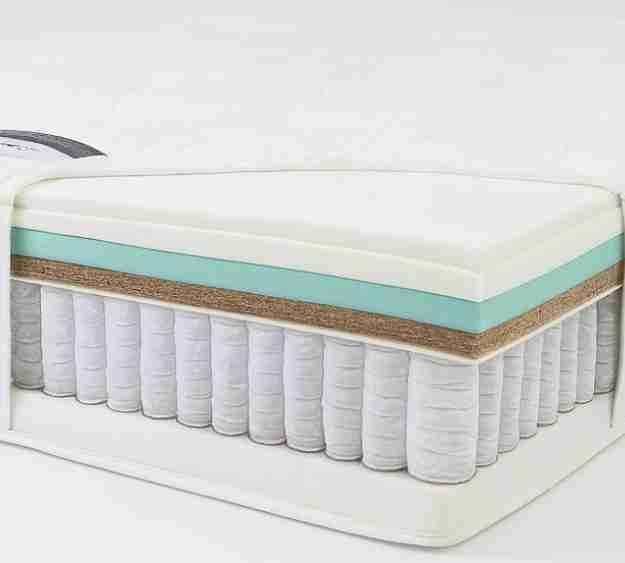
- Consider a mattress designed for sleep health, pressure relief, and airflow that contributes directly to better quality rest
Why Sleep Timing Is as Important as Sleep Length
We often hear we should get “8 hours,” but that’s only part of the picture. Your body’s repair systems, like tissue recovery, memory processing, and hormone regulation, are timed to happen in certain phases of the night, especially between 10 pm and 2 am.
If you regularly go to bed at 1 am and wake at 9 am, you might miss some of the deepest, most restorative stages of sleep, even if your total time in bed looks fine on paper.
Finding Your Own Ideal Sleep Schedule
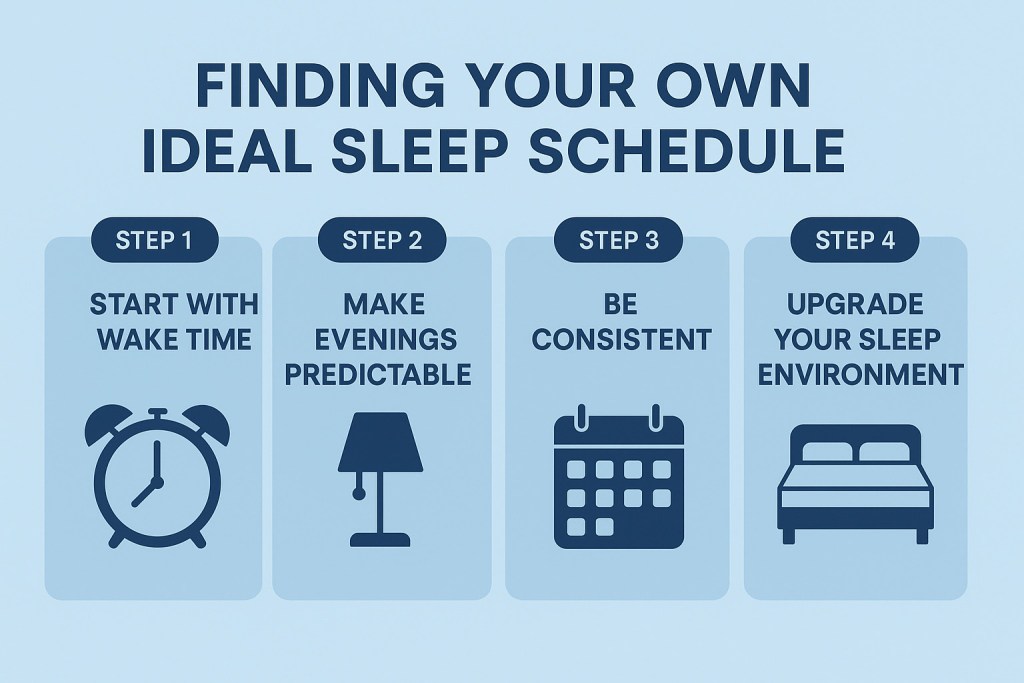
Creating an ideal sleep schedule means knowing what works for your life and sticking to it with as few interruptions as possible. Here’s how to build yours:
Step 1: Start With Wake Time
Decide when you need to be up. Count back 7.5 to 8 hours, that’s your bedtime target.
Step 2: Make Evenings Predictable
Switch to low lighting, avoid major stressors or screens after 9 pm, and keep bedtime rituals simple and repeatable.
Step 3: Be Consistent
Even if your bedtime shifts a little, keep your wake time the same, even on weekends. This helps lock in your body’s rhythm.
Step 4: Upgrade Your Sleep Environment
Even the best routine won’t help if you’re tossing and turning. Your mattress matters. Browse LuxeMattresses’ expert-crafted range, each one is made to support restorative, undisturbed sleep.
Final Words
There’s no one-size-fits-all answer, but there is a right answer for you. Whether you’re raising kids, working shifts, or simply looking to feel more energized, your best bedtime is the one that lets you sleep deeply, regularly, and in sync with your lifestyle.
Just remember: when you sleep matters, how you sleep matters. And what do you sleep on? That matters, too.
To discover more about building a sleep routine that actually supports your goals, visit the LuxeMattresses blog or explore our expert-designed mattresses to create a foundation for deeper, healthier rest.
FAQs
Generally, between 10 pm and 11 pm, assuming you wake around 6:30–7:30 am. That allows full sleep cycles and aligns with natural circadian signals.
To a point, yes. But sleeping in more than 1–1.5 hours past your usual wake time can throw off your rhythm. It’s better to aim for steady sleep all week.
Not usually. Sleeping before midnight tends to include more deep sleep. Night owls often miss key phases that impact memory, metabolism, and mood.
Try relaxing outside of bed until you’re drowsy; forcing sleep doesn’t work. Just don’t stay up under bright lights or with screens.
Yes. If your bed causes discomfort, you’re more likely to delay sleep or wake frequently. LuxeMattresses mattresses are designed to reduce these disruptions.
Most teens benefit from sleeping between 10:30 pm and 7:30 am. Unfortunately, early school starts don’t always support this, so an early, screen-free wind-down helps.
At least one hour. Blue light from screens delays melatonin release, making it harder to fall asleep on time.

Marie Soukup is a seasoned senior copywriter and editor who’s written for global brands like Virgin Australia, blending storytelling and strategy to create content that connects. She’s passionate about bringing ideas to life across the travel, lifestyle, and business worlds.