


Sleep vs. Rest: Why Lying Down Isn’t Always Enough
You’ve had a long day. You finally sit or lie down, maybe even nod off for a bit, yet somehow, you still feel wrung out. It’s a familiar scenario for many of us. When considering sleep vs rest, while it’s tempting to equate stillness with recovery, the truth is that not all rest is created equal. And not all of it is sleep.
Estimated reading time: 8 minutes
In this article, we’ll look at the real difference between sleep and rest, explore the types of rest most people don’t realise they need, and explain why, sometimes, a lie-down isn’t enough to truly feel restored.
What is actually meant by sleep?
Sleep is a biological necessity, an active, restorative process that allows your body and brain to recover, repair, and reset. True sleep consists of cycles through REM (Rapid Eye Movement) and non-REM stages, which perform vital tasks like:
- Strengthening your immune system
- Balancing hormones
- Healing muscles and tissues
- Enhancing learning and memory
- Regulating mood and stress response
If you don’t get enough sleep, your body will let you know: through fatigue, brain fog, irritability, and even long-term health problems like heart disease or weakened immunity.
What is meant by rest?
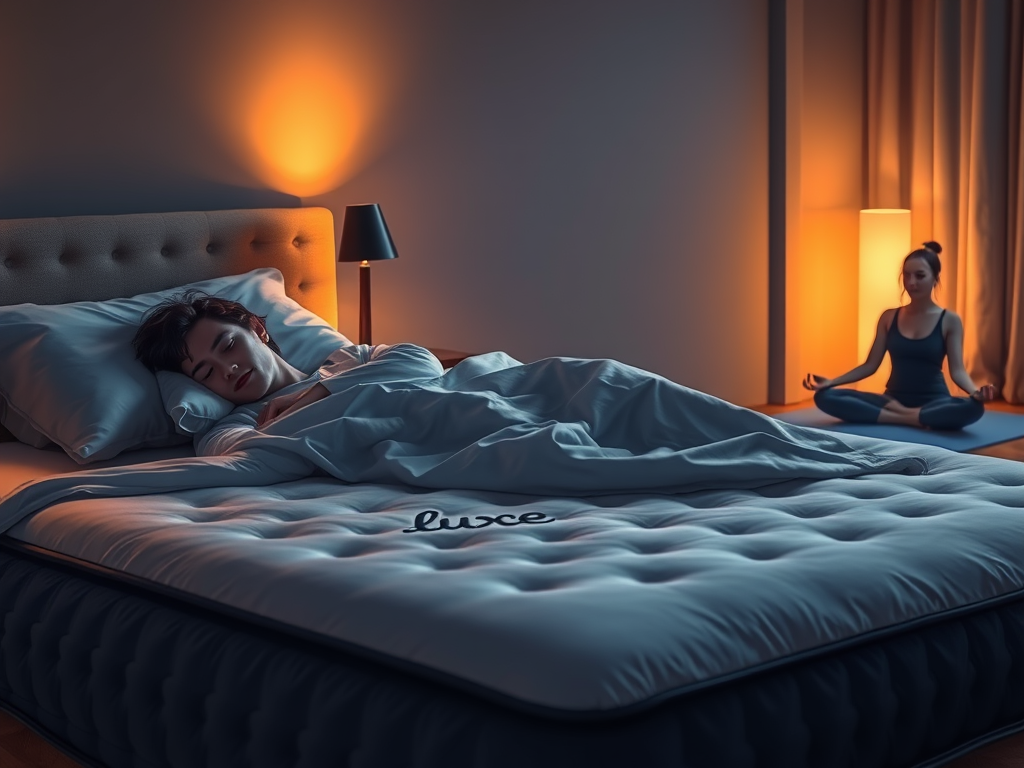
Rest, by contrast, is any intentional pause from mental or physical exertion. Unlike sleep, it doesn’t involve full unconsciousness or the complex sleep cycles. But that doesn’t make it less important. Rest can take many forms:
- Lying down without sleeping
- Meditating or practicing mindfulness
- Breathing exercises
- Gentle stretching or yoga
- Listening to calming music
- Simply sitting in silence without stimulation
Rest gives your brain and body a chance to slow down, lower cortisol levels (the stress hormone), and regain emotional and mental balance.
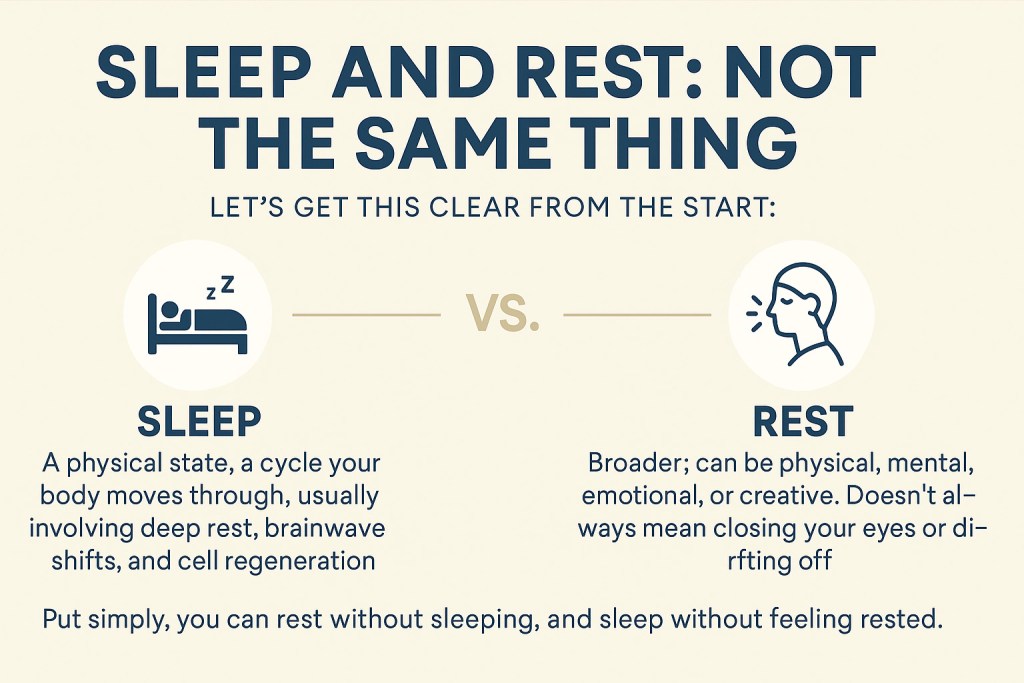
Sleep and Rest: Not the Same Thing
Let’s get this clear from the start: sleep is a form of rest, but rest is not limited to sleep. While both are essential, they serve different purposes, and understanding the distinction could be the key to unlocking better energy, mental clarity, and emotional balance.
So, what’s the difference?
- Sleep is a physical state, a cycle your body moves through, usually involving deep rest, brainwave shifts, and cell regeneration.
- Rest is broader; it can be physical, mental, emotional, or even creative. It doesn’t always mean closing your eyes or drifting off.
Put simply, you can rest without sleeping, and sleep without feeling rested. The trick is knowing what kind of recovery you actually need.
| Aspect | Sleep | Rest |
|---|---|---|
| Definition | A natural state of unconsciousness where the body and mind undergo vital recovery processes. | A conscious state of relaxation where the body is not actively engaged in physical or mental tasks. |
| Consciousness | Unconscious | Conscious or semi-conscious |
| Purpose | Cellular repair, memory consolidation, hormone regulation, physical and mental restoration. | Reduces fatigue, lowers stress, provides mental clarity and emotional reset. |
| Duration | Typically 7–9 hours for adults | Can range from a few minutes to an hour or more |
| Stages | Includes REM and non-REM cycles | No defined stages or cycles |
| Physical Recovery | Essential for muscle repair, immune function, and organ maintenance | Minimal, mostly for short-term physical relief |
| Examples | Night sleep, naps | Meditation, quiet sitting, lying down without sleeping |
| Can Replace Sleep? | No – sleep is essential | No – but it helps when sleep isn’t possible |
| Overall Importance | Vital for survival and long-term health | Important for daily balance and short-term recovery |
Why You Might Still Feel Drained After Sleeping
If you’ve ever woken up groggy after eight hours in bed, you’ll understand this straight away. That sense of being tired despite technically “resting†is your body’s way of saying, sleep wasn’t enough.It could be that:
- Your brain never switched off before bed.
- You were overstimulated from screens or stress.
- Your memory foam needs to be replaced.
- You’re physically rested, but emotionally depleted.
According to guidance from Mind.org.uk, these non-physical factors can seriously affect how refreshed you feel, even after sleep.
The Different Types of Rest (And Which You Might Be Missing)
Modern life demands far more than just physical effort. Our attention is constantly pulled, our senses overstimulated, and our emotions taxed. That’s why experts have identified several types of rest, each designed to target a different kind of fatigue.
Here are the most recognised:
1. Physical Rest
This is the one we all know: sleep, lying down, or stretching out aching limbs. But even here, there are two variations:
- Passive rest: sleeping or sitting still
- Active rest: slow, restorative movement like yoga or a walk that helps the body relax
2. Mental Rest
Endless decision-making, multitasking, or focus-heavy work wears down the brain. If you find yourself lying in bed mentally wired, this is probably where you’re lacking.
3. Emotional Rest
This is the quiet relief that comes when you no longer have to “perform.†If you’ve been holding it together for others, hiding stress, or over-extending emotionally, chances are your mood won’t lift, no matter how many hours you sleep.

4. Sensory Rest
We’re bombarded with screens, traffic noise, background music, and constant notifications. Sensory fatigue can leave you agitated, even without doing much physically.
5. Creative Rest
When ideas stop flowing, and everything feels stale, it’s often not burnout, it’s creative depletion. You don’t necessarily need more sleep. You need inspiration without pressure.
6. Social Rest
Surrounded by people, yet feeling drained? You may be missing social rest, the kind that comes from either solitude or choosing relationships that feel effortless, not demanding.
7. Spiritual Rest
This has less to do with religion and more with purpose. Whether it’s through community, reflection, or mindfulness, spiritual rest helps you reconnect with something bigger than your to-do list.
Sleep Is Only One Piece of the Puzzle
Let’s not downplay sleep, it’s vital. But if you’re mentally overextended or emotionally wrung out, sleep can only do so much. Your body might shut down at night, but if your nervous system doesn’t feel safe or settled, deep rest will remain elusive.
This is where mental recovery becomes essential. You might not need more sleep; you might just need a break from thinking, pleasing, pushing, or scrolling.
Passive Rest: Helpful, but Not a Cure-All
It’s tempting to think a lie-down or a Netflix marathon equals recovery. And yes, sometimes passive rest (doing nothing) helps. But if it’s paired with overstimulation, like bingeing on intense TV, eating junk food, or scrolling endlessly, your mind and senses are still engaged. You’re not actually restoring anything.
Instead, try:
- Switching to soft lighting
- Choosing silence or nature sounds
- Putting your phone in another room
- Stretching while breathing slowly
Your nervous system notices the difference. These cues, not just stillness, tell your body it’s safe to slow down.
What Role Does Your Sleep Setup Play?
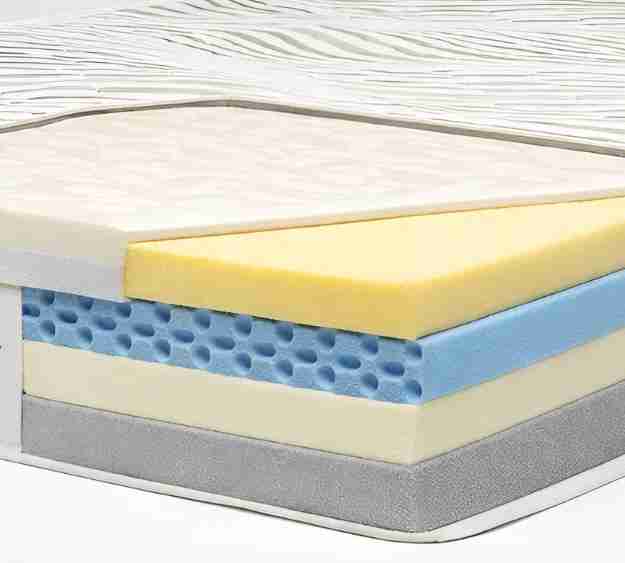
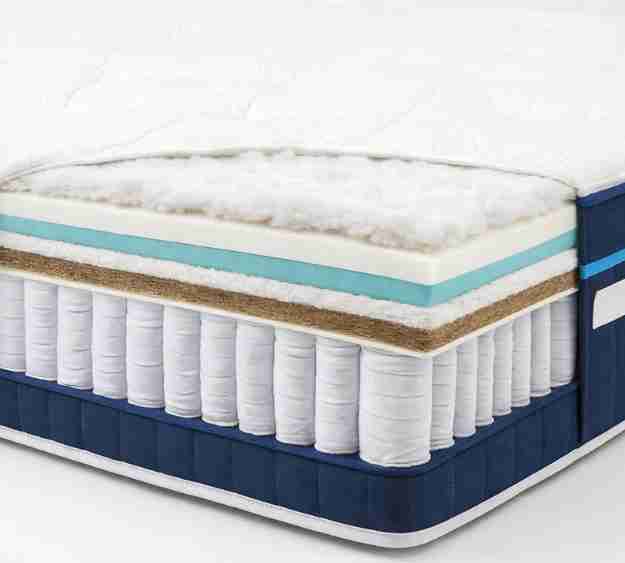
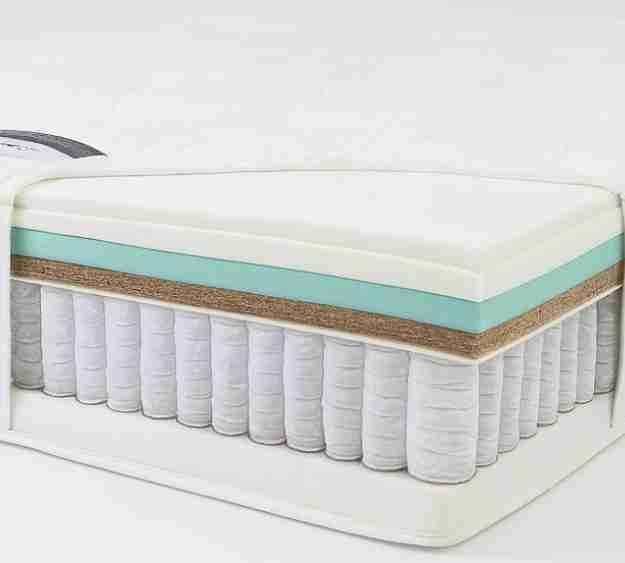
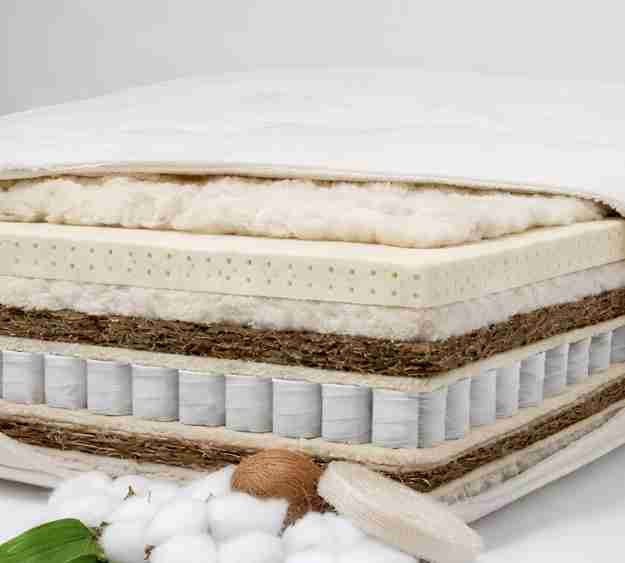
A high-quality mattress can dramatically improve your physical rest. But there’s more to it than avoiding aches and pains. When your body is properly supported, your nervous system relaxes. That’s why comfort matters, not just for sleep quality, but for mental and emotional recovery too.
LuxeMattresses designs mattresses specifically to reduce pressure points, regulate temperature, and promote uninterrupted sleep, the kind that genuinely helps your body reset.
If you’re looking to deepen your rest, not just your sleep, a proper mattress is a smart place to start. For more tips, see our guide to restorative sleep.
A Real-World Example: Emily’s Story
Emily, a 36-year-old teacher from Norwich, was sleeping 7–8 hours per night. Yet, she often felt foggy and snappy by lunchtime. After discovering the concept of different types of rest, she realised she was emotionally and mentally burnt out, not just tired.
Here’s what changed:
- She paused phone use 45 minutes before bed
- Started walking in silence after work
- Switched her lumpy old mattress for a LuxeMattresses comfort model
Within a month, her sleep felt deeper. But more importantly, her brain wasn’t “buzzing†the way it used to. The combination of true rest and sleep changed everything.
Final Takeaway
If you’re worn out, it doesn’t always mean you need more hours in bed. It may mean you need a different kind of break. Sleep vs rest isn’t a debate; it’s a reminder that true recovery is multi-layered.
Look at your daily life. Are you overstimulated? Overcommitted? Running on autopilot? Start there. Build in moments that feel soft, slow, and quiet. Choose people and spaces that don’t require effort. And yes, ensure that when you do sleep, you’re supported by a mattress that invites deep, uninterrupted rest.
Visit the LuxeMattresses blog for more on restorative living, or browse our mattress collection to start building a sleep and rest routine that actually works.
FAQs
Absolutely. Rest includes activities that ease your mind, calm your emotions, or reduce sensory input, not just sleep.
You might be missing other forms of rest, particularly mental or emotional. Sleep can’t replace those.
It’s low-effort, low-engagement rest, like lying down or watching something relaxing. It has value, but isn’t enough on its own.
Yes. Physical discomfort disrupts deep sleep stages, which your brain needs for emotional regulation. A supportive bed helps more than you’d think.
Notice what exhausts you the most. If being around others leaves you drained, you may need social rest. If bright lights or constant noise overwhelm you, it’s likely sensory rest you’re lacking. And if you’re feeling unmotivated or disconnected, it could be a sign you need spiritual rest.
Turn off notifications, step outside without headphones, and breathe deeply for 3 minutes. It’s a reset, not a full shutdown.
Yes, especially if your sleep is poor quality or your brain’s still fatigued in other ways. Sleep more isn’t always the answer. Rest better is.