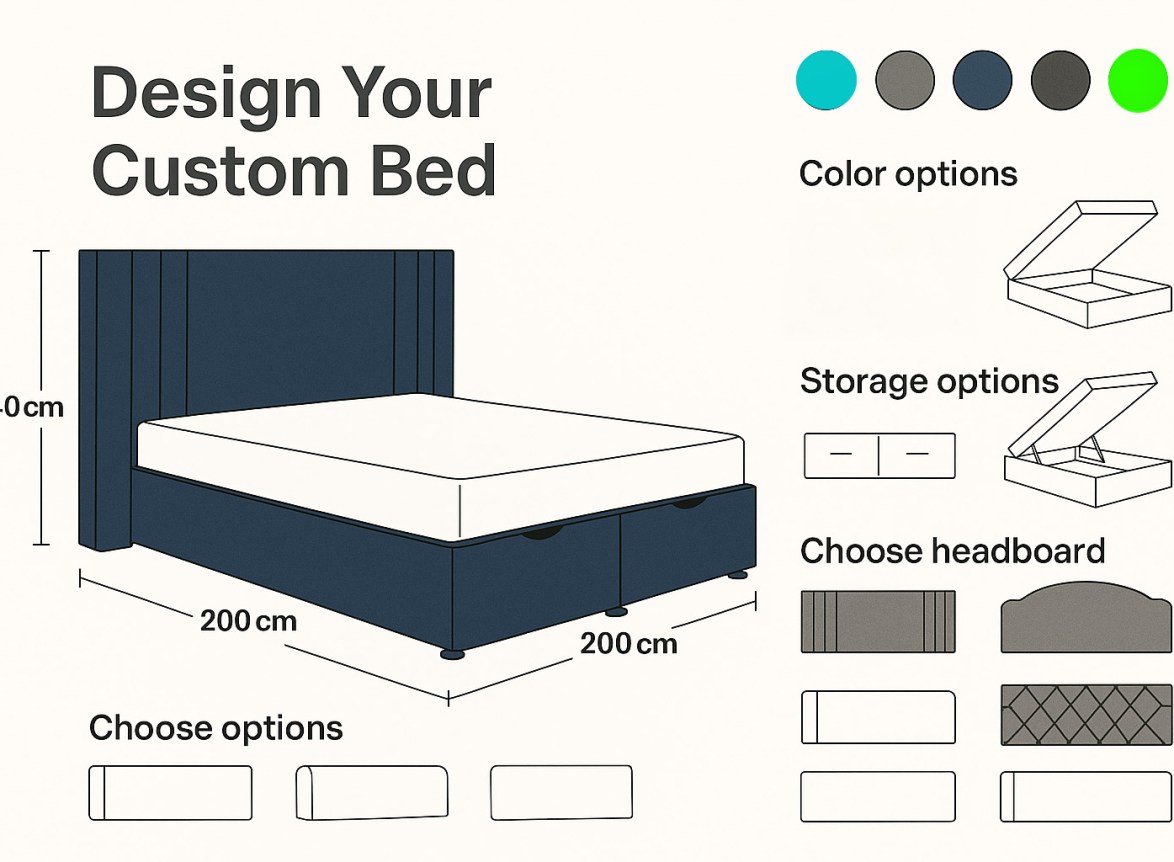
Customise Your Bed with Luxe Mattresses: Step-by-Step Guide
Designing a bed that suits your personal style, comfort needs, and practical requirements is a rewarding experience, and luxe custom bed , design your own bed option makes it easier than ever. With a detailed customisation process, you can build your ideal bed from the base up, ensuring everything from storage to fabric feels made just for you.
Whether you’re furnishing a new bedroom or upgrading for better support and design, this guide will walk you through every stage, from selecting your base to choosing the perfect headboard and fabric.
Step 1: Choose the Base
Your bed’s base determines both its structure and how much functionality it can offer. Luxe Mattresses offers four unique base options, each catering to different space needs and aesthetic preferences.
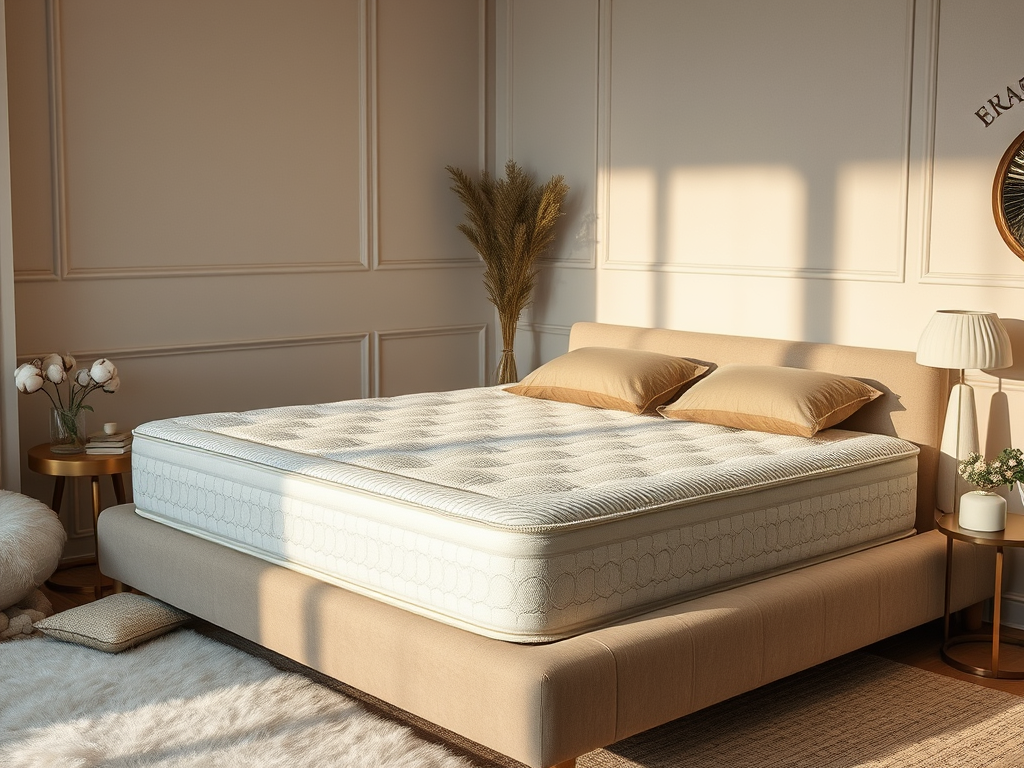
Inside the World of the Best Luxury Mattress Brands: What UK Buyers Should Know
Today, sleep is recognised as a foundation for long-term health. Awakened to this truth, UK consumers are spending their money more wisely on where they spend their nights. However, what sets the best luxury mattress UK brands off from ordinary planes of sleep?
The answer lies in material quality! Craftsmanship, support structures, and a customer-first design philosophy. Whether you want a plush, soft mattress or a supple, luxury firm mattress, understanding what this means for brands can help you sleep better, both literally and financially.
In this article, we'll reveal the secrets of top-tier mattress brands and offer guidance for UK buyers to follow when making a choice.
1. Premium Materials for Premium Rest: Why Quality Matters More Than Quantity
Unlike mass-produced beds, the
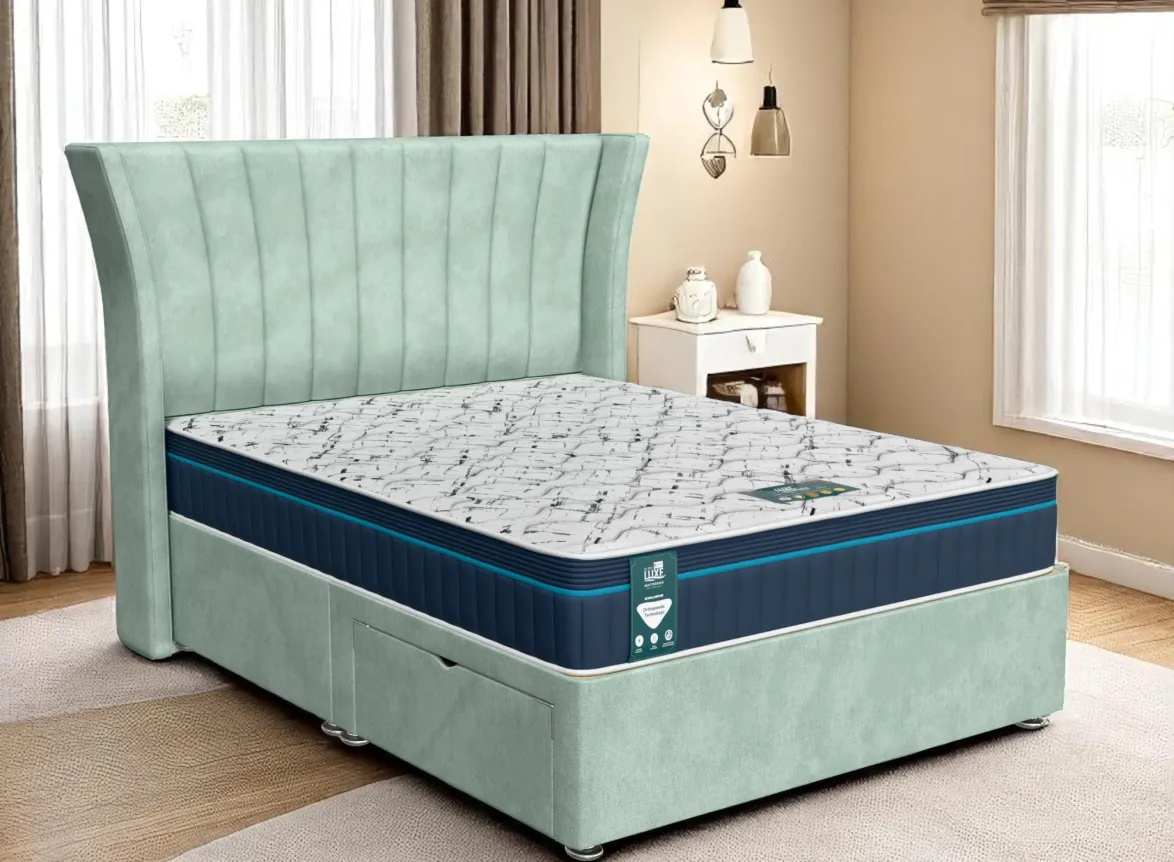
10 Reasons to Invest in a Custom Bed for Better Sleep
Few investments can have as significant an impact as a bespoke bed when it comes to improving sleep. Compared to regular off-the-shelf mattresses, a custom bed is tailor-made around your body, lifestyle, and preferences, which provides customised comfort, better spinal support, and long-term well-being. So, why choose a custom bed over a ready-made one? Basic: Improved sleep quality equals improved health, productivity, and happiness.
We delve into 10 reasons supported by evidence why you should think about making the switch and why a custom bed may be the solution your sleep has been needing.
1. Tailored to Your Unique Body Shape and Sleep Style
Everyone sleeps differently, some on their side, others on their back or stomach. These differences are carefully considered when designing a custom bed.
The Complete Guide to Beds for Elderly People: Choosing the Right Support for Aging Bodies
As we age, the importance of sleep quality becomes more pronounced, not just for energy, but for maintaining physical independence and reducing the risk of chronic pain or injury. For many older adults, the wrong bed can mean discomfort, poor sleep, or even health issues like joint strain and pressure sores.
This guide covers everything you need to know about choosing beds for elderly people, including mattress types, ideal bed height, mobility-friendly features, and evidence-based health considerations. It also includes product insights from LuxeMattresses.co.uk, whose best mattress for elderly selections feature high-quality, natural hybrid sleep systems specially designed to support older adults.
Why Choosing the Right Bed Matters
According to the Sleep Foundation, older adults experience more fragmented sleep, lighter sleep stages, and greater difficulty staying asleep. This means
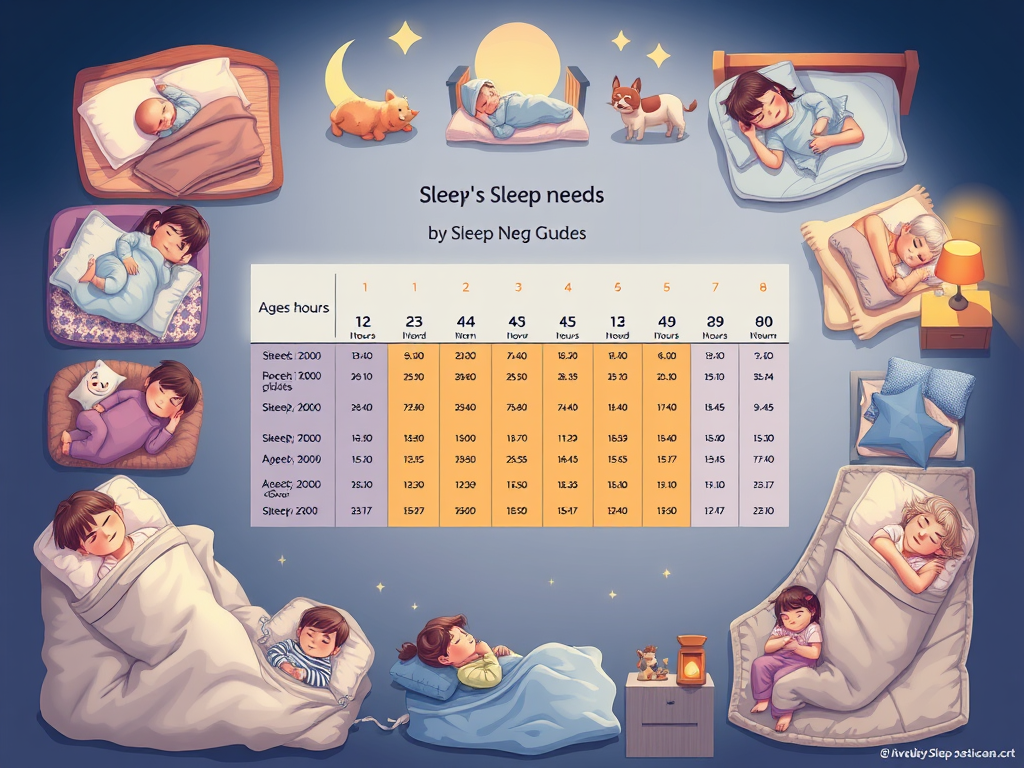
Sleep Chart by Age: How Much Sleep You Really Need
Sleep is not merely a time of rest; it's a critical period during which your body and mind undergo essential repair, processing, and renewal. Every age group has different biological demands, which is why sleep needs vary across a lifetime. Understanding these differences can help you better manage health, performance, and emotional balance.
Why Sleep Duration Changes with Age
Newborns require hours of uninterrupted sleep to support rapid brain development. As we age, our need for sleep decreases, but the quality and regularity of sleep become increasingly important. Adolescents experience hormonal shifts, adults face lifestyle and stress-related interruptions, and seniors often see changes in sleep cycles and depth of sleep.
Dr. Matthew Walker, a sleep scientist and author of Why We Sleep, says: "Sleep is the

How the NHS Diagnoses and Treats Sleep Apnoea: What Patients Should Know
If you’ve been waking up tired, struggling to focus, or your partner keeps nudging you because of loud snoring, it might not just be “poor sleep.” You could be suffering from sleep apnoea, a serious but treatable sleep disorder that affects breathing during the night.
The good news? The NHS has a clear process for identifying and treating sleep apnoea. In this post, we’ll walk you through everything UK patients need to know, from symptoms and diagnosis to the free treatment options available through the NHS.
Let’s dive in.
What Is Sleep Apnoea?
Sleep apnoea (also spelled sleep apnea) is a condition where your breathing repeatedly stops and starts during sleep. The most common type is obstructive sleep apnoea (OSA), where the throat muscles relax too much,
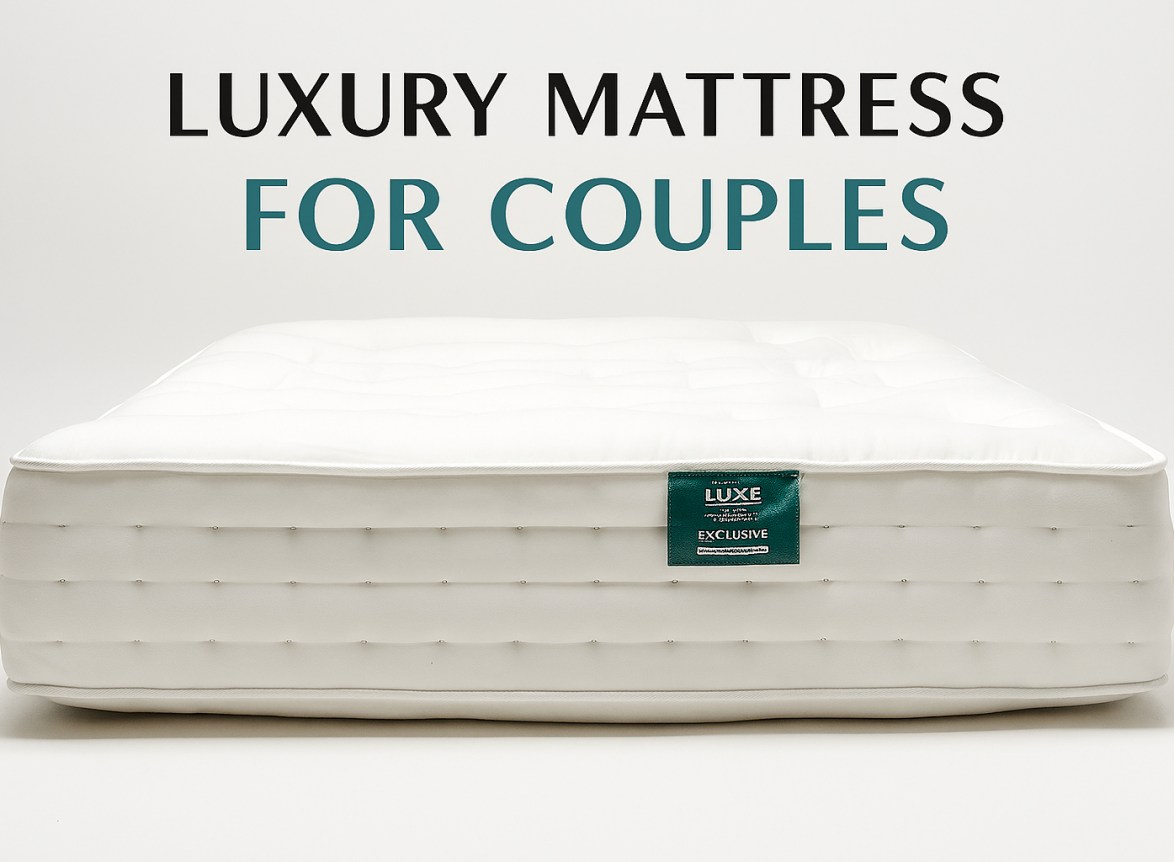
Luxury Mattress for Couples: Solving Motion Transfer and Comfort Battles
Sharing a bed may seem romantic in theory-but in practice, it often brings surprises. Your partner tosses, turns, or runs hot at night. You sink into the edge while they sleep like a rock. Over time, these small disturbances add up to big sleep debt. That’s why investing in a luxury sleep surface designed specifically for couples isn’t just a comfort decision, it’s a health one.
Let’s explore how the right natural hybrid can resolve the most common problems couples face at night: motion transfer, firmness disagreements, edge instability, and temperature imbalance.
Motion Transfer: The Silent Sleep Killer
You’re finally drifting off, then boom, your partner rolls over, jolting you awake. Sound familiar?
Motion transfer is one of the top complaints couples have when sharing a bed.
Sleep Apnoea Symptoms: How to Know If You’re at Risk
Sleep apnoea is more than occasional snoring, it is a disorder in which your breathing repeatedly stops during sleep. These interruptions deprive your body of oxygen and disrupt your sleep cycle, often without your awareness. Over time, untreated sleep apnoea can lead to high blood pressure, heart disease, stroke, diabetes, cognitive decline, and even premature death.
This article will help you identify both common and overlooked symptoms of obstructive sleep apnoea (OSA), explain who is most at risk, and guide you toward when to seek professional evaluation.
What Is Sleep Apnoea?
Obstructive sleep apnoea (OSA) is a condition where the upper airway temporarily collapses during sleep, blocking airflow despite ongoing efforts to breathe. Each pause, known as an apnoea or hypopnoea, can last 10 seconds or more.
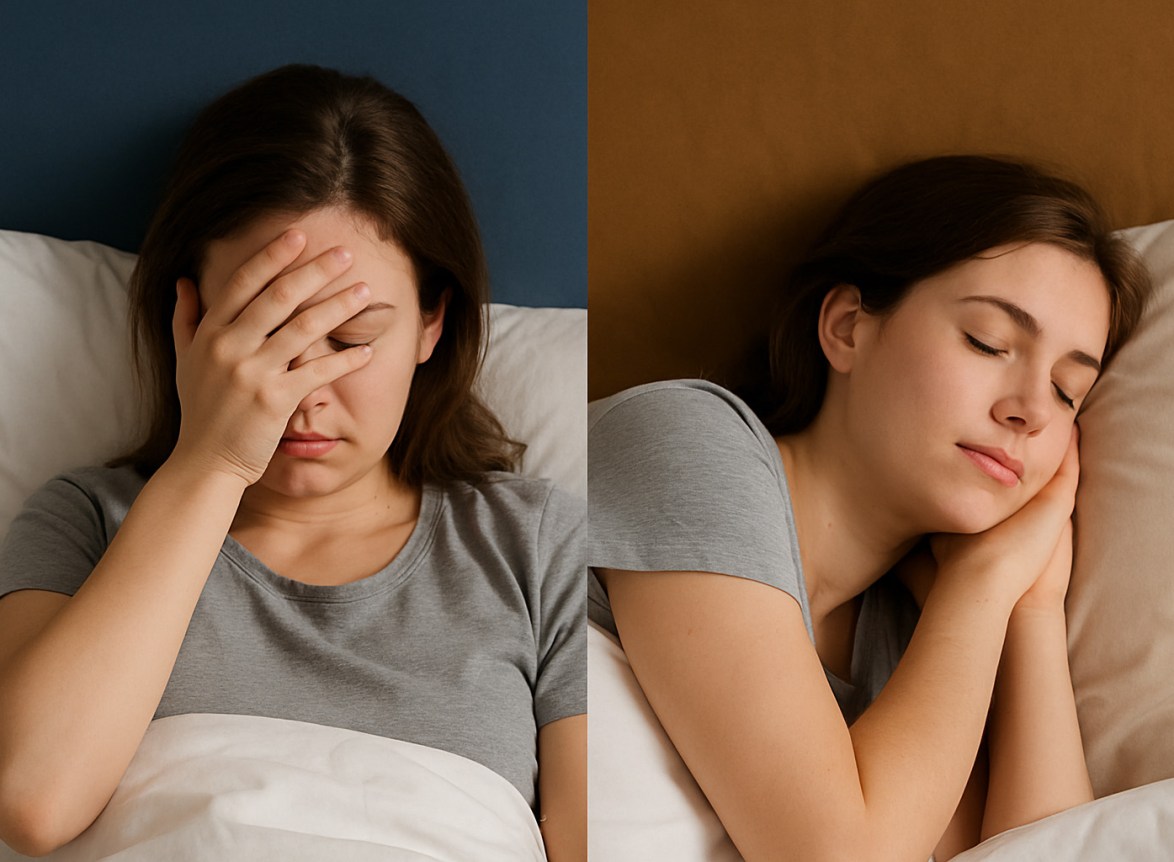
Are You Getting Enough Sleep? Signs You’re Under-Sleeping or Over-Sleeping
Sleep is one of the most essential pillars of human health, yet it’s often the first thing we compromise in our modern lives. Many people wonder, is 7 hours sleep enough to maintain optimal health? Whether you’re burning the midnight oil to meet deadlines or hitting snooze far too often on weekends, it’s easy to lose touch with what your body actually needs when it comes to rest.
Most people know the general advice: adults should aim for 7–9 hours of sleep per night. But what if you’re hitting that range and still feeling exhausted? Or sleeping more than nine hours and waking up groggy? The truth is, not all sleep is equal, and getting either too little or too much of it can disrupt everything from your focus to your metabolism.
This
Why 7 Hours Isn’t Enough for Everyone: Personalised Sleep Needs Explained
For decades, sleep researchers and wellness gurus alike have echoed a familiar rule: “Get 7 to 8 hours of sleep per night.” But as our understanding of human biology deepens, it’s becoming clear that this guideline, while well-meaning isn’t universally sufficient. For some, seven hours leaves them alert and productive; for others, it barely scratches the surface of what’s needed to feel truly rested.
In truth, sleep is deeply personalised, shaped by a combination of genetic traits, lifestyle demands, stress load, and recovery needs. Here’s why the standard recommendation often falls short, and how you can begin identifying how much sleep you really need.
1. Sleep Needs Are Hardwired in Your Genes
One of the most overlooked elements in sleep research is our genetic predisposition. According to a study published in Nature Communications, certain