
100-Night Risk-Free Trial
Free Nationwide Delivery
10 Years Warranty
Call us at: 020 4572 5122
0% APR Finance Available
best sleeping positions during pregnancy
July 6, 2025

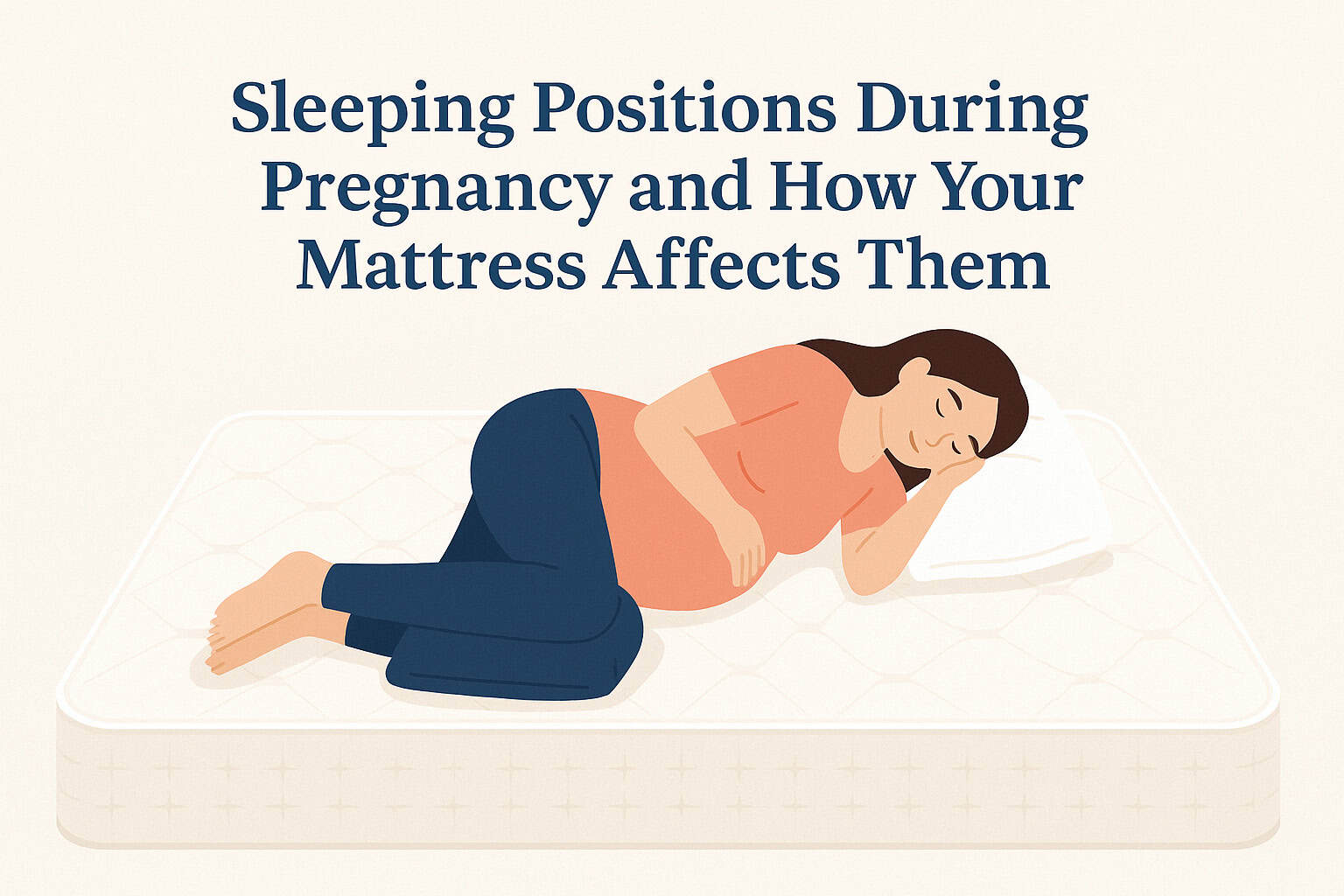
Sleeping Positions During Pregnancy and How Your Mattress Affects Them

Pregnancy is a time of many changes — some (glowing skin!) more enjoyable than others (fantastic dreams!). In these moments, one of the most challenging things for many pregnant women is lying down in bed. As your body changes, so do your sleep requirements. Choosing the best mattress for pregnancy & sleeping position during pregnancy here matters not only supports you better but also many consider for safety and quality sleep. However, what many fail to consider is the importance of your mattress and its impact on these positions. In this article, we’ll explore how your tried-and-true sleeping position during pregnancy interfaces with mattress firmness, contouring, and support—and how the optimal sleep surface can make all the difference.

Why Sleep Position Matters in Pregnancy?

Sleeping on your side, especially the left side, is the most comfortable and safest sleep position during pregnancy, according to the National Health Service. This stance increases blood flow to the heart, uterus, and and kidneys, and prevents the liver from exerting pressure on the growing fetus.

But as pregnancy goes on, even side-sleeping can start to feel a little too awkward if you don’t have the right mattress support. An unsupportive or overly hard mattress can cause pressure to build up on the hips and shoulders, while a mattress that’s too soft can cause the spine to sag, exacerbating lower back pain.

Pregnancy Sleep Positions and How Your Mattress Can Help or Hurt Them

1.    Sleeping On Your Left Side (Best Position)

Many doctors and experts recommend sleeping on the left side during pregnancy. This is the best position for blood flow to the baby and the kidneys can work more easily to remove waste.
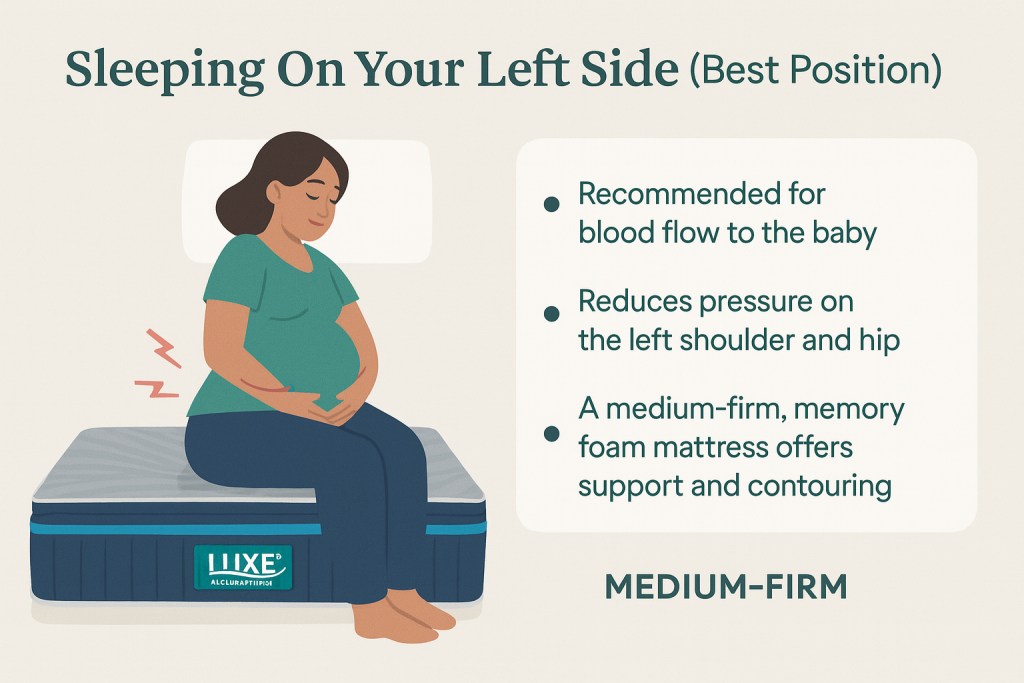
That being said, back and stomach sleepers get the short end of the stick, and it can add pressure to the left shoulder and hip if the mattress doesn’t offer appropriate contouring, even when lying on their left side. The fix: A medium-firm mattress that has a plush comfort layer to help relieve some of that added pressure, but your body is still supported properly and the spine is kept in alignment. It is designed to provide support to the spine and cradle pressure points.

LuxeMattresses memory foam mattresses react to your curves to keep your spine in a neutral position.

2.    Right Side Sleeping

While sleeping on your left side is ideal, sleeping on your right side is still generally acceptable. However, right-sided sleeping can increase pressure on the liver, according to Harvard Health.
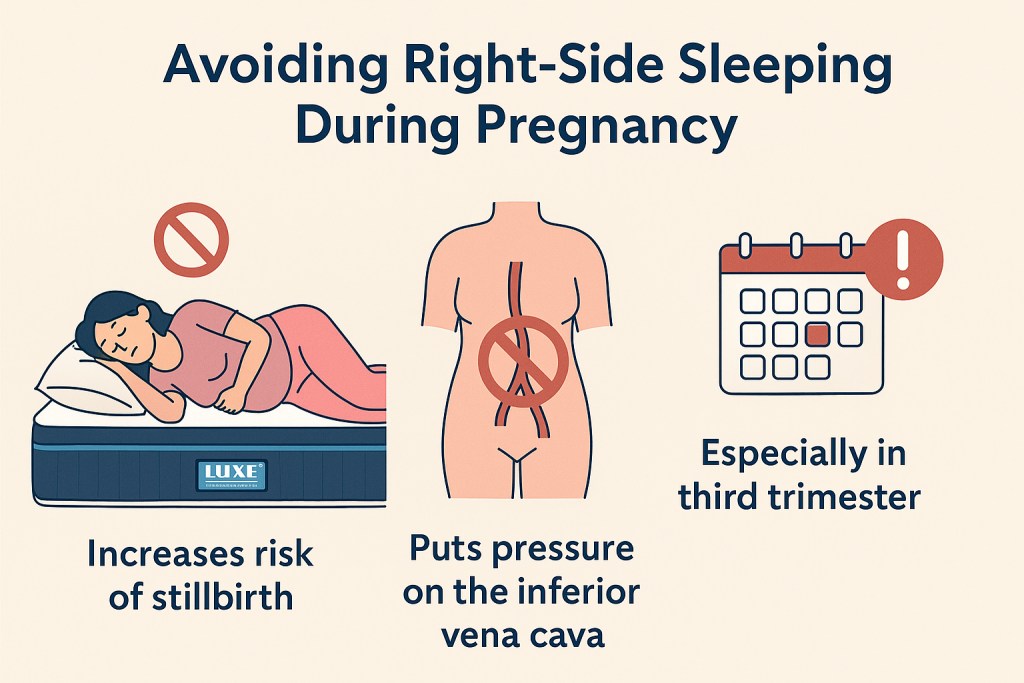
The problem with both sides is hip and shoulder pain. A mattress with zoned support — firmer beneath the hips and softer under the shoulders, for example — can assist in that balancing act to alleviate discomfort.

Our zoned support mattresses  deliver these exact comfort layers to ensure that your joints are free from pain and your spine remains stable throughout side sleeping.

3.    Sleeping on Your Back (Avoid in the Second and Third Trimesters)

Sleeping on your back in early pregnancy is okay, but once you reach the second trimester, it may compress the vena cava — the large vein that carries blood back to your heart. This may lead to dizziness, shortness of breath, and decreased blood flow to the baby.
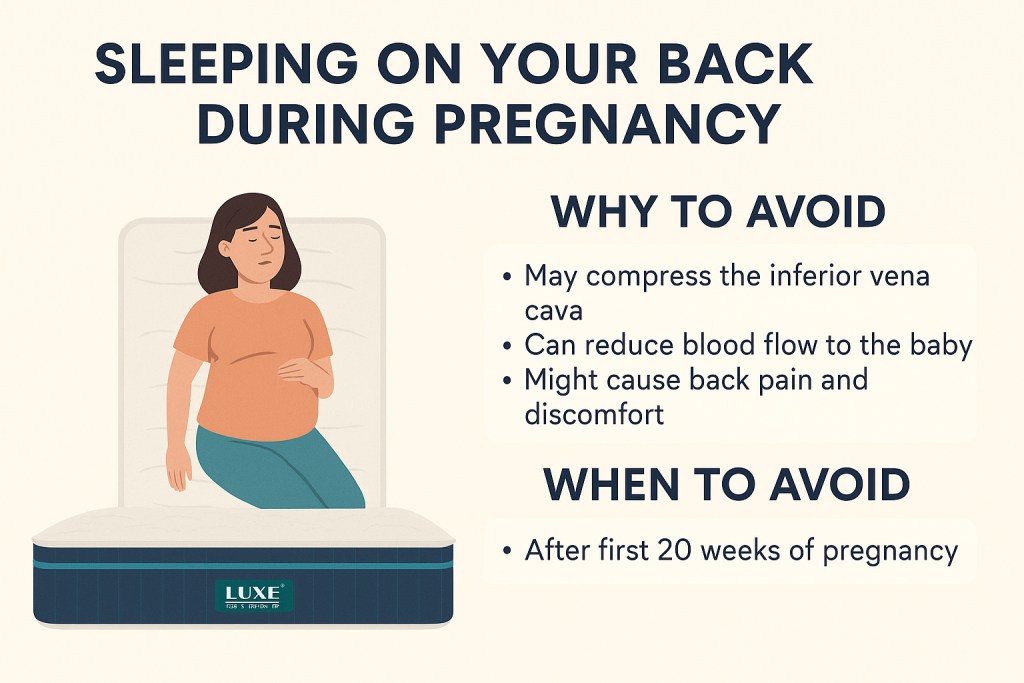
However, you don’t need to stress if you wake up on your back. Try firm pillows or a pregnancy wedge that tilts your body to one side, or choose a mattress that encourages side sleeping, such as one that reduces pressure along your shoulders and hips.

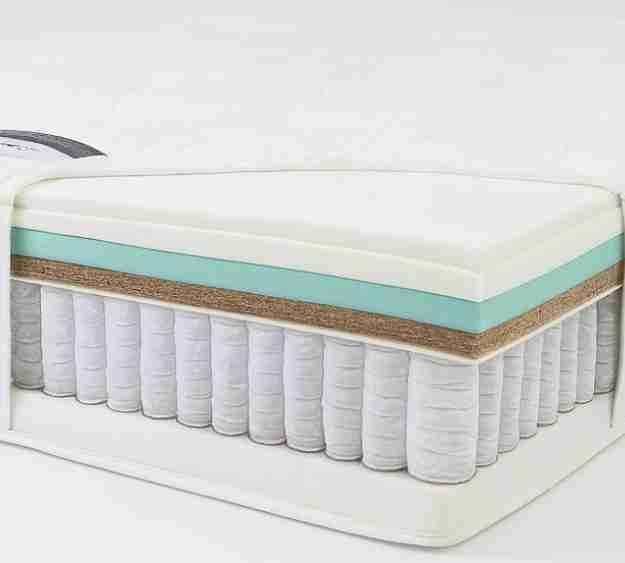
LuxeMattresses’ hybrid models combine responsive coils and contouring foam to deliver just-right support and comfort, allowing you to find a comfortable side-sleeping position all night.

Sleeping on your stomach becomes uncomfortable, and eventually, it becomes impossible (when the belly becomes large). It stresses the neck and lower back, and can lead to ligament pain.
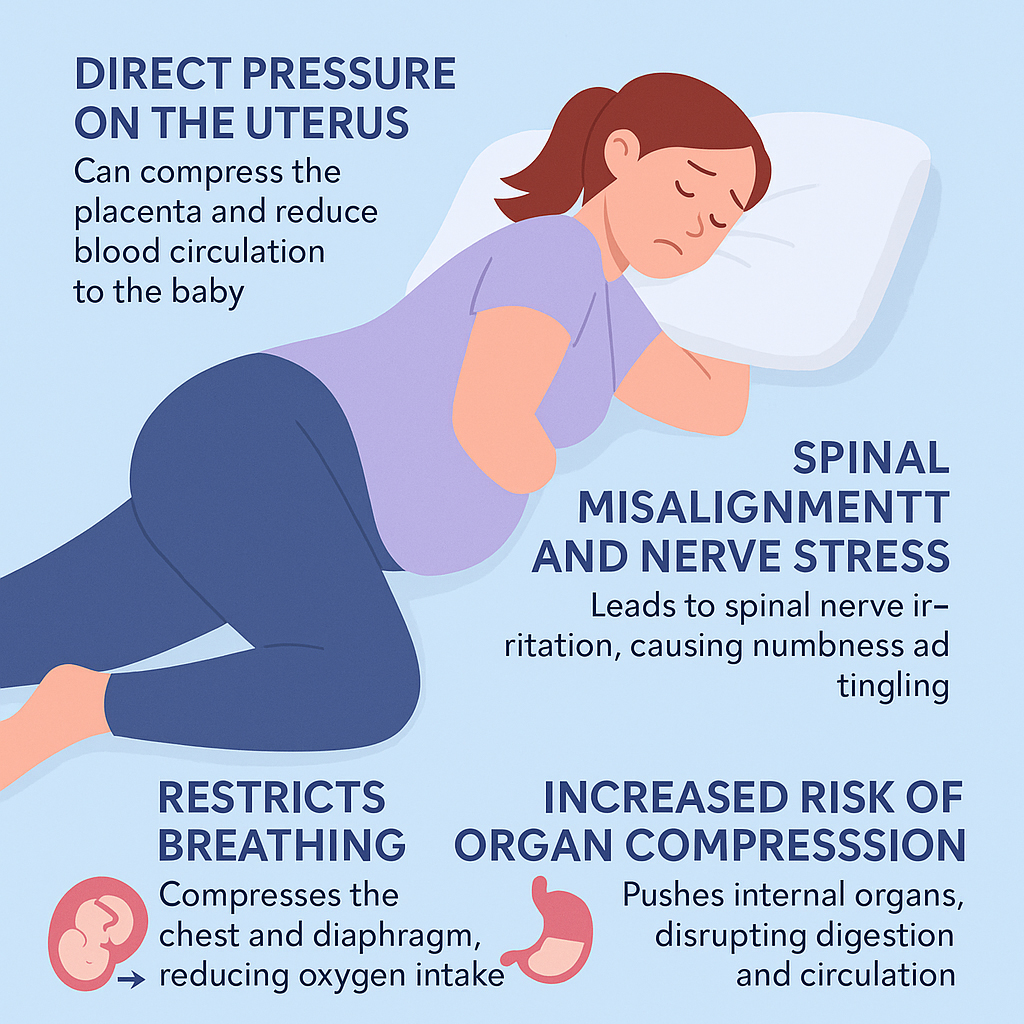
A few women in early pregnancy may still find stomach sleeping comfortable. If you do, then what you want to sleep on is a medium-firm mattress that offers the right amount of support. Later in pregnancy, if sleeping on the left side has become the safest and most comfortable way to sleep, this mattress should provide perfectly distributed pressure.

Pregnancy Sleep Positions And What Qualities To Look For In A Mattress

  1. Firmness Level

A medium-firm mattress is often best during pregnancy, as it provides a good balance of support and comfort. If mattresses are not firm enough — or too firm — your spine will be thrown out of alignment, and your neck will be raised or lowered, which can again cause pain, especially for side sleepers.

b. Pressure-Relieving Substances

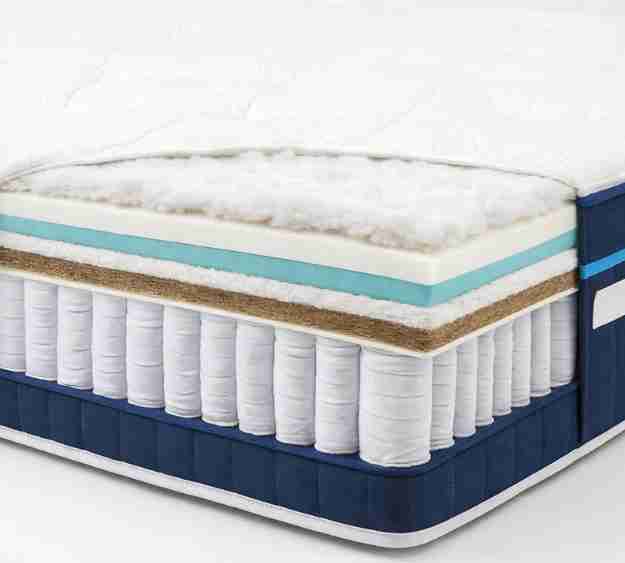
Free-standing mattresses often feature memory foam, latex, or gel-infused layers that conform to the contours of your body, relieving pressure from your joints. These materials encourage side sleeping by softening around the shoulders and hips, where most of the body’s weight is concentrated.

Browse our Pressure-relieving mattresses, built to support a comfortable pregnancy and beyond.

c. Edge Support

If you’re a position switcher or take advantage of the edge of the bed to get in and out, strong edge support is an essential feature. It prevents you from rolling off, providing stability, which can be especially crucial at the end of pregnancy in the third trimester when balance starts to become an issue.

Discover our hybrid mattresses, featuring edge support that provides some of the best edge support available on the market.

d. Cooling Technology

Pregnancy can also exacerbate body heat and night sweats. A breathable mattress constructed from cooling foam or natural fibers, such as bamboo or organic cotton, will help moderate body temperature.

Our natural mattress features a combination of airflow-enhancing layers to keep you cool throughout the night.

FAQs: What Are The Sleeping Positions During Pregnancy?

  1. What’s the best sleeping position during pregnancy? 

The left side is best, as it helps blood flow to the baby and reduces pressure on your organs, especially during the second and third trimesters.

2. Is it OK to sleep on my back while I’m pregnant? 

It’s fine in early pregnancy, but after the first trimester, sleeping on your back can compress the major blood vessels in the back. Positioning pillows or using a properly designed mattress can encourage side lying.

  • Does the firmness of a mattress affect sleep comfort during pregnancy? 

Yes. A contouring, medium-firm mattress is designed to keep your back in its natural position and alleviate pressure points from the middle of the bed to both sides, according to your sleeping position.

Final Thoughts

During pregnancy, it’s no secret that sleep can be a struggle, But with the right mattress that’s specifically adjustable to your go-to sleep position, the Zoma is worth a look. Sleeping on your left side is generally considered the best position, unless you have a poor sleeping surface. From lumbar support to contouring foam to breathable fabrics, every mattress feature contributes to keeping expectant mothers safe, supported, and comfortable throughout their pregnancy.

Check out the full range of pregnancy-friendly mattresses beds that can provide the ideal marriage of comfort and support at every stage of pregnancy.
breathable mattress
July 3, 2025

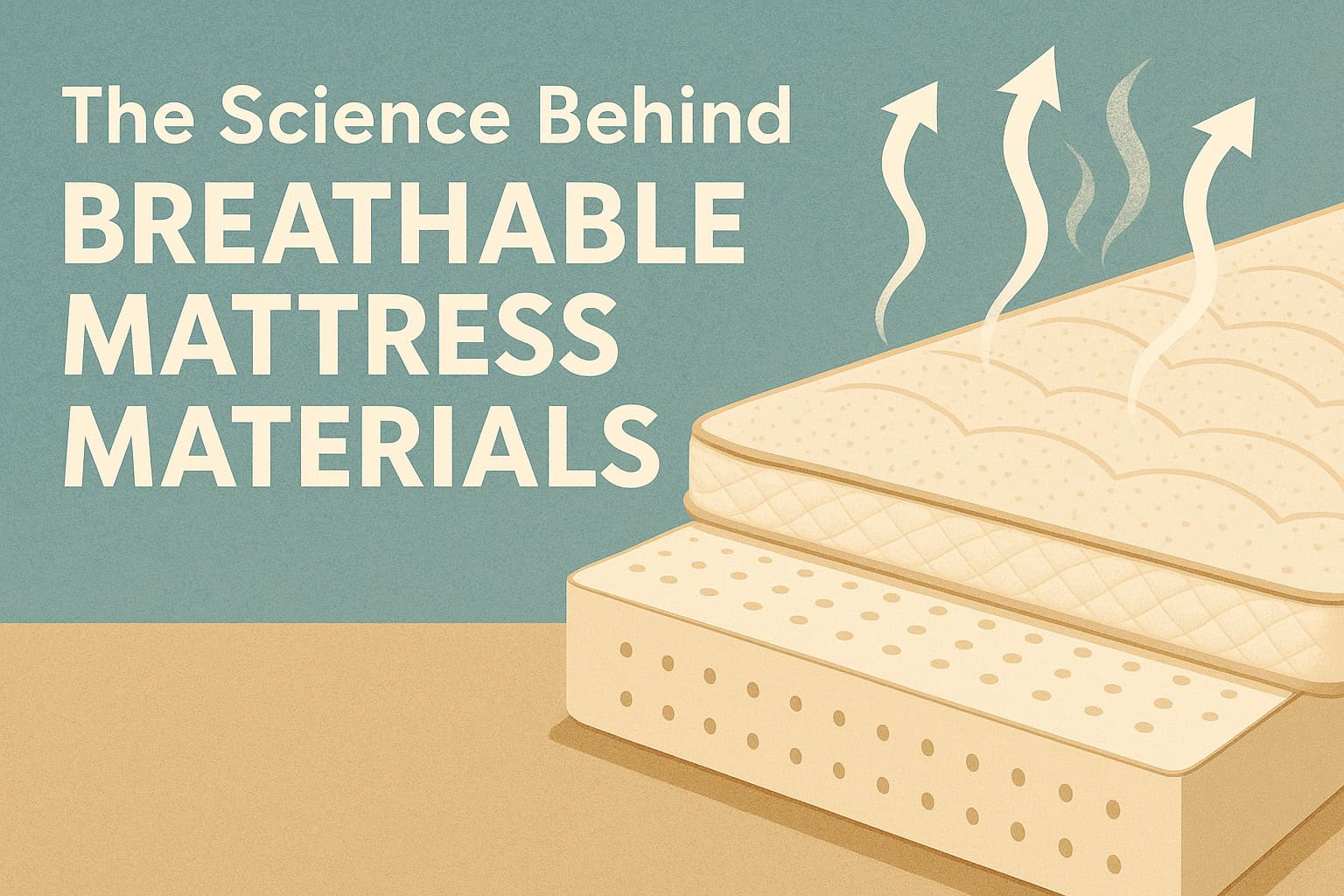
The Science Behind Breathable Mattress Materials

If you wake up in the middle of the night feeling hot, agitated, or sweaty, it’s probably less a matter of the room temperature and more a matter of your mattress. The surface you sleep on is key in regulating airflow and heat dissipation, and this is where breathable materials come into play. From natural latex to coil-based innerspring and open-cell memory foam, the construction of your mattress may be what sets you up for a cooler, more restful sleep.

In this blog, we’ll delve into the science behind breathable mattress materials and explore how they promote better circulation, reduce overheating, and enhance overall sleep quality.

The Importance Of Breathability In A Mattress

As you slumber, your body generates heat and moisture, embarrassingly, even during deep sleep and REM cycles. Ideal sleeping occurs when your core temperature naturally drops—generally by 1 to 2 degrees Fahrenheit, according to the Sleep Foundation. If your bed is too hot or doesn’t allow for adequate air circulation, it can interfere with this process, leading to tossing and turning, excessive sweating, and sleep disturbances.

mattress airflow

Permeable mattresses allow air to pass through the layers, dissipating excess heat and humidity. This ventilation allows your body to breathe, creating a more comfortable sleep environment while providing shaping and support that revitalizes the body. The breathable comfort of Talalay latex provides a more allergen-free sleep environment. Underneath, you will find the orthopedically supportive base foam. Underneath, you will find the supportive base foam. This support not only benefits your body but also supports the longevity of the mattress, as healthcare-grade foams are the highest quality in terms of support and durability. This is why we do not inflate pricing due to the healthcare certification.

1. Latex: Natural Cool and Airy

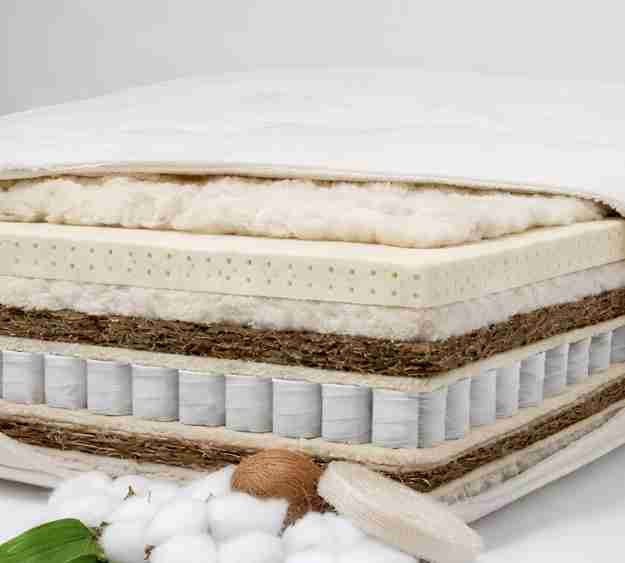
Latex, with a nod to natural latex specifically, is one of the most breathable materials you will find in a mattress. It’s tapped in the form of latex from trees and turned into foam using one of two processes: the Dunlop or Talalay process. Both structures have small pinholes that aid in ventilation, but Talalay latex is generally more airy and evenly dense.

In addition to its ability to disperse body heat, latex naturally resists heat retention and moisture buildup, which also benefits sleepers who tend to sweat, according to the National Library of Medicine. Latex does not retain heat, unlike memory foam, which compresses and loses heat over time while maintaining its cushioning through regular use.

At LuxeMattresses, our latex constructions are engineered to promote air circulation, providing durable, natural comfort.

2. Coil and Innerspring Systems: In-device Ventilation

Mattresses that feature coil springs or pocket springs are generally more breathable by nature than those with dense foam. This in-between area allows for more airflow and helps keep the heat at bay close to your body. That’s what makes hybrid or innerspring mattresses a good option for hot sleepers.

Pocket spring systems (independent coils) are outstanding since they isolate motion as well as ventilation throughout the sleep surface. Paired with breathable comfort layers, such as latex or cotton, these beds promote calm, responsive sleep.

Discover a hybrid mattress range from LuxeMattresses, crafted with better airflow and support for your back.

type of mattress materials

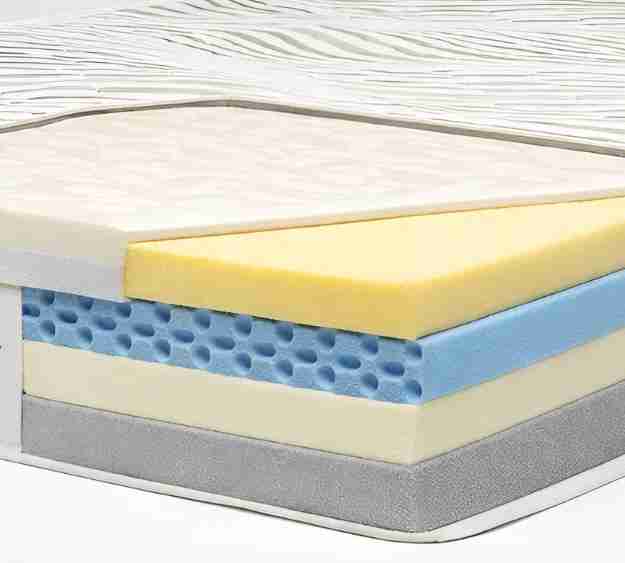
3. Modern Cooling Update with Open-Cell Memory Foam

Regular memory foam molds to the body effectively, but its closed-cell construction causes it to retain heat. On the other hand, open-cell memory foam is designed with interconnected air pockets, allowing air to flow more freely through the foam.

Heat and moisture escape more easily from this advanced structure, which helps regulate your body’s temperature. Some open-cell foams are also added with gel or copper to aid cooling.

Harvard Health suggests that you can improve your ability to fall asleep and stay asleep by lowering your skin temperature by just a few degrees. That’s precisely what open-cell foam delivers — all without sacrificing contouring comfort.

LuxeMattresses stocks a range of high-quality memory foam mattresses that utilize the next generation of foam technology, achieving the perfect balance of pressure relief and cooling.

4. Breathable Mattress Covers: The Secret Weapon.

Unfortunately, in life, they don’t exist.

The most breathable core is only as good as the wrong outer cover will allow. Performance-driven mattress covers are crafted from all-natural, moisture-wicking materials, including organic cotton, Tencel, or bamboo-boosted bamboo, to enhance airflow and facilitate climate control.

Tencel, in particular, is a sustainable fiber derived from wood pulp, which is both moisture-wicking and moisture-drying, helping to resist night sweats and overheating. These two fabrics are also hypoallergenic and help retard the growth of bacteria, an essential consideration for your mattress in the long term.

LuxeMattresses’ natural mattress range features mattresses encased in breathable, eco-friendly covers for a cleaner and cooler sleep experience.

5. Zoned ventilation for targeted cooling

Zoned ventilation: Some high-tech mattresses are now also designed to have different parts of the mattress optimized for airflow based on standard heat zones on the body, such as the torso and hips. These technologies utilize laser-cut channels or foam zones to direct airflow where the body requires it most. It’s intended to help the hotter spots of sleepers remain cooler, in some cases all night long.

This level of innovation, which increases breathability while promoting proper spinal alignment with ‘zone-specific’ support and flexibility, is to be admired.

How to Pick the Right Breathable Mattress?

As you’re shopping for the best breathable mattress, search for these key features:

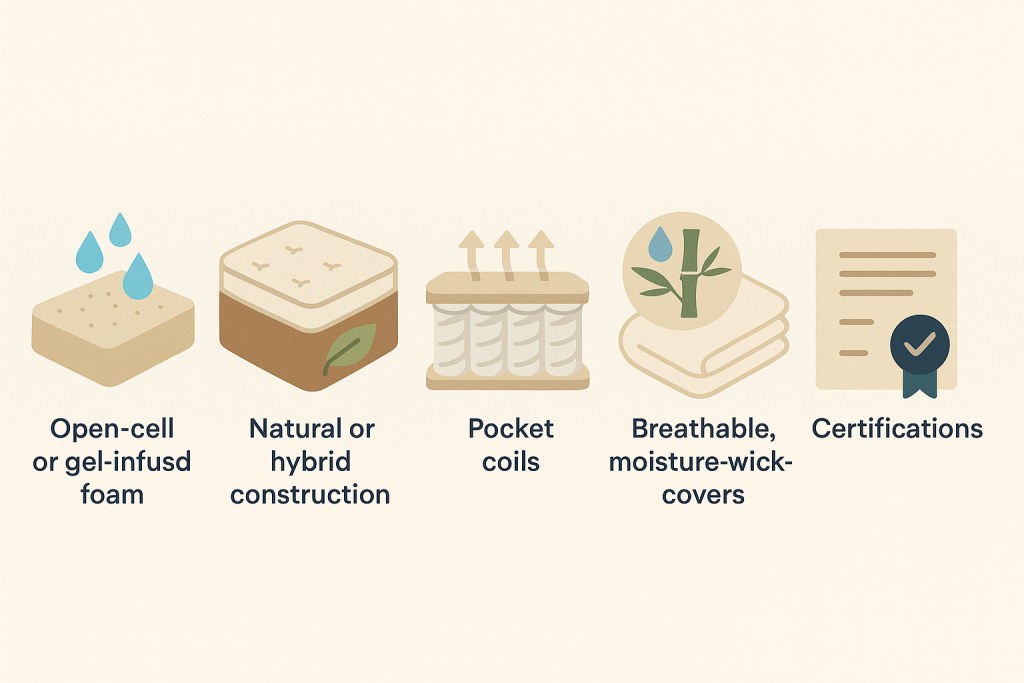
  • Open-cell or gel-infused foam for hot sleepers who want a contouring option
  • Natural or hybrid construction for environmentally friendly, pressure-relief support
  • Pocket coils for enhancing airflow and minimizing heat retention
  • Breathable, moisture-wicking covers (such as cotton, bamboo, or Tencel)
  • Certifications such as OEKO-TEX or GOLS for non-toxic materials

At LuxeMattresses, we combine these three characteristics throughout all our collections so that everyone who has ever laid down on one of our mattresses immediately associates them with ventilation, hygiene, and thermal comfort.

FAQs 

1. Do latex mattresses allow you to sleep cooler than memory foam mattresses? 

Yes, natural latex is inherently more breathable than memory foam due to its perforated composition and moisture-wicking properties.

2. What kind of mattress is best for hot sleepers? 

Hybrid mattresses with coil support and a breathable comfort layer (such as latex or gel foam) deliver the best airflow and cooling benefits.

3. Do mattress covers affect breathability? 

Absolutely. Covers that are not breathable lock in heat. Look for materials, such as organic cotton, bamboo, or Tencel, that allow your body’s heat and moisture to wick away.

Final Thoughts

The science behind breathable mattress materials is straightforward: the proper components can actually enhance your sleep quality by increasing airflow, reducing heat retention, and even repelling moisture. It’s all about materials like latex, pocket coils, and open-cell foam, which are not just trends – they are scientifically proven to create a calm and healthy sleeping surface.

And if you’ve been waking up hot or uncomfortable, it’s time to invest in a mattress designed to stay cool. Discover LuxeMattresses‘ ranges today and choose from a variety of breathable, sleep-enhancing mattresses intended for you.

July 1, 2025

Why Moms Deserve More Than Just ‘Me Time’ They Deserve Deep Rest

I Thought ‘Me Time’ Was Enough

For the longest time I genuinely believed that staying up late was my version of self care.

After the kids were finally tucked in, the dishes cleared, and the last “Mum, where’s my…” was answered, the house would go quiet and that silence felt sacred. I would slide into my favorite spot on the couch, phone in hand, and just breathe for a moment. No one was touching me. No one was asking for anything. It was me time.

But here is the truth. I was not doing anything that truly recharged me.

Most nights I would get lost in a TikTok rabbit hole until one in the morning or I would fold laundry in silence just to feel productive. Sometimes I would scroll through home decor I could not afford or add skincare to my cart that I did not need. I was chasing a sense of peace in surface level moments and calling it self care.

It did not matter that the kids were finally sleeping. I was not. And I paid for it every morning. I was groggy, sore, and mentally worn out before the day even began. That time I thought I was gifting myself was actually stealing my rest.

Eventually, it clicked.

I did not need more time alone with distractions. I needed real, restorative sleep.

And that realisation changed everything.

The Mental Load No One Sees

There is a kind of work that does not show up on to-do lists, but it lives in your mind every single day. It is the constant running mental checklist. The silent reminders. The mental load of motherhood that no one really sees.

While I am helping with homework, I am also thinking about what to cook for dinner, whether we have enough milk for the morning, and if I remembered to RSVP to that birthday party. While folding clothes, I am mentally reviewing who needs a new pair of shoes, what appointments are coming up, and what I forgot to pack in the school bag. It never stops.

Even when I sit down, my mind is not really resting. It is multitasking in the background. Always preparing, always planning, always on.

And somehow, despite all of this, there is guilt. Guilt for resting. Guilt for not doing more. Society has this way of praising the “busy mom” like it is some kind of badge of honor. Like exhaustion equals devotion. Like burnout means you are doing it right.

But deep down, I started to wonder…

What if the strongest version of me is not the busiest one, but the one who is well rested and fully present?

That thought stayed with me. And slowly, I started to listen to it.

Realising I Was Running on Empty

There was a morning that hit differently.

I snapped at my kids over something small, something they did not deserve. The night before, I had barely slept. I was tossing, turning, uncomfortable, and completely wired from screen time and stress. When I finally closed my eyes, it felt like I blinked and the sun was up.

I looked in the mirror and barely recognized the person staring back. My eyes were tired. My shoulders were tense. My mind felt like it was moving through thick fog. I forgot simple things. I walked into rooms and stood there wondering why. I was drained in a way no cup of coffee could fix.

It was more than tiredness. It was the kind of exhaustion that seeps into your bones and colors your entire day. I started to feel resentful, not just of others but of the pace I had created for myself. I was trying so hard to do everything, to be everything, that I left no space to simply be.

Poor sleep was not just a symptom. It was the root. It was the quiet reason my self care was slipping, why I stopped feeling like myself, and why even joyful moments felt harder to reach.

And I knew something had to change. I could not keep giving from a place that was constantly empty.

Shifting from Me Time to Meaningful Rest

Once I realized I was running on fumes, I started looking at my nights differently. I began asking myself, what if self care was not about squeezing in a few quiet moments, but about actually giving my body and mind the rest they were begging for?

I did not need another late night scroll or another half hearted attempt at winding down. I needed to reset, not escape.

That is when I started shifting from just me time to meaningful rest. I turned off the screens earlier. I made my bedroom feel calmer, more intentional. I lit a candle. I journaled. I gave myself permission to slow down.

And then came one of the most important changes I upgraded my mattress.

I had no idea how much the surface I was sleeping on was affecting my quality of rest. I had gotten used to tossing, adjusting, waking up with stiffness. But once I switched to a luxury mattress designed for support and comfort, it felt like my body could finally let go. It was not just soft. It was structured. Supportive. Calming.

That one change was more than a purchase. It was a shift in mindset. I was choosing rest not as a luxury, but as a necessity.

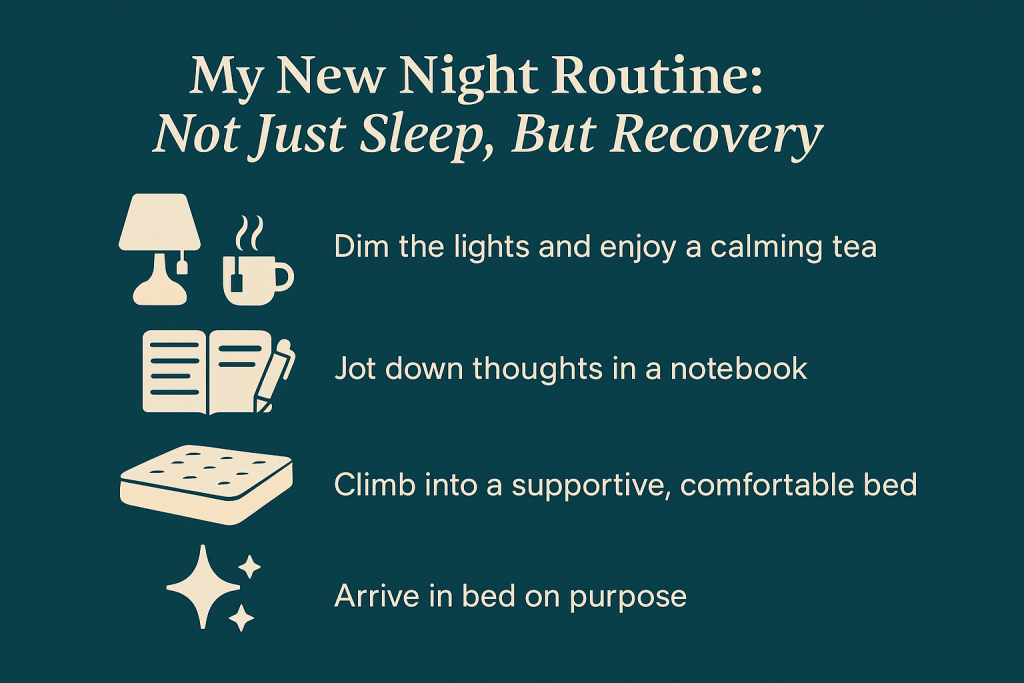
My New Night Routine: Not Just Sleep, But Recovery

Now, bedtime feels different. It is not just something I do because the day is over. It is a small ritual I look forward to a gift I give myself without guilt.

Most nights, I start by dimming the lights and letting the house settle. I brew a calming tea, usually chamomile or something with lavender, and I actually let myself sit still while I drink it. No multitasking. No phone. Just quiet.

Night routine suggestions

I keep a little notebook by my bed where I jot down whatever is swirling in my head—things I forgot, things I am grateful for, things I am letting go of. It is simple, but it helps.

And then, I climb into my bed. My mattress no longer feels like an afterthought. It is firm in the way my back needs, but soft enough to feel comforting. The support is even, and I do not wake up with sore shoulders or aching hips anymore. It almost feels like it holds me in place, allowing my body to fully relax.

This is not just sleep. It is recovery. And it has changed the way I show up in my own life.

I no longer collapse into bed, I arrive there on purpose.

How It Changed Everything

I used to think better sleep would just make me feel a little more rested. I had no idea how deeply it would affect every part of my life.

Now, I wake up without that heavy fog. My body does not ache the way it used to. I have more patience with my kids, and I do not feel like I am constantly playing catch up with my own thoughts. The little things that used to tip me over spilled juice, a last minute school email, a sibling squabble, feel a little more manageable.

I am not saying every day is perfect. But I am more present. I laugh more. I respond instead of react. And that is not just good for me, it is good for my family.

Even creatively, I feel sharper. Ideas come easier, and I have the energy to follow through with them. I started reading again. I even found joy in cooking, which used to feel like just another task.

Looking back, I realise I was never lazy, I was just tired. Deep down tired. And all the self care rituals in the world could not touch that until I let myself truly rest.

Changing how I sleep helped me reconnect with how I live.

Moms Do Not Need More Screen Time. We Need Sleep.

It is so easy to confuse zoning out with winding down. I used to think watching one more episode or scrolling through reels was giving me the break I deserved. But what I really needed was not more noiseI needed silence. I needed stillness. I needed sleep.

Somewhere along the way, we started treating exhaustion like a badge of honor. As if running on caffeine and sheer willpower makes us better mothers or more productive women. But the truth is, being constantly tired does not make us stronger. It makes everything harder.

We tell ourselves that me time means carving out moments when no one else needs us. But what if we flipped that? What if we saw rest as the ultimate form of self respect, not something we squeeze in, but something we protect?

Now, when I see posts glorifying busy moms who “never stop,” I do not feel inspired. I feel concerned. Because I have been that mom. And I know how it feels to be running on empty while smiling through it.

So here is the truth: moms do not need more content to scroll. We need real rest. Deep sleep. The kind that restores our bodies and calms our minds.

We deserve that, every night.

8. Investing in Deep Rest Is the Ultimate Self Care

For the first time in a long time, I no longer feel guilty about going to bed early.

I no longer see rest as a reward for a long day, I see it as the foundation of how I show up tomorrow. It is not selfish to prioritize your sleep. It is wise. It is necessary. And honestly, it is the kind of self care that goes deeper than candles or spa days.

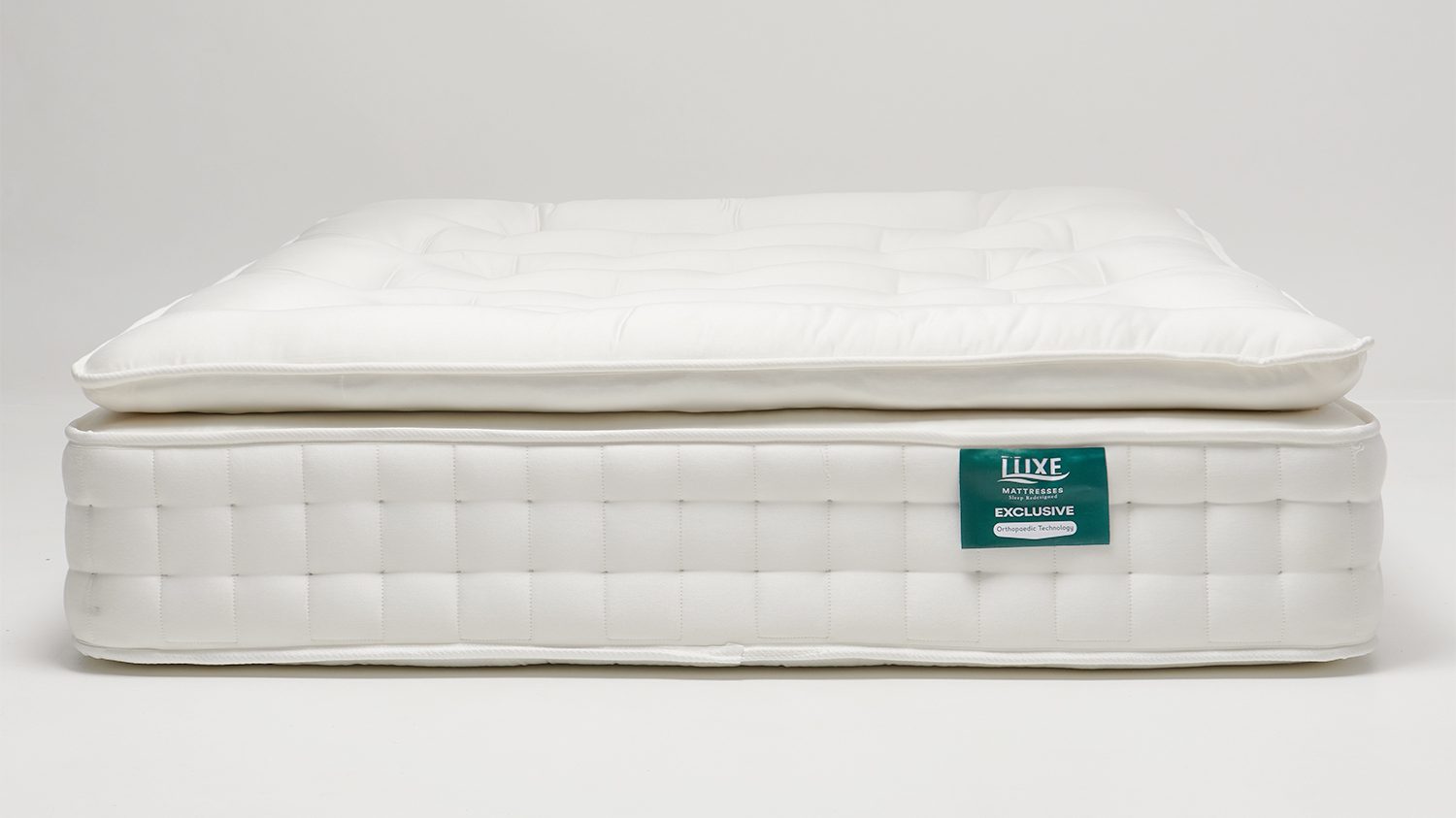
Luxury mattress
Luxury mattress

One of the best decisions I made was investing in a mattress that actually supported me. I did not realize how much tension I was holding in my back, or how often I was waking up through the night until it stopped happening. Choosing a luxury mattress felt like an indulgence at first, but now I see it as a long-term investment in my health, my energy, and my peace.

Because the truth is, good sleep is not a luxury. It is a lifeline.

If you are a mom reading this and you feel stretched thin, start with your rest. Look at where and how you sleep. Create a space that feels calm and grounding. And if you can, give yourself the gift of comfort that lasts well beyond bedtime.

You deserve it. Not because you have done enough, but because you are enough.

Product has been added to your cart