
Estimated reading time: 7 minutes
Struggling to get a decent night’s sleep? You’re certainly not alone. In the UK, millions of people wrestle with restlessness, early waking, or simply feeling exhausted despite going to bed at a reasonable hour. Often, it’s not one major issue but a handful of seemingly small sleep mistakes that, over time, chip away at the quality of your rest. The good news? Most of them are fixable, and you can start tonight.
Let’s take a look at seven common habits that may be sabotaging your sleep, along with practical steps to turn things around.
1. Letting Your Sleep Schedule Drift
Sleep Calculator
Plan your optimal bedtime and wake-up times based on your body’s natural sleep cycles. Wake up refreshed and energized every morning.
Why Use This Calculator?
- Calculate the ideal bedtime based on when you need to wake up
- Find the optimal wake-up time based on when you go to bed
- Work with your body’s natural 90-minute sleep cycles
- Minimize grogginess and maximize morning energy
- Based on sleep science research
It might feel harmless to stay up late on weekends or sleep in to “catch up” but this inconsistency can throw your body clock into disarray. The human circadian rhythm thrives on routine, and disrupting it regularly can make it harder to fall asleep or feel refreshed in the morning.
What’s the issue?
Inconsistent sleeping and waking times can lead to something similar to jet lag, without ever leaving your postcode. It disrupts your internal rhythm, which in turn affects everything from energy levels to digestion and mood.
How to fix it
- Choose a wake-up time and stick to it every day — yes, even on weekends.
- Wind down around the same time each night, allowing your body to anticipate rest.
- Let natural daylight into your bedroom in the morning to reinforce your internal clock.
As noted on NHS.uk, maintaining a consistent sleep schedule is one of the most reliable ways to improve overall sleep hygiene.
2. Too Much Screen Time Before Bed
It is important to understand that how light regulate & impact your sleep cycle, between phones, laptops, and TVs, it’s simple to get into the routine of “just one more scroll” before sleep. However, using screens too close to bedtime can disrupt melatonin production, which is the hormone that tells your body it’s time to sleep. For more details, read this article: Can Blue Light Actually Delay Your Sleep? Here’s What the Science Says.
Why it matters
Blue light, in particular, sends a signal to the brain to stay alert. Combine that with mentally stimulating content (news, work emails, or even exciting series), and you’ve created the perfect storm for poor sleep.
What to do instead
- Shut down screens at least an hour before bed.
- Switch to amber or night mode settings on devices in the evening.
- Swap screen time for something soothing: a warm bath, journaling, or light reading can help.
Organizations like Mind.org.uk recommend reducing screen time before bed to improve both mental health and sleep quality.
3. Caffeine or Alcohol Too Close to Bedtime
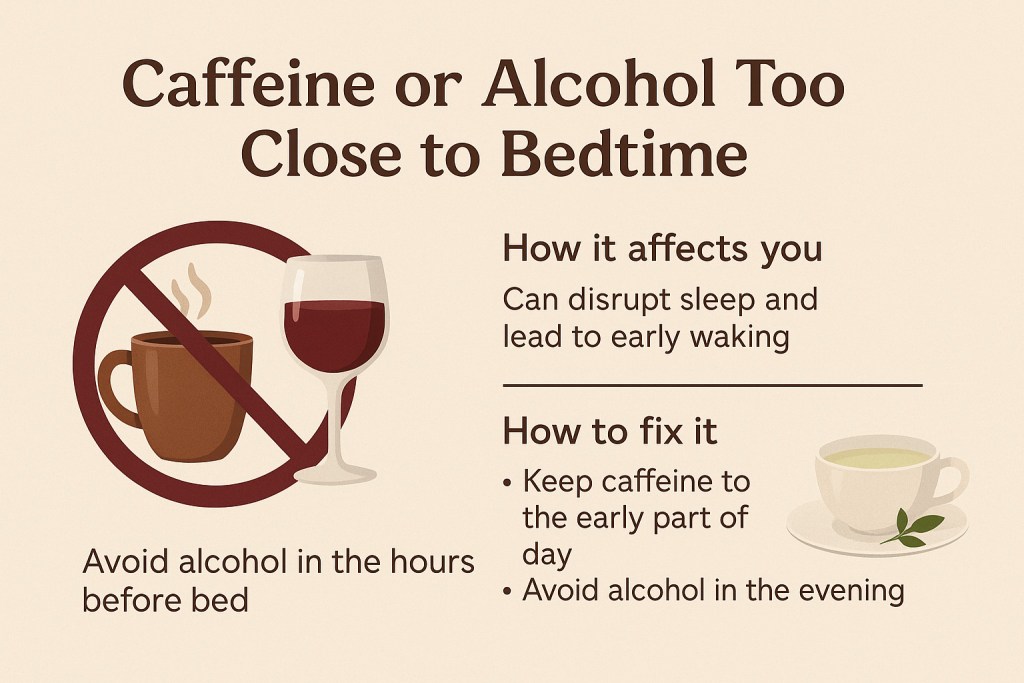
Think your late-afternoon cup of coffee isn’t doing any harm? Think again. Caffeine can stay in your system for up to 10 hours, meaning your 4 pm coffee could still be affecting you come bedtime. Meanwhile, alcohol, often mistaken for a sleep aid, can disrupt sleep cycles and lead to early waking.
How it affects you
You might fall asleep easily enough after a nightcap, but alcohol reduces the amount of deep sleep you get and increases the likelihood of waking during the night.
How to fix it
- Keep caffeine consumption to the early part of the day, ideally before 2 pm.
- Avoid alcohol in the two to three hours leading up to bedtime.
- Try calming alternatives in the evening, such as valerian tea or a soothing sleep mist with lavender.
The more you reduce these stimulants near bedtime, the better your sleep will become over time.
4. Turning Your Bed Into an Office (or Entertainment Centre)
Working, watching telly, and eating snacks might all happen in bed on a lazy Sunday. But over time, your brain stops associating your bed with rest, and that can make falling asleep much harder.
Why this matters
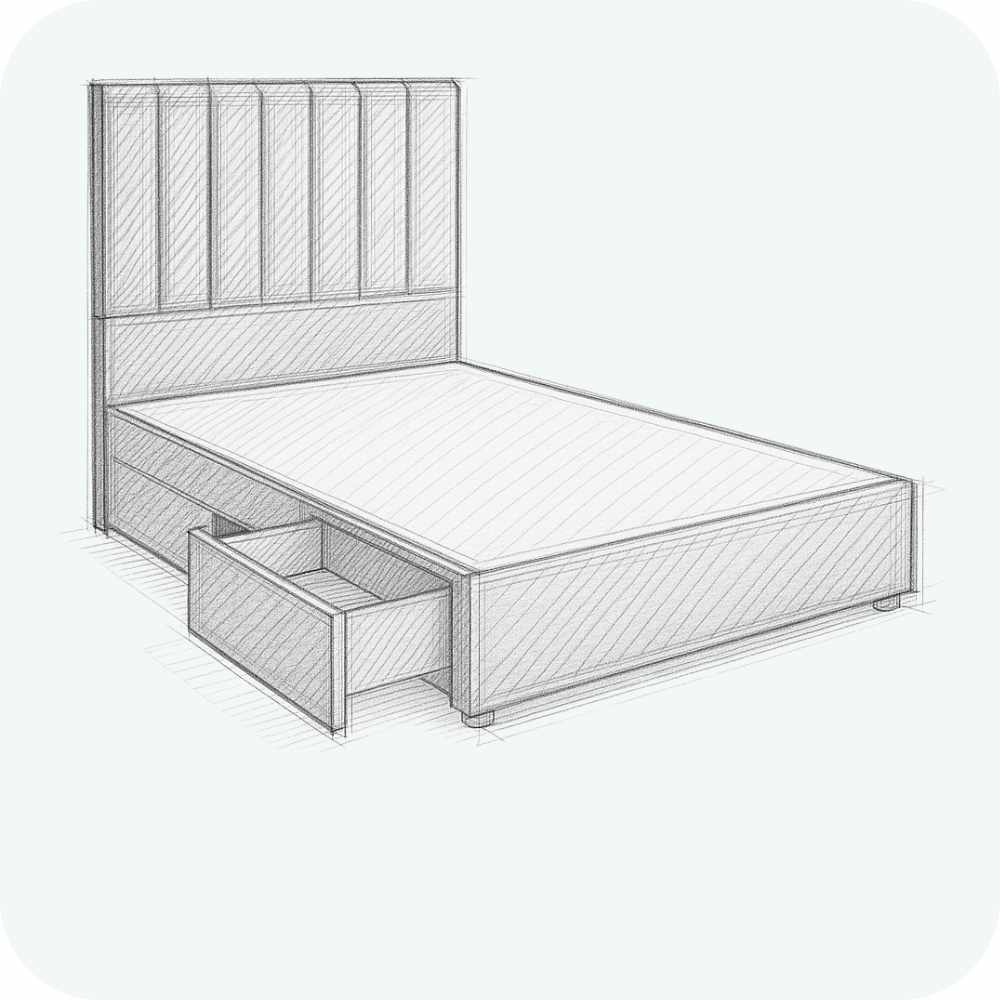
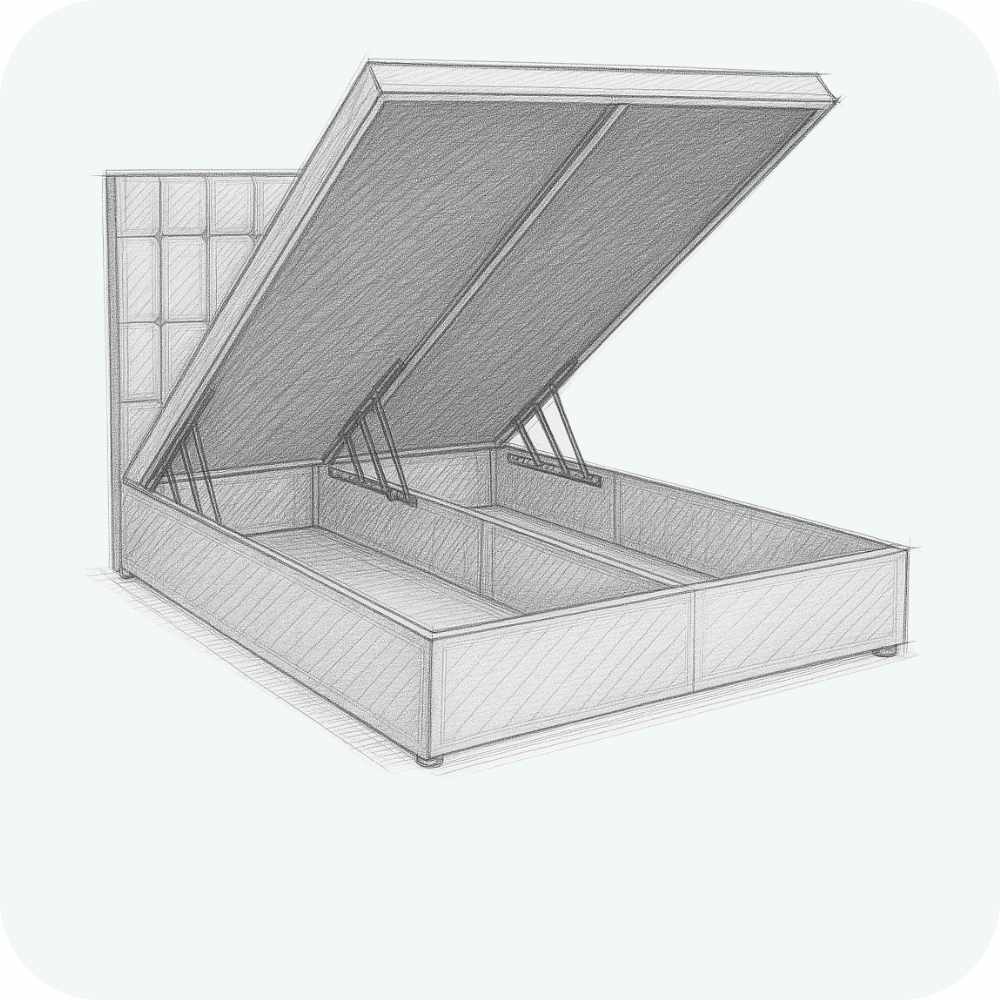
Sleep experts call this “stimulus control.” The more things you associate your bed with, especially non-sleep activities, the weaker the sleep signal becomes when your head hits the pillow. You can also get a custom bed to make sure it fits your comfort needs.
Solution
- Keep your bed for sleep and intimacy only.
- Do your work, scrolling, or eating somewhere else, ideally in a separate room.
- If you can’t fall asleep after 20 minutes, get up and do something relaxing in low light until you feel sleepy.
Over time, this mental reset helps your body associate your bed with rest again.
5. Daytime Naps That Drag On
A quick nap can be incredibly refreshing, but if you’re dozing off too late in the afternoon or sleeping too long, you might find yourself wide awake at 2 am.
The science bit
Naps longer than 30 minutes can cause sleep inertia — that groggy, heavy feeling afterwards- and they reduce your natural sleep drive for the evening.
A better way to nap
- Limit naps to 20–30 minutes and take them earlier in the day (before 3 pm).
- If you feel drowsy later, try getting outside for some light activity or fresh air.
- Assess whether your sleep quality at night is forcing you to rely on naps; it may be time to re-evaluate your mattress or sleep setup.
In many cases, frequent naps are a symptom of poor nighttime rest, not a solution.
6. Ignoring the Importance of the Sleep Environment
It’s easy to overlook the space you sleep in, but from noise to light to mattress quality, your sleep environment has a powerful effect on how well you rest.
What makes a good sleep setting?
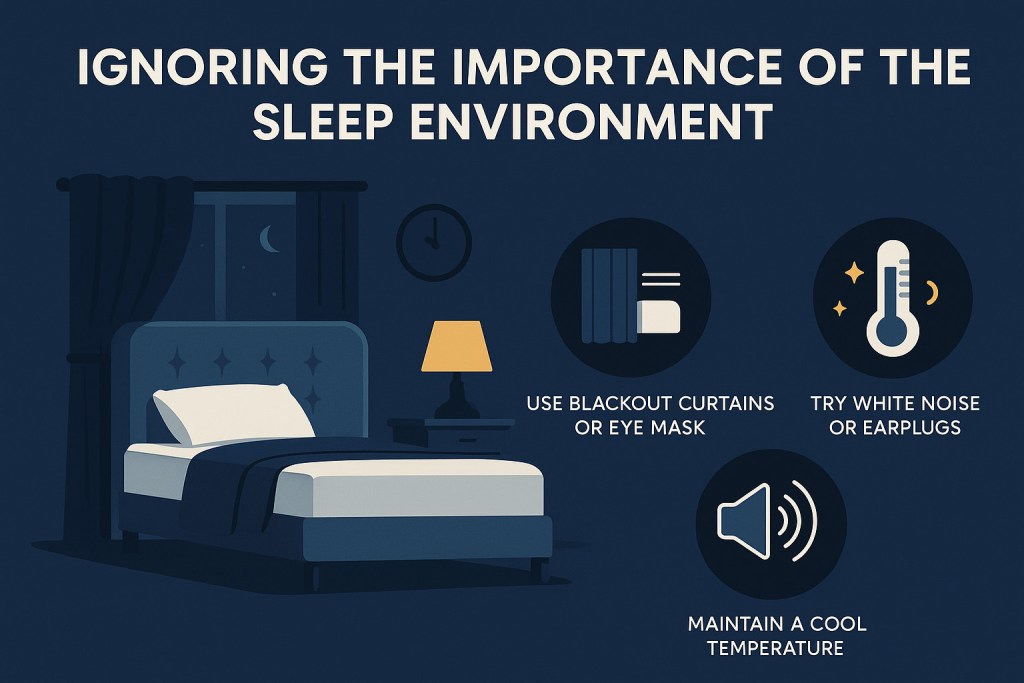
A quiet, cool, dark room with minimal disruptions is ideal. Add to that a comfortable, supportive mattress, and you’ve laid the foundation for great sleep.
Improvements to consider
- Use blackout curtains or an eye mask to block light.
- Try white noise or earplugs to manage disturbances.
- Maintain a cool room temperature (around 16–18°C).
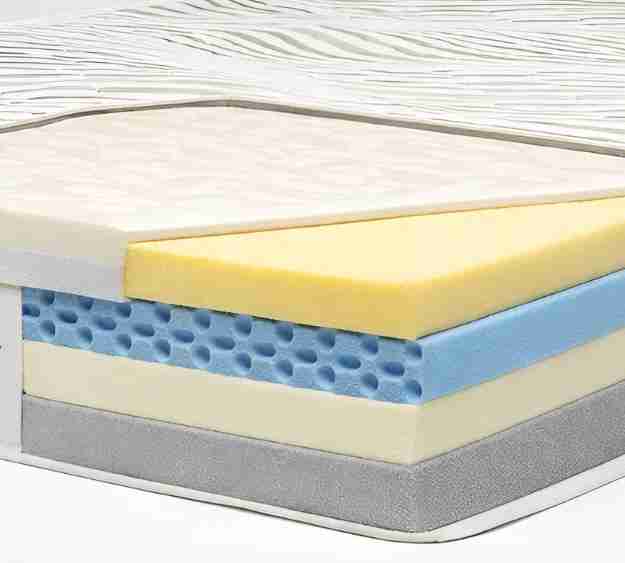
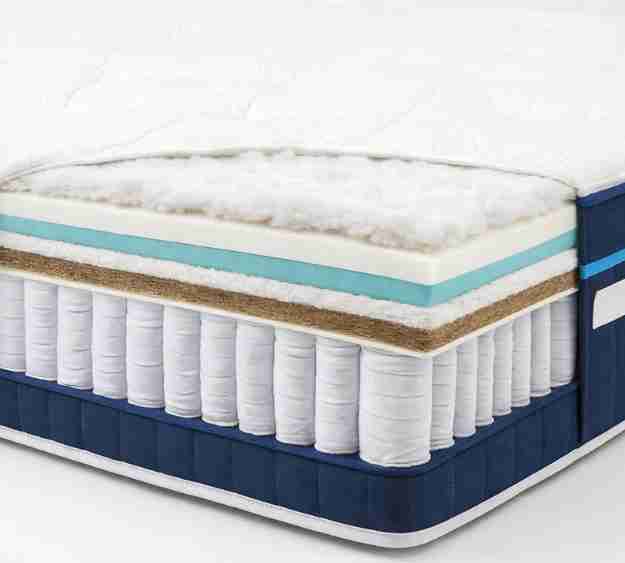
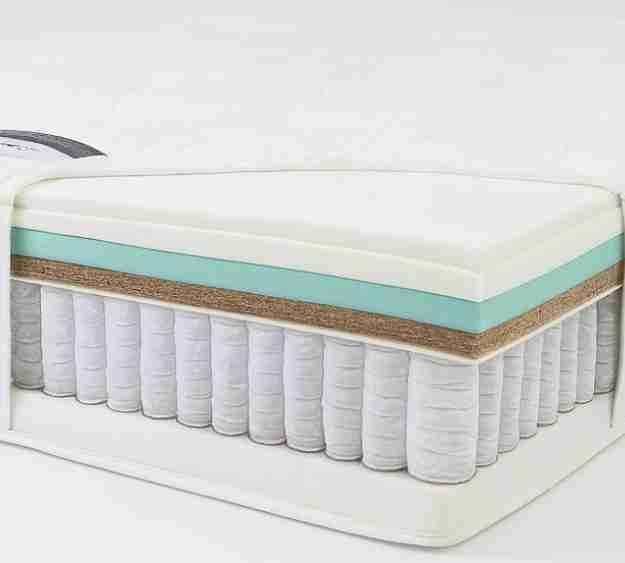
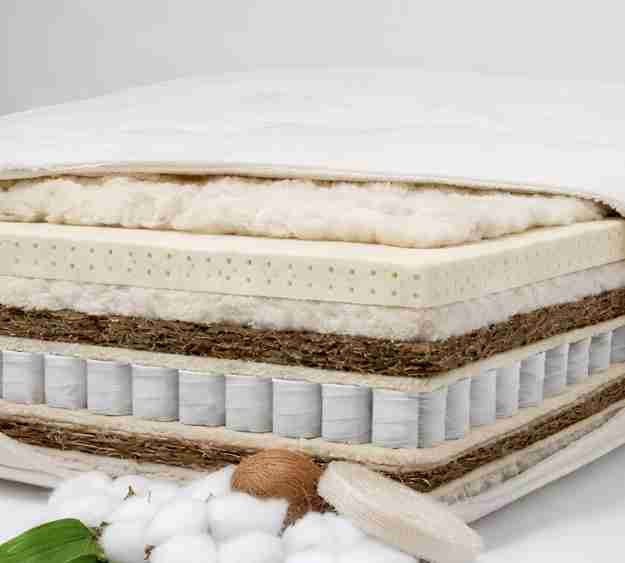
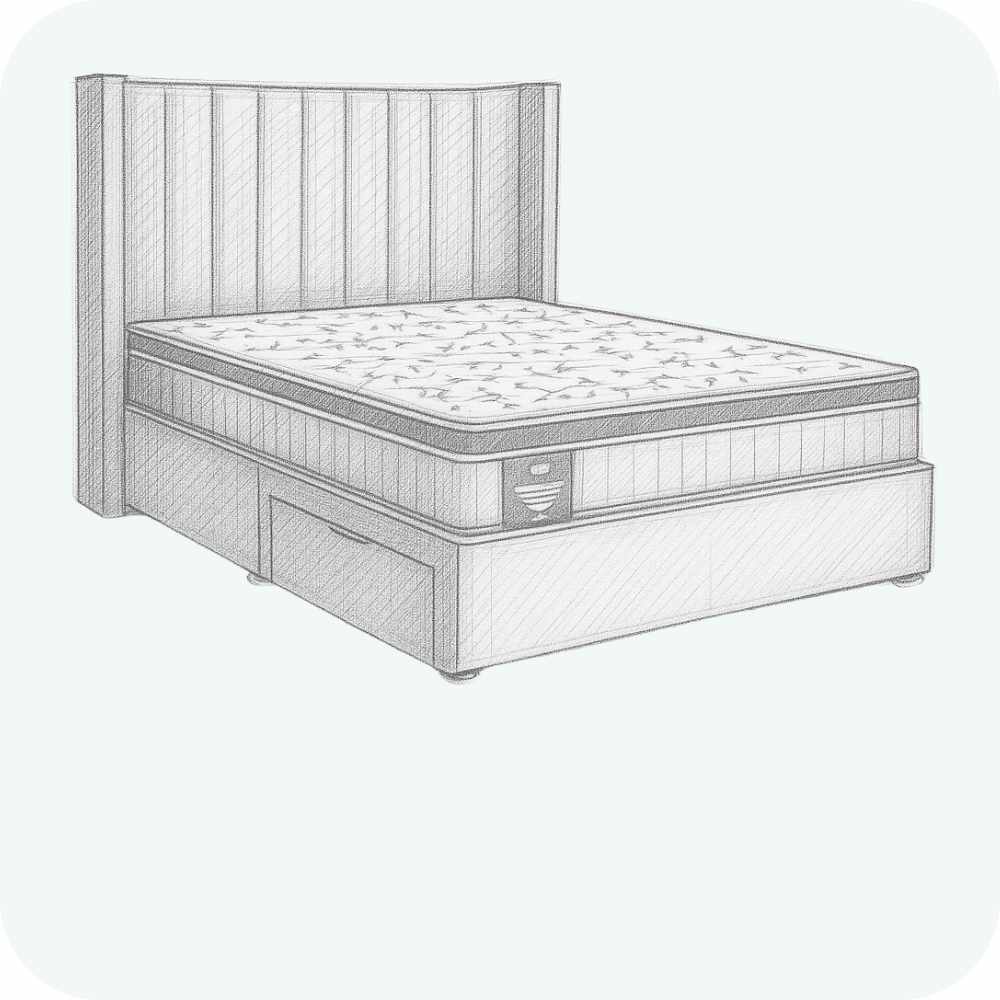
- Upgrade your bed: LuxeMattresses offers premium-quality mattresses tailored to UK sleepers, designed for ergonomic support and maximum comfort.
For more detailed advice, you can also browse their sleep hygiene tips — they cover everything from bedding choices to temperature control.
7. Skipping a Wind-Down Routine
Rushing straight from your day into bed rarely works well. Your mind needs space to slow down and prepare for rest, and skipping this step often leads to tossing, turning, or lying awake for hours.
Why routines work
Our brains respond well to patterns. A relaxing sequence of events before bed sends a powerful signal that it’s time to switch off.
Try this routine
- Dim the lights 60–90 minutes before bed.
- Do something calming: gentle stretching, meditation, or reading.
- Avoid high-stimulation tasks like emails, scrolling, or intense conversations.
The NHS recommends having a consistent bedtime routine as a cornerstone of good sleep hygiene.
Final Thoughts
Better sleep isn’t out of reach, but it does require a closer look at the habits and environment you’ve grown used to. By addressing these common sleep mistakes, making small behavioural adjustments, and investing in the right sleep setup, you can shift from restless nights to truly restorative sleep.
Want to take the next step? Discover LuxeMattresses‘ expertly engineered sleep solutions and learn more about transforming your nightly routine on our blog.
FAQs
Inconsistent sleep schedules, too much screen time, and using your bed for non-sleep activities are some of the most common culprits.
Start with a quality mattress, eliminate light and noise, and keep the room comfortably cool. Explore LuxeMattresses’ collection for sleep-supportive options.
Absolutely. Even a short wind-down period signals to your brain that it’s time to rest, helping you fall asleep faster and stay asleep longer.
In many cases, yes. Herbal teas, calming scents, and apps that guide relaxation can be helpful. Just be sure to test what works best for you.
Waking briefly during the night is common, but frequent or prolonged wakefulness can indicate an underlying issue, often linked to stress, environment, or comfort.
If your mattress is over 7–8 years old, sags, or causes discomfort, it may be time to replace it. A high-quality mattress can dramatically improve sleep quality and reduce aches.

Giulia is a content writer at Luxe Mattresses, where she blends her background in product development with a passion for sleep science and design. A graduate of Imperial College London, Giulia studied Product Development & Entrepreneurship, giving her a strong foundation in how everyday products like mattresses & impact human well-being.
At Luxe, she focuses on writing informative, user-friendly blogs that explore everything from mattress comparisons and sleep quality tips to innovations in bedding technology. Giulia is especially passionate about helping readers make smarter choices when it comes to comfort, health, and bedroom design.