
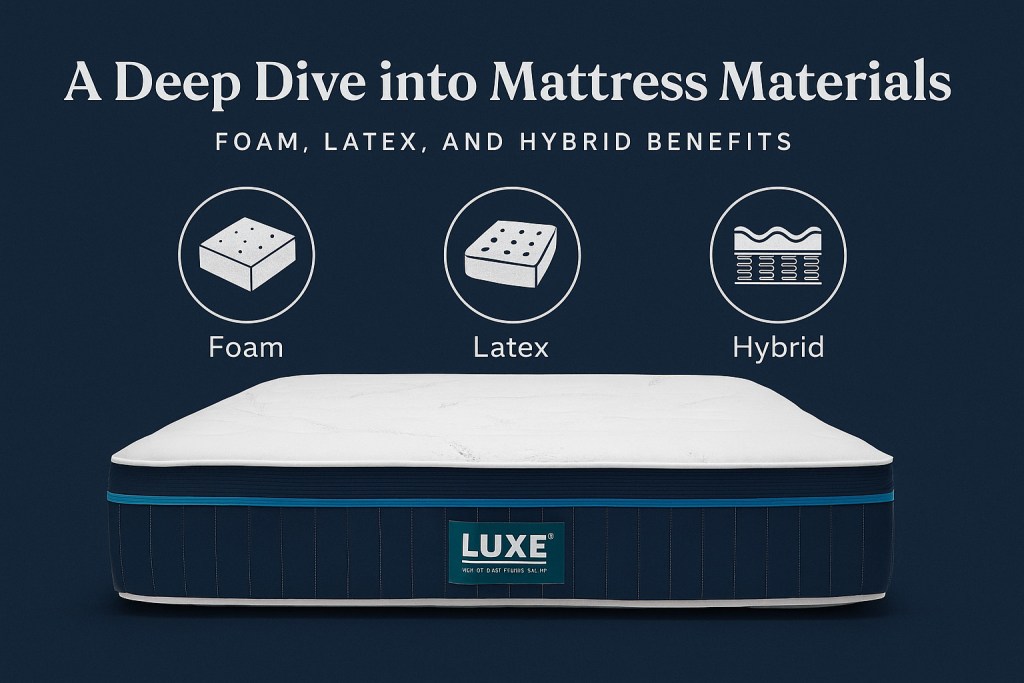
Have you ever tried shopping for a mattress and ended up more confused than when you started? Shopping for a mattress can be confusing, especially with all the terms like memory foam, latex, and hybrid. One brand promises cloud-like comfort, while another focuses on support and cooling, making you wonder if your current bed is causing more harm than good. The truth is, that most of us do not know what is inside our mattress or why it matters. But it does matter. The materials inside your mattress significantly impact your sleep quality, how you feel when you wake up, and even the longevity of the mattress. In this guide, we will break down foam, latex, and hybrid mattresses—what they are, how they feel, and whether they are worth your investment.
Foam Mattresses: All About That Sink-In Comfort
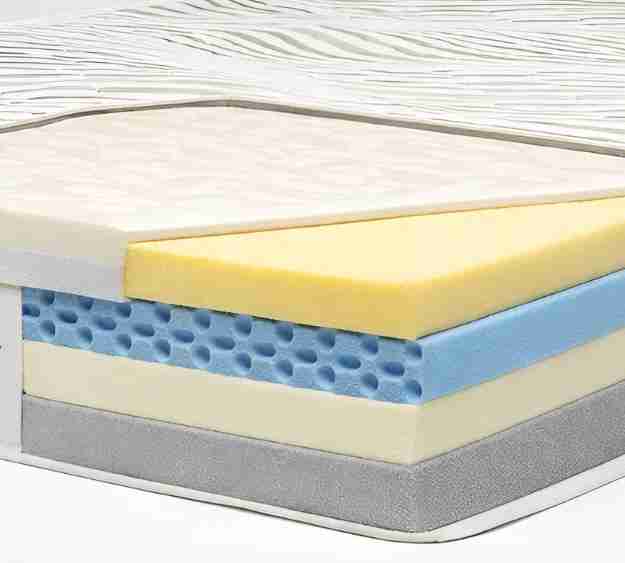
So, foam. This one is the big one. You have probably heard of memory foam because it is everywhere. It used to be a high-tech NASA material, but now it is the thing people rave about when they say their mattress “hugs” them.
What is Foam?
Foam is a broad term. The two main types you will hear about are memory foam and polyurethane foam (often just called polyfoam).
Memory foam is the fancy stuff. NASA originally developed it to absorb impact for astronauts, and now it is in everything from pillows to shoes to, you guessed it, mattresses. It is dense, slow to bounce back, and highly responsive to heat and pressure. When you press your hand into it, it leaves an imprint for a second or two.
Then there is polyfoam. This is the more budget-friendly version. It does not have that same slow-sinking feel, but it is lighter, more breathable, and bounces back quickly. It is typically used in the top or base layers of lower-priced mattresses, or sometimes the entire mattress, particularly in basic models.
Why Do People Love Foam?
Foam mattresses became popular for a reason. They offer a unique kind of comfort that other mattress types do not provide.
Pressure relief is like nothing else: If you deal with sore hips, shoulders, or lower back pain, foam is a game changer. It distributes your weight evenly and helps relieve pressure on your joints. That is why side sleepers, in particular, are big fans.
Excellent motion isolation: You have probably seen those commercials where someone jumps on a mattress next to a glass of wine, and it does not spill. That is foam for you. If your partner tosses and turns or even gets up in the middle of the night, you are much less likely to feel it.
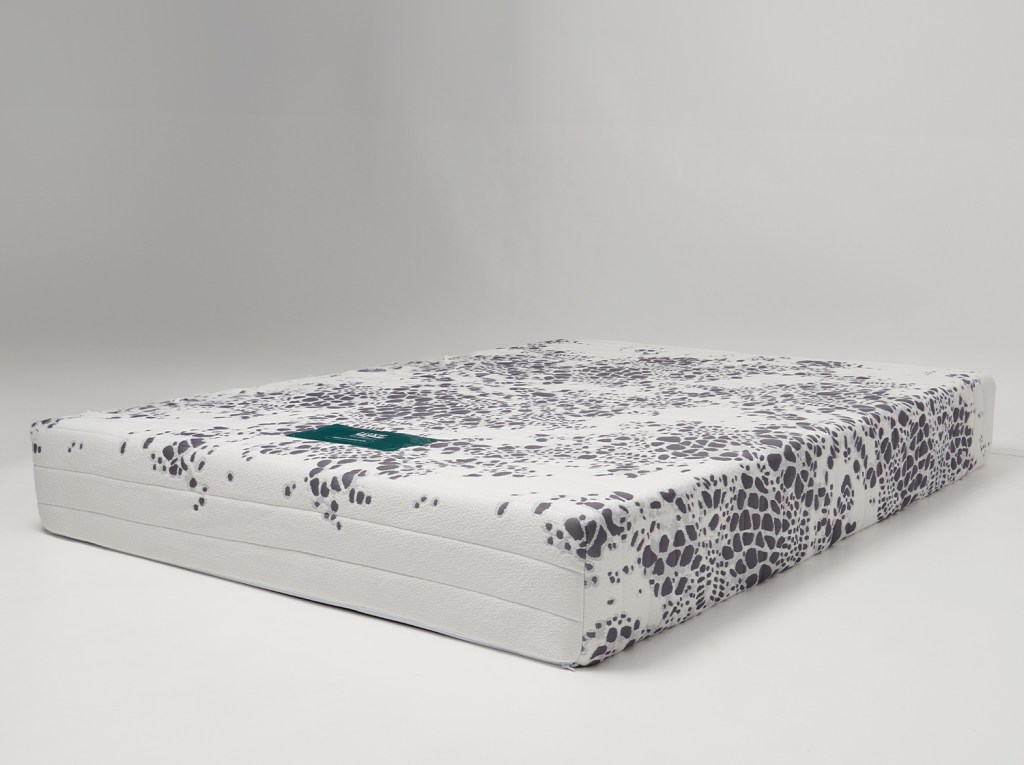
Contours to your body: Foam does not just lie there. It adapts to you. Whether you are a back sleeper with a slight curve in your spine or someone who curls up on your side every night, foam can adjust. It gives you that “tailored” feeling without the need for a custom mattress.
Works well with adjustable beds: If you are using a base that can lift your head or feet, foam bends easily without damaging the structure. It’s handy if you deal with snoring, reflux, or simply want to read in bed.
But there is a Catch. Foam sleeps hot. That is the biggest complaint. It traps body heat, especially the older kinds. Some newer models utilise gel infusions or cooling layers, which help, but they are not always enough for extremely hot sleepers. Also, if you like a bouncy feel or need more support for your back, it might feel too soft or even suffocating.
At Luxe Mattresses, some of the top-rated foam mattresses include cooling technology to combat heat, so it is worth checking them out if foam sounds like your thing.
Latex Mattresses: Natural, Bouncy, and Surprisingly Cool
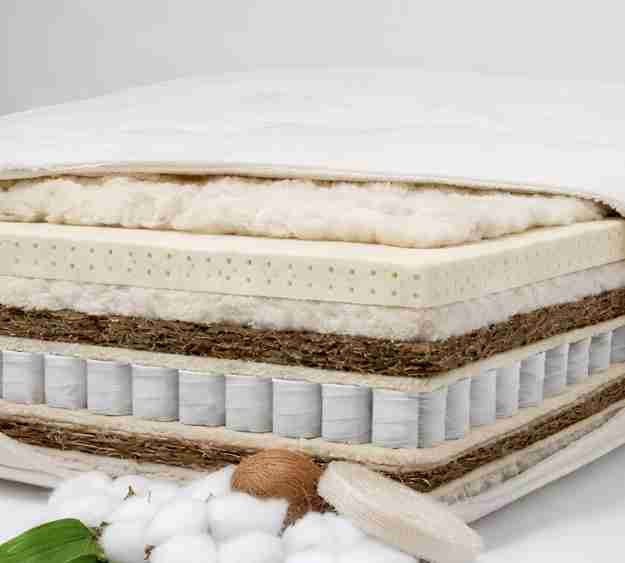
Latex is often seen as the more premium option for latex or natural mattresses, and there is a reason for that. It feels a bit like foam, but it is bouncier, firmer, and more breathable. It is made from rubber tree sap, which makes it the go-to for people wanting something more natural.
What is Latex, Really?
Latex is tapped from rubber trees. It is turned into a thick, spongy material that is surprisingly durable and naturally resistant to all nasty dust mites, mould, and even bacteria. That makes it a top choice for people with allergies or anyone who wants to avoid chemicals in their bed.
Dunlop Latex and Talalay Latex
Dunlop is the denser, firmer one. It is heavier and more supportive, often used in the base layers of the mattress.
Talalay goes through a more elaborate process. It is lighter, fluffier, and has a more balanced feel. If you like a bit of bounce but do not want to feel like you are sleeping on rubber, Talalay might be your match.
There is also natural vs. synthetic latex. Natural is what we just described. Synthetics are made with petrochemicals. Some mattresses use a blend to lower costs, but if you are shopping for a truly eco-friendly or organic bed, make sure it is 100% natural or GOLS-certified organic.
What’s the Deal with Latex?
There are two types: Dunlop and Talalay. Dunlop is denser and firmer. Talalay is lighter and a bit softer. Either way, both are super durable.
Perks of Latex Mattresses
Great for Hot Sleepers: Seriously, latex breathes way better than foam. It does not trap heat, so you will not wake up sweaty.
Eco-Friendly Vibes: If you are into sustainable living, latex is biodegradable and often harvested ethically. Bonus points if it is organic.
Supportive But not Stiff: You still get that body-contouring feel, but you will not sink in like you do with foam. It is more “on” the mattress than “in” it.
A Few Cons to Consider
The Price: Latex does not come cheap. It is often more expensive than foam or hybrids.
Weight: These mattresses are heavy. Like, you are not flipping them alone heavy. Not everyone’s cup of tea. Some people find the bounce distracting or the firmness uncomfortable.
There is also synthetic latex, which is cheaper but not as breathable or natural. So, if you are going for latex, make sure you know what kind you are getting.
For those browsing the Luxe Mattresses range, you will spot latex options that balance firmness with comfort. These work great for sleepers dealing with joint pain or allergies.
Hybrid Mattresses: The Best of Both Worlds?
Now, hybrids. This is where things get interesting. Imagine taking the contouring comfort of foam or latex and mixing it with the firm, bouncy support of pocket springs. That is a hybrid.
What’s Inside a Hybrid?
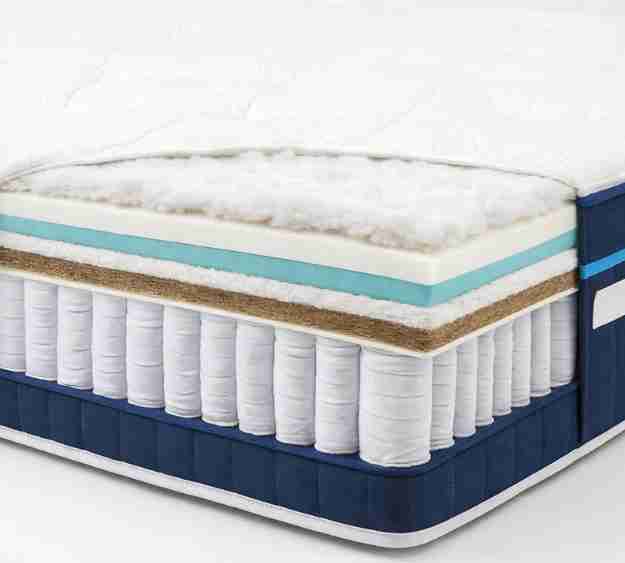
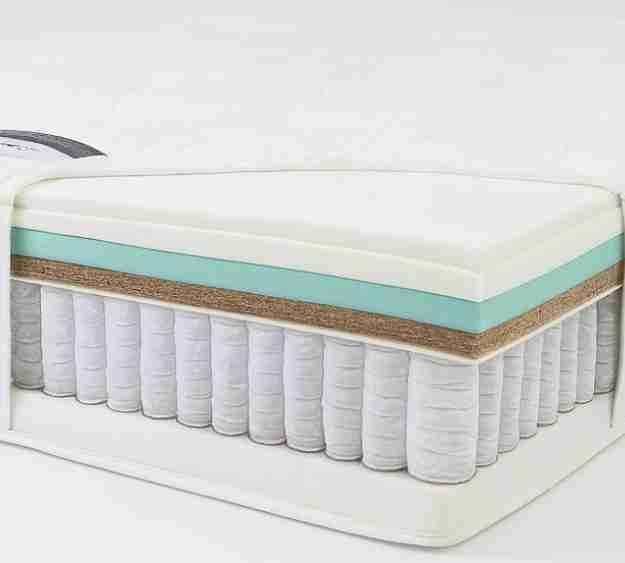
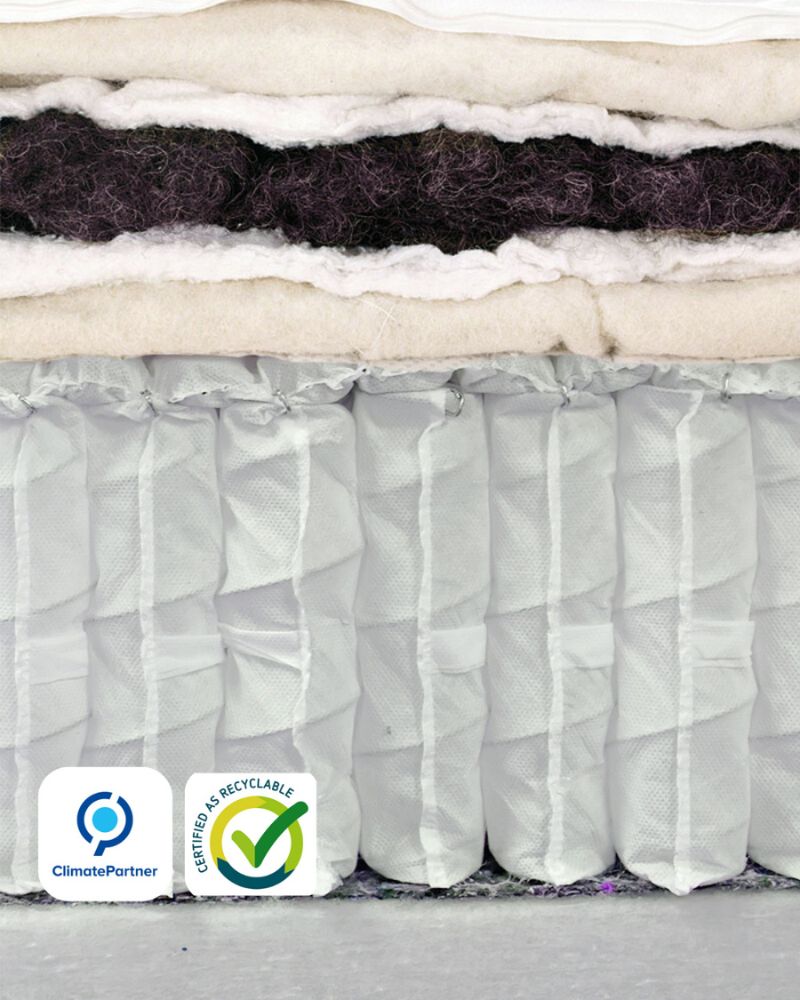
A good hybrid mattress starts with a base layer of individually wrapped coils, also known as pocket springs. These are not your grandma’s old-school noisy springs. In fact, each coil is wrapped individually, which allows each one to move independently from the others. This feature helps to reduce motion transfer, meaning if your partner tosses and turns, you won’t feel it as much. It’s a great choice for light sleepers who need a more peaceful, undisturbed night’s sleep.
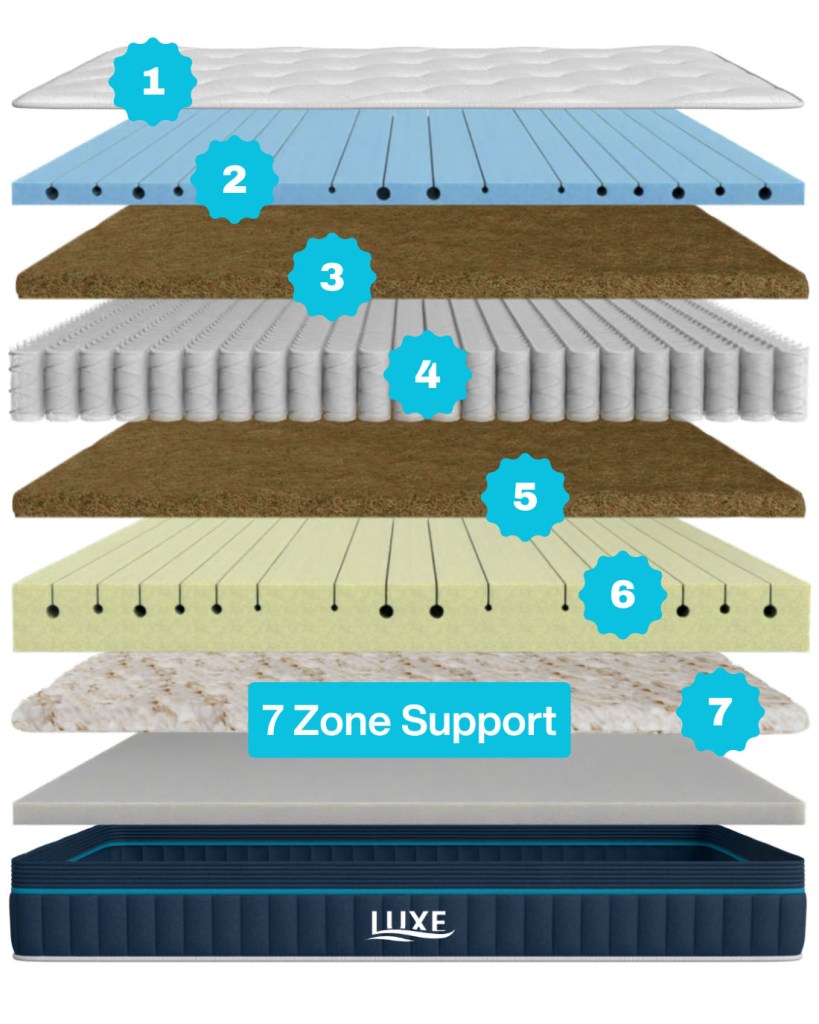
On top of the coils, there are typically one or more comfort layers. These layers are made from materials like memory foam, polyfoam, latex, or sometimes a combination of these. The foam layers are there to give you that soft, plush feel, while latex adds a bit more bounce. Some hybrid mattresses even include additional features like cooling gel or zoned support. Cooling gel helps to regulate your body temperature and prevent the mattress from trapping too much heat, which can be a concern with foam mattresses. Zoned support is designed to provide extra pressure relief in certain areas, such as the hips or shoulders, for better alignment.
In short, a hybrid mattress is all about balance. It combines the softness and comfort of foam or latex on top with the durable, supportive coil base underneath. This combination gives you the best of both worlds: the cushiony feel of foam with the long-lasting support of traditional springs.
Why People Love Hybrids
Balanced Feel: One of the main reasons people love hybrids is because they offer a perfect balance of softness and firmness. They are not too soft, so you won’t feel like you are sinking in too much, and they are not too firm, so you still get that nice cushiony feeling while lying down. You get both proper spinal support and the comfort you need for a great night’s sleep.

Edge Support: If you tend to sleep near the edge of your bed or share it with someone, edge support is a big bonus. Hybrids often provide stronger edge support, so you can sleep all the way to the edge without feeling like you are going to roll off. This is especially helpful if you share the bed with a partner and want to maximize the use of the entire mattress surface.
Cooler Sleep: Another great benefit of hybrids is their ability to promote a cooler night’s sleep. The coil system allows air to circulate more freely through the mattress, which helps regulate the temperature. This means you are less likely to overheat during the night, making hybrids a great choice for hot sleepers.
What to Keep in Mind
Some hybrids cut corners. A thin foam layer on weak springs is simply a fancy spring mattress. It can be pricey, Especially if you go for a hybrid with natural latex on top. Like latex mattresses, these can be a pain to move. For most sleepers, hybrids are the sweet spot. If you are not sure what you like, a hybrid from the Luxe Mattresses collection could be a safe bet. They are versatile and supportive and work for side, back, or stomach sleepers.
Which One’s Right for You?
Alright, let’s break it down simply.
Sleep Style Best Option
- Side sleeper: Foam or hybrid with soft top layers
- Back sleeper: Medium-firm foam, latex, or hybrid
- Stomach sleeper: Firmer hybrid or latex
- Hot sleeper: Latex or hybrid (with cooling tech)
- Eco-conscious: Natural latex
- Budget-focused: Polyfoam or entry-level hybrid
And, of course, comfort is personal. What feels perfect to one person might be awful for someone else. That is why Luxe Mattresses offers a range of options, so you can actually find something that matches your sleep style, not just the trends.
Sleep Quality Is not Just About Materials
Here’s a bit of real talk. Even the fanciest mattress won’t help if your sleep environment is a mess. Think of too much noise, clutter, a too-hot room, or not winding down before bed. NHS advice points to good “sleep hygiene” as a key part of fighting insomnia and poor sleep.
That means having a consistent sleep schedule, keeping the bedroom cool and dark, and, yes, having a mattress that supports your body correctly.
If you are struggling with anxiety or sleepless nights, places like Mind offer practical advice on mental health that connects with better sleep habits.
Final Thoughts
There is no one-size-fits-all mattress. Foam, latex, and hybrids all have their perks and pitfalls. The key is knowing your sleep style, comfort preferences, and budget. Luxe Mattresses makes that easier by offering a selection that covers all bases—from premium latex options to budget-friendly hybrids with legitimate support. Explore what feels right for your body because good sleep really is the foundation for a better day. Claim your discount now at Luxe Mattress limited-time offers on supportive mattresses for heavier sleepers.
Mattress Materials-FAQS
Latex often wins for back support thanks to its firmer, responsive nature, but high-density foam can also work wonders if you prefer a softer feel.
Generally, yes. The coil system adds durability. But it depends on quality. Cheap hybrids wear out just as fast.
Natural latex is hypoallergenic and resistant to dust mites, making it an excellent choice for allergy sufferers.
Not always. Some use gel or open-cell technology to improve airflow. Still, if you are a really hot sleeper, latex or hybrid might be better.
Most modern mattresses (especially foam and hybrid) are one-sided, so flipping is not needed. Rotating it every few months helps, though.
A good one lasts 7–10 years. Latex can stretch beyond that. Foam might dip sooner if it’s low quality.
Foam is excellent for motion isolation, but hybrids offer better bounce and edge support. It depends on your priorities.

Roman is a seasoned expert in mattress development with over a decade of experience in sleep technology, material innovation, and product engineering. He has played a key role in designing and refining sleep solutions for leading mattress brands, with a deep focus on ergonomics, pressure relief, and sleep quality optimization.
With a background in product design and biomechanics, Roman combines scientific research with hands-on development to create mattresses that address real-world sleep issues—from spinal alignment to temperature regulation. His work has contributed to several award-winning mattress lines known for their comfort, durability, and user satisfaction.