Hi, I’m Ruby, and if you’re a parent like me, you know that children seem to grow overnight. One day they’re tiny and curled up in a toddler bed, and the next they’re long-limbed tweens tossing and turning in the middle of the night. That’s exactly what happened with my 12-year-old son. And it got me thinking: is it time for a bigger mattress?
More importantly, is a small double (sometimes called a “queen size” in the UK) actually bigger than a single mattress, and would it fit comfortably in his room?
What Is a Small Double Mattress?
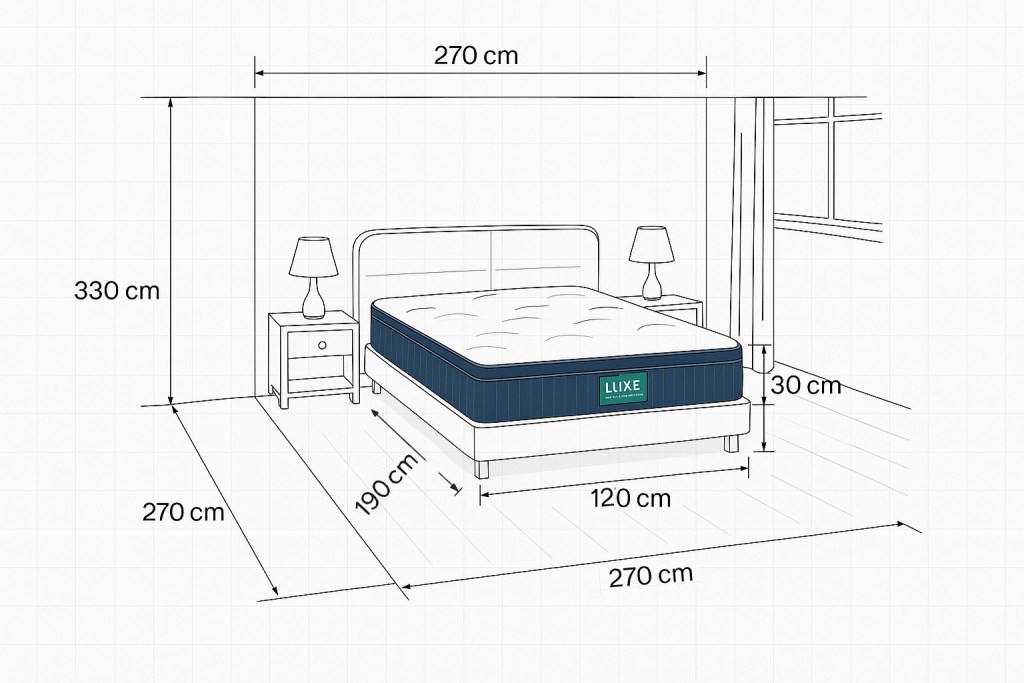
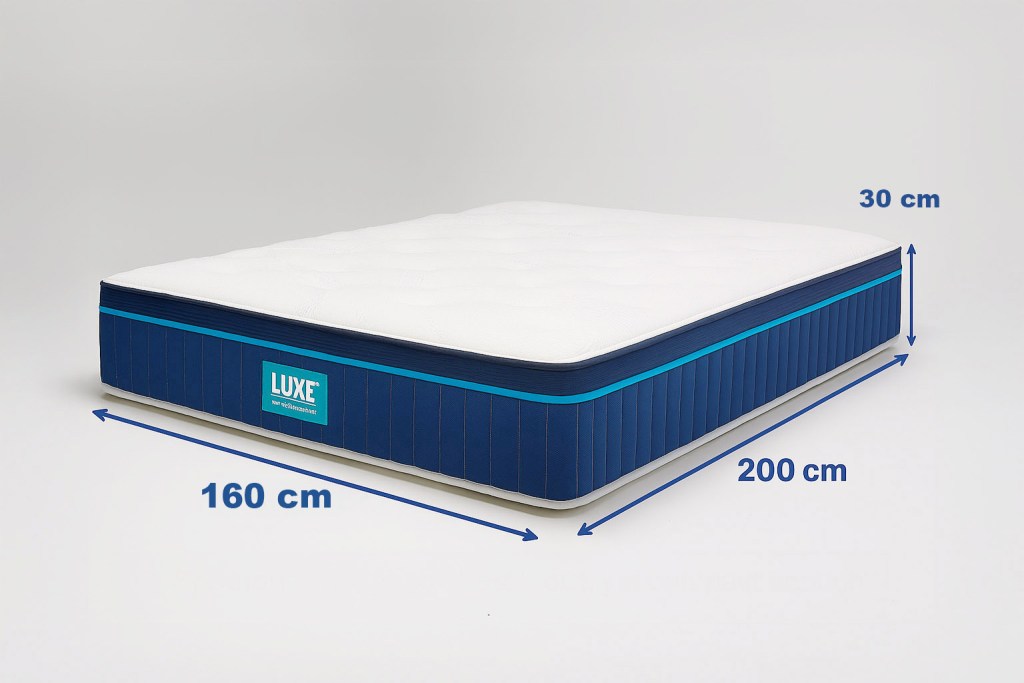
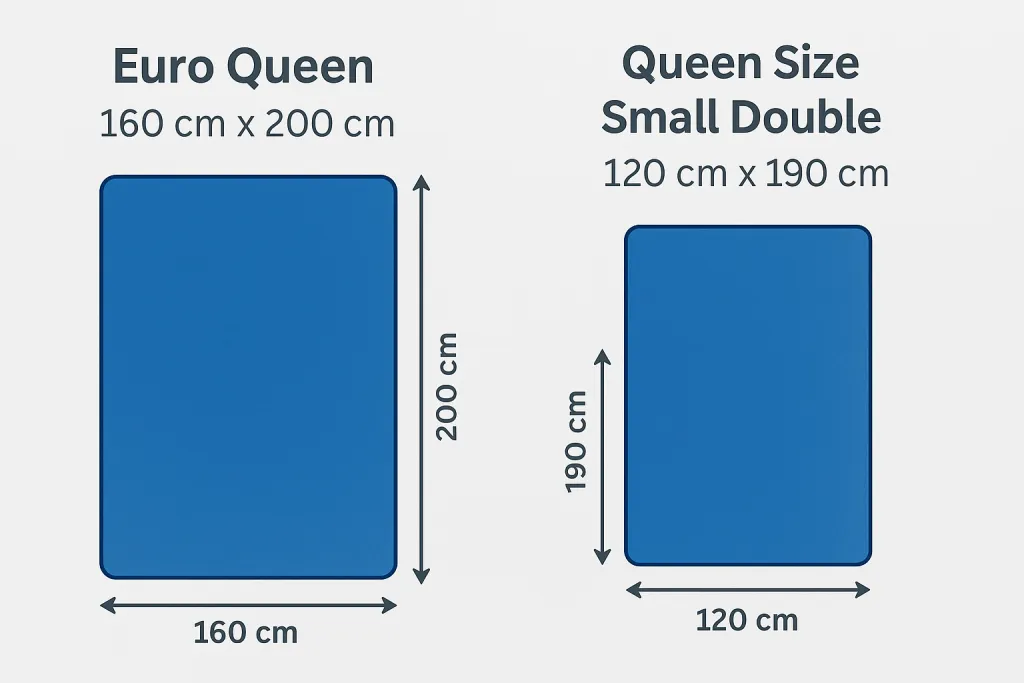
A small double mattress measures 120 cm x 190 cm, and in many UK stores, it’s often labelled as a “Queen Size.†Confusing, I know — especially when you consider that in Europe, a Euro Queen measures 160 cm x 200 cm, which is even wider than the UK King size!
This mislabelling can cause a lot of confusion. If you’re trying to understand all the UK mattress types, this mattress size guide really helped me sort it all out.
Is a Small Double Bigger Than a Single?
A single mattress is 90 cm wide.
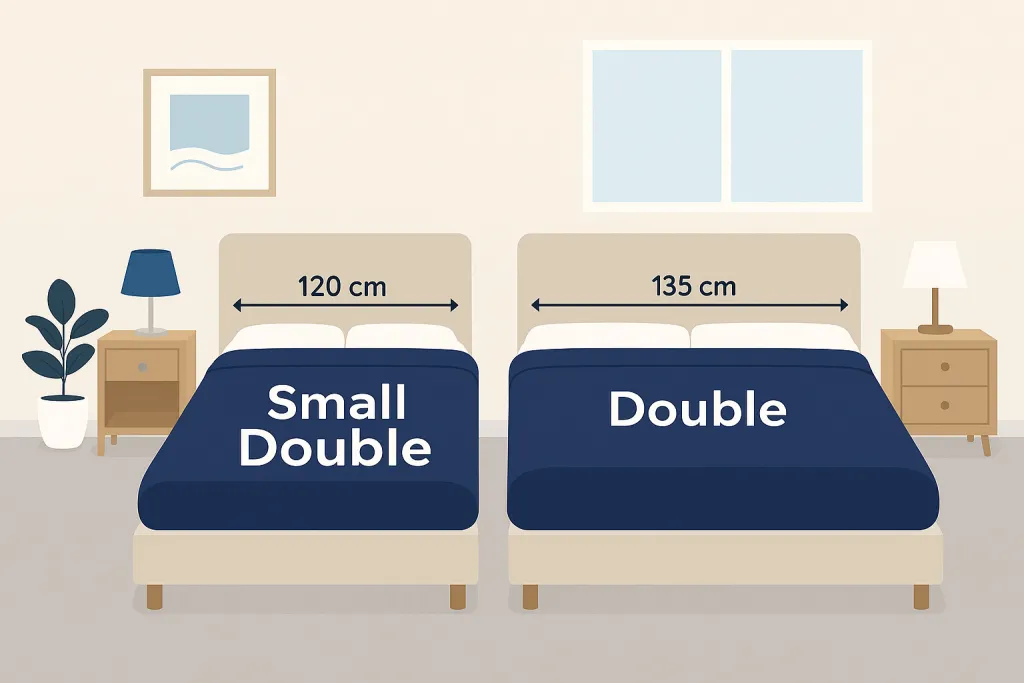
A small double is 120 cm wide.
That’s an extra 30 cm of space across — and yes, it makes a massive difference for a growing child who moves around at night.
Who Should Consider a Small Double Mattress?
Small double mattresses are ideal for:
Pre-teens and teenagers who need more room
Single adults who like extra comfort
Guest rooms or box rooms
Rooms where a full double would take up too much space
How Much Room Do You Need?
This was one of my biggest concerns. My son’s bedroom isn’t tiny, but it’s not huge either — just a standard room in our UK semi-detached.
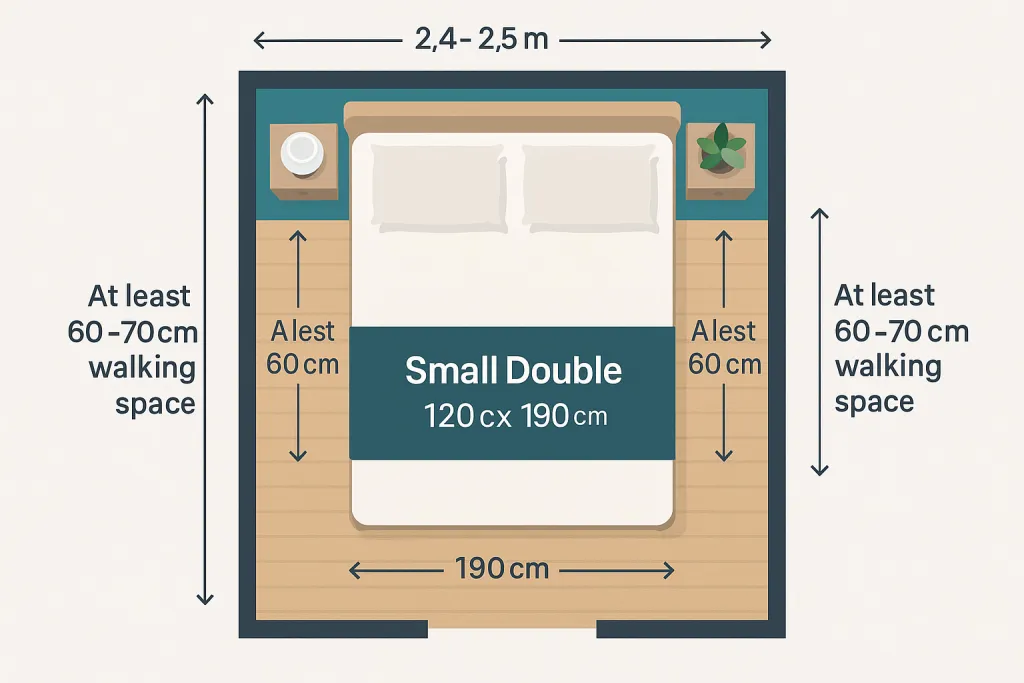
Ideally, you should leave at least 60–70 cm of walking space on each side of the bed. A small double bed frame usually measures about 130 cm wide, so a room at least 2.4–2.5 metres wide is ideal.
My son had been using a single mattress since he transitioned from his cot bed. It worked for years — but lately, he’s been waking up grumpy and visibly tired. And every morning, his arms or legs were hanging off the mattress.
I thought about getting a full double (135 cm wide), but it would have overwhelmed the space. That’s when I came across the small double. It was that sweet spot: enough space for him to stretch out, but still leaving room to walk around.
We went with one from Luxe Mattresses Queen size Collection, and honestly — it was a game-changer. He sleeps better, feels more refreshed, and I don’t have to rearrange the whole room to fit the bed!
Why Extra Sleeping Space Matters
According to the NHS Sleep Guide, good sleep improves focus, mental health, and physical development in children. More sleeping space means:
Fewer disruptions from hitting mattress edges
More freedom to change positions
Better sleep posture, leading to fewer aches and pains
Room to grow as your child ages
Quick Comparison Table
Feature
Single Mattress
Small Double (Queen)
Width
90 cm
120 cm
Length
190 cm
190 cm
Best For
Kids, Teens
Teens, Solo Adults, Guest Rooms
Space per Person
Limited
Generous
Recommended Room Size
2.1–2.3 m wide
2.4–2.6 m wide
Final Thoughts
If you’re considering upgrading from a single mattress and wondering if a small double is worth it, yes, it absolutely is. It’s more comfortable, offers more longevity, and doesn’t require a full-size bedroom to work well. From one mum to another, you’ll be glad you made the switch.
Need help choosing the right bed frame or bedding? Make sure your sizing matches by checking this UK bed size guide before you click ‘buy’.
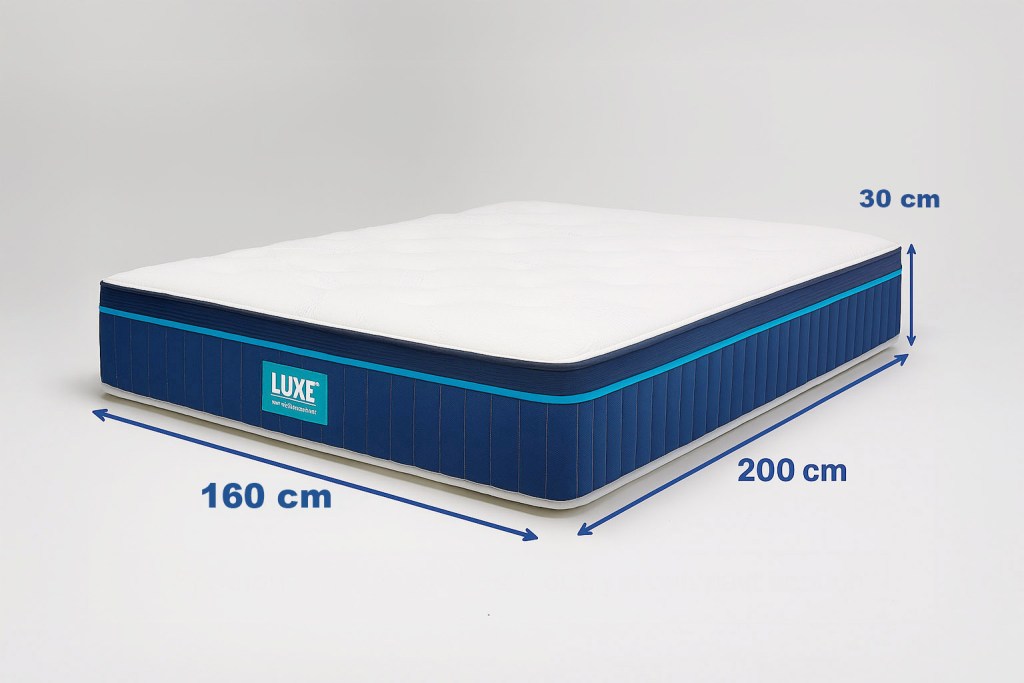
When it comes to improving your sleep, choosing the right mattress size is just as crucial as picking the right firmness or materials. Understanding the differences between Euro queen vs super king mattresses can help you decide which offers the ideal amount of sleeping space, significantly impacting how well you sleep and how your bedroom functions. According to the NHS, getting enough sleep each night helps the body repair itself, improves brain function, and reduces the risk of chronic conditions.
In the UK, two popular sizes for couples are the Euro Queen (often referred to simply as “Queenâ€) and the Super King. While both offer generous sleeping areas, their dimensions and suitability vary based on bedroom layout, sleep habits, and lifestyle needs. Choosing a mattress that’s too big for your room can make the space feel cramped and cluttered, something interior designers caution against. As Ideal Home explains, optimizing space and furniture placement is crucial in creating a serene, functional bedroom.
If you live in a modern flat or smaller UK home, the Euro Queen’s slightly smaller footprint could give you the space to include bedside tables or wardrobes without overcrowding. On the other hand, if you’re fortunate enough to have a spacious master bedroom, the Super King can elevate your comfort level and is ideal for co-sleepers or taller individuals. As noted by House Beautiful, investing in the right layout and mattress size can greatly enhance your sleep hygiene and bedroom aesthetics.
This article breaks down the key differences between the Euro Queen and Super King mattress sizes, offering practical advice to help you make the most informed and comfortable choice for your sleeping environment.
As you can see, the length is the same for both sizes. However, the Super King is 20 cm wider, which translates into an additional 10 cm of personal space per sleeper. While it may not sound like much on paper, this extra width can have a noticeable impact on comfort, especially if one or both partners move around a lot during the night.
3. Best For: Who Should Choose Which Size?
Euro Queen:
Ideal for medium-sized bedrooms.
Great for couples who enjoy a slightly snug sleeping arrangement.
Perfect for single sleepers who love extra space.
Super King:
Best suited for large master bedrooms.
Ideal for couples who prefer more personal sleeping space.
Perfect for families who co-sleep with kids or pets.
The Euro Queen offers a good balance between space efficiency and sleeping comfort, while the Super King is about indulgence and room to sprawl.
4. Room Layout & Space Considerations
A mattress is not just about sleeping, it affects the whole layout of your room. A Super King may offer the luxury of space, but if it takes up too much floor area, it can make your room feel cramped.
Before choosing, measure your room and consider:
Walking space around the bed
Access to wardrobes and drawers
Room aesthetics and airiness
A Euro Queen often fits more harmoniously into UK homes, especially in urban flats or older properties with smaller bedrooms.
5. Comfort and Sleep Quality
Both sizes offer exceptional comfort, but the Super King wins when it comes to minimizing sleep disturbances. With 180 cm width, there’s enough room to change positions, stretch out, and avoid elbowing your partner.
Still, the Euro Queen is a huge upgrade from the traditional UK Double (135 x 190 cm). For most couples, it provides enough space for restful sleep, especially if one or both partners are average in height and build.
6. Cost and Value Comparison
Super King:
More expensive due to larger size
Bedding and bed frames also cost more
Euro Queen:
More budget-friendly overall
Lower long-term costs for sheets, duvets, and accessories
If you’re budget-conscious or furnishing a guest room, the Euro Queen provides excellent value. But for a long-term investment in your primary bed, some may find the Super King’s comfort worth the premium.
7. Availability of Accessories and Bedding
One challenge of the Euro Queen in the UK is that it is not a universal size. You may need to look specifically for European-sized bedding and frames, although many online and high-street retailers now offer these.
The Super King, by contrast, is a standard UK size. You’ll find abundant options for everything from headboards to luxury bed linens.
8. Common Misunderstandings in the UK Mattress Market
A major point of confusion is the term “Queen size.â€
Small Double (120 x 190 cm)Â is sometimes mistakenly called Queen.
Euro Queen (160 x 200 cm)Â is larger than the UK King (150 x 200 cm).
This often leads to buying mismatched bed frames and mattresses. Always double-check dimensions and consider sticking to one standard (UK or Euro) across your bedroom setup.
9. Summary Table: Euro Queen vs UK Super King
Feature
Euro Queen (160 x 200 cm)
Super King (180 x 200 cm)
Width
160 cm
180 cm
Length
200 cm
200 cm
Best for
Medium rooms, couples
Large rooms, luxury sleep
Space per person
80 cm
90 cm
Ideal for
Urban homes, budget buyers
Tall individuals, co-sleepers
Bedding availability
Moderate
Widely available
Furniture compatibility
Euro-standard
UK-standard
10. Conclusion & Buying Tips
Choosing between a Euro Queen and Super King depends on your priorities. If you’re working with limited space or are budget-conscious, the Euro Queen is a strong contender. It gives you more width than a traditional double or UK king while keeping the footprint manageable.
If you have space and the budget, the Super King delivers a top-tier sleeping experience, perfect for anyone who wants the maximum amount of space without compromise.
Bonus Buying Tip:
Always check whether the mattress and bed frame follow UK or European sizing standards before making a purchase. Many shoppers unintentionally confuse mattress sizes because the term “Queen†is not officially used in the UK mattress industry—yet it’s widely thrown around by retailers, which creates confusion.
In UK sizing, a mattress referred to as a “Queenâ€Â is often actually a Small Double, measuring 120 cm x 190 cm. This size is ideal for solo sleepers who want extra space or for compact guest rooms, but it’s a tight fit for couples.
In contrast, a Euro Queen (also known as European Queen or Continental Queen) measures 160 cm x 200 cm. That’s 10 cm wider and 10 cm longer than the UK King (150 cm x 200 cm), making the Euro Queen significantly more spacious and better suited for couples looking for extra room.
Here’s a quick breakdown for clarity:
Term
Actual Size
Common Use
Notes
Small Double (UK “Queenâ€)
120 x 190 cm
Solo sleepers, tight spaces
Often misleadingly marketed as “Queenâ€
UK King
150 x 200 cm
Standard for UK couples
More common bedding & frames available
Euro Queen
160 x 200 cm
Couples, Euro-style beds
More width & length, but requires Euro-specific bed frames & bedding
Pro Tip:
If you’re buying a Euro Queen mattress, make sure the bed frame, fitted sheets, and duvet covers are also Euro-sized. Mixing UK and Euro dimensions will result in poor fit and discomfort. Check labels carefully, especially when shopping from online retailers or European brands selling in the UK market.
In the end, the right choice comes down to your space, sleep style, and whether you’re aiming for efficiency or indulgence.
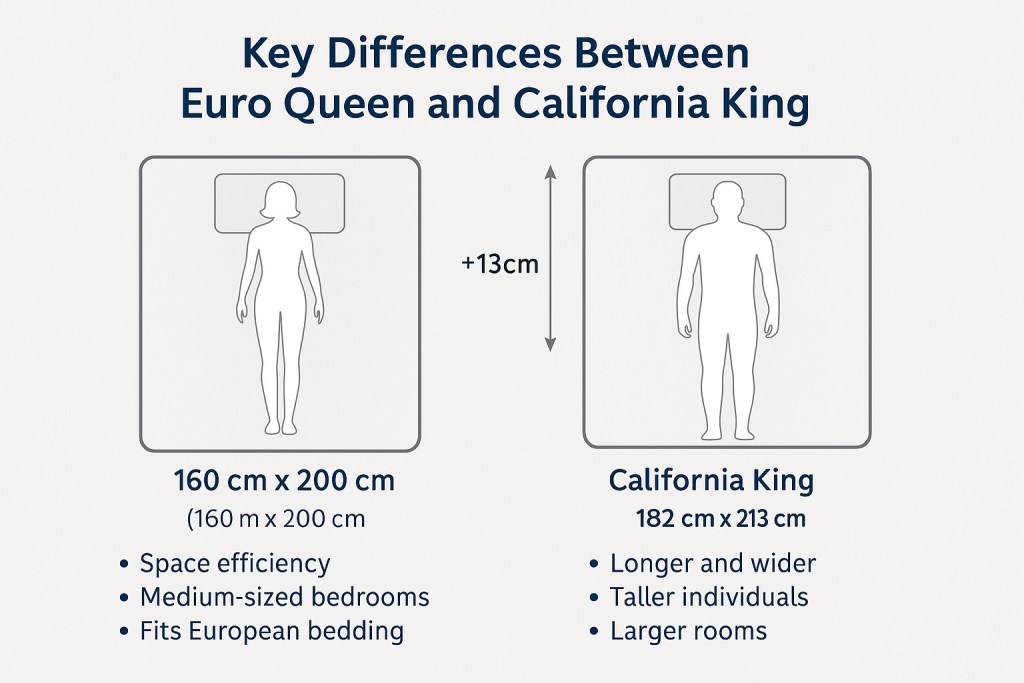
Choosing the right mattress size, such as a euro queen vs California king size mattress, is more than a matter of comfort; it affects how well you sleep and how functional your bedroom is. Two popular contenders for couples and spacious sleepers are the Euro Queen and the California King. While both offer plenty of room, the differences go beyond just the name. In fact, it’s more about how these beds are shaped rather than simply sized.
To give a quick sense of scale, the Euro Queen measures 160 x 200 cm (63 x 79 in), offering more width than the UK standard Queen (150 x 200 cm), aka King size mattress. The California King, a U.S.-based size, extends to 182 x 213 cm (72 x 84 in), making it one of the longest standard beds available. So, should you prioritise width or length? That depends on your space, height, and lifestyle.
2. Comparison Table: Euro Queen vs California King
Feature
Euro Queen
California King
Dimensions
160 x 200 cm (63†x 79â€)
182 x 213 cm (72†x 84â€)
Width
Narrower
Wider
Length
Shorter
Longer
Best For
Couples, medium-sized bedrooms
Tall individuals, large bedrooms
Space Requirement
Moderate
High
3. Key Differences Between Euro Queen and California King
Dimensions & Layout Considerations
The Euro Queen (160 cm x 200 cm) strikes a balance between compact design and couple-friendly comfort. It fits neatly into most UK and European rooms and pairs easily with commonly available bedding.
Euro Queen size mattress
In contrast, the California King (182 cm x 213 cm) excels in luxury and length. Ideal for taller individuals or those who sleep sprawled out, it requires a more spacious room. The extra width and length make a significant difference for active sleepers or families sharing the bed with pets or children.
Fitting Your Room
A Euro Queen is easier to accommodate in urban flats or period homes with smaller master bedrooms. California Kings are best for modern builds or larger homes where floor space is ample. Always leave at least 60 cm clearance around the bed to avoid cramped walkways.
4. Pros & Cons of Each Size
Euro Queen Pros:
Ideal for couples with limited bedroom space
Easier to find bedding and bed frames in the UK/EU
Less expensive than California King
Easier to manoeuvre during setup or house moves
Euro Queen Cons:
May feel cramped for larger or restless sleepers
Shorter length may not suit very tall individuals
California King Pros:
Perfect for tall people or those who need extra legroom
Generous space for couples and co-sleeping
Adds a luxurious, spacious feel to large bedrooms
California King Cons:
Requires a large room (minimum 14 m² recommended)
Harder to find compatible bedding in the UK
More expensive and difficult to transport
5. Room Layout & Furniture Planning
When planning your bedroom, mattress size affects furniture placement, pathways, and overall comfort. A Euro Queen can often accommodate bedside tables, wardrobes, and a desk or dresser in a 10-12 m² room. California King requires more planning, you may need to compromise on additional furniture or storage.
If you or your partner are tall, frequently switch positions, or value personal space while sleeping, the California King offers a clear advantage. However, if both sleepers are average height and prefer a cosy, compact setup, the Euro Queen is plenty sufficient.
Also consider whether pets or children frequently share your bed. California King provides extra space for everyone.
7. Bedding & Accessory Availability
In the UK and EU, Euro Queen mattresses have widespread bedding options available at high street and online retailers. Duvets, sheets, and mattress protectors are all readily accessible.
The California King, while popular in the U.S., has limited bedding availability in the UK. You may need to order online or buy custom-sized linens, which can increase long-term cost.
8. Cost & Availability in the UK/EU Market
Euro Queen mattresses and frames are widely available from most UK and European manufacturers. The size is also more budget-friendly, both in upfront cost and accessory maintenance.
California King mattresses are less commonly stocked and often have to be special-ordered. Expect to pay more for both the mattress and its accessories.
9. Final Comparison Table (Summary)
Mattress Size
Dimensions (cm)
Best For
Small Single
75 x 190 cm
Toddlers, younger children, compact guest rooms
Single
90 x 190 cm
Children, teens, single adults, box rooms
Small Double
120 x 190 cm
Solo sleepers who like extra space, tight doubles
Double
135 x 190 cm
Couples (on a budget or with limited space)
King
150 x 200 cm
Couples, master bedrooms
Super King
180 x 200 cm
Maximum space, luxury bedrooms
10. Conclusion & Buying Tips
When it comes to choosing between a Euro Queen and a California King, the decision ultimately hinges on your personal priorities, practicality vs. luxury mattress, and room size vs. sleep space.
The Euro Queen (160 cm x 200 cm) strikes an ideal balance for couples or solo sleepers who want a spacious bed without overwhelming their room. It fits well in medium-sized bedrooms, especially in UK or European homes, where space is at a premium and European furniture sizing is the norm. It’s also worth noting that despite being called a “queen,†the Euro Queen is actually larger than the standard UK King (150 x 200 cm), offering more room without the bulk of a super king or California King.
On the flip side, the California King (182 cm x 213 cm) is all about indulgence. Designed with taller individuals in mind, this bed offers extra legroom and width. It’s best suited for large master bedrooms, where space isn’t a constraint. Couples who co-sleep with children or pets also find the generous dimensions of the California King highly accommodating.
Understanding UK Mattress Size Confusion
A common source of confusion in the UK mattress market is the term “Queen size.†While it might sound like a mid-tier size between a double and king, the reality is more nuanced:
The Euro Queen (160 x 200 cm), on the other hand, is far more generous, 10 cm wider than a UK King. This makes it a favorite among those who want more personal space but still need to fit within tighter room dimensions compared to a Super King or California King.
Final Buying Tips:
Measure your room before choosing your bed. Don’t just focus on the mattress, consider clearance for furniture, walking space, and access to wardrobes or doors.
Factor in bedding availability. Euro Queen sheets and duvets may be easier to find in European stores, while California King accessories are more common in US imports.
Plan for future needs. If you’re planning to move or expand your family, choosing a size with future flexibility can save you money down the line.
Bottom line: Go for a Euro Queen if you’re space-aware and prefer European sizing. Choose a California King if you’re after ultimate luxury, sleep with kids or pets, or simply want more stretch-out room. Don’t be fooled by naming, always check the exact dimensions before you buy.
Buying Tips:
Measure your room first, factoring in doorways and other furniture.
Think long-term, will you move soon? Will your needs change?
Don’t forget about the cost and availability of bedding.
Always test the mattress if possible, or buy with a trial period.
Both options provide excellent sleep support, but choosing the right one ensures your bedroom is both a retreat and a functional living space.
You know how to select the best mattress according to your body shape, weight and other factors. You brought the mattress home but it did not fit in the bed. Are you wondering about the right UK mattress size guide? Did you know what the exact dimensions are of a king-size mattress in the UK? Well, selecting the right size of mattress is as important as choosing the right type of mattress.
Buying a new mattress or bed is an expensive decision. You need to get every little detail right from the very start. The initial step is to determine the exact mattress size required to accommodate you and your partner. Is a queen-size mattress good enough for you two? Is the super king bed too large for your space? The next sections have the answers to all these questions.
UK Mattress Size Guide
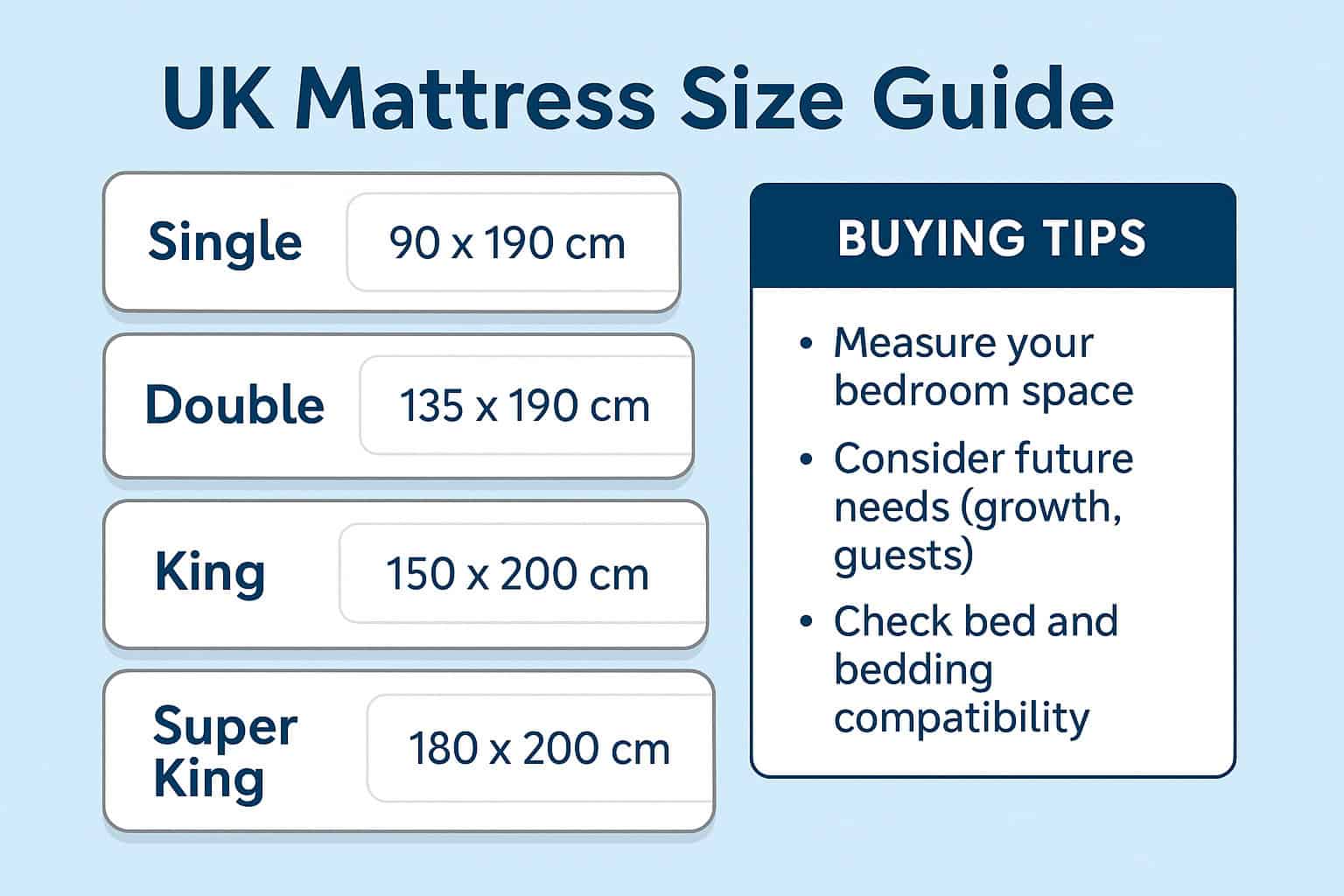
At Luxe Mattresses UK, we don’t just sell mattresses and beds, we promote peaceful sleep and comfortable experiences. For a smoother shopping experience, every customer must know the right bed sizes UK. Here is the simplest UK mattress size guide chart that will help you make the right purchase at Luxe Mattresses UK:
These sizes for UK mattresses are almost the same for all mattress brands in the UK. Before buying a new mattress, make sure to measure the available space in your room and your bed dimensions. Exact measurements will help you avoid any returns or extra shipping charges. If you don’t have any idea about which mattress size is suitable for your bed or space, contact customer support at Luxe Mattresses UK.
How to Choose the Right Mattress Size?
Every product displayed at Luxe Mattresses UK has clearly mentioned size options in the size chart. But most customers don’t know which mattress size is suitable for their needs. Here are some practical tips that can help you choose the right mattress size.
1. Measure Space in your Bedroom
There is no hard and fast rule but it is advised to leave 60cm of space around your bed for easy movement in the room. Start with measuring the size of your room. A super king bed may not fit inside a small room. If a queen-size mattress can accommodate you, there is no need to get a bigger bed.
2. Who will use the Bed?
In a home, different people will use beds and mattresses. Different mattress sizes are available for different sleepers. Here is the right way to determine the mattress size based on the person sleeping on it:
Couples: a queen-size mattress is the bare minimum for couples. King or super king mattresses might also be comfortable if your kids or pet sleep with you.
Solo sleepers or teenagers: a small double bed will not take up too much space in your room and you still have space to stretch around.
Children: Single or small single mattress is good enough for kids
3. Consider Future Needs
If you are planning for a long term, buy a mattress that can be used for years. Kids grow quickly and buying a toddler bed will require a new bigger mattress pretty soon. Other lifestyle changes should also be considered.
Tips for Buying the Best Mattress
Are you ready to spend some time reading a few detailed reviews and mattress-buying tips? There are new technologies and mattress types that you may not be aware of. Here are a few practical tips that can help you find the best mattress for peaceful sleep every night.
1. Buy from a Trusted Brand Only
In the UK, there are only a few brands that are known to offer the best mattresses, specially engineered for British consumers. Luxe Mattresses UK is among those brands that understand the demands of local clientele. Buying from a trusted brand not only gives you peace of mind but you also get to choose from a wide range of mattresses.
2. Read Reviews of Test It.
Buying from a physical store does not offer any specific benefit these days. Users like to purchase online. You can try the real-time comfort and support of mattresses in-store but for online shopping, mattress descriptions or online reviews can be quite helpful. Go through a few reviews and clients’ feedback to identify the pros and cons of the mattress.
3. Check for Bed Base Compatibility
Not all mattresses suit all bed bases. Some bases may slightly alter the effective size due to headboards or side rails. Double-check compatibility to avoid mattress overhangs or gaps.
Final Words
Buying a mattress is not and trial method, you have to define your needs, size requirements and other needs before starting the shopping spree.
One more thing, buying the right mattress is not just about accurate size, it is about finding the balance between support and comfort, durability and price, and firmness and comfortable surface to sleep on. Don’t forget to check the size chart if you are unsure about the dimensions of any mattress available at the official Luxe Mattresses UK website.
FAQs
Are mattress and bed sizes the same all over the world?
No, UK mattress sizes are different from EU and US sizes. Usually, mattresses have the same dimensions in the UK but depending on the origin, these sizes may be different for every country or brand.
Is a queen bed comfortable for a couple with a kid?
If a kid sleeps with you, king-size is a better choice. The queen bed is suitable for two sleepers only. Couples with kids need a king-size or super king-size bed.
What is the average depth of a UK mattress?
Most mattresses in the UK have an average height of 9-12 inches. So, the average depth of mattresses in the UK is said to be 10 inches.
The right mattress is key to getting a good night’s sleep, but selecting the right size is just as important. In the UK, room sizes vary greatly, and a mattress that fits your space properly can make a huge difference in how comfortable and functional your room feels. A mattress that’s too large can overwhelm a small space, while one that’s too small might not provide enough comfort. This guide will help you understand how mattress size impacts both sleep quality and room layout,an ensuring that you make the best choice for your home and lifestyle. Let’s explore how to find the perfect fit for your needs. click here to read the standard Uk mattress sizes.
Why Mattress Size Matters More Than You Think
When it comes to choosing a mattress, the size is not just about how much space you have to stretch out while you sleep. It plays a bigger role than that as it directly impacts the overall feel and function of your room. The right mattress size can make your bedroom feel comfortable, spacious, and easy to move around in. But the wrong size? It can lead to a cramped, cluttered room that feels uncomfortable, no matter how soft your bed may be.
A mattress that’s too large for your space can dominate the room, making it harder to navigate. If you have limited space, like in smaller flats or bedrooms, a large mattress can make the room feel even smaller. It could leave you with less room for furniture, and it might even block access to windows or wardrobes, affecting the overall flow of the room.
On the other hand, choosing a mattress that’s too small for your needs can cause you to toss and turn during the night. If you are cramped for space on a too-small bed, it can disrupt your sleep and lead to discomfort, such as back pain or neck stiffness. The wrong size can leave you with an unbalanced and restless night, no matter how well it fits into your room.
For example, if you live in a Victorian terrace house or a compact London flat with tight corners and built-in wardrobes, it is tempting to choose a large mattress, like a Super King, to get that extra space. But once it’s in the room, it might be harder to move around, and it could take up so much space that it makes the room feel cramped. You will find yourself squeezing past the bed just to get to the other side of the room, and it might make the space feel even smaller than it really is.
Other Reason to Choose Right Size Mattress
Choosing the right mattress size is not just about comfort, it’s also about practicality. A mattress that’s the right size for your room not only improves your sleep but also enhances the overall usability of the space. When you choose wisely, your room will feel more balanced, and it will be easier to get around. You won’t have to worry about bumping into the bed or feeling like the room is too cluttered. So, while comfort is key when selecting a mattress, practicality should also play an important role in your decision-making process.
Your mattress size has a significant effect on both your sleep quality and the functionality of your room. By taking both comfort and room size into account, you will be able to choose the perfect mattress that not only provides a better night’s sleep but also makes your space feel more comfortable and easy to navigate. So, before you make that decision, think about how your mattress will fit into your room—and make sure it complements both your sleep needs and your living space.
Quick Overview: UK Standard Mattress Sizes
Here’s a helpful breakdown of all standard UK mattress sizes with their typical use cases. Note: UK mattress sizes are different from European and American ones—always double-check the dimensions.
Mattress Size
Dimensions (cm)
Best For
Small Single
75 x 190 cm
Toddlers, younger children, compact guest rooms
Single
90 x 190 cm
Children, teens, single adults, box rooms
Small Double
120 x 190 cm
Solo sleepers who like extra space, tight doubles
Double
135 x 190 cm
Couples (on a budget or with limited space)
King
150 x 200 cm
Couples, master bedrooms
Super King
180 x 200 cm
Maximum space, luxury bedrooms
At Luxe Mattresses, these sizes are available across their collections, including memory foam, pocket-sprung, and hybrid mattresses—so you can match the size with the correct type of comfort.
How to Match Mattress Size with Room Dimensions
Getting the right mattress size for your room is not just about the mattress fitting within the walls. You need to consider walkways, furniture placement, door swings, and even natural light flow.
Small Rooms (under 3m x 3m)
Recommended Sizes: Small Single or Single
Ideal For: Children’s bedrooms, guest rooms, and converted lofts
Why it Works: These sizes leave enough room for essentials like a wardrobe, a bedside table, or a compact study desk. They are especially suitable for smaller modern flats or period homes with awkward angles.
Medium Rooms (approx. 3m x 3.5m)
Recommended Sizes: Small, Double, or Double
Ideal For: Solo adults, couples in starter homes or rentals
Why it Works: Offers a balance between sleeping space and room usability. You can comfortably fit in bedside tables, a dresser, and even a chair or ottoman.
Large Rooms (above 4m x 4m)
Recommended Sizes: King or Super King
Ideal For: Master bedrooms, family homes, or luxury apartments
Why it Works: You can enjoy a hotel-like sleeping experience without sacrificing floor space. Great if you co-sleep with children or pets occasionally.
General Rule:
Always maintain at least 60-75 cm of clearance on all accessible sides of the bed to allow for easy movement and cleaning.
Comfort Considerations Beyond Room Size
Choosing the right size is not just about space. It’s about you. Your height, weight, sleeping style, and even your health conditions can influence what size mattress you need.
Height and Legroom
If you are over 6 feet tall, a mattress that’s 190 cm long (like a Double) might leave your feet dangling. A King or Super King (200 cm long) gives you that extra room to sleep without curling up.
Sleeping Positions and Space Needs
Side Sleepers: Need more room to move. A Double or Small Double is ideal for solo sleepers.
Back or Stomach Sleepers: Require less side-to-side space; a Single or Small Double can suffice.
Restless Sleepers: If you or your partner toss and turn, opt for wider options like a King or Super King to avoid sleep disruptions.
Health Considerations
People with back pain benefit from mattresses with zoned support and enough space to sleep in a neutral spine position.
Anxiety or claustrophobia? More room in bed can ease subconscious tension and improve sleep quality, as noted by organizations like Mind.org.uk.
Exceptional Cases: Guest Rooms, Kids’ Rooms, and Shared Spaces
Each room in your home serves a different purpose. Your child’s room will have very different space and comfort needs compared to a guest room or shared rental.
1. Guest Rooms
Best Size: Small Double or Double
Why: Offers comfort for one and can accommodate two if needed. Pair with Luxe Mattresses’ comfort-enhancing toppers for a luxe guest experience.
2. Children’s Bedrooms
Best Size: Small Single or Single
Why: Optimises space for play and storage. It is also suitable for bunk beds or trundle beds for sleepovers.
Bonus Tip: Choose a mattress with breathable layers and antimicrobial covers—great for growing kids.
3. Shared Rentals or Student Rooms
Best Size: Small Double
Why: It’s compact yet comfortable. Perfect for those working with limited room but still want decent sleep quality.
Common Mistakes to Avoid When Choosing Mattress Size
Buying Too Big
We have all been tempted by the luxurious King or Super King. But if it consumes your entire room and makes it hard to open drawers or walk around the bed, the regret sets in quickly.
Ignoring Bed Frame Bulk
Some bed frames, especially sleigh beds or those with thick padding, add significant width and length to your setup. Always factor in the external dimensions of the frame.
Not Measuring Your Home’s Access Points
This is a big one in the UK, where staircases and hallways are often narrow. If your mattress won’t fit through the stairs or door, consider a zip-and-link mattress or flexible foam model.
Forgetting About Storage
If you are in a flat or a new-build with limited closet space, consider an ottoman bed or divan base with storage drawers, these work best with standard-sized mattresses, all of which LuxeMattresses support.
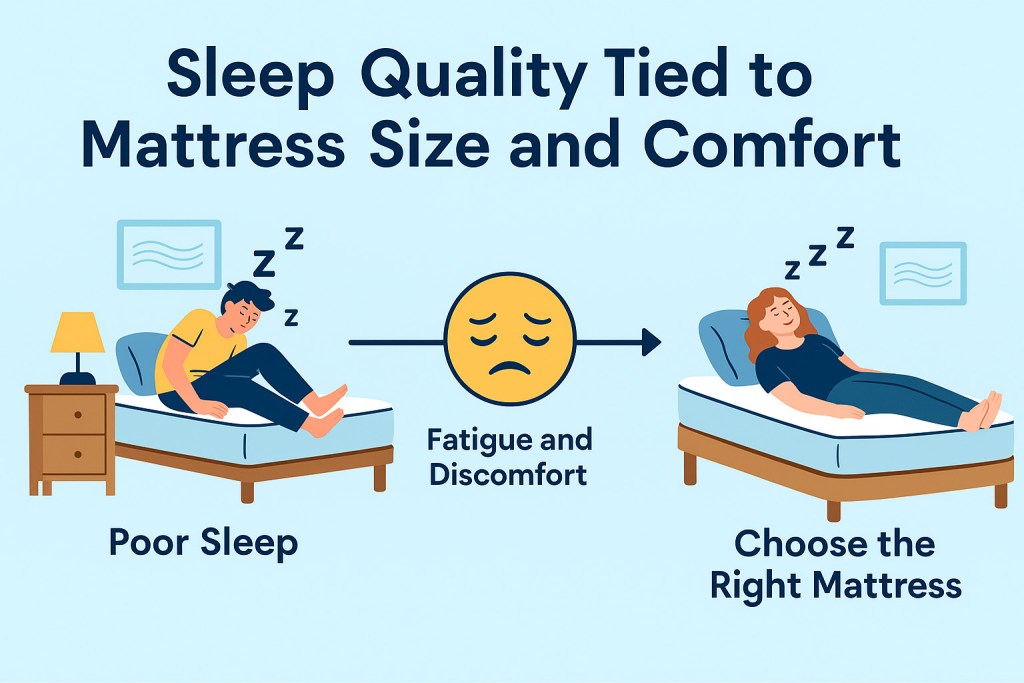
Sleep Quality Tied to Mattress Size and Comfort
Sleep experts, including those from the NHS and various sleep health organizations, agree on one important fact: both the size and the material of your mattress play a crucial role in how well you sleep. The wrong mattress size or type can lead to a restless night, affecting both the quality of your sleep and your physical health.
If your mattress is too small for your body, you may find yourself tossing and turning throughout the night, unable to find a comfortable position. A mattress that is too soft for your body type can also cause discomfort, especially when it fails to support your spine properly. This lack of support can disrupt your REM (Rapid Eye Movement) sleep cycle, which is the stage of sleep responsible for helping your body and mind regenerate. Without enough deep REM sleep, you will likely feel fatigued and unrested the next day, which can affect your focus, mood, and overall health.
It is essential to choose a mattress that not only fits your body size but also offers the right level of comfort and support. A mattress that is too firm or too soft for your body type can lead to aches and pains, while a mattress that’s the perfect size and comfort level can promote deep, restorative sleep.
Why Luxe Mattresses Stands Out
Luxe Mattresses offers a range of mattresses designed with sleep quality in mind, making sure you get the rest you deserve. Here’s what makes them stand out:
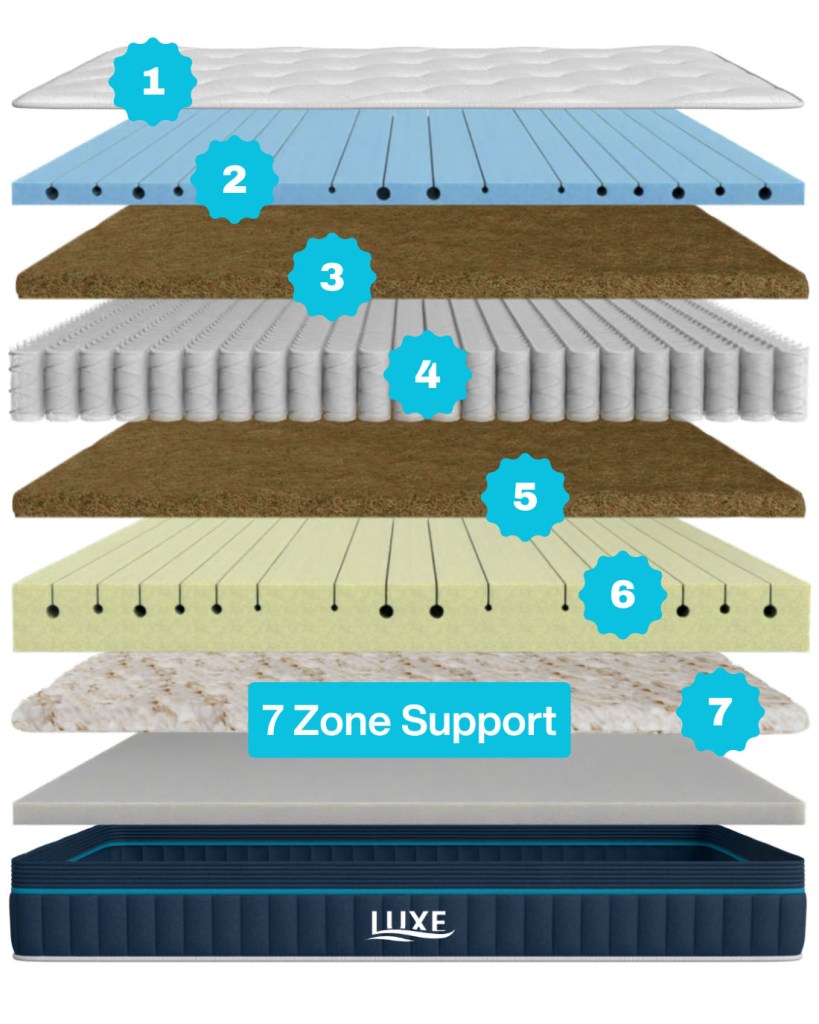
Zoned Support Systems: Luxe Mattresses’ zoned support helps evenly distribute your body weight across the mattress. This prevents pressure points and ensures that your spine remains properly aligned during sleep, reducing the risk of discomfort and pain.
Cooling Gel Memory Foam: Their mattresses feature cooling gel memory foam that helps regulate your body temperature throughout the night. Whether you tend to get too hot or too cold during sleep, the cooling gel keeps you comfortable, ensuring that your sleep is uninterrupted by temperature changes.
Motion Isolation in Hybrid Mattresses: For couples, motion isolation is a game-changer. Luxe Mattresses’ hybrid mattresses reduce partner disturbances, so you won’t be woken up every time your partner moves. This feature ensures that both sleepers enjoy uninterrupted rest.
Conclusion
Choosing the right mattress size is not just a numbers game. It is a lifestyle choice. It’s about your space, your comfort, your sleep quality, and your day-to-day functionality. Before buying, measure your space, consider your body’s needs, and think ahead. Do not just imagine the mattress in your room—visualize how you will live around it. When in doubt, Luxe Mattresses’ UK-based customer support team can walk you through size selection and offer tips based on real-life UK housing scenarios.
UK Mattress Size and Room Fit-FAQs
Can I put a King mattress in a 3m x 3m room?
Technically, yes, but it will feel cramped. You may struggle with bedside table placement and access to wardrobes. A Double is likely the better choice.
What’s the most popular mattress size in the UK?
The Double (135 x 190 cm) is the most commonly purchased. It’s a go-to for couples who want comfort without eating up room space.
What mattress size is best for growing children?
A Single offers enough room for growth while preserving bedroom floor space for activities, desks, and storage.
Do I need a special bed frame for Luxe Mattresses?
No special frame is needed. As long as your bed matches UK standard sizes, Luxe Mattresses will fit snugly.
What if my room is oddly shaped?
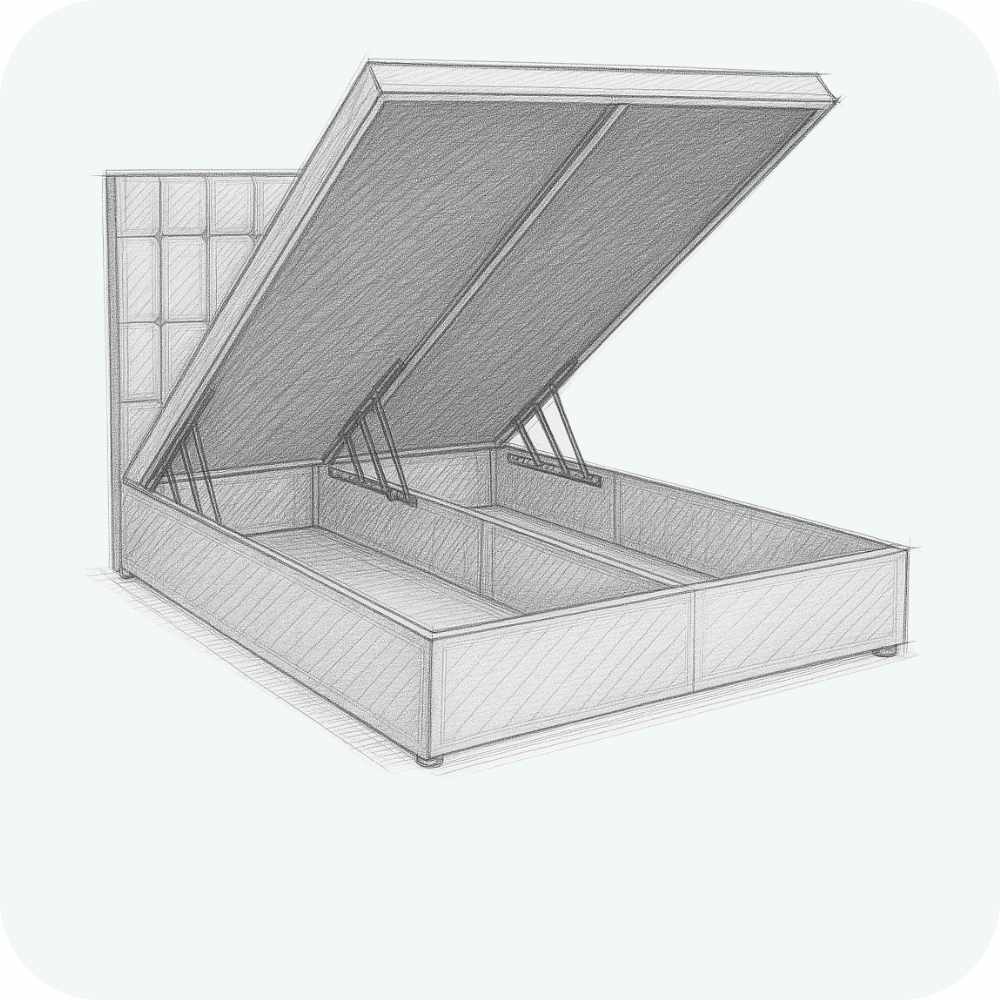
Measure thoroughly. In tight spaces, consider a Small Double or custom storage beds. Beds with a vertical lift can free up storage without widening your layout.
Can mattress size affect sleep quality?
Absolutely. If your mattress is too narrow or short, you may sleep in awkward positions, leading to back, neck, or shoulder discomfort.
Do Luxe Mattresses offer all sizes?
Yes. Most of their collections come in Small Single through to Super King. Always check product pages for specific size availability.
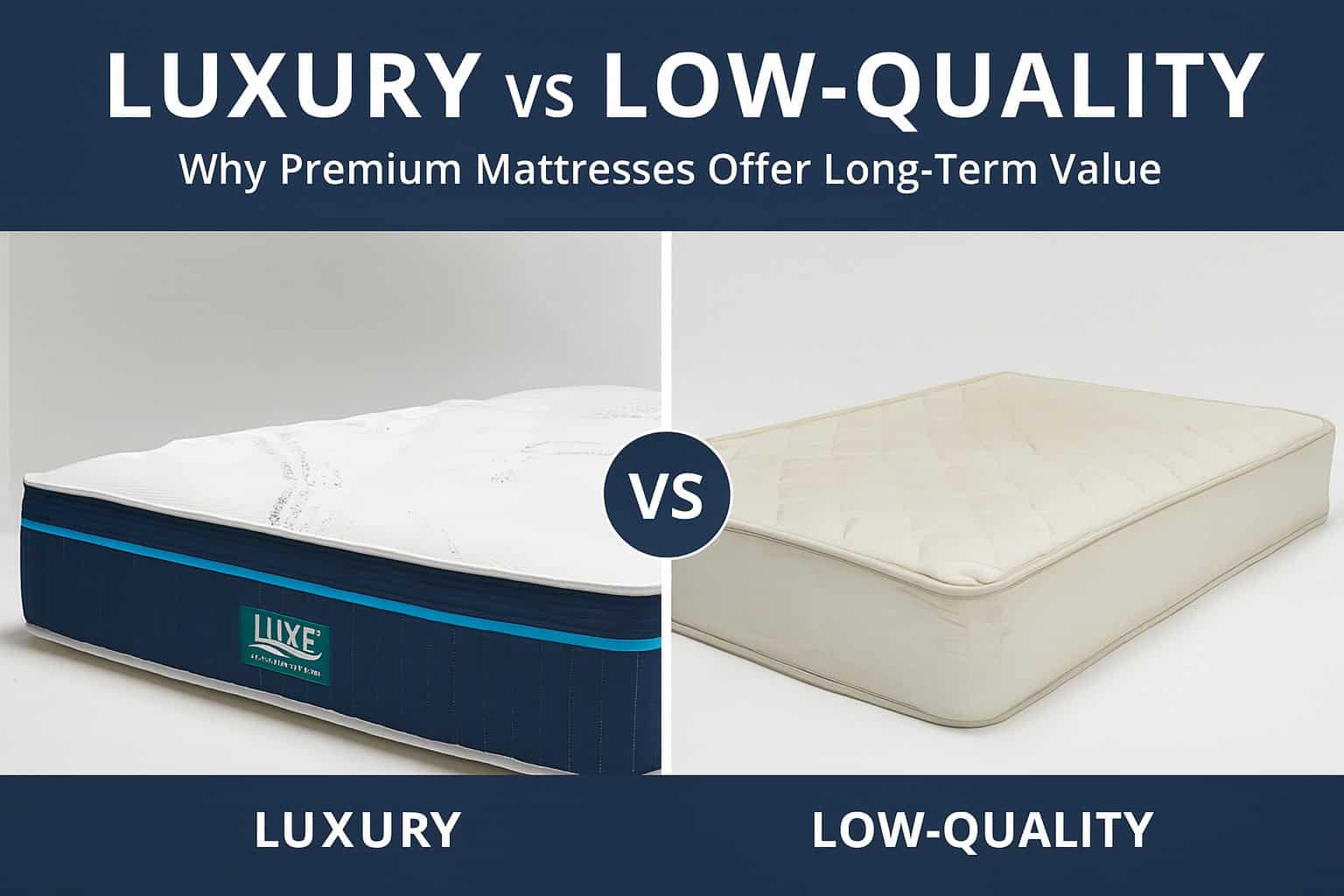
When it comes to mattresses, the price tag can often feel like the ultimate decider. But let’s get real for a moment; does spending more genuinely translate to sleeping better and long-term satisfaction? The short answer is yes. In this piece, we are diving deep into why premium mattresses do not just feel luxurious. They are a practical, long-lasting investment in your health and well-being. Catch Luxury vs Low-Quality: Why Premium Mattresses Offer Long-Term Value.
The Real Difference Between Premium and Budget Mattresses
At first glance, a mattress may just seem like a large rectangle that you lie on to sleep. But comparing it to a car is a better way to think about it. A car has four wheels and a seat, yes, but it is the engine, design, and features that make it perform well. Similarly, what’s inside a mattress and how it is constructed truly impacts your comfort and quality of sleep.
Feature
Budget Mattress
Premium Mattress
Material Quality
Basic foam, Bonnell springs, synthetic fabric
High-density foam, pocket coils, organic or breathable materials
Support & Durability
Short lifespan, prone to sagging
Long-lasting support, resists sagging
Comfort & Feel
Basic comfort, less responsive
Tailored contouring, plush to firm options
Temperature Regulation
Often retains heat
Cooling gel, airflow channels, natural latex
Motion Isolation
Low to moderate
Excellent – ideal for couples
Edge Support
Weak or no reinforcement
Strong edge foam or coil encasement
Smart Features
None
Optional: Sleep tracking, adjustability
Warranty & Trial
Short warranty, limited or no trial
Extended warranty (10+ yrs), 100+ night trial
Best For
Temporary use, guest rooms, tight budgets
Long-term use, health-focused buyers
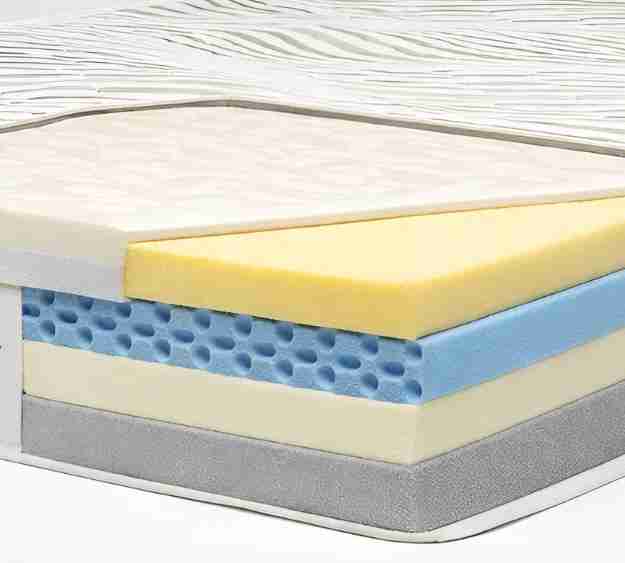
Budget mattresses often use cheaper materials such as low-quality foams, springs, or fabrics. They may feel okay when you first purchase them, but over time, the support they offer tends to collapse, leaving you with less comfort and more discomfort. On the other hand, premium mattresses, such as those offered by Luxe Mattresses, are made with higher-quality materials and precise craftsmanship. These mattresses often feature multi-layered memory foam, hybrid support systems, breathable fabrics, and advanced features like temperature control and zoned support, all designed to adjust to your body’s unique needs.
Your Spine Deserves Better Support
If you wake up with back pain, neck stiffness, or that groggy, irritated feeling, it might not just be stress or too much screen time. It could very well be your mattress. Low-end mattresses typically do not offer the ergonomic support needed for proper alignment during sleep. Without adequate support, your spine can fall out of alignment, causing discomfort and potentially worsening any existing back or neck issues.
A premium mattress, however, offers much-needed relief. It provides comfort and support that allows your spine to remain aligned throughout the night. Premium mattresses often feature zoned support, with firmer materials placed under your hips and lower back, while softer zones cushion your shoulders. This targeted support keeps your spine in a neutral position while you sleep, reducing the risk of musculoskeletal problems. According to advice from the POSM, maintaining a neutral spine position during sleep is key to reducing long-term back and neck pain.
Durability That Actually Saves You Money
It is easy to be tempted by the low price tag of a budget mattress. However, cheap mattresses can quickly lose their support. If your mattress starts sagging after just two years and you have to replace it, you will quickly find that the cost of constantly replacing low-end mattresses adds up. Within a few years, you may end up spending more money than if you had just invested in a premium mattress in the first place.
Premium mattresses, on the other hand, are designed to last much longer, usually 8–10 years or even more. These mattresses are built with high-quality materials that maintain their comfort and support over time. While the initial cost of a premium mattress may seem higher, you end up saving money in the long run because you won’t have to replace it as often. Plus, investing in a premium mattress provides peace of mind. Many premium mattresses come with warranties lasting 10 years, and some even offer up to 15 years of coverage. In contrast, with a budget mattress, you are lucky if you get a warranty that lasts 5 years.
Sleep Quality Is not a Luxury, It’s a Necessity
Sleep impacts every aspect of our well-being. It affects our mental health, immune system, digestion, and even how our skin heals overnight. Without good sleep, we can experience a decline in overall health, both physically and mentally. According to Mind.org.uk, poor sleep is closely linked to higher stress levels and symptoms of anxiety and depression. It is clear that sleep is not a luxury but a necessity.
our luxury mattresses are designed with sleep-enhancing features that support healthier rest. Many of these mattresses include technologies such as motion isolation (perfect for couples), hypoallergenic fabrics, and temperature regulation to prevent night sweats. These are not just marketing gimmicks; they are scientifically-backed solutions to common sleep problems. By investing in a premium mattress, you are ensuring that your body gets the support it needs to rest deeply and wake up feeling refreshed.
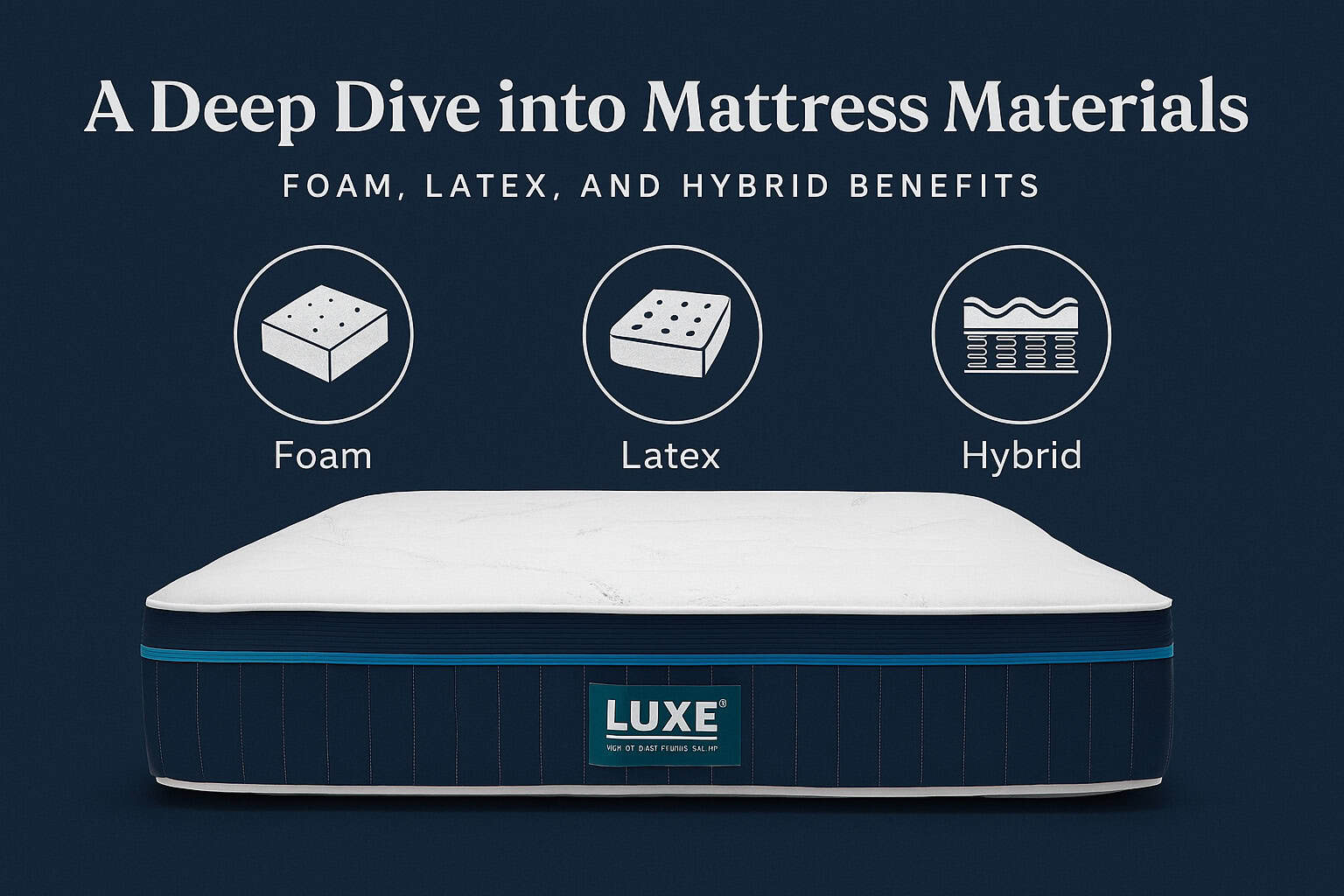
Materials Matter: Foam, Latex, and Hybrid Considerations
Using premium materials in your mattress play a major role in determining how well you sleep and how your body feels when you wake up. Low-quality mattresses often use cheaper foams that can off-gas harmful chemicals. This creates that unpleasant “new mattress†smell when you first unpack it, which is not great for your respiratory health.
Premium memory foams, such as those used by Luxe Mattresses, are CertiPUR certified. This certification ensures that the foam is not only safer to use but also more breathable and long-lasting. Natural latex, often found in luxury mattresses, offers durability, comfort, and resistance to mold and dust mites. Premium brands also avoid using toxic chemicals like flame retardants, formaldehyde, and phthalates, which means you are literally sleeping cleaner. This makes a big difference for your health, especially if you have allergies or sensitive skin.
Temperature Control and Zoned Comfort: Worth the Price
If you wake up in the middle of the night either drenched in sweat or freezing cold, your mattress could be the culprit. Budget mattresses often trap heat because they use low-quality foam and dense synthetic fibers. This can make it difficult to maintain the ideal sleeping temperature throughout the night.
Luxury mattresses, however, feature advanced materials such as phase-change fabrics, breathable mesh sides, or gel-infused layers that naturally regulate temperature. These materials help keep you at a comfortable temperature, whether you are prone to overheating or getting too cold during sleep. Additionally, premium mattresses often include zoned comfort technology, which allows for personalized support across different areas of your body. This makes your sleep feel more restorative, even if you only get six hours of rest. Zoned comfort ensures that your spine is aligned and that your pressure points are properly supported, providing a deeper and more restful night’s sleep.
The Psychological Factor: Peace of Mind
Here’s an aspect of mattresses that is often overlooked: the psychological impact of sleeping on a luxury mattress. It is more than just a place to sleep, it’s a significant part of your daily routine, affecting how you feel both physically and mentally. Knowing that you are lying on a high-quality mattress that has been thoughtfully designed for your well-being brings a sense of comfort and peace. This feeling of satisfaction enhances your overall sleep quality.
When you invest in a Luxe Mattresses product, you are not just purchasing foam and springs. You are investing in better sleep routines, a calmer, more restful night, and waking up feeling refreshed and ready to take on the day. This sense of mental satisfaction goes a long way in improving your overall sleep experience, and it shows in the way you feel when you wake up.
Eco-Friendliness and Ethical Production
When it comes to cheaper mattresses, there are hidden costs that go beyond just the price tag. Many low-cost mattresses are mass-produced in factories that overlook sustainability and ethical production practices. They often use synthetic materials that off-gas harmful chemicals, which can negatively affect both the environment and your health. Additionally, unethical labor practices can be common in low-cost mattress production, with workers facing poor conditions.
In contrast, premium mattress brands, such as Luxe Mattresses, prioritize ethical sourcing, sustainable materials, and recyclable components. These brands are committed to reducing their carbon footprint by using eco-conscious production processes. Luxe Mattresses integrates sustainability into every step of the design and production process, ensuring that your purchase has a minimal environmental impact while still providing you with the highest quality sleep.
By choosing a premium, eco-friendly mattress, you are not only investing in your health and comfort but also supporting a brand that values ethical production and sustainability. This sense of responsibility and awareness can give you peace of mind, knowing that your choice is contributing to a better, cleaner planet.
Longevity vs. False Economy
You may have heard the term “false economy” before. It refers to the idea of saving money in the short term, only to end up spending more in the long run. Cheap mattresses often fall into this category. While they may seem like an affordable option initially, they tend to break down quickly. Low-cost mattresses are more prone to issues like sagging, uneven wear, noisy springs, and allergic reactions caused by low-quality materials.
In contrast, premium mattresses are built to last. They are rigorously tested for durability and retain their shape, comfort, and hygiene standards for many years. With a high-quality mattress, you won’t have to worry about replacing it every few years. Instead of spending money on multiple low-quality mattresses, investing in a premium mattress ensures that you will have long-lasting comfort and value. The savings from avoiding constant replacements will add up over time, making the premium investment a wise decision.
How to Tell If You Need an Upgrade
If you are unsure whether your current mattress is providing the comfort and support you need, ask yourself a few key questions:
Do you wake up with aches or pains in your back, neck, or joints?
Can you feel coils or lumps through the surface of your mattress?
Is your mattress more than 7 years old?
Do you sleep better in hotels or guest beds than in your own bed?
Are there visible signs of wear and tear on your mattress?
If you find yourself answering yes to most of these questions, it might be time to consider upgrading to a better mattress. A mattress is an essential investment in your health, and if your current one is no longer supporting you properly, it’s worth exploring better alternatives that will provide the comfort, support, and longevity you need for a restful night’s sleep.
Sleep and Mental Health: The Hidden Link
Beyond physical comfort, premium mattresses are often recommended for those dealing with mental health conditions like insomnia, anxiety, or even PTSD. Sleep specialists, including those at the NHS, highlight the importance of sleep hygiene and comfort in regulating mood and cognitive function. Premium mattresses eliminate many of the triggers that can disturb sleep—noise, motion, temperature changes, and poor posture. In a way, they act as part of your mental health toolkit.
Conclusion
When all is said and done, premium mattresses might cost more upfront but they deliver comfort, longevity, sleep quality, and peace of mind. For something you use every night (and for nearly a third of your life), it’s not a luxury. It is a necessity. If your sleep has not been great lately—if you are tossing, turning, waking up sore or just not feeling rested—it might be time to reconsider what you are sleeping on. A premium mattress is one of the smartest investments you can make for your body, mind, and future.
FAQS
How long do premium mattresses last compared to cheap ones?
Premium mattresses typically last 8–12 years, while low-cost options may need replacing in 3–5 years.
Are luxury mattresses worth the higher price tag?
Yes. They offer better materials, support, durability, and overall sleep quality—saving you money and health issues in the long run.
Do premium mattresses help with back pain?
Absolutely. Many luxury options include zoned support and ergonomic designs that align your spine properly during sleep.
What’s the best type of premium mattress material?
Memory foam and hybrid models with natural latex offer a great mix of comfort, support, and breathability.
Are premium mattresses eco-friendly?
Most are. Brands like Luxe Mattresses focus on sustainable materials, ethical production, and longer lifespan—reducing waste.
Can a better mattress really help with anxiety or stress?
Yes, better sleep can significantly improve mental health. According to Mind.org.uk, quality rest is linked to reduced anxiety and stress.
How do I know if my current mattress is low quality?
If it sags, causes discomfort, traps heat, or you wake up sore—it is likely not doing your body any favours.
Are luxury mattresses suitable for people with allergies?
Definitely, premium options use hypoallergenic and anti-microbial materials to reduce dust mites and allergens.
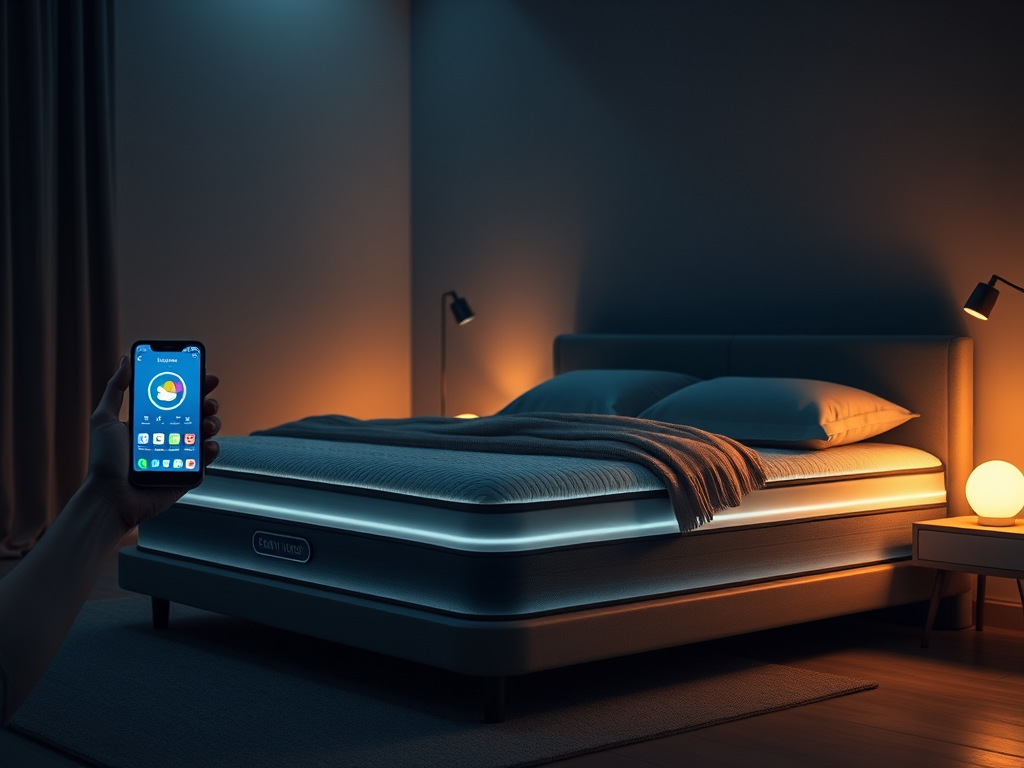
We are living in an era where even your mattress can be smarter than your phone. It may sound like an exaggeration, but if you have ever tossed and turned at night and woken up with a stiff back or sore neck, you will understand the value of a mattress that actually works for you. Smart mattresses are not just something out of a science fiction movie; they are real solutions for the sleep problems millions of people face every night. If you are tired of waking up feeling exhausted, it’s time to explore the smart technology that these mattresses offer, including sleep tracking, temperature regulation, and zoned support that adjusts to your body. Let’s take a look at the features that are changing the way we sleep.
What is Smart Sleep Anyway?
Smart sleep is not just about owning a fancy bed with lights or an app. It is about sleep that is optimized for your health, comfort, and lifestyle using modern technology. Smart mattresses use sensors, dynamic adjustments, and integrated systems to enhance your sleep experience.
Imagine a mattress that gently warms up your side of the bed before you even get in, then cools things down mid-sleep when your body temperature rises. Or one that collects sleep data through the night and offers fundamental insights in the morning. These features may sound futuristic, but they are already available. Today’s smart mattresses can adapt to your body’s needs in real time, offering you comfort, support, and reassurance throughout the night.
Getting enough sleep does not just make you feel rested, it impacts almost every aspect of your health. Insufficient sleep can ruin your mood, decrease your focus, and even negatively affect your immune system. The NHS highlights sleep as a cornerstone of good health. Poor sleep is also linked to worsening symptoms of anxiety and depression. As highlighted by Mind.org.uk, improving your sleep can have a significant impact on mental health. So, any advancements in sleep technology, like smart mattresses, that can help enhance the quality of sleep are worth exploring.
1. Sleep Tracking: Know Your Nights
Let us start with what everyone is curious about: sleep tracking. We track our steps, our calories, our screen time, why not our sleep?
How It Works
Innovative mattresses with built-in sensors monitor your breathing, heart rate, movement, and sleep stages without needing to wear a watch or strap anything on. The mattress does all the work while you sleep. In the morning, you get a comprehensive sleep report on your app. It tells you when you were in light sleep, deep sleep, REM, or awake. Some advanced models even track snoring and interruptions, giving you a complete picture of your sleep patterns.
Why It is Useful
You might think you are getting 8 hours of sleep, but are you getting the right kind? Deep sleep is when your body heals and regenerates, and it is crucial for overall health. If you are not getting enough deep sleep or waking up frequently during the night, sleep tracking data can help you understand why. With this information, you can adjust your habits, such as bedtime routines, room temperature, or pillow choice, to improve sleep quality. By tracking your sleep over time, you can identify patterns and take proactive steps to enhance your rest.
2. Temperature Control: No More Night Sweats
If you have ever woken up sweating through your sheets or freezing under too many layers, you know how much temperature affects sleep. Throwing off the duvet at 2 am is not a long-term solution.
How It Works
Smart mattresses with temperature control use phase-change materials, cooling gels, or even active air and water circulation to maintain your ideal body temperature throughout the night. Some advanced models even let partners set different temperatures on each side of the bed, allowing you to stay warm while your partner stays cool.
Why It Is brilliant
The NHS recommends keeping your bedroom around 18°C for optimal sleep. But maintaining that temperature can be tough, especially with the UK’s unpredictable weather. A mattress that adjusts its temperature based on your body’s needs is a game-changer. For those dealing with menopause symptoms or hot flashes, this feature can offer real relief. It keeps you comfortable all night, ensuring you wake up feeling refreshed and not overheated.
3. Zoned Support: Targeted Comfort Where It Counts
Let’s get to the backbone of good sleep literally. Zoned support refers to a mattress design that offers firmer or softer support depending on which part of your body it is supporting. This ensures your body stays aligned for optimal comfort.
How It Works
Advanced-zoned mattresses have multiple support zones, sometimes five, seven, or even nine. These zones can be made of pocket springs, foam layers, or air chambers, each designed to respond differently to pressure and body weight. In some smart beds, the support zones adjust dynamically as you change positions during the night.
Why It is a Big Deal
Not all pressure points on your body are created equal. Your hips, for example, need more give, while your lower back requires firmer support to maintain spinal alignment. Your neck needs the perfect amount of cushioning to avoid waking up with a stiff neck. Zoned support ensures each part of your body gets the support it needs, reducing pain and improving posture over time. Plus, if you share your bed with a partner, zoned support can minimize motion transfer. You won’t feel every little movement they make, leading to better sleep for both of you.
Smart mattresses offer a lot more than just sleep tracking, temperature control, and zoned support. There are a number of other clever features designed to enhance your sleep experience even further. These additional touches are designed to make your bed work harder for you, helping you get a better night’s rest with less effort.
Anti-Snore Detection
Snoring is not only disruptive to your partner, but it can also affect the quality of your sleep. Some smart beds come with anti-snore detection features that can automatically adjust your head position when snoring is detected. By gently elevating your head, these mattresses help open up your airways and improve airflow, reducing snoring and allowing for a more peaceful night’s sleep. This feature can be a game-changer for those who snore or share their bed with someone who does.
Smart Alarms
Waking up feeling groggy or lethargic is a common issue when you wake up in the middle of a deep sleep cycle. Smart alarms help solve this problem by waking you up during the lightest stage of your sleep. By tracking your sleep cycles, these alarms ensure that you are gently roused when your body is most prepared to wake up. As a result, you will feel more refreshed and less disoriented, making it easier to get out of bed and start your day on the right foot.
Integration with Smart Homes
Smart mattresses do not just work alone; they can also integrate with your other smart home devices. Some smart mattresses can sync with lights, blinds, and thermostats, creating an entirely seamless sleep environment. For instance, your bed might automatically adjust the temperature while the lights dim and the blinds close, preparing your bedroom for sleep without you needing to lift a finger. These integrations allow you to enjoy a more relaxed and comfortable sleep routine with minimal effort.
Child and Elderly Monitoring
Some smart mattresses offer additional features designed to monitor sleep patterns for children and elderly individuals. Motion and pressure-tracking sensors can help caregivers track the sleep quality of their loved ones. This is especially helpful for those who have mobility issues, suffer from sleep disorders, or need extra monitoring due to age or health conditions. The sensors provide valuable information about how well your loved one is sleeping, allowing you to address any potential issues or discomforts quickly and effectively.
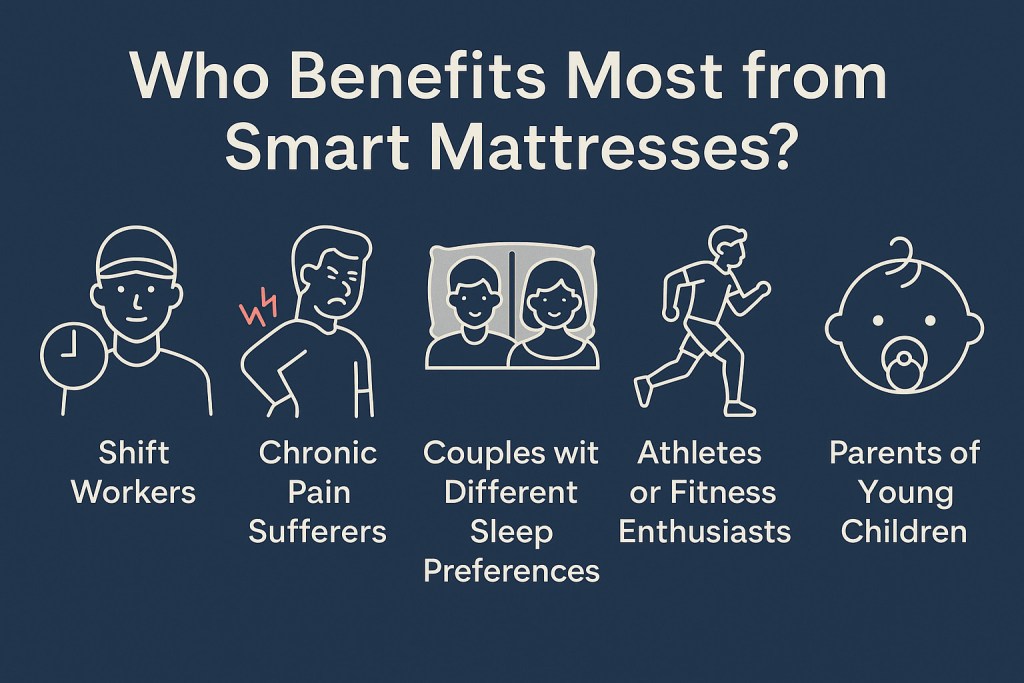
Who Benefits Most from Smart Mattresses?
Smart mattresses offer benefits to everyone, but certain groups of people may experience even greater advantages from these advanced sleep solutions. Here are a few examples of who can benefit the most:
Shift Workers
People who work irregular hours, such as shift workers, often struggle with erratic sleep patterns. These individuals may find it challenging to get restorative sleep during the day or night due to their constantly changing schedules. Smart mattresses with advanced sleep tracking and temperature control can help optimize sleep for shift workers. The sleep data collected by the mattress can help them identify patterns and adjust their sleep habits to improve rest. At the same time, temperature regulation ensures that their body stays comfortable, even during the day.
Chronic Pain Sufferers
For those who suffer from chronic pain, especially in the joints or back, getting a good night’s sleep can be difficult. A smart mattress that offers tailored support can help alleviate some of the discomfort caused by pain. Adjusting the support in different zones of the mattress can relieve pressure on areas such as the lower back, hips, or shoulders. This provides better spinal alignment, reduces pain, and ensures that individuals with chronic conditions can sleep more comfortably.
Couples with Different Sleep Preferences
Couples often face difficulties when they cannot agree on the ideal sleep temperature or mattress firmness. One person may like it cool while the other prefers warmth or one partner may need more support for their back. Smart mattresses that allow for independent adjustments on each side of the bed can solve these issues. With the ability to customize each side to individual preferences, both partners can enjoy a more comfortable and restful sleep without compromise.
Athletes or Fitness Enthusiasts
Athletes and fitness enthusiasts know the importance of recovery after intense physical activity. A smart mattress that tracks sleep and supports muscle relaxation can be a valuable tool in their recovery process. Sleep tracking can help athletes ensure they are getting enough deep sleep, which is essential for muscle repair and recovery. Additionally, the targeted support provided by smart mattresses can reduce muscle tension and pain, allowing for better rest and faster recovery after workouts.
Parents of Young Children
Parents of young children can benefit from the child and elderly monitoring features of smart mattresses. Parents can track their child’s sleep patterns to ensure they are getting enough rest. For parents of infants or toddlers, some mattresses even offer features that help monitor movement and provide real-time information on sleep quality. This provides peace of mind, knowing that their child is sleeping safely and comfortably. Additionally, these features can help caregivers of elderly parents ensure that their loved ones are resting soundly, addressing any sleep issues promptly.
Anyone Looking to Improve Sleep Quality
Even if you are simply tired of waking up groggy, a smart mattress can help you find out why—and fix it. Many people suffer from poor sleep quality without fully understanding the root causes. With features like sleep tracking, temperature control, and zoned support, a smart mattress can provide insights into your sleep patterns, helping you understand what is affecting your rest. Armed with this information, you can make adjustments to your sleep environment and habits, leading to a more restful and restorative night of sleep.
Things to Keep in Mind Before Buying
Smart mattresses are not all the same, and they are not always cheap. Here are some things to consider before making a purchase:
Compatibility: Do you need a specific bed frame? Some smart features work best on adjustable bases, so check your mattress and frame compatibility.
Data security: If your mattress collects sleep data, make sure it’s protected. Stick to reputable brands that prioritize your privacy.
Updates and apps: Check if the mattress software is regularly updated. A buggy app can ruin the experience.
Trial period: Look for mattresses with a solid trial policy. It takes time to adjust to new tech, so a trial period can help you ensure it’s right for you.
Support and warranty: You want a solid backup if anything goes wrong. Check the warranty terms to make sure you’re covered.
Luxe Mattresses: Where Smart Sleep Meets Comfort
At Luxe Mattresses, we believe better sleep is more than just a promise. It is something you can feel. Whether you are exploring sleep tracking, looking for cooling options, or need a mattress that adapts to your spine, our smart mattresses combine science with softness. They are built for real people with real sleep struggles. Browse our collection, read the reviews, and you will see the difference a smarter bed makes.
Final Thoughts
The days of one-size-fits-all mattresses are fading. Today’s smart sleep solutions are built for the way you live and rest. If you are tired of waking up exhausted, if you want a mattress that listens, responds, and helps—you know where to start. This is not about luxury for the sake of it. It is about giving your body and mind the proper rest they have been missing. It’s about waking up refreshed, not groggy. With smart sleep, you are not just buying a mattress. You are investing in better days, clearer thinking, fewer aches, and better moods. You are choosing to work with your body instead of against it. And that makes all the difference. Smart sleep is not just a trend. It’s the new standard. And once you experience it, you will wonder how you ever slept without it.
Frequently Asked Questions (FAQS)
What is the best temperature to sleep in?
According to NHS recommendations, around 18°C is ideal. Anything too hot or cold can disrupt your sleep cycle.
Do smart mattresses improve sleep quality?
Yes, especially for those struggling with pain, overheating, or poor sleep patterns. Sleep tracking helps identify issues, while zoned support and temperature control address them.
Are smart mattresses safe?
Smart mattresses use low-voltage tech and passive sensors. They are generally very safe, especially when purchased from trusted UK retailers.
How long do smart mattresses last?
With proper care, a quality smart mattress can last 8–10 years. Software updates and good build quality are key.
Can I use a smart mattress with a regular bed frame?
Many smart mattresses work fine on standard frames, but some features (like adjustable support) may require compatible bases.
Is it challenging to set up a smart mattress?
Not at all. Most are plug-and-play with a companion app. Setup usually takes less than 30 minutes.
Will a smart mattress help with insomnia?
While it’s not a cure, features like sleep tracking, temperature regulation, and pressure relief can significantly improve sleep habits, which may ease insomnia symptoms over time.
Have you ever tried shopping for a mattress and ended up more confused than when you started? Shopping for a mattress can be confusing, especially with all the terms like memory foam, latex, and hybrid. One brand promises cloud-like comfort, while another focuses on support and cooling, making you wonder if your current bed is causing more harm than good. The truth is, that most of us do not know what is inside our mattress or why it matters. But it does matter. The materials inside your mattress significantly impact your sleep quality, how you feel when you wake up, and even the longevity of the mattress. In this guide, we will break down foam, latex, and hybrid mattresses—what they are, how they feel, and whether they are worth your investment.
Foam Mattresses: All About That Sink-In Comfort
So, foam. This one is the big one. You have probably heard of memory foam because it is everywhere. It used to be a high-tech NASA material, but now it is the thing people rave about when they say their mattress “hugs†them.
What is Foam?
Foam is a broad term. The two main types you will hear about are memory foam and polyurethane foam (often just called polyfoam).
Memory foam is the fancy stuff. NASA originally developed it to absorb impact for astronauts, and now it is in everything from pillows to shoes to, you guessed it, mattresses. It is dense, slow to bounce back, and highly responsive to heat and pressure. When you press your hand into it, it leaves an imprint for a second or two.
Then there is polyfoam. This is the more budget-friendly version. It does not have that same slow-sinking feel, but it is lighter, more breathable, and bounces back quickly. It is typically used in the top or base layers of lower-priced mattresses, or sometimes the entire mattress, particularly in basic models.
Why Do People Love Foam?
Foam mattresses became popular for a reason. They offer a unique kind of comfort that other mattress types do not provide.
Pressure relief is like nothing else: If you deal with sore hips, shoulders, or lower back pain, foam is a game changer. It distributes your weight evenly and helps relieve pressure on your joints. That is why side sleepers, in particular, are big fans.
Excellent motion isolation: You have probably seen those commercials where someone jumps on a mattress next to a glass of wine, and it does not spill. That is foam for you. If your partner tosses and turns or even gets up in the middle of the night, you are much less likely to feel it.
Contours to your body: Foam does not just lie there. It adapts to you. Whether you are a back sleeper with a slight curve in your spine or someone who curls up on your side every night, foam can adjust. It gives you that “tailored” feeling without the need for a custom mattress.
Works well with adjustable beds: If you are using a base that can lift your head or feet, foam bends easily without damaging the structure. It’s handy if you deal with snoring, reflux, or simply want to read in bed.
But there is a Catch. Foam sleeps hot. That is the biggest complaint. It traps body heat, especially the older kinds. Some newer models utilise gel infusions or cooling layers, which help, but they are not always enough for extremely hot sleepers. Also, if you like a bouncy feel or need more support for your back, it might feel too soft or even suffocating.
At Luxe Mattresses, some of the top-rated foam mattresses include cooling technology to combat heat, so it is worth checking them out if foam sounds like your thing.
Latex Mattresses: Natural, Bouncy, and Surprisingly Cool
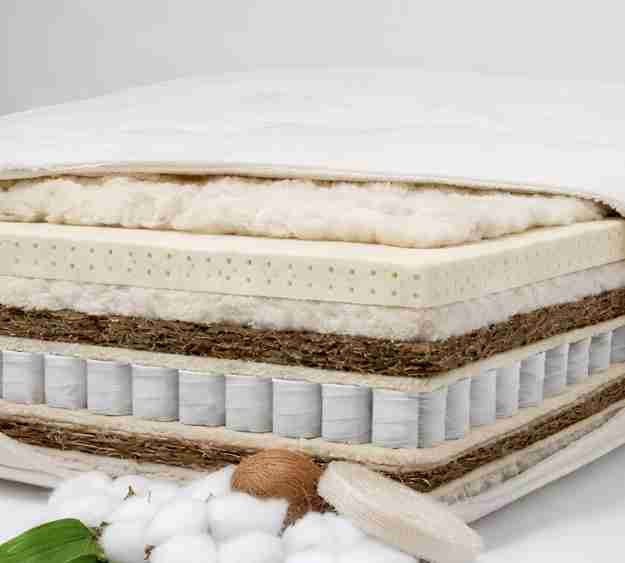
Latex is often seen as the more premium option for latex or natural mattresses, and there is a reason for that. It feels a bit like foam, but it is bouncier, firmer, and more breathable. It is made from rubber tree sap, which makes it the go-to for people wanting something more natural.
What is Latex, Really?
Latex is tapped from rubber trees. It is turned into a thick, spongy material that is surprisingly durable and naturally resistant to all nasty dust mites, mould, and even bacteria. That makes it a top choice for people with allergies or anyone who wants to avoid chemicals in their bed.
Dunlop Latex and Talalay Latex
Dunlop is the denser, firmer one. It is heavier and more supportive, often used in the base layers of the mattress.
Talalay goes through a more elaborate process. It is lighter, fluffier, and has a more balanced feel. If you like a bit of bounce but do not want to feel like you are sleeping on rubber, Talalay might be your match.
There is also natural vs. synthetic latex. Natural is what we just described. Synthetics are made with petrochemicals. Some mattresses use a blend to lower costs, but if you are shopping for a truly eco-friendly or organic bed, make sure it is 100% natural or GOLS-certified organic.
What’s the Deal with Latex?
There are two types: Dunlop and Talalay. Dunlop is denser and firmer. Talalay is lighter and a bit softer. Either way, both are super durable.
Perks of Latex Mattresses
Great for Hot Sleepers: Seriously, latex breathes way better than foam. It does not trap heat, so you will not wake up sweaty.
Eco-Friendly Vibes: If you are into sustainable living, latex is biodegradable and often harvested ethically. Bonus points if it is organic.
Supportive But not Stiff: You still get that body-contouring feel, but you will not sink in like you do with foam. It is more “on†the mattress than “in†it.
A Few Cons to Consider
The Price: Latex does not come cheap. It is often more expensive than foam or hybrids.
Weight: These mattresses are heavy. Like, you are not flipping them alone heavy. Not everyone’s cup of tea. Some people find the bounce distracting or the firmness uncomfortable.
There is also synthetic latex, which is cheaper but not as breathable or natural. So, if you are going for latex, make sure you know what kind you are getting.
For those browsing the Luxe Mattresses range, you will spot latex options that balance firmness with comfort. These work great for sleepers dealing with joint pain or allergies.
Hybrid Mattresses: The Best of Both Worlds?
Now, hybrids. This is where things get interesting. Imagine taking the contouring comfort of foam or latex and mixing it with the firm, bouncy support of pocket springs. That is a hybrid.
What’s Inside a Hybrid?
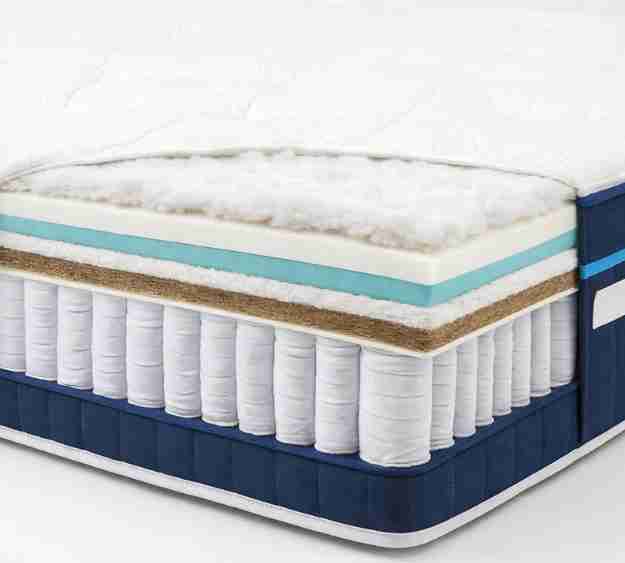
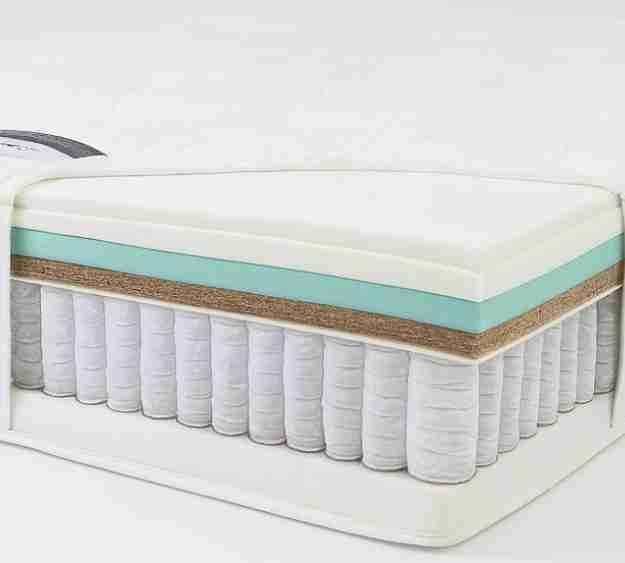
A good hybrid mattress starts with a base layer of individually wrapped coils, also known as pocket springs. These are not your grandma’s old-school noisy springs. In fact, each coil is wrapped individually, which allows each one to move independently from the others. This feature helps to reduce motion transfer, meaning if your partner tosses and turns, you won’t feel it as much. It’s a great choice for light sleepers who need a more peaceful, undisturbed night’s sleep.
Hybrid Mattress Layers
On top of the coils, there are typically one or more comfort layers. These layers are made from materials like memory foam, polyfoam, latex, or sometimes a combination of these. The foam layers are there to give you that soft, plush feel, while latex adds a bit more bounce. Some hybrid mattresses even include additional features like cooling gel or zoned support. Cooling gel helps to regulate your body temperature and prevent the mattress from trapping too much heat, which can be a concern with foam mattresses. Zoned support is designed to provide extra pressure relief in certain areas, such as the hips or shoulders, for better alignment.
In short, a hybrid mattress is all about balance. It combines the softness and comfort of foam or latex on top with the durable, supportive coil base underneath. This combination gives you the best of both worlds: the cushiony feel of foam with the long-lasting support of traditional springs.
Why People Love Hybrids
Balanced Feel: One of the main reasons people love hybrids is because they offer a perfect balance of softness and firmness. They are not too soft, so you won’t feel like you are sinking in too much, and they are not too firm, so you still get that nice cushiony feeling while lying down. You get both proper spinal support and the comfort you need for a great night’s sleep.
Edge Support: If you tend to sleep near the edge of your bed or share it with someone, edge support is a big bonus. Hybrids often provide stronger edge support, so you can sleep all the way to the edge without feeling like you are going to roll off. This is especially helpful if you share the bed with a partner and want to maximize the use of the entire mattress surface.
Cooler Sleep: Another great benefit of hybrids is their ability to promote a cooler night’s sleep. The coil system allows air to circulate more freely through the mattress, which helps regulate the temperature. This means you are less likely to overheat during the night, making hybrids a great choice for hot sleepers.
What to Keep in Mind
Some hybrids cut corners. A thin foam layer on weak springs is simply a fancy spring mattress. It can be pricey, Especially if you go for a hybrid with natural latex on top. Like latex mattresses, these can be a pain to move. For most sleepers, hybrids are the sweet spot. If you are not sure what you like, a hybrid from the Luxe Mattresses collection could be a safe bet. They are versatile and supportive and work for side, back, or stomach sleepers.
Which One’s Right for You?
Alright, let’s break it down simply.
Sleep Style Best Option
Side sleeper: Foam or hybrid with soft top layers
Back sleeper: Medium-firm foam, latex, or hybrid
Stomach sleeper: Firmer hybrid or latex
Hot sleeper: Latex or hybrid (with cooling tech)
Eco-conscious: Natural latex
Budget-focused: Polyfoam or entry-level hybrid
And, of course, comfort is personal. What feels perfect to one person might be awful for someone else. That is why Luxe Mattresses offers a range of options, so you can actually find something that matches your sleep style, not just the trends.
Sleep Quality Is not Just About Materials
Here’s a bit of real talk. Even the fanciest mattress won’t help if your sleep environment is a mess. Think of too much noise, clutter, a too-hot room, or not winding down before bed. NHS advice points to good “sleep hygiene†as a key part of fighting insomnia and poor sleep.
That means having a consistent sleep schedule, keeping the bedroom cool and dark, and, yes, having a mattress that supports your body correctly.
If you are struggling with anxiety or sleepless nights, places like Mind offer practical advice on mental health that connects with better sleep habits.
Final Thoughts
There is no one-size-fits-all mattress. Foam, latex, and hybrids all have their perks and pitfalls. The key is knowing your sleep style, comfort preferences, and budget. Luxe Mattresses makes that easier by offering a selection that covers all bases—from premium latex options to budget-friendly hybrids with legitimate support. Explore what feels right for your body because good sleep really is the foundation for a better day. Claim your discount now at Luxe Mattress limited-time offers on supportive mattresses for heavier sleepers.
Mattress Materials-FAQS
Is foam or latex better for back pain?
 Latex often wins for back support thanks to its firmer, responsive nature, but high-density foam can also work wonders if you prefer a softer feel.
Do hybrid mattresses last longer than foam?
Generally, yes. The coil system adds durability. But it depends on quality. Cheap hybrids wear out just as fast.
Are latex mattresses safe for allergies?
Natural latex is hypoallergenic and resistant to dust mites, making it an excellent choice for allergy sufferers.
Do foam mattresses always sleep hot?
Not always. Some use gel or open-cell technology to improve airflow. Still, if you are a really hot sleeper, latex or hybrid might be better.
Can I flip my mattress to extend its life?
Most modern mattresses (especially foam and hybrid) are one-sided, so flipping is not needed. Rotating it every few months helps, though.
How long should a mattress last?
A good one lasts 7–10 years. Latex can stretch beyond that. Foam might dip sooner if it’s low quality.
What’s the best mattress for couples?
 Foam is excellent for motion isolation, but hybrids offer better bounce and edge support. It depends on your priorities.
In our fast-paced world, sleep is often sacrificed in the name of productivity, parenting, entertainment, or late-night scrolling. Missing a few hours here and there may seem harmless, but over time, those lost hours pile up into something called sleep debt, a deficit that could cost you far more than just fatigue.
Sleep debt is the cumulative effect of not getting enough sleep on a regular basis. Just like financial debt, it comes with interest. It quietly builds in your body and brain, diminishing your energy, mood, mental clarity, and long-term health. Fortunately, sleep debt is measurable, and with the right tools and knowledge, it is also reversible.
This article explores what sleep debt is, how to calculate it, how it affects your body both in the short and long term, and what science-backed steps you can take to get back on track.
What Is Sleep Debt?
Sleep debt refers to the difference between the amount of sleep your body needs and the amount you’re actually getting. If you need 8 hours of sleep per night but only get 6, you’re in 2 hours of debt for that day. That debt continues to add up every day you fall short.
The term “sleep debt†was popularised in sleep science to help people visualize that sleep is not simply a nightly reset. It accumulates and requires repayment. According to the Sleep Foundation, most adults need between 7 to 9 hours of sleeper night to function at their best, but surveys show that nearly 35% of adults consistently get less than 7 hours.
Dr. Michael Breus, a clinical psychologist and diplomate of the American Board of Sleep Medicine, puts it clearly:
“Sleep debt doesn’t reset after one good night’s sleep. Cumulative deficits impair cognitive and physical function much like financial debt accrues interest.â€
The Short-Term Effects of Sleep Debt
Even a small sleep deficit can result in significant changes in your day-to-day functioning. If you’ve ever had a night of bad sleep followed by a sluggish, irritable day, you’ve experienced it firsthand.
Some immediate consequences of short-term sleep debt include:
Reduced alertness and slower reaction time
Poor memory retention and reduced ability to concentrate
Increased risk of car accidents and workplace errors
Weakening of the immune system
Headaches or grogginess in the morning
Reduced motivation or interest in daily activities
A study from the University of Pennsylvania found that people limited to six hours of sleep per night for two weeks functioned as poorly on cognitive tests as someone who had gone 48 hours without any sleep.
Long-Term Effects: The Health Risks You Can’t Ignore
While the occasional sleep loss is recoverable, chronic sleep deprivation can have profound long-term consequences on your body and mind. Prolonged sleep debt increases your risk for:
Heart disease and high blood pressure
Obesity and type 2 diabetes due to hormone imbalances affecting appetite
Mood disorders such as depression and anxiety
Cognitive decline, poor memory, and even early onset dementia
Weakened immune system and slower recovery from illness
Shortened lifespan — studies link ongoing sleep deprivation with a higher risk of mortality
Dr. Matthew Walker, sleep scientist and author of Why We Sleep, states:
“The shorter your sleep, the shorter your life. Sleep is the most effective thing we can do to reset our brain and body health.â€
How Much Sleep Do You Really Need?
Sleep needs vary by age and individual factors like stress, physical activity, and overall health. But here are general recommendations by the National Sleep Foundation:
Age Group
Recommended Sleep
Adults (18–64)
7–9 hours
Seniors (65+)
7–8 hours
Teens
8–10 hours
School Age
9–11 hours
Preschoolers
10–13 hours
Consistently sleeping less than these recommendations means you’re falling into debt.
How to Calculate Your Sleep Debt
Calculating sleep debt is relatively simple. You only need to compare your actual sleep to your recommended need.
Here’s a basic formula:
Sleep Debt = (Recommended Sleep – Actual Sleep) × Number of Days
Example:
If you need 8 hours per night and only sleep 6 hours from Monday to Friday:
2 hours of debt × 5 nights = 10 hours of sleep debt
You may think you can catch up on the weekend by sleeping in, but studies suggest that even longer weekend sleep doesn’t fully compensate for the damage caused during the workweek.
Or You can use Luxe Sleep Calculator to Calculate Your Sleep Debt
Sleep Calculator
Plan your optimal bedtime and wake-up times based on your body’s natural sleep cycles.
Wake up refreshed and energized every morning.
Why Use This Calculator?
Calculate the ideal bedtime based on when you need to wake up
Find the optimal wake-up time based on when you go to bed
Work with your body’s natural 90-minute sleep cycles
One of the most effective ways to measure and manage your sleep debt is to use a sleep calculator or dedicated sleep platform.
The Luxe Mattresses Sleep Debt Calculator provides science-backed tools and resources that help individuals track their sleep patterns, identify deficits, and adopt actionable strategies for recovery. Their sleep debt content explores not only quantity but quality—something many mainstream apps overlook.
Pairing such tools with wearables like Fitbit, WHOOP, or Oura Ring can give you precise data about your nightly rest, helping you understand both duration and how restorative your sleep actually is.
Can You Repay Sleep Debt?
Yes, but it requires consistency and strategy. You cannot simply sleep 14 hours in one night and expect full recovery. Sleep experts suggest the following:
How to repay sleep debt:
Add 30–90 extra minutes per night over several nights until you feel restored.
Nap strategically: Short naps (20–30 minutes) during the day can reduce the effects of fatigue.
Avoid “social jet lagâ€â€”going to bed and waking up at wildly different times on weekends.
Practice good sleep hygiene: Cool, dark rooms, no screens before bed, and consistent bedtimes.
Listen to your body: If you wake up without an alarm feeling refreshed, you’re likely caught up.
It may take a week or more to fully pay back even one long week of inadequate sleep.
Acute vs Chronic Sleep Debt
It’s important to distinguish between acute and chronic sleep debt.
Acute Sleep Debt: Missing sleep for a few nights (e.g., during finals, parenting, travel).
Chronic Sleep Debt: Ongoing under-sleeping over weeks, months, or years.
Chronic debt is more dangerous. It alters hormonal balance, immune function, and metabolism in ways that can persist even after you’ve caught up on sleep.
Comparing Your Sleep to Standards
Let’s say you sleep 6 hours per night. That might seem sufficient, but here’s how that stacks up:
Sleep Duration
Effect
Less than 6 hrs
High risk for chronic illness and mental fog
6–7 hrs
May seem “functional,†but cognitive decline begins
7–9 hrs
Ideal range for optimal mental and physical performance
Over 9 hrs
May indicate an underlying health condition
If you’re sleeping less than 7 hours most nights, you’re statistically at higher risk of hypertension, metabolic issues, and cognitive fatigue.
Additional Context: Sleep and Lifestyle Risks
Sleep doesn’t just affect how you feel, it directly influences lifestyle diseases. For example:
Obesity: Sleep loss disrupts hunger hormones like leptin and ghrelin, increasing cravings and caloric intake.
Heart disease: Poor sleep elevates cortisol and inflammation markers.
Diabetes: Reduced sleep impairs glucose metabolism and insulin sensitivity.
Mental health: Even one night of poor sleep can worsen depression and anxiety symptoms.
These impacts aren’t minor, they affect quality of life, work performance, and long-term health.
Final Thoughts: Your Sleep Deserves a Priority
Sleep debt is real, measurable, and dangerous when ignored. But it’s also treatable. By calculating your sleep debt, using tools like the Luxe Mattresses Sleep Lab to track progress, and making incremental changes, you can dramatically improve your health, clarity, and mood.
The body is remarkably forgiving when given the chance to heal. Prioritize your sleep tonight—not because you’re tired, but because your life depends on it.
Imagine your body suffocating while you sleep. You wake up gasping for air, your heart racing. Yet, you don’t remember any of it in the morning. This isn’t a horror film; it’s a nightly reality for millions with obstructive sleep apnoea (OSA), often without their awareness. But can sleep apnea kill you? The potential dangers of untreated sleep apnea are serious and should not be ignored.
OSA is one of the most underdiagnosed and dangerous sleep disorders. While it may begin with nothing more than loud snoring and daytime tiredness, its long-term effects on the heart and brain can be deadly.
Understanding Obstructive Sleep Apnoea
Obstructive sleep apnoea occurs when the muscles at the back of the throat relax too much during sleep, causing the airway to collapse. This blocks airflow, reducing oxygen levels and forcing the brain to wake up partially to reopen the airway. These events can happen anywhere from a few times to hundreds of times a night.
People with moderate to severe OSA often wake up feeling unrested despite sleeping for 7 to 8 hours. Symptoms like daytime fatigue, difficulty concentrating, morning headaches, or mood changes are common. But beneath these relatively minor symptoms, serious damage may be unfolding inside the body.
The Hidden Cardiovascular Toll
Each time breathing stops, the oxygen level in the blood drops. This drop triggers the brain to send emergency signals that increase heart rate and blood pressure. This repeated cycle — oxygen deprivation followed by a surge of adrenaline, creates a state of chronic stress in the body.
Over time, these nightly stress responses damage the blood vessels, promote inflammation, and lead to high blood pressure. The heart, constantly jolted awake from its normal rhythm, becomes strained and overworked. These effects increase the risk of several life-threatening conditions including:
Hypertension
Coronary artery disease
Heart failure
Stroke
Sudden cardiac death
The Link to Sudden Cardiac Death
Sudden cardiac death (SCD) refers to an unexpected death due to cardiac causes, occurring within one hour of the onset of symptoms. In many cases, there are no early warning signs. A person may go to sleep seemingly healthy and never wake up.
Health Risk
Description
Supporting Study / Statistic
Hypertension
Increased sympathetic activity leads to sustained high blood pressure.
Peppard et al., NEJM 2000: 2-3x increased risk
Stroke
OSA increases risk of ischemic stroke due to intermittent hypoxia.
Yaggi et al., NEJM 2005: 2x increased risk
Sudden Cardiac Death (SCD)
Risk increases by 2.5 times, especially during sleep.
Gami et al., NEJM 2005: 2.57x risk during sleep
Atrial Fibrillation (AFib)
AFib incidence is 4 times higher in OSA patients.
Gami et al., Circulation 2004: 4x risk of AFib
Type 2 Diabetes
Intermittent hypoxia contributes to insulin resistance.
Punjabi et al., AJRCCM 2004: Elevated fasting glucose levels
Heart Failure
Left ventricular dysfunction and fluid retention are common.
Redline et al., Circulation 2010: Higher rates of HF
Over the past decade, multiple large-scale studies have revealed a strong association between untreated obstructive sleep apnoea and sudden cardiac death. One of the most influential studies, published in the journal Sleep in 2013, followed over 10,000 adults and found that individuals with severe untreated OSA had a 2.5 times greater risk of sudden cardiac death than those without OSA (source).
Another key finding is that deaths in individuals with sleep apnoea are more likely to occur during the night. While sudden cardiac death in the general population tends to peak in the early morning hours (typically between 6 a.m. and noon), people with OSA are more likely to die between midnight and 6 a.m. This inversion of the usual pattern highlights the role of apnoea-related events, especially oxygen desaturation and arrhythmias — as critical triggers during sleep (source).
Atrial Fibrillation and Irregular Heartbeats
One of the clearest pathways from obstructive sleep apnoea to sudden cardiac death is through arrhythmias, which are abnormal heart rhythms that disrupt the heart’s normal electrical signals. Episodes of apnoea cause dramatic fluctuations in oxygen and carbon dioxide levels during sleep, placing acute stress on the cardiovascular system.
Atrial fibrillation (AF), the most common type of arrhythmia, is significantly more prevalent in people with OSA. Research published in the Journal of the American College of Cardiology has shown that up to 50 percent of patients with AF also have undiagnosed sleep apnoea, particularly among older adults and those with preexisting heart conditions (source).
If left untreated, AF increases the risk of stroke and heart failure. Moreover, OSA undermines the effectiveness of common AF treatments like catheter ablation and medication. A review from the American Heart Association emphasizes that treating sleep apnoea in tandem with AF significantly improves long-term outcomes and reduces recurrence rates. As a result, many cardiologists now routinely recommend sleep studies for patients diagnosed with atrial fibrillation.
Real-Life Impact: Case Examples ( Sleep Apnea Nearly Killed Michael)
Consider the case of 42-year-old Michael, a New Jersey firefighter. For months, he had been waking up with pounding headaches and feeling exhausted despite getting full nights of sleep. His wife noticed he would stop breathing repeatedly during the night.
After a sleep study, he was diagnosed with severe OSA, experiencing more than 70 breathing interruptions per hour. His cardiologist was alarmed to discover early signs of cardiac remodeling and irregular heartbeat. Once Michael began using CPAP therapy, his heart rate stabilized and his blood pressure dropped to a healthy level, aligning with findings from studies that show CPAP significantly reduces cardiovascular risk.
Another example is Angela, a 55-year-old teacher who suffered a stroke in her sleep. Doctors later found she had undiagnosed OSA, which had gone unnoticed for years. Angela had always assumed her snoring and fatigue were just part of getting older. This mirrors research showing that sleep apnoea increases stroke risk independently of other factors.
These cases are not rare. Stories like these are becoming increasingly common as awareness of sleep apnoea grows.
Sleep Apnoea and Other Health Risks
Beyond the heart, OSA affects nearly every major system in the body.
Stroke: OSA triples the risk of stroke. The nightly swings in blood pressure and oxygen strain the brain’s blood vessels, making them more likely to rupture or clot.
Metabolic Disorders: People with sleep apnoea are more likely to develop type 2 diabetes and metabolic syndrome, even if they are not overweight. The inflammation and insulin resistance caused by poor sleep play a major role.
Cognitive Decline: Chronic sleep fragmentation from apnoea is linked to memory loss, depression, and even early Alzheimer’s disease.
The Role of CPAP Therapy
The good news is that sleep apnoea is treatable. The gold standard of treatment is CPAP therapy — short for Continuous Positive Airway Pressure. A CPAP machine uses a gentle stream of air to keep the airway open during sleep.
Studies have shown that regular CPAP use:
Reduces apnoea events to nearly zero
Lowers blood pressure
Improves heart function
Reduces the risk of stroke and heart attacks
Enhances mood, memory, and daytime energy
Patients often report dramatic improvements within just a few days of starting treatment.
However, CPAP is not a cure. It only works if it is used consistently every night. That is why comfort, support, and education are key to long-term success.
Alternative Treatments
For people who cannot tolerate CPAP, other options include:
Oral appliances: These custom-fit devices reposition the jaw to keep the airway open.
Surgical procedures: In some cases, surgery to remove excess tissue in the airway is recommended.
Inspire therapy: An implantable device that stimulates the airway muscles during sleep.
In addition, certain lifestyle adjustments can help improve sleep quality and reduce apnoea episodes. These include weight loss, reducing alcohol use, quitting smoking, and changing sleep position. Even your mattress and sleep posture may play a role in worsening or relieving symptoms of sleep apnoea. Choosing the right mattress can support proper airway alignment and reduce positional apnoea. For more on this, see “Is Your Mattress Worsening Your Sleep Apnea?â€.
Improving Sleep Quality and Addressing Comorbidities
Managing obstructive sleep apnoea effectively often requires more than just treating airway obstruction. Many patients with OSA also struggle with insomnia, anxiety, or poor sleep habits that reduce sleep quality even when apnoea events are controlled.
Optimizing your sleep environment and addressing these coexisting issues can significantly improve both treatment adherence and how rested you feel. Practicing better sleep hygiene, reducing screen time before bed, and learning to calm an overactive mind are all part of a holistic approach.
For those struggling with insomnia alongside OSA, consider this science-backed guide to managing insomnia without medication. It covers evidence-based techniques such as CBT-I, relaxation methods, and other holistic strategies that complement OSA treatment.
Public Health and Economic Impact
Sleep apnoea is not just a personal health issue. It is also a growing public health concern.
Untreated OSA is associated with increased healthcare costs due to frequent doctor visits, hospitalizations, and complications like stroke and heart failure. It also contributes to lost productivity, workplace accidents, and drowsy driving incidents.
According to the American Academy of Sleep Medicine, undiagnosed OSA costs the U.S. economy more than $150 billion per year.
Take Action: What You Should Do
If you suspect you or a loved one has sleep apnoea, do not wait. Talk to your primary care doctor or a sleep specialist. A simple overnight sleep study can diagnose the condition.
Look out for these warning signs:
Loud snoring
Pauses in breathing during sleep
Gasping or choking sounds at night
Morning headaches
Excessive daytime sleepiness
Trouble concentrating or memory problems
High blood pressure that is hard to control
Sleep apnoea is not a condition to ignore or push aside. Early diagnosis and consistent treatment can save your life, literally.
Conclusion: Silence Can Be Deadly
Sleep apnoea may be silent, but its effects are anything but harmless. It puts immense pressure on the heart, disrupts your body’s natural rhythms, and dramatically increases the risk of sudden death, particularly in the quiet hours of the night.
Fortunately, with greater awareness, better diagnostics, and effective treatments like CPAP, we now have the tools to fight back. Do not sleep on your symptoms. If something feels off, take it seriously. It might be the first step toward protecting your heart, your health, and your future.