
In today’s world, sustainability isn’t just a buzzword, it’s becoming a core part of how we shop, live, and even sleep. From reusable coffee cups to electric cars, the eco-conscious movement has touched nearly every corner of our lives. But one area many people overlook is what they’re sleeping on every night: their mattress.
If you’re in the UK and thinking of upgrading to a greener, more planet-friendly mattress, you’re in the right place. In this guide, we’ll explore what actually makes a mattress eco-friendly (beyond the marketing), which materials matter, how certifications like GOTS and CertiPUR help you shop smarter, and which types of mattresses are worth your attention all without repeating what’s already been said a thousand times.
Why Eco-Friendly Mattresses Matter
Let’s face it, mattresses aren’t something most people think of as “wasteful” or “toxic.” They’re soft, cozy, and hidden under blankets, right? But what many of us don’t realise is that the average traditional mattress is made with a cocktail of chemicals and synthetic materials that can harm both our health and the environment.
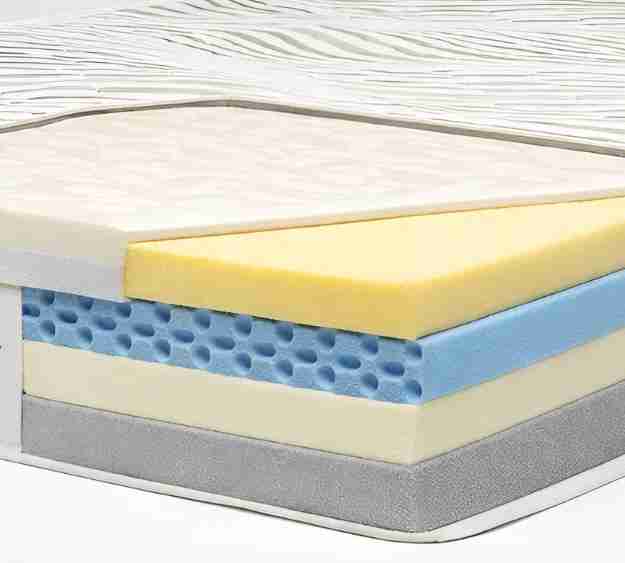
Most conventional mattresses use polyurethane foam, chemical flame retardants, glues, and petroleum-based fabrics. These materials release volatile organic compounds (VOCs), gases emitted from certain solids or liquids — into the air in your bedroom. Over time, these can contribute to indoor air pollution and may cause headaches, allergic reactions, or respiratory irritation, especially in sensitive individuals. The EPA outlines VOC concerns here.
Beyond personal health, there’s the bigger issue: what happens when a mattress reaches the end of its life? The average UK household throws out a mattress every 7–10 years, and unfortunately, most of them end up in landfills. In fact, more than 7 million mattresses are discarded annually in the UK, and fewer than 20% are recycled according to WRAP UK.
Here’s why eco-conscious mattresses are starting to become the smarter choice and not just for “green” shoppers.
1. Made from Renewable, Non-Toxic Materials
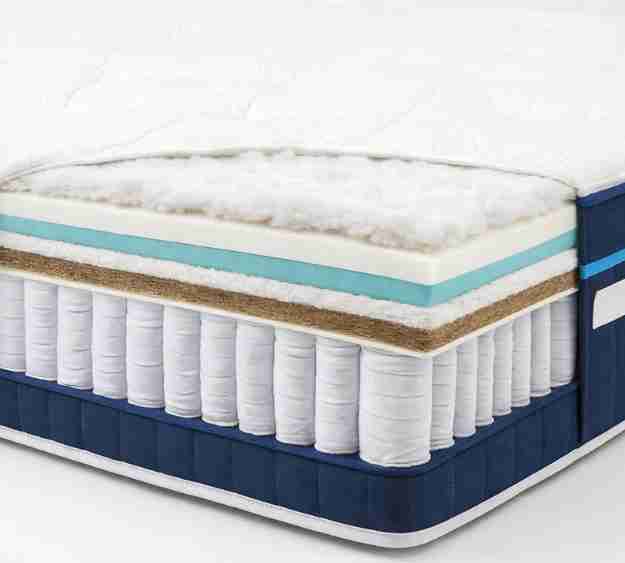
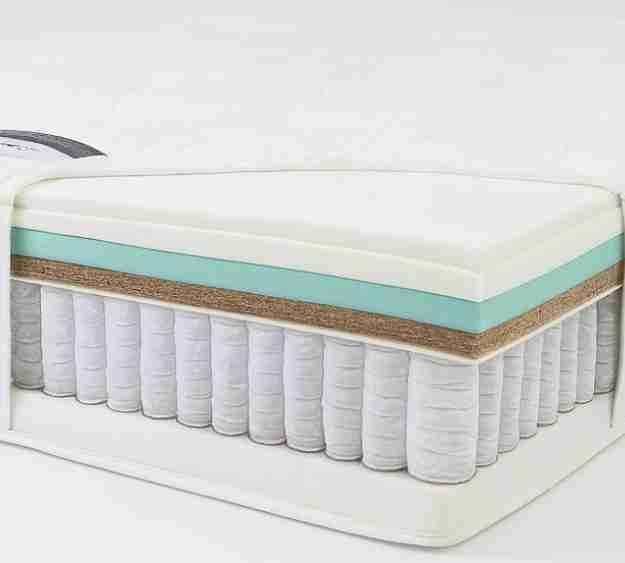
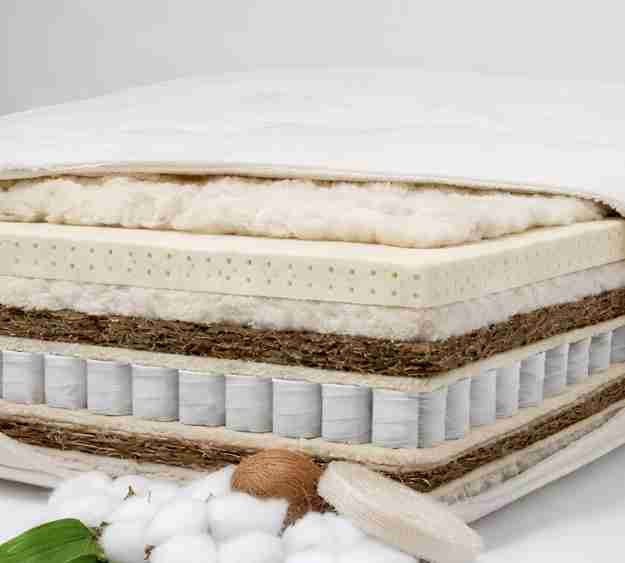
Eco-friendly mattresses use materials that come from nature, not factories. Think natural latex from rubber tree sap, organic cotton, British wool, and hemp fibres. These materials not only feel better to sleep on, but they also don’t come loaded with harmful synthetics.
Many of these beds are also free from chemical flame retardants, formaldehyde, and phthalates — all of which have been flagged for potential health risks. The EWG (Environmental Working Group) outlines many of the harmful chemicals found in standard mattresses and why it’s worth avoiding them.
2. Manufactured Responsibly
It’s not just what goes into the mattress, it’s also how it’s made. Eco-friendly mattress brands often operate with reduced emissions, ethical sourcing, and lower water use. Some even manufacture locally (here in the UK) to reduce the carbon footprint from shipping.
Look for brands that transparently list their sourcing and sustainability practices and offer certifications like GOTS, GOLS, or OEKO-TEX (more on these in another section).
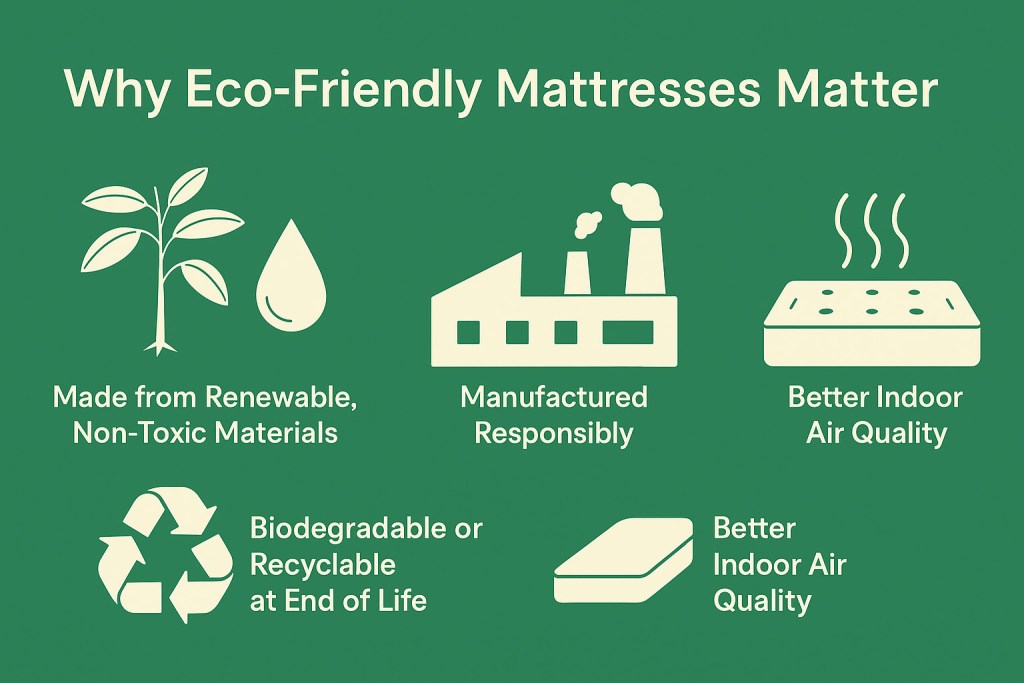
3. Biodegradable or Recyclable at End of Life
While most synthetic mattresses take decades (if not centuries) to break down, natural ones can be biodegraded or disassembled for recycling.
- Latex, wool, and cotton can break down naturally
- Spring units can be recycled as scrap metal
- Some brands are even moving toward glue-free modular designs that make disassembly easier
This means less landfill waste and fewer bulky, unsalvageable materials clogging up waste centres.
4. Better Indoor Air Quality
An underrated benefit of eco-friendly mattresses is simply that you breathe easier. With fewer off-gassing chemicals and low VOC ratings, these mattresses are much less likely to irritate your lungs, eyes, or skin.
For children, older adults, and people with asthma or allergies, this matters a lot. Sleeping 7–9 hours a night on a mattress that emits fewer toxins can actually lead to better sleep, reduced congestion, and improved overall health.
As Harvard Health Publishing explains, indoor air quality plays a major role in health and what we sleep on is a huge part of that equation.
Natural Latex: The Core of Eco Comfort
One of the most sustainable and sought-after mattress materials is natural latex. Made from the sap of rubber trees, latex is a biodegradable, renewable, and incredibly durable material often lasting 15–20 years without sagging.
Unlike synthetic latex (which is made using petroleum byproducts), natural latex is processed using the Dunlop or Talalay methods and is free of harmful chemicals. It’s naturally resistant to dust mites, mould, and bacteria, and is ideal for those with allergies or asthma. You can browse some excellent examples of natural and organic latex mattresses available in the UK here.
Organic Cotton and Wool: Nature’s Finishing Touches
Eco-friendly mattresses often go beyond the core materials to include organic cotton and organic wool in the quilted layers or covers.
- Organic cotton is grown without pesticides or synthetic fertilisers, reducing the environmental impact and water consumption. It’s breathable, soft, and hypoallergenic.
- Organic wool is naturally fire-resistant (reducing the need for chemical flame retardants), temperature-regulating, and moisture-wicking. It’s also biodegradable and renewable.
These materials are especially popular in UK-made natural mattresses that prioritise comfort and clean sleep over synthetic blends or budget fillers.
Understanding Key Certifications: GOTS, GOLS, and CertiPUR
With so many mattress brands claiming to be “natural” or “green,” how can you actually verify what’s inside?
That’s where certifications come in third-party, independent standards that back up environmental, health, and ethical claims. These badges aren’t just for show; they ensure the materials in your mattress meet stringent safety and sustainability standards.
GOTS (Global Organic Textile Standard)
This is considered the gold standard for organic textiles like cotton and wool. If a mattress uses GOTS-certified materials, it means the fabric was grown and processed without harmful chemicals, under ethical labor practices, and in facilities that follow strict environmental criteria from farm to factory. It covers everything from pesticide use to water treatment and fair working conditions.
GOLS (Global Organic Latex Standard)
GOLS is to natural latex what GOTS is to textiles. If your mattress carries a GOLS certification, it means it contains at least 95% organic latex, sourced from rubber tree sap and produced in ways that support biodiversity, social welfare, and environmental preservation. It’s an essential badge for anyone shopping for a truly organic latex mattress.

CertiPUR-US® (or CertiPUR-EU® in Europe)
This certification applies to polyurethane foam used in many mattresses, toppers, and upholstered furniture. A CertiPUR-certified foam is guaranteed to be made without ozone depleters, PBDE flame retardants, heavy metals like mercury and lead, or formaldehyde. It also confirms that VOC (volatile organic compound) emissions are kept to a minimum for safer indoor air quality. It’s not as “natural” as latex, but it’s a far safer alternative to uncertified synthetic foams.
When shopping, always check the tags or product pages for these badges they’re your best clue that the mattress lives up to its eco label.
Recyclability and End-of-Life Considerations
It’s not just about how your mattress is made it’s also about what happens when you’re done with it.
The average mattress in the UK ends up in landfill, where synthetic foam and plastics can take centuries to decompose. Eco-friendly mattresses, on the other hand, are often:
- Fully recyclable (especially latex and spring models)
- Biodegradable if made from natural materials like wool or cotton
- Easier to disassemble for parts reuse
Some brands even offer mattress recycling or take-back schemes when you buy a new one, helping keep your old mattress out of the bin.
Tip: When choosing a mattress, look for those that are glue-free or modular in construction, they’re easier to recycle or repair in the future.
UK Brands Leading the Eco Mattress Movement
In recent years, there’s been a quiet but powerful rise in UK-based eco-conscious mattress brands not just from the household names, but from a wave of independent, quality-driven manufacturers dedicated to natural comfort and responsible production.
These companies focus on using sustainably sourced materials like natural latex, organic wool, and GOTS-certified cotton, and they often produce in low-emission facilities, package minimally, and operate with full transparency. Many of them also make their mattresses by hand right here in the UK, supporting local jobs and reducing transportation-related carbon emissions.
1. Luxe Mattresses
Luxe Mattresses is quickly gaining recognition for its dedication to natural, organic, and latex-based sleep solutions. Their focus on sustainably sourced materials, non-toxic construction, and transparent practices makes them a standout among newer UK brands. They offer a curated range of natural and organic mattresses that combine durability, breathable comfort, and a stylish aesthetic, all without compromising the environment.
2. The Wool Room
Though better known for their wool bedding, The Wool Room also produces mattresses made with traceable British wool, offering a great natural solution for those who want chemical-free, temperature-regulating comfort.
3. Una Organic
Una focuses on organic latex mattresses with modular layers you can adjust for firmness. Everything is certified by GOLS and GOTS, and their packaging is fully biodegradable, ticking all the sustainability boxes.
4. Hypnos
This Royal Warrant-holding brand offers a mix of traditional and eco-conscious collections. Their Origins range uses natural fibres, including wool from the Red Tractor Assurance scheme, and their sustainability credentials are industry leading.
Here are some of the leading UK brands making waves in the green mattress space:
Common Myths About Eco Mattresses, Busted
“Eco mattresses are too expensive.”
Not necessarily. While natural materials can cost more upfront, they often last twice as long, saving money in the long run. And many UK retailers now offer interest-free payment plans.
“They’re not as comfortable as memory foam.”
Today’s latex and hybrid designs rival (and often outperform) foam beds when it comes to comfort, support, and breathability, without the chemicals.
“Eco means flimsy.”
Quite the opposite. Latex is one of the most durable mattress materials available, and wool naturally resists wear and tear.
Final Thoughts: Is an Eco-Friendly Mattress Worth It?
If you care about your health, your sleep, and your impact on the planet, the answer is a resounding yes. A well-made eco-friendly mattress can help you:
- Sleep better (with fewer chemicals or allergens)
- Breathe easier (thanks to natural ventilation and low-VOC design)
- Live more sustainably (through responsible materials and end-of-life recyclability)
Whether you’re going full organic or just trying to make more conscious choices, upgrading to a mattress made from natural, certified materials is a great place to start.
🌿 Ready to explore the options? Browse eco-friendly, natural, and latex mattresses here and take one step closer to greener, healthier sleep.

Roman is a seasoned expert in mattress development with over a decade of experience in sleep technology, material innovation, and product engineering. He has played a key role in designing and refining sleep solutions for leading mattress brands, with a deep focus on ergonomics, pressure relief, and sleep quality optimization.
With a background in product design and biomechanics, Roman combines scientific research with hands-on development to create mattresses that address real-world sleep issues—from spinal alignment to temperature regulation. His work has contributed to several award-winning mattress lines known for their comfort, durability, and user satisfaction.