
100-Night Risk-Free Trial
Free Nationwide Delivery
10 Years Warranty
Call us at: 020 4572 5122
0% APR Finance Available
eco-friendly mattresses from luxe mattresses in London
July 14, 2025

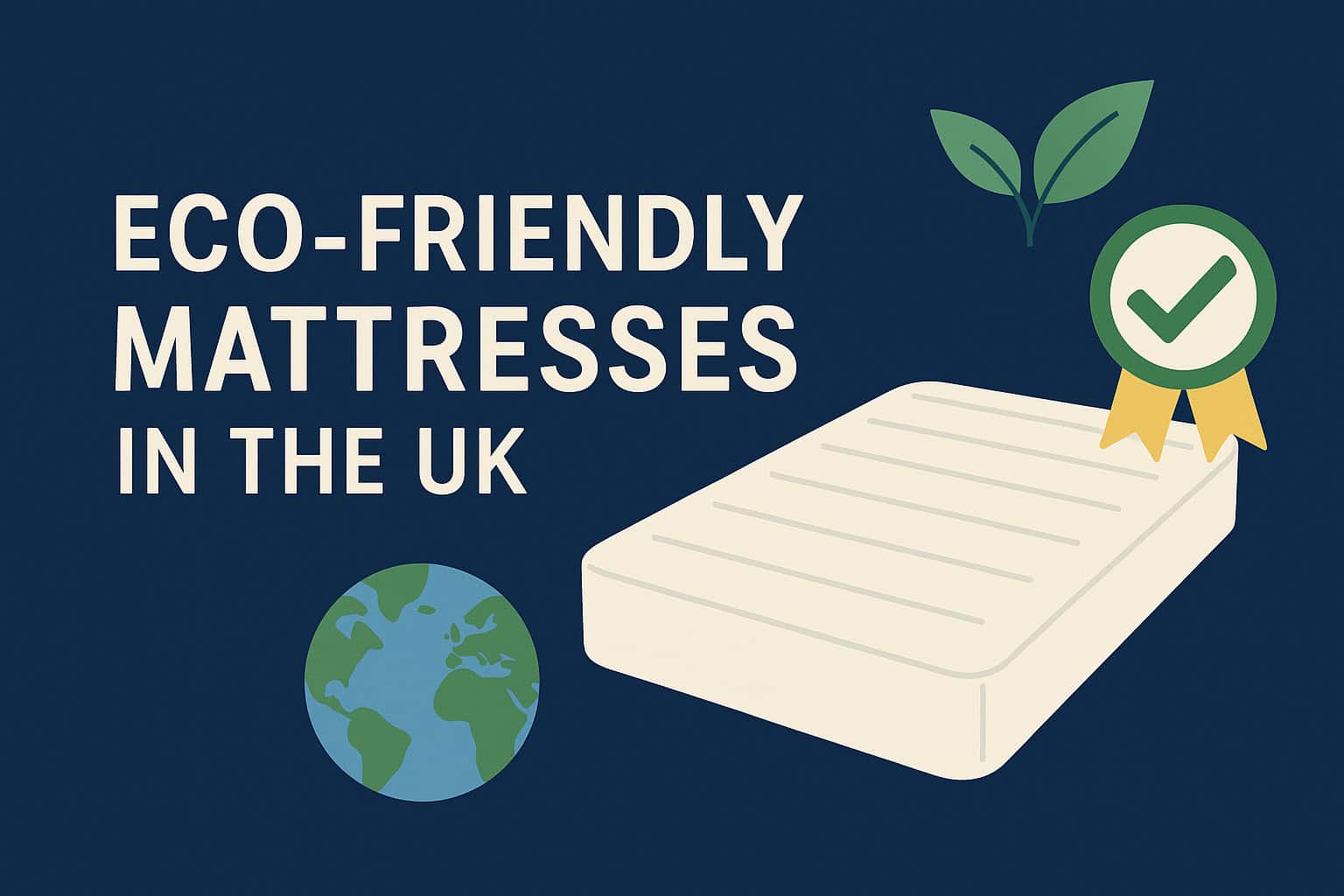
Eco-Friendly Mattresses in the UK: Sustainable Materials, Certifications & Brands to Know

In today’s world, sustainability isn’t just a buzzword, it’s becoming a core part of how we shop, live, and even sleep. From reusable coffee cups to electric cars, the eco-conscious movement has touched nearly every corner of our lives. But one area many people overlook is what they’re sleeping on every night: their mattress.

If you’re in the UK and thinking of upgrading to a greener, more planet-friendly mattress, you’re in the right place. In this guide, we’ll explore what actually makes a mattress eco-friendly (beyond the marketing), which materials matter, how certifications like GOTS and CertiPUR help you shop smarter, and which types of mattresses are worth your attention all without repeating what’s already been said a thousand times.

Why Eco-Friendly Mattresses Matter

Let’s face it, mattresses aren’t something most people think of as “wasteful” or “toxic.” They’re soft, cozy, and hidden under blankets, right? But what many of us don’t realise is that the average traditional mattress is made with a cocktail of chemicals and synthetic materials that can harm both our health and the environment.

Most conventional mattresses use polyurethane foam, chemical flame retardants, glues, and petroleum-based fabrics. These materials release volatile organic compounds (VOCs), gases emitted from certain solids or liquids — into the air in your bedroom. Over time, these can contribute to indoor air pollution and may cause headaches, allergic reactions, or respiratory irritation, especially in sensitive individuals. The EPA outlines VOC concerns here.

Beyond personal health, there’s the bigger issue: what happens when a mattress reaches the end of its life? The average UK household throws out a mattress every 7–10 years, and unfortunately, most of them end up in landfills. In fact, more than 7 million mattresses are discarded annually in the UK, and fewer than 20% are recycled according to WRAP UK.

Here’s why eco-conscious mattresses are starting to become the smarter choice and not just for “green” shoppers.

 1. Made from Renewable, Non-Toxic Materials

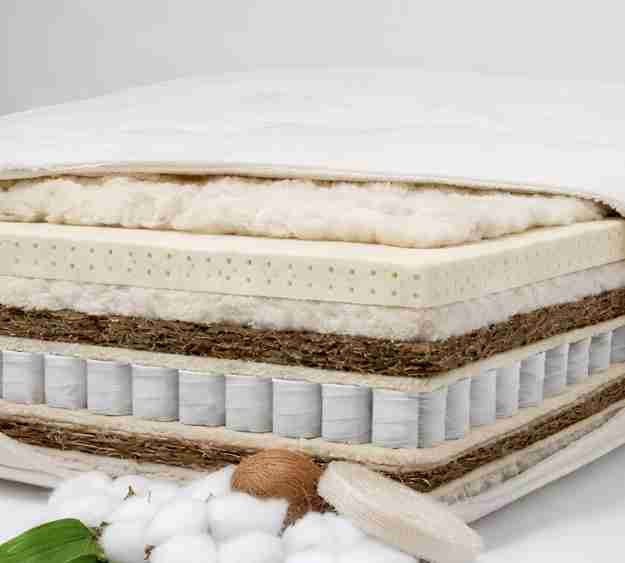
Eco-friendly mattresses use materials that come from nature, not factories. Think natural latex from rubber tree sap, organic cotton, British wool, and hemp fibres. These materials not only feel better to sleep on, but they also don’t come loaded with harmful synthetics.

Many of these beds are also free from chemical flame retardants, formaldehyde, and phthalates — all of which have been flagged for potential health risks. The EWG (Environmental Working Group) outlines many of the harmful chemicals found in standard mattresses and why it’s worth avoiding them.

2. Manufactured Responsibly

It’s not just what goes into the mattress, it’s also how it’s made. Eco-friendly mattress brands often operate with reduced emissions, ethical sourcing, and lower water use. Some even manufacture locally (here in the UK) to reduce the carbon footprint from shipping.

Look for brands that transparently list their sourcing and sustainability practices and offer certifications like GOTS, GOLS, or OEKO-TEX (more on these in another section).
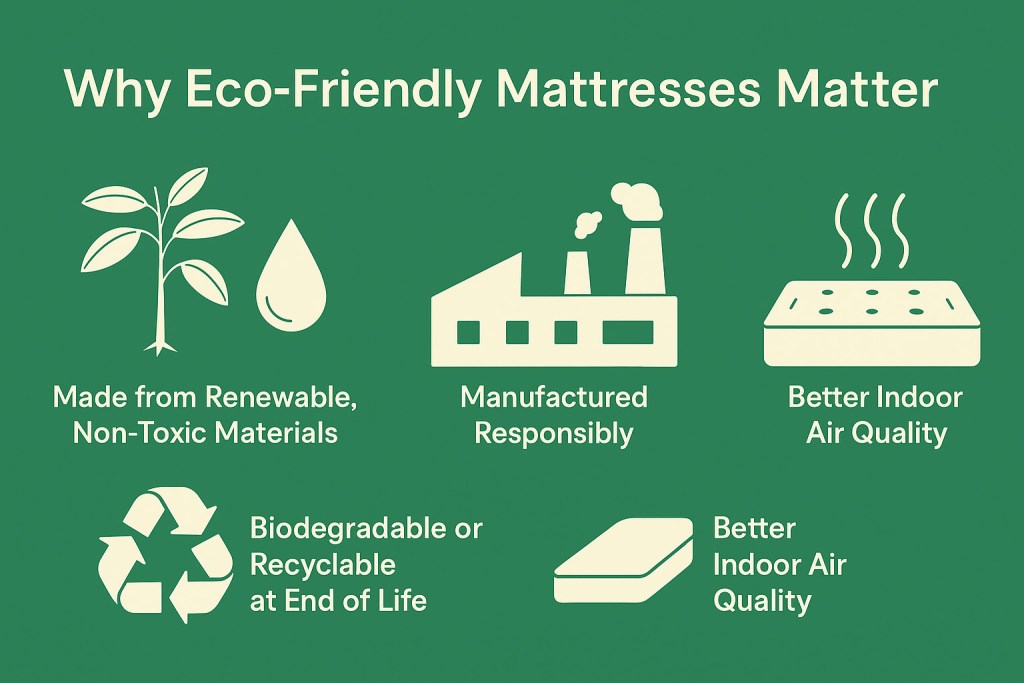
why eco friendly mattress is new modern

3. Biodegradable or Recyclable at End of Life

While most synthetic mattresses take decades (if not centuries) to break down, natural ones can be biodegraded or disassembled for recycling.

  • Latex, wool, and cotton can break down naturally
  • Spring units can be recycled as scrap metal
  • Some brands are even moving toward glue-free modular designs that make disassembly easier

This means less landfill waste and fewer bulky, unsalvageable materials clogging up waste centres.

4. Better Indoor Air Quality

An underrated benefit of eco-friendly mattresses is simply that you breathe easier. With fewer off-gassing chemicals and low VOC ratings, these mattresses are much less likely to irritate your lungs, eyes, or skin.

For children, older adults, and people with asthma or allergies, this matters a lot. Sleeping 7–9 hours a night on a mattress that emits fewer toxins can actually lead to better sleep, reduced congestion, and improved overall health.

As Harvard Health Publishing explains, indoor air quality plays a major role in health and what we sleep on is a huge part of that equation.

Natural Latex: The Core of Eco Comfort

One of the most sustainable and sought-after mattress materials is natural latex. Made from the sap of rubber trees, latex is a biodegradable, renewable, and incredibly durable material often lasting 15–20 years without sagging.

Unlike synthetic latex (which is made using petroleum byproducts), natural latex is processed using the Dunlop or Talalay methods and is free of harmful chemicals. It’s naturally resistant to dust mites, mould, and bacteria, and is ideal for those with allergies or asthma. You can browse some excellent examples of natural and organic latex mattresses available in the UK here.

Organic Cotton and Wool: Nature’s Finishing Touches

Eco-friendly mattresses often go beyond the core materials to include organic cotton and organic wool in the quilted layers or covers.

  • Organic cotton is grown without pesticides or synthetic fertilisers, reducing the environmental impact and water consumption. It’s breathable, soft, and hypoallergenic.
  • Organic wool is naturally fire-resistant (reducing the need for chemical flame retardants), temperature-regulating, and moisture-wicking. It’s also biodegradable and renewable.

These materials are especially popular in UK-made natural mattresses that prioritise comfort and clean sleep over synthetic blends or budget fillers.

Understanding Key Certifications: GOTS, GOLS, and CertiPUR

With so many mattress brands claiming to be “natural” or “green,” how can you actually verify what’s inside?

That’s where certifications come in third-party, independent standards that back up environmental, health, and ethical claims. These badges aren’t just for show; they ensure the materials in your mattress meet stringent safety and sustainability standards.

GOTS (Global Organic Textile Standard)

This is considered the gold standard for organic textiles like cotton and wool. If a mattress uses GOTS-certified materials, it means the fabric was grown and processed without harmful chemicals, under ethical labor practices, and in facilities that follow strict environmental criteria from farm to factory. It covers everything from pesticide use to water treatment and fair working conditions.

GOLS (Global Organic Latex Standard)

GOLS is to natural latex what GOTS is to textiles. If your mattress carries a GOLS certification, it means it contains at least 95% organic latex, sourced from rubber tree sap and produced in ways that support biodiversity, social welfare, and environmental preservation. It’s an essential badge for anyone shopping for a truly organic latex mattress.

mattress certificates

CertiPUR-US® (or CertiPUR-EU® in Europe)

This certification applies to polyurethane foam used in many mattresses, toppers, and upholstered furniture. A CertiPUR-certified foam is guaranteed to be made without ozone depleters, PBDE flame retardants, heavy metals like mercury and lead, or formaldehyde. It also confirms that VOC (volatile organic compound) emissions are kept to a minimum for safer indoor air quality. It’s not as “natural” as latex, but it’s a far safer alternative to uncertified synthetic foams.

When shopping, always check the tags or product pages for these badges they’re your best clue that the mattress lives up to its eco label.

Recyclability and End-of-Life Considerations

It’s not just about how your mattress is made it’s also about what happens when you’re done with it.

The average mattress in the UK ends up in landfill, where synthetic foam and plastics can take centuries to decompose. Eco-friendly mattresses, on the other hand, are often:

  • Fully recyclable (especially latex and spring models)
  • Biodegradable if made from natural materials like wool or cotton
  • Easier to disassemble for parts reuse

Some brands even offer mattress recycling or take-back schemes when you buy a new one, helping keep your old mattress out of the bin.

Tip: When choosing a mattress, look for those that are glue-free or modular in construction, they’re easier to recycle or repair in the future.

UK Brands Leading the Eco Mattress Movement

In recent years, there’s been a quiet but powerful rise in UK-based eco-conscious mattress brands not just from the household names, but from a wave of independent, quality-driven manufacturers dedicated to natural comfort and responsible production.

These companies focus on using sustainably sourced materials like natural latex, organic wool, and GOTS-certified cotton, and they often produce in low-emission facilities, package minimally, and operate with full transparency. Many of them also make their mattresses by hand right here in the UK, supporting local jobs and reducing transportation-related carbon emissions.

1. Luxe Mattresses

Luxe Mattresses is quickly gaining recognition for its dedication to natural, organic, and latex-based sleep solutions. Their focus on sustainably sourced materials, non-toxic construction, and transparent practices makes them a standout among newer UK brands. They offer a curated range of natural and organic mattresses that combine durability, breathable comfort, and a stylish aesthetic, all without compromising the environment.

2. The Wool Room

Though better known for their wool bedding, The Wool Room also produces mattresses made with traceable British wool, offering a great natural solution for those who want chemical-free, temperature-regulating comfort.
best UK brands to produce eco friendly luxe mattresses

3. Una Organic

Una focuses on organic latex mattresses with modular layers you can adjust for firmness. Everything is certified by GOLS and GOTS, and their packaging is fully biodegradable, ticking all the sustainability boxes.

4. Hypnos

This Royal Warrant-holding brand offers a mix of traditional and eco-conscious collections. Their Origins range uses natural fibres, including wool from the Red Tractor Assurance scheme, and their sustainability credentials are industry leading.

Here are some of the leading UK brands making waves in the green mattress space:

Common Myths About Eco Mattresses, Busted

“Eco mattresses are too expensive.”

Not necessarily. While natural materials can cost more upfront, they often last twice as long, saving money in the long run. And many UK retailers now offer interest-free payment plans.

“They’re not as comfortable as memory foam.”

Today’s latex and hybrid designs rival (and often outperform) foam beds when it comes to comfort, support, and breathability, without the chemicals.

“Eco means flimsy.”

Quite the opposite. Latex is one of the most durable mattress materials available, and wool naturally resists wear and tear.

Final Thoughts: Is an Eco-Friendly Mattress Worth It?

If you care about your health, your sleep, and your impact on the planet, the answer is a resounding yes. A well-made eco-friendly mattress can help you:

  • Sleep better (with fewer chemicals or allergens)
  • Breathe easier (thanks to natural ventilation and low-VOC design)
  • Live more sustainably (through responsible materials and end-of-life recyclability)

Whether you’re going full organic or just trying to make more conscious choices, upgrading to a mattress made from natural, certified materials is a great place to start.

🌿 Ready to explore the options? Browse eco-friendly, natural, and latex mattresses here and take one step closer to greener, healthier sleep.

king size mattress guide
July 14, 2025

King Size Mattress Buying Guide (UK): Dimensions, Firmness, and What to Look For

Let’s be honest: few things say “comfort” quite like a king size mattress. Whether you’re stretching out solo or sharing with a partner (or a toddler who insists on sneaking in), that generous space can be a game changer for sleep quality. But choosing the right one? That’s a little more complicated, especially in the UK, where sizes, frames, and firmness preferences can vary widely.

This guide walks you through everything you need to know before buying a king size mattress in the UK, including how it differs from a European king, what firmness zones matter, and how to make sure it fits your bed frame and your life.

What Is a King Size Mattress in the UK?

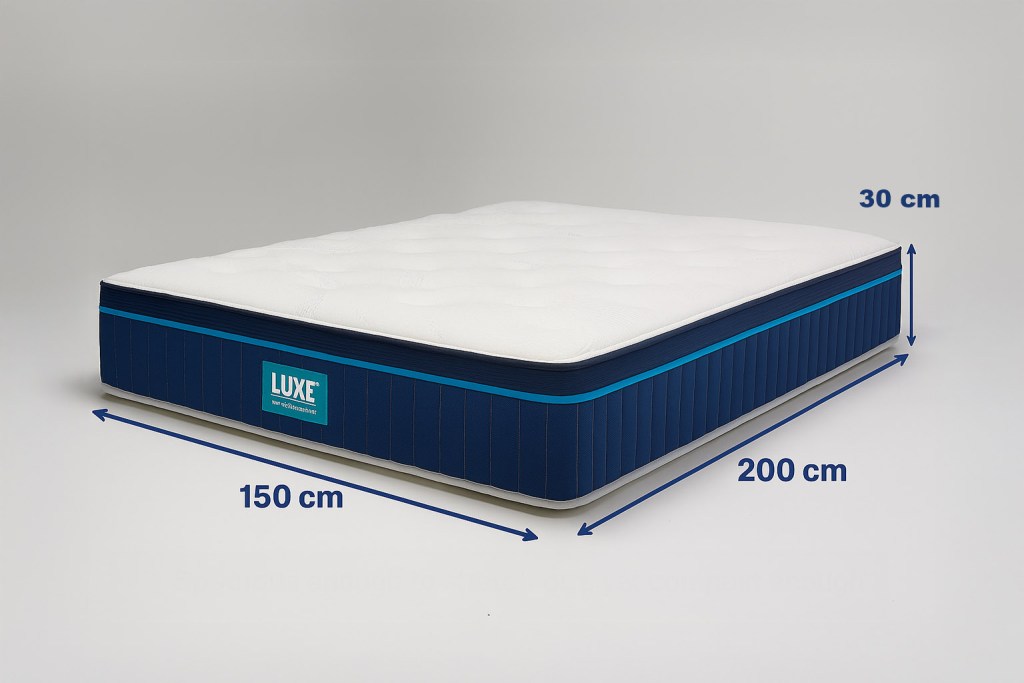
In the UK, a standard king size mattress measures 150cm wide by 200cm long, that’s about 5 feet wide and 6 feet 6 inches long. It offers 15cm more width than a double mattress, which doesn’t sound like a lot until you realise how much that extra space helps you sleep without accidentally elbowing your partner in the ribs.

king size mattress

It’s a fantastic choice for:

  • Couples who like a bit of personal space
  • Taller individuals who need extra legroom
  • People who toss and turn or sleep in odd positions
  • Parents whose kids sometimes join them in the middle of the night

But here’s where it gets interesting, not all kings are created equal to understand how to choose king size mattress read our guide.

UK King vs European King vs Super King: What’s the Difference?

Mattress shopping can quickly get confusing when you realise that a “king” in one country isn’t always the same in another. Even within the UK, retailers might offer different “king” sizes, so let’s break it down clearly:

Mattress Type Dimensions (cm) Best For
UK King 150 x 200 Most UK bed frames and bedrooms
EU (Euro) King 160 x 200 IKEA beds or European-manufactured frames
UK Super King 180 x 200 Maximum space, larger bedrooms

Key tip: If you’re buying a mattress for an IKEA bed, chances are you need a European king, not a UK one. That extra 10cm in width makes a big difference in fit and comfort.

What Does “Bigger King” Really Mean?

When people talk about upgrading to a “bigger king,” they’re usually referring to either a European king (for more width) or a super king (for maximum spread). But keep in mind:

  • Bigger mattress = heavier – Latex and memory foam models can be particularly dense.
  • Bigger mattress = bigger frame needed – Not all king-size mattresses are interchangeable with your existing base.
  • Bigger mattress = more bedding required – Your old sheets might not fit, especially if you’re moving up from a double or standard king.

So, bigger can be better, but only if your space, budget, and lifestyle can accommodate it.

Firmness: What Works Best in a King Size?

This is where things get personal, literally. When you’re buying a king size mattress in uk, especially for two people, firmness becomes a shared decision. And we all know how tricky that can be.

Here’s what to consider:

1. Zoned Support

Look for mattresses with zoned firmness, where different areas of the mattress are tailored to support your body more effectively, for example, firmer around the hips and lower back, softer under the shoulders. This is especially helpful for couples with different body types.

2. Split Firmness (for Couples)

Some high-end models offer dual firmness options, one side firmer, one side softer. This is great if you love support and your partner prefers something plush. While not as common in the UK as in the US, some brands like TEMPUR and Emma are starting to offer them.

3. General Guide

  • Soft to Medium: Best for side sleepers and lighter individuals
  • Medium Firm: Ideal for combination sleepers and most couples
  • Firm to Extra Firm: Great for back sleepers, heavier individuals, or those with back pain

If you’re not sure what level suits you best, take advantage of free trial periods, most good UK mattress brands now offer 100-night trials or longer.

Understanding King Size Mattress Firmness Levels

When choosing a king size mattress, getting the size right is only half the equation — the firmness level plays an equally important role in ensuring comfort and support. With a larger sleep surface, firmness becomes especially noticeable, particularly for couples who may have different preferences.

Firm King Size Mattress

A firm king size mattress provides solid, even support with very little sink. It’s ideal for back sleepers, heavier individuals, or those who suffer from lower back pain and need a stable surface to maintain spinal alignment. It prevents the hips from sinking too far, which is crucial for proper posture overnight.

Medium Firm King Size Mattress

If you’re after a balanced feel, a medium firm king size mattress is the most popular choice in the UK. It offers a great middle ground, supportive enough to keep your spine aligned, yet cushioned enough for side sleepers or combination sleepers. It’s also the go-to firmness for most couples since it tends to suit a wide range of body types.

Firmness Level Feel Recommended For
Firm King Size Mattress Very supportive, minimal sink Back sleepers, heavier individuals, people with lower back pain
Medium Firm King Size Mattress Balanced support and comfort Most couples, side or combination sleepers
Extra Medium (Medium Soft) King Size Mattress Softer surface with slight sink Lightweight sleepers, people with joint pain
Soft King Size Mattress Deep contouring, plush feel Strict side sleepers, those with hip or shoulder sensitivity
Extra Soft King Size Mattress Maximum sink, very plush Luxury comfort seekers, not ideal for back pain sufferers

Extra Medium King Size Mattress

Slightly softer, the extra medium or medium-soft king size mattress gives a more plush feel without going fully soft. This type often appeals to lightweight sleepers, those with joint pain, or anyone who enjoys a gently cradling sleep surface without losing support completely.

Soft King Size Mattress

Then we have the soft king size mattress, which contours deeply around your body. It’s best suited for strict side sleepers or individuals with shoulder or hip sensitivity, where pressure relief is key. That said, soft mattresses can sometimes lack support for heavier sleepers or back sleepers.

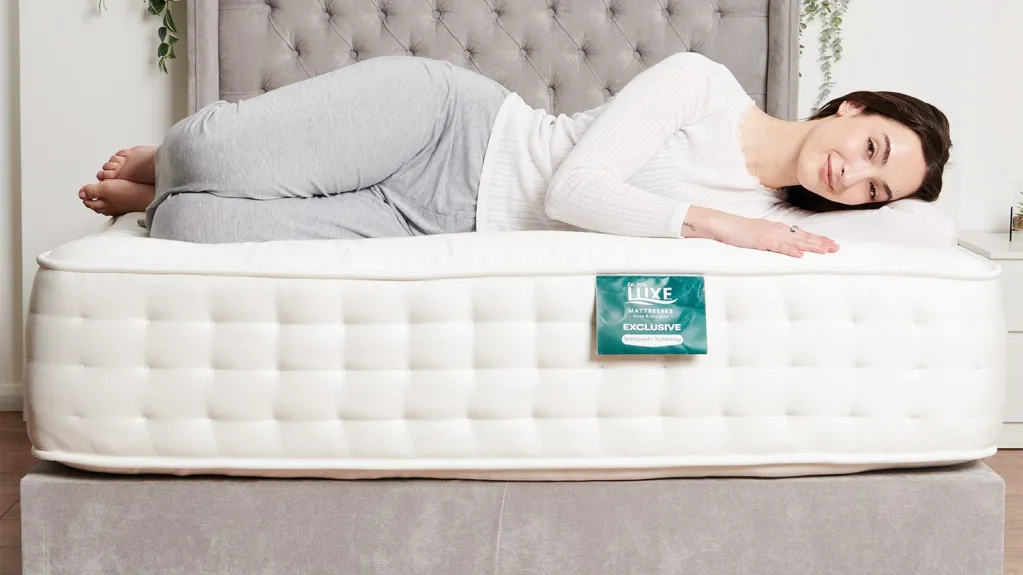
soft king size mattress
enhanced spine alignment

Extra Soft king Size Mattress

Lastly, an extra soft king size mattress offers the deepest sink and plushest feel, think luxury hotel bed. While it’s incredibly cozy, it may not be ideal for everyone. Those with back issues or who need firmer support should approach extra soft models with caution, as they can lead to poor spinal alignment over time.

In a king size, all these firmness levels are amplified due to the mattress’s surface area. This makes firmness zoning and motion isolation especially important for couples. Many modern king size models come with zoned support systems or dual firmness options, helping partners enjoy the feel they prefer without compromise.

Bed Frame Compatibility: Measure Before You Buy

It’s surprisingly easy to forget about your bed frame when you’re focused on finding the perfect mattress. But getting this wrong means dealing with awkward overhangs, gaps, or worse, a mattress that simply doesn’t fit.

  • If you have a UK bed frame, make sure the mattress is exactly 150 x 200cm.
  • For IKEA or European frames, check if they need a 160 x 200cm mattress instead.
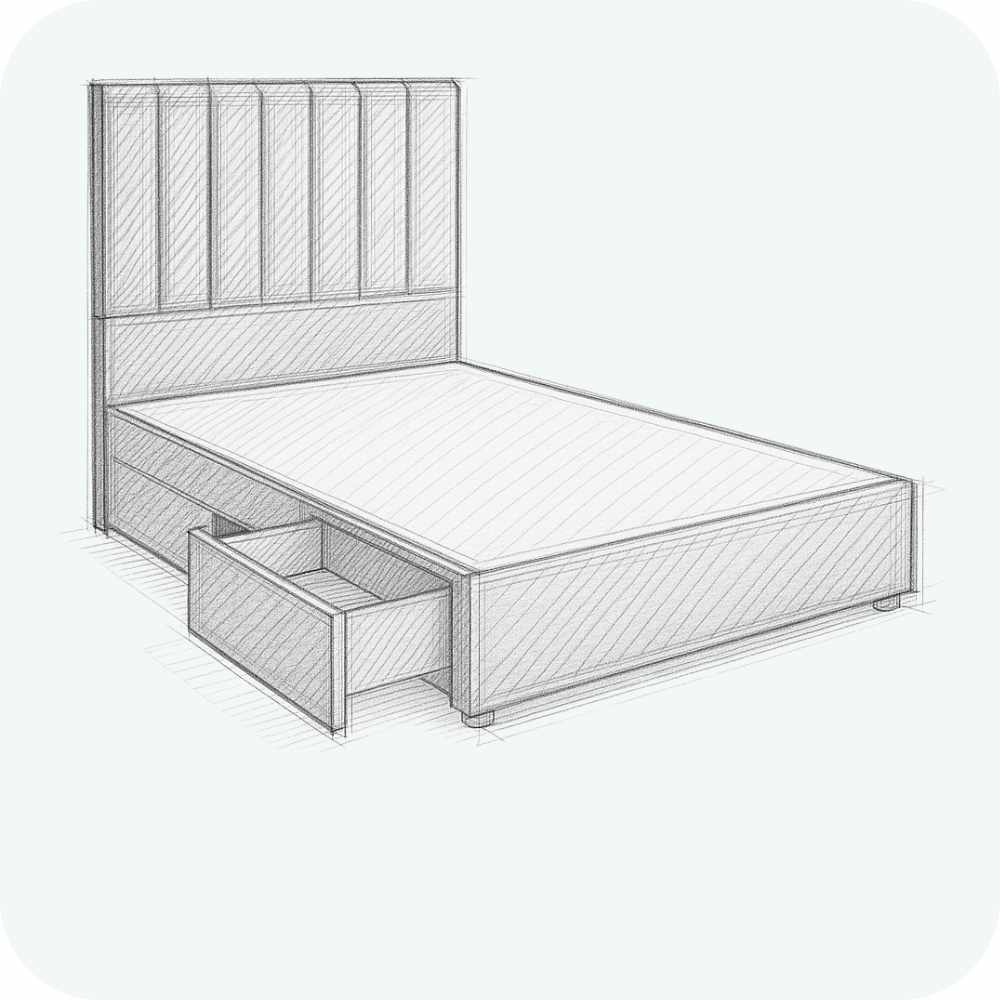
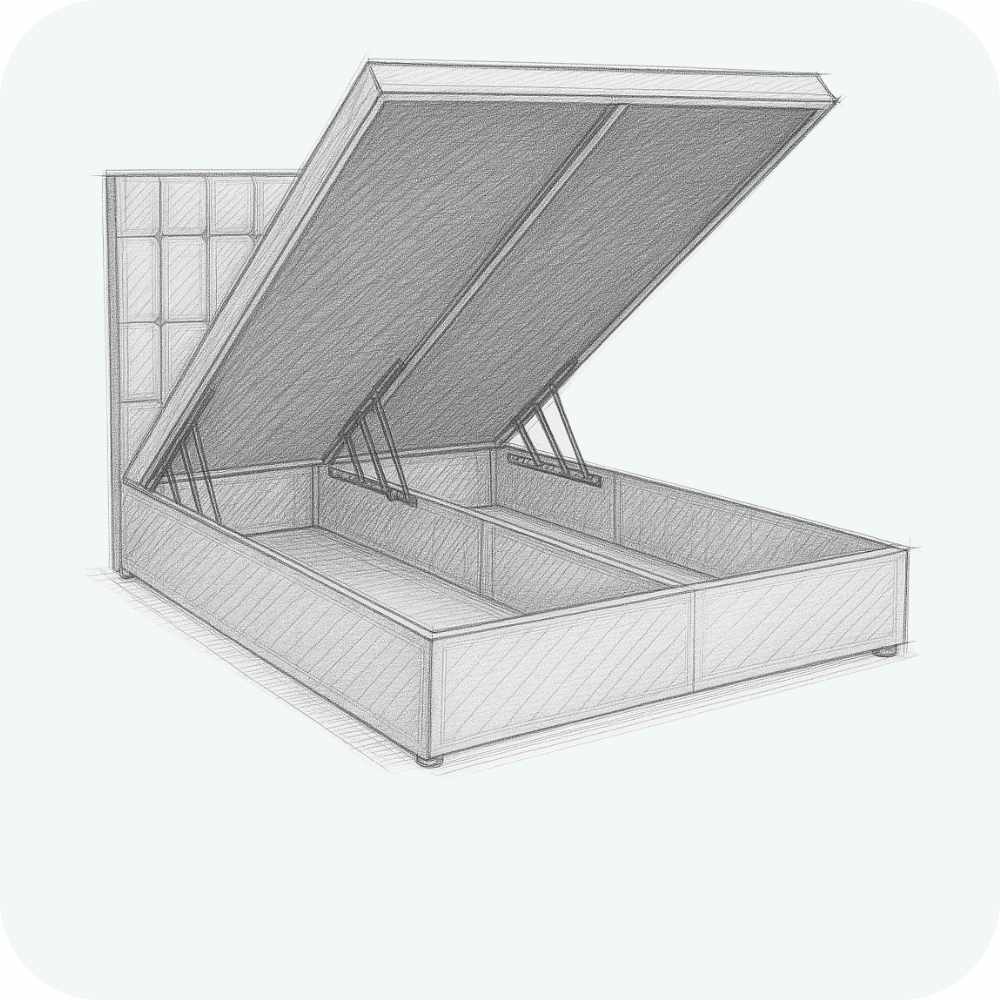
  • Ottoman or storage beds? Check for hinge clearance, thicker mattresses (especially hybrid ones) can interfere with opening.

Pro tip: If you’re upgrading from a smaller size (like a double), double-check that your bedroom can comfortably accommodate a king. You’ll want at least 60cm clearance on either side of the bed to walk around it, please check here our room measurement guide for king size mattress.

Which Material Is Best for a King Size Mattress?

The bigger the mattress, the more you’ll feel the materials inside it, especially when two people are sleeping on it. Unlike smaller sizes where firmness and surface feel might be more uniform, king size mattresses often highlight the strengths and weaknesses of each material.

Material Type Key Features Best For
Memory Foam – Deep contouring and pressure relief
– Excellent motion isolation
– Can retain heat (look for gel-infused or open-cell)
– Varies in edge support and bounce
– Couples sensitive to motion
– People with joint or pressure-point pain
– Those who enjoy a “sinking-in” feel
Latex – Naturally breathable and cooling
– Springy and responsive surface
– Highly durable (10–20 years lifespan)
– Eco-friendly and biodegradable
– Eco-conscious buyers
– Hot sleepers
– People who shift positions frequently
Hybrid (Foam + Springs) – Combines support of coils with comfort of foam or latex
– Zoned support often included
– Strong edge support and airflow
– Some motion transfer depending on coil quality
– Couples with different sleeping preferences
– People wanting a “best of both worlds” feel
– Users needing strong edge support

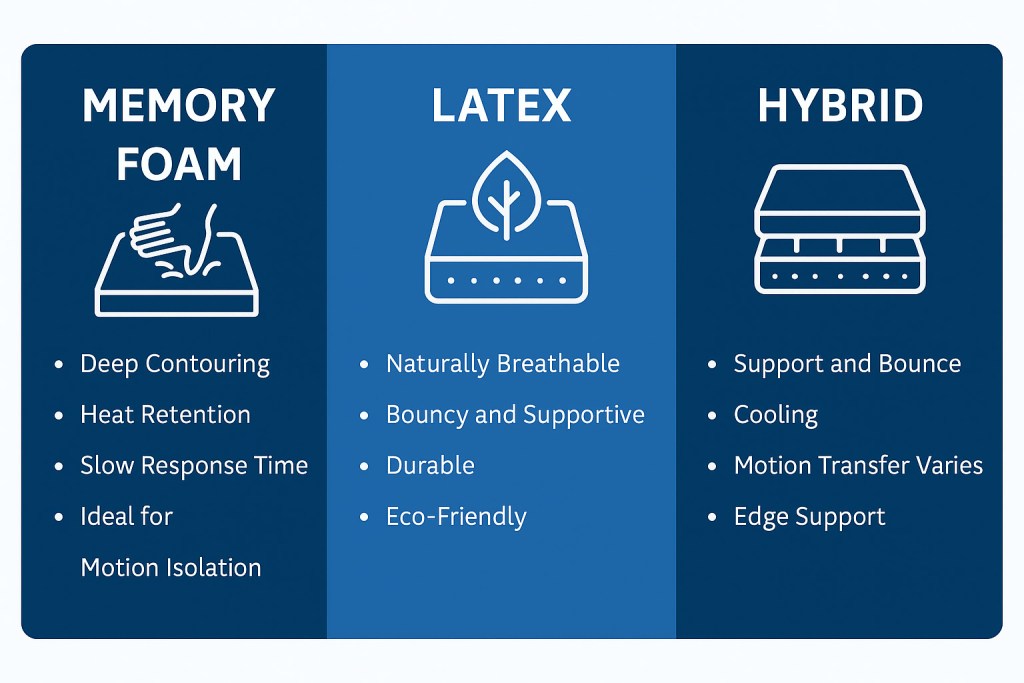
Let’s take a closer look at the three most popular options, memory foam, latex, and hybrid, and what each one brings to the table (or bed, rather).

Memory Foam

Memory foam has earned a strong following for its deep contouring and pressure relief. It adapts to your body’s shape, cradling you like a moulded hug, which is great for people with joint pain or sensitive pressure points.

However, there are a few things to be mindful of, especially with king sizes:

  • Heat retention: Traditional memory foam tends to trap body heat. If you or your partner sleep hot, this could be uncomfortable, especially in a larger bed where airflow may be more limited.
  • Slow response time: Memory foam can feel “sticky” or slow to bounce back when you move, which may be noticeable if you toss and turn at night.
  • Edge support varies: Lower-quality memory foam mattresses can sag at the edges, making king size beds feel smaller than they actually are.

Ideal for:

Couples who value motion isolation , if your partner gets up in the night, you’re far less likely to feel it. It’s also great for people who prefer a “sinking-in” feeling and don’t mind the added warmth.

Bonus tip: If you love the feel of memory foam but sleep hot, look for a gel-infused or open-cell foam design to help with breathability.

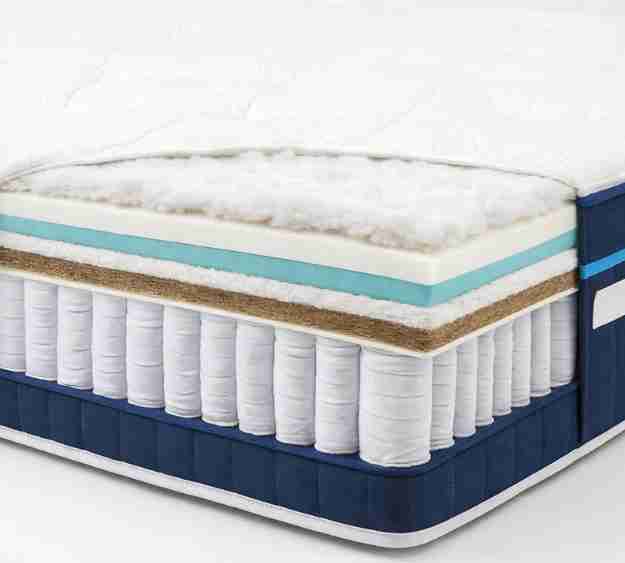
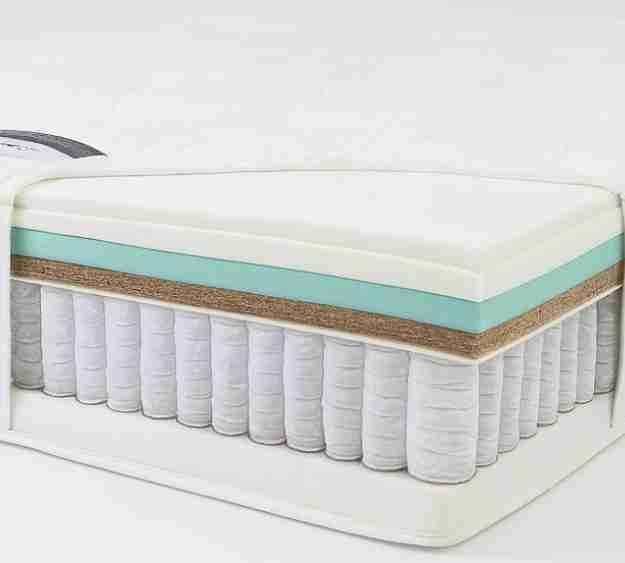
memory foam vs latex vs hybrid mattress

Latex

Latex is often seen as the premium choice for sleepers who want comfort, support, and sustainability in one package. Whether it’s natural latex (tapped from rubber trees) or a blend, latex has a unique springy, responsive feel that doesn’t trap heat or slow you down when you move.

Here’s why it works well in a king size format:

  • Naturally breathable: Airflow is key in a larger mattress, especially for couples, and latex excels here.
  • Bouncy and supportive: You won’t feel “stuck” like you might with memory foam. Latex gives gentle pressure relief without compromising spinal alignment.
  • Durability: High-quality latex mattresses can last 10 to 20 years, even with two people using them every night.
  • Eco-friendliness: Natural latex is biodegradable and often produced with sustainable farming practices.

Ideal for:

Eco-conscious shoppers, hot sleepers, or anyone looking for a long-term investment in comfort and resilience. It’s also a great choice if you tend to change positions throughout the night and need a mattress that keeps up.

You can explore high-quality options like these UK latex mattresses, many of which come in king size formats with varying firmness levels.

Hybrid (Foam + Springs)

A hybrid mattress combines the comfort layers of foam or latex with a support base of pocket springs, offering a well-rounded sleep experience. This balance makes hybrids a top pick for king size beds, especially among couples with different sleep preferences.

Here’s what stands out in a hybrid:

  • Support and bounce: The springs provide a strong base that holds its shape over time. Many hybrids offer zoned support, with firmer springs under your hips and lower back.
  • Cooling: With built-in airflow from the coils and breathable foam or latex layers, hybrids are generally much cooler than traditional memory foam.
  • Motion transfer varies: High-quality hybrids isolate motion well, but cheaper ones might feel a bit bouncier, depending on the coil system.
  • Edge support: Most hybrids are reinforced around the edges, crucial in a king size mattress where every inch of space counts.

Ideal for:

People who want the best of both worlds, the contour of foam or latex with the bounce and support of springs. Also perfect for couples with different body types or sleeping styles.

Final Thoughts on Mattress Materials

Choosing the right material is just as important as choosing the right size. In a king mattress, you’ll notice how the material performs across different zones of the bed, how it supports two bodies instead of one, and how it regulates temperature throughout the night.

To summarise:

  • Go for memory foam if you want body-hugging comfort and peace from partner movement.
  • Choose latex for a breathable, responsive, and eco-friendly upgrade.
  • Pick a hybrid if you want a balanced feel with robust support and airflow.

Still unsure? Many UK mattress brands offer trial periods (usually 100 nights or more), so you can try your mattress at home before fully committing. if you want to read the more detailed guide about mattress materials, you can read here.

Top Tips Before You Buy

  1. Try before you buy (if possible): Visit a showroom or order from a brand with a solid return policy.
  2. Look at edge support: With larger beds, poor edge support means you’ll lose usable space.
  3. Check the return policy: At least 60 to 100 nights, ideally with free returns.
  4. Think long-term: A king size mattress is an investment. Look for at least a 5 to 10 year warranty.

Final Thoughts: Go Big, But Go Smart

A king size mattress can transform your sleep, but only if you choose the right one. Understand the dimensions you need (especially UK vs EU king), the firmness that fits your sleep style, and the bed frame compatibility before you hit buy.

And remember, a bigger mattress doesn’t just mean more space, it means better sleep, fewer sleep disruptions, and happier mornings. Whether you’re shopping for comfort, posture, or peace of mind, the right king size mattress is worth every inch.

Product has been added to your cart