


The Emotional Side of Sleepless nights
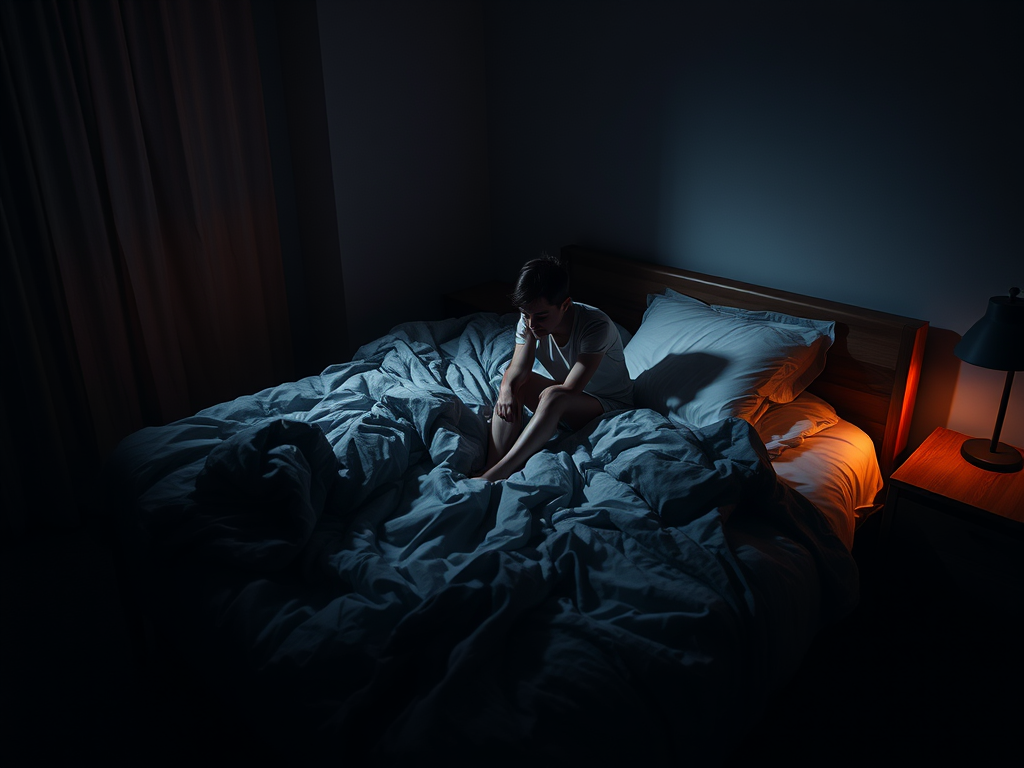
It’s hard to separate sleep and feelings. After a bad night’s sleep, most of us know that we can be cranky or nervous the next day. This is often caused by stress, sadness, or anxiety. We now know that not getting enough sleep can make you feel lousy and that being mentally sick can make it hard to sleep. A lot of mental health problems can make it hard to sleep.
This article talks about some of them. When people are terrified, angry, or unhappy, they typically can’t stop thinking. This is because not getting enough sleep might hurt your brain. We’ll also speak about typical triggers, some mental skills that can help you, and bedroom ideas that can help you break the cycle and get the sleep you need.
Understanding Anxiety’s Role in Sleep Disruption
Stress makes the body want to fight or run away all the time, even when it’s time to sleep. Your nerve system gets incredibly busy when you’re terrified or worried. This makes it hard to relax and go to sleep. Sleeping experts note that people with this disease think a lot, have tense muscles, and their hearts beat quickly. A lot of thoughts, tense muscles, and a racing heart are all signs of this illness.
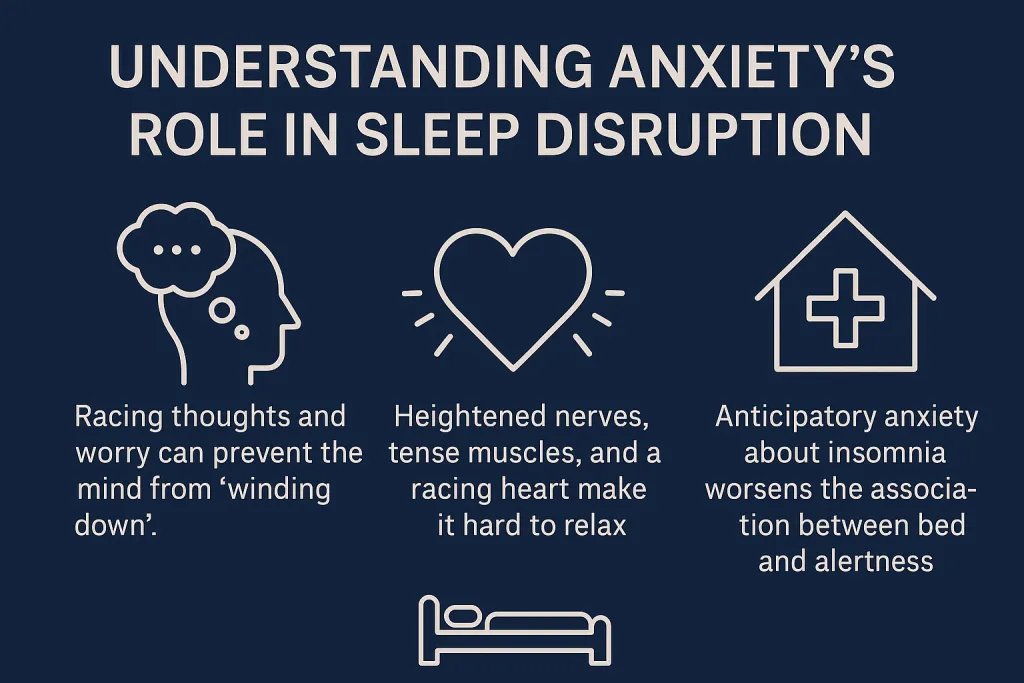
When you’re anxious, your body releases stress hormones like adrenaline, which make your heart beat faster and your body heat rise. Stress, a racing heart, and tight muscles can all make it hard to fall asleep or stay asleep. People who are troubled tend to worry about their troubles all the time. Whether you’re thinking about a talk you had or making a list of things you need to do tomorrow, these kinds of thoughts can come in a lot before bed and stop your brain from “winding down.”
Many people experience anticipatory anxiety about sleep itself. For example, “What if I lie in bed all night and still feel tired tomorrow?” is a common fear that people have before going to sleep. In a strange way, this fear of not sleeping can keep them up even longer. As time goes on, the bedroom continues to make you think of tension instead of sleep, which makes insomnia even worse.
In short, anxiety keeps your body and mind over-alert at night. This over-alertness is considered a central contributor to insomnia. The more anxious you feel, the harder it becomes to fall or stay asleep. Without intervention, this pattern can quickly spiral into a chronic problem.
The Vicious Cycle: Poor Sleep Fuels Poor Emotional Health
Both sleep and mood can influence each other. Just as anxiety and stress makes it hard to sleep, poor sleep can also make your mental health worse. Sleep deprived brains handle stress poorly. People tend to get bothered easily by little things, feel more annoyed and sad, and find it hard to regulate their emotions. In fact, the NHS warns that “longer stretches of bad sleep can…have a negative impact on our mental health or wellbeing”.
Biologically, not getting enough sleep makes cortisol rise and makes it harder for the brain to process positive feelings. This makes you feel dull or concerned. Not getting enough sleep can reduce your mood, make anxiety or depression worse, and even raise your chance of having new mental health conditions over the course of weeks or months. Because of this, not getting enough sleep makes stress and anxiety worse, which makes it much harder to get to sleep.
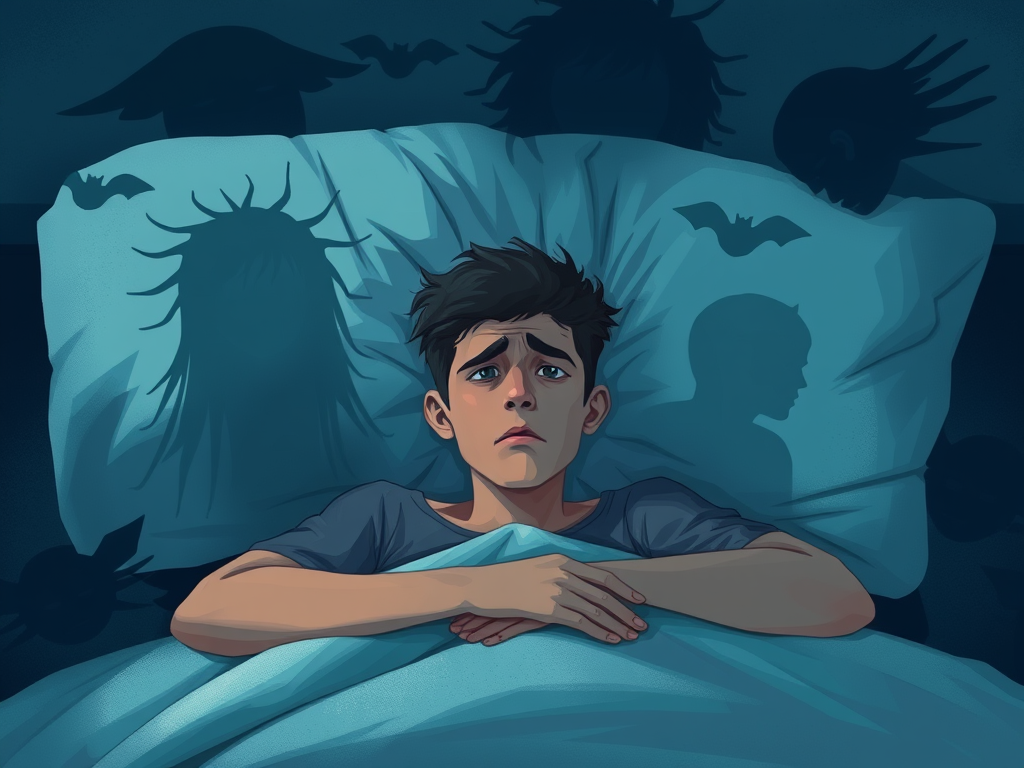
Research confirms this loop. One study found that chronic insomnia not only often follows anxiety and depression, it can actually predispose otherwise healthy people to develop anxiety disorders later. Likewise, sleeping better has been shown to improve mental health outcomes. For example, therapy that targets insomnia (CBT-I) not only improves sleep but also reduces symptoms of depression and anxiety. In other words, better emotional health and better sleep go hand-in-hand, ignoring one can undermine the other.
Common Emotional Triggers of Insomnia
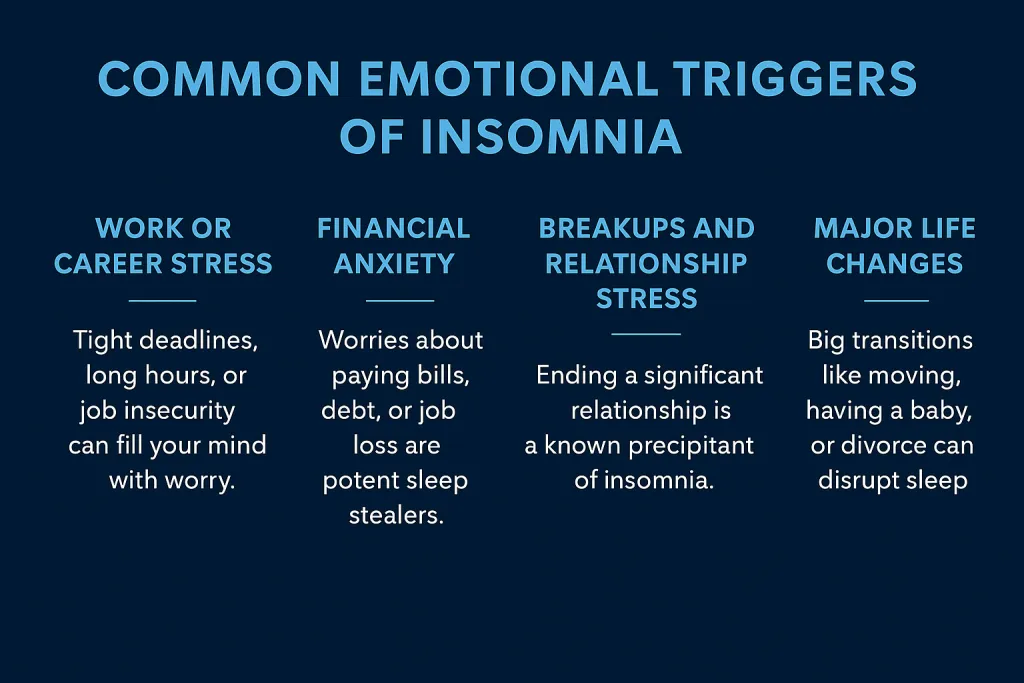
Many everyday stressors and life events can trigger sleeplessness. Here are some of the most common emotional triggers, along with brief examples of how they manifest:
i. Work or Career Stress: Tight deadlines, long hours, or job insecurity can fill your mind with worry.
ii. Financial Anxiety: Worries about paying bills, debt, or job loss are potent sleep stealers. In a recent survey, 77% of U.S. adults admitted they lose sleep over money worries at least some of the time. But seriously though, I totally get them. Making budgets or worrying about debt can easily put sleep at the back corner of one’s mind.
iii. Grief and Loss: Losing a loved one can be quite upsetting and it often disrupts sleep. Health sources note that “trouble sleeping is common with grief.” Anxiety or sadness over the loss of a loved one can cause frequent awakenings or early morning wake-ups.
iv. Breakups and Relationship Stress: Ending a significant relationship is a known precipitant of insomnia. Behavioral scientist Wendy Troxel notes that losing a partner either through a bad breakup or death makes people feel vulnerable and triggers sleeplessness.
Major Life Changes: Big transitions like moving to a new city, starting (or losing) a job, having a baby, or going through divorce can also be stressful enough to disturb sleep. The emotional upheaval and broken routines during these times often spill into the bedroom.
Recognizing these triggers is the first step. The body’s natural response to worry often is to make sleep difficult. Identifying your trigger can help you tackle the insomnia associated with it.
How Depression Differs from Anxiety in Sleep Impact
While anxiety typically causes difficulty falling or staying asleep, depression can affect sleep in a different way. About 75% of people with depression report insomnia symptoms, but surprisingly many depressed patients also experience hypersomnia (sleeping too much). Studies show that roughly 40% of young adults with depression have hypersomnia. In practice:
- Depression and Sleep Patterns: People with depression often have poor sleep quality, even if they spend more time in bed. They may fall asleep but wake up too early, or sleep only lightly and feel unrefreshed. Some simply sleep all the time and still feel exhausted. Depression can cause both non-restorative sleep and excessive sleepiness.
- Anxiety and Sleep Patterns: On the other hand, anxiety usually makes you sleep in a way that makes you restless and hyper-alert. Anxious people tend to lie in bed worrying, startle awake easily, and spend little time in deep sleep. Nights are often fragmented with frequent awakenings.
These differences also show up in sleep architecture. Anxiety keeps the mind wired and awake, while sadness can leave someone dragging all day or waking painfully early. Both disrupt the restorative functions of sleep, but through somewhat different mechanisms.
Coping Mechanisms That Make It Worse
When sleep is elusive, it’s tempting to reach for quick fixes. But many common coping strategies backfire, further disrupting sleep and fueling anxiety. These include:
i. Taking Alcohol or Sedatives before Bed: While a nightcap could make you feel drowsy initially, alcohol fragmented sleep later in the night and lowers REM sleep. This can make you feel fatigued and stressed the next day.
ii. Late-Night Screen Time: Scrolling on your phone or watching TV right before bed throws off your internal clock. Melatonin, the hormone that makes you sleepy, is shut off by blue light from screens, keeping your brain alert. NHS experts advise avoiding electronic devices at least an hour before bedtime. Instead, unwind by reading or listening to calm music.
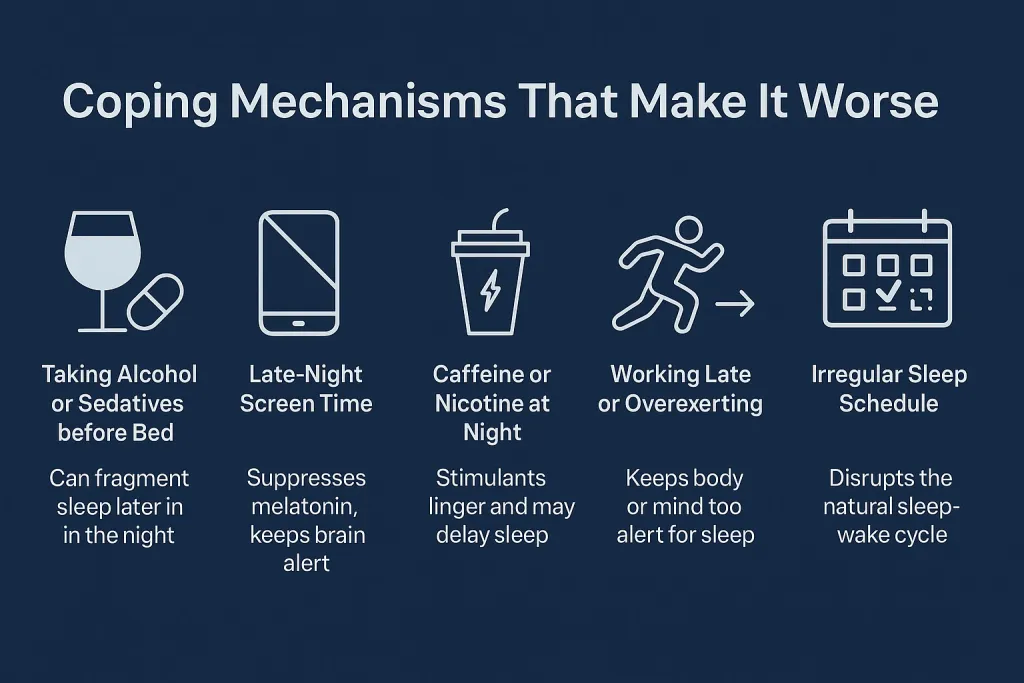
iii. Caffeine or Nicotine at Night: Stimulants like coffee, tea, energy drinks, or nicotine from cigarettes can linger in your system and make it hard to fall asleep. The NHS notes that things like nicotine, coffee, and other stimulants might make it hard to sleep. Even sweets or some medicines taken in the evening can also be harmful.
Iv. Working Late or Overexerting: Doing work in bed or thinking about things that need to be done can make you feel stressed. Similarly, if you perform a lot of strenuous activity close to bedtime. When it’s time for bed, it’s hard to fall asleep if your mind or body is still awake.
V. Irregular Sleep Schedule: Staying up late on the weekends or changing your bedtime a lot can mess up your body’s natural sleep-wake cycle. A chaotic plan makes it hard for the brain to figure out a time of rest.
These strategies can feel like instant relief or productivity boosts, but they ultimately worsen sleep and anxiety. For example, stimulants are a common cause of sleep problems and should be avoided before bed. Likewise, SleepFoundation experts recommend good sleep hygiene: steady bedtimes, pre-bedtime wind-down routines, and a phone-free bedroom.
Emotional Sleep Disorders You Might Not Know About
Beyond general insomnia, there are specific sleep disturbances linked to emotional health, which include:
i. Sleep Anxiety (Anticipatory Insomnia): This is when fear of not sleeping actually keeps you awake. A person might dread bedtime, worry about falling asleep, or even develop somniphobia (fear of sleep). Sleep experts call this “sleep performance anxiety.”
ii. PTSD-Related Nightmares and Hypervigilance: People with post-traumatic stress disorder often dream about awful events that happened to them and are particularly vigilant at night. A study found that more than 90% of combat soldiers with PTSD say they have trouble sleeping. People can have bad dreams and wake up many times. They can’t sleep because their bodies are always “on guard.”
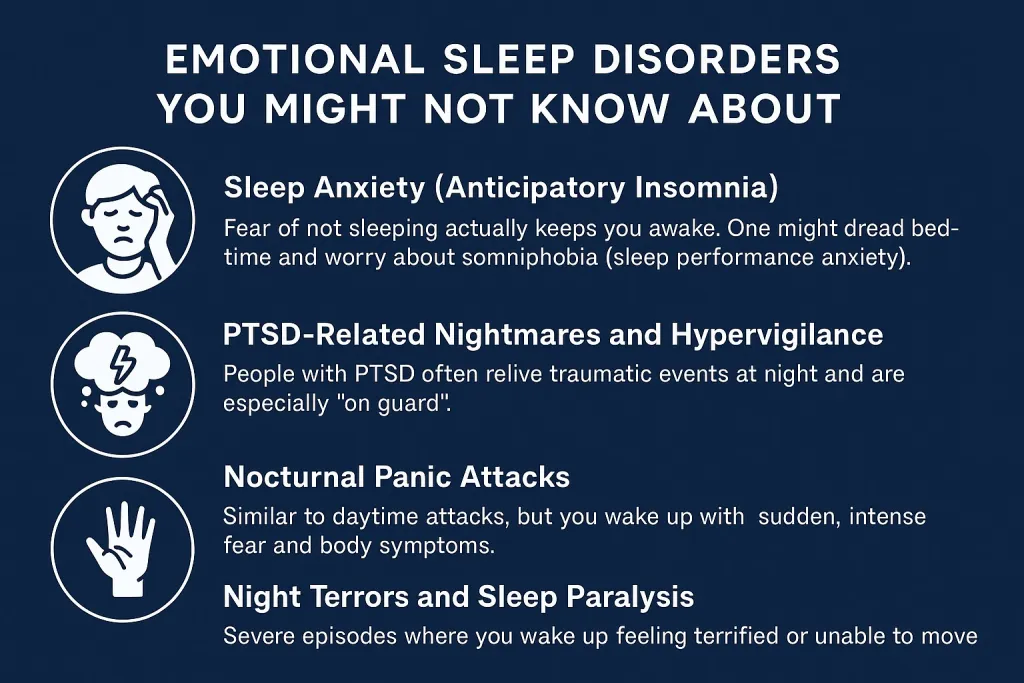
iii. Nocturnal Panic Attacks: People with panic disorder don’t want to have panic attacks in the middle of the night, but some do. It’s the same at night: they wake up scared, their heart racing, and they can’t breathe. The Cleveland Clinic says that as many as seven out of ten people with panic disorder also have panic attacks at night. They might be scared, think they’re going to die, and worry that bad things are going to happen, but it wasn’t an emergency; it was just a panic attack.
iv. Night Terrors and Sleep Paralysis: In severe cases, one might experience night terrors, or sleep paralysis. Although more common in children, these disorders can occur in adults under extreme stress or trauma. They are more complex disorders, but are essentially manifestations of the same mind-body fear responses at night.
In all of these disorders, the sufferer wakes up feeling terrified or agitated. For example, having a panic attack at night means feeling very scared quickly, sweating, having a fast heartbeat, and being out of breath. The person is fully awake and afraid, which is not typical. It is vital to note that these indications are not “normal” but are instead induced by worry or stress. People who are hurting should get help because there are effective treatments available, like medication or therapy from a professional.
Psychological Solutions for Restoring Sleep
The good news is if your emotions are keeping you up, you can sleep better with the right techniques. Several evidence-based psychological approaches target the anxious thoughts and behaviors keeping you awake, such as:
i. Cognitive Behavioral Therapy for Insomnia (CBT-I): This structured, short-term therapy has been shown to help people who can’t sleep by changing the way they think about and act when they sleep. As part of CBT-I, patients typically learn to examine negative beliefs and build a soothing practice before bed. Big studies have shown that CBT-I not only helps people sleep better, but it also makes them feel less anxious and sad.
ii. Mindfulness and Relaxation Practices: Mindfulness training, like meditation, teaches the brain to stay in the now instead of worrying about the future. Harvard researchers showed that older adults who had difficulties sleeping and exercised mindfulness were much less likely to be weary, depressed, or unable to sleep. You can elicit this “relaxation response” by focusing on your breath or doing some gentle yoga before bed. Progressive muscular relaxation and deep breathing are two easy ways to calm down your heart rate and clear your mind.
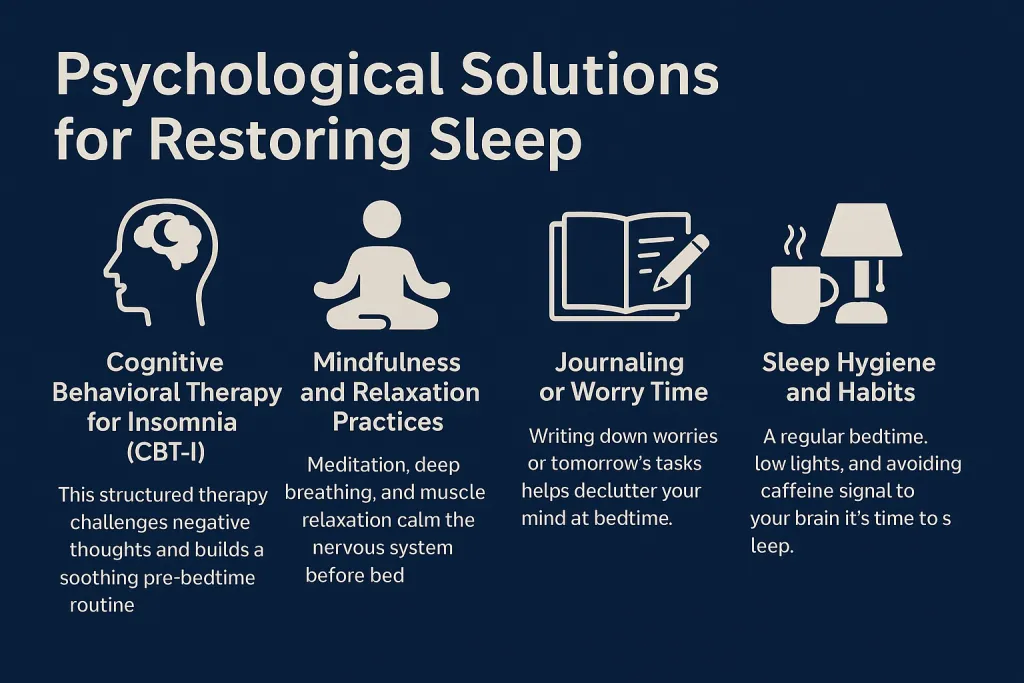
iii. Journaling or Worry Time: Giving anxious thoughts a specific outlet can prevent them from hijacking bedtime. The NHS suggests writing down tomorrow’s tasks before bed as a way to “put your mind at rest”. Writing in a worry book or a thankfulness notebook can also help you relax. The most important thing is to do something peaceful and alone, and then stop when you’re done with your book.
iv. Sleep Hygiene and Habits: Your brain knows it’s time to sleep when you have a regular bedtime routine, like drinking herbal tea and turning off the lights. Don’t eat a lot, drink a lot of coffee, or work out hard straight before bed. Getting outside in natural light and working out regularly can help you fall asleep sooner. These little modifications make it easier for the brain to link bedtime with relaxation instead of worry over time.
If your worry or trauma is really bad, you usually require support from a specialist. Psychologists and sleep experts can make therapies work for you. Getting more sleep can assist your mental health just as much as or more than dealing with stress. For a lot of people, breaking the practice of worrying at night might make them feel better throughout the day.
The Role of Environment in Supporting Emotional Rest
Your bedroom environment can either make your mental tension worse or better at night. The colors, warmth, and mood of the room can all affect your brain and instruct it to relax. Walls painted in gentle blues, greens, or even light gray tend to make individuals feel pleasant and relaxed. People who sleep in blue or green rooms are the most relaxed and get the greatest sleep, according to surveys. You might want to avoid bright reds or yellows, as they tend to make you feel more energized.
Silence is “golden” for sleep. To filter out unpleasant sounds, use earplugs or a white-noise machine. Blinds or eye masks that block off light can assist. Put your phones on silent or in another room. Most individuals sleep best in settings that are a little cold, between 65°F and 68°F (18°C and 22°C). The NHS suggests to keep the bedroom cool and “well ventilated” because being too hot or stuffy might make you feel restless.
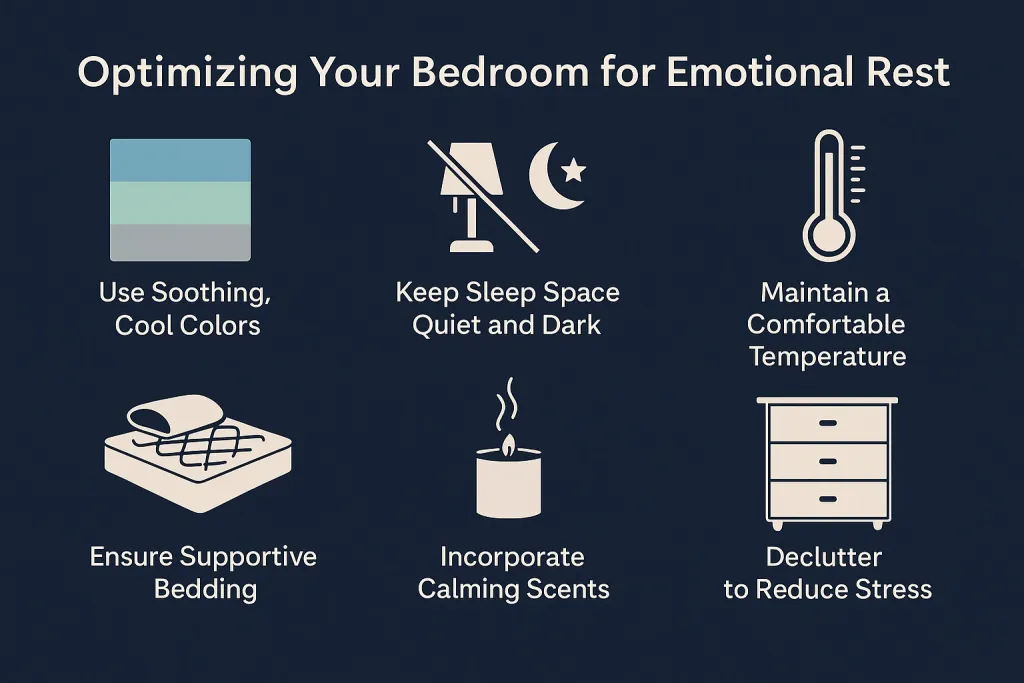
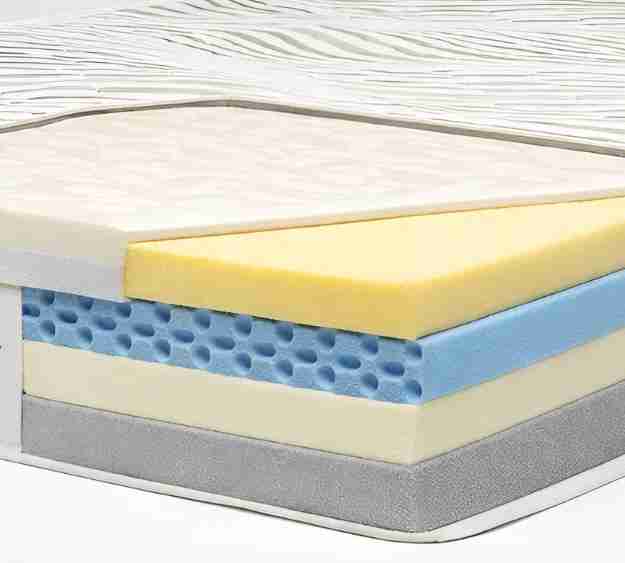
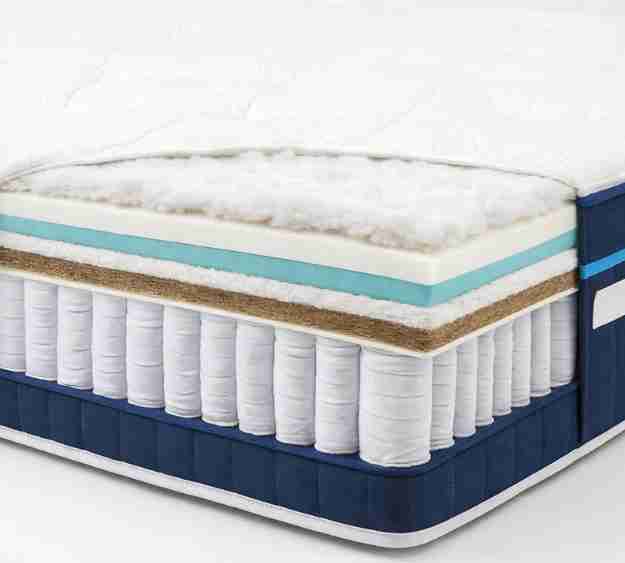
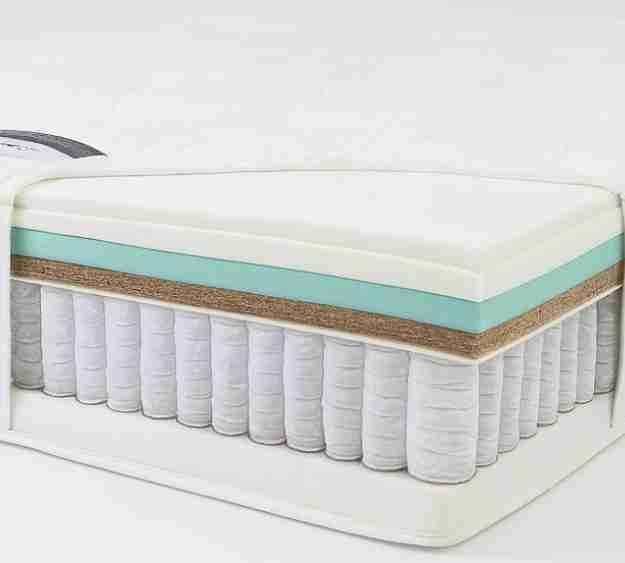
Experts suggest that bedding should be the most comfortable and supportive. You need a mattress that fits your body and supports your spine, as well as a pillow that maintains your neck straight. For example, Luxe Mattresses’ contouring memory foam or hybrid mattresses are high-end and have characteristics that relieve pressure. These mattresses can aid with pain and help the body sleep. Sheets that let air flow and blankets that are soft and cozy might also help you feel safer.
Some smells might help you feel better. For instance, studies have shown that the scent of lavender might help you relax and feel less stressed. You can relax by putting a lavender bouquet next to your pillow or spraying your pillow with lavender. People have employed mellow scents like chamomile and jasmine for a long time to help them sleep. Make sure the smell isn’t too overpowering and doesn’t take over.
A clean bedroom with little mess is finally a place where you can relax and not worry about anything. Keep work things, bills, and notes out of sight. If you can, set up a little “sanctuary” area. A favorite image or plant can help you feel better, but don’t put too much in it, such games or junk.
When your bedroom is safe, tranquil, and comfortable, it helps you forget about the issues you had during the day. The Sleep Foundation suggested that making your bedroom more sleep-friendly and getting into “habits that help you sleep” can help you get more sleep. A good mattress, like the pressure-relieving ones from Luxe Mattresses, and a well-planned room layout will help you relax both physically and mentally.
Conclusion: Emotional Peace = Sleep Peace
In summary, sleep and emotional health are intimately linked. Anxiety, stress, depression and trauma all create physiological and mental arousal that can sabotage sleep. Left unchecked, this leads to a vicious loop: poor sleep raises stress hormones and impairs mood, which in turn makes sleep even harder. By contrast, interventions that target the emotional side of insomnia – therapy, relaxation practices, journaling, environment tweaks – can restore the cycle of sleep and healing.
The key message is hopeful: improving one side often helps the other. Tackling anxiety and stress (through CBT, mindfulness, or counseling) will improve sleep, and improving sleep hygiene will lift your mood and resilience. If sleep struggles persist, consider seeking professional advice – a sleep coach, therapist or doctor can guide you to the right resources. You might also explore LuxeMattresses’ sleep wellness guides and products designed to support both physical comfort and emotional rest.
Remember, the path to a peaceful night often begins with a calm mind. By addressing the emotional roots of sleeplessness, you can find your way back to deep, refreshing sleep – and wake up to brighter days ahead.
FAQs
Yes. Anxiety and chronic worry can directly interfere with sleep. When the mind is racing or tense, the body stays alert and can’t easily transition to sleep. This “hyperarousal” state is a known trigger for insomnia. Over time, anxiety about not sleeping can further entrench the problem. Fortunately, treating the anxiety often brings significant sleep improvement.
Absolutely. Studies show that improving sleep through therapy, or good sleeping habits can reduce symptoms of anxiety and depression. For many people, simply getting more rest makes daily stressors feel more manageable, and it can even improve cognitive function and mood. Think of sleep as part of your mental health toolbox: better rest is both a result of feeling better and a cause of feeling better.
Focus on comfort and calm. Keep the room dark, quiet, and slightly cool. Decorate in soothing colors like blue or green. Remove electronic distractions such as phones and computers from the bedroom. Invest in a supportive mattress and pillows that relieve pressure and keep your spine aligned. You can also introduce relaxing scents like lavender and chamomile while starting some bedtime routines such as reading, stretching, and having a warm bath to help you feel better. Each positive environmental cue sends a signal to your body that it’s time to sleep.
If you implement these strategies and still struggle, it may help to consult a sleep specialist or mental health professional. There are effective treatments available; you don’t have to battle chronic insomnia or anxiety alone. By addressing both your mind and your sleep setting, you can break free from the cycle of anxiety‑induced sleeplessness.

Guinevere Dion, a native of Jacksonville, Florida, is a passionate article writer and Ph.D. candidate in Modern Thoughts and Literature. Her work blends academic insight with emotional depth, focusing on topics like mental health, culture, identity, and language in digital spaces. Driven by curiosity and shaped by her strong roots, Guinevere uses writing as a tool to explore, connect, and inspire meaningful dialogue. For her, writing is not just a profession—it’s a calling to illuminate ideas and foster human understanding.

Roman is a seasoned expert in mattress development with over a decade of experience in sleep technology, material innovation, and product engineering. He has played a key role in designing and refining sleep solutions for leading mattress brands, with a deep focus on ergonomics, pressure relief, and sleep quality optimization.
With a background in product design and biomechanics, Roman combines scientific research with hands-on development to create mattresses that address real-world sleep issues—from spinal alignment to temperature regulation. His work has contributed to several award-winning mattress lines known for their comfort, durability, and user satisfaction.

Dr. Arshad Malik is an Associate Professor at Tsinghua University with a PhD from the same institution. He completed his prestigious CAS-TWAS Postdoctoral Research Fellowship at the Chinese Academy of Sciences in Beijing. With over 99 published research papers and 1,000+ academic citations, Dr. Malik brings a deep scientific perspective to topics at the intersection of biomedical science, health, and wellness.
He has previously served as an Associate Professor at the International Islamic University Islamabad (IIUI), and currently contributes as an editorial advisor and content reviewer on health-related topics for Luxe Mattresses & Beds. His insights help bridge the gap between academic research and everyday well-being.