



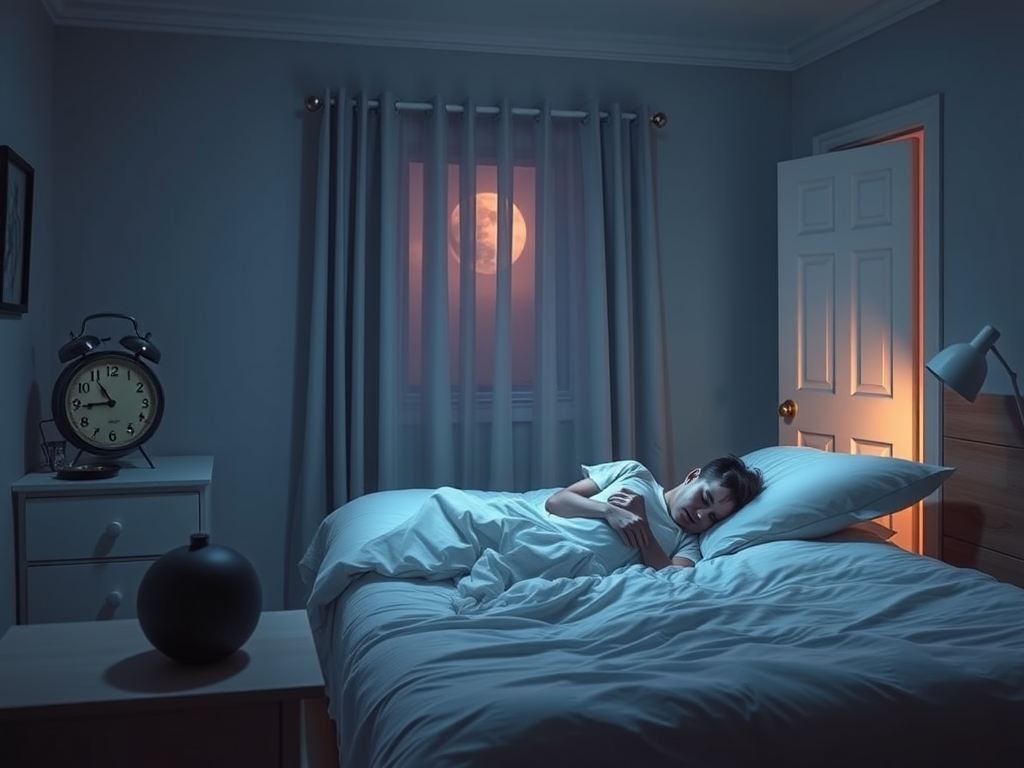
Sleep apnoea is more than occasional snoring, it is a disorder in which your breathing repeatedly stops during sleep. These interruptions deprive your body of oxygen and disrupt your sleep cycle, often without your awareness. Over time, untreated sleep apnoea can lead to high blood pressure, heart disease, stroke, diabetes, cognitive decline, and even premature death.
This article will help you identify both common and overlooked symptoms of obstructive sleep apnoea (OSA), explain who is most at risk, and guide you toward when to seek professional evaluation.
What Is Sleep Apnoea?
Obstructive sleep apnoea (OSA) is a condition where the upper airway temporarily collapses during sleep, blocking airflow despite ongoing efforts to breathe. Each pause, known as an apnoea or hypopnoea, can last 10 seconds or more. These events frequently happen throughout the night, often hundreds of times.
According to Sleep Foundation , symptoms include snoring, tossing and turning during sleep, daytime fatigue, and morning headaches. Yet many sufferers remain unaware, as the most obvious signs happen while they’re sleeping.
Night-Time Symptoms You Might Miss
- Loud, persistent snoring : Frequent, heavy snoring—especially with pauses or choking sounds—is a classic sign.
- Pauses in breathing or choking/gasping : A bed partner may report that you stop breathing for several seconds, then gasp or snort when breathing resumes. ( NHS )
- Frequent nighttime awakenings : Waking up repeatedly, even without full awareness, leads to fragmented sleep.
- Dry mouth or sore throat upon waking
- Restless sleep, tossing, or excessive movement
- Night sweats or excessive perspiration while sleeping
- Frequent nighttime urination (nocturia) : Nearly 50% of people with OSA experience nocturia. ( Health.com )
Daytime Symptoms: The Hidden Toll
- Excessive daytime sleepiness or fatigue : Even after eight hours in bed, you may feel persistently tired. Studies find excessive sleepiness in 31% of OSA patients. ( Patient.info )
- Morning headaches : Fluctuating oxygen levels and carbon dioxide retention during the night can trigger headaches upon waking.
- Difficulty concentrating, brain fog, or memory problems : Cognitive impairment is common in OSA sufferers due to poor-quality sleep and intermittent oxygen deprivation.
- Mood changes, irritability, or depression : Chronic fatigue and disrupted sleep contribute to mood instability.
- Daytime drowsiness or falling asleep at inappropriate times : This is especially dangerous while driving or operating machinery.
- Reduced libido or sexual dysfunction
Less Recognized Symptoms
- High blood pressure that’s difficult to control
- Heart palpitations or irregular heartbeats
- Chest discomfort at night or upon waking
- Nocturnal sweating
- Insomnia or difficulty maintaining sleep
How Common Are These Symptoms?
Sleep apnoea affects a significant portion of the population. According to the Journal of Thoracic Disease , OSA affects approximately 22% of men and 17% of women. When combined with daytime sleepiness, the syndrome impacts around 6% of men and 4% of women.
Who Should Be Concerned?
- Age over 40
- Male gender (though female cases are often underdiagnosed)
- Being overweight or having a BMI above 25–30
- Neck circumference over 17 inches (men) or 15 inches (women)
- Family history of OSA
- Smoking or heavy alcohol use
- Nasal congestion or deviated septum
When to Talk to a Doctor
See your GP or a sleep specialist if you experience symptoms like loud snoring, witnessed breathing pauses or choking, persistent daytime sleepiness, and mood changes. The NHS also recommends bringing observations from your sleep partner.
Diagnostics: What to Expect
- Home sleep apnoea test : Measures airflow, oxygen levels, and sleep patterns at home.
- Polysomnography : A lab-based sleep study that measures brain activity, eye movement, heart rate, and breathing.
Treatment Options
- CPAP Therapy : A machine that delivers constant air pressure to keep the airway open.
- Oral Appliances : Dental devices that reposition the jaw.
- Lifestyle Changes : Weight loss, side sleeping, and limiting alcohol.
- Surgery or Implants : Tissue removal or nerve stimulation devices for severe cases.
Benefits of Early Detection
Identifying and treating sleep apnoea early can reduce your risk of stroke, improve cognitive function, enhance mood, and increase life expectancy. Untreated OSA doesn’t just affect your sleep—it can quietly damage your heart and brain over time. To understand the full extent of these risks, read this detailed article on how untreated sleep apnoea can increase your risk of sudden death.
Final Thoughts
If you or a loved one shows signs of sleep apnoea, do not ignore them. A simple sleep test can lead to life-changing treatment. For more on how your sleep environment may contribute, visit this guide on sleep apnoea and mattresses .

Roman is a seasoned expert in mattress development with over a decade of experience in sleep technology, material innovation, and product engineering. He has played a key role in designing and refining sleep solutions for leading mattress brands, with a deep focus on ergonomics, pressure relief, and sleep quality optimization.
With a background in product design and biomechanics, Roman combines scientific research with hands-on development to create mattresses that address real-world sleep issues—from spinal alignment to temperature regulation. His work has contributed to several award-winning mattress lines known for their comfort, durability, and user satisfaction.