
I still remember the day I found out I was pregnant for the first time, it was one of the happiest moments of my life. I literally started jumping with excitement, laughing and crying all at once. But when I told my mom the news, her first reaction, besides pure joy, was to tell me to stop jumping immediately. That’s when it hit me: this is real, and everything I do now affects more than just me.
She gently told me, “No more jumping, no more fizzy drinks, and definitely no lifting heavy stuff.” It was a lot to take in. Being my first pregnancy, I had no idea what was okay and what wasn’t. I was honestly terrified that one wrong move might harm my baby. That fear made me extra cautious, maybe even a little paranoid.
So I did what any overthinking first-time mom would do: I buried myself in research. I read 4–5 books about pregnancy, watched countless videos, and listened to expert advice until I felt more prepared. Looking back, it was overwhelming, but also empowering.
And now lucky for you, I’m here to pass that knowledge on, so you don’t have to go through the same information overload. This article is long, yes, but your baby’s health is worth every word. I promise it’s full of useful, straightforward tips to help you avoid common mistakes in early pregnancy, and I’ll even include one unexpected but important factor: your mattress (trust me, it’s more important than you think!).
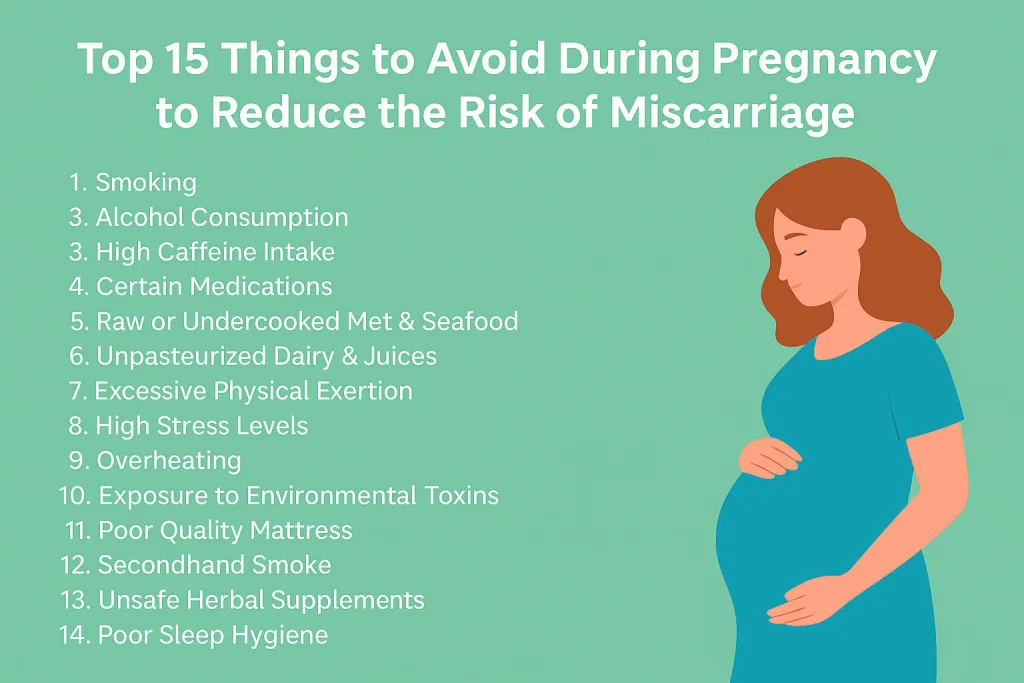
So, let’s get right to the point. Here are the top 15 things to avoid during pregnancy to reduce the risk Top 15 Things to Avoid During Pregnancy to Reduce the Risk of Miscarriage
1. Smoking
I used to think an occasional puff wasn’t a big deal. But trust me, smoking is one of the most harmful things you can do during pregnancy. It introduces toxins like nicotine and carbon monoxide into your bloodstream.
Risks include:
- Miscarriage
- Low birth weight
- Premature birth
- Stillbirth
If you’re struggling to quit, you’re not alone, seek help and support. It’s one of the best things you can do for your baby.
2. Alcohol Consumption
I had friends tell me, “One glass of wine won’t hurt, it’s just 5% alcoholic.” But honestly, the risk just isn’t worth it. Alcohol crosses the placenta and can interfere with your baby’s development.
Potential outcomes:
- Fetal Alcohol Spectrum Disorders (FASDs)
- Stillbirth
- Miscarriage
3. High Caffeine Intake
I love my morning coffee, who doesn’t? It was my everyday ritual: start the kettle, reach for my Nescafé Gold or that delicious cappuccino I brought back from a trip to Italy (yes, that Bellarom tin was my pride and joy). But when I found out I was pregnant, one of the first things my midwife told me was: cut down on caffeine.
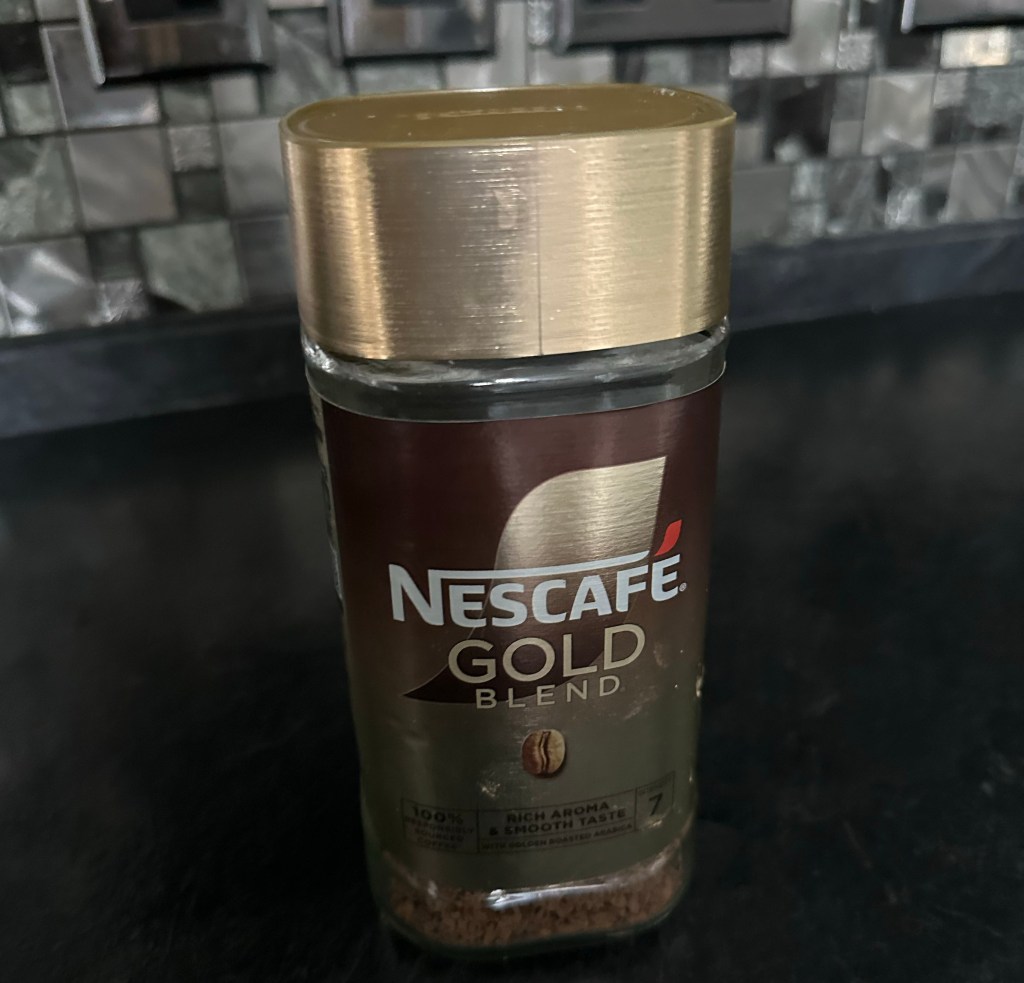
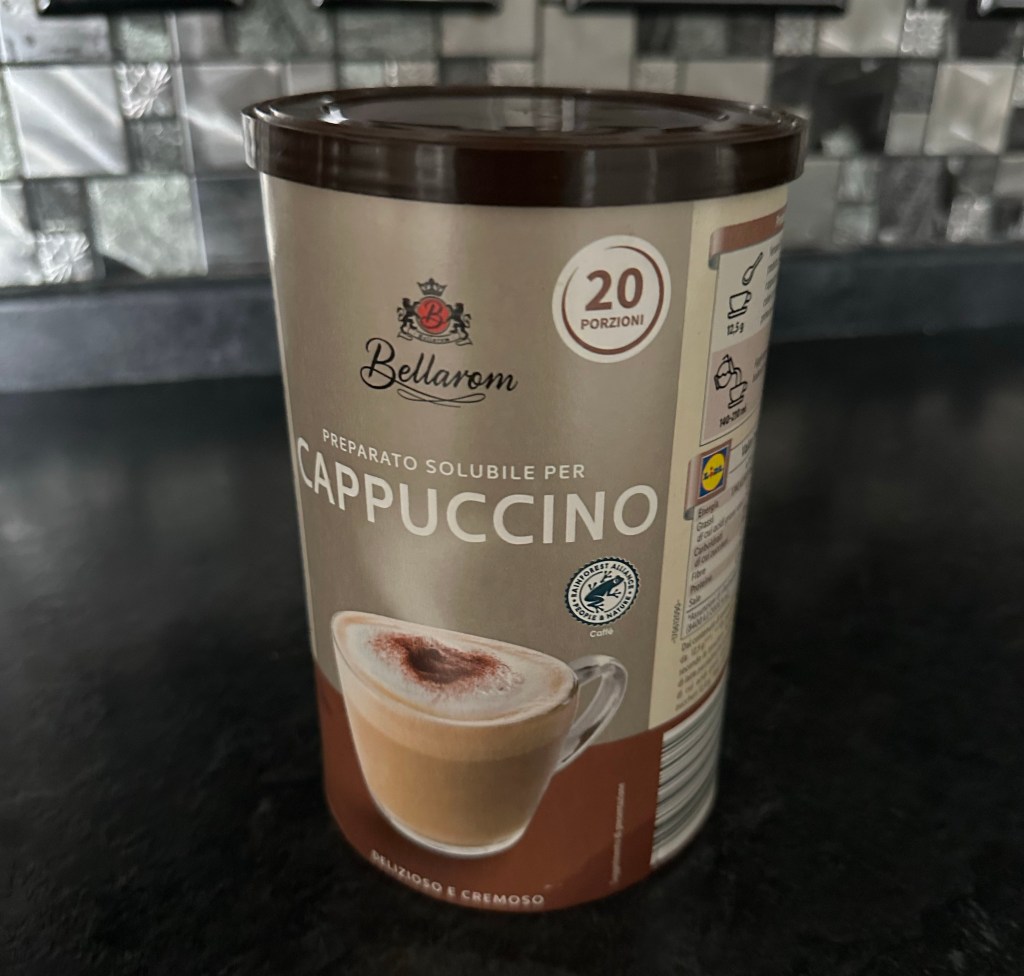
Why? Because caffeine crosses the placenta, and unlike us, our developing babies don’t have the enzymes needed to process it. I didn’t want to take any risks with overstimulating my baby’s tiny heart and brain.
Risks of high caffeine intake during pregnancy:
- Increased risk of miscarriage
- Low birth weight
- Disturbed fetal sleep patterns
I switched to decaf and tried to stay under the 200mg per day limit recommended by experts. Trust me, it was hard at first (especially on sleepy mornings), but my peace of mind was worth it. If you’re pregnant, I’d recommend checking the caffeine levels in your tea, soft drinks, and even chocolate too!
4. Certain Medications
There were so many times I reached for something for a headache before remembering I needed to check with my doctor. Many medications aren’t pregnancy-safe.
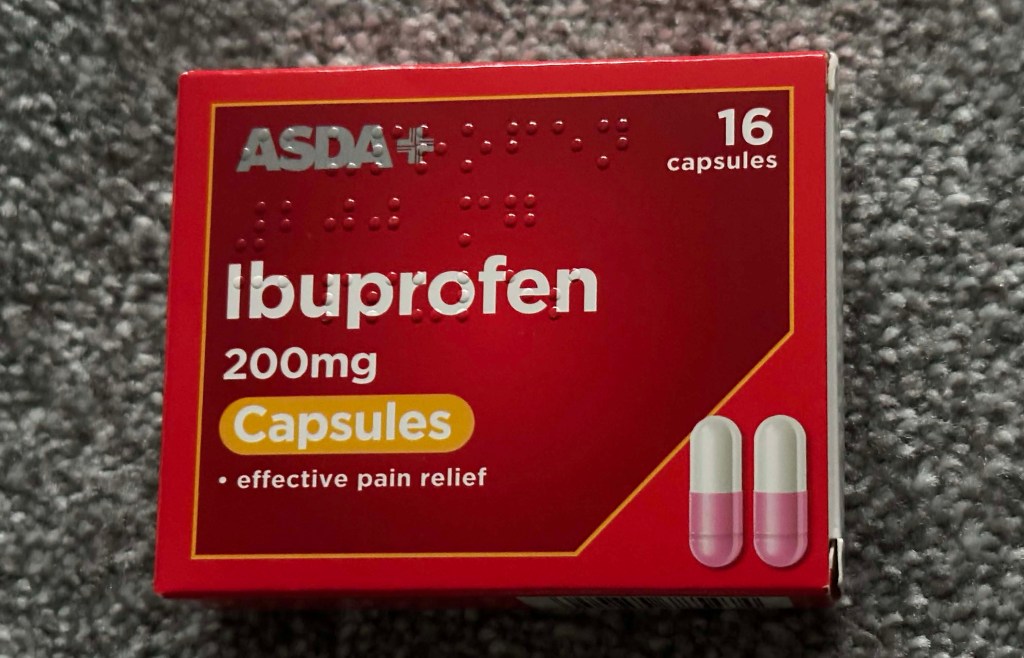
Avoid:
- NSAIDs like ibuprofen
- Some antidepressants
- Acne meds like isotretinoin
Always consult your doctor, even for common OTC meds.
5. Raw or Undercooked Meat & Seafood
I used to love sushi night. But raw meats can carry Listeria or Toxoplasma, which can cause serious issues.
To stay safe:
- Avoid rare steaks, deli meats (unless heated), and raw seafood
- Make sure everything is thoroughly cooked
6. Unpasteurized Dairy & Juices
At a market, I nearly grabbed a bottle of “farm-fresh unpasteurized milk” until I remembered the risk. Unpasteurized products can contain bacteria like Listeria.
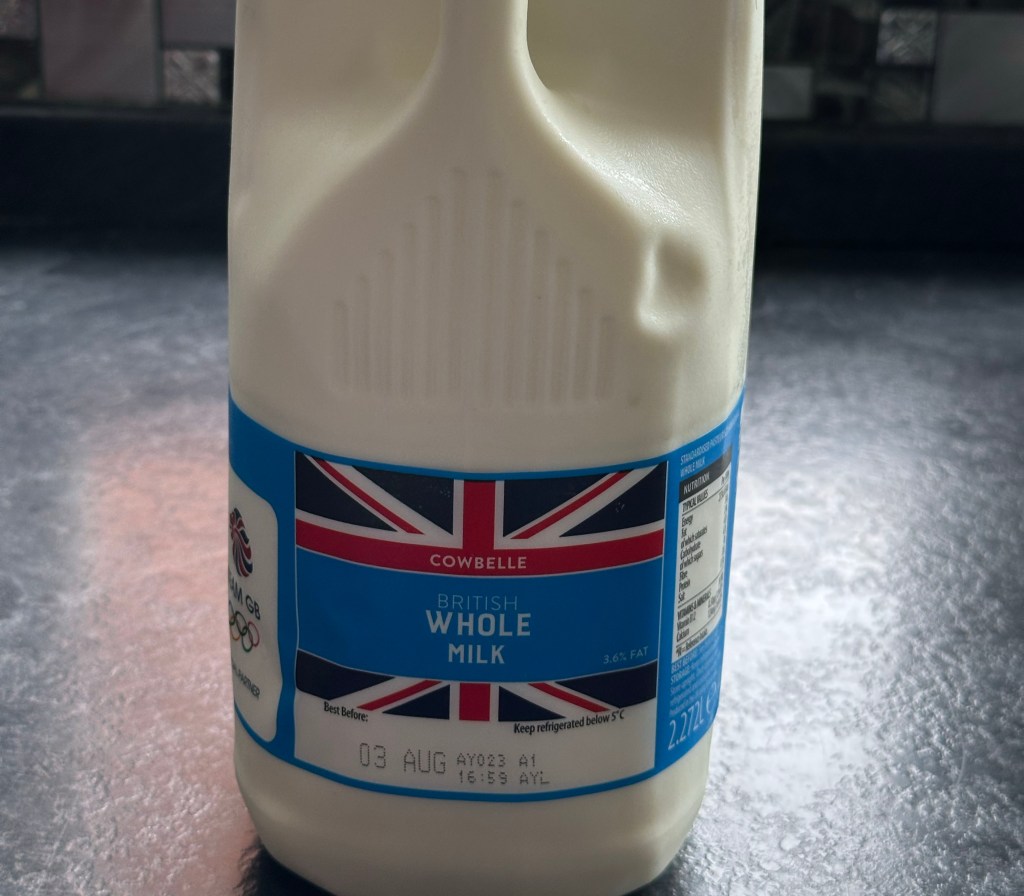
Better options:
- Only choose pasteurized milk, cheeses, and juices
7. Excessive Physical Exertion
I love staying active, but I learned that pregnancy isn’t the time to push yourself. Exercise is good, but overdoing it can backfire.
Risks include:
- Uterine contractions
- Raised blood pressure
- Hormonal disruption
Stick to doctor-approved routines.
8. High Stress Levels
The first trimester had me on an emotional rollercoaster. Stress can feel overwhelming—but it’s important to manage it.
Why it matters:
- Chronic stress can affect fetal development
- Raises risk of complications
What helped me:
- Deep breathing
- Journaling
- Talking to other expecting mums
9. Overheating
One night I stayed in a hot bath too long and felt dizzy, scared me so much! Overheating can be dangerous.
Avoid:
- Hot tubs
- Long hot baths
- Saunas
Stay hydrated and wear breathable clothing.
10. Environmental Toxins
Once I found myself scrubbing the bathroom with strong bleach, bad idea. Common cleaning products and pollutants can harm your baby.
Avoid:
- Strong chemical cleaners
- Paint fumes
- Pesticides
Use natural, pregnancy-safe alternatives.
11. Poor Quality Mattress
I honestly had no idea how important a mattress was during pregnancy until I lived through it.
In the early weeks, I was still sleeping on an old IKEA mattress I bought for £150. It did the job (barely) back then, but once I was pregnant, everything changed. My cousin Ashley came over one day and we were chatting about what I could and couldn’t do, we were planning to go out when she casually mentioned that overheating during early pregnancy could be dangerous for the zygote. That comment really stuck with me.

Later that night, I showed her my mattress and… let’s just say she wasn’t impressed. It was made of polyester and some cheap foam that barely supported my back, let alone my growing belly. That same night, I spoke to my husband about it. He’s the type who consults his mum about everything (bless him), and she recommended getting a hybrid mattress, the same one she was using for her own back pain.
So I started researching and eventually came across a brand called Luxe. I ended up buying the Luxe Organic Natural Mattress with Pillow Top and wow, what a difference it made, and it is my personal opinion but its one of the best mattress for pregnancy and can help you lot.

Not only did I start sleeping better, but I also felt safer, knowing the mattress was made from natural fillings, had great breathability, and didn’t give off any weird chemical smells like my old one did. It’s hypoallergenic, antibacterial, and offers zoned support that actually cradled my back and hips properly.
Funny story, because I’m a writer, I ended up writing about my mattress buying experience for TD News. A few days after it was published, Luxe reached out and asked me to write a blog post for them. Long story short? They refunded me 50% of the cost. Total win!
What I learned about bad mattresses during pregnancy:
- Cheap foam & polyester can release VOCs (volatile organic compounds), which you breathe in all night.
- Poor-quality mattresses trap heat, which can raise your core temperature, a big no-no in early pregnancy.
- Lack of airflow creates the perfect breeding ground for bacteria and allergens.
- Inadequate support leads to back, hip, and shoulder pain, especially dangerous as your weight distribution changes.
What to look for in a pregnancy-safe mattress:
- Natural fillings like organic cotton or wool
- Zoned support that adapts to pressure points
- Breathable structure for better airflow
- Hypoallergenic & antibacterial materials
And please, don’t skip the mattress hoovering, it helps reduce dust mites and allergens that can affect both you and your baby.
Trust me: investing in a high-quality mattress during pregnancy is not just about comfort, it’s about protecting your health and your baby’s too.
12. Secondhand Smoke
Even if you don’t smoke, being around someone who does can be harmful. I had to ask a friend to smoke outside when visiting.
Why it’s harmful:
- Increases miscarriage risk
- Linked to birth defects and low birth weight
13. Unsafe Herbal Supplements
I once read online that a certain tea was good for pregnancy, but my midwife said it could trigger contractions.
Be cautious with herbs like:
- Blue cohosh
- Dong quai
- Pennyroyal
Always get professional advice.
14. Poor Sleep Hygiene
Pregnancy fatigue is real. I learned that a proper sleep routine made all the difference.
Why it matters:
- Poor sleep can lead to high blood pressure and gestational diabetes
- A quality mattress helps prevent discomfort
Build a consistent bedtime routine and create a calm sleep environment.
15. Ignoring Unusual Symptoms
You know your body better than anyone. If something feels off, don’t ignore it.
Watch out for:
- Severe cramps
- Vaginal bleeding
- Dizziness or fainting
Always call your doctor if you’re unsure.
Conclusion
Pregnancy is one of the most beautiful, emotional, and delicate phases of a woman’s life. It’s a time of transformation not just physically, but mentally and emotionally as well. And while we often focus on the big medical milestones, it’s the small, everyday decisions that make the biggest difference.
From what you eat to how you sleep, what you touch, breathe, and even where you lie down every night, it all matters. Avoiding harmful habits like smoking, alcohol, and high caffeine is essential. But equally important is being mindful of lesser-discussed things like mattress quality, exposure to toxins, and managing stress.
Sleep, in particular, plays a vital role during pregnancy. And as I’ve personally learned, the mattress you sleep on isn’t just about comfort, it can affect your body temperature, spinal alignment, and even your exposure to airborne chemicals like VOCs. A breathable, supportive, and hypoallergenic mattress isn’t a luxury, it’s a prenatal health essential.
You don’t need to be perfect, but you do need to be informed. Each change you make, no matter how small, brings you one step closer to a healthier pregnancy and a safer environment for your baby to grow.
So take a deep breath, be gentle with yourself, and remember: your awareness and effort today are powerful acts of love for the little life growing inside you.

Marie Soukup is a seasoned senior copywriter and editor who’s written for global brands like Virgin Australia, blending storytelling and strategy to create content that connects. She’s passionate about bringing ideas to life across the travel, lifestyle, and business worlds.

Sophie J is a passionate health and lifestyle writer with a special focus on maternal well-being and family care. As a first-time mom herself, Sophie brings a personal and empathetic voice to her writing, combining real-life experience with evidence-based research. She has contributed to several parenting and wellness platforms, offering trusted advice on everything from pregnancy essentials to newborn sleep routines. When she’s not writing, Sophie enjoys reading birth psychology books, sipping herbal tea, and spending time outdoors with her family.
