
100-Night Risk-Free Trial
Free Nationwide Delivery
10 Years Warranty
Call us at: 020 4572 5122
0% APR Finance Available
things to avoid during pregnancy
July 24, 2025

Top 15 Things to Avoid During Pregnancy to Reduce the Risk of Miscarriage

I still remember the day I found out I was pregnant for the first time, it was one of the happiest moments of my life. I literally started jumping with excitement, laughing and crying all at once. But when I told my mom the news, her first reaction, besides pure joy, was to tell me to stop jumping immediately. That’s when it hit me: this is real, and everything I do now affects more than just me.

She gently told me, “No more jumping, no more fizzy drinks, and definitely no lifting heavy stuff.” It was a lot to take in. Being my first pregnancy, I had no idea what was okay and what wasn’t. I was honestly terrified that one wrong move might harm my baby. That fear made me extra cautious, maybe even a little paranoid.

So I did what any overthinking first-time mom would do: I buried myself in research. I read 4–5 books about pregnancy, watched countless videos, and listened to expert advice until I felt more prepared. Looking back, it was overwhelming, but also empowering.

And now lucky for you, I’m here to pass that knowledge on, so you don’t have to go through the same information overload. This article is long, yes, but your baby’s health is worth every word. I promise it’s full of useful, straightforward tips to help you avoid common mistakes in early pregnancy, and I’ll even include one unexpected but important factor: your mattress (trust me, it’s more important than you think!).

So, let’s get right to the point. Here are the top 15 things to avoid during pregnancy to reduce the risk Top 15 Things to Avoid During Pregnancy to Reduce the Risk of Miscarriage

1. Smoking

I used to think an occasional puff wasn’t a big deal. But trust me, smoking is one of the most harmful things you can do during pregnancy. It introduces toxins like nicotine and carbon monoxide into your bloodstream.

Risks include:

  • Miscarriage
  • Low birth weight
  • Premature birth
  • Stillbirth

If you’re struggling to quit, you’re not alone, seek help and support. It’s one of the best things you can do for your baby.

2. Alcohol Consumption

I had friends tell me, “One glass of wine won’t hurt, it’s just 5% alcoholic.” But honestly, the risk just isn’t worth it. Alcohol crosses the placenta and can interfere with your baby’s development.

Potential outcomes:

  • Fetal Alcohol Spectrum Disorders (FASDs)
  • Stillbirth
  • Miscarriage

3. High Caffeine Intake

I love my morning coffee, who doesn’t? It was my everyday ritual: start the kettle, reach for my Nescafé Gold or that delicious cappuccino I brought back from a trip to Italy (yes, that Bellarom tin was my pride and joy). But when I found out I was pregnant, one of the first things my midwife told me was: cut down on caffeine.

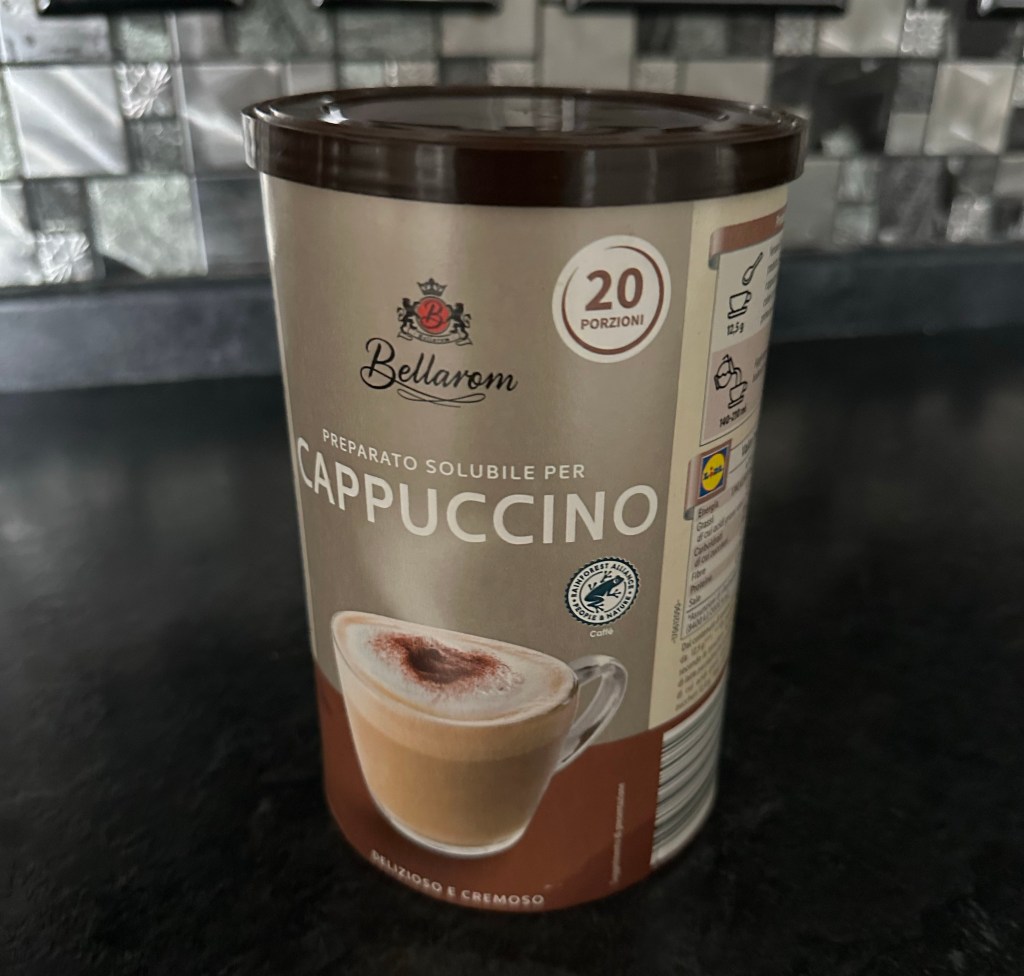
Why? Because caffeine crosses the placenta, and unlike us, our developing babies don’t have the enzymes needed to process it. I didn’t want to take any risks with overstimulating my baby’s tiny heart and brain.

Risks of high caffeine intake during pregnancy:

  • Increased risk of miscarriage
  • Low birth weight
  • Disturbed fetal sleep patterns

I switched to decaf and tried to stay under the 200mg per day limit recommended by experts. Trust me, it was hard at first (especially on sleepy mornings), but my peace of mind was worth it. If you’re pregnant, I’d recommend checking the caffeine levels in your tea, soft drinks, and even chocolate too!

4. Certain Medications

There were so many times I reached for something for a headache before remembering I needed to check with my doctor. Many medications aren’t pregnancy-safe.
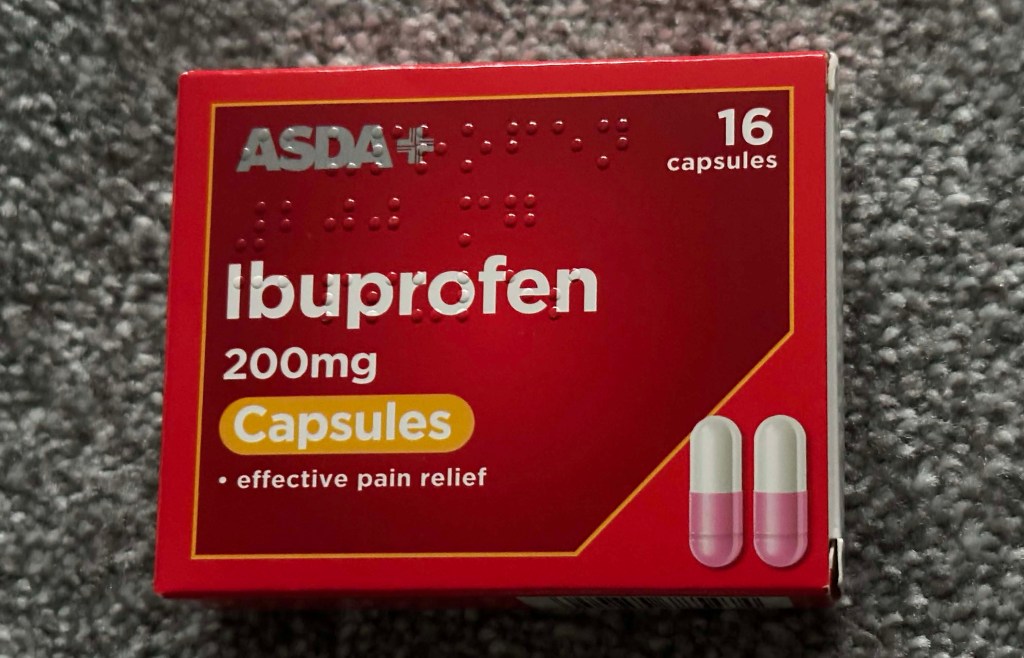
Avoid:

  • NSAIDs like ibuprofen
  • Some antidepressants
  • Acne meds like isotretinoin

Always consult your doctor, even for common OTC meds.

5. Raw or Undercooked Meat & Seafood

I used to love sushi night. But raw meats can carry Listeria or Toxoplasma, which can cause serious issues.

To stay safe:

  • Avoid rare steaks, deli meats (unless heated), and raw seafood
  • Make sure everything is thoroughly cooked

6. Unpasteurized Dairy & Juices

At a market, I nearly grabbed a bottle of “farm-fresh unpasteurized milk” until I remembered the risk. Unpasteurized products can contain bacteria like Listeria.
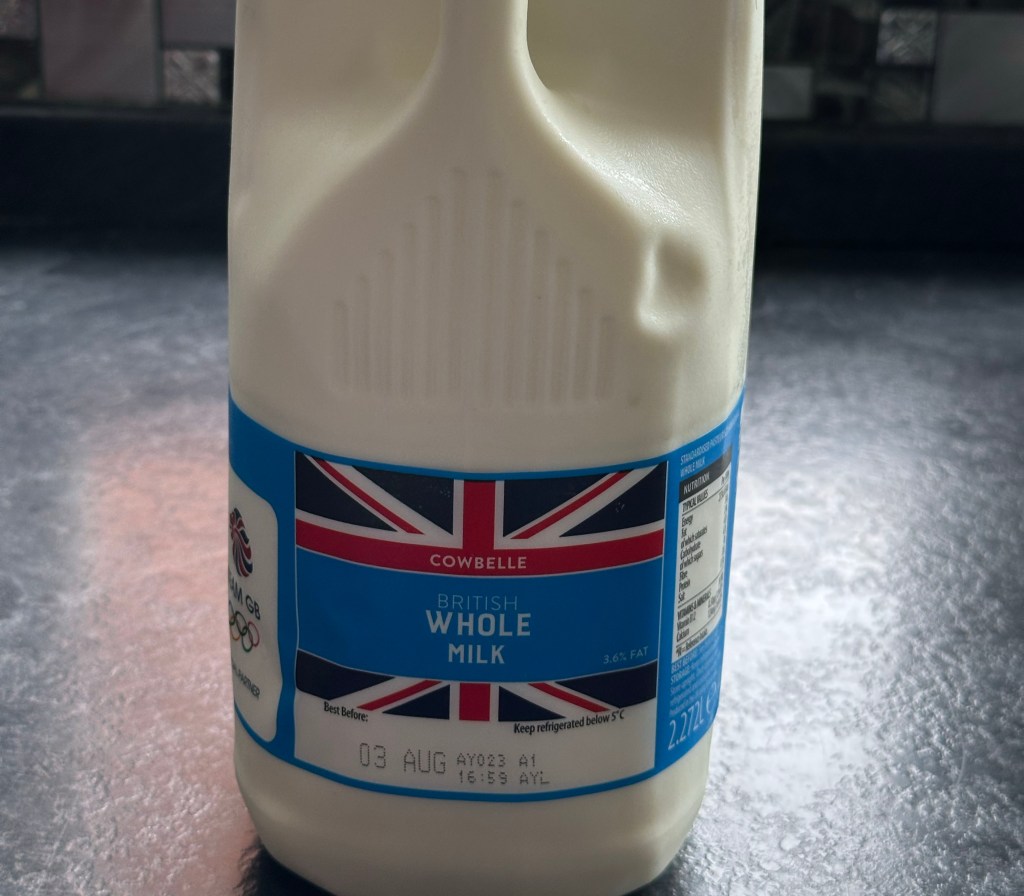
Better options:

  • Only choose pasteurized milk, cheeses, and juices

7. Excessive Physical Exertion

I love staying active, but I learned that pregnancy isn’t the time to push yourself. Exercise is good, but overdoing it can backfire.

Risks include:

  • Uterine contractions
  • Raised blood pressure
  • Hormonal disruption

Stick to doctor-approved routines.

8. High Stress Levels

The first trimester had me on an emotional rollercoaster. Stress can feel overwhelming—but it’s important to manage it.

Why it matters:

  • Chronic stress can affect fetal development
  • Raises risk of complications

What helped me:

  • Deep breathing
  • Journaling
  • Talking to other expecting mums

9. Overheating

One night I stayed in a hot bath too long and felt dizzy, scared me so much! Overheating can be dangerous.

Avoid:

  • Hot tubs
  • Long hot baths
  • Saunas

Stay hydrated and wear breathable clothing.

10. Environmental Toxins

Once I found myself scrubbing the bathroom with strong bleach, bad idea. Common cleaning products and pollutants can harm your baby.

Avoid:

  • Strong chemical cleaners
  • Paint fumes
  • Pesticides

Use natural, pregnancy-safe alternatives.

11. Poor Quality Mattress

I honestly had no idea how important a mattress was during pregnancy until I lived through it.

In the early weeks, I was still sleeping on an old IKEA mattress I bought for £150. It did the job (barely) back then, but once I was pregnant, everything changed. My cousin Ashley came over one day and we were chatting about what I could and couldn’t do, we were planning to go out when she casually mentioned that overheating during early pregnancy could be dangerous for the zygote. That comment really stuck with me.

my ikea mattress

Later that night, I showed her my mattress and… let’s just say she wasn’t impressed. It was made of polyester and some cheap foam that barely supported my back, let alone my growing belly. That same night, I spoke to my husband about it. He’s the type who consults his mum about everything (bless him), and she recommended getting a hybrid mattress, the same one she was using for her own back pain.

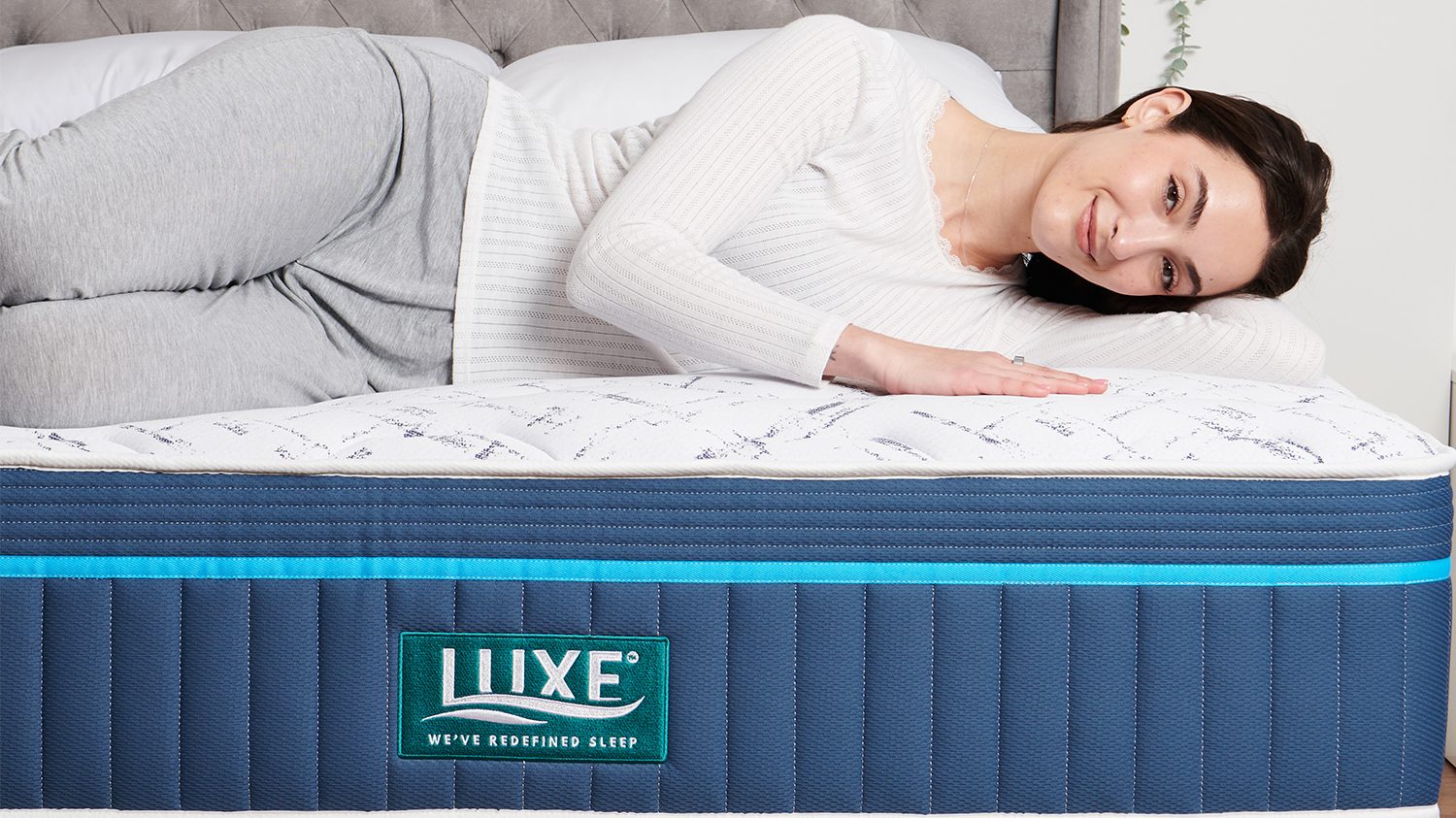
So I started researching and eventually came across a brand called Luxe. I ended up buying the Luxe Organic Natural Mattress with Pillow Top and wow, what a difference it made, and it is my personal opinion but its one of the best mattress for pregnancy and can help you lot.

Luxe-Organic Natural Pillow Top

Not only did I start sleeping better, but I also felt safer, knowing the mattress was made from natural fillings, had great breathability, and didn’t give off any weird chemical smells like my old one did. It’s hypoallergenic, antibacterial, and offers zoned support that actually cradled my back and hips properly.

Funny story, because I’m a writer, I ended up writing about my mattress buying experience for TD News. A few days after it was published, Luxe reached out and asked me to write a blog post for them. Long story short? They refunded me 50% of the cost. Total win!

What I learned about bad mattresses during pregnancy:

  • Cheap foam & polyester can release VOCs (volatile organic compounds), which you breathe in all night.
  • Poor-quality mattresses trap heat, which can raise your core temperature, a big no-no in early pregnancy.
  • Lack of airflow creates the perfect breeding ground for bacteria and allergens.
  • Inadequate support leads to back, hip, and shoulder pain, especially dangerous as your weight distribution changes.

What to look for in a pregnancy-safe mattress:

  • Natural fillings like organic cotton or wool
  • Zoned support that adapts to pressure points
  • Breathable structure for better airflow
  • Hypoallergenic & antibacterial materials

And please, don’t skip the mattress hoovering, it helps reduce dust mites and allergens that can affect both you and your baby.

Trust me: investing in a high-quality mattress during pregnancy is not just about comfort, it’s about protecting your health and your baby’s too.

12. Secondhand Smoke

Even if you don’t smoke, being around someone who does can be harmful. I had to ask a friend to smoke outside when visiting.

Why it’s harmful:

  • Increases miscarriage risk
  • Linked to birth defects and low birth weight

13. Unsafe Herbal Supplements

I once read online that a certain tea was good for pregnancy, but my midwife said it could trigger contractions.

Be cautious with herbs like:

  • Blue cohosh
  • Dong quai
  • Pennyroyal

Always get professional advice.

14. Poor Sleep Hygiene

Pregnancy fatigue is real. I learned that a proper sleep routine made all the difference.

Why it matters:

  • Poor sleep can lead to high blood pressure and gestational diabetes
  • A quality mattress helps prevent discomfort

Build a consistent bedtime routine and create a calm sleep environment.

15. Ignoring Unusual Symptoms

You know your body better than anyone. If something feels off, don’t ignore it.

Watch out for:

  • Severe cramps
  • Vaginal bleeding
  • Dizziness or fainting

Always call your doctor if you’re unsure.

Conclusion

Pregnancy is one of the most beautiful, emotional, and delicate phases of a woman’s life. It’s a time of transformation not just physically, but mentally and emotionally as well. And while we often focus on the big medical milestones, it’s the small, everyday decisions that make the biggest difference.

From what you eat to how you sleep, what you touch, breathe, and even where you lie down every night, it all matters. Avoiding harmful habits like smoking, alcohol, and high caffeine is essential. But equally important is being mindful of lesser-discussed things like mattress quality, exposure to toxins, and managing stress.

Sleep, in particular, plays a vital role during pregnancy. And as I’ve personally learned, the mattress you sleep on isn’t just about comfort, it can affect your body temperature, spinal alignment, and even your exposure to airborne chemicals like VOCs. A breathable, supportive, and hypoallergenic mattress isn’t a luxury, it’s a prenatal health essential.

You don’t need to be perfect, but you do need to be informed. Each change you make, no matter how small, brings you one step closer to a healthier pregnancy and a safer environment for your baby to grow.

So take a deep breath, be gentle with yourself, and remember: your awareness and effort today are powerful acts of love for the little life growing inside you.
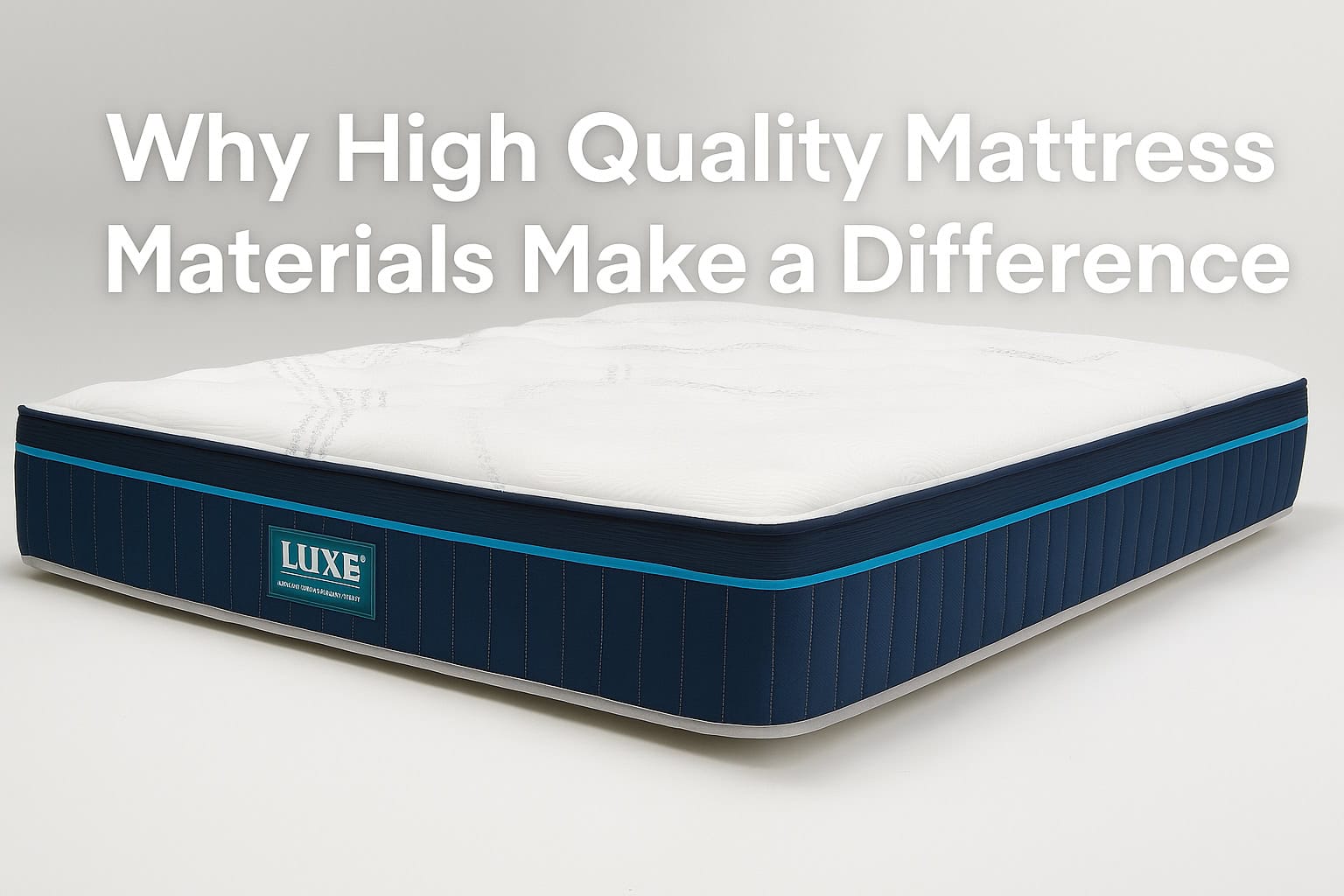
high quality mattress
July 24, 2025

Why High Quality Mattress Materials Make a Difference

When it comes to buying a mattress, price often dominates the conversation, but what really determines how well a mattress performs and how long it lasts? The answer lies in the materials used. Whether you’re seeking pressure relief, spinal alignment, temperature regulation, or long-term durability, the composition of your mattress plays a major role. This article explores why high-quality materials matter, how they affect your sleep, and how mattresses like Luxe Ergo stand as examples of superior craftsmanship.

1. Material Integrity and Longevity

Mattresses made with premium materials are simply built to last. Lower-end mattresses often use low-density foams, synthetic fabrics, and cheaper coil systems that wear out quickly. These can sag within a year or two, leading to poor spinal support and discomfort.

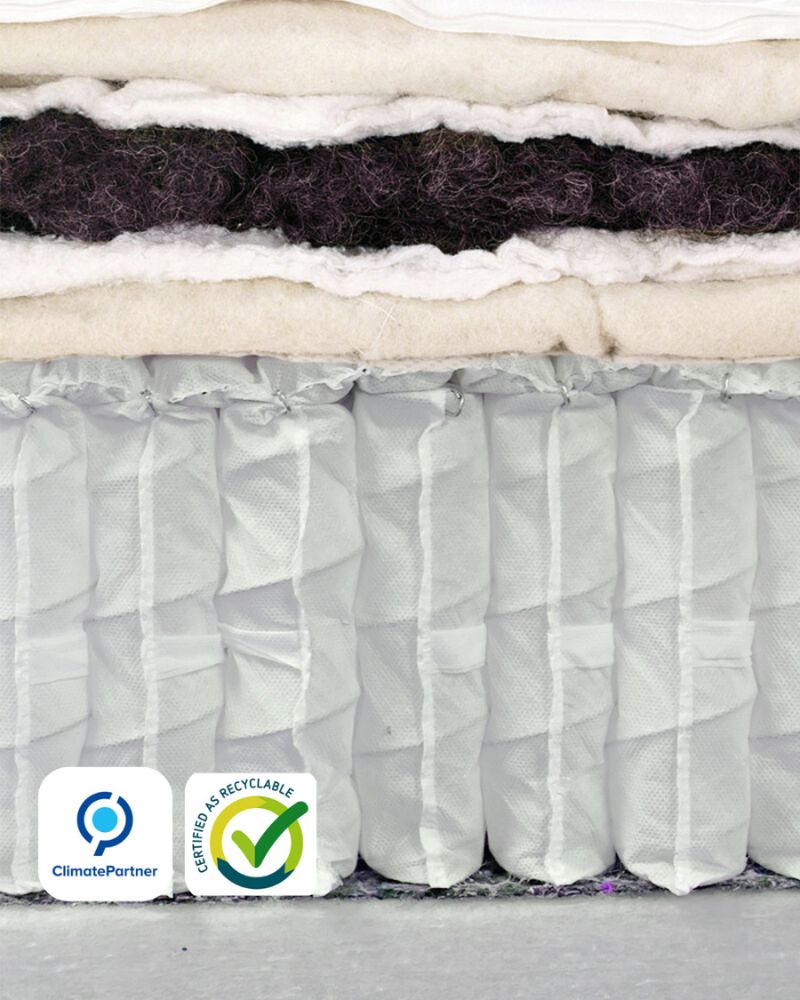
High quality materials in mattress

On the other hand, high-quality mattresses use:

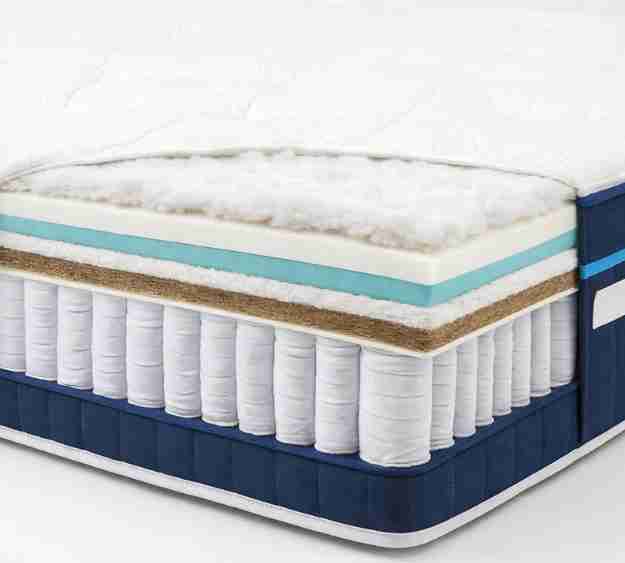
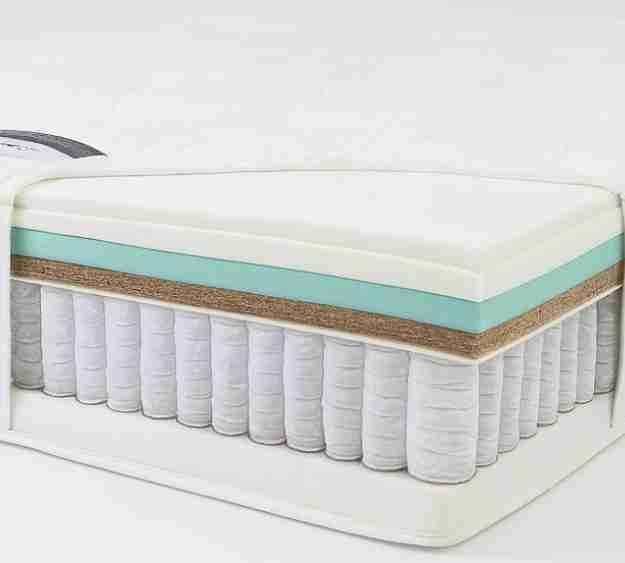
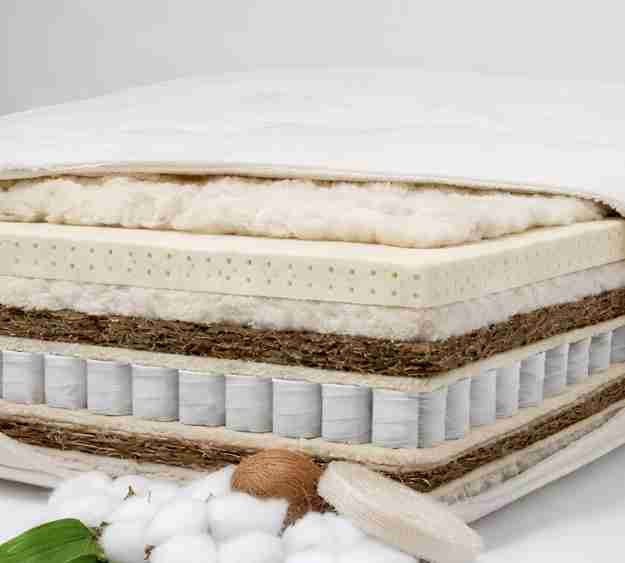
Take, for instance, a mattress that features a 3400-spring dual-layer system and natural fillings, this level of structural complexity and durability isn’t found in budget mattresses.

2. Pressure Relief and Spinal Support

The difference in comfort is often immediate when comparing a low-quality mattress to one made with ergonomic, supportive materials. Cheaper beds may fail to contour to your body, causing uneven weight distribution and exacerbating pressure points.

High-end mattresses often include:

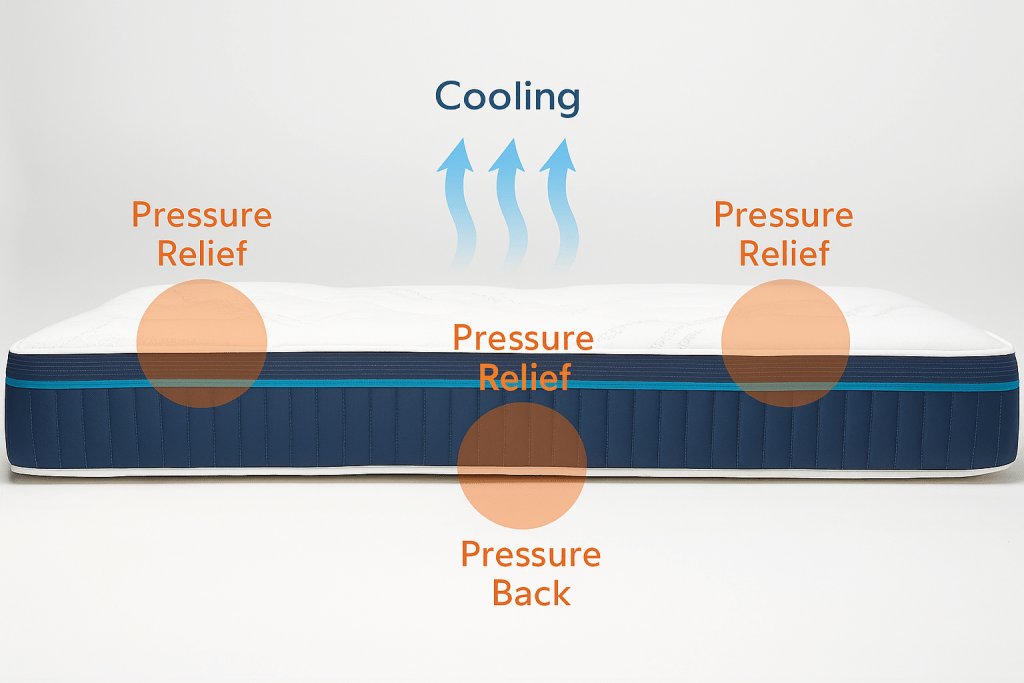
  • Zoned support systems to relieve pressure on shoulders, hips, and lower back.
  • Zero Gravityâ„¢ or contouring foam layers that adapt to the body’s curves.
  • Edge-to-edge support that prevents roll-off and sagging.

These features promote proper spinal alignment and are particularly beneficial for side and back sleepers who need a mattress that accommodates pressure points without compromising firmness.

3. Cooling and Breathability

Temperature regulation is a critical factor in restful sleep, especially for hot sleepers. Cheaper mattresses typically trap heat due to poor ventilation and synthetic fabric covers.

Quality mattresses often include:

  • Open-cell gel foams that dissipate heat.
  • Natural materials like British wool, cotton, and bamboo that wick away moisture.
  • Ventilated spring systems that allow for continuous airflow throughout the mattress core.

For example, mattresses that use layered breathable fibres with integrated airflow channels offer night-long temperature control without the need for external cooling technology.

4. Health and Hypoallergenic Properties

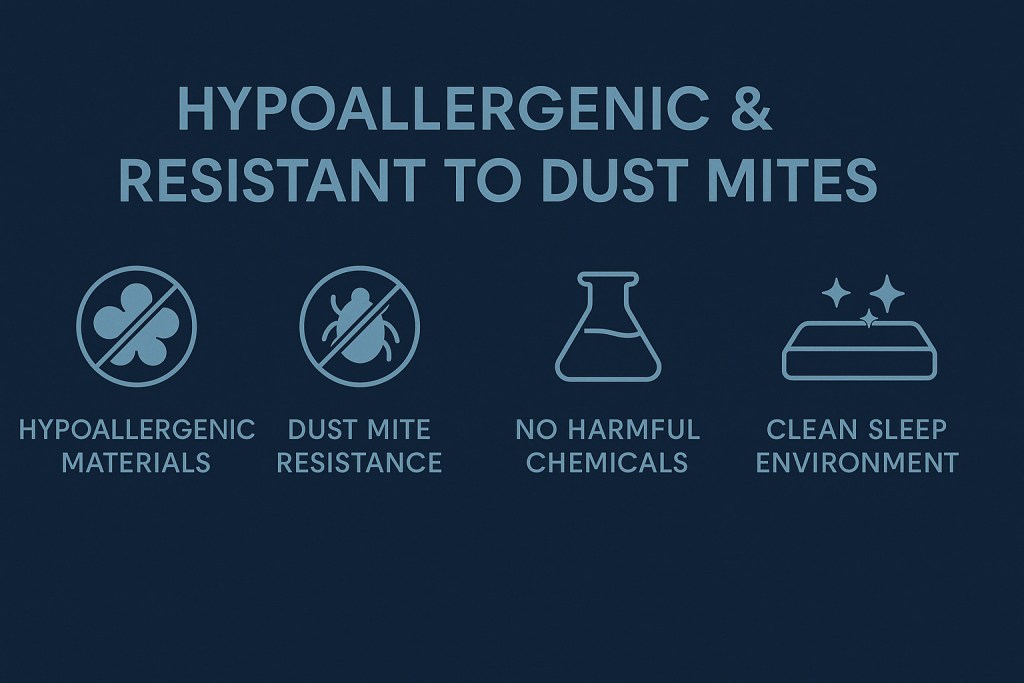
Another benefit of investing in a well-constructed mattress is its ability to support a healthier sleep environment. Budget mattresses can harbor dust mites, bacteria, and allergens due to poor materials and lack of antimicrobial treatment.

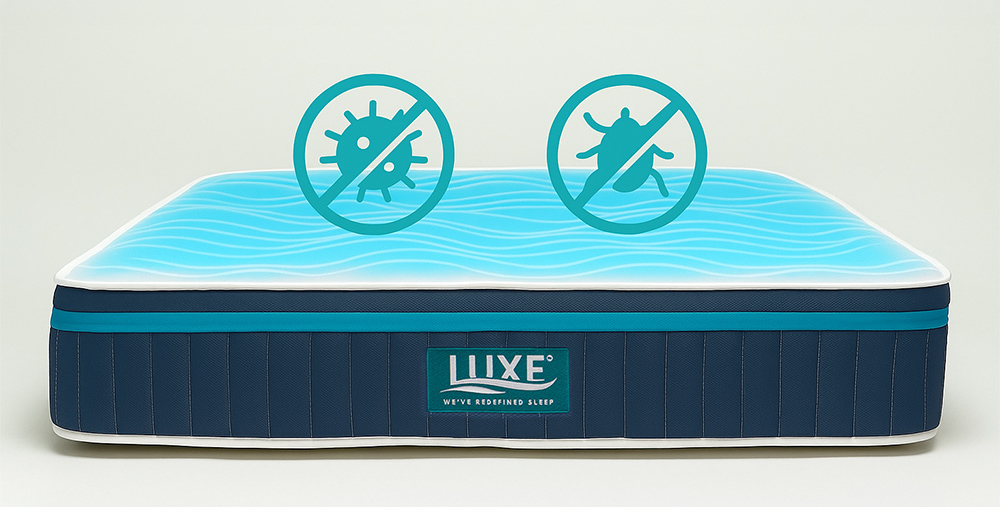
hypoallergenic and anti mite mattress properties

High-quality mattresses often feature:

  • Antimicrobial outer fabrics treated to resist bacterial growth.
  • Hypoallergenic materials like natural latex or certified organic cotton.
  • Removable and washable covers that help maintain hygiene over time.

Some mattresses go as far as integrating naturally antimicrobial properties in their fibres, ideal for allergy sufferers and families with young children.

5. Consistency Over Time

Cheap mattresses tend to lose their performance fast. Soft spots, coil failure, and uneven surfaces make them unreliable after just a short period. Conversely, premium mattresses offer:

  • Consistent firmness throughout their lifespan.
  • 30-year spring performance warranties or guarantees on material durability.
  • Resilience to body impressions, thanks to higher-quality foam layers and reinforced cores.

Mattresses that include advanced support systems with independently encased springs and reinforced perimeter zones are engineered to withstand years of nightly use without deterioration.

6. Ethical Manufacturing and Sustainability

A growing concern for consumers is how sustainable their purchases are. High-end mattresses are often made using ethically sourced, eco-friendly materials. Cheaper alternatives tend to rely on synthetic, petroleum-based foams and materials that are harmful to the environment.

mattress certificates

Premium mattress brands tend to offer:

  • GOTS-certified natural fibres like wool and cotton.
  • Non-toxic, CertiPUR-US® certified foams.
  • Sustainable manufacturing practices, including reduced plastic packaging and low-carbon delivery methods.

Choosing a mattress made with sustainability in mind not only supports better health and comfort but also reflects environmental responsibility.

7. Real-World Example: A High-Quality Mattress in Practice

Consider a mattress with the following features:

  • Dual coil system (over 3000 springs)
  • Natural British wool and cotton
  • Thermo-regulating gel-infused foam
  • Medium-firm comfort with edge-to-edge support
  • Hypoallergenic, breathable, and built in the UK

These specifications aren’t just marketing buzzwords, they represent a mattress designed to provide full-body support, healthy airflow, and resilience, with materials sourced for both performance and sustainability. When stacked against generic foam mattresses or mass-produced budget models, the difference in comfort and quality is clear.

8. Why Material Costs Reflect Value

High-quality materials cost more, but they also deliver more. When you pay for superior components, you’re investing in

  • Longer product lifespan
  • Better health outcomes
  • Higher sleep quality
  • Reduced long-term replacement costs

Mattresses built with premium materials are not always heavily marketed, and many direct-to-consumer models allocate their budget to product development rather than flashy advertising. This often makes them more affordable than heavily branded alternatives without compromising on build quality.

9. Are High Price Tags Justified? Comparing to Standard Mattresses

One of the most common hesitations buyers have when considering premium mattresses is price. Standard or “budget” mattresses can range from £150–£400 for a double size, often sold at mass-market retailers or online marketplaces. In contrast, a high-quality mattress with premium materials—like natural wool, advanced cooling foams, and a multi-zone spring system, may cost £700–£1,200 or more depending on its construction.

So what justifies the difference?

Cheaper mattresses:

  • Often use lower-density polyurethane foams
  • May lack reinforced edge support or zoned comfort layers
  • Tend to sag within 1–3 years with daily use
  • Have minimal breathability, leading to heat retention
  • Usually carry shorter warranties (1–5 years)

Higher-quality mattresses:

  • Built with dense foams or natural materials that last 8–12+ years
  • Offer advanced ergonomic zoning for pressure relief
  • Include anti-microbial, hypoallergenic features
  • Provide breathable layers that reduce overheating
  • Backed by extensive warranties (10–25 years)

Over time, a low-cost mattress might need to be replaced multiple times, while a high-end one may continue to deliver consistent support and comfort for more than a decade. This makes the cost-per-year of premium models comparable or even more economical than entry-level mattresses.

10. How to Know If a Mattress Is Worth the Price

Before purchasing a mattress, especially one with a higher price tag, it’s important to evaluate whether the investment matches its advertised value. Here’s how you can tell:

Check the Materials

Look for:

  • Natural fillings like wool, cotton, or latex
  • High-density foams (preferably 5 lbs/ft³ and above)
  • Pocket spring counts (above 1000 for adequate support)
  • Certifications like CertiPUR-US®, GOTS, OEKO-TEX®, or equivalent

Research the Construction

Ask:

  • Does it offer zoned support for different body areas?
  • Are there breathable layers for temperature regulation?
  • Is there reinforced edge support to prevent sagging?

Review the Warranty and Trial Period

A mattress offering a 10+ year warranty and a trial period of 30–200 nights shows confidence in durability and customer satisfaction.

Read Verified Reviews

Consumer feedback, especially from independent platforms, can reveal performance insights that marketing claims might not.

Evaluate the Brand’s Transparency

A trustworthy brand will be clear about its sourcing, certifications, and material breakdown. Beware of vague product descriptions with no real technical information.

Conclusion

Choosing a mattress isn’t just about picking a comfortable surface, it’s about selecting the materials, structure, and craftsmanship that directly impact your sleep quality, health, and long-term satisfaction.

High-quality mattresses stand apart because of what lies beneath the surface: breathable natural fibres, dense and durable foams, advanced spring systems, and thoughtful ergonomic design. These components don’t just feel better, they last longer, support your body more effectively, and often include certifications for safety and sustainability.

While premium mattresses may come with higher price tags, they also offer longer warranties, improved durability, and significantly better value over time. Compared to lower-end alternatives that often sag or deteriorate within a few years, an investment in a well-constructed mattress can ultimately prove more economical and far more beneficial to your health.

Before buying, ask not just “How much does it cost?” but also “What am I getting for the cost?”. A well-made mattress supports spinal alignment, regulates temperature, isolates motion, and even resists allergens all contributing to a deeper, healthier sleep.

Because when it comes to your sleep, comfort should never be a compromise. And in mattresses, quality isn’t just a feature, it’s the foundation.

where to donate used mattress in london
July 24, 2025

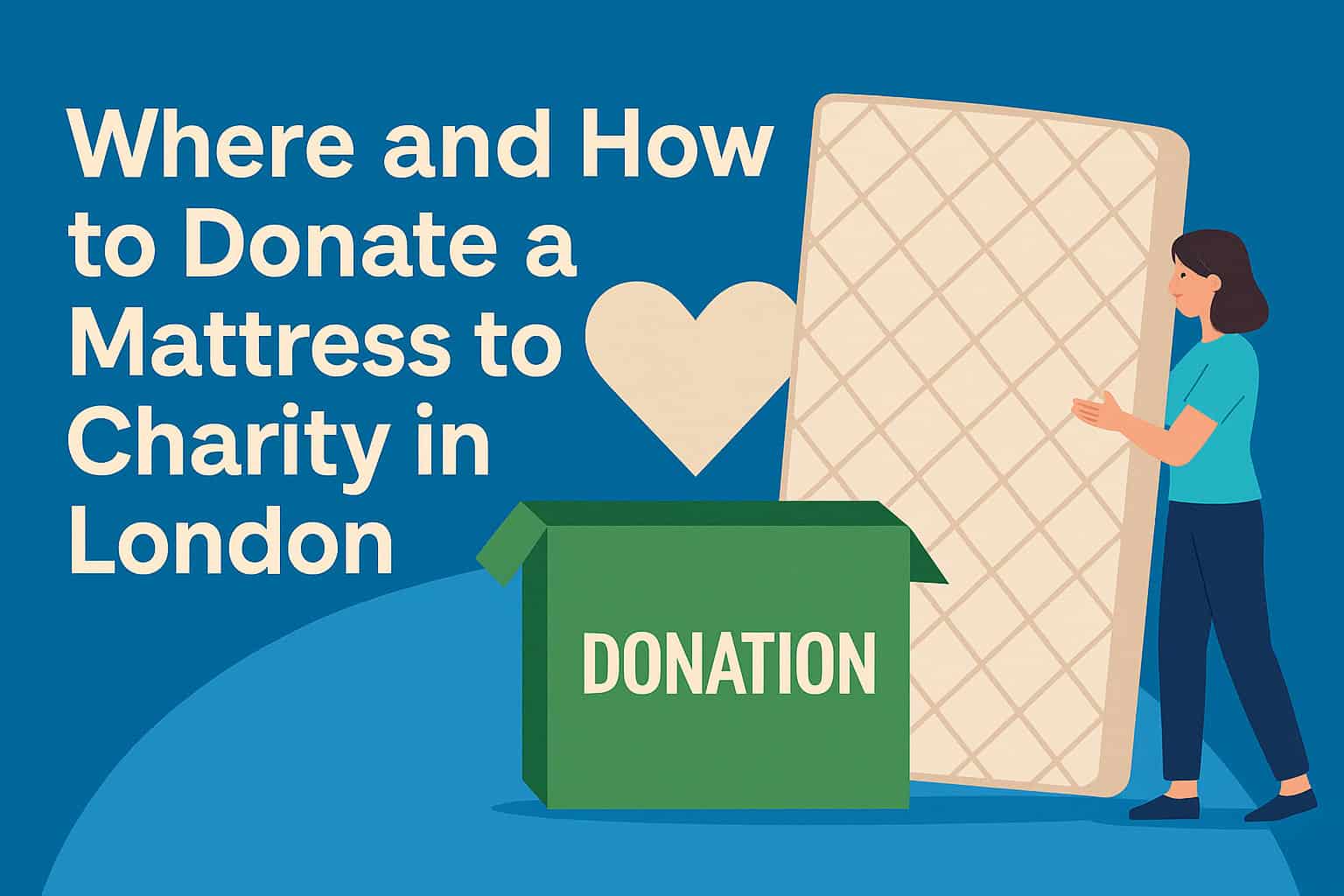
Where and How to Donate a Mattress to Charity in London: A Complete Guide

Donating a mattress can be a generous and sustainable way to support others while also reducing landfill waste. Whether you’re upgrading your bed or moving, giving away your mattress to a charity helps the community and the environment. This guide explains how to donate a mattress in London, which charities accept them, and what to expect during the donation process.

Why Donate a Mattress?

Donating a gently used mattress can:

  • Provide essential comfort to families or individuals in need.
  • Reduce landfill waste and promote sustainable living.
  • Support charitable organisations’ work through resale in charity shops.
  • Enable reuse and upcycling, reducing demand for new materials.

What Kind of Mattress Is Acceptable for Donation?

Before donating, ensure your mattress is in good, reusable condition. Most charities in the UK will only accept mattresses that:

  • Are clean and free from stains, tears, or heavy soiling.
  • Do not have bed bugs or infestations.
  • Have the fire safety label (BS7177) attached and clearly legible (especially important in the UK).
  • Are intact structurally, with no broken springs or collapsed sides.

If your mattress meets these criteria, it is likely suitable for donation. Otherwise, it may be best to contact your local council or recycling services for responsible disposal.

Charities in London That Accept Mattress Donations

Here are some well-known UK charities that accept mattress donations in London, along with their contact details, collection options, and how the process works.

1. British Heart Foundation

British heart foundation mattress donation
  • 📍 Address: 97 George Street, Croydon, CR0 1LD (and other local branches)
  • 📞 Phone: 0808 250 0030
  • 🌐 Website: www.bhf.org.uk
  • Donation Process:
    • Free collection service for large furniture and electrical items.
    • Must have a fire safety label.
    • Book via their online form or call the donation hotline.

2. Emmaus Greenwich

Emmaus Greenwich mattress donation
  • 📍 Address: 226 Elmley Street, Thamesmead, London SE28 8SD
  • 📞 Phone: 020 8854 3426
  • 🌐 Website: www.emmaus.org.uk/greenwich
  • Donation Process:
    • Offers free collection within select London boroughs.
    • Mattresses must be clean and have a visible fire label.
    • Book a collection via phone or website.

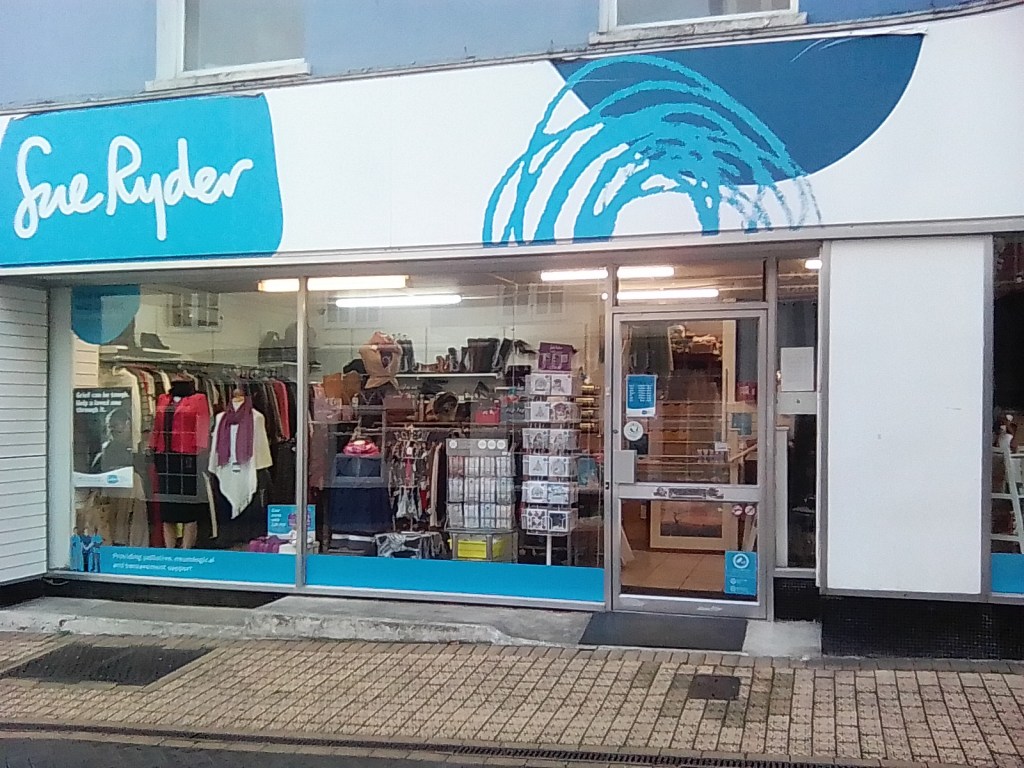
3. Sue Ryder Charity Shops

sueryder mattress donation
  • 📍 Address: 376 Mare Street, London E8 1HR (branch example)
  • 📞 Phone: 020 8985 1504
  • 🌐 Website: www.sueryder.org
  • Donation Process:
    • Some stores accept mattress donations.
    • Contact the store to check availability and collection options.
    • Must be in excellent, sellable condition.

4. Cancer Research UK Furniture Shop

cancer research uk mattress donation
  • 📍 Address: 33 Rye Lane, Peckham, London SE15 5EX
  • 📞 Phone: 020 7639 2294
  • 🌐 Website: www.cancerresearchuk.org
  • Donation Process:
    • Offers collection of furniture and mattresses in good condition.
    • Arrange via phone or online form.
    • Fire safety label required.

5. Furniture Donation Network

Furniture Donation Network mattress and bed donation
  • 📍 Address: Nationwide network (partners with local charities in London)
  • 📞 Phone: 0344 879 4410
  • 🌐 Website: www.furnituredonationnetwork.org
  • Donation Process:
    • Online booking form to arrange a collection.
    • Matches donations with local charities that have specific needs.
    • Mattresses must be clean and in reusable condition.

What Happens After Collection?

Once collected, your mattress is either:

  • Resold in a charity’s furniture shop to raise funds for community work.
  • Given directly to individuals or families in need.
  • Refurbished Mattress or recycled, if not fit for use, depending on the organisation’s capabilities.

Charities ensure that all donations either help others directly or fund their programs through resale, offering vital support to low-income households and homeless individuals.

Environmental and Social Benefits

By donating your mattress:

  • 🌱 You reduce landfill waste – a typical mattress takes 10+ years to decompose.
  • 💚 You support circular economy efforts, reducing the need for new resources.
  • 🛏️ You provide comfort to those facing hardship or housing instability.
  • ♻️ You promote sustainability, especially when working with charities using environmentally friendly processes.

Final Thoughts

If your mattress is still in good condition and includes the required fire safety label, donating it is a responsible and impactful choice. Many London-based charities are ready to collect and rehome mattresses, offering them to individuals and families in need while reducing environmental waste.

Before donating, make sure to:

  • Check that the mattress is clean and in usable condition
  • Confirm that the fire safety label is securely attached and clearly legible
  • Contact your chosen charity in advance to verify they accept your mattress type and condition

Donating your mattress not only extends its life but also supports social causes and helps protect the environment.

However, if your mattress is damaged, stained, heavily worn, or missing a fire label, it may not qualify for donation. In such cases, it’s important to dispose of it properly. Responsible mattress disposal options in London include:

  • Booking a bulky waste collection through your local council
  • Using certified recycling companies that dismantle and repurpose mattress materials
  • Exploring retailer take-back services when purchasing a new mattress

Always choose environmentally friendly disposal methods where possible. Whether you donate or recycle, your action can make a difference.

how to choose best mattress for menopause
July 24, 2025

Best Mattresses for Menopause Symptoms in the UK: A Comprehensive Guide

Menopause is a natural biological process experienced by women typically between the ages of 45 and 55, marking the end of menstrual cycles. While it is a normal transition, menopause comes with a variety of symptoms that can significantly affect sleep quality, comfort, and overall wellbeing. Choosing the right mattress becomes critical during this stage of life. In this guide, we explore menopause, its impact on sleep and health, and why the Luxe Therm Mattress may be one of the top choices for women experiencing menopausal symptoms in the UK.

What is Menopause?

Menopause refers to the time in a woman’s life when her menstrual periods permanently stop, and she is no longer able to conceive naturally. It is officially diagnosed after 12 consecutive months without a period. Menopause is preceded by perimenopause, a phase that can last several years and is characterised by fluctuating hormone levels, particularly oestrogen and progesterone.

what is menopause

Why Does Menopause Happen?

Menopause is a natural part of aging. As women age, their ovaries gradually produce less oestrogen and progesterone, the hormones responsible for regulating menstruation and ovulation. Eventually, hormone production falls to levels where the menstrual cycle ceases entirely.

Other causes of menopause can include:

  • Surgical removal of ovaries (oophorectomy)
  • Chemotherapy or radiation therapy
  • Premature ovarian insufficiency, where menopause occurs before the age of 40

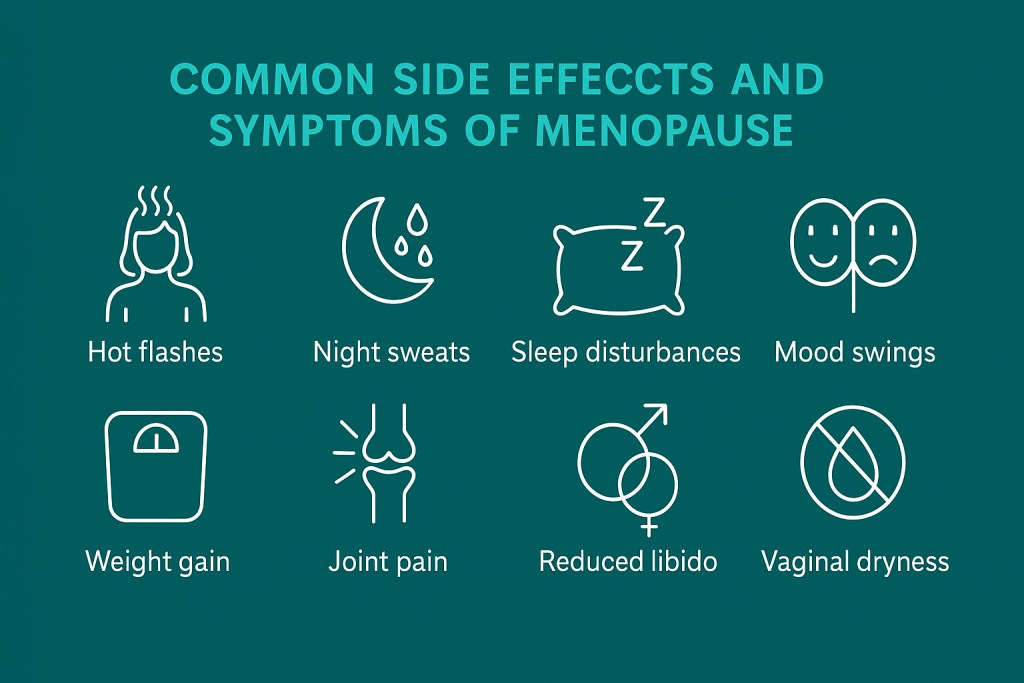
Common Side Effects and Symptoms of Menopause

Women can experience a wide range of symptoms, including:

  • Hot flashes
  • Night sweats
  • Sleep disturbances
  • Mood swings
  • Weight gain
  • Joint pain
  • Reduced libido
  • Vaginal dryness
side effects of menopause

These symptoms can vary in severity and duration from person to person.

How Menopause Affects Mood

Hormonal changes during menopause can lead to increased anxiety, irritability, and even depression. Oestrogen plays a role in producing serotonin, the brain chemical responsible for mood balance. Lower oestrogen levels can therefore negatively impact emotional wellbeing. These mood swings can be sudden and intense, affecting personal relationships and quality of life.

How Menopause Impacts Sleep

Sleep problems are among the most common and distressing symptoms of menopause. Hormonal fluctuations can lead to:

  • Insomnia
  • Frequent night-time awakenings
  • Hot flashes and night sweats that cause discomfort and overheating
  • Sleep apnea or worsened snoring

Many women report waking up drenched in sweat or feeling restless and tired despite a full night’s sleep.

Physical Changes During Menopause

In addition to hormonal and mood changes, women also experience:

  • Bone density loss
  • Slower metabolism
  • Skin thinning and dryness
  • Changes in body composition (more fat, less muscle)

These physical changes can contribute to back pain, joint discomfort, and increased sensitivity to heat and pressure, all of which must be taken into account when choosing a mattress.

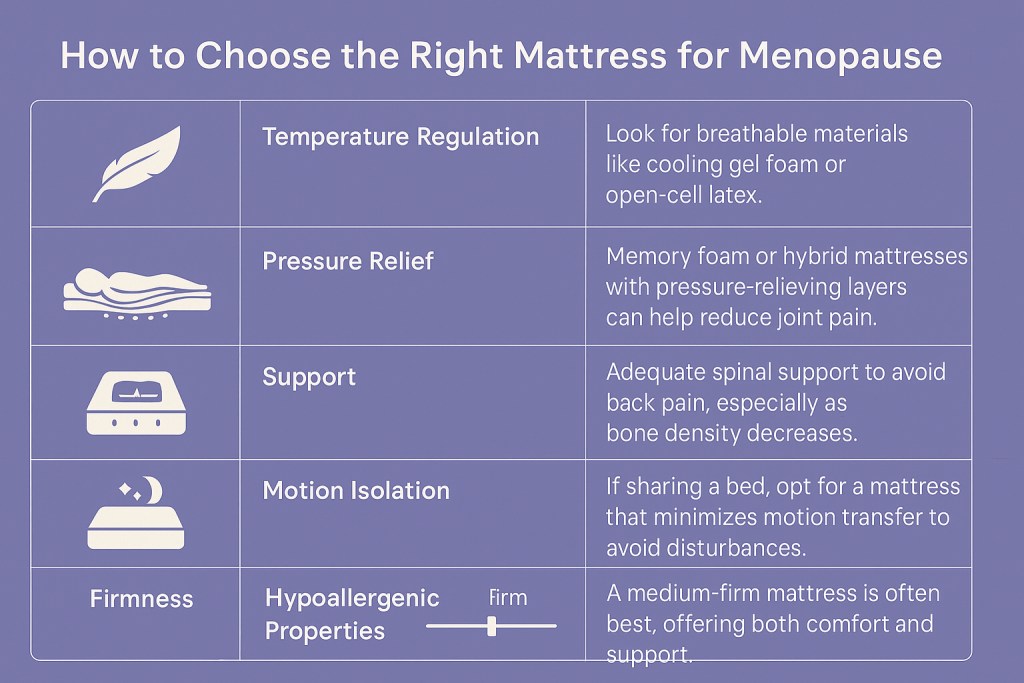
How to Choose the Right Mattress for Menopause

When selecting a mattress during menopause, consider the following factors:

how to choose mattress for menopause
  1. Temperature Regulation:
    • Look for breathable materials like cooling gel foam or open-cell latex.
    • Moisture-wicking covers can help manage night sweats.
  2. Pressure Relief:
    • Memory foam or hybrid mattresses with pressure-relieving layers can help reduce joint pain.
  3. Support:
    • Adequate spinal support is essential to avoid back pain, especially as bone density decreases.
  4. Motion Isolation:
    • If sharing a bed, opt for a mattress that minimizes motion transfer to avoid disturbances.
  5. Hypoallergenic Properties:
    • Women become more sensitive to allergens during menopause. Anti-microbial, hypoallergenic mattresses are preferable.
  6. Firmness:
    • A medium-firm mattress is often best, offering both comfort and support.

Key Mattress Features to Consider

Feature Why It’s Important During Menopause
Cooling Gel or Foam Reduces heat buildup and helps prevent night sweats
Zoned Support Provides customised comfort to shoulders, hips, and back
Motion Isolation Avoids partner movement disturbances
Breathable Cover Wicks away moisture and enhances ventilation
Anti-Microbial Surface Protects against bacteria and allergens
Hybrid Design Combines support and pressure relief

Why Luxe Therm Mattress Might Be the Best Choice for Menopause

The Luxe Therm Mattress has been specifically engineered with temperature regulation and ergonomic comfort in mind, making it a strong candidate for menopausal women.

Cooling Technology

The Luxe Therm features LTX™ Cooling Gel infused into the foam layers. This material actively pulls heat away from the body, ensuring a cooler and more comfortable sleep environment, even during night sweats.

cool mattress for menopause

Responsive Support

With 2000 EnduraSpringâ„¢ Coils, this hybrid mattress adapts to your body, reducing pressure on the hips and shoulders, while providing strong lumbar support. This is essential for maintaining spinal health and comfort during hormonal changes.

UltraDryâ„¢ Moisture-Wicking Cover

Its breathable, stretchable cover helps draw away moisture, keeping the sleeping surface dry and hygienic. This is especially beneficial during episodes of night sweats or hot flashes.

Antimicrobial & Hypoallergenic Materials

The outer layers are designed to prevent the buildup of bacteria and dust mites, a great feature for sensitive individuals experiencing increased skin and sinus sensitivity.

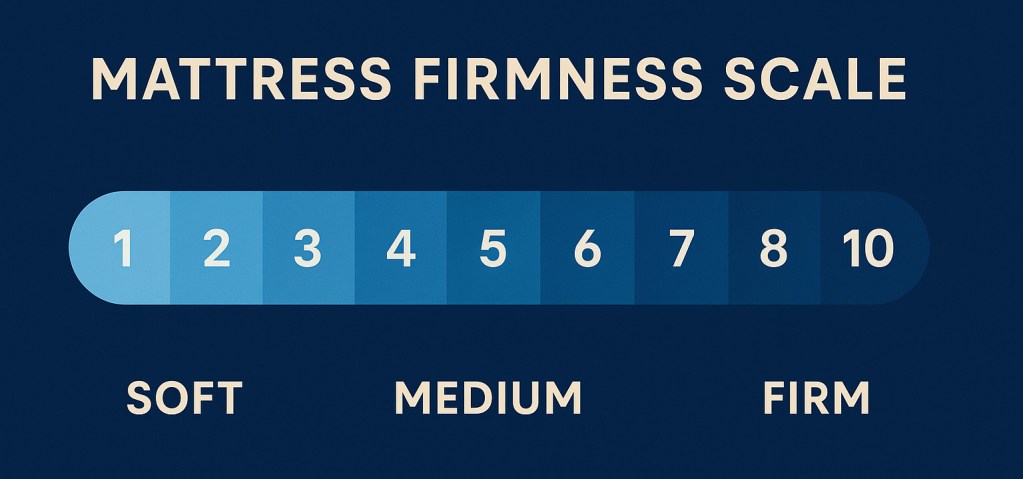
Medium Firm Comfort (5/10)

The Luxe Therm strikes a balance between softness and support, making it versatile enough for back, side, and stomach sleepers — all of whom may experience different challenges during menopause.

firmness levels

Enhanced Durability

With a 10-year warranty and high-quality natural materials, this mattress provides long-term value and consistent performance through the years.

Final Thoughts

Menopause is a transformative phase of life, often accompanied by disruptive sleep symptoms like night sweats, restlessness, and joint pain. Investing in the right mattress can make a substantial difference in managing these issues. From breathable materials to proper support and antimicrobial protection, a menopause-friendly mattress should address both physical and thermal needs.

mattress for menopause

Among the many options in the UK market, the Luxe Therm Mattress stands out as one of the best mattresses for menopause, thanks to its intelligent temperature regulation, ergonomic support, and hygienic construction. Whether you’re entering perimenopause or already navigating its effects, choosing the right sleep surface could lead to more restful nights and better days.

Your body is changing, and your sleep should adapt with it.

custom vs standard bed
July 24, 2025

Custom Bed vs. Standard Bed: What’s the Real Difference?

Your bed is not simply bedroom furniture, but it is your sanctuary when it comes to achieving that great night’s sleep. However, when you are at a crossroads trying to choose between a custom bed and a standard bed, you are not alone. The actual distinction boils down to your needs and the extent to which you are willing to invest in personal comfort and style.

In short, A bespoke bed is constructed to your taste (in terms of size, materials, and style). In contrast, a standard bed is a mass-produced item with standard sizes and few customization options available. This essential distinction influences everything, starting with the quality of your sleep to the aesthetics of your bedroom.

What does that mean to you? Let’s take a closer look and determine which option is most suitable for you.

What is a Standard Bed?

A standard bed is produced in large volumes based on standard mattress sizes (such as double, king, or super king) and typically has fixed options. It fits the bill of most people in a simple structure and is a convenient and affordable option.

Key characteristics:

  • Manufactured in large quantities.
  • Available in standard sizes and materials.
  • Generally more affordable and easier to find.
  • Limited design and customization options.

Consider the case of visiting a high-street furniture store; there, you will see rows of beds in standard sizes and styles. They can be easily taken home or delivered within a short time, making them an excellent option for busy families or those with rental properties.

What is a Custom Bed?

A custom bed, however, is made to order and it is made according to your specifications. This implies that you have a say in the size, shape, materials, and even the firmness of the mattress. In other words, it is designed to match you and not vice versa.

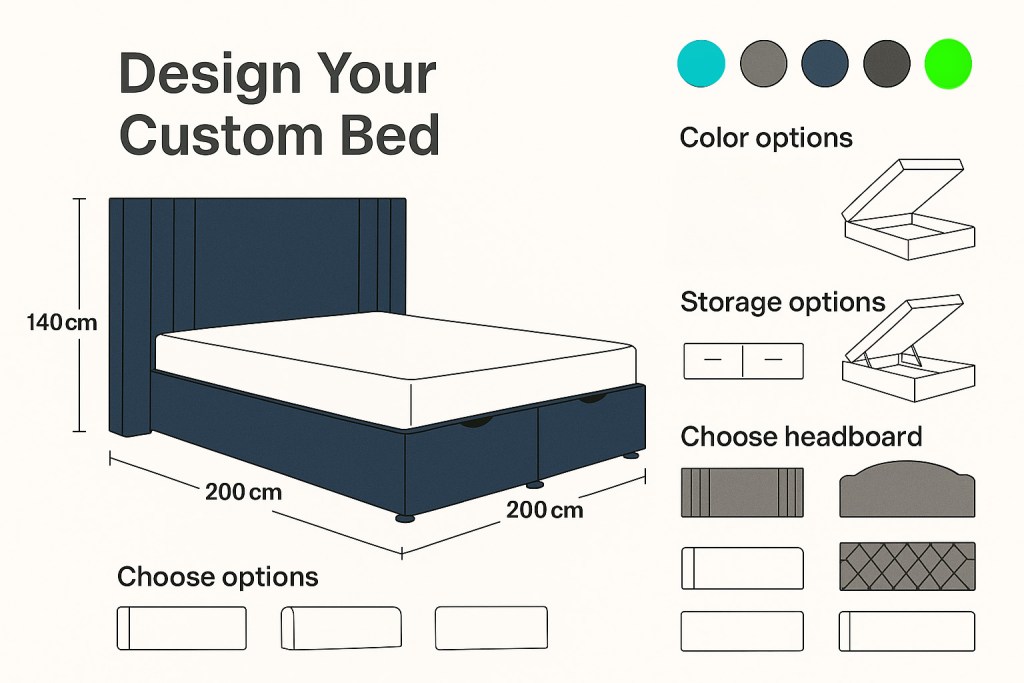
customise your bed

Key characteristics:

  • Tailor-made according to your demands and lifestyle. 
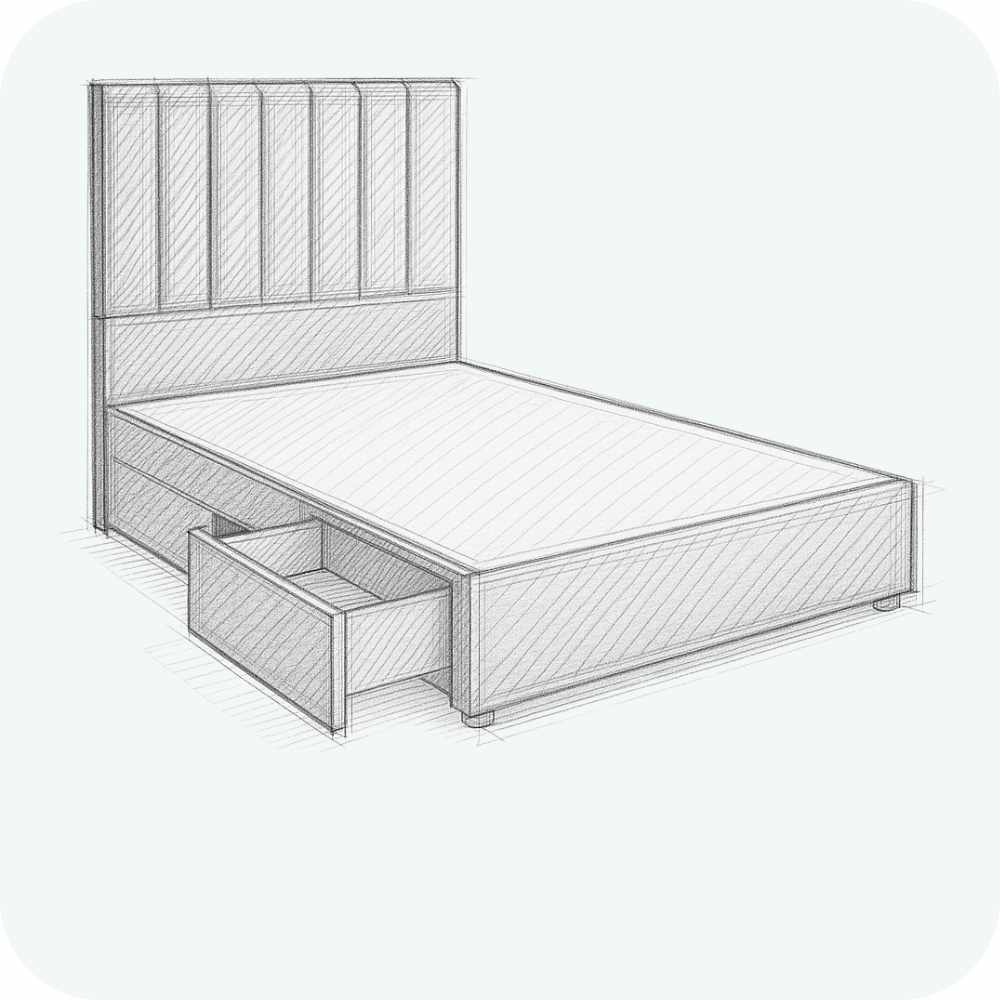
  •  Completely customizable: dimensions, material, height, headboard design, storage options, and more. 
  •  Typically, superior quality is a result of craftsmanship and attention to detail.
  •  It generally is more expensive and takes more time to lead.

And you know, imagine a bedroom that was truly yours: a bed that fits in your alcove or that goes perfectly with your old wardrobe. A custom bed can do that!

Custom Bed vs. Standard Bed: A Personalised Bed Comparison

Let’s break down the differences in more detail:

Factor Standard Bed Custom Bed
Comfort & Fit One-size-fits-all design. Tailored to your specific comfort and aesthetic preferences.
Materials Basic, widely-used materials like synthetic fabrics. Choice of premium materials: natural latex, organic cotton, sustainable woods.
Price Budget-friendly. Higher upfront cost but long-term value and durability.
Aesthetics Limited styles, often mass-market looks. Fully customizable, allowing you to match your interior design and personal flair.
Delivery Time Usually quick and available immediately. Made-to-order—often 4–8 weeks for delivery.
Longevity Moderate lifespan, typically 5–8 years. Often 10–15 years or more, depending on materials and care.
Health Benefits Meets general comfort needs. Can address specific needs, such as back pain, allergies, or temperature regulation.

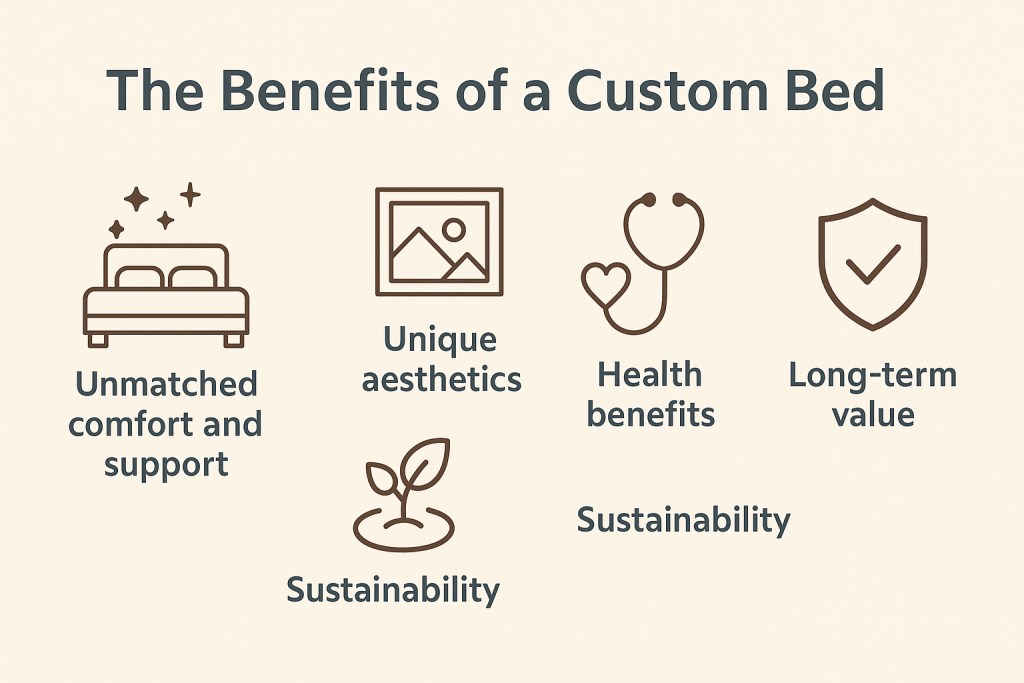
The Benefits of a Custom Bed

So, why is a custom bed a wise investment: let us find out:

Unmatched comfort and support

Having your bed made by someone gives you a chance to have that perfect night’s sleep. The Sleep Foundation also states that a suitable mattress can improve sleep and reduce chronic pain.

Unique aesthetics

 Bed frames can be customised to suit your vision, ranging from modern and minimalist to traditional and upholstered at the headboard. This can pull your bedroom together, giving it a touch of luxury and a sense of completion.

Health benefits

If you experience backache, sciatica, or allergies, a made-to-measure bed can be created to help alleviate the issue. For instance, the selection of hypoallergenic material or a specific firmness level of the mattress can make a significant difference.

Sustainability

Many custom bed manufacturers work with natural materials, such as organic cotton or sustainably harvested wood. This can minimise your environmental impact and also provide peace of mind.

Long-term value

The initial investment is more, but a well-constructed custom bed can serve much longer. Thus, it is a wiser investment in the long run.

benefits of custom bed

The Potential Drawbacks of Custom Beds

Naturally, there are no ideal choices. These are some of the possible negative aspects:

  • Higher cost
  • Custom beds tend to be more costly since they are made with skilled labor, high-quality materials, and elaborate design.
  • Longer wait times
  • Custom beds are made to order and can take several weeks (or even months) to arrive.

Resale limitations

Custom-made beds, which are constructed to fit a particular area, may be more challenging to sell or adapt to a different use if you choose to relocate or redecorate your bedroom.

When Should You Choose a Standard Bed?

The best option could be a standard bed in case: 

  • You are operating under a tight budget and need a quick, cost-effective solution. 
  • You are designing a temporary furnishing such as a guest room or a rental house. 
  • You do not require special health or comfort requirements. 
  • You desire something available straight away. 

Standard beds are more than sufficiently comfortable and stylish to most individuals, particularly when you are keen on practicality.

When is a Custom Bed Worth the Investment?

Conversely, a custom bed would be life-altering in the instance that: 

  • You require special comfort considerations (e.g., orthopedic support, allergies). 
  • You’re buying a forever home, and you want your bedroom to reflect your personality. 
  • You have a peculiar area (such as a conversion in the attic) in which a conventional bed would not suit. 
  • You appreciate quality that is long-lasting and sustainable. 

Example: LuxeMattresses.com had one customer who wanted a custom-made bed to fit into a bay window nook that was otherwise an awkward nook to use as a sleeping area.

Let’s Talk Sustainability

Sustainability is one of the rising trends in home design, and custom beds are usually at the forefront. To create eco-friendly alternatives, many custom bed manufacturers utilize natural latex, organic wool, or FSC-certified wood. Harvard Health Publishing also suggests that sleeping on natural and non-toxic fibers will minimize the amount of harmful chemicals typically present in synthetic fibers.

 It is excellent news when you want to make your home healthier and more eco-friendly.

How Do You Start Designing a Custom Bed?

In case the thought of a custom bed has you interested, this is what the general process entails:

  1. Initial Consultation: You discuss your needs, style, and space requirements. 
  2. Design Phase: You will select materials, finishes, and options (such as storage drawers or adjustable bases). 
  3. Fabrication: Your bed is made by hand, typically taking 2-3 weeks ( at Luxe Mattresses & Beds), but it depends on different companies provide different timelines.
  4. Delivery & Installation: The delivery and installation of your new bed will occur at your household. 

The process is entirely about you- it is your opportunity to make the sleep environment your own.

FAQs: What People Want to Know

Q1: Does the custom bed offer more comfort as compared to the standard bed? 

Yes! They provide more support and comfort to most people because they are customized to your body and your preferences. 

Q2: What is the approximate increase in the cost of a custom bed? 

Prices are not fixed, and you should be prepared to spend 30 to 50 percent more than for a standard bed. The extended life span can, however, make it worthwhile. 

Q3: Is it possible to personalise only the mattress and not the entire bed? 

Absolutely! Others begin by personalising the mattress firmness or fabrics. Please find out more on our Tailored Mattresses page.

Final Takeaway: Which Bed is Right for You?

Then it is just a matter of priorities, whether to get a custom-made bed or a standard bed: 

  • A standard bed is a good choice when you are concerned with low cost, ease of use, and setup.
  • Go custom when you’re willing to invest in a bed that’s truly yours – one that provides better comfort and style and will last longer. 

Whatever your preferred option may be, keep in mind that a good night’s sleep is a pillar of your overall health. The National Sleep Foundation reports that every dollar invested in good sleep may yield benefits as diverse as improved mood and a stronger immune system.

Ready to Sleep Better? Explore Your Options

If you’re willing to explore your options, we’ll be happy to assist you. See our Luxury Beds Collection or read more about how to make your dream bed on our Sleep Guides.

Final Thoughts

Your bed is not simply a place where you put your head at night, but it is a place of everyday relaxation, re-energizing, and a place of your own. And if you prefer a standard model or want to order a masterpiece, be sure that the bed supports you. You do spend, after all, something like a third of your life in bed – why not make it as comfortable and relaxing as possible?

Ready to take the next step?

Start designing your perfect sleep sanctuary today. And when you need answers or want to get some advice, our LuxeMattresses team is available anytime.

Product has been added to your cart