
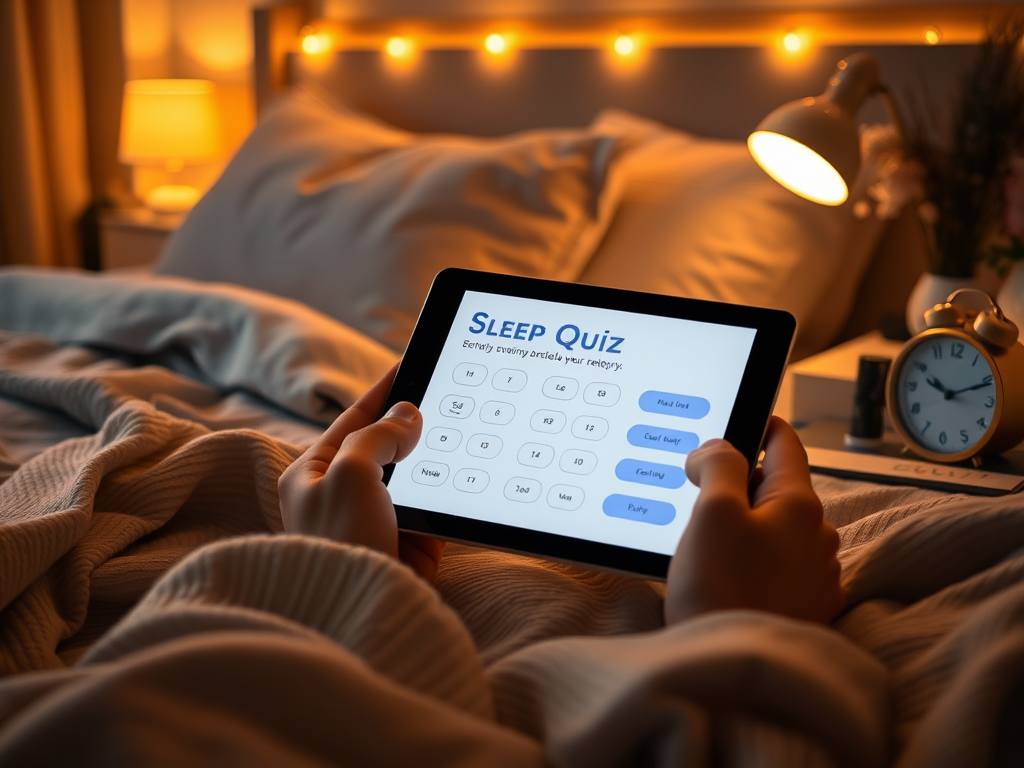
When it comes to improving sleep, there’s no such thing as a one-size-fits-all solution. Each person’s sleep is shaped by unique factors ranging from their daily habits and stress levels to their environment, routine, and physical needs. That’s why personalized sleep assessments or “sleep quizzes” include a wide array of questions designed to uncover the full story behind how you sleep.
The sleep quiz available on our platform is developed using trusted data and methodologies from several leading sleep research authorities. These include:
- National Institutes of Health (NIH)
- National Health Service (NHS)
- Sleep Foundation
- American Academy of Sleep Medicine (AASM)
- Centres for Disease Control and Prevention (CDC) – Sleep and Sleep Disorders
- The Sleep Charity UK
Each question in the quiz serves a purpose, whether it’s assessing sleep onset, duration, consistency, or how external and internal factors affect your rest. In this article, we’ll explore what these questions are, why they matter, and how your answers help form a tailored snapshot of your sleep health an important step toward better rest and well-being.
Bedtimes and Wake Times: Mapping Your Rhythm
Questions like:
- What time do you typically go to bed on weekdays?
- What time do you wake up on weekdays?
These determine your chronotype, whether you are naturally a morning person or a night owl. Sleep experts use this to understand whether your biological rhythm aligns with your daily routine. Mismatches between internal clocks and social obligations (like work schedules) can lead to “social jetlag,” which contributes to fatigue, poor focus, and sleep disorders.
The data also helps determine sleep consistency, a crucial factor in sleep quality. Irregular schedules often lead to disturbed REM cycles and trouble falling or staying asleep.
Sleep Duration and Catching Up
- How many hours of sleep do you typically get each night?
- Do you try to “catch up” on sleep during weekends or days off?
Sleep deprivation can’t be completely offset by weekend lie-ins, but patterns of catch-up sleep suggest chronic sleep debt. These answers help identify whether a person is unknowingly under-rested. Long-term sleep debt is associated with decreased cognitive function, metabolic disorders, and mood instability.
Sleep Latency: How Long It Takes You to Fall Asleep
- How long does it usually take you to fall asleep?
This question offers insight into both sleep hygiene and possible underlying stress or discomfort. Sleep latency—the time between getting into bed and falling asleep is considered healthy if it’s under 30 minutes. Longer durations may be linked to screen use, caffeine, anxiety, or physical discomfort such as an unsupportive mattress or poor sleep posture.
Sleep Position: Pressure and Alignment
- What is your primary sleeping position?
Whether someone sleeps on their back, side, or stomach dramatically affects pressure distribution and spinal alignment. This helps match individuals with appropriate sleep surfaces. For instance, side sleepers tend to need softer surfaces that relieve pressure on shoulders and hips, while stomach sleepers require firmer surfaces to prevent spinal sagging.
Understanding sleeping position is central to addressing body pain, especially lower back or neck strain.
Sleep Aids and Medication
- How often do you use sleep aids or medication to help you sleep?
This helps assess whether sleep quality is natural or artificially supported. Frequent use of aids may suggest chronic insomnia, anxiety, or physical discomfort. It can also point to dependencies or ineffective underlying strategies, especially if sleep quality remains poor even with intervention.
Caffeine and Alcohol Intake
- How much caffeine do you consume daily?
- How does alcohol consumption affect your sleep?
Both substances are well-known to affect sleep. Caffeine is a stimulant that can reduce melatonin production and delay sleep onset, especially if consumed late in the day. Alcohol, while initially sedating, disrupts REM cycles and increases nighttime waking.
Responses here help distinguish lifestyle-driven sleep disruptions from environment- or equipment-related issues.
Screen Time Before Bed
- How much time do you spend on screens within 1 hour of bedtime?
This question addresses exposure to blue light, which can delay melatonin secretion. Screen time also tends to stimulate the brain, especially when engaging with interactive content (like scrolling or gaming). Reduced screen exposure correlates with faster sleep onset and better sleep depth.
Environmental Factors
- Select any issues with your sleep environment (light, temperature, noise, mattress comfort, etc.)
Environment plays a critical role in how the body settles into sleep. Too much light can suppress melatonin. Noise even subtle, can trigger micro-awakenings. Temperature extremes can cause discomfort that fragments sleep. Mattress discomfort is a frequent complaint that often links back to poor pressure relief or inadequate spinal support.
These insights allow sleep advisors to recommend simple, targeted improvements, like blackout curtains, sound dampening, or material changes in bedding.
Bedtime Routines and Sleep Regularity
- Do you have a consistent bedtime routine?
Sleep is a learned behavior, and routine trains the brain to enter rest mode. A regular pattern of winding down (e.g., dimming lights, reducing stimulation, performing hygiene rituals) improves sleep onset and sleep quality. Inconsistent routines may cause delays in falling asleep or fragmented rest.
Dream Recall
- How often do you remember your dreams?
While dreams themselves are subjective, dream recall is often a proxy for uninterrupted REM sleep. Those who remember dreams more frequently may be waking at the end of REM cycles. Alternatively, not remembering dreams may suggest sleep that’s too shallow or fragmented.
This helps determine whether sleep is reaching all the necessary stages particularly restorative REM and deep sleep.
Daytime Napping
- How often do you take naps during the day?
Napping is often a compensatory behavior for poor sleep at night. Regular napping may indicate sleep fragmentation or disorders like sleep apnea. On the other hand, power naps under 30 minutes can be healthy and restorative, so the key is frequency and duration.
Stress Levels
- How would you rate your current stress level?
Chronic stress is one of the top reasons for poor sleep. Elevated cortisol levels can keep the brain alert, reduce melatonin production, and disrupt the sleep-wake cycle. This information helps assess whether physical solutions (like a new mattress) need to be paired with stress-reduction strategies such as mindfulness or changes in bedtime behaviour.
How the Data Comes Together
Each of these questions forms a piece of the puzzle. When analyzed together, they create a holistic profile of the sleeper, incorporating:
- Behavioral patterns (bedtime, screens, routine)
- Lifestyle contributors (caffeine, alcohol, stress)
- Physical factors (body position, sleep latency)
- Environmental conditions (noise, light, mattress comfort)
This comprehensive analysis allows sleep experts or intelligent algorithms to identify areas for change, recommend tailored solutions, and improve overall sleep hygiene. Whether the intervention is behavioural, environmental, or physical (such as changing mattress type), the goal is always the same: restoring balance to the natural sleep cycle.
Final Thoughts
Understanding sleep means looking beyond surface-level symptoms. It requires examining habits, choices, body needs, and surroundings. The wide range of questions in a sleep quiz might seem excessive at first, but each is essential for drawing accurate insights.
Ultimately, the science of sleep starts with self-awareness, and every answer brings us closer to a better night’s rest. For those seeking even deeper insights, using a reliable sleep calculator can help determine optimal bedtime and wake-up schedules based on your sleep cycles and habits. These tools complement quizzes by turning your data into practical, personalised advice.
Comprehensive Sleep Quiz
Discover your personalized sleep score and get expert recommendations to improve your sleep quality. This quiz takes about 5-7 minutes to complete.
Why Take This Quiz?
- Get a comprehensive analysis of your sleep habits
- Receive personalized recommendations from sleep experts
- Find the perfect mattress match for your sleep style
- Learn science-backed tips to improve your sleep quality
- Get personalized product recommendations
Whether someone struggles to fall asleep, wakes often, or feels unrefreshed in the morning, these data points can help identify patterns that lead to smarter, more personalized solutions.
Ultimately, the science of sleep starts with self-awareness and every answer brings us closer to a better night’s rest.

Roman is a seasoned expert in mattress development with over a decade of experience in sleep technology, material innovation, and product engineering. He has played a key role in designing and refining sleep solutions for leading mattress brands, with a deep focus on ergonomics, pressure relief, and sleep quality optimization.
With a background in product design and biomechanics, Roman combines scientific research with hands-on development to create mattresses that address real-world sleep issues—from spinal alignment to temperature regulation. His work has contributed to several award-winning mattress lines known for their comfort, durability, and user satisfaction.