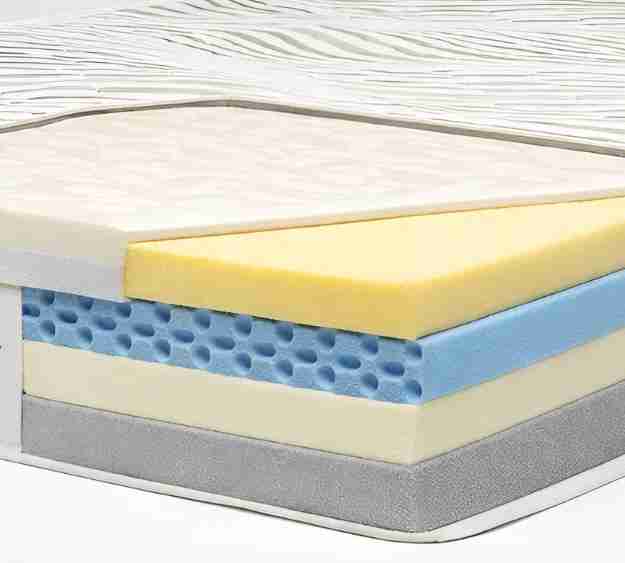
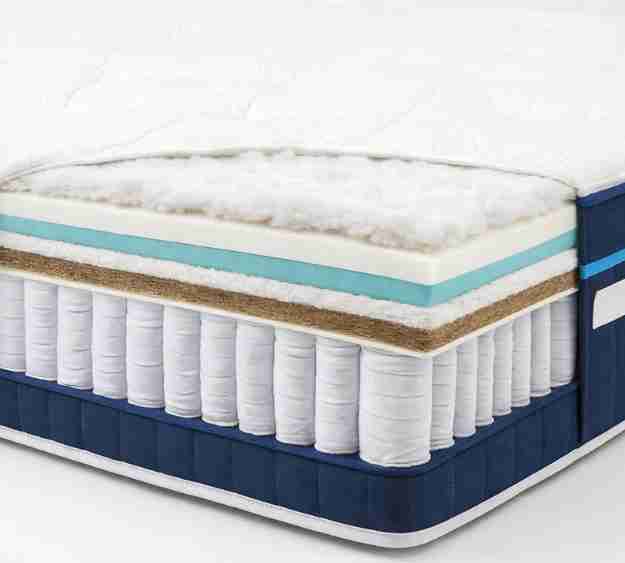
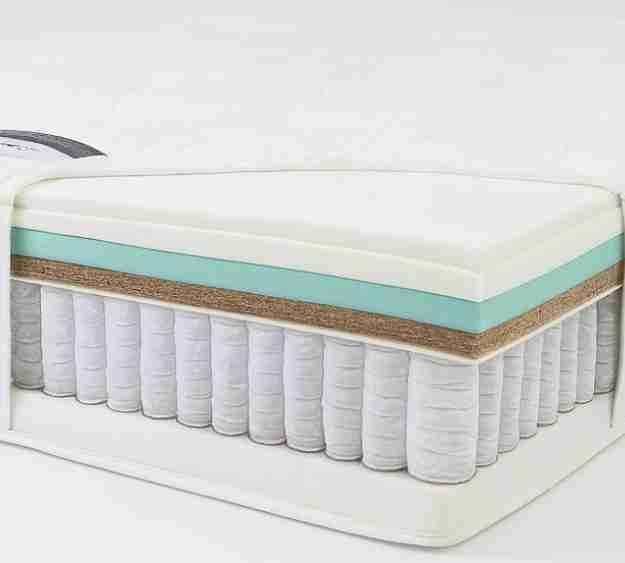
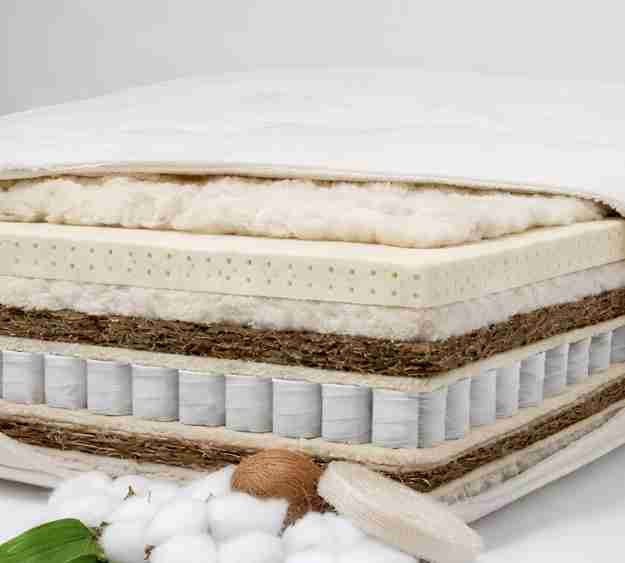

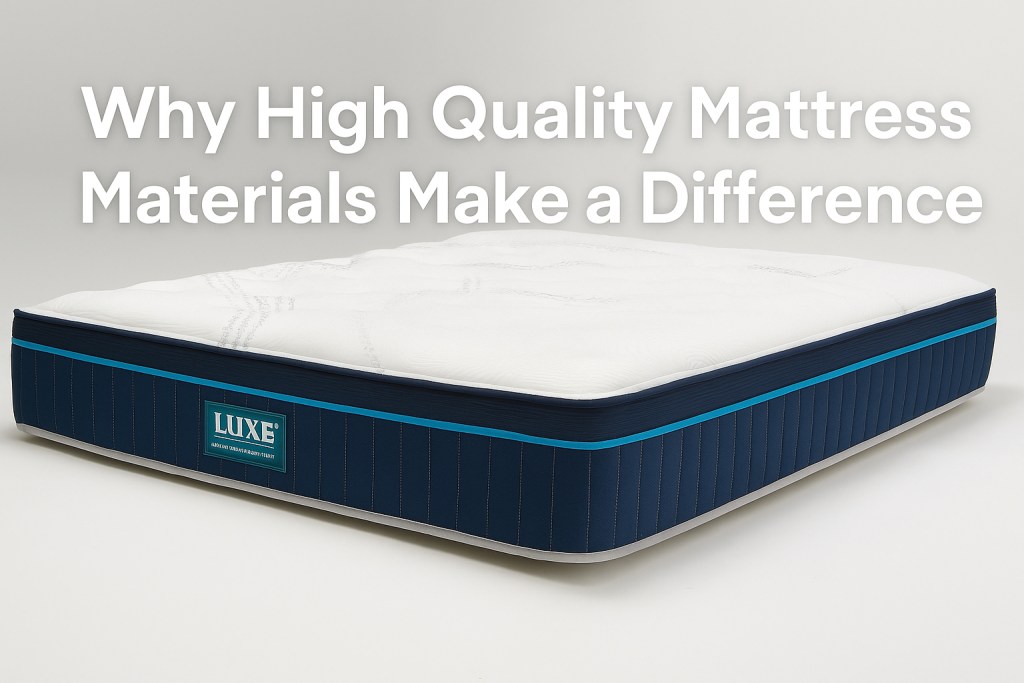
When it comes to buying a mattress, price often dominates the conversation, but what really determines how well a mattress performs and how long it lasts? The answer lies in the materials used. Whether you’re seeking pressure relief, spinal alignment, temperature regulation, or long-term durability, the composition of your mattress plays a major role. This article explores why high-quality materials matter, how they affect your sleep, and how mattresses like Luxe Ergo stand as examples of superior craftsmanship.
1. Material Integrity and Longevity
Mattresses made with premium materials are simply built to last. Lower-end mattresses often use low-density foams, synthetic fabrics, and cheaper coil systems that wear out quickly. These can sag within a year or two, leading to poor spinal support and discomfort.
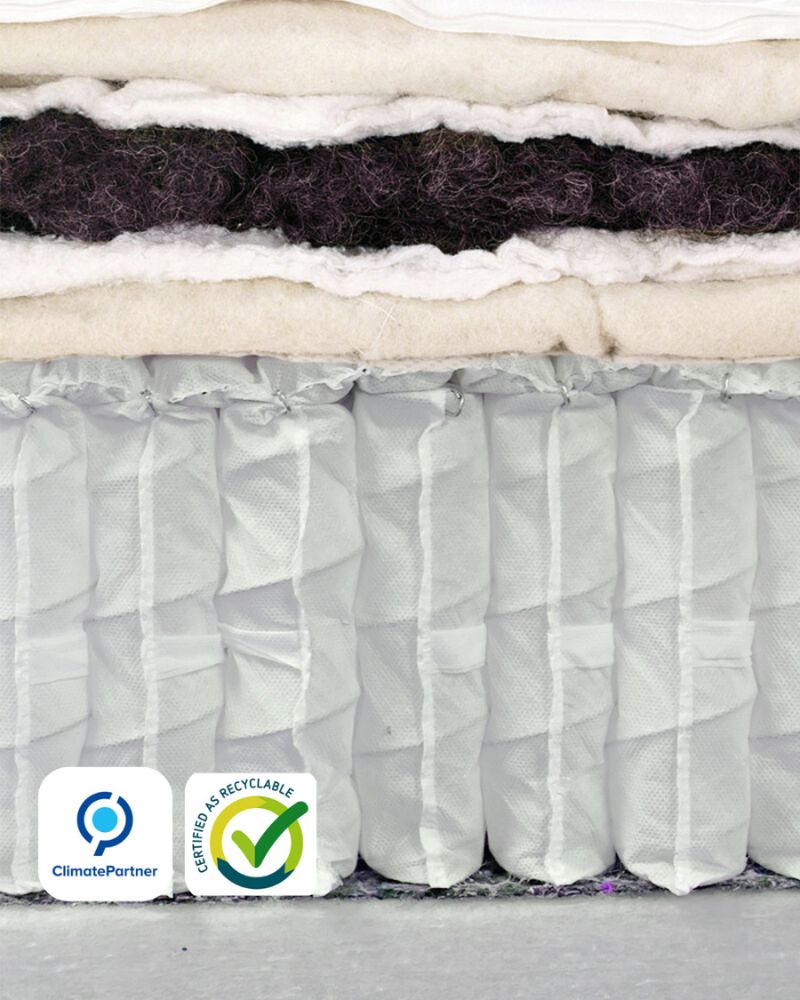
On the other hand, high-quality mattresses use:
- High-density foams that retain their shape over time.
- Natural latex or gel-infused memory foam for enhanced resilience and longevity.
- Durable pocket spring systems like 2000+ spring counts for consistent support and motion isolation.
Take, for instance, a mattress that features a 3400-spring dual-layer system and natural fillings, this level of structural complexity and durability isn’t found in budget mattresses.
2. Pressure Relief and Spinal Support
The difference in comfort is often immediate when comparing a low-quality mattress to one made with ergonomic, supportive materials. Cheaper beds may fail to contour to your body, causing uneven weight distribution and exacerbating pressure points.
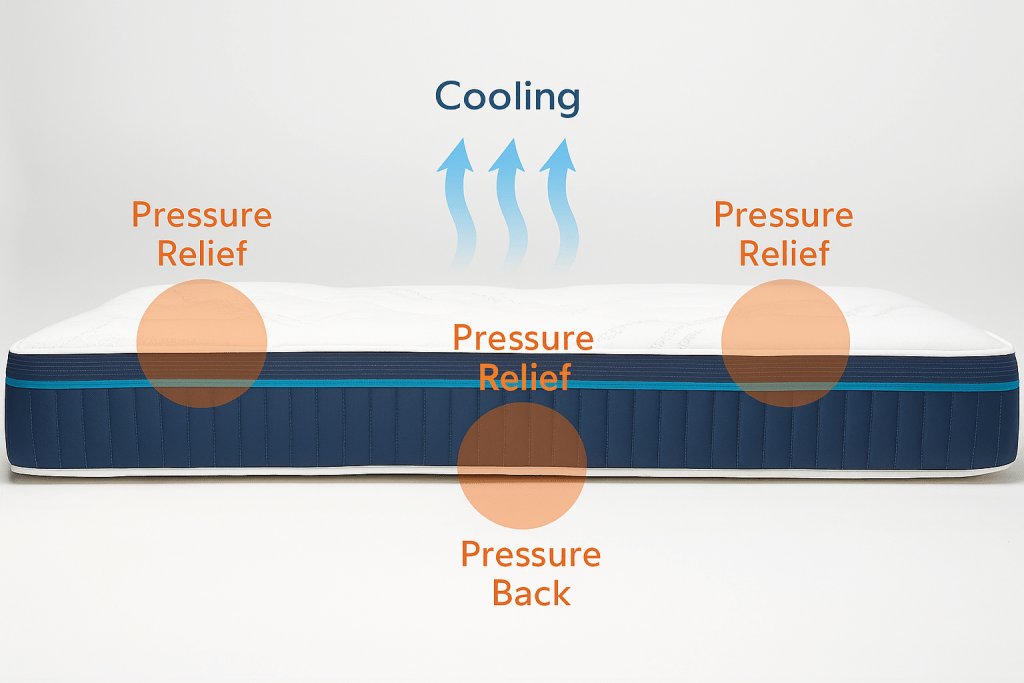
High-end mattresses often include:
- Zoned support systems to relieve pressure on shoulders, hips, and lower back.
- Zero Gravity™ or contouring foam layers that adapt to the body’s curves.
- Edge-to-edge support that prevents roll-off and sagging.
These features promote proper spinal alignment and are particularly beneficial for side and back sleepers who need a mattress that accommodates pressure points without compromising firmness.
3. Cooling and Breathability
Temperature regulation is a critical factor in restful sleep, especially for hot sleepers. Cheaper mattresses typically trap heat due to poor ventilation and synthetic fabric covers.
Quality mattresses often include:
- Open-cell gel foams that dissipate heat.
- Natural materials like British wool, cotton, and bamboo that wick away moisture.
- Ventilated spring systems that allow for continuous airflow throughout the mattress core.
For example, mattresses that use layered breathable fibres with integrated airflow channels offer night-long temperature control without the need for external cooling technology.
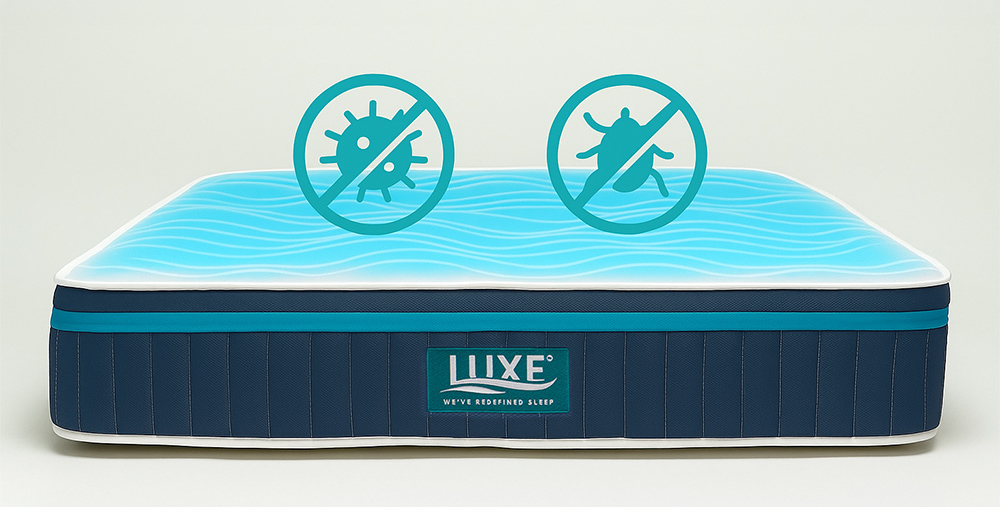
4. Health and Hypoallergenic Properties
Another benefit of investing in a well-constructed mattress is its ability to support a healthier sleep environment. Budget mattresses can harbor dust mites, bacteria, and allergens due to poor materials and lack of antimicrobial treatment.
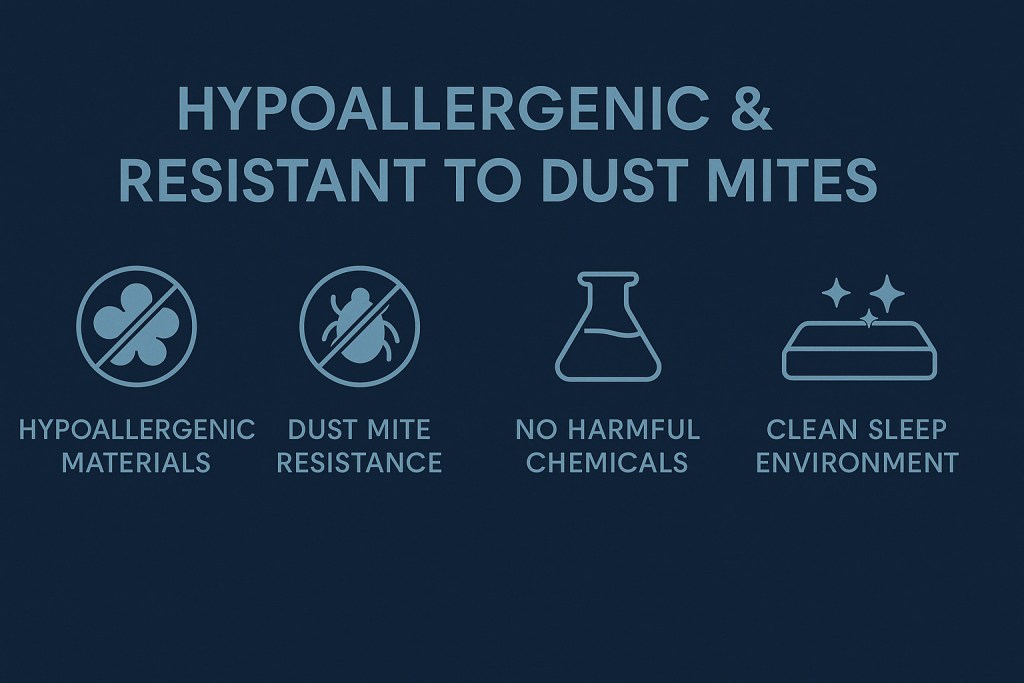
High-quality mattresses often feature:
- Antimicrobial outer fabrics treated to resist bacterial growth.
- Hypoallergenic materials like natural latex or certified organic cotton.
- Removable and washable covers that help maintain hygiene over time.
Some mattresses go as far as integrating naturally antimicrobial properties in their fibres, ideal for allergy sufferers and families with young children.
5. Consistency Over Time
Cheap mattresses tend to lose their performance fast. Soft spots, coil failure, and uneven surfaces make them unreliable after just a short period. Conversely, premium mattresses offer:
- Consistent firmness throughout their lifespan.
- 30-year spring performance warranties or guarantees on material durability.
- Resilience to body impressions, thanks to higher-quality foam layers and reinforced cores.
Mattresses that include advanced support systems with independently encased springs and reinforced perimeter zones are engineered to withstand years of nightly use without deterioration.
6. Ethical Manufacturing and Sustainability
A growing concern for consumers is how sustainable their purchases are. High-end mattresses are often made using ethically sourced, eco-friendly materials. Cheaper alternatives tend to rely on synthetic, petroleum-based foams and materials that are harmful to the environment.

Premium mattress brands tend to offer:
- GOTS-certified natural fibres like wool and cotton.
- Non-toxic, CertiPUR-US® certified foams.
- Sustainable manufacturing practices, including reduced plastic packaging and low-carbon delivery methods.
Choosing a mattress made with sustainability in mind not only supports better health and comfort but also reflects environmental responsibility.
7. Real-World Example: A High-Quality Mattress in Practice
Consider a mattress with the following features:
- Dual coil system (over 3000 springs)
- Natural British wool and cotton
- Thermo-regulating gel-infused foam
- Medium-firm comfort with edge-to-edge support
- Hypoallergenic, breathable, and built in the UK
These specifications aren’t just marketing buzzwords, they represent a mattress designed to provide full-body support, healthy airflow, and resilience, with materials sourced for both performance and sustainability. When stacked against generic foam mattresses or mass-produced budget models, the difference in comfort and quality is clear.
8. Why Material Costs Reflect Value
High-quality materials cost more, but they also deliver more. When you pay for superior components, you’re investing in
- Longer product lifespan
- Better health outcomes
- Higher sleep quality
- Reduced long-term replacement costs
Mattresses built with premium materials are not always heavily marketed, and many direct-to-consumer models allocate their budget to product development rather than flashy advertising. This often makes them more affordable than heavily branded alternatives without compromising on build quality.
9. Are High Price Tags Justified? Comparing to Standard Mattresses
One of the most common hesitations buyers have when considering premium mattresses is price. Standard or “budget” mattresses can range from £150–£400 for a double size, often sold at mass-market retailers or online marketplaces. In contrast, a high-quality mattress with premium materials—like natural wool, advanced cooling foams, and a multi-zone spring system, may cost £700–£1,200 or more depending on its construction.
So what justifies the difference?
Cheaper mattresses:
- Often use lower-density polyurethane foams
- May lack reinforced edge support or zoned comfort layers
- Tend to sag within 1–3 years with daily use
- Have minimal breathability, leading to heat retention
- Usually carry shorter warranties (1–5 years)
Higher-quality mattresses:
- Built with dense foams or natural materials that last 8–12+ years
- Offer advanced ergonomic zoning for pressure relief
- Include anti-microbial, hypoallergenic features
- Provide breathable layers that reduce overheating
- Backed by extensive warranties (10–25 years)
Over time, a low-cost mattress might need to be replaced multiple times, while a high-end one may continue to deliver consistent support and comfort for more than a decade. This makes the cost-per-year of premium models comparable or even more economical than entry-level mattresses.
10. How to Know If a Mattress Is Worth the Price
Before purchasing a mattress, especially one with a higher price tag, it’s important to evaluate whether the investment matches its advertised value. Here’s how you can tell:
Check the Materials
Look for:
- Natural fillings like wool, cotton, or latex
- High-density foams (preferably 5 lbs/ft³ and above)
- Pocket spring counts (above 1000 for adequate support)
- Certifications like CertiPUR-US®, GOTS, OEKO-TEX®, or equivalent
Research the Construction
Ask:
- Does it offer zoned support for different body areas?
- Are there breathable layers for temperature regulation?
- Is there reinforced edge support to prevent sagging?
Review the Warranty and Trial Period
A mattress offering a 10+ year warranty and a trial period of 30–200 nights shows confidence in durability and customer satisfaction.
Read Verified Reviews
Consumer feedback, especially from independent platforms, can reveal performance insights that marketing claims might not.
Evaluate the Brand’s Transparency
A trustworthy brand will be clear about its sourcing, certifications, and material breakdown. Beware of vague product descriptions with no real technical information.
Conclusion
Choosing a mattress isn’t just about picking a comfortable surface, it’s about selecting the materials, structure, and craftsmanship that directly impact your sleep quality, health, and long-term satisfaction.
High-quality mattresses stand apart because of what lies beneath the surface: breathable natural fibres, dense and durable foams, advanced spring systems, and thoughtful ergonomic design. These components don’t just feel better, they last longer, support your body more effectively, and often include certifications for safety and sustainability.
While premium mattresses may come with higher price tags, they also offer longer warranties, improved durability, and significantly better value over time. Compared to lower-end alternatives that often sag or deteriorate within a few years, an investment in a well-constructed mattress can ultimately prove more economical and far more beneficial to your health.
Before buying, ask not just “How much does it cost?” but also “What am I getting for the cost?”. A well-made mattress supports spinal alignment, regulates temperature, isolates motion, and even resists allergens all contributing to a deeper, healthier sleep.
Because when it comes to your sleep, comfort should never be a compromise. And in mattresses, quality isn’t just a feature, it’s the foundation.

Roman is a seasoned expert in mattress development with over a decade of experience in sleep technology, material innovation, and product engineering. He has played a key role in designing and refining sleep solutions for leading mattress brands, with a deep focus on ergonomics, pressure relief, and sleep quality optimization.
With a background in product design and biomechanics, Roman combines scientific research with hands-on development to create mattresses that address real-world sleep issues—from spinal alignment to temperature regulation. His work has contributed to several award-winning mattress lines known for their comfort, durability, and user satisfaction.