


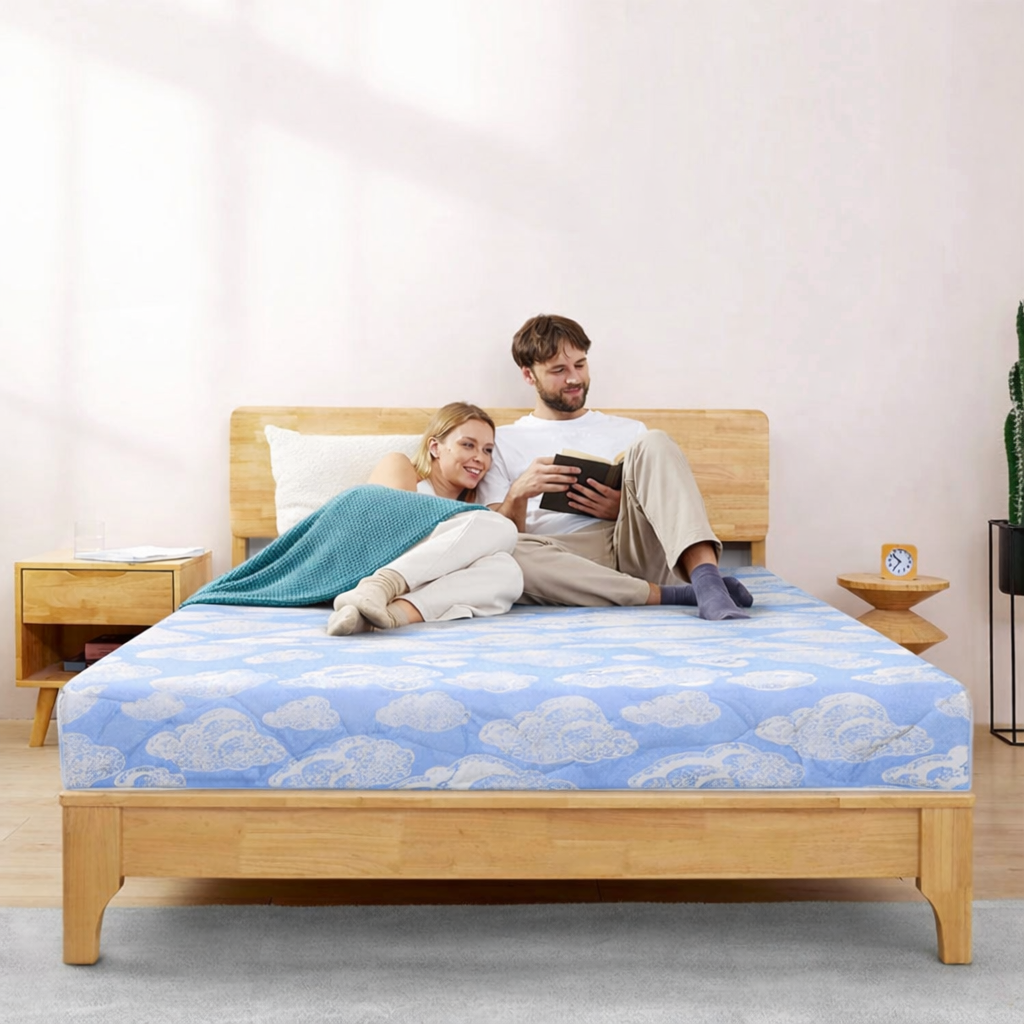
Introduction: The Problem with “Firm” Mattresses Today
The term firm mattress has become diluted in the modern sleep industry. If you are searching for an extra firm mattress, many products marketed as “firm” still allow excessive compression under load, leading to spinal misalignment, uneven pressure distribution, and long-term material fatigue.
A true extra firm mattress must achieve three critical outcomes:
- Minimal surface deflection under body weight
- Controlled compression through layered density
- Long-term structural integrity without sagging
The Majestic 11000 has been engineered specifically around these principles, making it fundamentally different from conventional firm mattresses.
Engineering an Extra Firm Mattress: What Actually Matters
To understand why the Majestic 11000 stands out, it’s important to look beyond marketing and focus on material engineering.
1. Foam Density and Load-Bearing Capacity
The foundation of any extra firm mattress lies in its foam density.
- Low-density foams (<25 kg/m³) compress easily and lose structure
- Medium-density foams (25–35 kg/m³) offer moderate support but degrade over time
- High-density foams (35–50+ kg/m³) provide strong resistance to compression and long-term durability
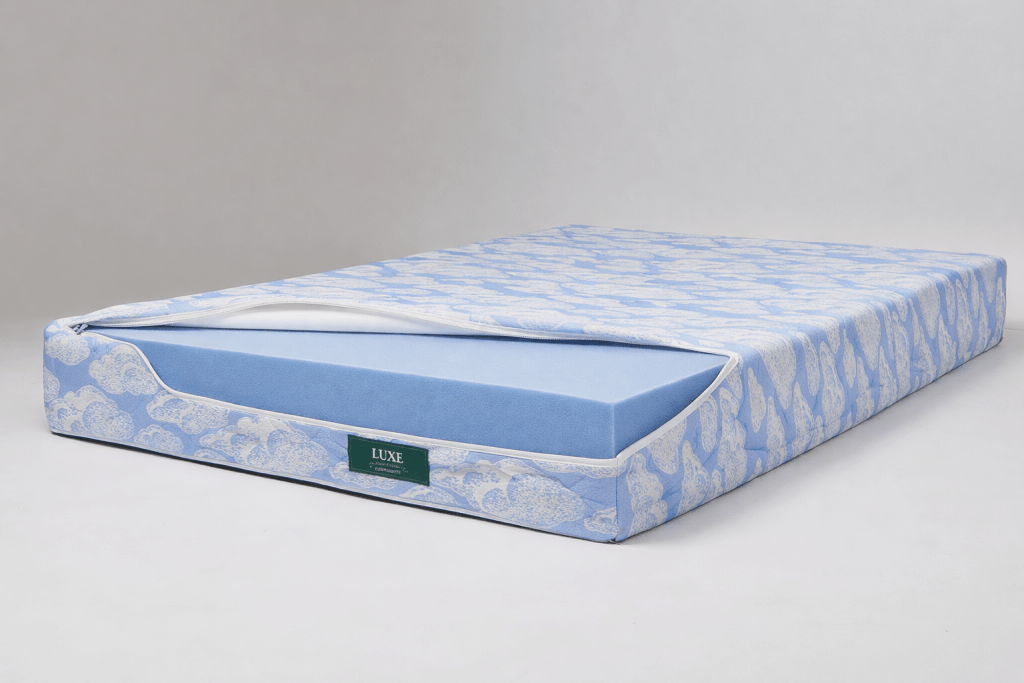
The Majestic 11000 utilises high-density reflex foam in its core, designed to:
- Resist deep compression under body weight
- Maintain surface firmness across the entire mattress
- Prevent long-term sagging and deformation
This is what creates the “low-sink, high-resistance” profile associated with a true hard mattress.
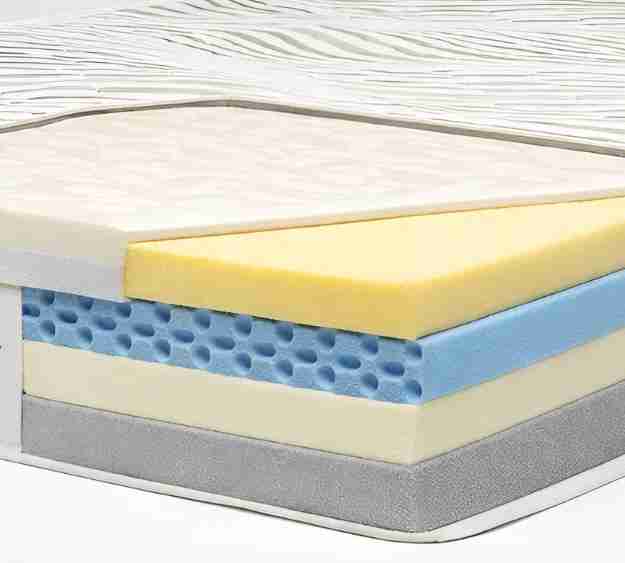
2. Layered Foam Architecture (Graduated Density Design)
Unlike basic foam mattresses, the Majestic 11000 is built using a multi-layered density structure, where each layer performs a specific mechanical function.
? Top Layer: Controlled Comfort Layer
A high-density memory foam layer is used, not for softness, but for:
- Micro-contouring to reduce surface pressure
- Preventing sharp pressure points (shoulders, hips)
- Maintaining firmness while allowing minimal adaptation
This avoids the “plank-like discomfort” often associated with ultra firm mattresses.
? Transition Layer: Load Distribution
Beneath the comfort layer sits a support transition foam, engineered to:
- Distribute body weight laterally
- Prevent pressure concentration in isolated areas
- Stabilise the interface between comfort and core layers
This layer is critical in maintaining consistent firmness across different body weights.
? Core Layer: Structural Support System
At the foundation lies a high-resilience reflex foam base, which defines the mattress’s overall firmness.
This layer provides:
- High compressive resistance
- Edge-to-edge structural integrity
- Long-term durability without collapse
Unlike spring systems, this foam core eliminates:
- Coil fatigue
- Uneven pressure zones
- Mechanical breakdown over time
3. Surface Response Profile: Low Sink, High Stability
The Majestic 11000 is engineered with a surface response profile that can be defined as:
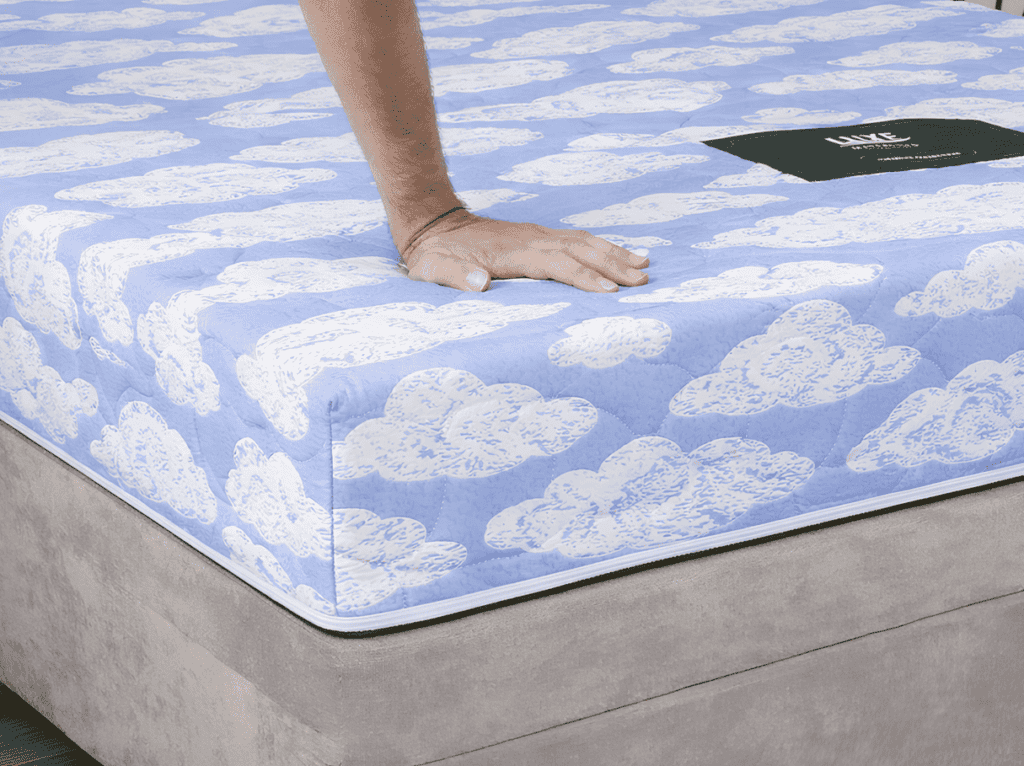
- Low deflection ? minimal sinking under weight
- High resistance ? strong push-back support
- Uniform compression ? no soft spots
This creates a sleeping experience where the body remains on the mattress, not in it – essential for spinal alignment.
Spinal Alignment and Biomechanics
From a biomechanical perspective, spinal alignment during sleep depends on maintaining a neutral posture, particularly in the lumbar region.
Research in sleep ergonomics has shown that firmer sleep surfaces can improve spinal alignment and reduce lower back strain in certain populations.
- National Institutes of Health findings suggest mattress firmness directly influences pressure distribution and posture
- Sleep Foundation notes that firmer mattresses can benefit back and stomach sleepers by preventing excessive sink
The Majestic 11000’s structure ensures:
- Reduced lumbar curvature collapse
- Even distribution of body mass
- Stable posture throughout the night
Thermal Regulation in High-Density Foam Systems
A common drawback of dense foam mattresses is heat retention. The Majestic 11000 addresses this through:
- Open-cell foam structure
- Breathable layer integration
- Moisture-resistant base layer
This improves airflow and reduces heat build-up, ensuring that firmness does not come at the cost of thermal comfort.
Who This Mattress Is Designed For
The Majestic 11000 is not a universal mattress, it is purpose-built for a specific user profile:
Ideal for:
- Back sleepers requiring lumbar support
- Stomach sleepers needing surface stability
- Heavier individuals needing load-bearing resistance – can support weight upto 150kg
- Users seeking a true extra firm mattress
Not suitable for:
- Side sleepers (due to pressure sensitivity)
- Users preferring plush or deep contouring
Conclusion: Engineering Over Marketing
The Majestic 11000 stands apart because it is designed from an engineering-first perspective, not a marketing one.
By combining:
- High-density foam construction
- Multi-layer load distribution
- Low-sink structural design
…it delivers what most mattresses fail to achieve – true extra firm support with long-term reliability.
1. What is an extra firm mattress?
An extra firm mattress is designed to provide a very stable and supportive sleep surface with minimal sink. Unlike medium or soft mattresses, it keeps your body on top of the mattress rather than allowing it to sink in, helping maintain proper spinal alignment.
2. Who should use an extra firm mattress?
An extra firm mattress is ideal for:
Back sleepers
Stomach sleepers
Heavier individuals
People who prefer a hard, supportive feel
It is especially beneficial for those who need strong support and reduced body sink.
3. Is an extra firm mattress good for back pain?
Yes, an extra firm mattress can help with back pain by keeping the spine in a neutral position and preventing excessive sinking in the lower back area. However, the right level of firmness depends on individual preference and body type.
4. Is an extra firm mattress too hard to sleep on?
For some people, especially side sleepers, an extra firm mattress may feel too hard because it offers very little cushioning. However, for those who prefer a solid and supportive surface, it can feel comfortable and stable.

Roman is a seasoned expert in mattress development with over a decade of experience in sleep technology, material innovation, and product engineering. He has played a key role in designing and refining sleep solutions for leading mattress brands, with a deep focus on ergonomics, pressure relief, and sleep quality optimization.
With a background in product design and biomechanics, Roman combines scientific research with hands-on development to create mattresses that address real-world sleep issues—from spinal alignment to temperature regulation. His work has contributed to several award-winning mattress lines known for their comfort, durability, and user satisfaction.