Sleep Apnoea Symptoms: How to Know If You’re at Risk
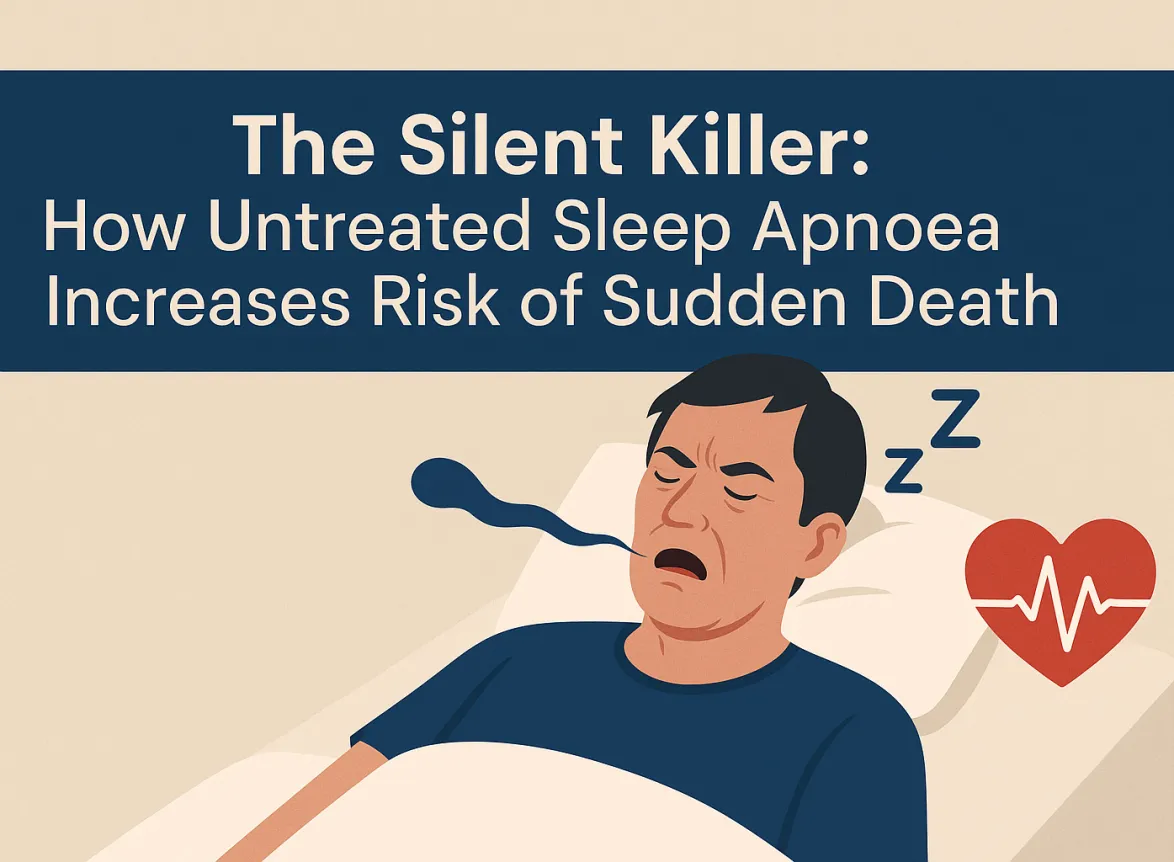
Sleep apnoea is more than occasional snoring, it is a disorder in which your breathing repeatedly stops during sleep. These interruptions deprive your body of oxygen and disrupt your sleep cycle, often without your awareness. Over time, untreated sleep apnoea can lead to high blood pressure, heart disease, stroke, diabetes, cognitive decline, and even premature death.
This article will help you identify both common and overlooked symptoms of obstructive sleep apnoea (OSA), explain who is most at risk, and guide you toward when to seek professional evaluation.
What Is Sleep Apnoea?
Obstructive sleep apnoea (OSA) is a condition where the upper airway temporarily collapses during sleep, blocking airflow despite ongoing efforts to breathe. Each pause, known as an apnoea or hypopnoea, can last 10 seconds or more.