

100-Night Risk-Free Trial
Free Nationwide Delivery
10 Years Warranty
Call us at: 020 4572 5122
0% APR Finance Available
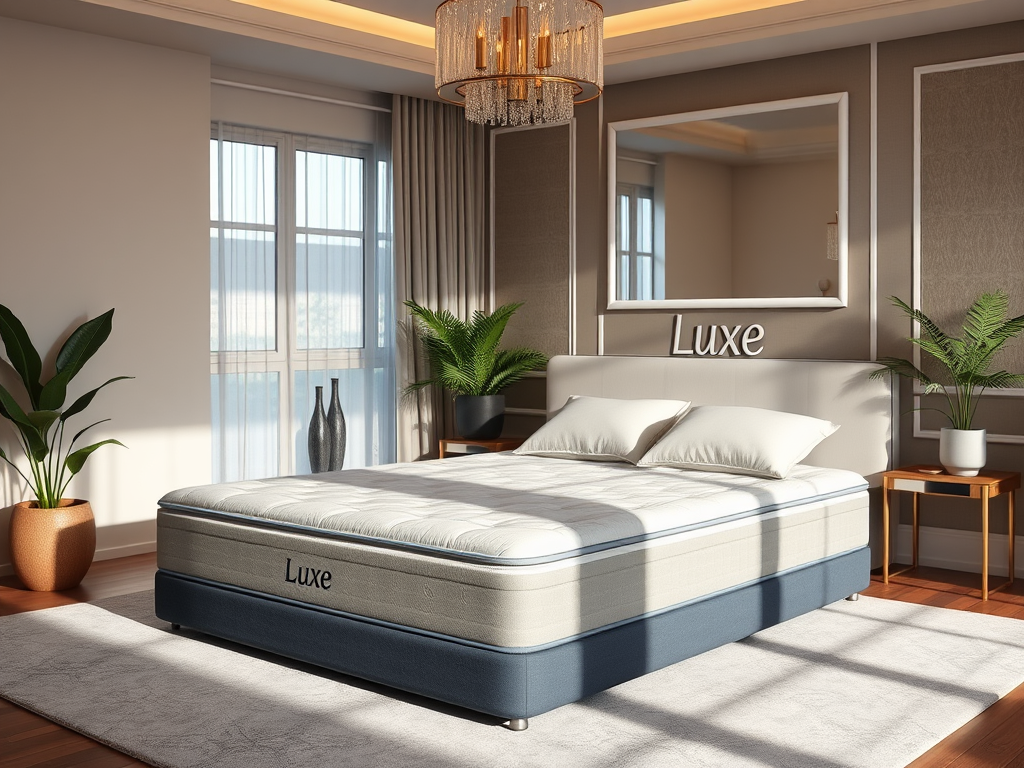
luxury mattress for couples with advance motion isolation
July 12, 2025

Luxury Mattress for Couples: Solving Motion Transfer and Comfort Battles

Sharing a bed may seem romantic in theory-but in practice, it often brings surprises. Your partner tosses, turns, or runs hot at night. You sink into the edge while they sleep like a rock. Over time, these small disturbances add up to big sleep debt. That’s why investing in a luxury sleep surface designed specifically for couples isn’t just a comfort decision, it’s a health one.

Let’s explore how the right natural hybrid can resolve the most common problems couples face at night: motion transfer, firmness disagreements, edge instability, and temperature imbalance.

Motion Transfer: The Silent Sleep Killer

You’re finally drifting off, then boom, your partner rolls over, jolting you awake. Sound familiar?

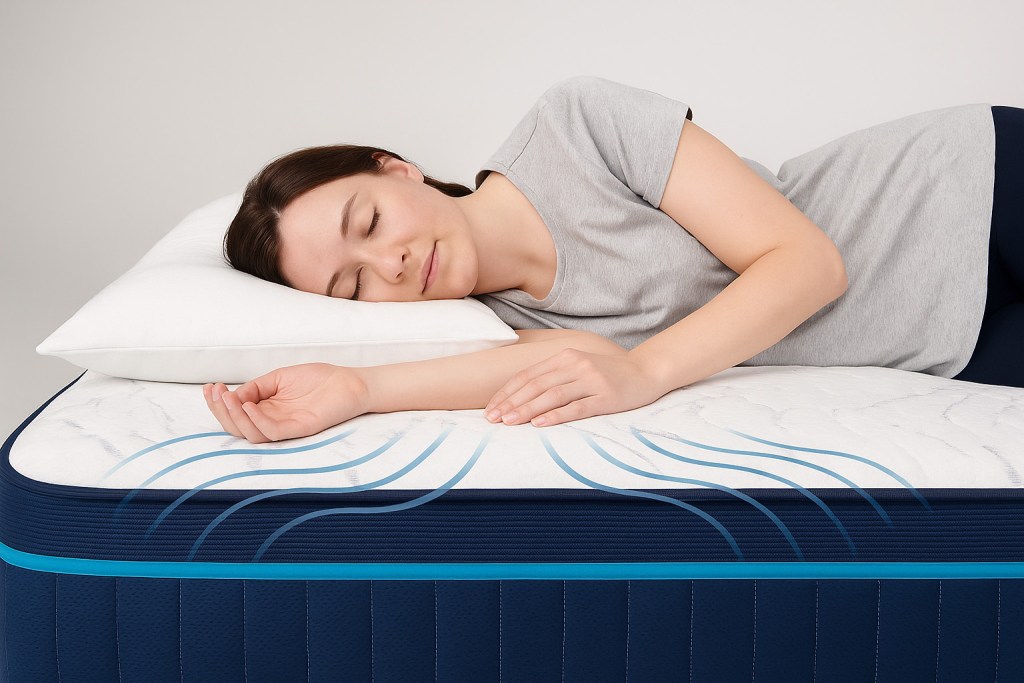
Motion transfer is one of the top complaints couples have when sharing a bed. It’s the ripple effect that happens when one person moves, and that movement travels across the entire surface. The solution? Motion isolation.

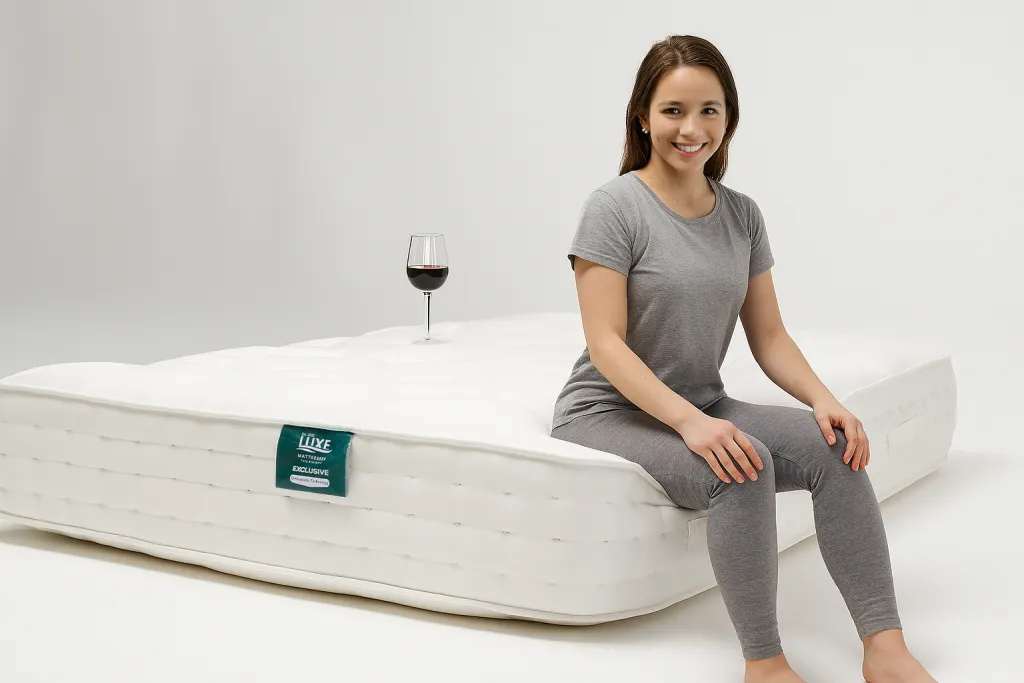
advanced motion isolation in luxury mattress

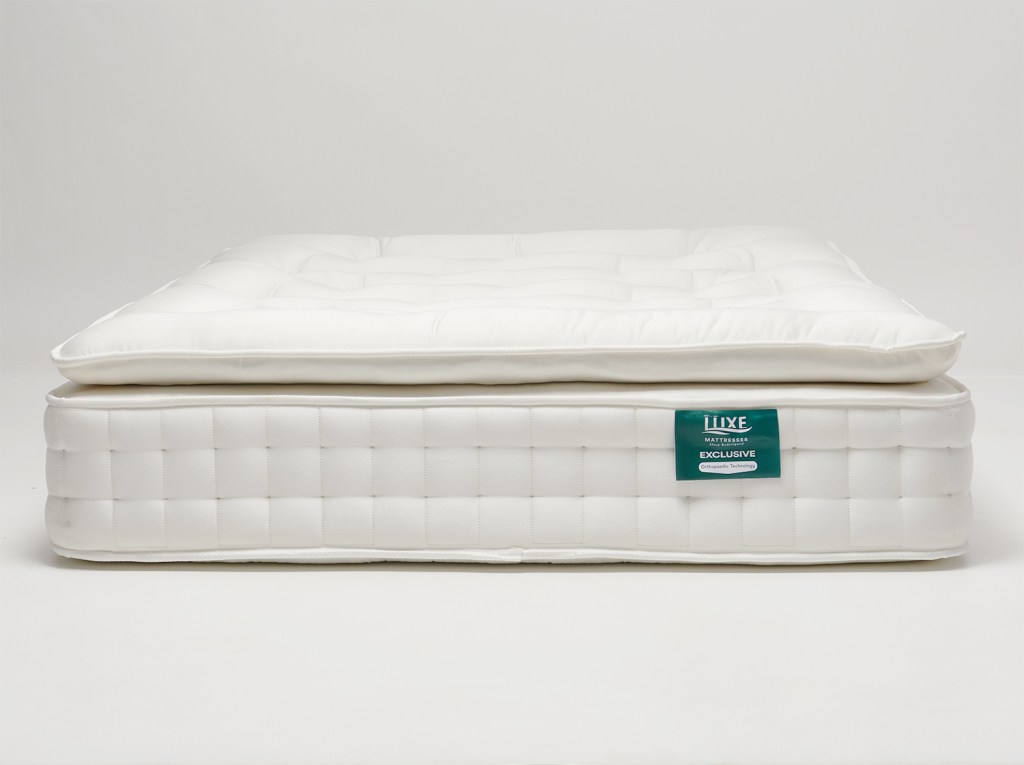
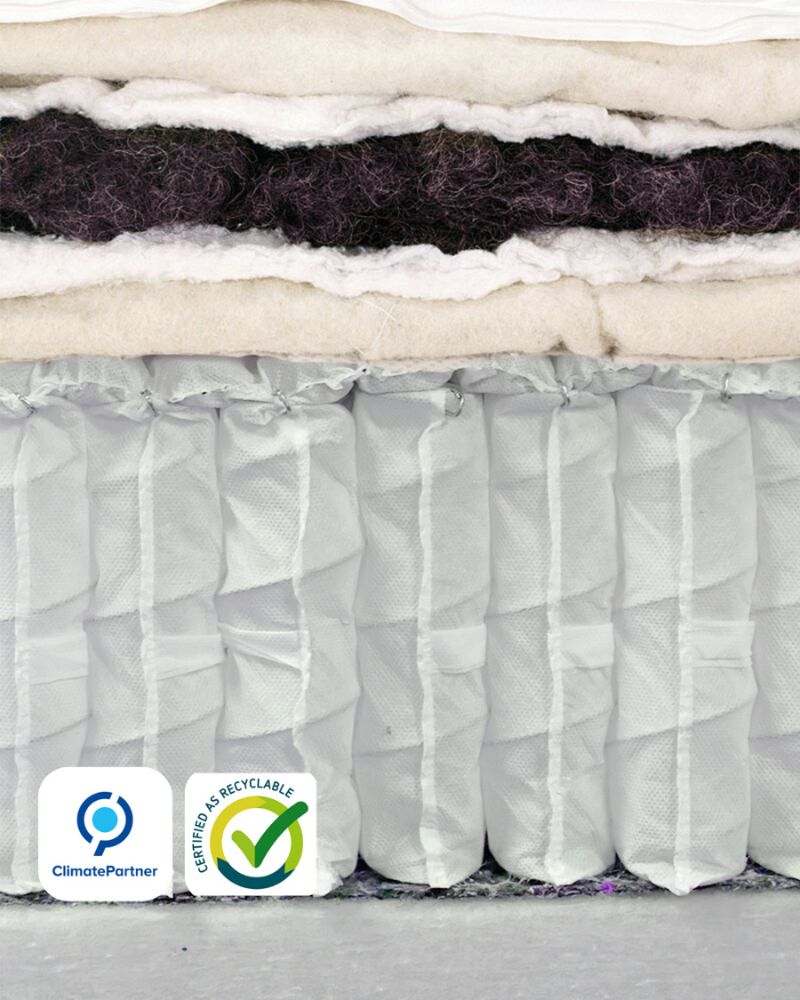
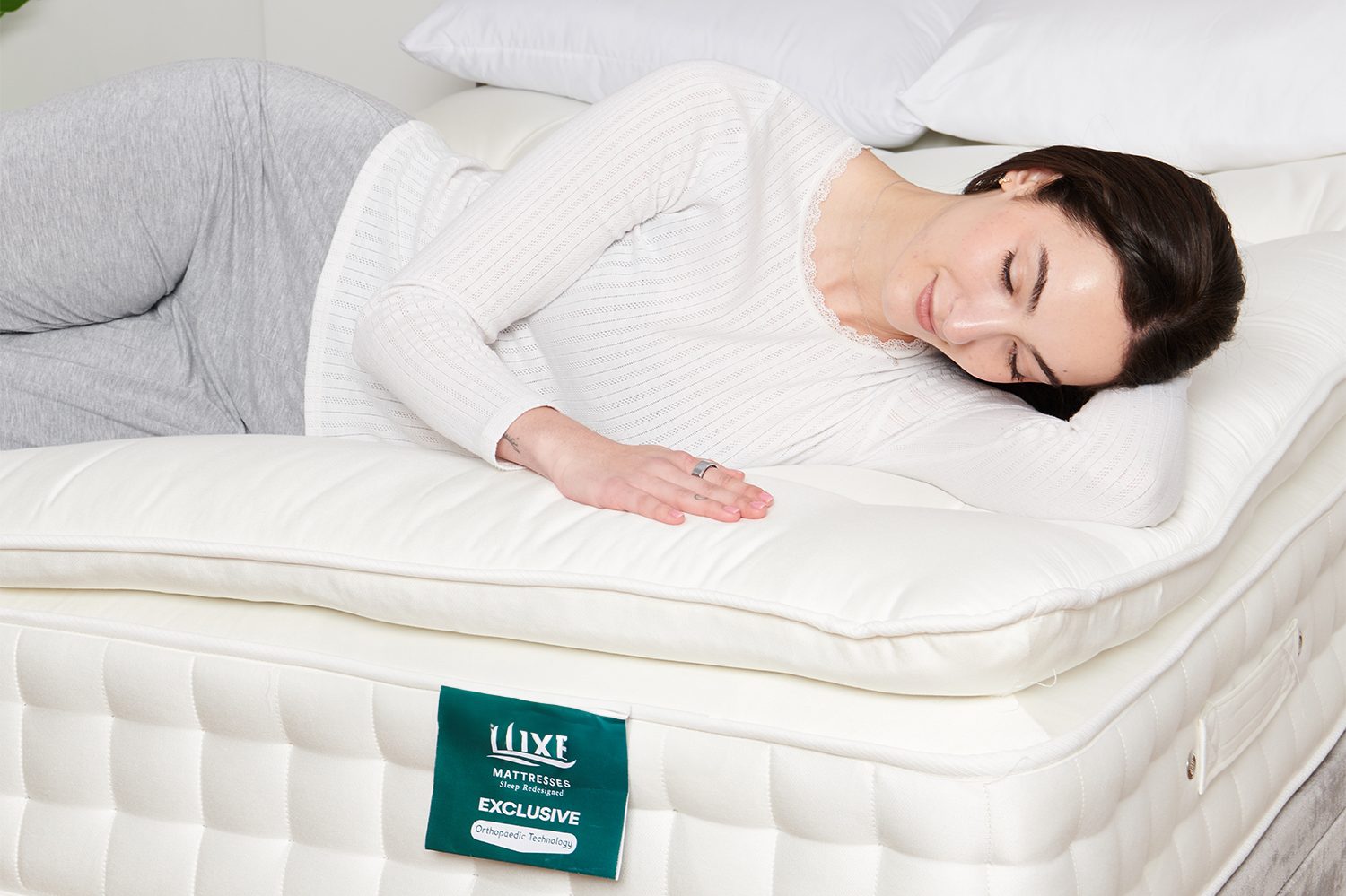
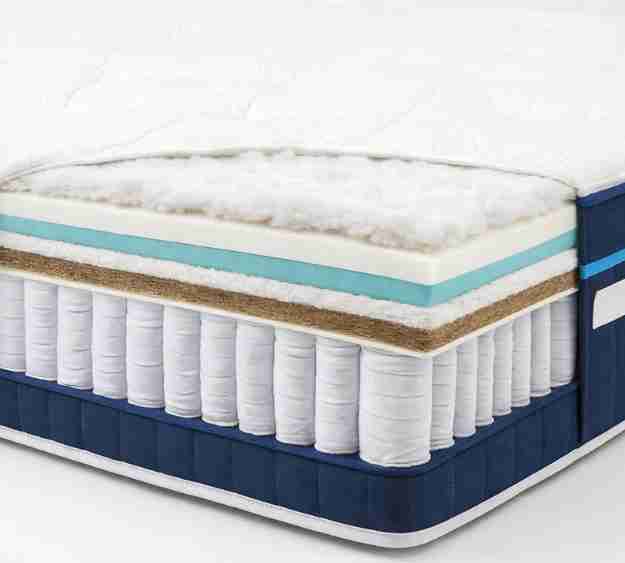
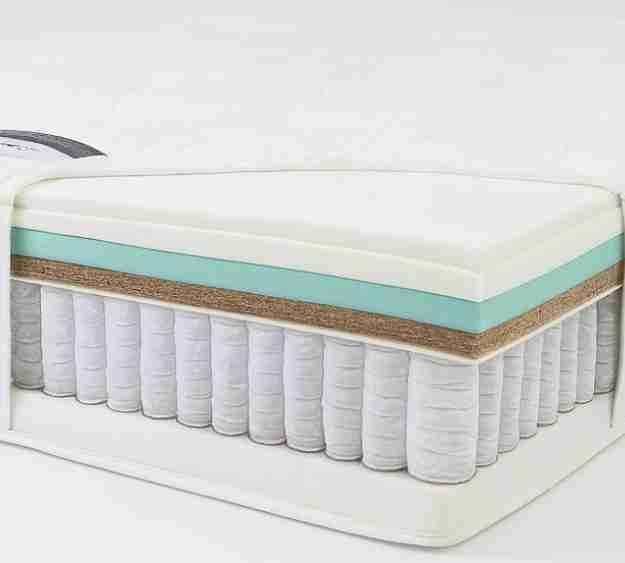
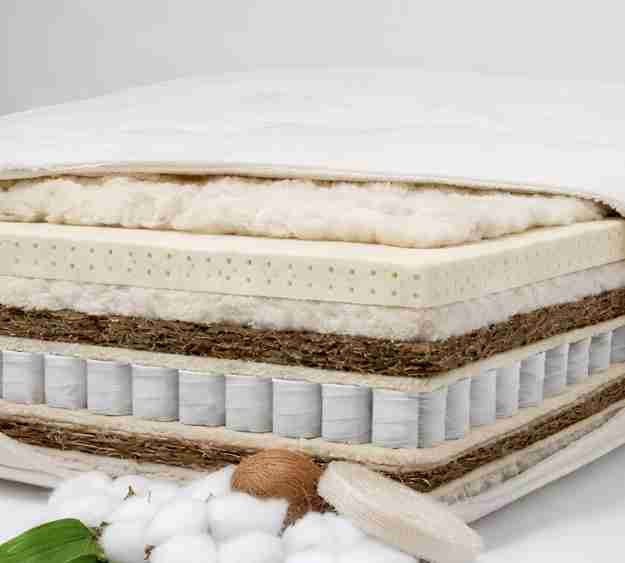
Natural hybrids from Luxe luxury mattress collection are designed with individually wrapped coils, which act like shock absorbers. Each spring moves independently, absorbing motion at the source. Topped with breathable, pressure-relieving natural latex, this combo not only keeps motion localised, it also responds more naturally than synthetic foams.

Unlike traditional connected coil systems, pocket coils reduce partner disturbance dramatically, without making the sleep surface feel dead or unresponsive.

So, whether your partner gets up for a 3 a.m. glass of water or you shift positions often, your movements won’t shake the whole bed.

Firmness Conflicts: Solved by Zoning & Choice

You like soft. They prefer firm. Sound like you?

Couples commonly struggle with different firmness preferences, especially if there’s a weight or sleep-style difference between them. One-size-fits-all rarely works.

Luxe tackles this by offering multiple firmness options, from Extra Soft to Extra Firm, so you can pick what truly suits your body. Their natural collection makes it easy to choose support levels that promote spinal alignment and comfort.

multiple firmness options in luxury mattress

Tip: Consider a medium-firm base for universal support, then add a plush organic topper on one side to soften it for the partner who prefers more cushion.

Want even more customisation? A Split King setup (two separate sleep surfaces side-by-side) allows each person full control without compromising togetherness.

Temperature Regulation That Works for Two

One of you sleeps hot. The other prefers to be bundled up under layers. That thermal tug-of-war can leave both of you uncomfortable.

Luxury natural hybrids shine in this department. At Luxe Mattresses, the use of natural latexorganic wool, and cotton covers creates a naturally temperature-neutral surface. Unlike synthetic foams that trap heat, these materials allow airflow and wick away moisture.

  • Natural latex is inherently breathable
  • Organic wool regulates temperature and humidity
  • Cotton and natural fibres keep the surface cool and soft

You’ll feel balanced, not too warm or too cold and your sleep will be less likely to be disrupted by overheating.

Edge Support: Share Every Inch

Couples need more usable sleep space. And that means solid edge support is non-negotiable.

There’s nothing more annoying than feeling like you’ll roll off the edge the second you stray from the center. Poorly built sleep surfaces collapse at the sides, forcing both people to huddle in the middle.

edge support in luxury mattress

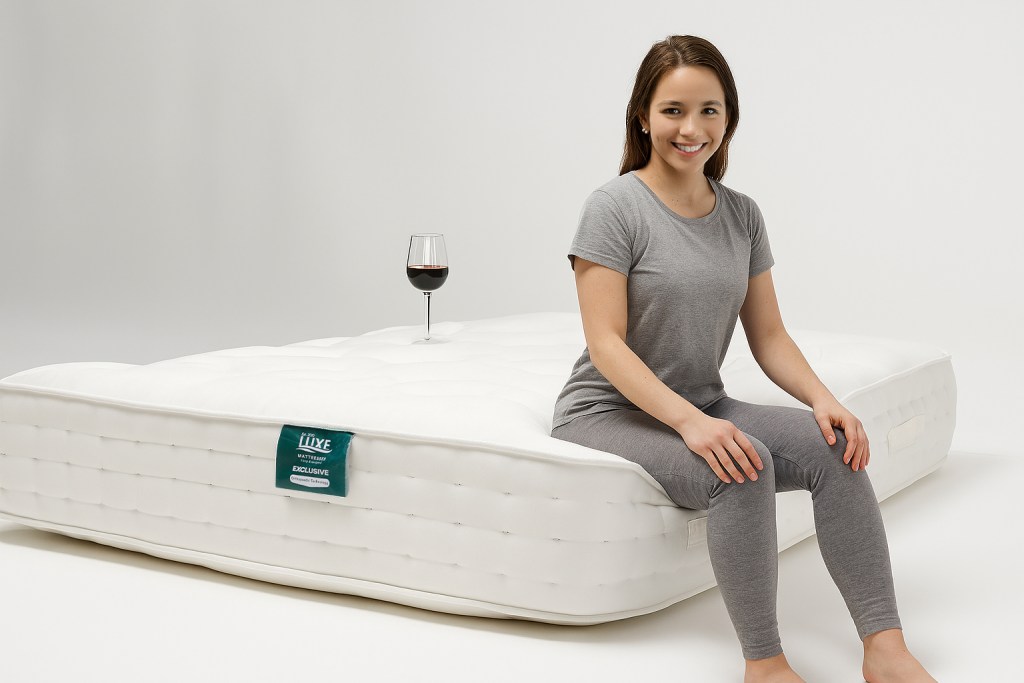
Luxe’s reinforced edge systems, built into their hybrid base layers, ensure that sitting, lying, or moving near the edge feels just as stable as the center. It’s a small detail that makes a massive difference in shared comfort.

Real Couples, Real Struggles

“We finally gave up trying to agree on a firmness—we now each have our own setup on one frame. Game-changer.”

—Anonymous Reddit User (source)

You’re not alone. Hundreds of couples face this dilemma. What separates those who solve it from those who keep struggling? Choosing solutions tailored to partnership—like Luxe’s hybrid models designed for minimal motion transfer and adjustable firmness.

Why Natural Materials Matter More for Two

Luxury doesn’t just mean softness, it means better health, breathability, and sustainability. Couples especially benefit from:

  • No harmful off-gassing (safe for sensitive sleepers)
  • Hypoallergenic materials (no VOCs, flame retardants, or irritants)
  • Natural resistance to dust mites and mold
  • Better durability—natural latex holds shape longer than synthetic foams

The Luxe Natural Collection is handcrafted using GOLS-certified latexorganic cotton, and locally sourced wool. It’s as good for the planet as it is for your sleep.

Which Size Is Best for Couples?

Here’s a quick guide:

SizeBest For
KingCouples who want shared space and motion isolation
Split KingPartners with different firmness preferences
Super KingMaximum shared space with zero compromise
Standard DoubleBest for smaller rooms, less ideal for couples

Regardless of size, choosing the right construction, like those found at Luxemattresses.co.uk, ensures you’re maximising comfort within your space constraints.

What Sets Luxe Apart?

Many high-end brands promise comfort, but Luxe delivers it with:

  • Natural and organic sourcing
  • Customizable firmness levels
  • Eco-conscious packaging and production
  • Supportive hybrid design with certified materials
  • Made in the UK with British craftsmanship

Plus, with clear guidance and customer support, you’re never left guessing about what will work for you as a couple.

Final Thoughts: Better Sleep, Together

Couples shouldn’t have to compromise on rest. Whether you’re light sleepers, mismatched in comfort preferences, or just want to upgrade to something luxurious and natural, Luxe’s handcrafted hybrid models offer the perfect balance of support, softness, and isolation.

When you sleep better together, you wake better together. And that, more than anything, is what defines luxury.

is 7 hours sleep enough
July 12, 2025

Are You Getting Enough Sleep? Signs You’re Under-Sleeping or Over-Sleeping

Sleep is one of the most essential pillars of human health, yet it’s often the first thing we compromise in our modern lives. Many people wonder, is 7 hours sleep enough to maintain optimal health? Whether you’re burning the midnight oil to meet deadlines or hitting snooze far too often on weekends, it’s easy to lose touch with what your body actually needs when it comes to rest.

Most people know the general advice: adults should aim for 7–9 hours of sleep per night. But what if you’re hitting that range and still feeling exhausted? Or sleeping more than nine hours and waking up groggy? The truth is, not all sleep is equal, and getting either too little or too much of it can disrupt everything from your focus to your metabolism.

This guide helps you identify the subtle (and not-so-subtle) signs of under-sleeping and over-sleeping, understand the health consequences of both, and most importantly, discover how to align your rest with your unique biological needs.

Understanding the Science Behind Sleep Duration

Sleep isn’t just downtime; it’s an active process that your brain and body need to function properly. During sleep, your body:

  • Clears out metabolic waste from the brain
  • Repairs tissues and muscles
  • Consolidates memories
  • Balances hormones
  • Regulates emotions

But not all sleep is created equal. The body cycles through various sleep stages-light sleep, deep sleep (slow-wave), and REM sleep. Getting enough time in each of these stages is more critical than hitting a number on the clock.

The ideal sleep duration varies depending on age, genetics, health conditions, and lifestyle factors. According to the Sleep Foundation, the general guideline for adults is 7–9 hours, but some people may need slightly more or less.

Signs You’re Not Getting Enough Sleep (Under-Sleeping)

1. You Struggle to Wake Up-Even After a Full Night’s Sleep

If you wake up feeling more exhausted than when you went to bed, it may indicate that your sleep is fragmented or that you’re not completing full sleep cycles. Quality, uninterrupted sleep is more important than simply clocking hours.

2. You Experience Daytime Sleepiness or Micro-sleeps

Falling asleep while reading, watching TV, or even during conversations is a red flag. Micro-sleeps, brief episodes of sleep lasting seconds, suggest that your brain is forcing rest because it’s deeply deprived.

3. Mood Changes: Irritability, Anxiety, or Depression

Sleep deprivation heavily impacts your emotional regulation. People who are under-sleeping are more likely to experience increased irritability, anxious thoughts, and even depressive episodes. According to the American Psychological Association, lack of sleep amplifies stress and reduces emotional resilience.

4. Impaired Focus and Memory

Cognitive symptoms are often the first to appear with even mild sleep deprivation. Struggling with concentration, forgetting things easily, or feeling mentally sluggish? These are signs your brain didn’t get enough time to consolidate memories during REM sleep.

5. Weakened Immunity and Frequent Illness

Chronic under-sleeping weakens the immune system, making you more vulnerable to viruses and longer recovery times. One study published in Sleep found that people who sleep fewer than 6 hours a night were four times more likely to catch a cold than those who slept 7 or more.

6. Increased Cravings and Weight Gain

Lack of sleep disrupts hormones like ghrelin (which increases appetite) and leptin (which signals fullness). As a result, you may feel hungrier, particularly for high-carb, sugary foods, which can lead to weight gain over time.

Signs You’re Getting Too Much Sleep (Over-Sleeping)

While getting enough sleep is crucial, more is not always better. Oversleeping can cause fatigue, cognitive fog, and may be a sign of underlying health issues.

1. You Sleep Over 9 Hours Regularly-And Still Feel Tired

If you’re sleeping 9–10 hours or more and still waking up groggy or lethargic, it may be due to sleep fragmentation or an imbalance in your sleep architecture.

2. Headaches and Brain Fog in the Morning

Oversleeping can disrupt neurotransmitter activity in the brain, especially serotonin, which is linked to sleep-wake cycles. This often results in morning headaches, cloudy thinking, or even light sensitivity.

3. Worsening Depression Symptoms

Excess sleep is both a symptom and contributing factor to depression. According to the National Institutes of Health (NIH), people with depression are more likely to sleep excessively-and doing so can actually worsen fatigue and reduce motivation further.

4. Lowered Physical Activity and Motivation

If sleeping longer reduces your energy rather than restores it, it could be interfering with your body’s circadian rhythm. Oversleeping often results in sluggishness that extends throughout the day, making exercise and mental productivity harder.

5. Weekend Sleep Binges

Do you sleep 6 hours on weekdays but 10 on weekends? That discrepancy is called social jet lag. It can confuse your internal body clock, impair Monday-morning alertness, and contribute to sleep inertia—a foggy feeling upon waking.

Health Risks Associated with Chronic Over- or Under-Sleeping

Whether you’re consistently sleep-deprived or regularly oversleeping, both patterns can pose serious health risks over time.

Health Risk Under-Sleeping Over-Sleeping
Heart disease ✅ ✅
Stroke ✅ ✅
Type 2 diabetes ✅ ✅
Cognitive decline ✅ ✅
Depression ✅ ✅
Obesity ✅ ✅
Increased mortality ✅ ✅

How to Discover Your Ideal Sleep Duration

Since individual sleep needs vary, there’s no universal magic number. Instead, focus on listening to your body and refining your sleep schedule over time. Here’s how:

Start With a Sleep Calculator

A sleep calculator can help you find the best time to go to bed based on your desired wake time and natural 90-minute sleep cycles. It ensures you’re not just sleeping enough, but also waking during lighter stages of sleep.

Track Sleep and Energy for 2 Weeks

Use a journal or app to record:

  • Time you go to bed and wake up
  • How long it takes to fall asleep
  • Daytime mood and energy levels
  • Use of caffeine or naps

Patterns will emerge, and you’ll begin to see which sleep duration leaves you feeling at your best.

Limit Variability

Try to go to bed and wake up within the same 30–60 minute window each day—even on weekends. Consistency strengthens your circadian rhythm and makes falling asleep easier over time.

Monitor External Factors

Don’t ignore how your sleep is affected by factors like:

  • Diet (especially caffeine and alcohol)
  • Screen time before bed
  • Stress and anxiety
  • Room temperature and light exposure

Addressing these can significantly improve both sleep quality and duration.

Final Thought: It’s Not About the Number, It’s About the Balance

While 7–9 hours is a good starting point, true sleep health goes far beyond counting hours. The right amount of sleep is the one that leaves you energised, clear-headed, emotionally stable, and physically well, and that number may differ for everyone.

Whether you’re under-sleeping due to stress and busyness, or over-sleeping because of fatigue and emotional strain, the solution lies in self-awareness, routine, and sleep hygiene. Use tools like a sleep calculator, track your patterns, and adjust your habits slowly but intentionally.

Because sleep isn’t just rest-it’s your body’s most powerful form of repair, renewal, and resilience.

Frequently Asked Questions about Sleep


What is under-sleeping?

Under-sleeping refers to consistently getting less sleep than your body needs to function optimally. While sleep needs vary, most adults require 7–9 hours per night. Falling short of this can lead to symptoms like fatigue, irritability, reduced cognitive function, and a weakened immune system. Long-term under-sleeping is associated with serious health risks such as heart disease, diabetes, and depression.


What is over-sleeping?

Over-sleeping, also called hypersomnia, occurs when someone sleeps more than 9–10 hours regularly, particularly if they still feel tired afterward. While occasional extra rest is normal (e.g., after illness or exhaustion), chronic over-sleeping can be linked to underlying conditions like depression, poor sleep quality, or sleep disorders. It may also increase risks of obesity, cognitive decline, and cardiovascular issues.


What is micro-sleep?

Micro-sleep refers to extremely brief, involuntary episodes of sleep that can last from a fraction of a second to several seconds. People experiencing micro-sleeps may nod off momentarily without even realizing it. These are often caused by severe sleep deprivation and can be dangerous, especially while driving or operating machinery. If you’re frequently zoning out during the day, it may be a sign you’re not getting enough restful sleep.


What is light sleep?

Light sleep is the first stage of the sleep cycle (also called Stage 1 and Stage 2 NREM sleep). It acts as a transition between wakefulness and deeper stages of sleep. During light sleep:
Your heart rate and breathing slow down
Muscles relax
Brain activity begins to slow
Though not as restorative as deep or REM sleep, light sleep is important for memory consolidation and overall sleep architecture. You spend about 50% of your total sleep in this phase.


What is deep sleep?

Deep sleep, or slow-wave sleep (Stage 3 NREM), is the most restorative stage of sleep. During this phase:

The body repairs tissue and muscles
Growth hormone is released
Immune system functions strengthen
Brain waves are at their slowest

Deep sleep usually occurs more in the first half of the night. Lack of deep sleep can lead to physical fatigue, poor recovery, and immune dysfunction.


What is sleep fragmentation?

Sleep fragmentation refers to frequent interruptions or awakenings during sleep, which prevent the body from progressing naturally through the full sleep cycle. Even if total sleep time is adequate, fragmented sleep reduces the amount of deep and REM sleep you get, leaving you tired and unfocused. Causes include:

Noise or light disturbance
Stress or anxiety
Sleep apnea
Restless leg syndrome

Improving sleep hygiene, managing stress, and evaluating for medical conditions can help reduce fragmentation.


How much sleep should I get?

Most adults need between 7 and 9 hours of sleep per night. However, your optimal sleep duration depends on:

Age
Genetics
Lifestyle
Physical or emotional demands
Sleep quality

To find your personal sweet spot, track how you feel during the day with varying amounts of sleep, and consider using a sleep calculator to align with your natural sleep cycles.


Is 8 hours of sleep enough?

For many people, 8 hours is ideal, but it’s not a universal rule. Some individuals may feel great on 7.5 hours, while others might need 9 hours for optimal performance and recovery. The best indicator is how you feel during the day: if you’re alert, emotionally stable, and focused without caffeine dependence, your sleep is likely sufficient.


What are signs of poor sleep quality?

Even if you sleep long enough, poor sleep quality can leave you exhausted. Signs include:

Waking up multiple times per night
Morning headaches
Night sweats or vivid dreams
Feeling unrefreshed despite 8+ hours in bed
Daytime irritability, forgetfulness, or brain fog

Sleep quality is just as important as duration, make sure your environment, routine, and health support uninterrupted rest.


Can naps make up for lost sleep?

Short naps (10–30 minutes) can help improve alertness and mood if you’re sleep-deprived, but they don’t fully replace the benefits of a full night’s rest, especially deep and REM sleep. Consistent nighttime sleep is necessary for hormone regulation, immune function, and long-term health.

July 11, 2025

Queen vs Super King (UK): Which Offers More Sleeping Space?

1. Introduction

When it comes to improving your sleep, choosing the right mattress size is just as crucial as picking the right firmness or materials. Understanding the differences between Euro queen vs super king mattresses can help you decide which offers the ideal amount of sleeping space, significantly impacting how well you sleep and how your bedroom functions. According to the NHS, getting enough sleep each night helps the body repair itself, improves brain function, and reduces the risk of chronic conditions.

In the UK, two popular sizes for couples are the Euro Queen (often referred to simply as “Queen”) and the Super King. While both offer generous sleeping areas, their dimensions and suitability vary based on bedroom layout, sleep habits, and lifestyle needs. Choosing a mattress that’s too big for your room can make the space feel cramped and cluttered, something interior designers caution against. As Ideal Home explains, optimizing space and furniture placement is crucial in creating a serene, functional bedroom.

If you live in a modern flat or smaller UK home, the Euro Queen’s slightly smaller footprint could give you the space to include bedside tables or wardrobes without overcrowding. On the other hand, if you’re fortunate enough to have a spacious master bedroom, the Super King can elevate your comfort level and is ideal for co-sleepers or taller individuals. As noted by House Beautiful, investing in the right layout and mattress size can greatly enhance your sleep hygiene and bedroom aesthetics.

This article breaks down the key differences between the Euro Queen and Super King mattress sizes, offering practical advice to help you make the most informed and comfortable choice for your sleeping environment.

2. Dimensions & Size Comparison

Let’s start with the basics:

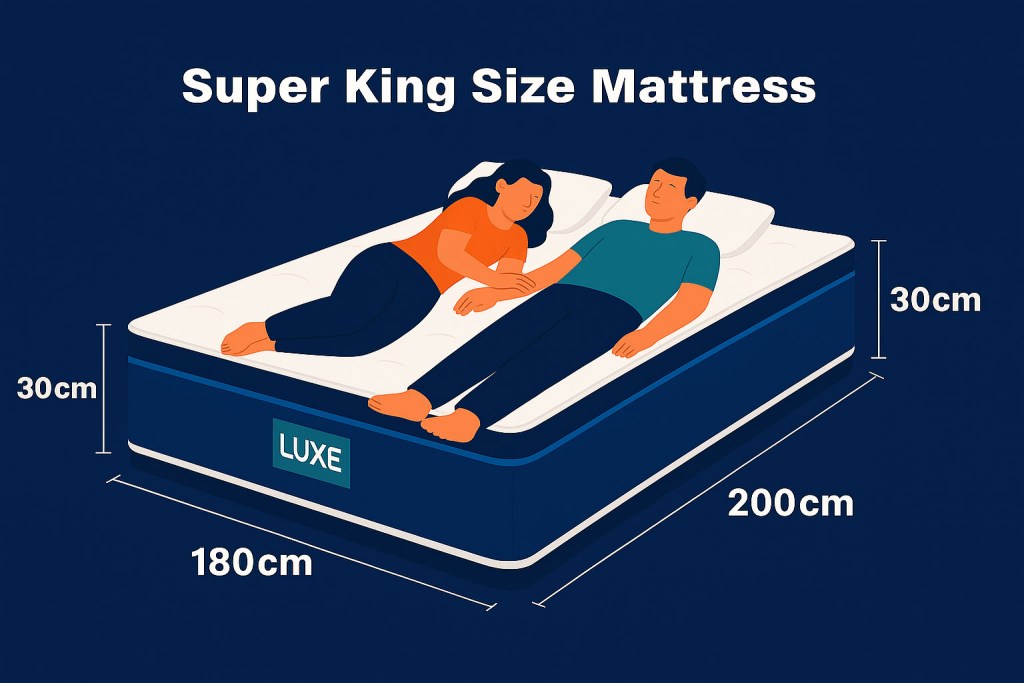
As you can see, the length is the same for both sizes. However, the Super King is 20 cm wider, which translates into an additional 10 cm of personal space per sleeper. While it may not sound like much on paper, this extra width can have a noticeable impact on comfort, especially if one or both partners move around a lot during the night.

3. Best For: Who Should Choose Which Size?

Euro Queen:

  • Ideal for medium-sized bedrooms.
  • Great for couples who enjoy a slightly snug sleeping arrangement.
  • Perfect for single sleepers who love extra space.

Super King:

  • Best suited for large master bedrooms.
  • Ideal for couples who prefer more personal sleeping space.
  • Perfect for families who co-sleep with kids or pets.

The Euro Queen offers a good balance between space efficiency and sleeping comfort, while the Super King is about indulgence and room to sprawl.

4. Room Layout & Space Considerations

A mattress is not just about sleeping, it affects the whole layout of your room. A Super King may offer the luxury of space, but if it takes up too much floor area, it can make your room feel cramped.

Before choosing, measure your room and consider:

  • Walking space around the bed
  • Access to wardrobes and drawers
  • Room aesthetics and airiness

A Euro Queen often fits more harmoniously into UK homes, especially in urban flats or older properties with smaller bedrooms.

5. Comfort and Sleep Quality

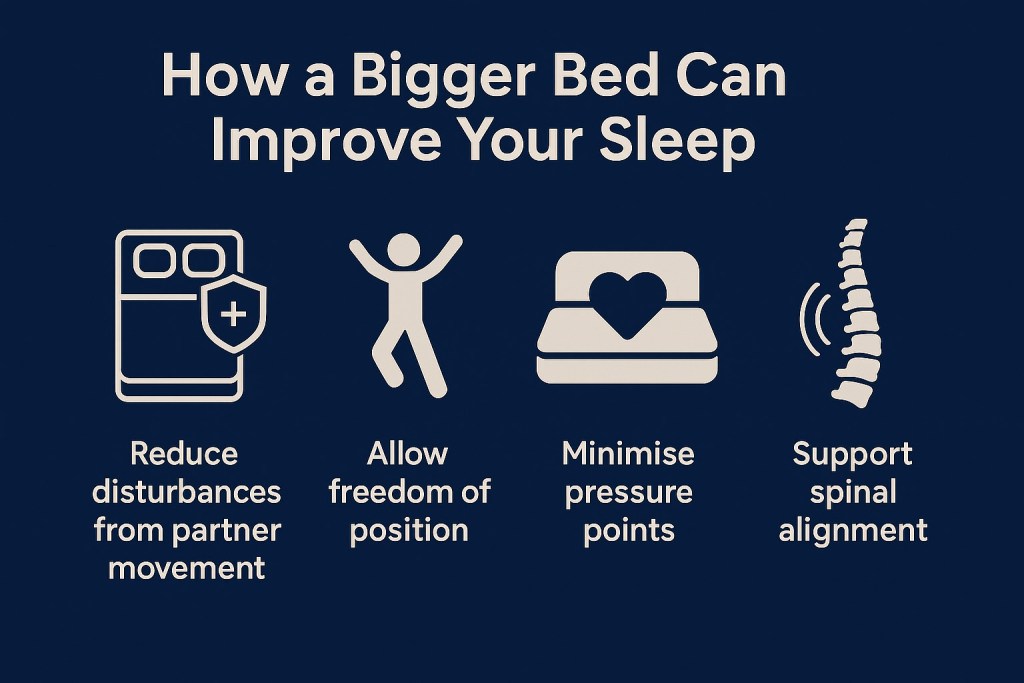
Both sizes offer exceptional comfort, but the Super King wins when it comes to minimizing sleep disturbances. With 180 cm width, there’s enough room to change positions, stretch out, and avoid elbowing your partner.

Still, the Euro Queen is a huge upgrade from the traditional UK Double (135 x 190 cm). For most couples, it provides enough space for restful sleep, especially if one or both partners are average in height and build.

6. Cost and Value Comparison

Super King:

  • More expensive due to larger size
  • Bedding and bed frames also cost more

Euro Queen:

  • More budget-friendly overall
  • Lower long-term costs for sheets, duvets, and accessories

If you’re budget-conscious or furnishing a guest room, the Euro Queen provides excellent value. But for a long-term investment in your primary bed, some may find the Super King’s comfort worth the premium.

7. Availability of Accessories and Bedding

One challenge of the Euro Queen in the UK is that it is not a universal size. You may need to look specifically for European-sized bedding and frames, although many online and high-street retailers now offer these.

The Super King, by contrast, is a standard UK size. You’ll find abundant options for everything from headboards to luxury bed linens.

8. Common Misunderstandings in the UK Mattress Market

A major point of confusion is the term “Queen size.”

  • Small Double (120 x 190 cm) is sometimes mistakenly called Queen.
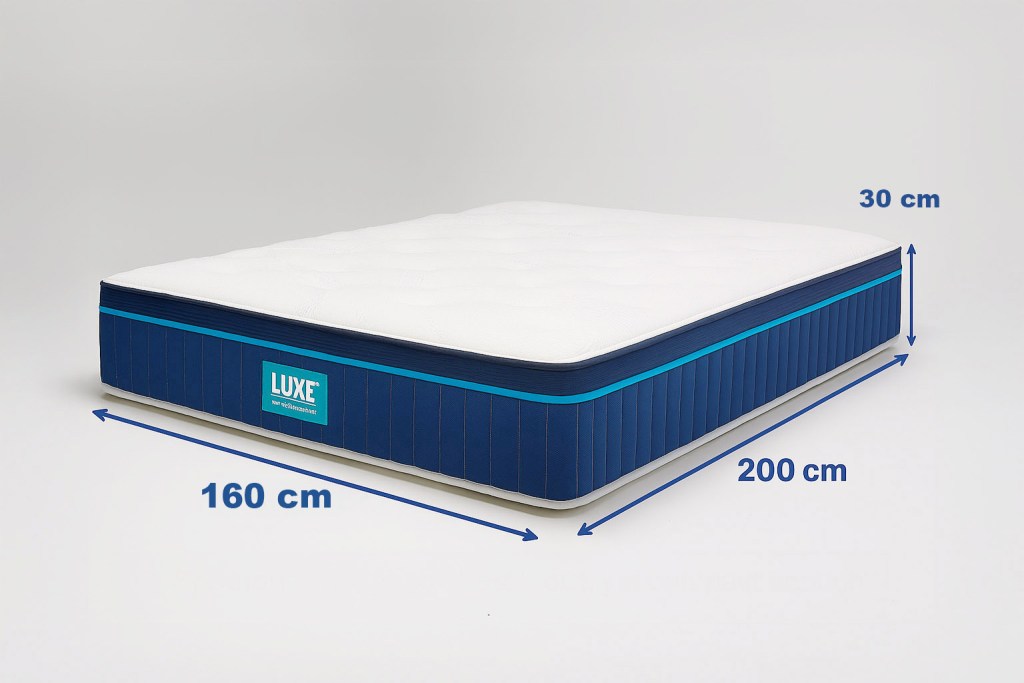
  • Euro Queen (160 x 200 cm) is larger than the UK King (150 x 200 cm).

This often leads to buying mismatched bed frames and mattresses. Always double-check dimensions and consider sticking to one standard (UK or Euro) across your bedroom setup.

9. Summary Table: Euro Queen vs UK Super King

Feature Euro Queen (160 x 200 cm) Super King (180 x 200 cm)
Width 160 cm 180 cm
Length 200 cm 200 cm
Best for Medium rooms, couples Large rooms, luxury sleep
Space per person 80 cm 90 cm
Ideal for Urban homes, budget buyers Tall individuals, co-sleepers
Bedding availability Moderate Widely available
Furniture compatibility Euro-standard UK-standard

10. Conclusion & Buying Tips

Choosing between a Euro Queen and Super King depends on your priorities. If you’re working with limited space or are budget-conscious, the Euro Queen is a strong contender. It gives you more width than a traditional double or UK king while keeping the footprint manageable.

If you have space and the budget, the Super King delivers a top-tier sleeping experience, perfect for anyone who wants the maximum amount of space without compromise.

Bonus Buying Tip:

Always check whether the mattress and bed frame follow UK or European sizing standards before making a purchase. Many shoppers unintentionally confuse mattress sizes because the term “Queen” is not officially used in the UK mattress industry—yet it’s widely thrown around by retailers, which creates confusion.

In UK sizing, a mattress referred to as a “Queen” is often actually a Small Double, measuring 120 cm x 190 cm. This size is ideal for solo sleepers who want extra space or for compact guest rooms, but it’s a tight fit for couples.

In contrast, a Euro Queen (also known as European Queen or Continental Queen) measures 160 cm x 200 cm. That’s 10 cm wider and 10 cm longer than the UK King (150 cm x 200 cm), making the Euro Queen significantly more spacious and better suited for couples looking for extra room.

Here’s a quick breakdown for clarity:

TermActual SizeCommon UseNotes
Small Double (UK “Queen”)120 x 190 cmSolo sleepers, tight spacesOften misleadingly marketed as “Queen”
UK King150 x 200 cmStandard for UK couplesMore common bedding & frames available
Euro Queen160 x 200 cmCouples, Euro-style bedsMore width & length, but requires Euro-specific bed frames & bedding

Pro Tip:

If you’re buying a Euro Queen mattress, make sure the bed frame, fitted sheets, and duvet covers are also Euro-sized. Mixing UK and Euro dimensions will result in poor fit and discomfort. Check labels carefully, especially when shopping from online retailers or European brands selling in the UK market.

In the end, the right choice comes down to your space, sleep style, and whether you’re aiming for efficiency or indulgence.

July 11, 2025

Euro Queen vs California King: Choosing Between Length and Width

1. Introduction

Choosing the right mattress size, such as a euro queen vs California king size mattress, is more than a matter of comfort; it affects how well you sleep and how functional your bedroom is. Two popular contenders for couples and spacious sleepers are the Euro Queen and the California King. While both offer plenty of room, the differences go beyond just the name. In fact, it’s more about how these beds are shaped rather than simply sized.

To give a quick sense of scale, the Euro Queen measures 160 x 200 cm (63 x 79 in), offering more width than the UK standard Queen (150 x 200 cm), aka King size mattress. The California King, a U.S.-based size, extends to 182 x 213 cm (72 x 84 in), making it one of the longest standard beds available. So, should you prioritise width or length? That depends on your space, height, and lifestyle.

2. Comparison Table: Euro Queen vs California King

Feature Euro Queen California King
Dimensions 160 x 200 cm (63” x 79”) 182 x 213 cm (72” x 84”)
Width Narrower Wider
Length Shorter Longer
Best For Couples, medium-sized bedrooms Tall individuals, large bedrooms
Space Requirement Moderate High

3. Key Differences Between Euro Queen and California King

Dimensions & Layout Considerations

The Euro Queen (160 cm x 200 cm) strikes a balance between compact design and couple-friendly comfort. It fits neatly into most UK and European rooms and pairs easily with commonly available bedding.

Euro Queen size mattress

In contrast, the California King (182 cm x 213 cm) excels in luxury and length. Ideal for taller individuals or those who sleep sprawled out, it requires a more spacious room. The extra width and length make a significant difference for active sleepers or families sharing the bed with pets or children.

Fitting Your Room

A Euro Queen is easier to accommodate in urban flats or period homes with smaller master bedrooms. California Kings are best for modern builds or larger homes where floor space is ample. Always leave at least 60 cm clearance around the bed to avoid cramped walkways.

4. Pros & Cons of Each Size

Euro Queen Pros:

  • Ideal for couples with limited bedroom space
  • Easier to find bedding and bed frames in the UK/EU
  • Less expensive than California King
  • Easier to manoeuvre during setup or house moves

Euro Queen Cons:

  • May feel cramped for larger or restless sleepers
  • Shorter length may not suit very tall individuals

California King Pros:

  • Perfect for tall people or those who need extra legroom
  • Generous space for couples and co-sleeping
  • Adds a luxurious, spacious feel to large bedrooms

California King Cons:

  • Requires a large room (minimum 14 m² recommended)
  • Harder to find compatible bedding in the UK
  • More expensive and difficult to transport

5. Room Layout & Furniture Planning

When planning your bedroom, mattress size affects furniture placement, pathways, and overall comfort. A Euro Queen can often accommodate bedside tables, wardrobes, and a desk or dresser in a 10-12 m² room. California King requires more planning, you may need to compromise on additional furniture or storage.

Euro Queen size mattress Dimensions

Read More: How to measure your room size guide.

6. Sleeping Habits & Partner Compatibility

If you or your partner are tall, frequently switch positions, or value personal space while sleeping, the California King offers a clear advantage. However, if both sleepers are average height and prefer a cosy, compact setup, the Euro Queen is plenty sufficient.

Also consider whether pets or children frequently share your bed. California King provides extra space for everyone.

7. Bedding & Accessory Availability

In the UK and EU, Euro Queen mattresses have widespread bedding options available at high street and online retailers. Duvets, sheets, and mattress protectors are all readily accessible.

The California King, while popular in the U.S., has limited bedding availability in the UK. You may need to order online or buy custom-sized linens, which can increase long-term cost.

8. Cost & Availability in the UK/EU Market

Euro Queen mattresses and frames are widely available from most UK and European manufacturers. The size is also more budget-friendly, both in upfront cost and accessory maintenance.

California King mattresses are less commonly stocked and often have to be special-ordered. Expect to pay more for both the mattress and its accessories.

9. Final Comparison Table (Summary)

Mattress Size Dimensions (cm) Best For
Small Single 75 x 190 cm Toddlers, younger children, compact guest rooms
Single 90 x 190 cm Children, teens, single adults, box rooms
Small Double 120 x 190 cm Solo sleepers who like extra space, tight doubles
Double 135 x 190 cm Couples (on a budget or with limited space)
King 150 x 200 cm Couples, master bedrooms
Super King 180 x 200 cm Maximum space, luxury bedrooms

10. Conclusion & Buying Tips

When it comes to choosing between a Euro Queen and a California King, the decision ultimately hinges on your personal priorities, practicality vs. luxury mattress, and room size vs. sleep space.

The Euro Queen (160 cm x 200 cm) strikes an ideal balance for couples or solo sleepers who want a spacious bed without overwhelming their room. It fits well in medium-sized bedrooms, especially in UK or European homes, where space is at a premium and European furniture sizing is the norm. It’s also worth noting that despite being called a “queen,” the Euro Queen is actually larger than the standard UK King (150 x 200 cm), offering more room without the bulk of a super king or California King.

On the flip side, the California King (182 cm x 213 cm) is all about indulgence. Designed with taller individuals in mind, this bed offers extra legroom and width. It’s best suited for large master bedrooms, where space isn’t a constraint. Couples who co-sleep with children or pets also find the generous dimensions of the California King highly accommodating.

Understanding UK Mattress Size Confusion

A common source of confusion in the UK mattress market is the term “Queen size.” While it might sound like a mid-tier size between a double and king, the reality is more nuanced:

  • In the UK, what many call a “Queen” is often a Small Double (120 x 190 cm)—more compact and best suited for one person or very cozy couples.
  • The Euro Queen (160 x 200 cm), on the other hand, is far more generous, 10 cm wider than a UK King. This makes it a favorite among those who want more personal space but still need to fit within tighter room dimensions compared to a Super King or California King.

Final Buying Tips:

  • Measure your room before choosing your bed. Don’t just focus on the mattress, consider clearance for furniture, walking space, and access to wardrobes or doors.
  • Factor in bedding availability. Euro Queen sheets and duvets may be easier to find in European stores, while California King accessories are more common in US imports.
  • Plan for future needs. If you’re planning to move or expand your family, choosing a size with future flexibility can save you money down the line.

Bottom line: Go for a Euro Queen if you’re space-aware and prefer European sizing. Choose a California King if you’re after ultimate luxury, sleep with kids or pets, or simply want more stretch-out room. Don’t be fooled by naming, always check the exact dimensions before you buy.

Buying Tips:

  • Measure your room first, factoring in doorways and other furniture.
  • Think long-term, will you move soon? Will your needs change?
  • Don’t forget about the cost and availability of bedding.
  • Always test the mattress if possible, or buy with a trial period.

Both options provide excellent sleep support, but choosing the right one ensures your bedroom is both a retreat and a functional living space.

uk mattress sizes
July 11, 2025

UK Mattress Size Guide: Dimensions & Buying Tips for Every Bed

You know how to select the best mattress according to your body shape, weight and other factors. You brought the mattress home but it did not fit in the bed. Are you wondering about the right UK mattress size guide? Did you know what the exact dimensions are of a king-size mattress in the UK? Well, selecting the right size of mattress is as important as choosing the right type of mattress. 

Euro Queen size mattress

Buying a new mattress or bed is an expensive decision. You need to get every little detail right from the very start. The initial step is to determine the exact mattress size required to accommodate you and your partner. Is a queen-size mattress good enough for you two? Is the super king bed too large for your space? The next sections have the answers to all these questions. 

UK Mattress Size Guide

At Luxe Mattresses UK, we don’t just sell mattresses and beds, we promote peaceful sleep and comfortable experiences. For a smoother shopping experience, every customer must know the right bed sizes UK. Here is the simplest UK mattress size guide chart that will help you make the right purchase at Luxe Mattresses UK:

Mattress Size UKDimensions (cm)Dimensions (inches)Best for
Small single 75 x 190 cm2’6″ x 6’3″Toddlers, kids, or narrow guest beds
Single90 x 190 cm3’0″ x 6’3″Children, teenagers, or solo sleepers
Small double (queen)120 x 190 cm4’0″ x 6’3″Solo adults who want extra room
Double 135 x 190 cm4’6″ x 6’3″Couples in smaller bedrooms
King 150 x 200 cm5’0″ x 6’6″Couples wanting extra space
Super King180 x 200 cm6’0″ x 6’6″Spacious option for couples or families

These sizes for UK mattresses are almost the same for all mattress brands in the UK. Before buying a new mattress, make sure to measure the available space in your room and your bed dimensions. Exact measurements will help you avoid any returns or extra shipping charges. If you don’t have any idea about which mattress size is suitable for your bed or space, contact customer support at Luxe Mattresses UK. 

How to Choose the Right Mattress Size? 

Every product displayed at Luxe Mattresses UK has clearly mentioned size options in the size chart. But most customers don’t know which mattress size is suitable for their needs. Here are some practical tips that can help you choose the right mattress size. 

1.    Measure Space in your Bedroom 

There is no hard and fast rule but it is advised to leave 60cm of space around your bed for easy movement in the room. Start with measuring the size of your room. A super king bed may not fit inside a small room. If a queen-size mattress can accommodate you, there is no need to get a bigger bed. 

2.    Who will use the Bed? 

In a home, different people will use beds and mattresses. Different mattress sizes are available for different sleepers. Here is the right way to determine the mattress size based on the person sleeping on it:

Euro Queen size mattress Dimensions

Couples: a queen-size mattress is the bare minimum for couples. King or super king mattresses might also be comfortable if your kids or pet sleep with you. 

Solo sleepers or teenagers: a small double bed will not take up too much space in your room and you still have space to stretch around. 

Children: Single or small single mattress is good enough for kids

3.    Consider Future Needs 

If you are planning for a long term, buy a mattress that can be used for years. Kids grow quickly and buying a toddler bed will require a new bigger mattress pretty soon. Other lifestyle changes should also be considered. 

Tips for Buying the Best Mattress

Are you ready to spend some time reading a few detailed reviews and mattress-buying tips? There are new technologies and mattress types that you may not be aware of. Here are a few practical tips that can help you find the best mattress for peaceful sleep every night. 

1.    Buy from a Trusted Brand Only 

In the UK, there are only a few brands that are known to offer the best mattresses, specially engineered for British consumers. Luxe Mattresses UK is among those brands that understand the demands of local clientele. Buying from a trusted brand not only gives you peace of mind but you also get to choose from a wide range of mattresses. 

2.    Read Reviews of Test It.

Buying from a physical store does not offer any specific benefit these days. Users like to purchase online. You can try the real-time comfort and support of mattresses in-store but for online shopping, mattress descriptions or online reviews can be quite helpful. Go through a few reviews and clients’ feedback to identify the pros and cons of the mattress. 

3.    Check for Bed Base Compatibility

Not all mattresses suit all bed bases. Some bases may slightly alter the effective size due to headboards or side rails. Double-check compatibility to avoid mattress overhangs or gaps.

Final Words 

Buying a mattress is not and trial method, you have to define your needs, size requirements and other needs before starting the shopping spree. 

One more thing, buying the right mattress is not just about accurate size, it is about finding the balance between support and comfort, durability and price, and firmness and comfortable surface to sleep on. Don’t forget to check the size chart if you are unsure about the dimensions of any mattress available at the official Luxe Mattresses UK website. 

FAQs 

Are mattress and bed sizes the same all over the world?

No, UK mattress sizes are different from EU and US sizes. Usually, mattresses have the same dimensions in the UK but depending on the origin, these sizes may be different for every country or brand. 

Is a queen bed comfortable for a couple with a kid?

If a kid sleeps with you, king-size is a better choice. The queen bed is suitable for two sleepers only. Couples with kids need a king-size or super king-size bed. 

What is the average depth of a UK mattress? 

Most mattresses in the UK have an average height of 9-12 inches. So, the average depth of mattresses in the UK is said to be 10 inches. 

July 11, 2025

UK Mattress Size and Room Fit Guide: How to Choose the Right Size for Your Space and Comfort

The right mattress is key to getting a good night’s sleep, but selecting the right size is just as important. In the UK, room sizes vary greatly, and a mattress that fits your space properly can make a huge difference in how comfortable and functional your room feels. A mattress that’s too large can overwhelm a small space, while one that’s too small might not provide enough comfort. This guide will help you understand how mattress size impacts both sleep quality and room layout,an ensuring that you make the best choice for your home and lifestyle. Let’s explore how to find the perfect fit for your needs. click here to read the standard Uk mattress sizes.

Why Mattress Size Matters More Than You Think

When it comes to choosing a mattress, the size is not just about how much space you have to stretch out while you sleep. It plays a bigger role than that as it directly impacts the overall feel and function of your room. The right mattress size can make your bedroom feel comfortable, spacious, and easy to move around in. But the wrong size? It can lead to a cramped, cluttered room that feels uncomfortable, no matter how soft your bed may be.

A mattress that’s too large for your space can dominate the room, making it harder to navigate. If you have limited space, like in smaller flats or bedrooms, a large mattress can make the room feel even smaller. It could leave you with less room for furniture, and it might even block access to windows or wardrobes, affecting the overall flow of the room.

how mattress size affects your room

On the other hand, choosing a mattress that’s too small for your needs can cause you to toss and turn during the night. If you are cramped for space on a too-small bed, it can disrupt your sleep and lead to discomfort, such as back pain or neck stiffness. The wrong size can leave you with an unbalanced and restless night, no matter how well it fits into your room.

For example, if you live in a Victorian terrace house or a compact London flat with tight corners and built-in wardrobes, it is tempting to choose a large mattress, like a Super King, to get that extra space. But once it’s in the room, it might be harder to move around, and it could take up so much space that it makes the room feel cramped. You will find yourself squeezing past the bed just to get to the other side of the room, and it might make the space feel even smaller than it really is.

Other Reason to Choose Right Size Mattress

Choosing the right mattress size is not just about comfort, it’s also about practicality. A mattress that’s the right size for your room not only improves your sleep but also enhances the overall usability of the space. When you choose wisely, your room will feel more balanced, and it will be easier to get around. You won’t have to worry about bumping into the bed or feeling like the room is too cluttered. So, while comfort is key when selecting a mattress, practicality should also play an important role in your decision-making process.

Your mattress size has a significant effect on both your sleep quality and the functionality of your room. By taking both comfort and room size into account, you will be able to choose the perfect mattress that not only provides a better night’s sleep but also makes your space feel more comfortable and easy to navigate. So, before you make that decision, think about how your mattress will fit into your room—and make sure it complements both your sleep needs and your living space.

Quick Overview: UK Standard Mattress Sizes

Here’s a helpful breakdown of all standard UK mattress sizes with their typical use cases. Note: UK mattress sizes are different from European and American ones—always double-check the dimensions.

Mattress SizeDimensions (cm)Best For
Small Single75 x 190 cmToddlers, younger children, compact guest rooms
Single90 x 190 cmChildren, teens, single adults, box rooms
Small Double120 x 190 cmSolo sleepers who like extra space, tight doubles
Double135 x 190 cmCouples (on a budget or with limited space)
King150 x 200 cmCouples, master bedrooms
Super King180 x 200 cmMaximum space, luxury bedrooms

At Luxe Mattresses, these sizes are available across their collections, including memory foam, pocket-sprung, and hybrid mattresses—so you can match the size with the correct type of comfort.

How to Match Mattress Size with Room Dimensions

Getting the right mattress size for your room is not just about the mattress fitting within the walls. You need to consider walkways, furniture placement, door swings, and even natural light flow.

Small Rooms (under 3m x 3m)

  1. Recommended Sizes: Small Single or Single
  2. Ideal For: Children’s bedrooms, guest rooms, and converted lofts
  3. Why it Works: These sizes leave enough room for essentials like a wardrobe, a bedside table, or a compact study desk. They are especially suitable for smaller modern flats or period homes with awkward angles.

Medium Rooms (approx. 3m x 3.5m)

  1. Recommended Sizes: Small, Double, or Double
  2. Ideal For: Solo adults, couples in starter homes or rentals
  3. Why it Works: Offers a balance between sleeping space and room usability. You can comfortably fit in bedside tables, a dresser, and even a chair or ottoman.

Large Rooms (above 4m x 4m)

  1. Recommended Sizes: King or Super King
  2. Ideal For: Master bedrooms, family homes, or luxury apartments
  3. Why it Works: You can enjoy a hotel-like sleeping experience without sacrificing floor space. Great if you co-sleep with children or pets occasionally.

General Rule:

Always maintain at least 60-75 cm of clearance on all accessible sides of the bed to allow for easy movement and cleaning.

Comfort Considerations Beyond Room Size

Choosing the right size is not just about space. It’s about you. Your height, weight, sleeping style, and even your health conditions can influence what size mattress you need.

Height and Legroom

If you are over 6 feet tall, a mattress that’s 190 cm long (like a Double) might leave your feet dangling. A King or Super King (200 cm long) gives you that extra room to sleep without curling up.

Sleeping Positions and Space Needs

  1. Side Sleepers: Need more room to move. A Double or Small Double is ideal for solo sleepers.
  2. Back or Stomach Sleepers: Require less side-to-side space; a Single or Small Double can suffice.
  3. Restless Sleepers: If you or your partner toss and turn, opt for wider options like a King or Super King to avoid sleep disruptions.

Health Considerations

  1. People with back pain benefit from mattresses with zoned support and enough space to sleep in a neutral spine position.
  2. Anxiety or claustrophobia? More room in bed can ease subconscious tension and improve sleep quality, as noted by organizations like Mind.org.uk.

Exceptional Cases: Guest Rooms, Kids’ Rooms, and Shared Spaces

Each room in your home serves a different purpose. Your child’s room will have very different space and comfort needs compared to a guest room or shared rental.

1. Guest Rooms

  1. Best Size: Small Double or Double
  2. Why: Offers comfort for one and can accommodate two if needed. Pair with Luxe Mattresses’ comfort-enhancing toppers for a luxe guest experience.

2. Children’s Bedrooms

  1. Best Size: Small Single or Single
  2. Why: Optimises space for play and storage. It is also suitable for bunk beds or trundle beds for sleepovers.
  3. Bonus Tip: Choose a mattress with breathable layers and antimicrobial covers—great for growing kids.

3. Shared Rentals or Student Rooms

  1. Best Size: Small Double
  2. Why: It’s compact yet comfortable. Perfect for those working with limited room but still want decent sleep quality.

Common Mistakes to Avoid When Choosing Mattress Size

Buying Too Big

We have all been tempted by the luxurious King or Super King. But if it consumes your entire room and makes it hard to open drawers or walk around the bed, the regret sets in quickly.

Ignoring Bed Frame Bulk

Some bed frames, especially sleigh beds or those with thick padding, add significant width and length to your setup. Always factor in the external dimensions of the frame.

Not Measuring Your Home’s Access Points

This is a big one in the UK, where staircases and hallways are often narrow. If your mattress won’t fit through the stairs or door, consider a zip-and-link mattress or flexible foam model.

Forgetting About Storage

If you are in a flat or a new-build with limited closet space, consider an ottoman bed or divan base with storage drawers, these work best with standard-sized mattresses, all of which LuxeMattresses support.

Sleep Quality Tied to Mattress Size and Comfort

Sleep experts, including those from the NHS and various sleep health organizations, agree on one important fact: both the size and the material of your mattress play a crucial role in how well you sleep. The wrong mattress size or type can lead to a restless night, affecting both the quality of your sleep and your physical health.

how mattress size affects sleep quality

If your mattress is too small for your body, you may find yourself tossing and turning throughout the night, unable to find a comfortable position. A mattress that is too soft for your body type can also cause discomfort, especially when it fails to support your spine properly. This lack of support can disrupt your REM (Rapid Eye Movement) sleep cycle, which is the stage of sleep responsible for helping your body and mind regenerate. Without enough deep REM sleep, you will likely feel fatigued and unrested the next day, which can affect your focus, mood, and overall health.

It is essential to choose a mattress that not only fits your body size but also offers the right level of comfort and support. A mattress that is too firm or too soft for your body type can lead to aches and pains, while a mattress that’s the perfect size and comfort level can promote deep, restorative sleep.

Why Luxe Mattresses Stands Out

Luxe Mattresses offers a range of mattresses designed with sleep quality in mind, making sure you get the rest you deserve. Here’s what makes them stand out:

Zoned Support Systems: Luxe Mattresses’ zoned support helps evenly distribute your body weight across the mattress. This prevents pressure points and ensures that your spine remains properly aligned during sleep, reducing the risk of discomfort and pain.

Cooling Gel Memory Foam: Their mattresses feature cooling gel memory foam that helps regulate your body temperature throughout the night. Whether you tend to get too hot or too cold during sleep, the cooling gel keeps you comfortable, ensuring that your sleep is uninterrupted by temperature changes.

Motion Isolation in Hybrid Mattresses: For couples, motion isolation is a game-changer. Luxe Mattresses’ hybrid mattresses reduce partner disturbances, so you won’t be woken up every time your partner moves. This feature ensures that both sleepers enjoy uninterrupted rest.

Conclusion

Choosing the right mattress size is not just a numbers game. It is a lifestyle choice. It’s about your space, your comfort, your sleep quality, and your day-to-day functionality. Before buying, measure your space, consider your body’s needs, and think ahead. Do not just imagine the mattress in your room—visualize how you will live around it. When in doubt, Luxe Mattresses’ UK-based customer support team can walk you through size selection and offer tips based on real-life UK housing scenarios.

UK Mattress Size and Room Fit-FAQs

Can I put a King mattress in a 3m x 3m room?

Technically, yes, but it will feel cramped. You may struggle with bedside table placement and access to wardrobes. A Double is likely the better choice.

What’s the most popular mattress size in the UK?

The Double (135 x 190 cm) is the most commonly purchased. It’s a go-to for couples who want comfort without eating up room space.

What mattress size is best for growing children?

A Single offers enough room for growth while preserving bedroom floor space for activities, desks, and storage.

Do I need a special bed frame for Luxe Mattresses?

No special frame is needed. As long as your bed matches UK standard sizes, Luxe Mattresses will fit snugly.

What if my room is oddly shaped?

Measure thoroughly. In tight spaces, consider a Small Double or custom storage beds. Beds with a vertical lift can free up storage without widening your layout.

Can mattress size affect sleep quality?

Absolutely. If your mattress is too narrow or short, you may sleep in awkward positions, leading to back, neck, or shoulder discomfort.

Do Luxe Mattresses offer all sizes?

Yes. Most of their collections come in Small Single through to Super King. Always check product pages for specific size availability.

luxury vs low quality mattress
July 11, 2025

Luxury vs Low-Quality: Why Premium Mattresses Offer Long-Term Value

When it comes to mattresses, the price tag can often feel like the ultimate decider. But let’s get real for a moment; does spending more genuinely translate to sleeping better and long-term satisfaction?  The short answer is yes. In this piece, we are diving deep into why premium mattresses do not just feel luxurious. They are a practical, long-lasting investment in your health and well-being. Catch Luxury vs Low-Quality: Why Premium Mattresses Offer Long-Term Value.

The Real Difference Between Premium and Budget Mattresses

At first glance, a mattress may just seem like a large rectangle that you lie on to sleep. But comparing it to a car is a better way to think about it. A car has four wheels and a seat, yes, but it is the engine, design, and features that make it perform well. Similarly, what’s inside a mattress and how it is constructed truly impacts your comfort and quality of sleep.

Feature Budget Mattress Premium Mattress
Material Quality Basic foam, Bonnell springs, synthetic fabric High-density foam, pocket coils, organic or breathable materials
Support & Durability Short lifespan, prone to sagging Long-lasting support, resists sagging
Comfort & Feel Basic comfort, less responsive Tailored contouring, plush to firm options
Temperature Regulation Often retains heat Cooling gel, airflow channels, natural latex
Motion Isolation Low to moderate Excellent – ideal for couples
Edge Support Weak or no reinforcement Strong edge foam or coil encasement
Smart Features None Optional: Sleep tracking, adjustability
Warranty & Trial Short warranty, limited or no trial Extended warranty (10+ yrs), 100+ night trial
Best For Temporary use, guest rooms, tight budgets Long-term use, health-focused buyers

Budget mattresses often use cheaper materials such as low-quality foams, springs, or fabrics. They may feel okay when you first purchase them, but over time, the support they offer tends to collapse, leaving you with less comfort and more discomfort. On the other hand, premium mattresses, such as those offered by Luxe Mattresses, are made with higher-quality materials and precise craftsmanship. These mattresses often feature multi-layered memory foam, hybrid support systems, breathable fabrics, and advanced features like temperature control and zoned support, all designed to adjust to your body’s unique needs.

Your Spine Deserves Better Support

If you wake up with back pain, neck stiffness, or that groggy, irritated feeling, it might not just be stress or too much screen time. It could very well be your mattress. Low-end mattresses typically do not offer the ergonomic support needed for proper alignment during sleep. Without adequate support, your spine can fall out of alignment, causing discomfort and potentially worsening any existing back or neck issues.

Hybrid mattress spine aligbment

A premium mattress, however, offers much-needed relief. It provides comfort and support that allows your spine to remain aligned throughout the night. Premium mattresses often feature zoned support, with firmer materials placed under your hips and lower back, while softer zones cushion your shoulders. This targeted support keeps your spine in a neutral position while you sleep, reducing the risk of musculoskeletal problems. According to advice from the POSM, maintaining a neutral spine position during sleep is key to reducing long-term back and neck pain.

Durability That Actually Saves You Money

It is easy to be tempted by the low price tag of a budget mattress. However, cheap mattresses can quickly lose their support. If your mattress starts sagging after just two years and you have to replace it, you will quickly find that the cost of constantly replacing low-end mattresses adds up. Within a few years, you may end up spending more money than if you had just invested in a premium mattress in the first place.

Premium mattresses, on the other hand, are designed to last much longer, usually 8–10 years or even more. These mattresses are built with high-quality materials that maintain their comfort and support over time. While the initial cost of a premium mattress may seem higher, you end up saving money in the long run because you won’t have to replace it as often. Plus, investing in a premium mattress provides peace of mind. Many premium mattresses come with warranties lasting 10 years, and some even offer up to 15 years of coverage. In contrast, with a budget mattress, you are lucky if you get a warranty that lasts 5 years.

Sleep Quality Is not a Luxury, It’s a Necessity

Sleep impacts every aspect of our well-being. It affects our mental health, immune system, digestion, and even how our skin heals overnight. Without good sleep, we can experience a decline in overall health, both physically and mentally. According to Mind.org.uk, poor sleep is closely linked to higher stress levels and symptoms of anxiety and depression. It is clear that sleep is not a luxury but a necessity.

our luxury mattresses are designed with sleep-enhancing features that support healthier rest. Many of these mattresses include technologies such as motion isolation (perfect for couples), hypoallergenic fabrics, and temperature regulation to prevent night sweats. These are not just marketing gimmicks; they are scientifically-backed solutions to common sleep problems. By investing in a premium mattress, you are ensuring that your body gets the support it needs to rest deeply and wake up feeling refreshed.

Materials Matter: Foam, Latex, and Hybrid Considerations

Using premium materials in your mattress play a major role in determining how well you sleep and how your body feels when you wake up. Low-quality mattresses often use cheaper foams that can off-gas harmful chemicals. This creates that unpleasant “new mattress” smell when you first unpack it, which is not great for your respiratory health.

premium mattress materials

Premium memory foams, such as those used by Luxe Mattresses, are CertiPUR certified. This certification ensures that the foam is not only safer to use but also more breathable and long-lasting. Natural latex, often found in luxury mattresses, offers durability, comfort, and resistance to mold and dust mites. Premium brands also avoid using toxic chemicals like flame retardants, formaldehyde, and phthalates, which means you are literally sleeping cleaner. This makes a big difference for your health, especially if you have allergies or sensitive skin.

Temperature Control and Zoned Comfort: Worth the Price

If you wake up in the middle of the night either drenched in sweat or freezing cold, your mattress could be the culprit. Budget mattresses often trap heat because they use low-quality foam and dense synthetic fibers. This can make it difficult to maintain the ideal sleeping temperature throughout the night.

Luxury mattresses, however, feature advanced materials such as phase-change fabrics, breathable mesh sides, or gel-infused layers that naturally regulate temperature. These materials help keep you at a comfortable temperature, whether you are prone to overheating or getting too cold during sleep. Additionally, premium mattresses often include zoned comfort technology, which allows for personalized support across different areas of your body. This makes your sleep feel more restorative, even if you only get six hours of rest. Zoned comfort ensures that your spine is aligned and that your pressure points are properly supported, providing a deeper and more restful night’s sleep.

The Psychological Factor: Peace of Mind

Here’s an aspect of mattresses that is often overlooked: the psychological impact of sleeping on a luxury mattress. It is more than just a place to sleep, it’s a significant part of your daily routine, affecting how you feel both physically and mentally. Knowing that you are lying on a high-quality mattress that has been thoughtfully designed for your well-being brings a sense of comfort and peace. This feeling of satisfaction enhances your overall sleep quality.

When you invest in a Luxe Mattresses product, you are not just purchasing foam and springs. You are investing in better sleep routines, a calmer, more restful night, and waking up feeling refreshed and ready to take on the day. This sense of mental satisfaction goes a long way in improving your overall sleep experience, and it shows in the way you feel when you wake up.

Eco-Friendliness and Ethical Production

When it comes to cheaper mattresses, there are hidden costs that go beyond just the price tag. Many low-cost mattresses are mass-produced in factories that overlook sustainability and ethical production practices. They often use synthetic materials that off-gas harmful chemicals, which can negatively affect both the environment and your health. Additionally, unethical labor practices can be common in low-cost mattress production, with workers facing poor conditions.

In contrast, premium mattress brands, such as Luxe Mattresses, prioritize ethical sourcing, sustainable materials, and recyclable components. These brands are committed to reducing their carbon footprint by using eco-conscious production processes. Luxe Mattresses integrates sustainability into every step of the design and production process, ensuring that your purchase has a minimal environmental impact while still providing you with the highest quality sleep.

By choosing a premium, eco-friendly mattress, you are not only investing in your health and comfort but also supporting a brand that values ethical production and sustainability. This sense of responsibility and awareness can give you peace of mind, knowing that your choice is contributing to a better, cleaner planet.

Longevity vs. False Economy

You may have heard the term “false economy” before. It refers to the idea of saving money in the short term, only to end up spending more in the long run. Cheap mattresses often fall into this category. While they may seem like an affordable option initially, they tend to break down quickly. Low-cost mattresses are more prone to issues like sagging, uneven wear, noisy springs, and allergic reactions caused by low-quality materials.

In contrast, premium mattresses are built to last. They are rigorously tested for durability and retain their shape, comfort, and hygiene standards for many years. With a high-quality mattress, you won’t have to worry about replacing it every few years. Instead of spending money on multiple low-quality mattresses, investing in a premium mattress ensures that you will have long-lasting comfort and value. The savings from avoiding constant replacements will add up over time, making the premium investment a wise decision.

How to Tell If You Need an Upgrade

If you are unsure whether your current mattress is providing the comfort and support you need, ask yourself a few key questions:

  1. Do you wake up with aches or pains in your back, neck, or joints?
  2. Can you feel coils or lumps through the surface of your mattress?
  3. Is your mattress more than 7 years old?
  4. Do you sleep better in hotels or guest beds than in your own bed?
  5. Are there visible signs of wear and tear on your mattress?

If you find yourself answering yes to most of these questions, it might be time to consider upgrading to a better mattress. A mattress is an essential investment in your health, and if your current one is no longer supporting you properly, it’s worth exploring better alternatives that will provide the comfort, support, and longevity you need for a restful night’s sleep.

Beyond physical comfort, premium mattresses are often recommended for those dealing with mental health conditions like insomnia, anxiety, or even PTSD. Sleep specialists, including those at the NHS, highlight the importance of sleep hygiene and comfort in regulating mood and cognitive function. Premium mattresses eliminate many of the triggers that can disturb sleep—noise, motion, temperature changes, and poor posture. In a way, they act as part of your mental health toolkit.

Conclusion

When all is said and done, premium mattresses might cost more upfront but they deliver comfort, longevity, sleep quality, and peace of mind. For something you use every night (and for nearly a third of your life), it’s not a luxury. It is a necessity. If your sleep has not been great lately—if you are tossing, turning, waking up sore or just not feeling rested—it might be time to reconsider what you are sleeping on. A premium mattress is one of the smartest investments you can make for your body, mind, and future.

FAQS

How long do premium mattresses last compared to cheap ones?

Premium mattresses typically last 8–12 years, while low-cost options may need replacing in 3–5 years.

Are luxury mattresses worth the higher price tag?

Yes. They offer better materials, support, durability, and overall sleep quality—saving you money and health issues in the long run.

Do premium mattresses help with back pain?

Absolutely. Many luxury options include zoned support and ergonomic designs that align your spine properly during sleep.

What’s the best type of premium mattress material?

Memory foam and hybrid models with natural latex offer a great mix of comfort, support, and breathability.

Are premium mattresses eco-friendly?

Most are. Brands like Luxe Mattresses focus on sustainable materials, ethical production, and longer lifespan—reducing waste.

Can a better mattress really help with anxiety or stress?

Yes, better sleep can significantly improve mental health. According to Mind.org.uk, quality rest is linked to reduced anxiety and stress.

How do I know if my current mattress is low quality?

If it sags, causes discomfort, traps heat, or you wake up sore—it is likely not doing your body any favours.

Are luxury mattresses suitable for people with allergies?

Definitely, premium options use hypoallergenic and anti-microbial materials to reduce dust mites and allergens.

sleep debt calculator
July 11, 2025

Sleep Debt Calculator: Are You Behind on Sleep?

In our fast-paced world, sleep is often sacrificed in the name of productivity, parenting, entertainment, or late-night scrolling. Missing a few hours here and there may seem harmless, but over time, those lost hours pile up into something called sleep debt, a deficit that could cost you far more than just fatigue.

Sleep debt is the cumulative effect of not getting enough sleep on a regular basis. Just like financial debt, it comes with interest. It quietly builds in your body and brain, diminishing your energy, mood, mental clarity, and long-term health. Fortunately, sleep debt is measurable, and with the right tools and knowledge, it is also reversible.

This article explores what sleep debt is, how to calculate it, how it affects your body both in the short and long term, and what science-backed steps you can take to get back on track.

What Is Sleep Debt?

Sleep debt refers to the difference between the amount of sleep your body needs and the amount you’re actually getting. If you need 8 hours of sleep per night but only get 6, you’re in 2 hours of debt for that day. That debt continues to add up every day you fall short.

The term “sleep debt” was popularised in sleep science to help people visualize that sleep is not simply a nightly reset. It accumulates and requires repayment. According to the Sleep Foundation, most adults need between 7 to 9 hours of sleeper night to function at their best, but surveys show that nearly 35% of adults consistently get less than 7 hours.

Dr. Michael Breus, a clinical psychologist and diplomate of the American Board of Sleep Medicine, puts it clearly:

“Sleep debt doesn’t reset after one good night’s sleep. Cumulative deficits impair cognitive and physical function much like financial debt accrues interest.”

The Short-Term Effects of Sleep Debt

Even a small sleep deficit can result in significant changes in your day-to-day functioning. If you’ve ever had a night of bad sleep followed by a sluggish, irritable day, you’ve experienced it firsthand.

Some immediate consequences of short-term sleep debt include:

  • Reduced alertness and slower reaction time
  • Poor memory retention and reduced ability to concentrate
  • Lowered emotional resilience (more anxiety, frustration, irritability)
  • Increased risk of car accidents and workplace errors
  • Weakening of the immune system
  • Headaches or grogginess in the morning
  • Reduced motivation or interest in daily activities
short term effects of sleep debt

A study from the University of Pennsylvania found that people limited to six hours of sleep per night for two weeks functioned as poorly on cognitive tests as someone who had gone 48 hours without any sleep.

Long-Term Effects: The Health Risks You Can’t Ignore

While the occasional sleep loss is recoverable, chronic sleep deprivation can have profound long-term consequences on your body and mind. Prolonged sleep debt increases your risk for:

  • Heart disease and high blood pressure
  • Obesity and type 2 diabetes due to hormone imbalances affecting appetite
  • Mood disorders such as depression and anxiety
  • Cognitive decline, poor memory, and even early onset dementia
  • Weakened immune system and slower recovery from illness
  • Shortened lifespan â€” studies link ongoing sleep deprivation with a higher risk of mortality
long term effects on sleep debt

Dr. Matthew Walker, sleep scientist and author of Why We Sleep, states:

“The shorter your sleep, the shorter your life. Sleep is the most effective thing we can do to reset our brain and body health.”

How Much Sleep Do You Really Need?

Sleep needs vary by age and individual factors like stress, physical activity, and overall health. But here are general recommendations by the National Sleep Foundation:

Age Group Recommended Sleep
Adults (18–64) 7–9 hours
Seniors (65+) 7–8 hours
Teens 8–10 hours
School Age 9–11 hours
Preschoolers 10–13 hours

Consistently sleeping less than these recommendations means you’re falling into debt.

How to Calculate Your Sleep Debt

Calculating sleep debt is relatively simple. You only need to compare your actual sleep to your recommended need.

Here’s a basic formula:

Sleep Debt = (Recommended Sleep – Actual Sleep) × Number of Days

Example:

If you need 8 hours per night and only sleep 6 hours from Monday to Friday:

  • 2 hours of debt × 5 nights = 10 hours of sleep debt

You may think you can catch up on the weekend by sleeping in, but studies suggest that even longer weekend sleep doesn’t fully compensate for the damage caused during the workweek.

Or You can use Luxe Sleep Calculator to Calculate Your Sleep Debt

Sleep Calculator

Plan your optimal bedtime and wake-up times based on your body’s natural sleep cycles. Wake up refreshed and energized every morning.

Why Use This Calculator?

  • Calculate the ideal bedtime based on when you need to wake up
  • Find the optimal wake-up time based on when you go to bed
  • Work with your body’s natural 90-minute sleep cycles
  • Minimize grogginess and maximize morning energy
  • Based on sleep science research
Use Sleep Calculator

Using Tools to Track and Understand Your Sleep

One of the most effective ways to measure and manage your sleep debt is to use a sleep calculator or dedicated sleep platform.

The Luxe Mattresses Sleep Debt Calculator provides science-backed tools and resources that help individuals track their sleep patterns, identify deficits, and adopt actionable strategies for recovery. Their sleep debt content explores not only quantity but quality—something many mainstream apps overlook.

Pairing such tools with wearables like Fitbit, WHOOP, or Oura Ring can give you precise data about your nightly rest, helping you understand both duration and how restorative your sleep actually is.

Can You Repay Sleep Debt?

Yes, but it requires consistency and strategy. You cannot simply sleep 14 hours in one night and expect full recovery. Sleep experts suggest the following:

how to prevent sleep debt

How to repay sleep debt:

  1. Add 30–90 extra minutes per night over several nights until you feel restored.
  2. Nap strategically: Short naps (20–30 minutes) during the day can reduce the effects of fatigue.
  3. Avoid “social jet lag”—going to bed and waking up at wildly different times on weekends.
  4. Practice good sleep hygiene: Cool, dark rooms, no screens before bed, and consistent bedtimes.
  5. Listen to your body: If you wake up without an alarm feeling refreshed, you’re likely caught up.

It may take a week or more to fully pay back even one long week of inadequate sleep.

Acute vs Chronic Sleep Debt

It’s important to distinguish between acute and chronic sleep debt.

  • Acute Sleep Debt: Missing sleep for a few nights (e.g., during finals, parenting, travel).
  • Chronic Sleep Debt: Ongoing under-sleeping over weeks, months, or years.

Chronic debt is more dangerous. It alters hormonal balance, immune function, and metabolism in ways that can persist even after you’ve caught up on sleep.

Comparing Your Sleep to Standards

Let’s say you sleep 6 hours per night. That might seem sufficient, but here’s how that stacks up:

Sleep Duration Effect
Less than 6 hrs High risk for chronic illness and mental fog
6–7 hrs May seem “functional,” but cognitive decline begins
7–9 hrs Ideal range for optimal mental and physical performance
Over 9 hrs May indicate an underlying health condition

If you’re sleeping less than 7 hours most nights, you’re statistically at higher risk of hypertension, metabolic issues, and cognitive fatigue.

Additional Context: Sleep and Lifestyle Risks

Sleep doesn’t just affect how you feel, it directly influences lifestyle diseases. For example:

  • Obesity: Sleep loss disrupts hunger hormones like leptin and ghrelin, increasing cravings and caloric intake.
  • Heart disease: Poor sleep elevates cortisol and inflammation markers.
  • Diabetes: Reduced sleep impairs glucose metabolism and insulin sensitivity.
  • Mental health: Even one night of poor sleep can worsen depression and anxiety symptoms.

These impacts aren’t minor, they affect quality of life, work performance, and long-term health.

Final Thoughts: Your Sleep Deserves a Priority

Sleep debt is real, measurable, and dangerous when ignored. But it’s also treatable. By calculating your sleep debt, using tools like the Luxe Mattresses Sleep Lab to track progress, and making incremental changes, you can dramatically improve your health, clarity, and mood.

The body is remarkably forgiving when given the chance to heal. Prioritize your sleep tonight—not because you’re tired, but because your life depends on it.

Further Reading & Helpful Resources

July 8, 2025

How Mattress Firmness Affects Couples: The Pros and Cons of Extra Firm Beds 

Sleeping with a partner is nice. But it can also be tricky, especially when it comes to the mattress. You both want good sleep, but what if one likes soft beds and the other likes a firm mattress?

Many couples look at the idea of an extra firm mattress. It’s strong, flat, and doesn’t sink much. But is it the right choice for two people?

In this blog, we’ll talk about how firmness affects couples, what makes an extra firm mattress helpful, and what things to watch out for. We’ll also help you choose the best firm mattress for two people.

What Is Mattress Firmness?

Let’s start with the basics.

Firmness means how soft or hard a mattress feels when you lie on it.

  • A soft mattress feels cushiony. You sink into it.
  • A firm mattress feels solid. You don’t sink as much.
  • An extra firm mattress feels very solid. You stay on top of it. Some people call it a rock hard mattress.

It’s not good or bad, it just depends on what your body needs to sleep well.

Why Mattress Firmness Matters for Couples

When two people sleep in one bed, their needs might not match. Firmness becomes more important than you might think. Here’s why:

1. Different Body Weights

If one person is heavier than the other, they might sink more on a soft mattress. This can make the bed feel uneven. One person might feel like they’re rolling toward the other. That’s not fun.A hard mattress gives better support and keeps both people on the same level. It stays flat, even if you’re heavier.

2. Different Sleep Styles

People sleep in different ways:

  • Back sleepers and stomach sleepers often need a firm or extra firm mattress. It helps keep the back straight.
  • Side sleepers may want a softer top layer so their shoulders and hips don’t hurt.

If you and your partner sleep differently, it can be hard to agree on what feels best.

3. Movement During Sleep

Some people toss and turn a lot. On a soft bed, this movement shakes the whole mattress. If your partner moves at night, it can wake you up. A firm mattress moves less. That means more peaceful sleep for both of you.

Pros of Extra Firm Mattresses for Couples

Here’s why many couples try an extra firm mattress:

1. Strong Support

A firm mattress gives strong support. It helps keep your spine straight while you sleep. If both people have back pain or want better posture during sleep, a back support mattress can really help. In addition, these mattresses help correct your posture, which is important for couples who do desk jobs. 

2. Helps with Weight Balance

A soft mattress might sag in the middle when two people lie on it. But a hard mattress stays firm. It doesn’t bend or sink much, even with more weight. This helps both partners feel steady and comfortable.

3. Less Bouncing

On a soft bed, every move is felt. A firm mattress absorbs those movements. You won’t feel it much if your partner gets up or rolls over. This means better sleep and fewer wake-ups.

4. Cooler Sleep

Extra firm beds don’t hug the body too much. That means air can move around your body better. If you or your partner gets hot at night, this is a big plus.

Cons of Extra Firm Mattresses for Couples

Not every couple loves a rock hard mattress. Here are a few things to think about before you decide:

1. Might Feel Too Hard

If you’re used to a soft bed, switching to an extra firm mattress may be uncomfortable at first. Your body may need time to get used to it, so don’t get frustrated because the first few nights might be tough. 

2. May Not Work for Side Sleepers

If one of you sleeps on your side, a very hard mattress might cause pressure on your hips and shoulders. It can feel stiff or painful. You might need to add a soft mattress topper to fix this. If that’s the case, don’t hesitate to invest in a topper.

3. One-Size-Does-Not-Fit-All

Sometimes one person loves the firm feel, but the other doesn’t. That can lead to arguments and poor sleep. You’ll need to find a middle ground or look at custom options.

Tips to Choose the Best Firm Mattress for Couples

Choosing a mattress together doesn’t have to be hard. Here are some simple tips:

1. Talk to Each Other

Start by sharing what each of you likes. Do you have back pain? Do you get hot at night? Does one of you move a lot? These things matter. Understanding each other helps you find a good match.

2. Choose a Mattress That Fits Both

Some mattresses are made just for couples. These beds offer strong edges, firm support, and better motion control. Look for these features if you’re buying a firm mattress.

3. Try Medium-Firm First

If one of you likes soft and the other likes extra firm, try a medium-firm mattress. It’s a safe middle choice. You can always make it feel firmer with a topper.

4. Test Before You Buy

Many companies let you test the mattress at home for 30, 60, or 100 nights. If it doesn’t work for both of you, you can return it. This helps you buy with confidence.

5. Split Firmness Option

Some beds come with two sides, one firm, one soft. This is perfect if your sleep styles are very different. It costs a bit more, but you both sleep better.

Common Questions Couples Ask About Firm Mattresses

Q: Will an extra firm mattress hurt my back?

A: Not usually. In fact, many people find it helps. A back support mattress keeps your spine in line. But it should still feel comfortable, not like sleeping on the floor.

Q: Can a firm bed be cozy?

A: Yes. Some firm mattresses have soft top layers. You get comfort plus support. You can also add a soft mattress topper for extra cushion.

Q: What if only one of us likes firm beds?

A: Try a split bed or compromise with a medium-firm mattress. You can also adjust one side with a topper. There are many ways to make both people happy.

Final Thoughts

good mattress is important, especially when you share it with someone. If you’re both looking for more support, better posture, or fewer sleep disruptions, an extra firm mattress might be a great option. Here’s a quick reminder of the good and not-so-good things:

Pros

  • Great support for your back and body
  • Helps with movement control
  • Lasts longer and holds shape better
  • Stays cooler at night

Cons

  • May feel too hard at first
  • Might not be soft enough for side sleepers
  • One partner might not like it

The best firm mattress is the one that works for both of you. It doesn’t have to be perfect; it just has to help you sleep well together.

Take your time, try different options, and remember: better sleep leads to a better relationship.

is refurbished mattress safe
July 8, 2025

Is a Refurbished Mattress Worth the Risk? What to Know Before You Buy 

A refurbished or reconditioned mattress at a tempting price may attract your attention instantly. These mattresses look nice, and they cost less than a New mattress. Refurbished mattresses may seem a good grab, but there is always a catch; there are risks involved. 

In this article, we will review the pros and cons of a refurbished mattress. If you are a budget buyer, we have some amazing options that are better than reconditioned mattresses and offer better value for money. Instead of risking your health, invest in good quality new mattress and enjoy peaceful sleep every night. 

What is a Refurbished Mattress? 

A refurbished mattress is previously owned or returned mattress. These are not second-hand or used products and most of the time, owners return almost new mattresses due to some minor faults. But can a refurbished mattress compete with a new luxury mattress? 

what is refurbished mattress

Brand repair, clean and recover these previously owned mattresses and then resell them as refurbished or reconditioned mattresses. Here are some possible origins of refurbished mattresses:

  • The customer did not like the mattress during the trial period
  • Hotels and guestrooms returned extra mattresses
  • Mattresses with minor defects
  • Used mattresses renewed and refurbished by 3rd party sellers

Not every refurbished mattress is worth buying. The level of repair may vary and if you end up with a bad product, your money and wasted and your sleep too. Are these refurbished mattresses worth the risk when you can buy a new mattress for a competitive price?

Risks of Refurbished Mattresses 

When buying a refurbished mattress, you don’t know the previous history of the product. Who has used the mattress, and how was it maintained and for how long? You may not find answers to these questions.

 Buyers need to understand that buying a reconditioned mattress in the UK is a blind bet. Here are some potential risks involved with buying a reconditioned mattress in the UK.

1. The Hidden Health Risks of Refurbished Mattresses

While refurbished mattresses may appear clean and cost-effective on the surface, they can harbor invisible health threats, especially for individuals with allergies, asthma, or compromised immune systems.

Hygiene & Allergen Exposure:

Refurbished mattresses often retain traces of sweat, skin cells, dust mites, pet dander, and bacteria from previous users. Even with surface-level sanitisation or new covers, these contaminants can remain embedded deep in the mattress layers. these are the main risks associated with refurbished mattress:

  • Respiratory irritation (due to dust mites or mold spores)
  • Skin reactions and rashes (from residual irritants or cleaning chemicals)
  • Aggravation of asthma or eczema, particularly in children or sensitive sleepers
health risks of using refurbishment mattress

Bed Bug and Mold Contamination:

Unlike new mattresses, refurbished ones may have been exposed to pests or water damage, both of which are difficult to detect without internal inspection. Bed bugs can survive inside crevices and seams, while mold thrives in foam layers if the mattress was stored in damp conditions.

Structural Integrity and Back Pain:

Reused springs and foam may lack the support needed for spinal alignment, especially if the previous owner’s body impression remains in the structure. This can result in chronic back, neck, and hip pain, or disturbed sleep due to uneven pressure points.

Real case: A 2022 investigation by consumer protection group Which? in the UK found that some “renewed” mattresses failed hygiene tests, showing elevated levels of allergens and irregularities in spring support even after supposed refurbishment.

2. Is Mattress Refurbishment Really Eco-Friendly? The Environmental Trade-offs

Mattress refurbishment is often marketed as a sustainable solution and often considered as eco friendly mattress production approach, but its actual environmental footprint is more complex than it appears.

Energy and Chemical Use:

The cleaning and restoration of mattresses typically involve high-heat steam cleaningchemical disinfectants, and new textile materials (such as foam and fabric). These processes consume significant energy and may introduce volatile organic compounds (VOCs) or bleach-based substances into the waste stream.

Transportation Emissions:

Refurbished mattresses are often shipped back and forth between collection, cleaning, and reselling centres. This added transport increases the carbon footprint, particularly if the refurbishing company lacks local facilities.

Shorter Lifespan = More Waste:

Most refurbished mattresses do not last as long as new ones due to compromised internal materials. This means consumers often discard them sooner, leading to double the landfill contribution over time. Instead of reducing waste, it can delay it temporarily, resulting in circular inefficiency.

Conclusion: While mattress refurbishment reduces immediate landfill volume, the process still involves energy, chemicals, and emissions. It is only truly sustainable when strict standards and high-quality restoration are maintained, which is not always the case.

3. What Really Happens During the Mattress Refurbishment Process?

The process of refurbishing a mattress is not universally standardised and can vary widely depending on the company, region, and type of mattress. However, most refurbishment operations follow a general sequence that includes inspection, cleaning, cosmetic improvements, and resale. Here’s a closer look at what typically happens behind the scenes:

Step 1: Visual Inspection and Disassembly

Once a mattress is returned, collected, or discarded, it undergoes an initial visual inspection. Trained workers look for visible damage such as stains, tears, sagging, or broken springs. If the mattress appears too degraded or unhygienic for reuse, it is often rejected and either sent for partial material recycling (e.g., metal springs) or disposed of entirely.

If it passes inspection, the mattress is partially disassembled. This usually involves removing the outer cover to assess the integrity of the internal components, particularly the foam layers, support cores, and spring systems. The goal is to determine whether the structure can be salvaged or requires replacement.

Step 2: Cleaning and Sanitisation

For mattresses that are deemed salvageable, a cleaning process begins. Most refurbishers use steam cleaningultraviolet (UV) treatment, or chemical disinfectants to sanitize the surface and immediate inner layers. While these methods can eliminate surface-level contaminants such as dust, bacteria, or minor odors, they rarely penetrate the deep core of the mattress, where mold, allergens, and microscopic debris may still exist.

In many cases, companies focus on restoring a mattress to look and smell fresh rather than ensuring full hygienic integrity. This step is also where the greatest variation occurs, some companies go through rigorous sanitation, while others perform minimal cleaning.

Step 3: Replacement of Cover and Padding

After cleaning, the mattress is cosmetically improved. This usually means applying a new outer fabric cover, often branded or styled to mimic the original. In some cases, the top layer of foam or padding, the “comfort layer” is also replaced to improve appearance and feel.

However, it is important to note that the support core (springs or base foam) is often retained, even if it has been compressed or structurally weakened from prior use. This is where refurbished mattresses can underperform compared to new ones, as the internal components may have already undergone significant wear.

Step 4: Basic Functionality Testing and Repackaging

Once reassembled, the mattress is subjected to basic mechanical testing, such as compression or bounce response checks. These tests are typically superficial and do not include the comprehensive pressure mapping, durability trials, or material stress tests that are performed on new mattresses during manufacturing.

After testing, the mattress is re-covered, sealed, and repackaged for resale. At this stage, it is often labeled as â€œrenewed,” “refurbished,” or “like new,” but the description may not disclose the exact extent of the refurbishment. Consumers are rarely informed about which components were replaced, how the mattress was cleaned, or how old the internal materials are.

4.    Poor Comfort and Support System

A quality mattress can easily last for years but the support system may not remain efficient. When you buy a refurbished mattress, there is no proper way to verify the structural integrity of the mattress. A saggy mattress is not worth buying, even at the cheapest rates. 

Luxury mattresses by Luxe are praised for optimal support and comfort. If you compare the prices of refurbished mattresses with those of Luxe mattresses, new ones seem a better purchase. There is no point in risking the comfort and support for a cheaper mattress. 

5.    No Warranty or Trial Period 

Every new mattress by Luxe Mattresses UK comes with a 100-night trial period and a 10-year warranty. For a decent investment, you are getting a reliable product and peace of mind. On the other hand, refurbished products usually don’t come with any warranty or trial period. Once you have made the purchase, the mattress is yours. 

What Mattress Brands Don’t Tell You About Refurbished Beds

Many large mattress companies market refurbished or “renewed” mattresses as sustainable alternatives, but what’s often left out is how inconsistent the refurbishment process can be. While some may sanitise and re-cover the mattress properly, others merely patch up surface damage and sell it as nearly new.

Refurbished Mattress Companies (UK)
⚠️ Warning: While refurbished mattresses may seem budget-friendly and eco-conscious, they can pose hidden hygiene, durability, and safety risks. Always verify what “refurbished” means—some may simply be cleaned returns with unknown wear or damage. You deserve full transparency and peace of mind when it comes to your sleep and health.

Refurbished Mattress Companies in the UK

Company Client Type Highlight
Green Sleep Ltd Consumer & Retailers Eco-conscious refurbishment of unused/returned mattresses
TFR Group Retail & Local Authorities Large-scale refurbishment and recycling for partners
Simba Sleep Consumers Returned mattresses inspected, refurbished & discounted
Eve Sleep Consumers Premium refurbished mattresses with new covers
Bensons for Beds Consumers 22-point check, UV sterilised, 1-year guarantee
Emma (Second Life) Consumers Sanitised, refitted, ~35–40% lower cost
Dormeo UK Consumers Certified rejuvenated memory foam & hybrids
OTTY Consumers Eco-refurbished, re-covered, deep-cleaned
Naturalmat Consumers Full refurbishment or recycling with TFR
TEMPUR UK Outlet Consumers Factory outlet refurbished TEMPUR mattresses

For instance, in a widely reported UK case, cot death researcher Dr. Jim Sprott raised concerns that second-hand or inadequately refurbished mattresses may contribute to sudden infant death syndrome (SIDS). His investigation found that reused baby mattresses, especially those with unknown histories, can harbor harmful bacteria, fungi, or chemical byproducts. Since there is no strict regulation for refurbishing or reselling mattresses in many regions, terms like “refurbished” or “pre-owned” can mean anything from light surface cleaning to complete structural overhaul. Crucially, parents are often not told what level of cleaning was performed or whether the inner materials were replaced, making it difficult to judge the real safety of the product.

In short, the transparency around refurbishment processes is limited, and what you get might be far from what’s promised.

Why Most Companies Use Mattress Recycling as a Greenwashing Tactic

Mattress recycling sounds like a win for the planet. Less waste, fewer landfills, and a smaller carbon footprint. But in reality, for many companies, it is little more than a marketing strategy. Beneath the surface, mattress recycling often becomes a case of greenwashing, a way to appear eco-conscious without making meaningful changes.

The truth is that mattress recycling is complex and expensive. It requires taking apart layers of foam, springs, textiles, adhesives, and covers. In most cases, only a small portion of these materials, usually metal and some foam, can actually be reused. The rest is still discarded, just delayed before reaching the landfill.

One clear example comes from California’s state-run mattress recycling program. Although advertised as fully recyclable, reports revealed that only 45 percent of the materials were actually reused. The rest ended up in incinerators or landfills.

Even more concerning, some companies resell lightly used or returned mattresses under labels like “renewed” or “recycled” without explaining how much of the mattress was truly restored.

In the end, the eco-friendly image often hides cost-cutting tactics or a way to profit from returned inventory. The promise of sustainability becomes a selling point, not a real commitment.

Should You Buy a Refurbished Mattress? The Hidden Risks You Must Know

Buying a refurbished mattress might save you money, but it comes with serious trade-offs â€” especially regarding hygiene, durability, and health.

  • Hygiene Risks: Even with steam cleaning, it’s hard to eliminate dust mites, bacteria, or mold from inner layers of used mattresses. For allergy sufferers or those with sensitive skin, this can be a real issue.
  • Lack of Warranty or Return Options: Refurbished mattresses often come with no or limited warranty, and returns may not be accepted. That’s a big gamble if the mattress turns out uncomfortable or faulty.
  • Unknown Wear and Tear: The inner support (springs, foam density) might have already degraded, leading to poor spinal support or early sagging. It’s like buying used shoes — they’re shaped to someone else’s body, not yours.

Real-life case: A UK customer shared on Trustpilot that a refurbished mattress they purchased online developed a significant dip within 3 months, only to discover the internal foam had not been replaced — only a new outer cover was added. They ended up replacing it with a new one, doubling their cost and stress.

When a Refurbished Mattress May Be Acceptable 

If you have the budget and want to invest in premium products only, a new mattress is always the best decision. For some users, affordability may be a serious factor, and even then, there are some rare scenarios where a refurbished mattress may be acceptable:

  • A trusted reseller has listed the mattress, and a detailed previous history is available
  • The refurbished mattress is clearly labelled as a lightly used product
  • You are using the mattress for commercial use 

Orthopaedic Mattress for Back Pain- Better Alternative 

Back pain is a common and serious issue, and your mattress plays a major role in this health problem. Sleepers don’t realise the importance of a quality mattress. They end up sleeping on a worn-out mattress for years, and when they realise the issue, the damage is already beyond repair. 

Instead of risking your health and quality of sleep, get a brand-new orthopaedic mattress for back pain. The price tag for a new mattress might be higher than a reconditioned mattress, but you won’t regret your decision. 

Benefits of Orthopaedic Mattresses 

As the name suggests, these mattresses are specially designed to offer optimal support to ease back pain. At Luxe, we partner with renowned sleep experts and chiropractors to develop luxury orthopaedic mattresses that can help with back pain relief and pressure point relief. 

Switching from a refurbished or worn-out mattress can make a huge difference in the quality of your sleep. Here are some potential benefits that you can enjoy with a new orthopaedic mattress for back pain from a trusted brand like Luxe Mattresses in the UK:

  • Targeted spinal support to help the body maintain the natural curve of the spine
  • Body weight is distributed evenly across the mattress so that no points build pressure 
  • You have peace of mind because you are getting a hygienic and clean mattress 
  • Luxe products come with a generous trial period and warranty 
  • A premium orthopaedic mattress by Luxe can easily last for 10 years
  • Customer-friendly return and exchange policy 

Final Verdict 

In most cases, buying a refurbished mattress is not worth the risk. If you have allergies and any type of body pain, a refurbished mattress is a BIG NO for you. Buying a used mattress may seem like a budget-friendly deal, but you will be paying the real price in terms of back pain, allergies, restless nights and other potential issues. 

Invest in quality products only a buy a brand new orthopedic mattress for back pain. Luxe Mattresses is a renowned luxury mattress brand in the UK. Stay connected for latest deal and product releases by Luxe. 

FAQs


Are refurbished mattresses safe to sleep on?

Not always. While some companies follow proper cleaning and sanitisation protocols, others may only do surface-level refurbishing, replacing the cover without addressing internal hygiene or wear. Without transparency or certifications, there’s a risk of exposure to allergens, bacteria, mold, or even bed bugs. If you have allergies, asthma, or sensitive skin, a refurbished mattress may pose health risks.


How can I tell if a refurbished mattress is truly clean and hygienic?

Ask for documentation of the refurbishment process. Reputable sellers should provide details about what was cleaned, replaced, or inspected. Look for certifications like CertiPUR-US, OEKO-TEX, or local sanitation compliance. If a mattress is sold “as-is” with vague terms like “renewed,” it’s best to be cautious.


Do refurbished mattresses come with a warranty or return policy?

In most cases, warranties are limited or nonexistent. Some sellers may offer a 30-day trial or limited coverage, but it’s far less than the 5–10 years you might get with a new mattress. Always check the return and warranty terms before purchasing, many refurbished options are final sale.


Are refurbished mattresses really eco-friendly?

Only partially. While they reduce immediate waste and keep some materials out of landfills, the refurbishment process often uses chemicals, electricity, and packaging materials, which can offset those environmental gains. Additionally, because refurbished mattresses tend to wear out faster, they may end up being replaced and discarded sooner than a new mattress, leading to more waste in the long run.


Is it worth buying a refurbished mattress to save money?

It depends on your budget, risk tolerance, and health needs. If the seller is transparent and offers proper hygiene certification, a refurbished mattress can be a budget-friendly option. However, for most people, especially those with back issues, allergies, or higher expectations, spending a bit more on a new, entry-level mattress with a warranty is usually the safer, longer-lasting investment.

Product has been added to your cart