

100-Night Trial · Refund to night 60 · Exchange to night 100
Free Nationwide Delivery
Covered by Our Own Warranty
Call us at: 020 4572 5122
0% APR Finance Available
king size mattress
August 3, 2025

Super King Bed Size Guide: Dimensions in cm, feet, inches, and meters, Uses & Styling Tips

Choosing the right bed size is crucial for comfort, space planning, and overall sleep quality. Understanding the super king size dimension can help in making your choice. The Super King bed is a popular choice in the UK for those who crave extra room and luxury sleep space. Whether you’re a couple needing more sleeping area or just want to elevate your bedroom with a larger, statement bed, this guide covers everything you need to know about Super King beds.

What Is a Super King Bed?

A Super King bed is one of the largest standard bed sizes available in the UK. It provides exceptional space for couples or individuals who prefer an expansive sleep surface.

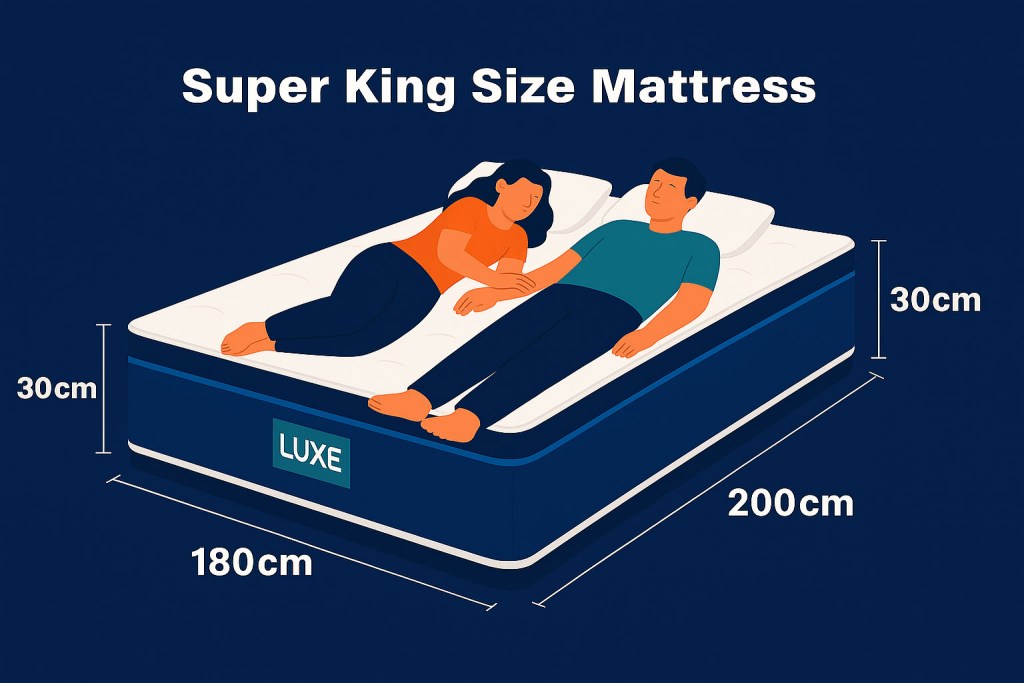
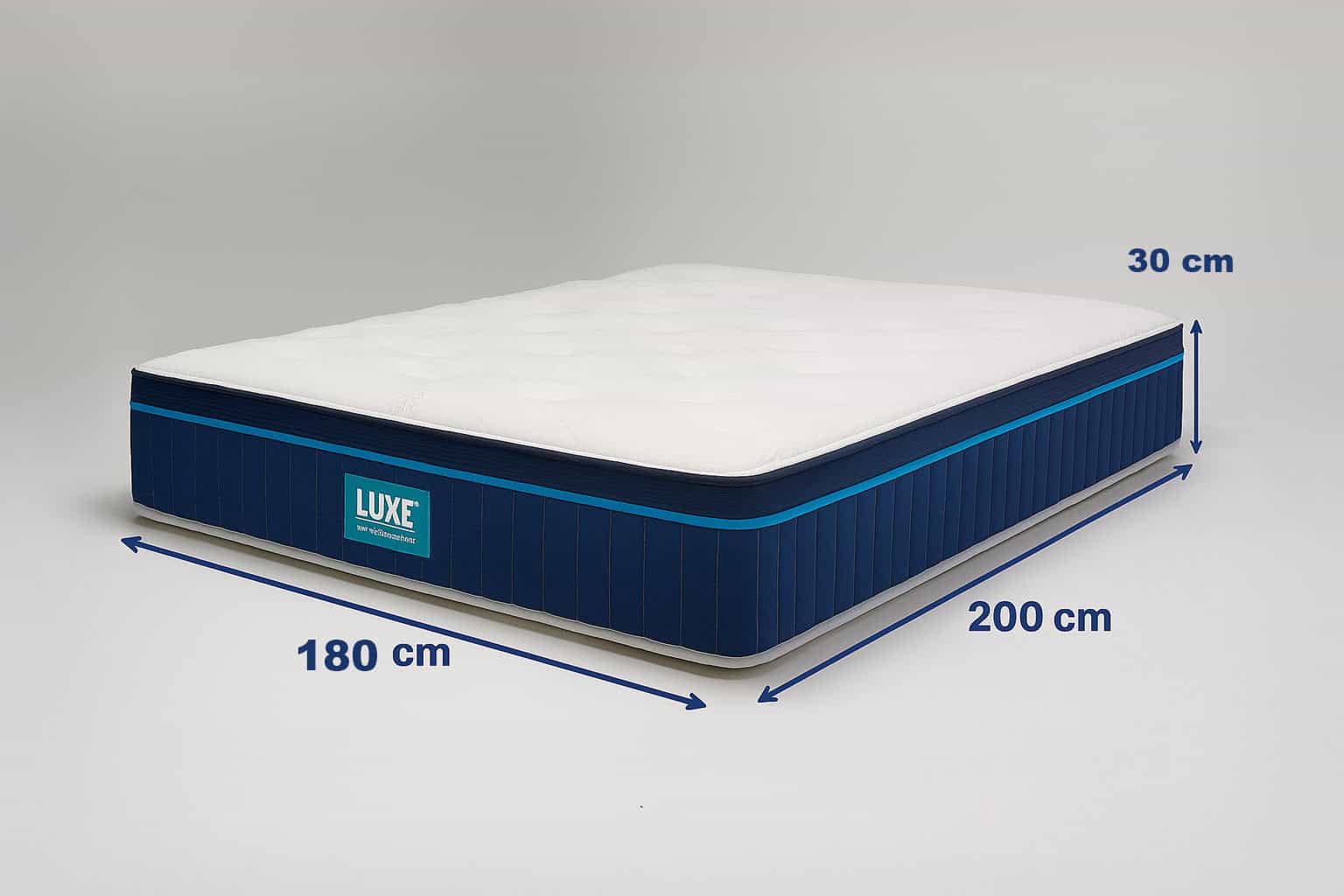
Standard Super King Size Dimensions (UK):

  • Centimetres (cm): 180 cm wide x 200 cm long
  • Millimetres (mm): 1800 mm x 2000 mm
  • Inches (in): 71 in x 79 in
  • Feet (ft): 5.9 ft x 6.6 ft
  • Metres (m): 1.8 m x 2.0 m

These dimensions apply to both the mattress and the bed frame, though the overall footprint may be slightly larger depending on the design.

Who Should Buy a Super King Mattress or Bed?

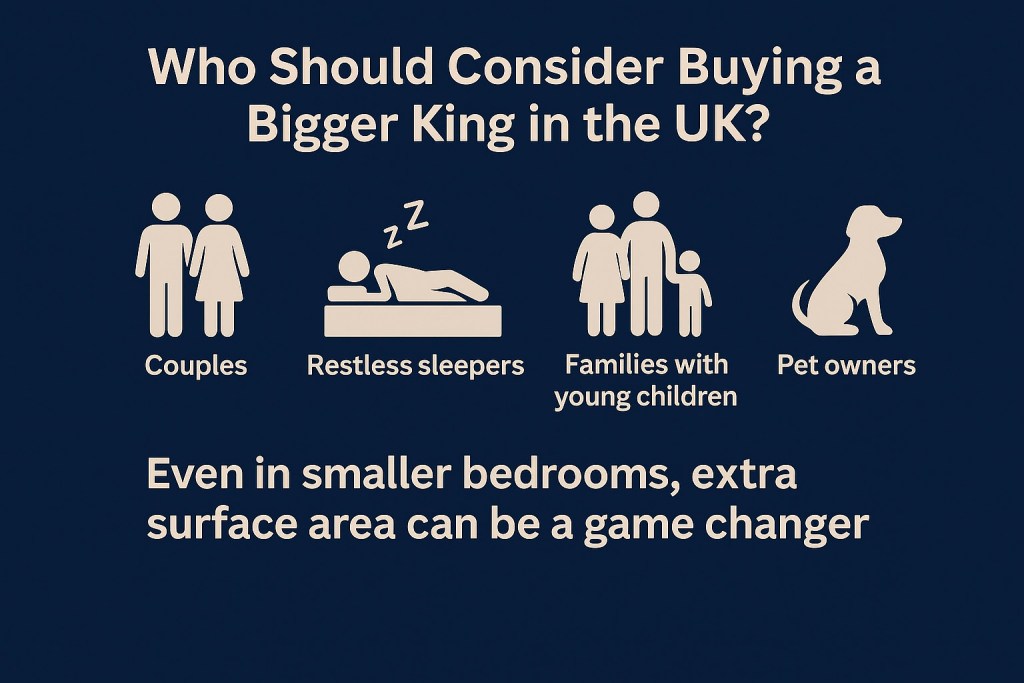
A Super King bed is ideal for:

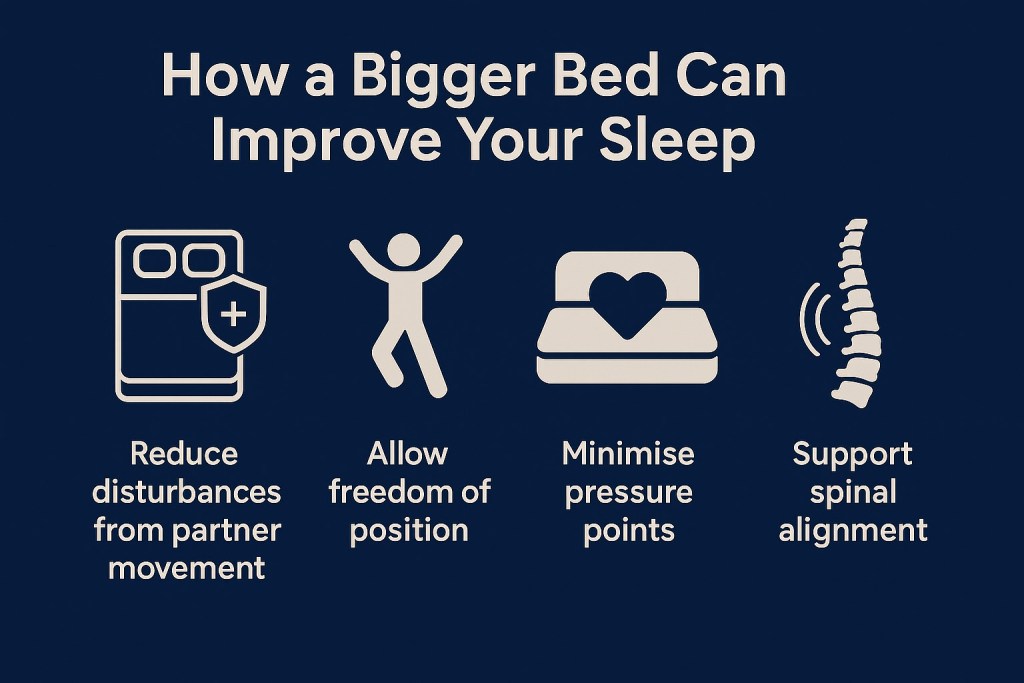
  • Couples who value extra space: If you or your partner move around a lot during sleep or prefer more personal space, a Super King prevents disruptions.
  • Tall individuals: At 200 cm in length, it provides plenty of legroom.
  • Families with young children: If your kids occasionally join you in bed, the additional width is a blessing.
  • Pet owners: Pets that sleep on your bed won’t cramp your space.
  • Luxury seekers: A Super King bed makes a visual statement and adds a touch of opulence to any bedroom.

Bedroom Size Recommendations

While a Super King bed offers more space, it does require adequate room to fit comfortably.

Minimum room size recommendations:

  • Ideal room size: 12 ft x 12 ft (3.65 m x 3.65 m) or larger
  • Absolute minimum: 11 ft x 11 ft (3.35 m x 3.35 m)

Allow at least 60 cm (2 ft) of clearance on each side of the bed for ease of movement.

Super King Bed Types & Styles

Super King beds come in various styles to suit your decor and storage needs:

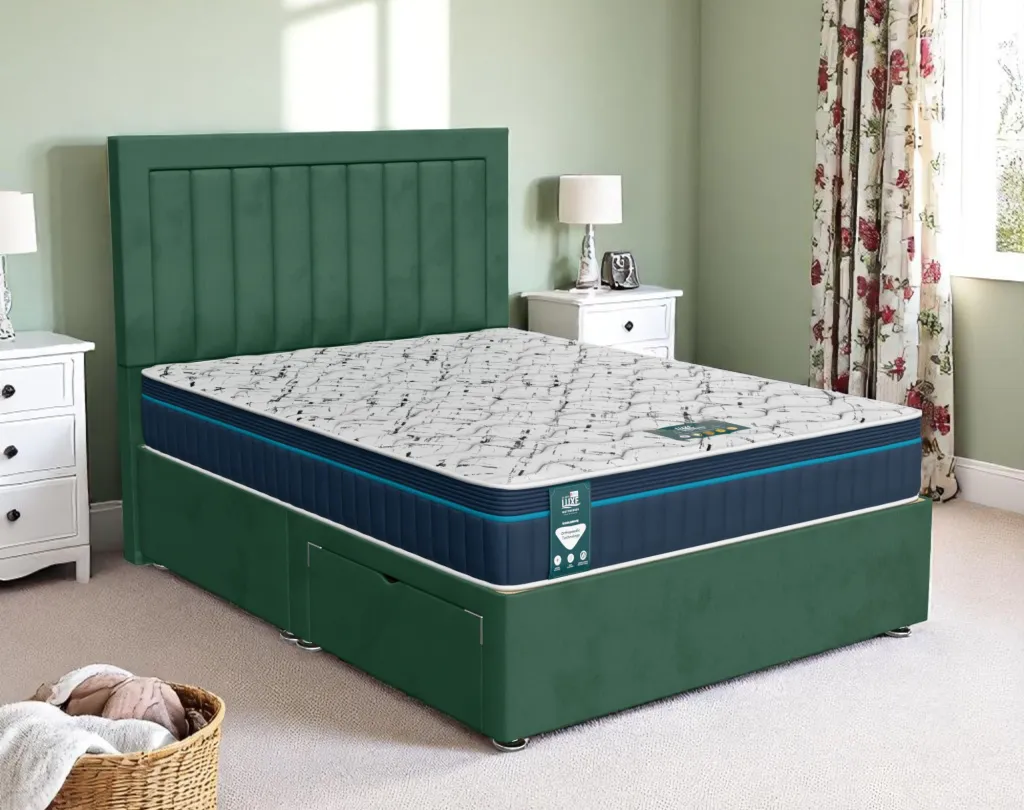
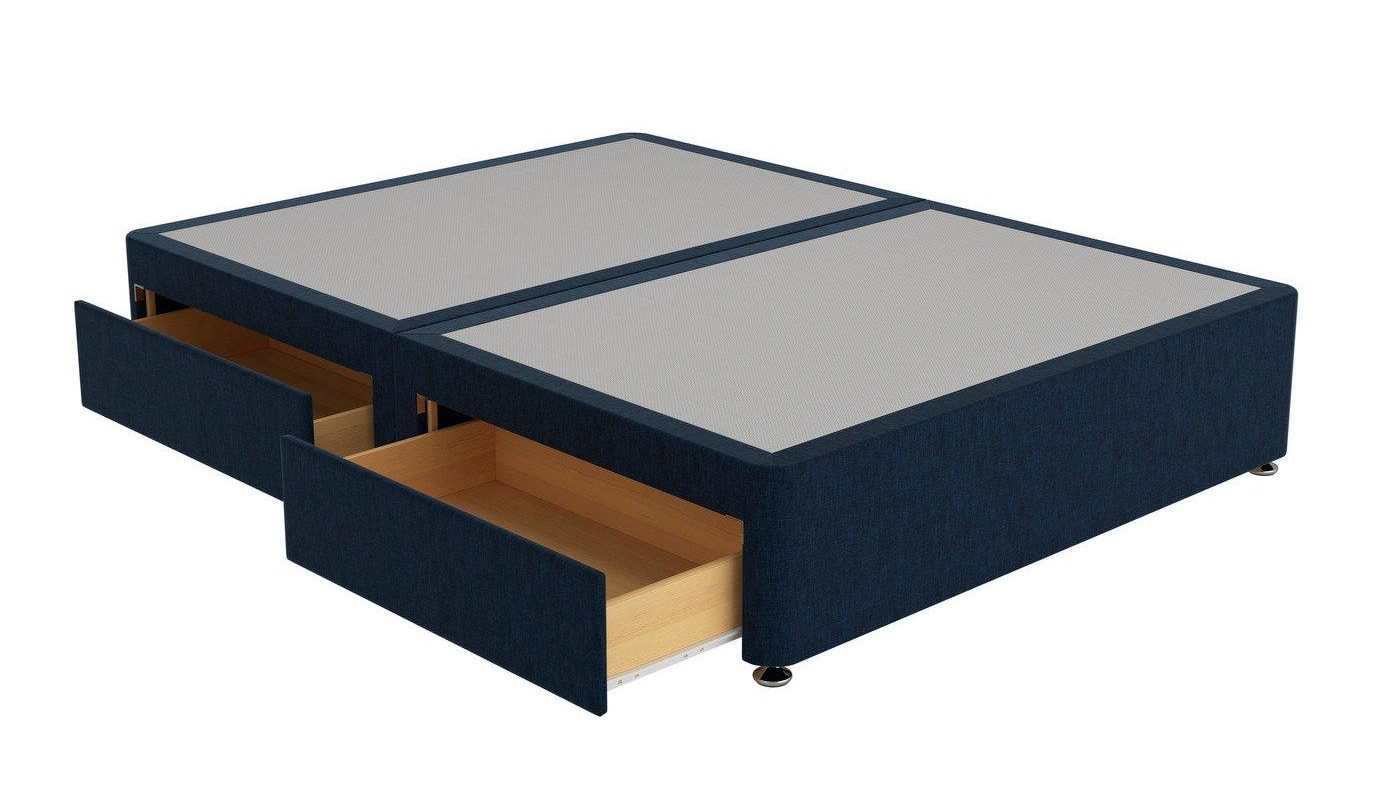
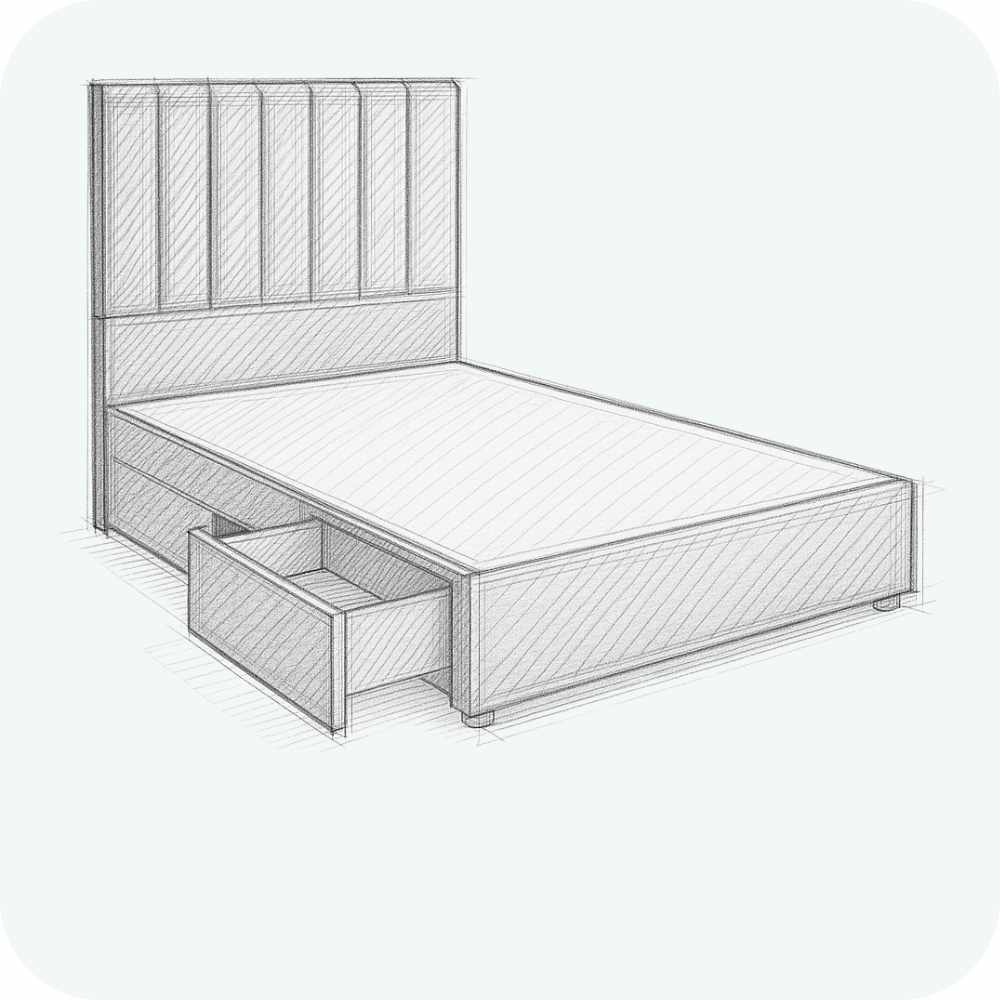
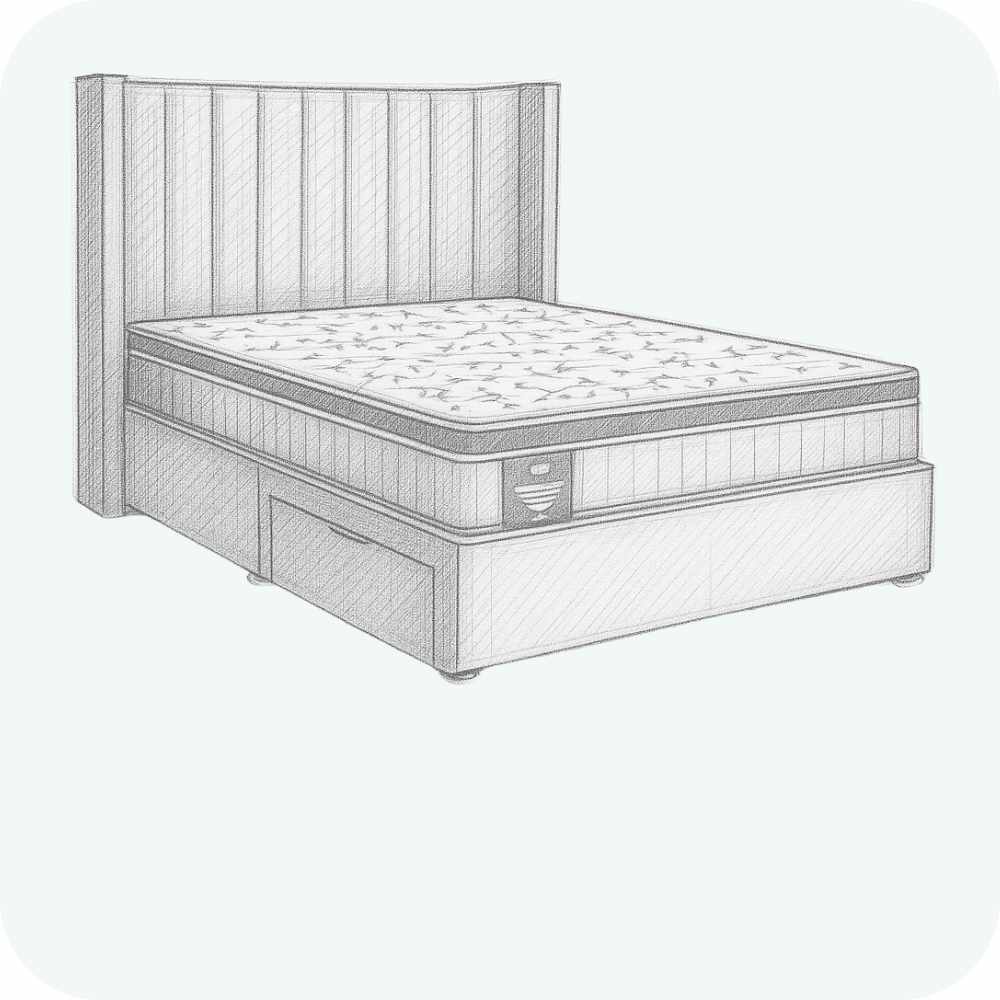
1. Divan Base Beds

  • Often include built-in drawers
  • Great for small rooms needing extra storage

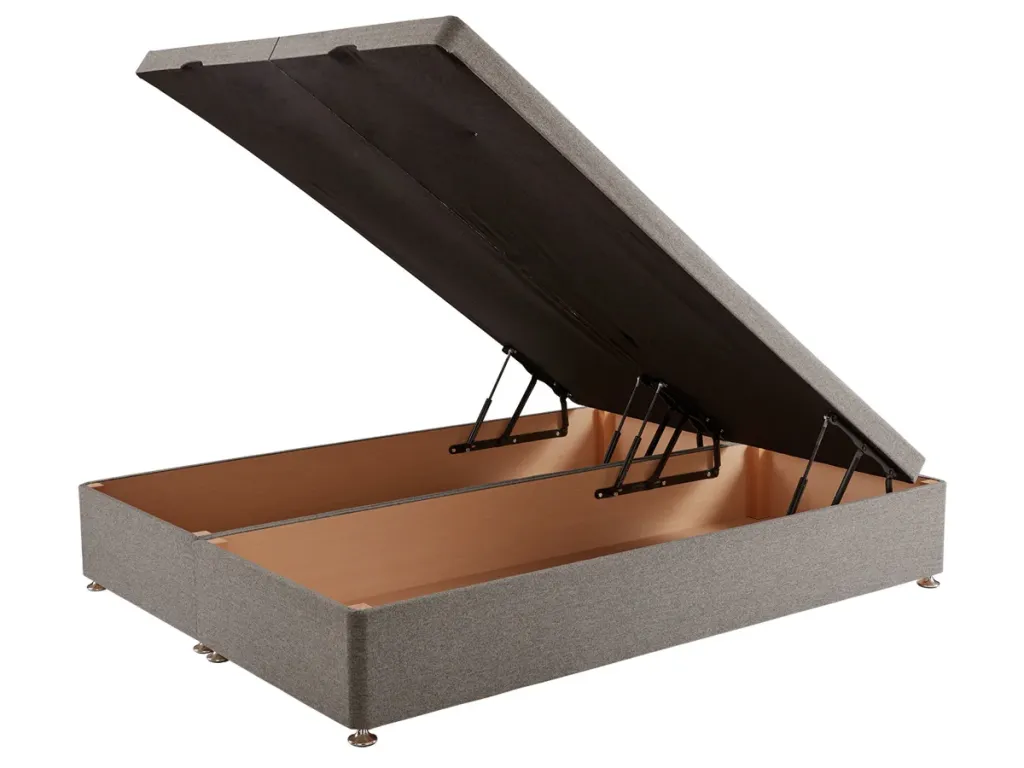
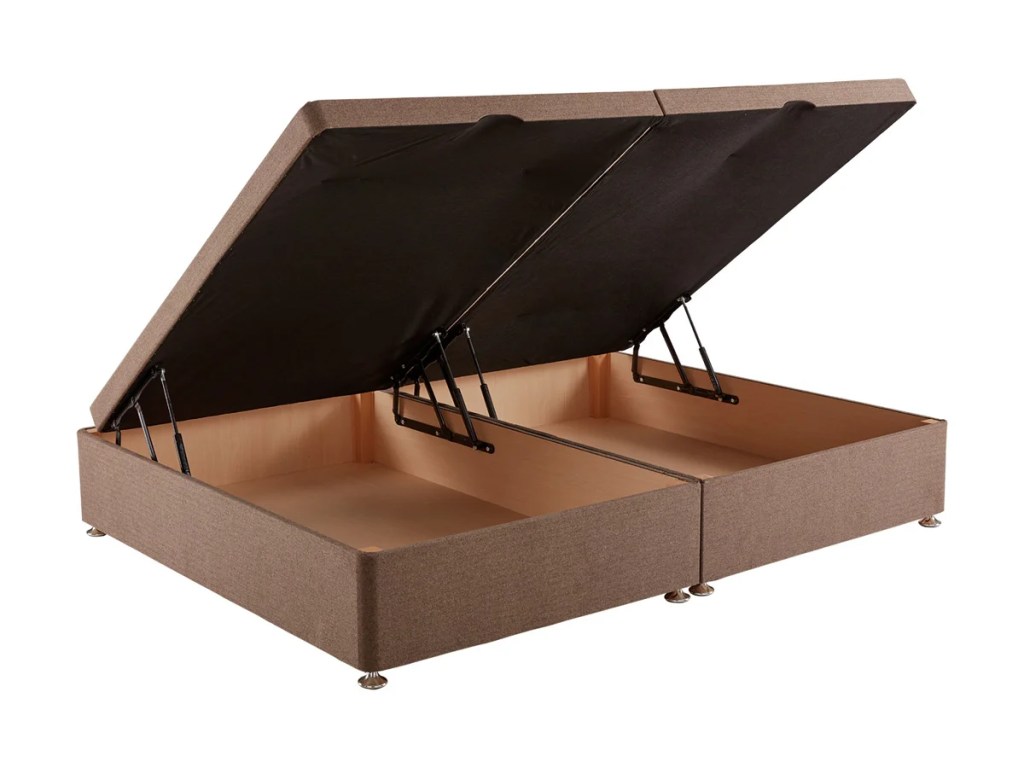
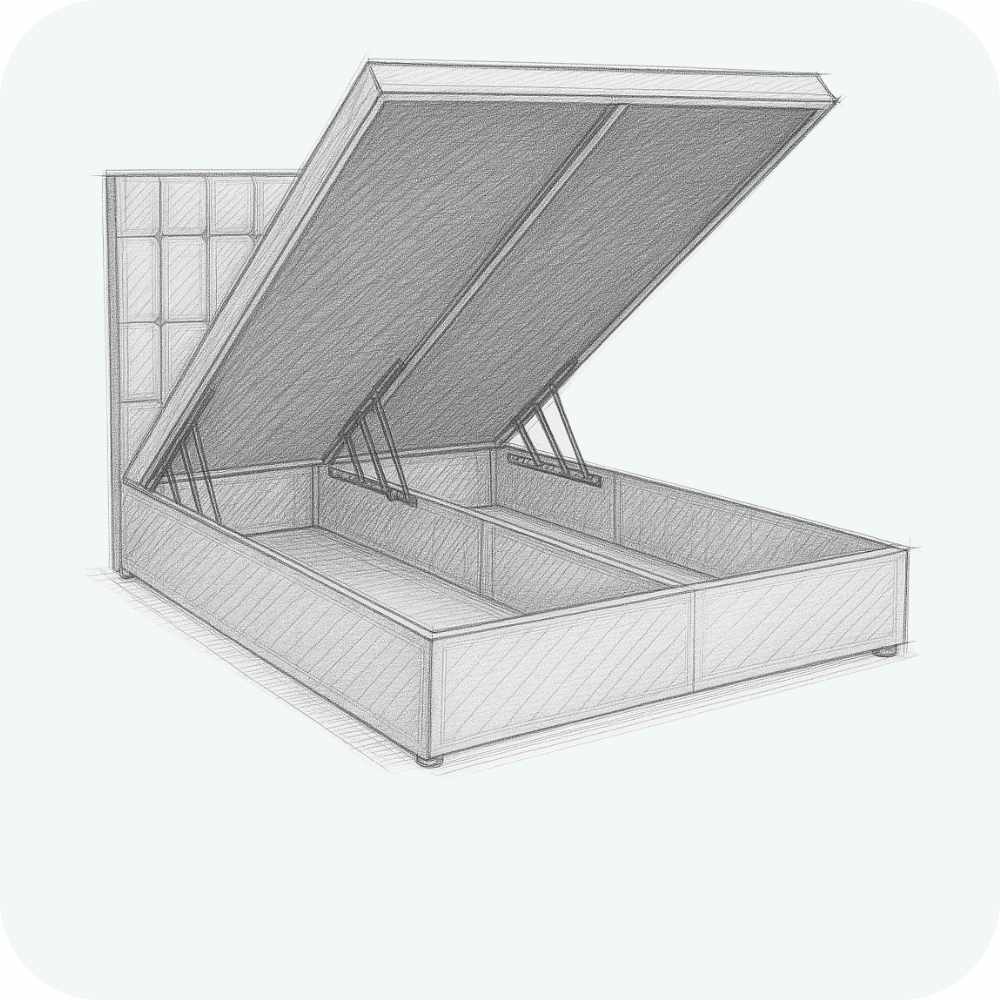
2. Ottoman Beds

  • Lift-up storage under the entire mattress
  • Best for hidden, clutter-free storage

3. Bed Frames

  • Available in wood, metal, upholstered styles
  • Adds visual interest and can match other furniture

4. Adjustable Beds

  • Suitable for people with medical needs or elderly couples
  • Allows you to raise head/feet for better support

Best Mattress Types for Super King Beds

Choosing the right mattress is just as important as the size. Here are top options that pair well with Super King beds:

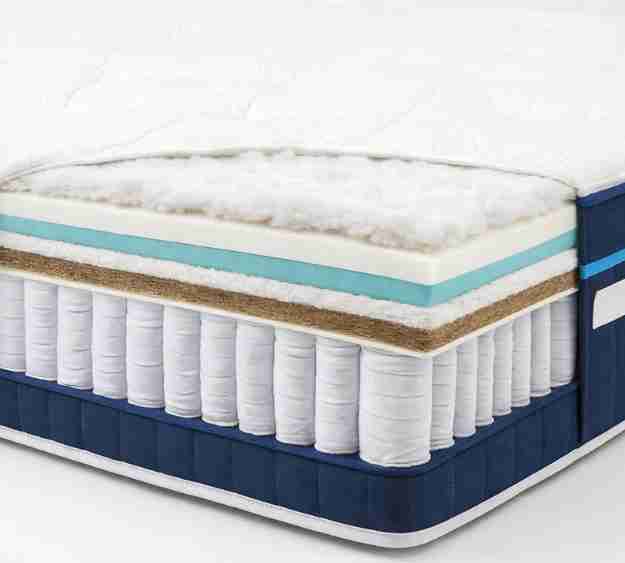
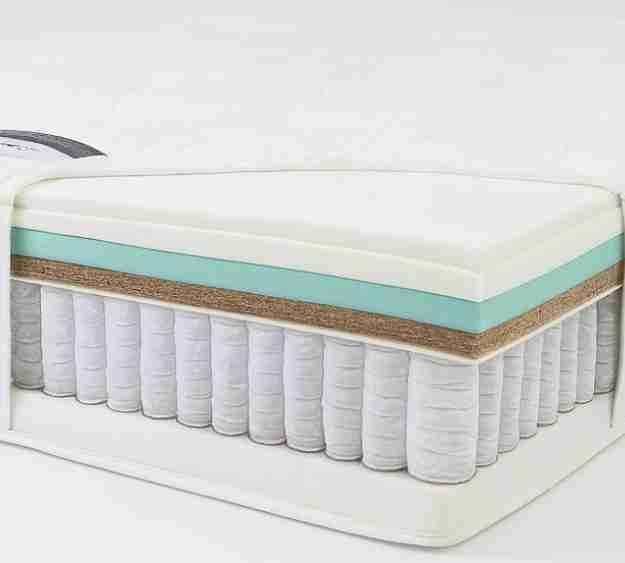
1. Hybrid Mattresses

  • Combine foam and pocket springs
  • Offer balance of comfort, support & cooling

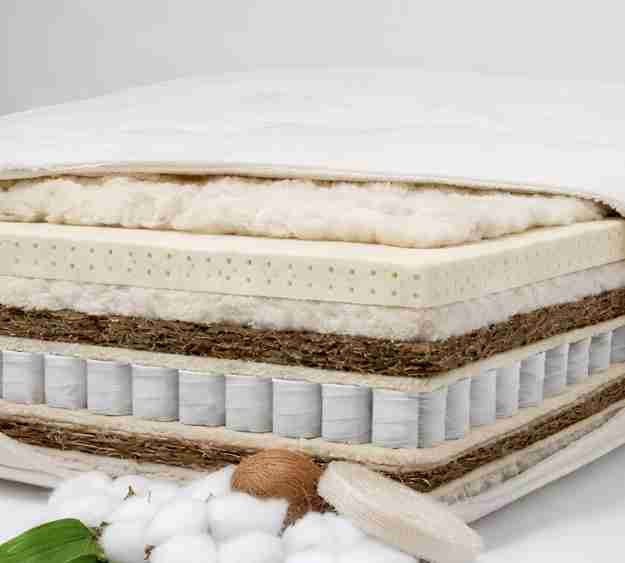
2. Natural Mattresses

  • Made with latex, wool, cotton
  • Ideal for allergy sufferers and eco-conscious shoppers

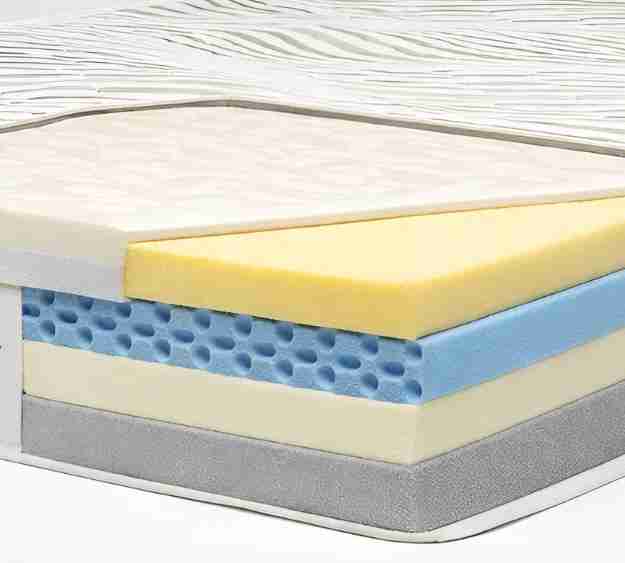
3. Memory Foam Mattresses

  • Body-contouring support
  • Great for pressure relief

4. Orthopaedic Mattresses

  • Firmer support for back pain sufferers
  • Often available in Super King for full-body alignment

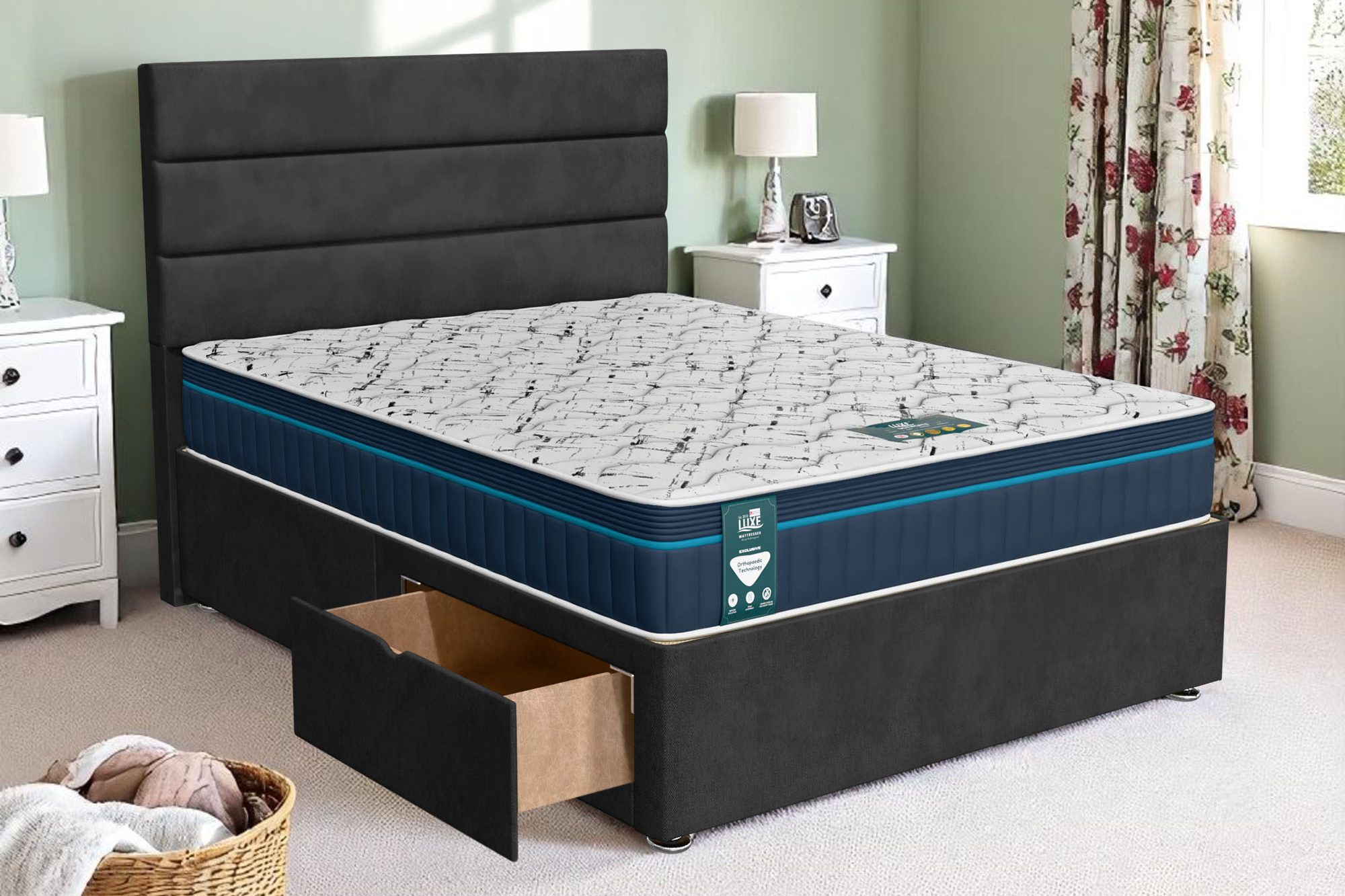
Tip: Luxe Mattresses offers Super King sizes across hybrid, memory foam, and natural options. Their mattresses include breathable fabrics, edge support, and premium materials for deep sleep comfort.

Bedding Essentials for Super King Beds

Because of their size, Super King beds require appropriately sized bedding:

  • Duvet size: 260 cm x 220 cm (102 in x 87 in)
  • Fitted sheet size: 180 cm x 200 cm (plus depth of mattress)
  • Pillow types: Use 2 to 4 king-size pillows (50 x 90 cm)
  • Bedspread or blanket: Look for “Super King” label or oversized throws (at least 270 cm wide)

Using the correct bedding size enhances comfort and ensures a tidy, hotel-like appearance.

Styling Ideas for Super King Beds

A Super King bed is a statement piece. Here’s how to style it like a pro:

Headboard

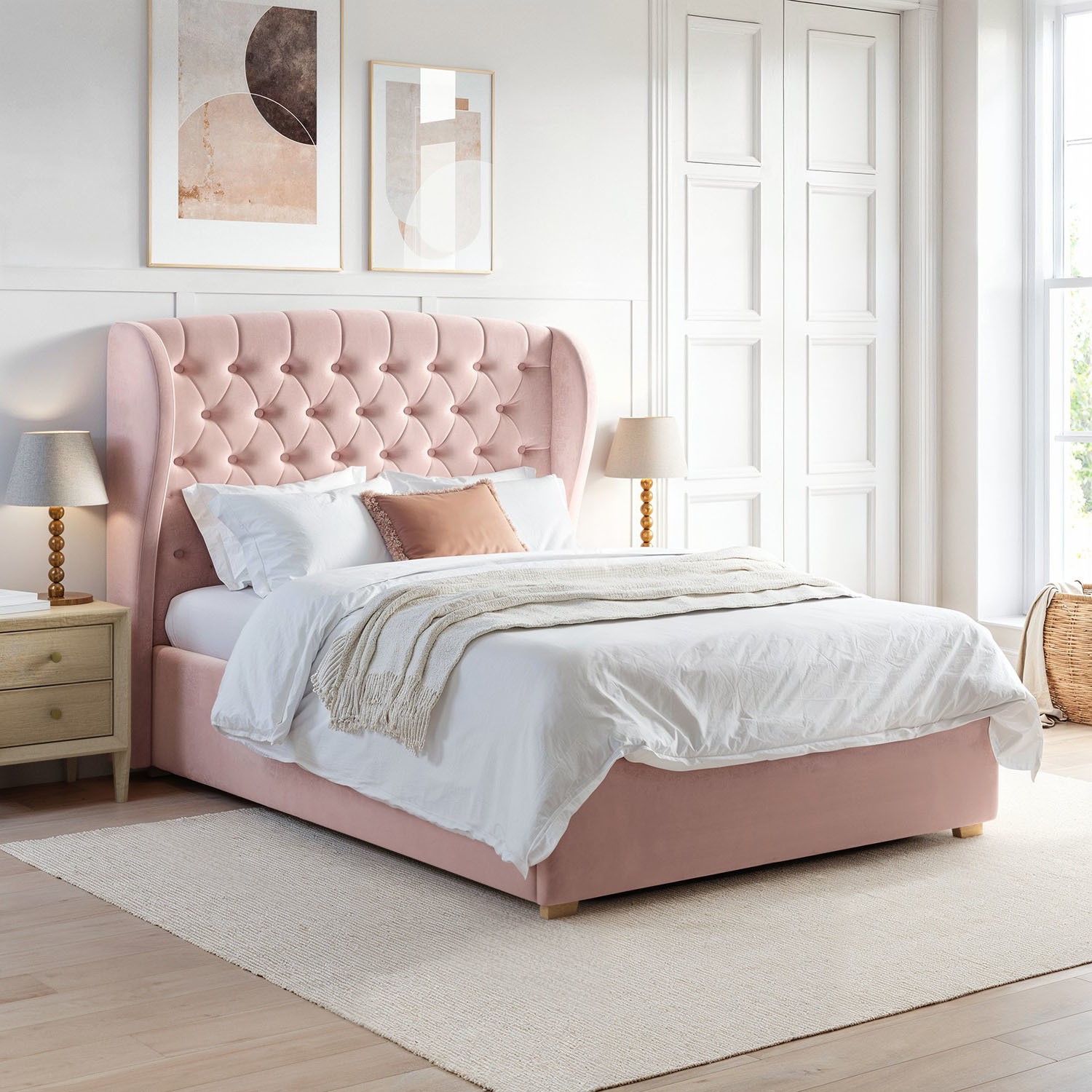
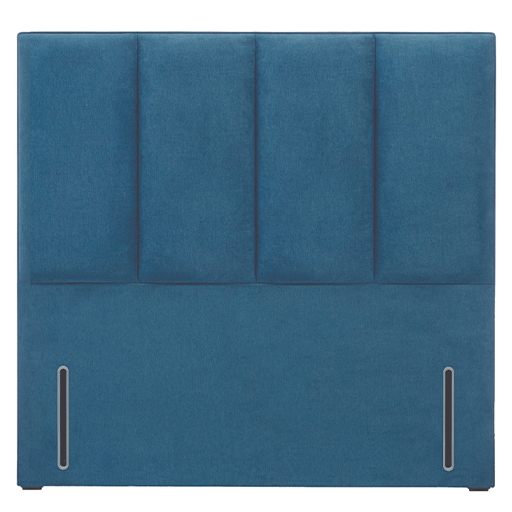
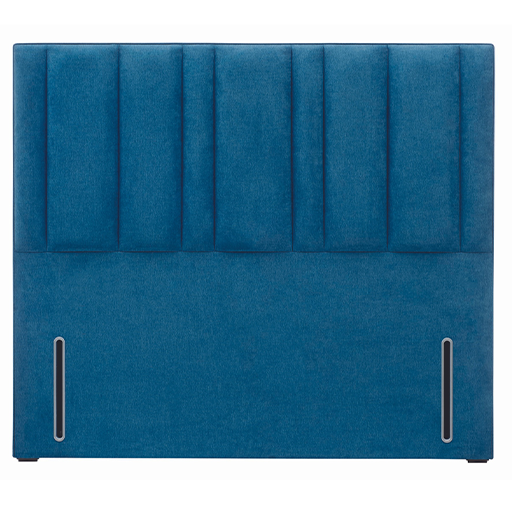
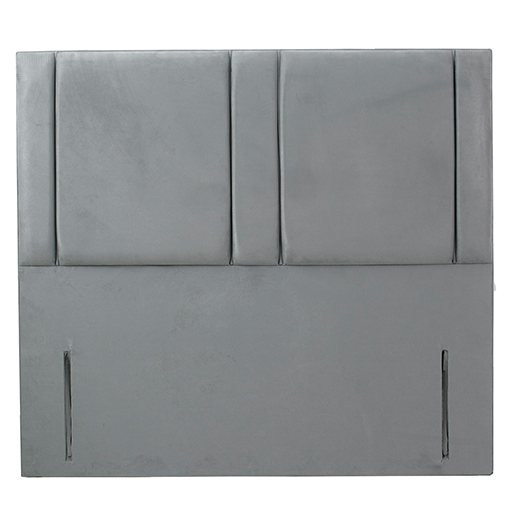
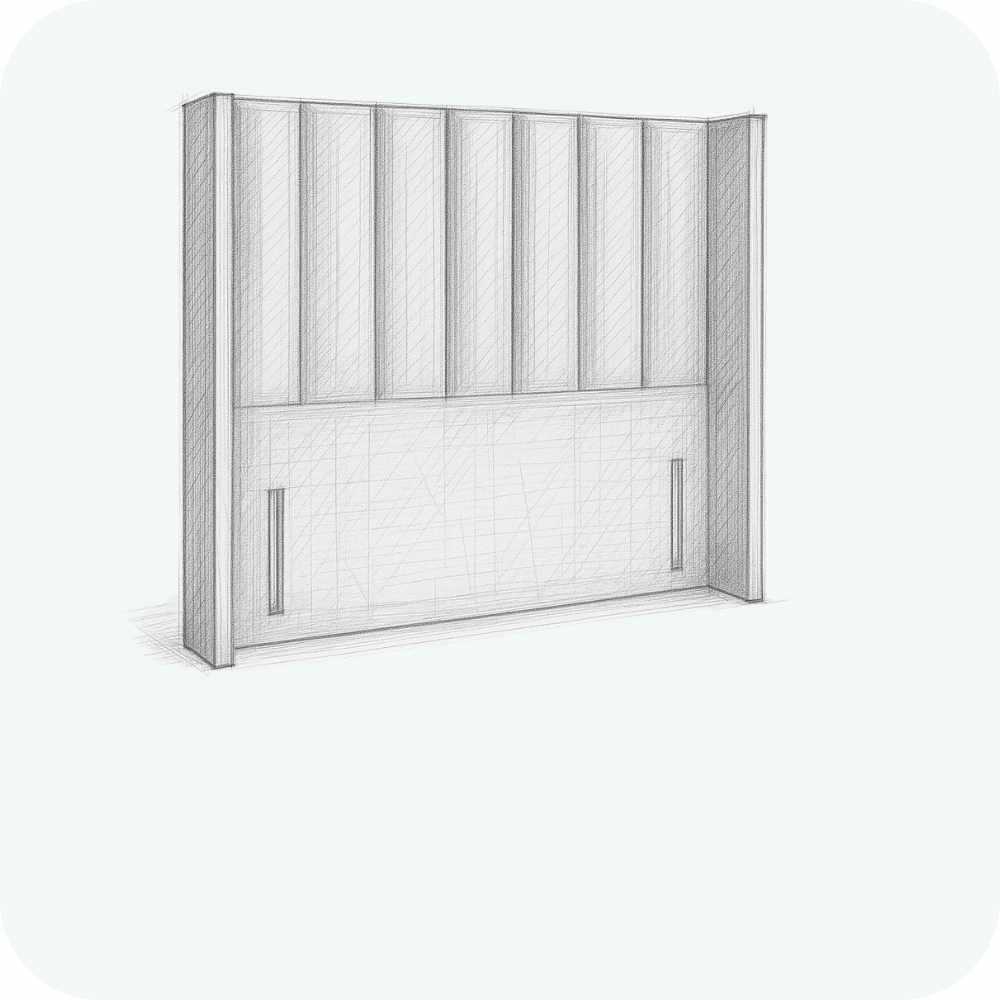
  • Opt for a tall, upholstered or tufted headboard for drama

Colour Scheme

  • Use neutral tones or soft palettes to avoid overwhelming the room

Layering

  • Add throws, blankets, and multiple pillows to create a plush, inviting look

Side Tables

  • Choose wide or double-drawer nightstands to match the scale of the bed

Wall Art

  • Hang large artwork or a gallery above the bed for balance

How Big Is a Super King Mattress Compared to a King Mattress?

A Super King mattress is wider than a standard King mattress by 30 centimeters (about 12 inches), making it a more spacious and luxurious option. While both mattresses share the same length of 200 cm (6 feet 6 inches), the Super King measures 180 cm in width, compared to the King’s 150 cm.

This extra width provides significantly more room for couples, especially those who prefer not to feel crowded during sleep. It’s also ideal for families with young children or pets who occasionally share the bed. The Super King’s generous dimensions make it a standout choice for master bedrooms that can comfortably accommodate its larger footprint.

King vs Super King Mattress Size Comparison

FeatureKing MattressSuper King Mattress
Width (cm)150 cm180 cm
Length (cm)200 cm200 cm
Width (inches)59 inches71 inches
Length (inches)79 inches79 inches
Extra Width—+30 cm / +12 inches
Ideal ForCouplesCouples, families, pets
Room Size NeededMinimum 10 x 10 ftMinimum 11 x 11 ft

Super King Bed vs Other UK Bed Sizes

Bed SizeDimensions (cm)Ideal for
Single90 x 190Children, solo sleepers
Double135 x 190Couples (cozy fit)
King150 x 200Couples needing extra room
Super King180 x 200Couples, families, tall people

Is a Super King Bed Right for You?

Ask yourself:

  • Do I (or my partner) move around a lot while sleeping?
  • Do we value personal space in bed?
  • Is our bedroom large enough for this size?
  • Do we have kids or pets who often join us in bed?

If you answered yes to any of the above, a Super King bed might be your perfect match.

Final Thoughts

A Super King bed offers unmatched space, comfort, and visual impact in your bedroom. From its generous dimensions (180 x 200 cm) to its wide variety of frame and mattress options, it’s the top choice for anyone who values sleep quality and luxury living.

Whether you’re upgrading to accommodate your growing family or just want more room to stretch out, pairing a Super King bed with a premium mattress from Luxe Mattresses can transform your sleep and space.

Choose wisely, measure carefully, and enjoy the comfort that only a Super King can deliver.

August 2, 2025

Mattress Recommendations for Every Age: Children, Teens, Adults, and Seniors

Choosing the right mattress is a highly personal decision that can significantly impact your health and comfort. Each person, from children to seniors, has unique sleep needs that should be taken into account. A good mattress can help with various health issues and improve overall well-being. This article will guide you in selecting the best mattress for every family member, ensuring that everyone finds a comfortable and supportive sleep solution tailored to their age and needs. Check Mattress Recommendations for Every Age: Children, Teens, Adults, and Seniors.

Growing Up: Mattresses for Children (Ages 2-12)

Supporting Healthy Growth

For children, a mattress is essential for supporting their growing bodies. A firm mattress offers the best support for their spine, helping to keep it aligned as they grow. This can prevent posture problems early on. According to the NHS, good spinal support during sleep is important for children’s development.

Hygiene and Safety

It is important to make sure children’s mattresses are safe and clean. Mattresses that resist dust mites and allergens help keep your child safe from common irritants. Luxe Mattress offers memory foam mattresses that are dust and allergy resistant, creating a healthy sleeping environment and reducing the risk of respiratory issues or skin problems.

Durability for Play and Rest

Children are active, often playing and jumping on their mattresses. That’s why it is important to choose a mattress that is durable and can handle all the wear and tear. A mattress that keeps its shape and support for years is a smart investment, ensuring that your child enjoys comfort and proper support as they grow from a cot to a single bed.

Teenage Years: Supporting Rapid Growth and Activity (Ages 13-18)

Adapting to Growth Spurts

During the teenage years, the body undergoes rapid growth. Teenagers undergo growth spurts, experiencing increases in height and weight. Their mattress needs to adapt to this rapid growth by providing the right balance of firmness and comfort. A medium-firm mattress is ideal, offering support to maintain spinal alignment while also providing enough comfort for growing bones and muscles.

Active Lifestyles and Recovery

Many teenagers are involved in sports and other physical activities. A mattress that helps them recover from physical exertion is important. A supportive mattress can help alleviate muscle soreness and provide the comfort necessary for recovery after a long day of physical activity.

Study Stress and Sleep Quality

Teenagers often experience stress from schoolwork, which can impact their sleep. A comfortable mattress ensures that they get the rest they need, reducing stress and helping them concentrate better during the day. Poor sleep can lead to mental health issues and affect academic performance, as shown by studies from organizations like Mind.org.uk.

Adult Life: Diverse Needs and Evolving Preferences (Ages 18-65)

Tailoring to Individual Sleep Styles

As adults, the type of mattress needed changes depending on sleeping positions. Side sleepers benefit from a softer mattress that cushions the hips and shoulders, while back sleepers need a medium-firm mattress to support the natural curve of the spine. Stomach sleepers need a firmer mattress to keep their midsection from sinking too deep. Couples also need to consider motion transfer, which reduces the disruption from their partner’s movements at night.

Addressing Common Adult Ailments

Many adults experience back pain, joint pain, or general discomfort. Luxe Mattress offers orthopedic mattresses designed to provide support and help manage these issues. Proper spinal alignment during sleep is essential for reducing pain and improving overall health, according to the NHS.

Material Choices for Longevity and Comfort

Adults have many options when it comes to mattress materials. Memory foam, latex, hybrid, and pocket-sprung mattresses offer distinct benefits, including comfort, support, and durability. Features like temperature control, such as Luxe Mattress’s LTX Cooling Gel, can help maintain a comfortable sleep temperature, ensuring you stay cool throughout the night.

Golden Years: Comfort and Care for Seniors (Ages 65+)

Prioritising Pressure Relief and Support

For seniors, comfort and pressure relief become the top priority. As the skin becomes more sensitive with age, pressure points can cause discomfort. A mattress that evenly distributes weight can help reduce pain and stiffness. Luxe Mattress offers a range of mattresses specifically designed for older adults, providing gentle support that helps alleviate aches and pains.

Ease of Movement and Transfers

As people get older, they often lose flexibility and find it harder to move easily in bed. A mattress that makes it easier to get in and out of bed is crucial for seniors. These mattresses offer better mobility, which is important for safety and comfort.

Temperature Sensitivity and Breathability

Older adults often struggle to regulate their body temperature while sleeping. A mattress that promotes airflow and helps regulate temperature can make a significant difference. Luxe Mattress’s designs for seniors incorporate materials that promote breathability, ensuring a cool and comfortable sleep throughout the night.

Which Mattress is Best for All

Choosing the best mattress for everyone in the family can be challenging, but it is essential for both health and comfort. Each age group has distinct needs that should be taken into account. For children, a firm mattress is crucial for supporting their growing bodies and maintaining spine alignment. Teenagers require a medium-firm mattress that accommodates their rapid growth and active lifestyles. Adults need a mattress that matches their preferred sleep position, whether they sleep on their back, side, or stomach. Seniors benefit from mattresses that provide pressure relief and support, allowing them to sleep comfortably and safely.

When selecting a mattress for the whole family, it is best to find one that suits everyone’s needs. A medium-firm mattress is often a good option because it offers a balance of support and comfort. Features like temperature control and durability can make the sleep experience better for everyone. Brands like Luxe Mattress offer a variety of mattresses designed to meet the specific needs of different age groups. By investing in the right mattress for each family member, you can ensure better sleep and overall health for everyone.

Conclusion

In conclusion, selecting the right mattress is crucial for everyone, as each age group has distinct needs. Factors like sleeping position, health concerns, and age all play a role in finding the perfect mattress. By investing in a mattress that suits your age group, you can ensure better sleep and improved health. Luxe Mattress offers a wide range of options designed to meet the diverse needs of people of all ages, helping everyone achieve a more restful and healthier sleep experience.

Frequently Asked Questions (FAQs)

Which is the best mattress for a growing child?

A medium-firm to firm mattress, such as a pocket-sprung or supportive foam mattress, is recommended for children to provide the necessary support for their developing spine.

Should teenagers use the same type of mattress as adults?

Teenagers can benefit from mattresses similar to those used by adults, focusing on durable support to accommodate their growing bodies and active lifestyles. Medium-firm options are typically ideal.

How often should mattresses be replaced for different age groups?

Generally, mattresses should be replaced every 7-10 years. For children, it may be necessary to replace the mattress when they outgrow their bed, while seniors might need a new mattress sooner if comfort or support declines.

Do orthopaedic mattresses work for all age groups?

Orthopaedic mattresses, designed for targeted support and spinal alignment, are suitable for people of all ages, particularly those with specific pain or health issues.

Does Luxe Mattress offer options for all age groups and needs?

Yes! Luxe Mattress offers a diverse range of high-quality mattresses, including memory foam and orthopaedic options, all designed to meet the comfort and support needs of various age groups.

where to donate used mattress in london
July 24, 2025

Where and How to Donate a Mattress to Charity in London: A Complete Guide

Donating a mattress can be a generous and sustainable way to support others while also reducing landfill waste. Whether you’re upgrading your bed or moving, giving away your mattress to a charity helps the community and the environment. This guide explains how to donate a mattress in London, which charities accept them, and what to expect during the donation process.

Why Donate a Mattress?

Donating a gently used mattress can:

  • Provide essential comfort to families or individuals in need.
  • Reduce landfill waste and promote sustainable living.
  • Support charitable organisations’ work through resale in charity shops.
  • Enable reuse and upcycling, reducing demand for new materials.

What Kind of Mattress Is Acceptable for Donation?

Before donating, ensure your mattress is in good, reusable condition. Most charities in the UK will only accept mattresses that:

  • Are clean and free from stains, tears, or heavy soiling.
  • Do not have bed bugs or infestations.
  • Have the fire safety label (BS7177) attached and clearly legible (especially important in the UK).
  • Are intact structurally, with no broken springs or collapsed sides.

If your mattress meets these criteria, it is likely suitable for donation. Otherwise, it may be best to contact your local council or recycling services for responsible disposal.

Charities in London That Accept Mattress Donations

Here are some well-known UK charities that accept mattress donations in London, along with their contact details, collection options, and how the process works.

1. British Heart Foundation

British heart foundation mattress donation
  • 📍 Address: 97 George Street, Croydon, CR0 1LD (and other local branches)
  • 📞 Phone: 0808 250 0030
  • 🌐 Website: www.bhf.org.uk
  • Donation Process:
    • Free collection service for large furniture and electrical items.
    • Must have a fire safety label.
    • Book via their online form or call the donation hotline.

2. Emmaus Greenwich

Emmaus Greenwich mattress donation
  • 📍 Address: 226 Elmley Street, Thamesmead, London SE28 8SD
  • 📞 Phone: 020 8854 3426
  • 🌐 Website: www.emmaus.org.uk/greenwich
  • Donation Process:
    • Offers free collection within select London boroughs.
    • Mattresses must be clean and have a visible fire label.
    • Book a collection via phone or website.

3. Sue Ryder Charity Shops

sueryder mattress donation
  • 📍 Address: 376 Mare Street, London E8 1HR (branch example)
  • 📞 Phone: 020 8985 1504
  • 🌐 Website: www.sueryder.org
  • Donation Process:
    • Some stores accept mattress donations.
    • Contact the store to check availability and collection options.
    • Must be in excellent, sellable condition.

4. Cancer Research UK Furniture Shop

cancer research uk mattress donation
  • 📍 Address: 33 Rye Lane, Peckham, London SE15 5EX
  • 📞 Phone: 020 7639 2294
  • 🌐 Website: www.cancerresearchuk.org
  • Donation Process:
    • Offers collection of furniture and mattresses in good condition.
    • Arrange via phone or online form.
    • Fire safety label required.

5. Furniture Donation Network

Furniture Donation Network mattress and bed donation
  • 📍 Address: Nationwide network (partners with local charities in London)
  • 📞 Phone: 0344 879 4410
  • 🌐 Website: www.furnituredonationnetwork.org
  • Donation Process:
    • Online booking form to arrange a collection.
    • Matches donations with local charities that have specific needs.
    • Mattresses must be clean and in reusable condition.

What Happens After Collection?

Once collected, your mattress is either:

  • Resold in a charity’s furniture shop to raise funds for community work.
  • Given directly to individuals or families in need.
  • Refurbished Mattress or recycled, if not fit for use, depending on the organisation’s capabilities.

Charities ensure that all donations either help others directly or fund their programs through resale, offering vital support to low-income households and homeless individuals.

Environmental and Social Benefits

By donating your mattress:

  • 🌱 You reduce landfill waste – a typical mattress takes 10+ years to decompose.
  • 💚 You support circular economy efforts, reducing the need for new resources.
  • 🛏️ You provide comfort to those facing hardship or housing instability.
  • ♻️ You promote sustainability, especially when working with charities using environmentally friendly processes.

Final Thoughts

If your mattress is still in good condition and includes the required fire safety label, donating it is a responsible and impactful choice. Many London-based charities are ready to collect and rehome mattresses, offering them to individuals and families in need while reducing environmental waste.

Before donating, make sure to:

  • Check that the mattress is clean and in usable condition
  • Confirm that the fire safety label is securely attached and clearly legible
  • Contact your chosen charity in advance to verify they accept your mattress type and condition

Donating your mattress not only extends its life but also supports social causes and helps protect the environment.

However, if your mattress is damaged, stained, heavily worn, or missing a fire label, it may not qualify for donation. In such cases, it’s important to dispose of it properly. Responsible mattress disposal options in London include:

  • Booking a bulky waste collection through your local council
  • Using certified recycling companies that dismantle and repurpose mattress materials
  • Exploring retailer take-back services when purchasing a new mattress

Always choose environmentally friendly disposal methods where possible. Whether you donate or recycle, your action can make a difference.

custom vs standard bed
July 24, 2025

Custom Bed vs. Standard Bed: What’s the Real Difference?

Your bed is not simply bedroom furniture, but it is your sanctuary when it comes to achieving that great night’s sleep. However, when you are at a crossroads trying to choose between a custom bed and a standard bed, you are not alone. The actual distinction boils down to your needs and the extent to which you are willing to invest in personal comfort and style.

In short, A bespoke bed is constructed to your taste (in terms of size, materials, and style). In contrast, a standard bed is a mass-produced item with standard sizes and few customization options available. This essential distinction influences everything, starting with the quality of your sleep to the aesthetics of your bedroom.

What does that mean to you? Let’s take a closer look and determine which option is most suitable for you.

What is a Standard Bed?

A standard bed is produced in large volumes based on standard mattress sizes (such as double, king, or super king) and typically has fixed options. It fits the bill of most people in a simple structure and is a convenient and affordable option.

Key characteristics:

  • Manufactured in large quantities.
  • Available in standard sizes and materials.
  • Generally more affordable and easier to find.
  • Limited design and customization options.

Consider the case of visiting a high-street furniture store; there, you will see rows of beds in standard sizes and styles. They can be easily taken home or delivered within a short time, making them an excellent option for busy families or those with rental properties.

What is a Custom Bed?

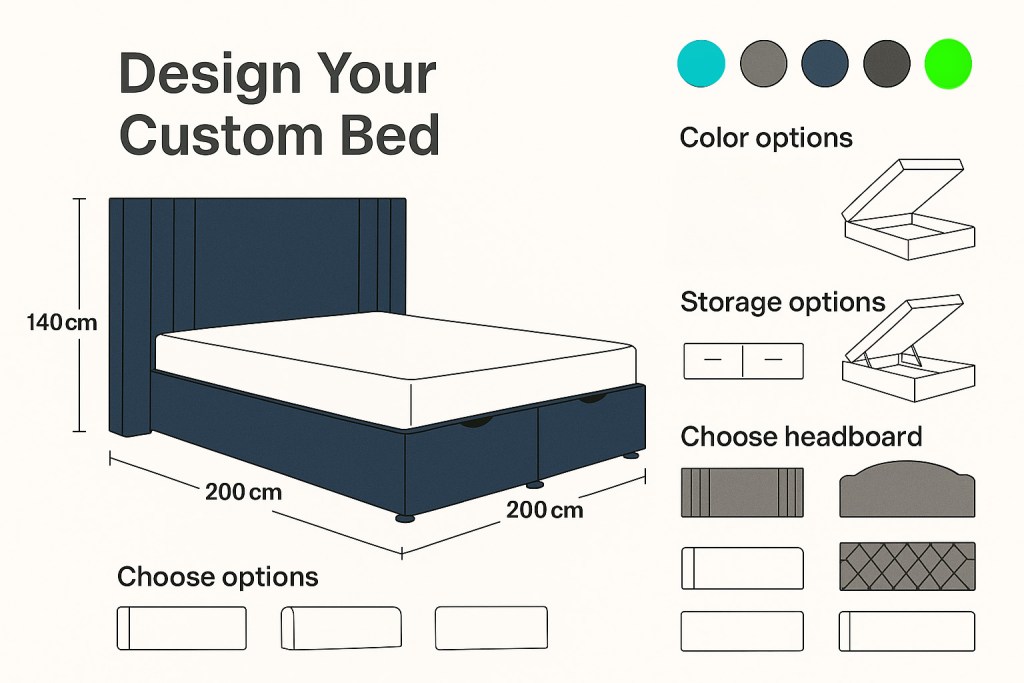
A custom bed, however, is made to order and it is made according to your specifications. This implies that you have a say in the size, shape, materials, and even the firmness of the mattress. In other words, it is designed to match you and not vice versa.

customise your bed

Key characteristics:

  • Tailor-made according to your demands and lifestyle. 
  •  Completely customizable: dimensions, material, height, headboard design, storage options, and more. 
  •  Typically, superior quality is a result of craftsmanship and attention to detail.
  •  It generally is more expensive and takes more time to lead.

And you know, imagine a bedroom that was truly yours: a bed that fits in your alcove or that goes perfectly with your old wardrobe. A custom bed can do that!

Custom Bed vs. Standard Bed: A Personalised Bed Comparison

Let’s break down the differences in more detail:

Factor Standard Bed Custom Bed
Comfort & Fit One-size-fits-all design. Tailored to your specific comfort and aesthetic preferences.
Materials Basic, widely-used materials like synthetic fabrics. Choice of premium materials: natural latex, organic cotton, sustainable woods.
Price Budget-friendly. Higher upfront cost but long-term value and durability.
Aesthetics Limited styles, often mass-market looks. Fully customizable, allowing you to match your interior design and personal flair.
Delivery Time Usually quick and available immediately. Made-to-order—often 4–8 weeks for delivery.
Longevity Moderate lifespan, typically 5–8 years. Often 10–15 years or more, depending on materials and care.
Health Benefits Meets general comfort needs. Can address specific needs, such as back pain, allergies, or temperature regulation.

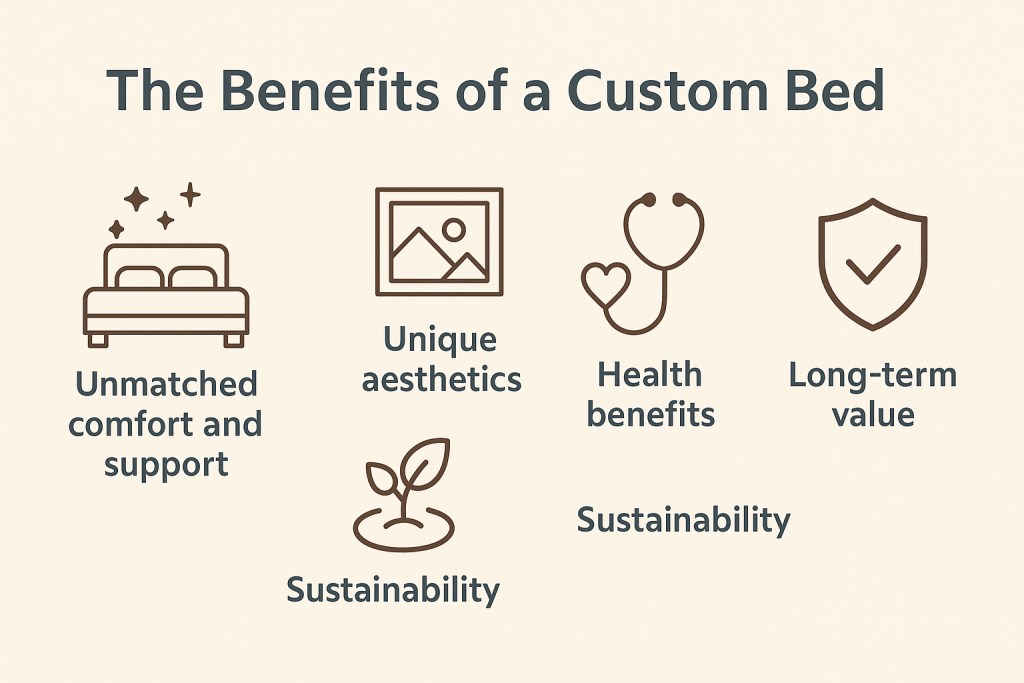
The Benefits of a Custom Bed

So, why is a custom bed a wise investment: let us find out:

Unmatched comfort and support

Having your bed made by someone gives you a chance to have that perfect night’s sleep. The Sleep Foundation also states that a suitable mattress can improve sleep and reduce chronic pain.

Unique aesthetics

 Bed frames can be customised to suit your vision, ranging from modern and minimalist to traditional and upholstered at the headboard. This can pull your bedroom together, giving it a touch of luxury and a sense of completion.

Health benefits

If you experience backache, sciatica, or allergies, a made-to-measure bed can be created to help alleviate the issue. For instance, the selection of hypoallergenic material or a specific firmness level of the mattress can make a significant difference.

Sustainability

Many custom bed manufacturers work with natural materials, such as organic cotton or sustainably harvested wood. This can minimise your environmental impact and also provide peace of mind.

Long-term value

The initial investment is more, but a well-constructed custom bed can serve much longer. Thus, it is a wiser investment in the long run.

benefits of custom bed

The Potential Drawbacks of Custom Beds

Naturally, there are no ideal choices. These are some of the possible negative aspects:

  • Higher cost
  • Custom beds tend to be more costly since they are made with skilled labor, high-quality materials, and elaborate design.
  • Longer wait times
  • Custom beds are made to order and can take several weeks (or even months) to arrive.

Resale limitations

Custom-made beds, which are constructed to fit a particular area, may be more challenging to sell or adapt to a different use if you choose to relocate or redecorate your bedroom.

When Should You Choose a Standard Bed?

The best option could be a standard bed in case: 

  • You are operating under a tight budget and need a quick, cost-effective solution. 
  • You are designing a temporary furnishing such as a guest room or a rental house. 
  • You do not require special health or comfort requirements. 
  • You desire something available straight away. 

Standard beds are more than sufficiently comfortable and stylish to most individuals, particularly when you are keen on practicality.

When is a Custom Bed Worth the Investment?

Conversely, a custom bed would be life-altering in the instance that: 

  • You require special comfort considerations (e.g., orthopedic support, allergies). 
  • You’re buying a forever home, and you want your bedroom to reflect your personality. 
  • You have a peculiar area (such as a conversion in the attic) in which a conventional bed would not suit. 
  • You appreciate quality that is long-lasting and sustainable. 

Example: LuxeMattresses.com had one customer who wanted a custom-made bed to fit into a bay window nook that was otherwise an awkward nook to use as a sleeping area.

Let’s Talk Sustainability

Sustainability is one of the rising trends in home design, and custom beds are usually at the forefront. To create eco-friendly alternatives, many custom bed manufacturers utilize natural latex, organic wool, or FSC-certified wood. Harvard Health Publishing also suggests that sleeping on natural and non-toxic fibers will minimize the amount of harmful chemicals typically present in synthetic fibers.

 It is excellent news when you want to make your home healthier and more eco-friendly.

How Do You Start Designing a Custom Bed?

In case the thought of a custom bed has you interested, this is what the general process entails:

  1. Initial Consultation: You discuss your needs, style, and space requirements. 
  2. Design Phase: You will select materials, finishes, and options (such as storage drawers or adjustable bases). 
  3. Fabrication: Your bed is made by hand, typically taking 2-3 weeks ( at Luxe Mattresses & Beds), but it depends on different companies provide different timelines.
  4. Delivery & Installation: The delivery and installation of your new bed will occur at your household. 

The process is entirely about you- it is your opportunity to make the sleep environment your own.

FAQs: What People Want to Know

Q1: Does the custom bed offer more comfort as compared to the standard bed? 

Yes! They provide more support and comfort to most people because they are customized to your body and your preferences. 

Q2: What is the approximate increase in the cost of a custom bed? 

Prices are not fixed, and you should be prepared to spend 30 to 50 percent more than for a standard bed. The extended life span can, however, make it worthwhile. 

Q3: Is it possible to personalise only the mattress and not the entire bed? 

Absolutely! Others begin by personalising the mattress firmness or fabrics. Please find out more on our Tailored Mattresses page.

Final Takeaway: Which Bed is Right for You?

Then it is just a matter of priorities, whether to get a custom-made bed or a standard bed: 

  • A standard bed is a good choice when you are concerned with low cost, ease of use, and setup.
  • Go custom when you’re willing to invest in a bed that’s truly yours – one that provides better comfort and style and will last longer. 

Whatever your preferred option may be, keep in mind that a good night’s sleep is a pillar of your overall health. The National Sleep Foundation reports that every dollar invested in good sleep may yield benefits as diverse as improved mood and a stronger immune system.

Ready to Sleep Better? Explore Your Options

If you’re willing to explore your options, we’ll be happy to assist you. See our Luxury Beds Collection or read more about how to make your dream bed on our Sleep Guides.

Final Thoughts

Your bed is not simply a place where you put your head at night, but it is a place of everyday relaxation, re-energizing, and a place of your own. And if you prefer a standard model or want to order a masterpiece, be sure that the bed supports you. You do spend, after all, something like a third of your life in bed – why not make it as comfortable and relaxing as possible?

Ready to take the next step?

Start designing your perfect sleep sanctuary today. And when you need answers or want to get some advice, our LuxeMattresses team is available anytime.

what is REM sleep behaviour disorder
July 22, 2025

What Is REM Sleep Behaviour Disorder?

REM Sleep Behaviour Disorder (RBD): When Dreams Spill into Real Life

We all dream at night, and sometimes those dreams feel incredibly real. But for some people, dreams become physical. They may talk, shout, punch, or kick while asleep, completely unaware of what they are doing. This sleep condition is called REM Sleep Behaviour Disorder, or RBD.

At Luxe Mattresses, we understand that sleep is more than just time spent in bed. It is about restful, restorative sleep in a safe and comfortable environment. That is why we are sharing this guide to help you understand RBD, how it affects your health, and what can be done to manage it.

What Is REM Sleep and Why Is It Important?

Sleep occurs in cycles, and one important stage is called REM sleep, short for Rapid Eye Movement. It usually begins about 90 minutes after you fall asleep and happens several times a night.

During REM sleep:

  • Your brain is active, and dreams are vivid.
  • Your eyes move rapidly behind closed lids.
  • Your muscles are typically paralysed to stop you from moving during dreams. This is called REM atonia.

This muscle paralysis is completely normal and keeps us safe. In people with RBD, however, that muscle control does not work properly. Instead of staying still, they may physically act out what they are dreaming about.

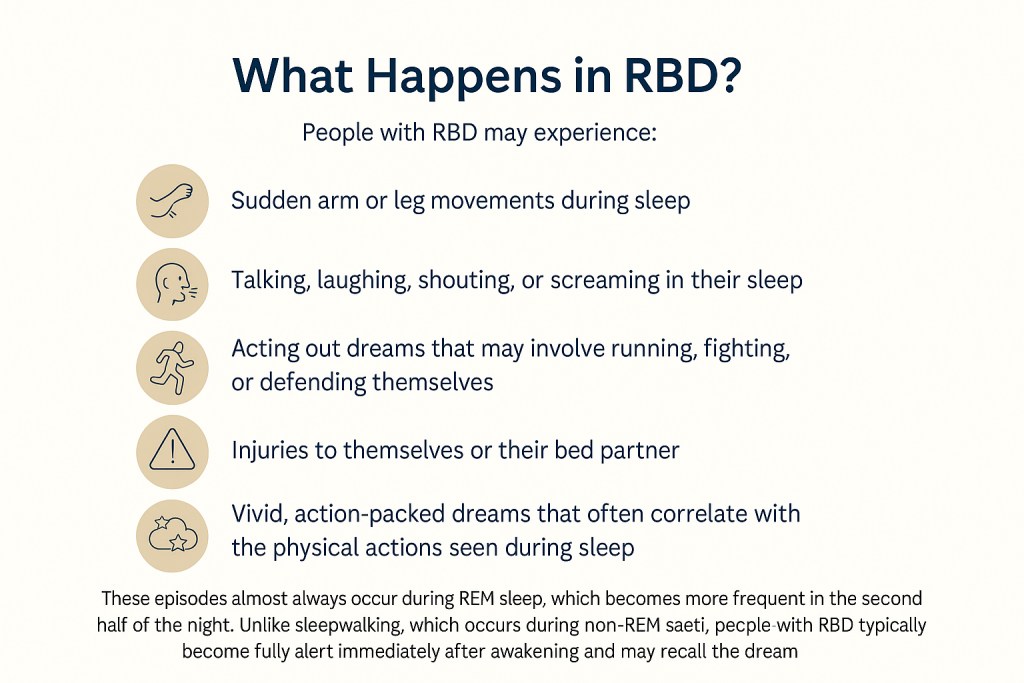
What Happens in RBD?

People with RBD may experience:

  • Sudden arm or leg movements during sleep.
  • Talking, laughing, shouting, or screaming in their sleep.
  • Acting out dreams that may involve running, fighting, or defending themselves.
  • Injuries to themselves or their bed partner.
  • Vivid, action-packed dreams that often correlate with the physical actions seen during sleep.
what happens in RBD

These episodes almost always occur during REM sleep, which becomes more frequent in the second half of the night. Unlike sleepwalking which occurs during non-REM sleep, people with RBD typically become fully alert immediately after awakening and may recall the dream they were experiencing.

Causes of REM Sleep Behavior Disorder

The exact cause of RBD is still being researched, but scientists believe it’s related to dysfunction in the brainstem areas responsible for regulating muscle tone during REM sleep. Several underlying causes and contributing factors have been identified:

1. Neurodegenerative Diseases

There is a well-established link between REM Sleep Behavior Disorder and several neurodegenerative diseases, particularly those characterised by the abnormal buildup of a protein called alpha-synuclein in the brain. These conditions include:

  • Parkinson’s Disease A progressive disorder of the nervous system that primarily affects movement. It often begins with tremors, muscle stiffness, and slowed movements, and can later involve cognitive and emotional challenges.
  • Dementia with Lewy Bodies A type of progressive dementia marked by visual hallucinations, fluctuating cognition, and symptoms similar to Parkinson’s. It is caused by abnormal protein deposits (Lewy bodies) that disrupt brain function.
  • Multiple System Atrophy (MSA) A rare and rapidly progressive neurological disorder affecting the autonomic nervous system (which controls involuntary functions like blood pressure) as well as movement. It shares some features with Parkinson’s but tends to worsen more quickly.

Significantly, research shows that up to 80% of individuals diagnosed with idiopathic RBD, meaning the disorder arises without a known cause, may go on to develop one of these neurodegenerative conditions within 10 to 15 years. This has led many experts to consider RBD not just a sleep disorder, but potentially an early warning sign of neurological decline. Early detection can provide a valuable window for monitoring and preparing for future neurological symptoms.

2. Medications

Certain medications can trigger or exacerbate symptoms of REM Sleep Behaviour Disorder, particularly those that influence serotonin levels or directly affect the central nervous system. These medications may interfere with the brain’s normal control of muscle activity during REM sleep, increasing the likelihood of dream enactment behaivours.

Some of the most commonly associated medications include:

  • Selective Serotonin Reuptake Inhibitors (SSRIs) These are widely prescribed antidepressants, including fluoxetine (Prozac) and sertraline (Zoloft), which work by increasing serotonin levels in the brain. While effective for mood disorders, they can disrupt REM sleep and lead to abnormal motor activity during dreaming.
  • Tricyclic Antidepressants An older class of antidepressants, such as amitriptyline and nortriptyline. These medications also affect neurotransmitters involved in sleep regulation and have been linked to increased REM sleep disturbances in some individuals.
  • Withdrawal from Sedatives Suddenly stopping the use of benzodiazepines (e.g., diazepam, clonazepam) or alcohol can lead to rebound effects in the brain, disrupting normal sleep architecture and increasing the risk of RBD-like symptoms.

If you suspect that a medication may be contributing to unusual sleep behaviors, it’s important to consult with your healthcare provider. Do not stop or change medication doses without professional guidance, as withdrawal or abrupt changes can worsen symptoms or lead to other health complications.

3. Brainstem Lesions or Injuries

Damage to brainstem structures due to trauma, stroke, tumors, or multiple sclerosis can lead to RBD, as these regions play a critical role in REM sleep muscle inhibition.

4. Sleep Disorders and Environmental Factors

  • Narcolepsy is occasionally linked with RBD.
  • Chronic sleep deprivation
  • Alcohol use or withdrawal
  • Exposure to certain toxins

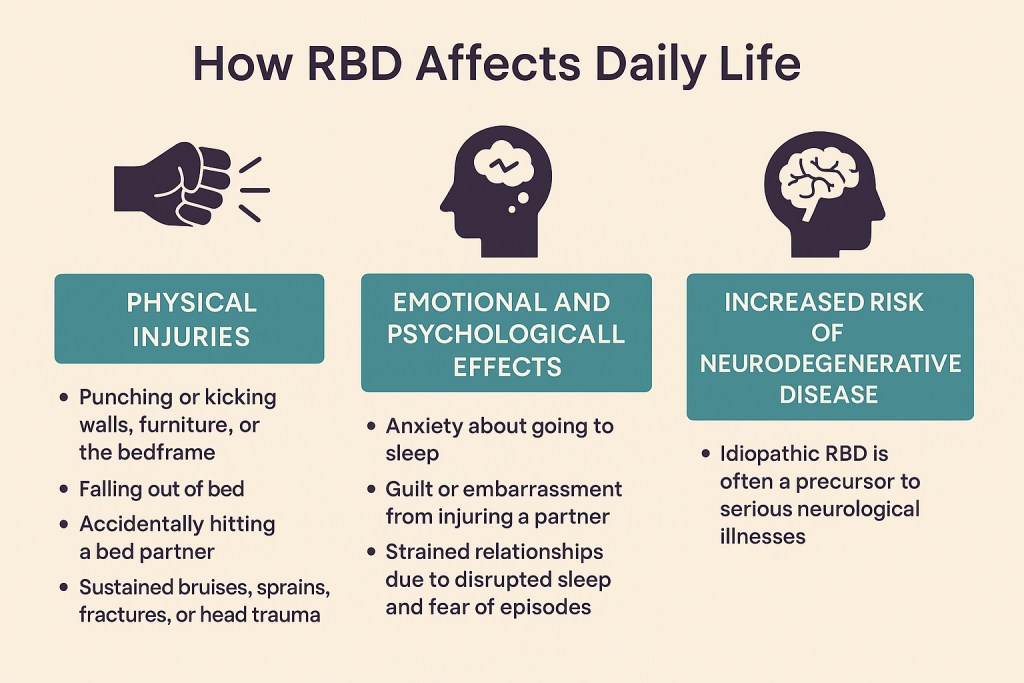
How RBD Affects Daily Life

RBD can have a significant impact on the individual and their sleep partner. While the physical behaviors occur during sleep, the consequences are very real:

Physical Injuries

  • Punching or kicking walls, furniture, or the bedframe.
  • Falling out of bed.
  • Accidentally hitting a bed partner.
  • Sustained bruises, sprains, fractures, or head trauma.

Emotional and Psychological Effects

  • Anxiety about going to sleep.
  • Guilt or embarrassment from injuring a partner.
  • Strained relationships due to disrupted sleep and fear of episodes.
how RBD affects daily life

Increased Risk of Neurodegenerative Disease

As mentioned earlier, idiopathic RBD is often a precursor to serious neurological illnesses, sometimes surfacing years before other symptoms arise.

Who Is at Risk for REM Sleep Behavior Disorder?

RBD is more common than many people think, particularly among certain populations. Here are the most notable risk factors:

  • Age: Primarily affects people over the age of 50, though younger individuals can also be affected, especially if they have narcolepsy or are taking certain medications.
  • Gender: Around 80–90% of diagnosed cases are men.
  • Neurological History: Individuals with Parkinson’s, dementia, or MSA are at much higher risk.
  • Family History: Genetics may play a role, though familial RBD is rare.
  • Medication Use: Use of antidepressants and other psychotropic drugs increases risk.
  • Head trauma or brain injuries
rapid eye movement sleep disorder

It’s important to note that RBD can occur in healthy individuals as well, though these cases are often temporary or linked to medication use.


Use our Sleep Cycle Calculator to discover the best bedtime and ideal sleep duration based on your age.

Sleep Calculator

Plan your optimal bedtime and wake-up times based on your body’s natural sleep cycles. Wake up refreshed and energized every morning.

Why Use This Calculator?

  • Calculate the ideal bedtime based on when you need to wake up
  • Find the optimal wake-up time based on when you go to bed
  • Work with your body’s natural 90-minute sleep cycles
  • Minimize grogginess and maximize morning energy
  • Based on sleep science research
Use Sleep Calculator

How REM Sleep Behaviour Disorder Is Diagnosed

Proper diagnosis of RBD typically involves both clinical interviews and sleep laboratory studies. Because many people are unaware of their nighttime behaviours, bed partner observations are often critical to diagnosis.

Steps in Diagnosis:

  1. Medical History and Symptom Discussion:
    • Frequency and nature of sleep-related behaviors.
    • Details about medications, neurological history, and family background.
  2. Sleep Diary or Questionnaires:
    • Useful for tracking patterns and triggers over days or weeks.
  3. Polysomnography (Sleep Study):
    • A comprehensive overnight sleep test in a lab.
    • Monitors brain waves, muscle activity, eye movements, heart rate, and breathing.
    • Video recording is often used to capture abnormal movements.
  4. Neurological Examination:
    • Screening for early signs of Parkinson’s or related conditions.

Early and accurate diagnosis is essential, not just to manage symptoms but also to monitor for the possible development of neurodegenerative disease.

Treatment and Management of RBD

While there is no known cure for REM Sleep Behavior Disorder, effective treatments are available to manage symptoms and reduce risk of injury. Treatment often involves a combination of medication, lifestyle adjustments, and environmental safety changes.

1. Medications

  • Clonazepam (Klonopin):
    • A long-acting benzodiazepine.
    • Considered the most effective and commonly prescribed drug for RBD.
    • Reduces dream enactment behaviors in most patients.
    • Side effects include drowsiness, confusion, and increased fall risk in elderly.
  • Melatonin:
    • A natural hormone that regulates the sleep-wake cycle.
    • Often used as a safer alternative to clonazepam, especially in older adults.
    • May take several weeks to show benefits but is generally well tolerated.
  • Others:
    • Pramipexole and donepezil (used in Parkinson’s and Alzheimer’s) have shown some benefit in specific cases.

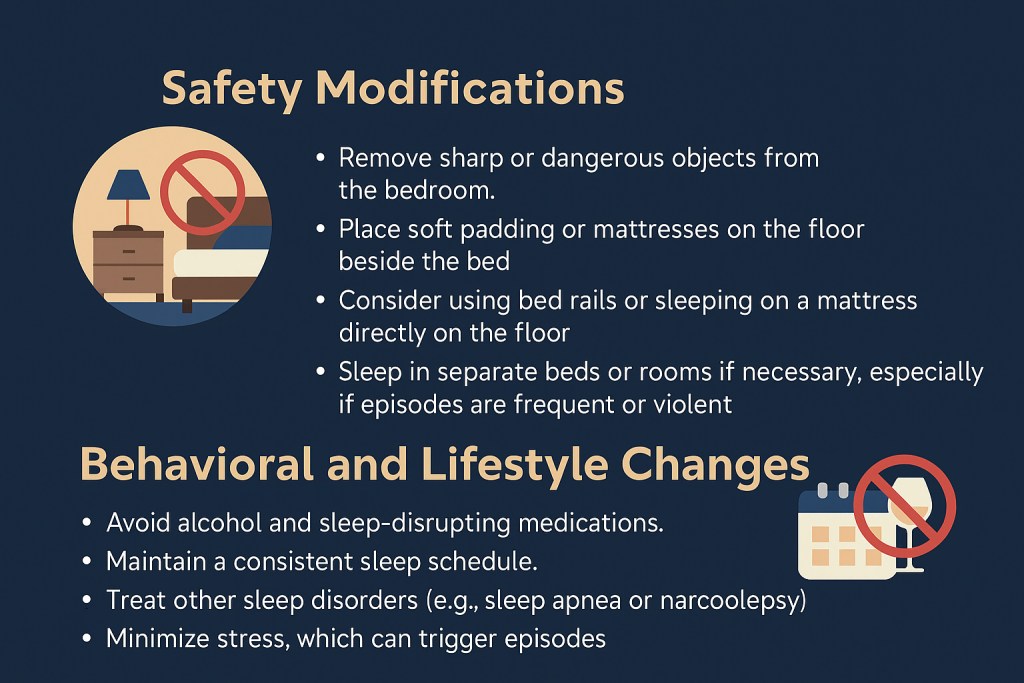
2. Safety Modifications

Making the sleep environment safe is critical to prevent injury:

  • Remove sharp or dangerous objects from the bedroom.
  • Place soft padding or mattresses on the floor beside the bed.
  • Consider using bed rails or sleeping on a mattress directly on the floor.
  • Sleep in separate beds or rooms if necessary, especially if episodes are frequent or violent.

3. Behavioural and Lifestyle Changes

  • Avoid alcohol and sleep-disrupting medications.
  • Maintain a consistent sleep schedule.
  • Treat other sleep disorders (e.g., sleep apnea or narcolepsy).
  • Minimize stress, which can trigger episodes.

Living With RBD: Long-Term Considerations

Living with REM Sleep Behavior Disorder often requires more than just treating symptoms it involves long-term vigilance and possibly ongoing monitoring for neurological decline. Since idiopathic RBD is strongly linked to Parkinsonian disorders, individuals diagnosed with it may undergo periodic neurological evaluations to detect early signs.

Tips for Long-Term Management:

  • Establish a close relationship with a sleep specialist or neurologist.
  • Keep a detailed sleep journal to track patterns or changes.
  • Educate bed partners and family members about the condition.
  • Stay informed about new research and treatment advances.

Final Thoughts: A Better Night’s Sleep Starts with Understanding

RBD is a serious sleep condition, but it does not have to control your life. With the right knowledge, care, and sleeping environment, people with RBD can still enjoy safe, peaceful nights.

At Luxe Mattresses, we believe every person deserves restful sleep. Our mattresses are designed for stability, comfort, and support, helping you and your partner feel secure no matter how you sleep. If you or a loved one has experienced unusual sleep movements or vivid dreams followed by physical activity, speak with a doctor. And make sure your bed is equipped to support your sleep journey safely.

Better sleep starts here.

luxe beds
July 21, 2025

Relaxed Luxury, Redefined: Inside the Design of a Luxe Loaf Bed

When it comes to redefining comfort and elegance in the bedroom, the Luxe Loaf Bed stands in a league of its own. Designed with a laid-back aesthetic and premium functionality, a Luxe Loaf Bed offers a unique blend of indulgence, versatility, and everyday practicality. If you’re considering investing in a new bed that complements both your lifestyle and your space, a Luxe Loaf Bed might be exactly what you’re looking for.

Luxe Divan bed
Luxe Divan bed

In this article, we’ll explore in detail what makes the Luxe Loaf Bed special, how it can be customized to suit your needs, and why it’s become a must-have in stylish and functional bedrooms. From ottoman lift systems to divan drawer configurations, and fabric choices to headboard styles, Luxe allows you to tailor your bed, your way.

What Is a Luxe Loaf Bed?

A Luxe Loaf Bed is more than just a frame for your mattress; it’s a statement piece. Characterized by its soft, plush upholstery, tailored headboard options, and modular storage configurations, this bed type combines elevated style with day-to-day functionality.

At the core of the Luxe design philosophy is relaxed luxury. That means:

  • Comfort without compromise
  • Storage that blends seamlessly with design
  • Customization options that feel personal and intentional

The result is a bed that not only supports your sleep but also elevates your entire bedroom space.

Step 1: Choosing the Right Base

Luxe offers several base types, each tailored to different functional and aesthetic needs. Let’s look at the main options available in Luxe Loaf Divan:

1. Simple Base (No Storage)

  • Sleek and minimalist
  • Ideal for clean, contemporary spaces where extra storage isn’t necessary
  • Great for lighter room aesthetics or when placed in guest bedrooms

This base type keeps things uncluttered while offering firm mattress support.

luxe loaf divan bed

2. Divan Base with Drawers

  • Upholstered for a clean and cohesive look
  • Comes with up to 4 drawers
  • Drawer placement can be customized (sides or foot of bed)
  • Perfect for storing extra linens, duvets, seasonal clothing, or personal items

Divan bases are popular for those who value organized, discreet storage without lifting or shifting the mattress.

3. Ottoman Base (Side-Up or Bottom-Up)

A true favourite among Luxe customers, the luxe loaf ottoman base maximises under-bed storage while maintaining a seamless appearance.

Bottom-Up Ottoman

  • Opens from the foot of the bed
  • Ideal if you have more clearance at the base
  • Best for rooms with symmetrical space or open layout
loaf ottoman bottom up

Side-Up Ottoman

  • Opens from the side (left or right configuration)
  • Great for narrow bedrooms or where one side of the bed is more accessible
lu

Both types include gas-lift hydraulics that make lifting smooth and effortless no tugging, no hassle.

4. Settler Base (Wooden Grill Base)

  • A slatted wooden base
  • Provides increased airflow to the mattress
  • Lightweight and practical
  • Perfect for hot sleepers or minimalist decor lovers

This base works particularly well with natural latex or memory foam mattresses, enhancing breathability.

Step 2: Custom Ottoman Mechanisms

If you choose an ottoman base, Luxe lets you tailor the lift orientation based on your room layout. This is especially useful in maximizing convenience without compromising space.

  • Bottom-up: Best for foot-of-the-bed access
  • Side-up: Best for tight spaces or corner installations

Both options use heavy-duty gas-lift pistons that hold the mattress up safely and securely.

Step 3: Divan Drawer Configurations

Storage customization continues with the divan base. Here’s how you can personalize it:

  • Two drawers: Included by default in most Luxe designs
  • Four drawers: Optional upgrade (+£60) for full-length storage access
  • Foot drawers: Ideal for easy access at the end of the bed
  • Side drawers: Perfect if you prefer side access or have limited foot space

Divan drawers are smooth, soft-close, and built into the bed frame for an integrated, streamlined appearance.

Step 4: Headboards and Fabrics

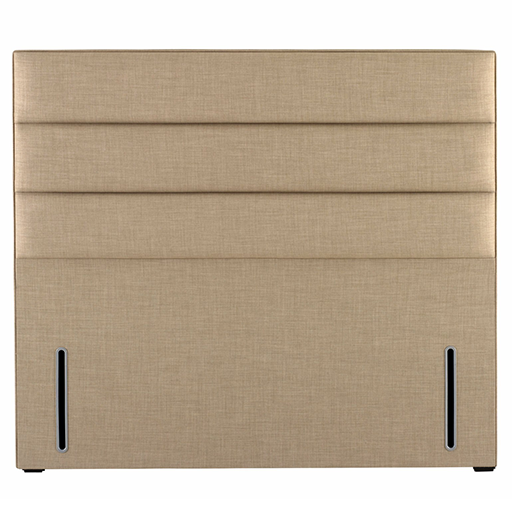
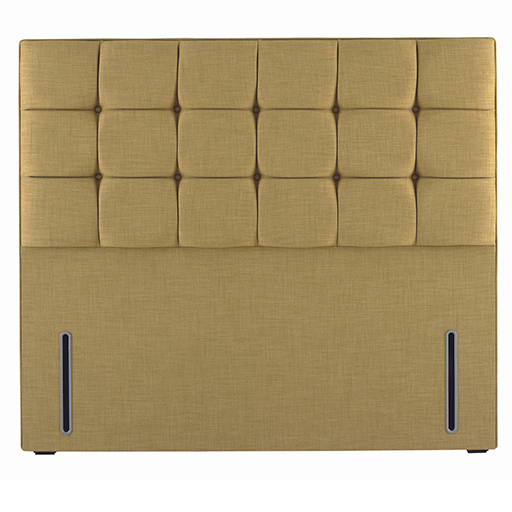
No Luxe Loaf Bed is complete without choosing the perfect headboard and fabric combination. Luxe offers 24 headboard designs and a variety of luxurious fabrics including:

  • Linen
  • Velvet
  • Tweed
  • Brushed cotton

You can opt for headboards that are:

  • Tall or low-profile
  • Tufted or smooth
  • Curved or straight-edged

Whether you prefer a bold, plush hotel feel or a relaxed, bohemian design, there’s a headboard style that matches your bedroom vibe.

Why Choose a Luxe Loaf Bed?

Here’s what sets Luxe Loaf Beds apart from the rest:

1. Relaxed Luxury in Every Detail

  • Soft, upholstered finishes bring hotel-grade comfort home
  • Custom elements feel both elegant and intentional
  • Great for both minimalist and maximalist room designs

2. Fully Customizable Storage

  • Mix and match drawer and ottoman options to suit your lifestyle
  • No need for bulky under-bed bins or dressers
  • Efficient use of space in modern homes or apartments

3. Built to Last

  • Hydraulic components are tested for durability
  • Strong wooden slats and frames
  • Reinforced edges and stitching

4. Room-Friendly Options

  • Side-opening ottomans for tight spaces
  • Foot-opening for symmetrical rooms
  • Divan drawers that work in any setup

5. Effortless Style

  • Neutral fabric tones or bold textures
  • Headboard styles from cozy to contemporary
  • Fits seamlessly with Luxe mattresses and decor

Styling Tips for Your Luxe Loaf Bed

Creating a bedroom around your Luxe Loaf Bed is easy when the bed does most of the aesthetic heavy lifting. Here are a few tips:

  • Choose light linen or cream velvet for airy, minimalist spaces
  • Opt for charcoal or navy fabrics for a moody, modern look
  • Match your headboard style with your bedroom wall panels or decor
  • Add plush throws and oversized pillows for a relaxed, layered feel

The Luxe Loaf Bed adapts beautifully to seasonal decor, minimalist themes, or layered maximalism.

Final Thoughts: Is a Luxe Loaf Bed Right for You?

If you want a bed that combines the visual appeal of a designer piece with the practical needs of everyday life, the Luxe Loaf Bed is the perfect match. Its fully customisable base, thoughtful storage solutions, and luxury-grade fabrics offer not just a place to sleep, but a foundation for your personal sanctuary.

Whether you opt for a drawer divan, a space-saving side-up ottoman, or a breathable settler base, Luxe gives you the tools to design your sleep from the ground up.

Ready to build your dream bed? Start with Luxe.

do plants purify air and help in sleep
July 21, 2025

The Science of Plant-Based Air Purification and Better Sleep

Sleep is one of the most vital components of our health. It’s the time when the body resets, repairs, and rejuvenates. However, millions of people struggle to fall asleep or stay asleep due to various factors, one of which is poor air quality in their living space. While sleep aids and high-tech air purifiers are common solutions, nature offers a simpler, more sustainable option: indoor plants.

Plants are more than just beautiful decorations. Certain varieties can actively improve the air you breathe and enhance the conditions needed for deep, restorative sleep. In this article, we’ll explore the science behind plant-based air purification and how it can contribute to better sleep quality. We’ll also highlight specific plants known for their nighttime benefits and provide practical tips on incorporating them into your bedroom environment.

The Air You Breathe and Sleep Quality

Why Air Quality Matters at Night

When you’re asleep, your body goes into a restorative mode, repairing tissues, consolidating memories, and balancing hormones. However, this recovery process can be easily disrupted by poor indoor air quality, which often worsens at night.

At bedtime, most people close windows and doors to reduce noise, light, or outdoor temperature changes. While this creates a quiet and comfortable environment, it also reduces ventilation. As a result, airborne pollutants can build up overnight, affecting both your physical health and quality of sleep.

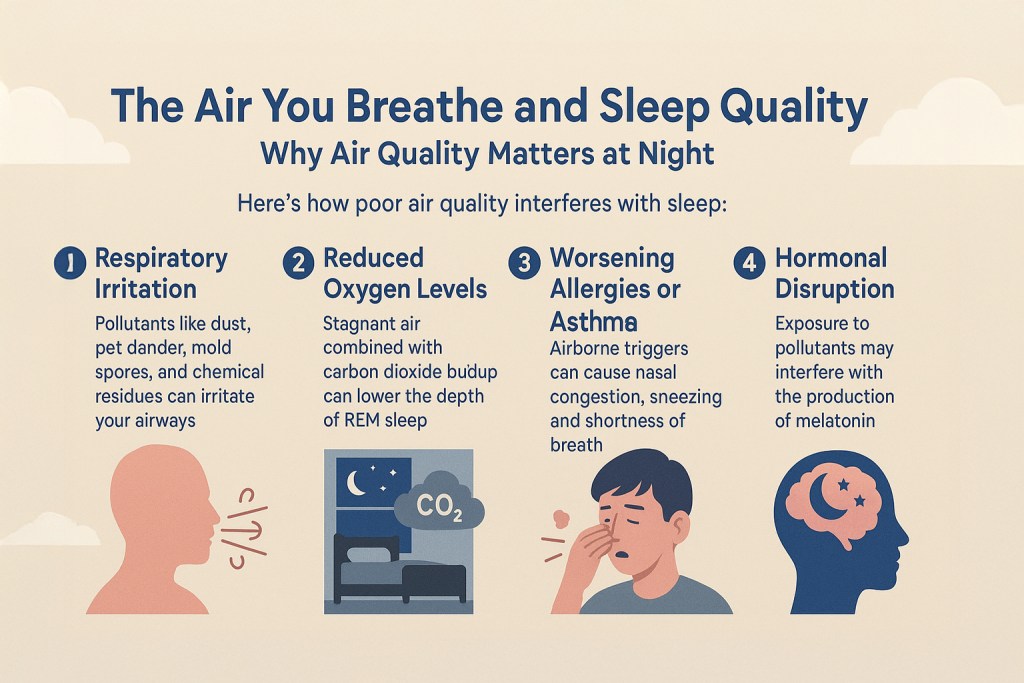
Here’s how poor air quality interferes with sleep:

  1. 1. Respiratory Irritation Pollutants like dust, pet dander, mold spores, and chemical residues (from cleaning products, paints, or furniture) can irritate your airways. This may lead to sleep apnea, coughing, wheezing, or even mild sleep apnea, causing you to wake up frequently or feel unrested in the morning.
  2. 2. Reduced Oxygen Levels Stagnant air combined with carbon dioxide buildup, especially in rooms without plants or proper ventilation, can lower the amount of fresh oxygen available. Less oxygen in the room can reduce the depth of REM (Rapid Eye Movement) sleep, which is the most restorative stage of the sleep cycle.
  3. 3. Worsening Allergies or Asthma If you suffer from allergies or asthma, airborne triggers can cause flare-ups during the night. This may include nasal congestion, sneezing, shortness of breath, or tightness in the chest, all of which can interrupt your sleep.
  4. 4. Hormonal Disruption Clean air plays a subtle but important role in maintaining your body’s natural circadian rhythm, the internal clock that regulates sleep and wakefulness. Exposure to VOCs and poor oxygenation may interfere with the production of melatonin, the hormone responsible for making you feel sleepy. Inadequate melatonin levels can lead to insomnia or restless sleep.
how poor air quality affects sleep

In short, even if your room looks clean, invisible pollutants in the air can seriously undermine your ability to sleep well. That’s why improving air quality in your bedroom, through plants, better airflow, and fewer synthetic chemicals, is a powerful yet often overlooked way to support healthier sleep.

How Plants Help Purify the Air

NASA’s Clean Air Study

One of the foundational studies on this topic is the NASA Clean Air Study (1989), which identified several common houseplants capable of filtering out toxins such as:

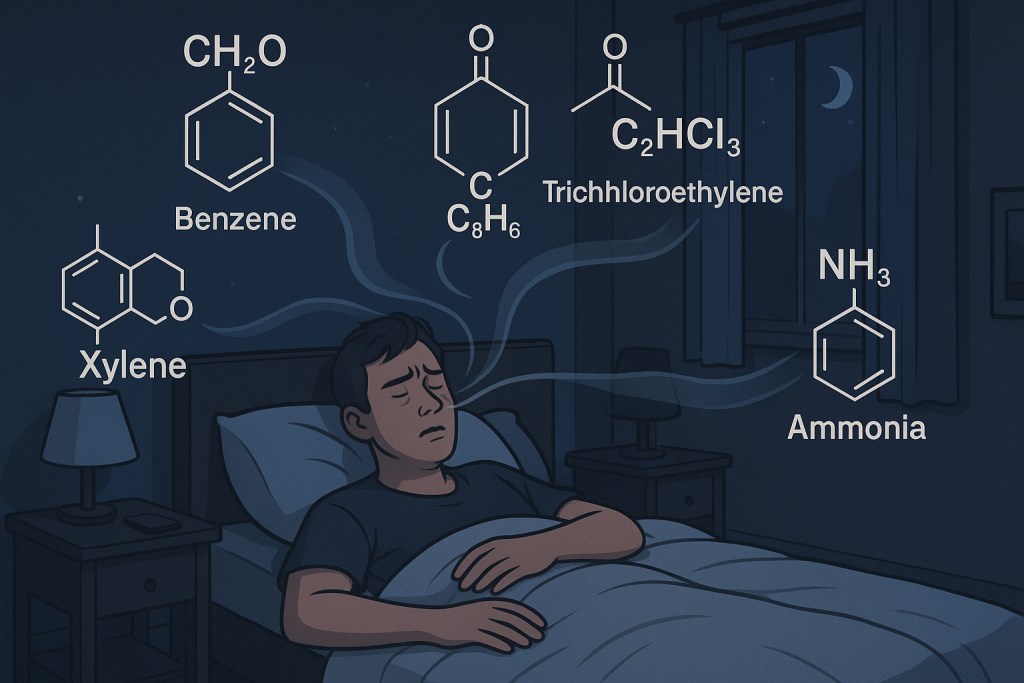
Common Indoor Air Pollutants That Affect Sleep

Even in well-kept homes, the air often contains invisible pollutants that can harm your health—especially while you sleep. Here are some of the most common culprits:

1. Formaldehyde

  • What it is: A colorless, strong-smelling gas used in many household products.
  • Where it comes from:
    • Pressed-wood furniture (like particleboard and plywood)
    • Carpets and rugs with synthetic backing
    • Tobacco smoke
    • Household cleaners and glues
  • Health effects: Can irritate the eyes, nose, and throat, trigger asthma, and disrupt respiratory function, especially during sleep when your body is more sensitive. for more details please read here.

2. Benzene

  • What it is: A volatile organic compound (VOC) and known carcinogen.
  • Where it comes from:
    • Paints and varnishes
    • Synthetic fibers
    • Plastics and rubber products
    • Vehicle exhaust that seeps indoors
  • Health effects: Long-term exposure can harm the nervous system and immune function. In the short term, it may cause dizziness, headaches, and breathing difficulties, all of which can interfere with restful sleep.
how different chemicals interferes with sleep

3. Trichloroethylene (TCE)

  • What it is: A solvent primarily used in industrial degreasing and dry cleaning.
  • Where it comes from:
    • Dry-cleaned clothes
    • Certain cleaning products
    • Adhesives and paint removers
  • Health effects: TCE is linked to dizziness, nausea, and sleep disturbances. Long-term exposure may contribute to liver and kidney damage.

4. Xylene

  • What it is: A flammable solvent often used in the printing, rubber, and leather industries.
  • Where it comes from:
    • Paint thinners and lacquers
    • Adhesives and sealants
    • Cigarette smoke
  • Health effects: Can cause headaches, drowsiness, and confusion, making it difficult to enter and maintain deep sleep.

5. Ammonia

  • What it is: A pungent gas commonly found in cleaning products.
  • Where it comes from:
    • Household cleaners (especially glass and bathroom cleaners)
    • Animal urine (in homes with pets)
  • Health effects: Even at low levels, ammonia can irritate the nose and throat, worsen asthma, and lead to sleep-disrupting respiratory issues.

The study found that plants not only absorb carbon dioxide but can also filter out harmful chemicals via their leaves, roots, and the microorganisms in their soil.

How the Purification Works

Plants purify air through multiple mechanisms:

how plants purify air for better sleep quality
  1. Photosynthesis During the day, plants take in carbon dioxide and release oxygen—a basic but vital process that improves oxygen availability indoors.
  2. Stomatal Uptake Small openings on plant leaves (stomata) absorb airborne pollutants. These chemicals are then broken down and neutralized.
  3. Microbial Interaction in Soil The soil in potted plants houses microorganisms that work symbiotically with plant roots to degrade toxins.
  4. Humidity Regulation Plants release water vapour during transpiration, which can slightly increase humidity. A balanced humidity level (between 40%–60%) can ease respiratory issues and improve comfort while sleeping.

Best Plants for Air Purification and Sleep

Not all plants are created equal when it comes to sleep support. Some are particularly effective due to their oxygen release patterns, scent profile, or air-filtering abilities, here is detailed list of plants which help you fall sleep.

1. Lavender (Lavandula angustifolia)

  • Benefits: Lavender is famous for its calming scent, which has been shown to lower heart rate, reduce anxiety, and improve sleep quality. While it’s not a top air purifier, its aromatherapeutic benefits are unrivaled.
  • Care Tips: Needs bright light, minimal watering.

2. Snake Plant (Sansevieria trifasciata)

  • Unique Feature: Releases oxygen at night (CAM plant), improving air quality when you’re asleep.
  • Air Purification: Removes formaldehyde, benzene, and xylene.
  • Care Tips: Extremely low maintenance, thrives on neglect.

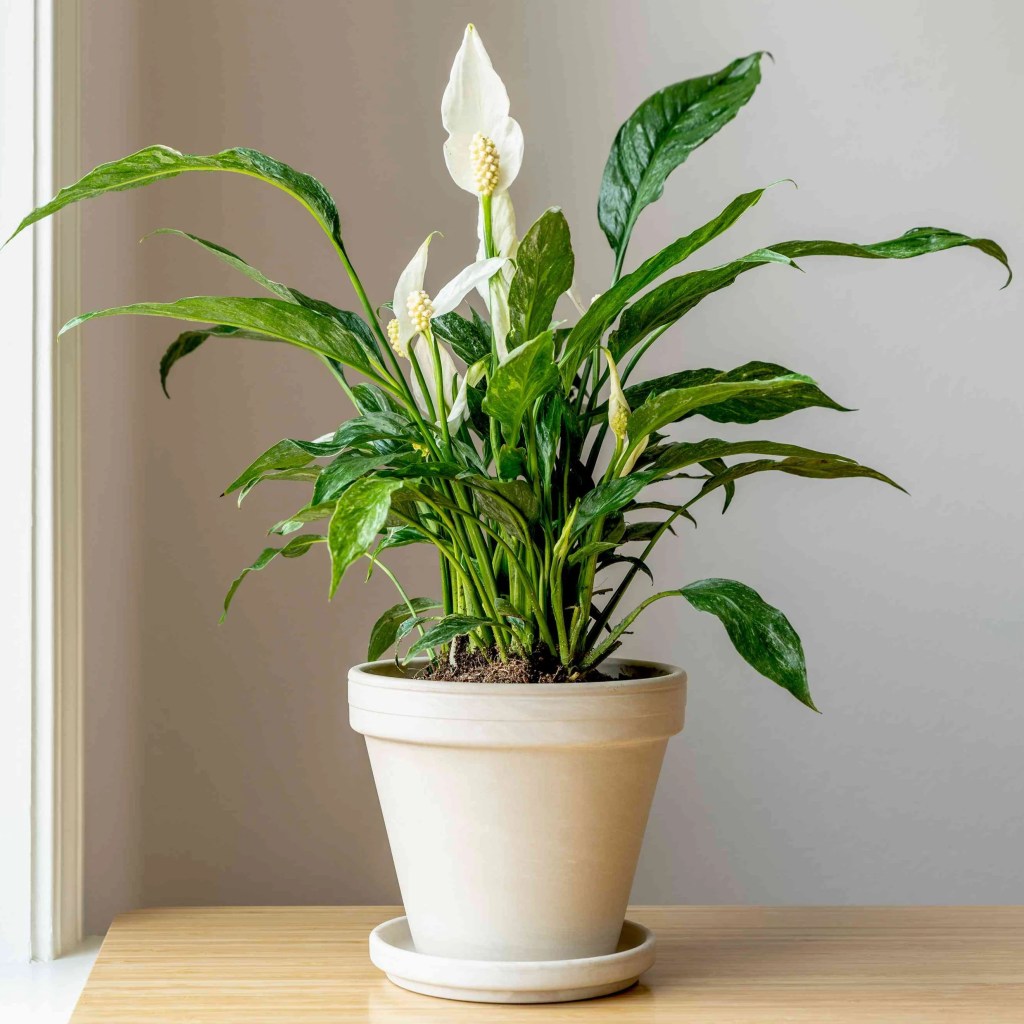
3. Peace Lily (Spathiphyllum)

  • Air Filtration: Removes benzene, formaldehyde, trichloroethylene, and ammonia.
  • Humidity Boost: Adds moisture to the air, which can soothe dry throats and nasal passages.
  • Care Tips: Likes low light; keep soil moist but not soggy.

4. Areca Palm (Dypsis lutescens)

  • Air Benefit: Excellent natural humidifier, removing airborne toxins.
  • Aesthetic: Lush and tropical; perfect for bedroom corners.
  • Care Tips: Needs indirect light and regular watering.

5. Aloe Vera

  • Air Filtration: Emits oxygen at night.
  • Additional Benefit: Its gel can be used to treat burns and skin irritations.
  • Care Tips: Requires bright light and minimal watering.

The Role of Scent and Aromatherapy in Sleep

While some plants purify the air, others contribute to better sleep in a different way, through their scent. Plants like lavender, jasmine, and gardenia release natural fragrances that can have a powerful impact on your mood, stress levels, and sleep quality. This effect is due to how scent interacts with your brain.

How Scent Affects the Brain and Sleep

Your sense of smell, or olfactory system, is directly connected to areas of the brain involved in emotion, memory, and nervous system regulation. When you inhale a calming scent, here’s what happens:

  1. Activation of the Amygdala and Hippocampus These two parts of the brain help regulate emotional responses. Pleasant scents stimulate them in ways that promote feelings of relaxation and emotional comfort, preparing your body for rest.
  2. Reduction in Cortisol (Stress Hormone) Levels Soothing scents like lavender and jasmine have been shown in studies to lower cortisol, the hormone responsible for stress. Lower cortisol makes it easier for your mind to settle, reducing anxiety or racing thoughts that often keep people awake.
  3. Stimulation of the Parasympathetic Nervous System The body has two main nervous system states: the sympathetic (“fight or flight”) and the parasympathetic (“rest and digest”). Inhaling calming plant aromas encourages a parasympathetic response, slowing your heart rate, lowering blood pressure, and making it easier to fall asleep naturally.

What the Research Says

Scientific studies back up the calming power of plant-based scents:

  • Lavender: Numerous studies have shown that lavender can increase the amount of time spent in slow-wave sleep(deep sleep) and reduce nighttime awakenings. It’s particularly effective in reducing mild insomnia and improving sleep quality in both adults and children.
  • Jasmine: Known for its sweet and exotic fragrance, jasmine has been linked to increased sleep efficiency and even reduced anxiety when used in aromatherapy.
  • Gardenia: Though less researched than lavender, gardenia has shown sedative effects similar to low-dose valium in some studies, offering a natural alternative to sleep medications.

Ways to Use Aromatic Plants for Sleep

  • Place a potted lavender or jasmine plant near your bed or window.
  • Gently crush a few leaves before bedtime to release more fragrance.
  • Use essential oils or dried flowers in a diffuser if live plants aren’t practical.
  • Consider using a linen spray made from natural plant oils to scent your pillows and sheets.

Incorporating these fragrant plants into your nighttime environment doesn’t just make your space more inviting, it helps your body and brain unwind more easily, setting the stage for deep, uninterrupted sleep.

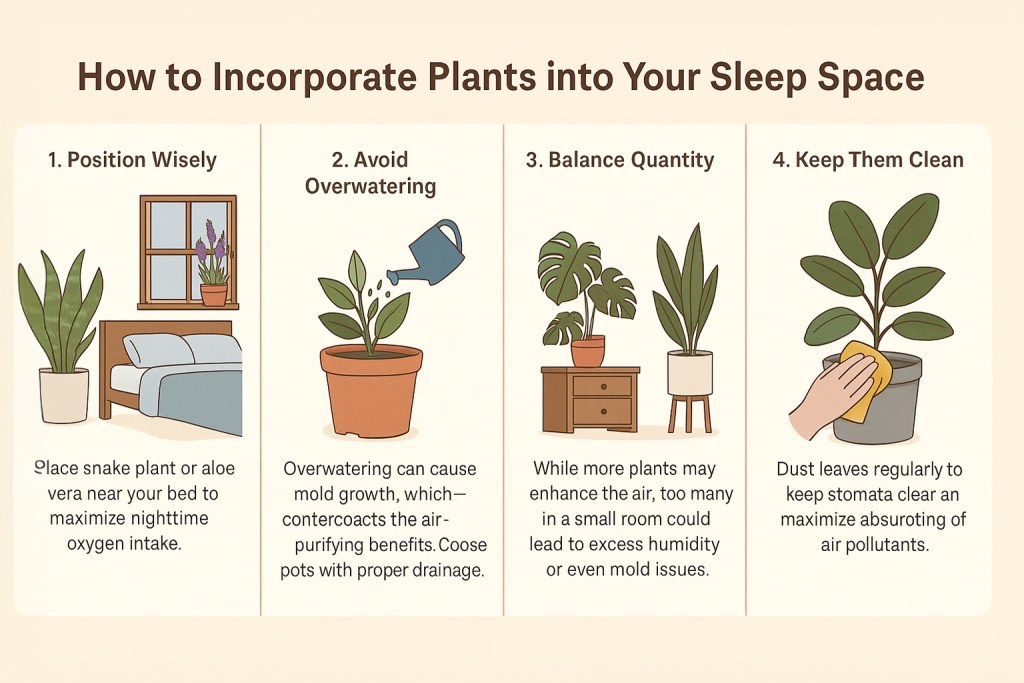
How to Incorporate Plants into Your Sleep Space

Adding plants to your bedroom isn’t just about putting a pot on a nightstand. Here are some strategies to optimise their impact:

where to put plants in bedroom

1. Position Wisely

  • Place snake plant or aloe vera near your bed to maximise nighttime oxygen intake.
  • Use lavender or jasmine near a window or airflow source to distribute their aroma.

2. Avoid Overwatering

  • Overwatering can cause mold growth, which counteracts the air-purifying benefits.
  • Choose pots with proper drainage.

3. Balance Quantity

  • While more plants may enhance the air, too many in a small room could lead to excess humidity or even mold issues.

4. Keep Them Clean

  • Dust leaves regularly to keep stomata clear and maximise absorption of air pollutants.

Myths and Misconceptions

Do Plants Take Oxygen at Night?

This is partly true for most plants. However, CAM (Crassulacean Acid Metabolism) plants, like snake plant and aloe vera, release oxygen at night, making them ideal for bedrooms.

Are Plants Enough to Purify Indoor Air?

While plants contribute meaningfully, they’re not a substitute for proper ventilation or HEPA filters, especially in polluted urban environments. Still, they offer psychological and physical benefits that synthetic purifiers don’t.

Mental Health and the “Biophilic Effect”

Beyond air quality, there’s a psychological principle called the biophilic effect, which suggests that being around nature (or representations of nature) reduces stress and promotes well-being. Studies have found that:

  • Bedrooms with houseplants create a more peaceful ambiance
  • People feel more relaxed and less anxious in plant-filled rooms
  • Exposure to natural elements indoors correlates with better sleep patterns

Final Thoughts: Let Plants Tuck You In

The intersection of nature and science offers us a beautiful, low-effort path to better sleep. By selecting the right plants and incorporating them thoughtfully into your bedroom, you’re not just decorating, you’re curating a space that supports physical, mental, and emotional rest.

So, next time you’re struggling to fall asleep, don’t just reach for the melatonin bottle. Consider adding a snake plant to your nightstand or a lavender pot on your windowsill. Sleep, after all, is a natural process and nature might just be the best way to nurture it.

sleep cycles & stages
July 19, 2025

The Science Behind Sleep Cycles: Why Timing Matters More Than Hours

If you’re like me, you might find that after sleeping for 7 or 8 hours, you still feel tired, while 5 or 6 hours on other days can leave you feeling good. This baffled me until I learned about sleep cycles. Knowing when you wake up is as important as how long you sleep; sometimes, we don’t get the recovery our bodies need. Many people confuse sleep, naps, and rest; they are different, and one cannot replace the other.

Let me walk you through the science, and by the end of this, I promise you’ll be using a sleep calculator every night like I do.

What Are Sleep Cycles?

Sleep isn’t one big, continuous state of unconsciousness. It’s actually a sequence of repeating phases, called sleep cycles, that your brain and body go through multiple times each night. Each cycle typically lasts about 90 minutes, and we experience 4 to 6 cycles per night depending on sleep duration.

what are sleep cycles

Here’s what a typical sleep cycle looks like:

  1. Stage 1 (Light Sleep): This is that drifting-off moment. Your muscles relax, and your brain activity begins to slow down.
  2. Stage 2: Your body temp drops, heart rate slows, and you’re less likely to wake up from minor disturbances.
  3. Stage 3 (Deep Sleep): This is restorative sleep. It’s crucial for physical recovery and immune system function.
  4. REM Sleep (Rapid Eye Movement): Brain activity increases, you dream, and it supports memory and emotional processing.

We cycle through sleep stages all night, with more REM sleep in the second half. Not completing these cycles can lead to sleep deprivation, affecting your health and lifestyle. I recommend using a sleep debt calculator, which you can find in this guide on your phone or access directly. It will ask a few questions about your sleep routine and compare your answers to standards from the Sleep Health Journal and NHS website, letting you know if you’re sleep deprived.

Sleep Calculator

Plan your optimal bedtime and wake-up times based on your body’s natural sleep cycles. Wake up refreshed and energized every morning.

Why Use This Calculator?

  • Calculate the ideal bedtime based on when you need to wake up
  • Find the optimal wake-up time based on when you go to bed
  • Work with your body’s natural 90-minute sleep cycles
  • Minimize grogginess and maximize morning energy
  • Based on sleep science research
Use Sleep Calculator

Why Waking Up Mid-Cycle Feels So Terrible

Here’s the kicker: If you wake up during deep sleep, your brain is still in “offline mode.” That’s when you get that horrible groggy feeling known as sleep inertia. It can take up to 30 minutes to fully recover, sometimes longer.

In contrast, waking up during light sleep or REM is much easier. Your brain is closer to waking consciousness, making it less jarring.

I tested this by tweaking my wake-up time in 15-minute increments using a sleep calculator, and guess what? The difference was astonishing. On days I woke mid-cycle, I felt like I needed an IV drip of coffee. But when I timed it right, even if I got slightly less sleep, I felt fresher.

Why 8 Hours Isn’t a Magic Number

The idea that we all need 8 hours of sleep is more of a general guideline than a scientific truth. Some people thrive on 6.5 hours; others need 9. The key isn’t just total time but rather how many full cycles you complete.

how many hours of sleep do I need

Let’s say each cycle is 90 minutes. That means:

  • 5 cycles = 7.5 hours
  • 6 cycles = 9 hours

This is why tools like sleep calculators work. They estimate backward from your desired wake-up time, ensuring you complete a full number of cycles. I started using this sleep calculator nightly, and it completely changed my routine.

The Role of Circadian Rhythms

You can’t talk about sleep cycles without mentioning your circadian rhythm. Think of it as your internal clock, influenced by light and hormones. It regulates not just sleep, but digestion, body temperature, and hormone release.

If you go to bed and wake up at erratic times, your internal clock becomes confused, making it harder to fall asleep or wake naturally. A sleep calculator works best when paired with a consistent sleep schedule, aligned with your circadian rhythm.

Sleep Cycles & Performance

Research from the National Sleep Foundation and numerous clinical studies show that well-timed sleep improves: read our article for the side effects of sleep deprivation

  • Cognitive performance
  • Mood stability
  • Memory retention
  • Reaction time

Athletes use this science religiously. Even tech CEOs and entrepreneurs have turned to sleep coaching and timing calculators to improve output.

What Happens If You Don’t Complete Your Sleep Cycles?

Missing out on full sleep cycles regularly doesn’t just leave you feeling tired, it disrupts the very foundation of how your brain and body restore themselves. Each sleep cycle is composed of light sleep, deep sleep, and REM (rapid eye movement), and skipping or interrupting these stages night after night can create a ripple effect across multiple areas of your health.

When these restorative phases are frequently cut short, whether by poor sleep habits, stress, or an inconsistent schedule, your body never gets the chance to fully reset. Over time, this deprivation goes beyond tiredness. It impacts memory, immunity, emotional regulation, metabolism, and even your heart health.

Short-Term Effects

In the short term, interrupted or incomplete sleep cycles can lead to:

  • Cognitive Fog and Poor Focus: Without deep and REM sleep, your brain struggles to consolidate memory and stay alert.
  • Mood Swings and Irritability: REM sleep is essential for emotional regulation; a lack of it leads to quicker frustration, anxiety, or depressive moods.
  • Daytime Fatigue: You may feel like you’ve slept “enough,” but without completing full cycles, your body doesn’t truly rest, leaving you sluggish or “heavy-headed.”
  • Weakened Immune Response: Even one night of poor sleep can impair your immune function, making you more susceptible to illness.

Long-Term Effects

When incomplete sleep cycles become a long-term pattern, the consequences deepen:

  • Chronic Sleep Debt: Your body accumulates a deficit it can’t easily pay back, compounding physical and mental stress.
  • Higher Risk of Disease: Long-term sleep fragmentation is linked to cardiovascular disease, Type 2 diabetes, obesity, and even neurodegenerative diseases like Alzheimer’s.
  • Hormonal Imbalance: Disrupted sleep interferes with hormones like cortisol (stress), ghrelin (hunger), and melatonin (sleep), which regulate everything from appetite to mood.
  • Impaired Learning and Memory: Without consistent REM sleep, your brain loses the ability to process new information or store long-term memories efficiently.
  • Mental Health Issues: Chronic sleep issues can contribute to anxiety, depression, and even an increased risk of suicidal thoughts.

Should You Use a Sleep Calculator?

Absolutely and here’s why:

  • It prevents waking mid-cycle (no more sleep inertia)
  • Helps establish consistent sleep habits
  • Maximises recovery and alertness

If you’re a shift worker, a parent of young kids, or someone juggling multiple responsibilities, a sleep calculator could be your best friend.

Factors That Affect Your Sleep Cycles

Your sleep cycles can be easily disrupted by both lifestyle choices and underlying health conditions. Even if you’re getting the recommended hours of rest, these interruptions can prevent your brain from completing full sleep cycles, leaving you groggy or unrested.

Here are some common factors that can interfere:

Conditions like insomnia and sleep apnea are particularly harmful because they fragment your sleep, making it harder for your body to move through natural stages like deep and REM sleep, the very ones that help with memory, immune function, and emotional balance. Addressing these factors can dramatically improve your sleep quality and restore healthier cycles.

Final Thoughts: Make It Work for You

Once I started planning my bedtime using cycles rather than hours, mornings became easier. I now aim for 5 or 6 complete cycles and wake up during light sleep. My productivity, mood, and even workouts have improved.

Sleep smarter, not longer.

Start using a sleep calculator to determine your optimal bedtime, and let science do the heavy lifting. Trust me, your body and brain will thank you.

what is mattress hoover and do you really need one?
July 18, 2025

What Is a Mattress Hoover and Do You Really Need One?

If you’re serious about keeping your bed clean, fresh, and hygienic, a mattress hoover might be your new favourite tool. Designed specifically for deep-cleaning mattresses, these devices go beyond what standard vacuum cleaners can do. While it might sound like another overhyped gadget, the truth is that a mattress hoover can dramatically improve your sleep hygiene and extend the life of your mattress.

What Is a Mattress Hoover?

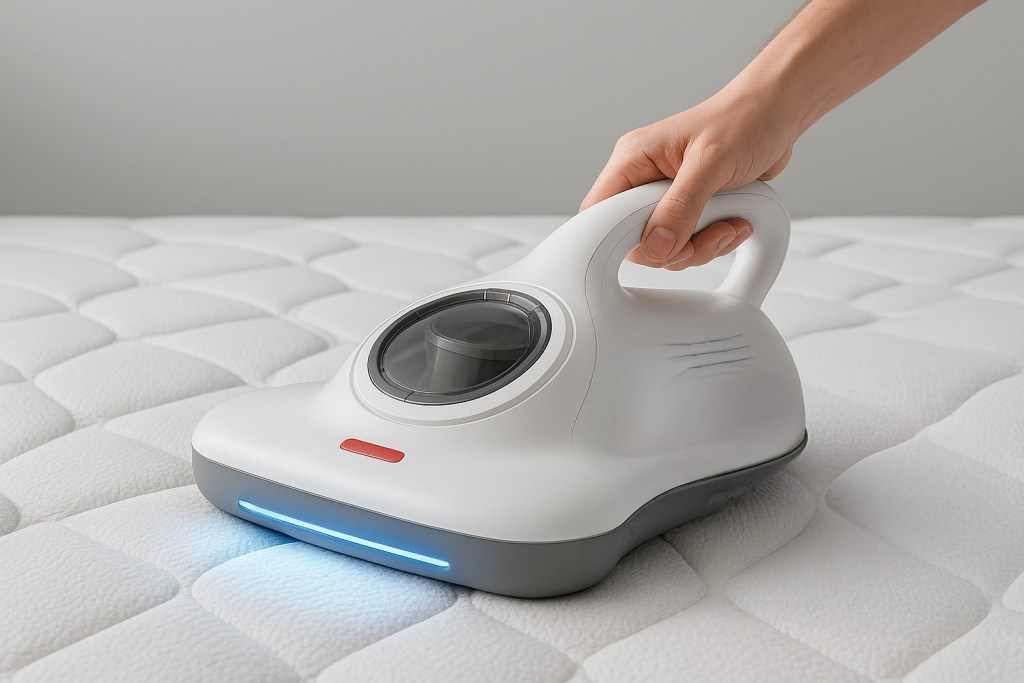
A mattress hoover, sometimes referred to as a mattress vacuum or vacuum cleaner for beds, is a specialised device designed to remove dust mites, allergens, pet dander, and even dead skin cells from your mattress. Unlike your everyday upright vacuum, these compact machines use a combination of strong suction, UV light, and sometimes heat or vibration to target the deep-seated dirt embedded within mattress fibres.

what is mattress hoover

These tools are especially popular among people with allergies, sensitive skin, or respiratory issues, as they help eliminate potential irritants that accumulate over time.

How Does a Mattress Hoover Work?

Mattress hoovers operate with a few key mechanisms:

  • High Suction Power: Strong suction removes fine particles like dust and skin flakes.
  • UV-C Light: Some models use ultraviolet light to kill bacteria, dust mites, and even viruses.
  • Vibration or Pulsation: This helps loosen deeply embedded particles from the fabric.
  • HEPA Filters: Many models include HEPA filtration to trap allergens and prevent them from recirculating.
how mattress hoover works

The idea is not just to clean the surface but to sanitise it thoroughly, making your sleep environment significantly healthier.

Do You Really Need One?

If you:

  • Wake up sneezing or congested
  • Suffer from allergies or asthma
  • Own pets that shed
  • Live in a humid environment
  • Share a bed or sweat at night

Then yes, a mattress hoover can be a worthwhile investment. Mattresses can hold up to 10 million dust mites, and standard cleaning methods often don’t reach the inner layers. Hoovering your mattress weekly or even monthly can help reduce these allergens and bacteria buildup.

How to Use a Mattress Hoover

Using one is incredibly simple:

  1. Strip the bedding completely.
  2. Plug in your mattress hoover and turn it on.
  3. Move slowly across the surface, covering every inch in long, even strokes.
  4. Use multiple passes over high-traffic areas (like where your back and hips rest).
  5. Clean filters after use (especially if using a HEPA filter).
how to use mattress hover

Pro tip: For best results, combine mattress hoovering with occasional steaming or sprinkling baking soda to absorb odours before vacuuming.

What to Look For in a Mattress Hoover

When choosing a mattress hoover, consider the following:

  • Suction Power: Look for at least 10,000 Pa for deep cleaning.
  • UV-C Sterilisation: If you’re concerned about germs.
  • HEPA Filtration: A must for allergy sufferers.
  • Corded vs Cordless: Corded models tend to have more power, while cordless offer convenience.
  • Weight and Ergonomics: Lightweight designs are easier to use on soft surfaces.

Also consider noise levels and whether it can double as a handheld hoover for furniture or upholstery.

If you’re shopping in the UK, some trusted brands include:

popular brands for mattress hoover

All of these options are available online through retailers like Amazon UK, Currys, or directly from the brand.

Price Range

Prices in the UK vary depending on features:

  • Budget: £50–£80 (basic handheld vacuums)
  • Mid-range: £90–£150 (UV light + suction models)
  • Premium: £150–£300+ (multi-functional with HEPA and smart sensors)

While higher-end models are more expensive, they often offer stronger cleaning power and last longer.

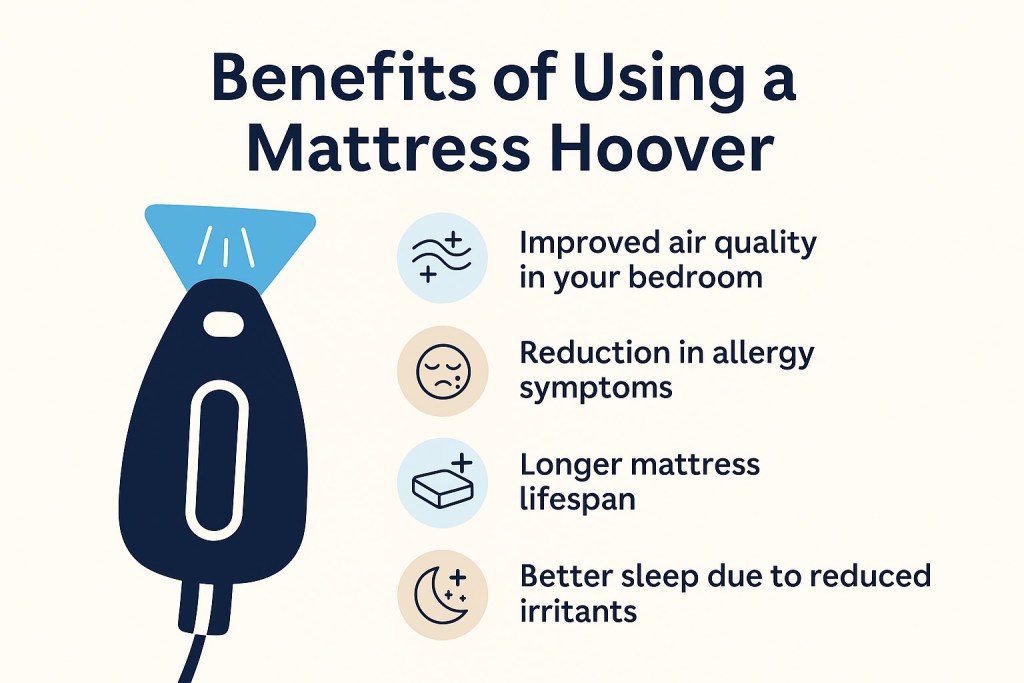
Benefits of Using a Mattress Hoover

Beyond cleanliness, regular use of a mattress vacuum provides several benefits:

benefits of using mattress hoover

Pair this with other good sleep hygiene practices, like using breathable bed linen and washing pillowcases weekly and you’ll feel a real difference.

Alternatives and Complementary Tools

You might also consider:

  • Steam Cleaners: Kills bacteria and removes stains, but be careful with memory foam.
  • Mattress Protectors: Prevent dirt buildup in the first place.
  • Upholstery Attachments: For use with traditional vacuums, not always as effective but better than nothing.

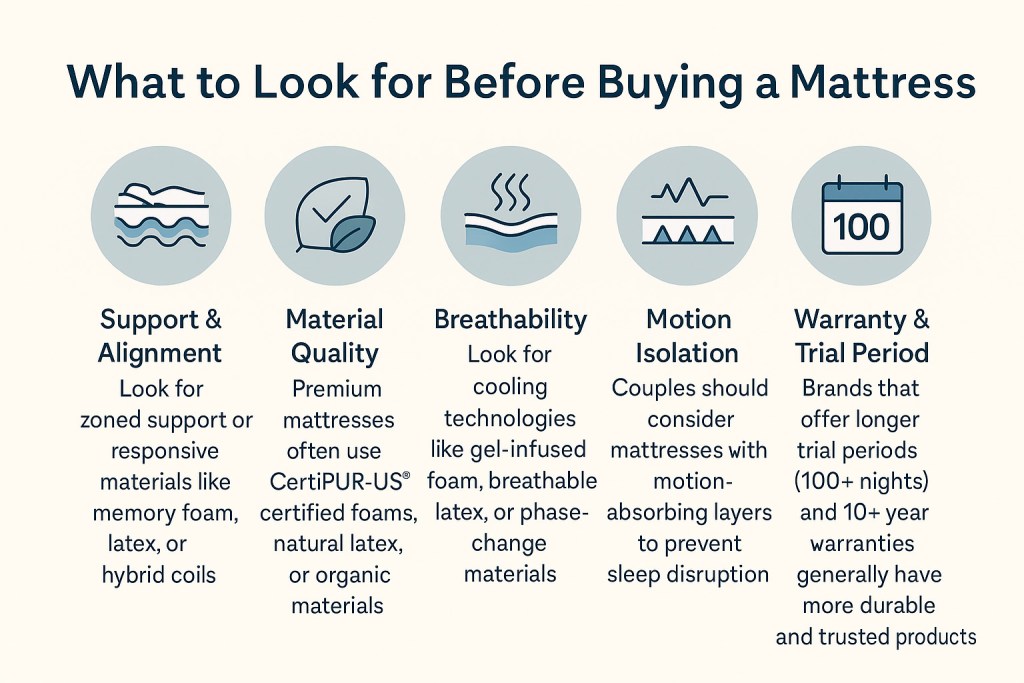
What to Look for Before Buying a Mattress

When shopping for a new mattress, it’s important to consider more than just comfort. Your mattress plays a critical role in sleep quality, physical health, and even hygiene. Here are key factors to keep in mind:

what to look before buying mattress
  • Support & Alignment: A mattress should maintain your body’s natural alignment. Look for zoned support or responsive materials like memory foam, latex, or hybrid coils.
  • Material Quality: Premium mattresses often use CertiPUR-US® certified foams, natural latex, or organic materials that offer longevity and reduced exposure to chemicals.
  • Breathability: Look for cooling technologies like gel-infused foam, breathable latex, or phase-change materials, especially if you sleep hot.
  • Motion Isolation: Couples should consider mattresses with motion-absorbing layers to prevent sleep disruption.
  • Warranty & Trial Period: Brands that offer longer trial periods (100+ nights) and 10+ year warranties generally have more durable and trusted products.

How Cheaper Mattresses Can Lead to Long-Term Problems

Budget-friendly mattresses might seem like a smart choice at first, but their lower construction standards often catch up with you. Here’s how:

problems with cheap mattress
  • Faster Deterioration: Low-density foams sag quickly and stop supporting the spine properly, leading to back and neck pain.
  • Heat Build-up: Inexpensive mattresses often lack cooling layers, trapping heat and making nights uncomfortable.
  • Allergen Accumulation: Cheaper mattresses are more porous and harder to clean, creating a breeding ground for dust mites, bacteria, and mould.
  • Off-Gassing: Poor quality materials can emit volatile organic compounds (VOCs), which may trigger allergies or headaches.
  • Poor Edge Support: Without reinforced edges, the sleeping area becomes smaller and unstable over time.

🛑 Bottom Line: You may save initially, but cheaper mattresses tend to require replacement within 2–4 years, and that hidden cost, along with potential health effects, often outweigh the upfront savings.

Do I Still Need a Mattress Hoover?

If You Have a Low-Quality Mattress:

Yes, you may benefit the most. Lower-grade mattresses absorb more dead skin, sweat, hair, and dust mites. Over time, these can trigger allergies, odours, and even affect sleep quality. A mattress hoover helps:

  • Remove debris from surface and seams
  • Sanitize using UV-C light (available in many models)
  • Reduce exposure to allergens and irritants
  • Prolong the usable life of your mattress

For families with pets or small children, using a mattress vacuum can be a practical, low-cost way to maintain hygiene on an otherwise low-performing mattress.

If You Own a Premium or Luxury Mattress:

Even though Premium mattresses come with hypoallergenic covers, anti-mite barriers, and antimicrobial layers, you can still benefit from a mattress hoover. Why?
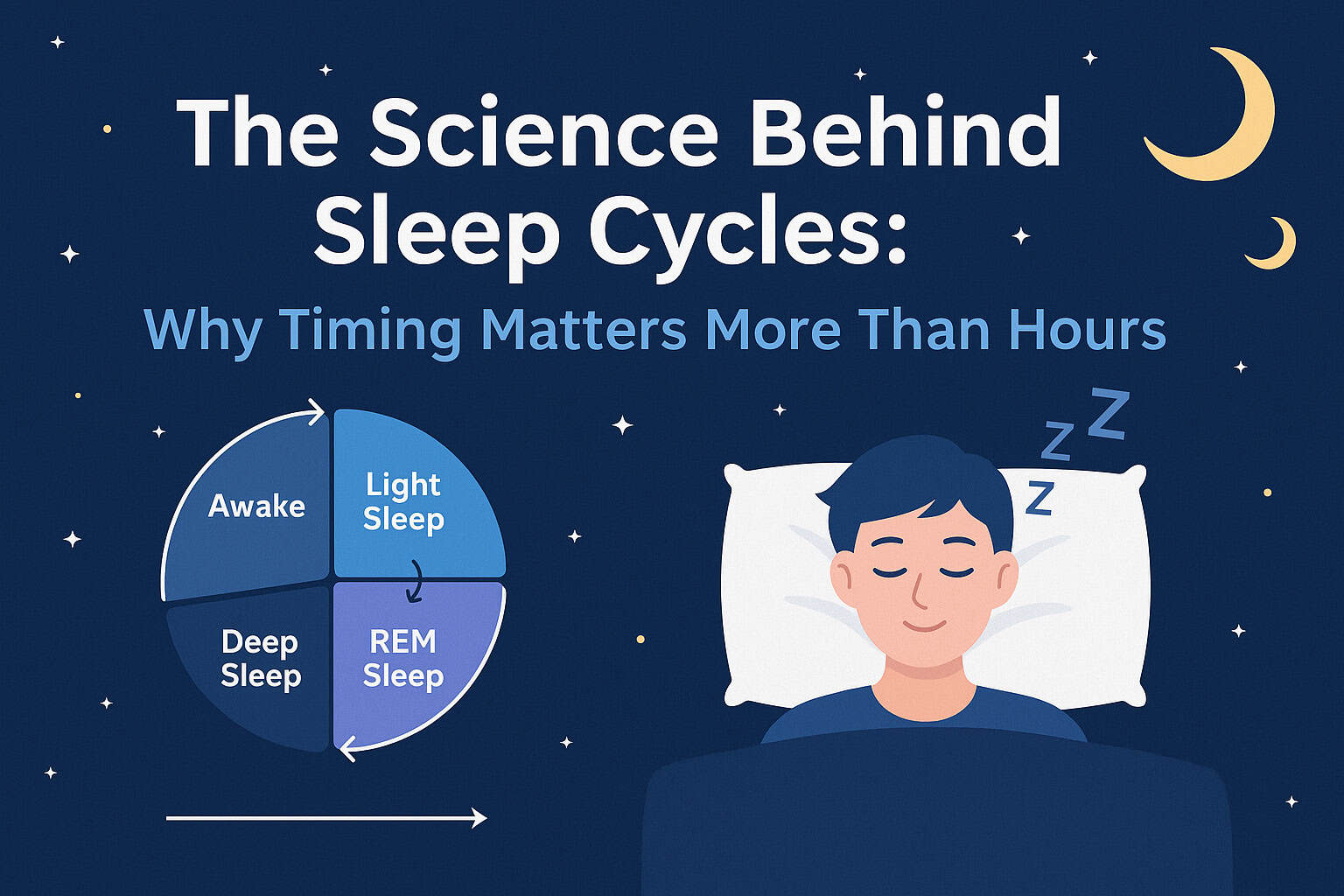
  • Dust still settles on the surface
  • Sweat and oils penetrate bedding layers over time
  • Even the best covers can’t block 100% of allergens

Brands like Luxe Mattresses, Emma, and Hypnos suggest regular maintenance to keep luxury materials in good condition. Please read this guide for how to clean and maintain your mattress.

Using a vacuum with HEPA filtration and UV light helps keep your investment clean, hygienic, and functioning at its best, especially for sensitive skin, asthma, or allergy sufferers.

Mattress Hoover + Premium Mattress = Best of Both Worlds

Think of a mattress hoover as a maintenance tool. Just like you’d wash a high-end car to keep it looking new, you clean your luxury mattress to maintain its health benefits.

luxury mattress

If your mattress is already breathable, dust-resistant, and hypoallergenic, a hoover can:

  • Extend its life even further
  • Prevent material degradation
  • Maintain a pristine, bacteria-free sleep surface

💡 Pro Tip: Use a mattress hoover monthly, and consider adding mattress protectors or breathable linen sheets to reduce build-up between cleans.

Final Thoughts

A mattress hoover isn’t a necessity for everyone, but for allergy-prone individuals or clean freaks, it’s a game-changer. It gives you peace of mind and a fresher, healthier bed to sleep on. It’s especially worth it if you’ve already invested in a luxury mattress, because what’s the point of sleeping on premium materials if they’re filled with hidden dust and debris?
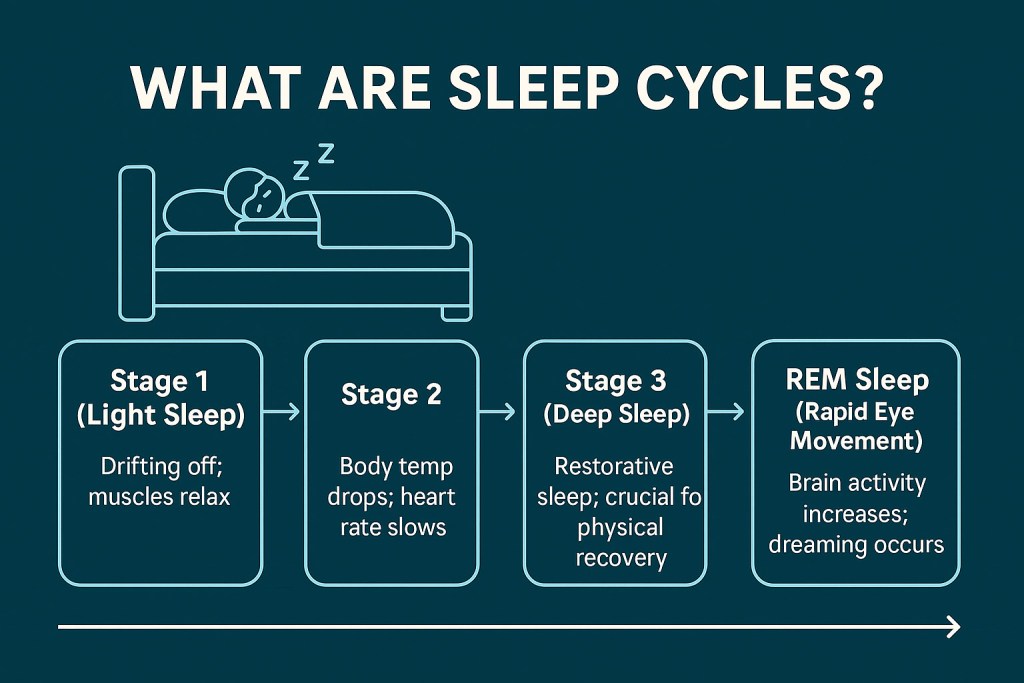
If you’re aiming to elevate your sleep hygiene, investing in a mattress hoover could be the simplest upgrade with the biggest impact.

Frequently Asked Questions About Mattress Quality and Mattress Hoovers

1. Is it worth investing in a luxury or premium mattress?

Yes, premium mattresses are crafted using high-quality materials like certified memory foam, natural latex, and hybrid coil systems. They’re engineered for comfort, durability, and better health outcomes, including spinal alignment and motion isolation. While more expensive upfront, they tend to last longer and deliver significantly better sleep quality.

2. How long does a cheap mattress typically last?

Budget mattresses usually last 2–4 years. They tend to sag or lose support quickly due to low-density foams and inferior construction. In contrast, quality mattresses can last 8–10 years or more when maintained properly.

3. Do I need a mattress hoover if I already have a hypoallergenic mattress?

Yes. Even hypoallergenic or antimicrobial mattresses still collect dust, dead skin cells, and microscopic debris. A mattress hoover enhances cleanliness, helping to prevent allergies and extend mattress life.

4. What is a mattress hoover and how does it work?

A mattress hoover is a vacuum cleaner specifically designed for deep-cleaning mattresses. It uses strong suction, UV-C light to kill germs, and HEPA filters to trap fine allergens. Some models include vibration to loosen embedded dust and debris.

5. Can a cheap mattress cause back pain?

Absolutely. Cheap mattresses often provide poor spinal support, causing misalignment. This leads to pressure buildup, backaches, and even chronic discomfort. A mattress with proper ergonomic support is essential for spinal health.

6. How often should I clean my mattress?

Vacuum your mattress at least once every 1–2 months. Deep clean it 2–3 times per year. Using a mattress hoover regularly can help prevent dust mite build-up and improve air quality in your bedroom.
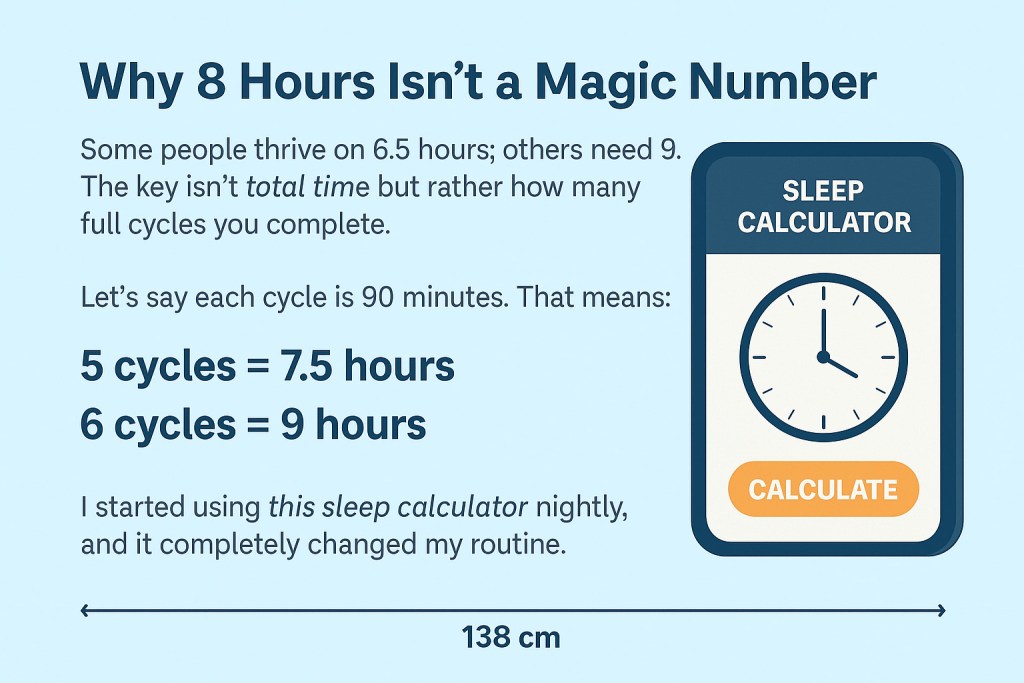

7. What features should I look for in a quality mattress?

Choose a mattress with high-density foam, zoned support, cooling technologies, and hypoallergenic covers. Ensure it suits your sleeping position and offers motion isolation if you sleep with a partner. Trial periods and long warranties are a bonus.

8. Does mattress hygiene affect sleep quality?

Yes. A clean mattress reduces allergens, improves air quality, and promotes healthier, deeper sleep. It’s especially important for allergy-prone individuals, children, and those with respiratory concerns.

9. What’s the difference between cheap and luxury mattress materials?

Cheap mattresses often use synthetic, uncertified foam and basic springs. Luxury options use natural latex, breathable organic cotton, and precision-coiled systems that provide better support, breathability, and durability.

10. Can a mattress hoover help extend my mattress life?

Yes. A mattress hoover keeps your mattress clean, reduces material breakdown, and prevents microbial growth. This maintenance prolongs both hygiene and structural integrity, increasing lifespan.

super king mattress
July 18, 2025

The Bigger King Mattress Trend: More Than Just Luxury, It’s Sleep Independence

Why “Bigger King” Is the Buzzword in Modern Bedrooms

If you’ve ever found yourself clinging to the edge of your bed while your partner snores peacefully with limbs spread out, you’re not alone. For couples, bed real estate is a nightly battle. This discomfort is sparking a growing trend: investing in a “bigger king mattress.” But this isn’t just about extravagance. It’s about comfort, better sleep, and what many are calling “sleep independence.”

In a time when people are rethinking their sleep environments, this trend goes beyond size. It touches on personal wellness, relationship dynamics, and even lifestyle. So what exactly is a bigger king mattress, and why is it earning such a loyal following?

What Is a Bigger King Mattress, Really?

The term “bigger king mattress” often refers to mattress sizes that go beyond the standard king, and often considered as Super king size mattress, Depending on where you live, this can mean different things:

Mattress Size Dimensions (cm/inches) Region
Standard King 150 x 200 cm UK
Super King 180 x 200 cm UK
California King 72 x 84 in (approx. 183 x 213 cm) US
Alaskan King 108 x 108 in (approx. 274 x 274 cm) US

In everyday slang, “bigger king” can mean any of these or even a custom-sized bed. What unites them is one thing: extra space.

Super king size mattress
Bigger King Mattress Uk

With Luxe Mattresses, customers can even customise dimensions to suit their specific room or body needs, length, width, firmness, and more. It’s this level of personalisation that is turning a bigger king mattress from a niche product into a mainstream must-have.

While the U.S. has long embraced oversized furniture and bedding, the UK is catching on fast. Driven by trends like co-sleeping with children or pets, hybrid home living (where beds become offices), and simply a desire for better rest, the bigger king is being welcomed with open arms.

Luxe Mattresses, a UK-based custom mattress manufacturer, has noted a surge in orders for larger sizes. The demand isn’t limited to luxury homes either. Even flat owners and small-space dwellers are rearranging rooms to accommodate bigger beds. Why? Because a better night’s sleep is worth the space.

What Room Size Do You Need for a Bigger King Mattress?

When planning to upgrade to a bigger king mattress, one of the most important considerations is whether your bedroom can comfortably accommodate it. While mattresses like the Super King or Alaskan King offer unmatched space, they do require proper planning.

bigger king size mattress room requirement

As a general guide:

  • Super King (180 x 200 cm): Minimum room size should be around 3.5m x 3.5m to allow for walking space and furniture.
  • California King (183 x 213 cm): Ideal in rooms larger than 3.6m x 3.6m.
  • Alaskan King (274 x 274 cm): Works best in master suites or large open-plan rooms with at least 4.5m x 4.5mavailable.

Make sure to leave about 60–90 cm clearance on each side of the bed for ease of movement and access to nightstands. If your room is tight, consider wall-mounted or floating furniture to save space. Luxe Mattresses also provides guidance on custom-fitting larger beds into smaller UK rooms with smart layout strategies.

The Science of Space: How More Surface Area Supports Better Sleep

According to the Sleep Foundation, the average person changes position 12-20 times a night. When sharing a smaller bed, these movements often lead to accidental elbow jabs, blanket wars, and fragmented sleep.

is big mattress help sleep

Here’s what a bigger surface area can do:

  • Reduce disturbances from partner movement
  • Allow freedom of position, from starfish to side-sleeper
  • Minimise pressure points, especially for people with chronic pain
  • Support spinal alignment across a wider range of sleeping postures

Add to this the psychological benefit of personal space, and the bigger king starts looking like a necessity rather than a splurge.

Motion Isolation: The Secret Weapon of a Bigger Mattress

Let’s face it, we’re all a bit sleep-fragile during the night. Especially pregnant women, light sleepers, or anyone suffering from anxiety or insomnia.

motion isolation in mattress

Motion isolation refers to how well a mattress absorbs movement so that it doesn’t ripple across the surface. A bigger mattress paired with quality materials (like those found in Luxe’s hybrid or memory foam models) drastically reduces motion transfer.

  • Your partner can toss and turn without waking you up.
  • Kids or pets jumping in won’t shock your sleep cycle.
  • You stay deeper in REM sleep, improving cognitive and physical recovery.

This feature is particularly useful if you’re a light sleeper or dealing with chronic fatigue or hormonal imbalances.

Luxury vs Necessity: Is the Bigger King Just a Fancy Upgrade?

Some may call a bigger king mattress a “nice to have.” But let’s compare it to investing in good shoes or ergonomic office chairs. You spend a third of your life in bed, comfort and support should be non-negotiable.

Couples in particular benefit from space. As relationship therapists point out, personal sleep comfort can actually improvea couple’s intimacy and communication. If one partner is uncomfortable, neither of you sleeps well. That has a knock-on effect on your mood, productivity, and even immune function.

Fitting a Bigger King Mattress in the UK: Yes, It’s Possible

The common concern in the UK is space. British homes and bedrooms are typically smaller than their American counterparts. But thanks to customisation options from companies like Luxe, even modest rooms can be upgraded smartly.

Here’s how:

  • Use under-bed storage drawers to replace bulky wardrobes
  • Opt for low-profile headboards or floating nightstands
  • Choose a split or modular mattress for easier delivery and flexibility
  • Customise the length and width to fit your unique layout

Real-Life Story: “We Finally Stopped Fighting Over Space”

Amy and James, a couple from Leeds, upgraded from a double to a custom super king Luxe mattress last year.

“We were sceptical at first, our bedroom isn’t huge. But we called Luxe, explained our needs, and they helped us customise the dimensions to fit our space. The difference was immediate. No more kicking each other at night, no more sleep arguments.”

Their Luxe mattress even came with dual firmness soft on Amy’s side, firmer on James’.

“It’s honestly the best thing we’ve bought for our relationship,” she added.

Who Should Consider Buying a Bigger King in the UK?

While not everyone has the square footage of a country estate, a bigger king mattress isn’t reserved for the ultra-wealthy or those with enormous bedrooms. It’s actually a smart, practical upgrade for a wide range of people. Couples who value personal space, restless sleepers, families with young children who occasionally share the bed, and even pet owners can all benefit.

who should considering buy bigger king mattress

If you or your partner struggle with disrupted sleep due to tossing, turning, or simply feeling cramped, this extra surface area could be a game changer. Even in smaller UK bedrooms, opting for a bespoke or modular version of a bigger king allows you to enjoy the added comfort without sacrificing layout or flow.

What to Look for in a Bigger King Mattress

Before you go all in, make sure you’re choosing the right features:

  • Material quality: Look for high-density memory foam or hybrid coils
  • Firmness options: Consider dual firmness zones for couples
  • Cooling layers: Bigger beds trap more heat; breathable fabrics and gel-infused foam help
  • Edge support: Prevents the mattress from sinking at the sides
  • Motion isolation: Essential if one or both of you moves a lot

And of course, check delivery logistics will it fit through your stairs or hallway? Luxe Mattresses offers home consultations and delivery guidance to help with this.

Final Thoughts: Is Sleep Independence the New Couple’s Goal?

We all love the idea of closeness, but modern couples are learning that closeness in a relationship doesn’t require physical crowding in bed.

A bigger king mattress is not just a product, it’s a personal investment in your health, relationship, and mental wellbeing. From better sleep posture and motion isolation to custom firmness and cooling comfort, it provides a true upgrade to how we rest, recover, and reconnect.

And if you’re still clinging to the edge of a double bed wondering why you’re always exhausted, maybe it’s time to stretch out – literally.

Need help choosing the right dimensions or firmness level? Visit LuxeMattresses.co.uk or take their custom mattress quiz to find your perfect fit.

Find Your Perfect Mattress Firmness

Discover the ideal mattress firmness for your sleep position, body type, and support needs — backed by sleep science.

Take the Assessment ->
Product has been added to your cart