
100-Night Risk-Free Trial
Free Nationwide Delivery
10 Years Warranty
Call us at: 020 4572 5122
0% APR Finance Available
mattress weight
September 12, 2025

Does Mattress Weight Indicate Quality?

Introduction

When shopping for a new mattress, many people ask the same question: “Does a heavier mattress mean it’s better quality?” It’s an interesting thought because weight often feels like a sign of strength, durability, or luxury. While there’s some truth to that, the reality is a bit more balanced. A mattress’s weight can tell you about its materials and density, but it’s not the only factor that decides how comfortable or long-lasting it will be.

For example, a heavier mattress might:

  1. Be made with denser, more supportive foams.
  2. Contain extra layers for comfort and durability.
  3. Feel more solid and stable on your bed frame.
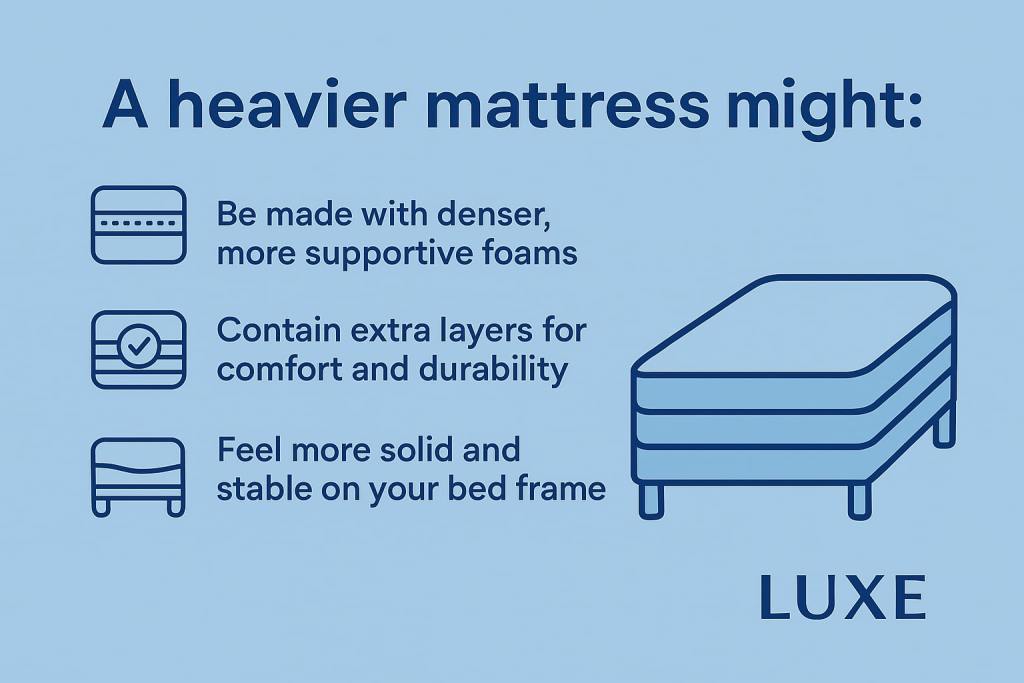
A Heavier Mattress might

But that doesn’t mean lighter mattresses are always poor quality. Some lighter designs use smart materials that are supportive yet easy to move. The key is to look beyond just the weight and focus on what truly makes a mattress right for you.

What Determines Mattress Weight?

The weight of a mattress isn’t random it depends on a few key factors. Knowing these will help you understand why some mattresses feel heavier than others:

  1. Materials Used
    1. Memory Foam: Usually heavier because it’s made with dense foam layers. Great for body support and pressure relief.
    2. Latex: Naturally heavy but also extremely durable, supportive, and long-lasting.
    3. Innerspring: Lighter than foam or latex since it relies on coils, though hybrids with foam layers can add extra weight.
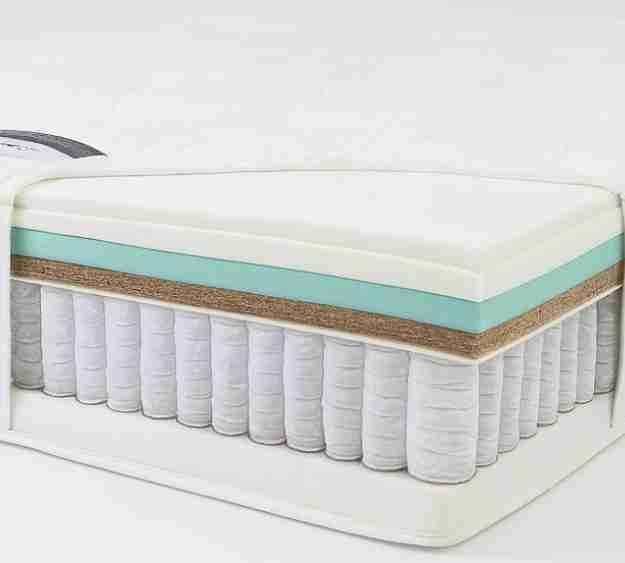
    4. Hybrid: A mix of foam + coils, making it heavier than basic innerspring but often more supportive.
  2. Thickness and Density
    1. Thicker mattresses with multiple layers will weigh more.
    2. High-density foams are heavier, but they also last longer and resist sagging.
  3. Size (Twin vs. King)
    1. A twin or single mattress will be much lighter and easier to move.
    2. Queen and king mattresses weigh more because they’re larger and have more material inside.

In short, mattress weight depends on what it’s made of, how thick it is, and the size you choose. Heavier doesn’t always mean better but it often shows strong, durable construction.

Does Mattress Weight Correlate with Quality?

Many people think a heavier mattress automatically means higher quality. While weight can give some clues, it’s not the whole story. Let’s break it down:

Heavier Foams = More Durability

Mattresses made with high-density foams are usually heavier. This extra density means they can support your body better and resist sagging over time. If you’re looking for a long-lasting option, heavier foams are often a good sign.

Latex Mattresses: Naturally Heavy, Naturally Strong

Latex mattresses are among the heaviest, but for a reason they’re durable, supportive, and breathable. They can last many years, making the extra weight worth it.

Innerspring & Hybrid: A Balance of Layers

Innerspring mattresses are lighter because they rely on coils. Hybrids, on the other hand, combine coils with foam or latex layers, so their weight depends on how many layers are inside. More layers often mean more comfort and support.

Lightweight Mattresses: Easy but Less Lasting

Light mattresses are easier to move, flip, and set up. However, they may not last as long, especially if the materials are less dense.

Does Mattress Weight Correlate with Quality? — Luxe Style Table
LUXE

Does Mattress Weight Correlate with Quality?

Weight can hint at build and durability, but materials and construction matter most.

Category Weight Tendency What Weight Suggests Pros Watch-outs Typical Materials / Notes
Heavier Foams Heavy Higher foam density often means better support and resistance to sagging. Durable, supportive, holds shape longer. Can trap heat if not aerated; harder to move. High-density memory foam, polyfoam cores.
Latex Mattresses Very Heavy Natural/organic latex is dense and resilient; weight comes from solid latex layers. Highly durable, buoyant support, breathable pincore structure. Premium price; heavy to move or rotate. Natural or blended latex; long lifespans.
Innerspring Lighter Weight mostly in coil unit; fewer foam layers keep weight down. Responsive feel, easy to lift and move. May wear faster if thin comfort layers; motion transfer on basic designs. Open coils or pocket springs with light foam.
Hybrid Medium → Heavy More layers (coils + foams/latex) increase weight and usually comfort. Balanced support + pressure relief; good airflow from coils. Heavier as layers stack; quality varies by materials used. Coils + memory foam, polyfoam, or latex comfort layers.
Lightweight Builds Light Easy handling; often lower-density foams or thinner stacks. Simple setup, easy to flip/rotate. May not last long; prone to sagging. Low-density foams, minimalist designs.

In short, mattress weight can reflect quality, but comfort, durability, and support are even more important.

Pros of a Heavier Mattress

A heavier mattress often comes with some real benefits:

  1. Stays in Place – Doesn’t shift easily when you move in bed.
  2. Better Durability – Dense materials last longer and resist sagging.
  3. Stronger Support – Offers solid support for your back and body.
  4. Luxurious Feel – Feels more premium and sturdy on the bed frame.
  5. Less Motion Transfer – Heavier builds reduce movement, great for couples.
Pros And Cons of Heavier Mattress

Cons of a Heavier Mattress

While heavy mattresses have their strengths, they also come with some drawbacks:

  1. Not Always More Comfortable – Weight doesn’t guarantee the right firmness for you.
  2. Hard to Move – Difficult to lift, rotate, or flip without help.
  3. Delivery & Setup – Getting it upstairs or through tight spaces can be tough.
  4. Challenging for Frequent Movers – Not ideal if you relocate often.
  5. Cleaning Issues – Heavier beds can be tricky to lift for cleaning underneath.

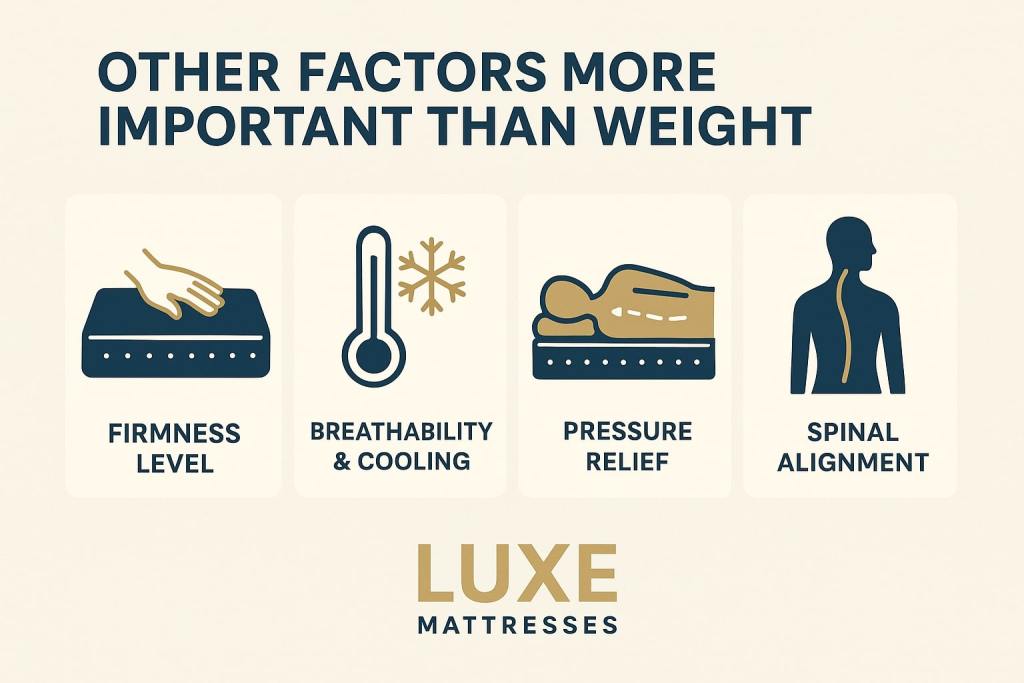
Other Factors More Important than Weight

While mattress weight can give you some clues, it’s not the best way to judge quality. What truly matters are the features that impact your comfort, health, and sleep quality.
Other Factors More Important than Weight

Firmness Level

The right firmness depends on your body type and sleeping position. For most people, a medium-firm mattress works best because it balances comfort with support.

Breathability & Cooling

If you tend to sleep hot, weight won’t help breathability will. Mattresses with cooling gels, open-cell foams, or breathable fabrics can keep you cool and comfortable all night long.

Pressure Relief

A good mattress should ease pressure on your shoulders, hips, and lower back. Proper pressure relief helps reduce aches and allows for more restful, deeper sleep.

Spinal Alignment

One of the most important factors is how well a mattress supports your spine. A quality bed keeps your posture natural, preventing back and neck pain over time.

In short, weight is secondary. The true signs of quality are comfort, support, and how well a mattress helps you sleep.

How to Choose the Right Mattress Beyond Weight

Weight alone doesn’t decide mattress quality. Here are the most important things to focus on when choosing the right one for you:

Know Your Sleeping Position

Your sleeping position plays a big role in choosing the right mattress. Side, back, or stomach sleepers all need different levels of firmness for proper comfort and support.

  1. Side sleepers need a softer mattress to cushion the shoulders and hips.
  2. Back sleepers usually benefit from medium-firm support.
  3. Stomach sleepers need a firmer bed to keep the body from sinking too much.

Consider Your Body Type

  1. Heavier sleepers often need denser foams or hybrid designs for long-lasting support.
  2. Lightweight sleepers usually feel more comfortable on softer mattresses that adjust easily to their body.

Check for Durability

  1. Look for high-density foams, quality coils, or natural latex.
  2. A mattress should ideally last 7–10 years with proper care.

The best mattress is the one that supports your body and feels right no matter its weight.

Conclusion

Mattress weight can give you some clues about its quality, but it’s not the only factor that matters. A heavier mattress may feel stronger, last longer, and offer better support but comfort, durability, and proper alignment are what truly make a mattress valuable.

Instead of focusing only on weight, think about your sleeping position, body type, and personal comfort needs. Also, check for features like breathability, trial periods, and warranties. In the end, the best mattress is not the heaviest one, but the one that helps you sleep peacefully every night.

FAQs

Is a heavier mattress always better?

Not always. Heavier mattresses often use denser materials that last longer, but weight alone doesn’t guarantee comfort or quality.

Do lightweight mattresses wear out faster?

Some do, especially if they’re made with lower-density foams. However, many modern lightweight mattresses are designed with durable yet easy-to-move materials.

What’s the average weight of a good quality queen mattress?

A queen mattress usually weighs between 60–120 pounds, depending on the material. Foam and hybrid beds tend to be heavier than innerspring models.

Is mattress weight important for back pain sufferers?

Not directly. What matters more is firmness and support. A medium-firm mattress with proper spinal alignment is usually best for back pain, whether heavy or light.

Should I avoid light mattresses completely?

No. Light mattresses can still be high quality, especially if they use strong foams or smart designs. They’re also easier to move, rotate, and set up.
August 29, 2025

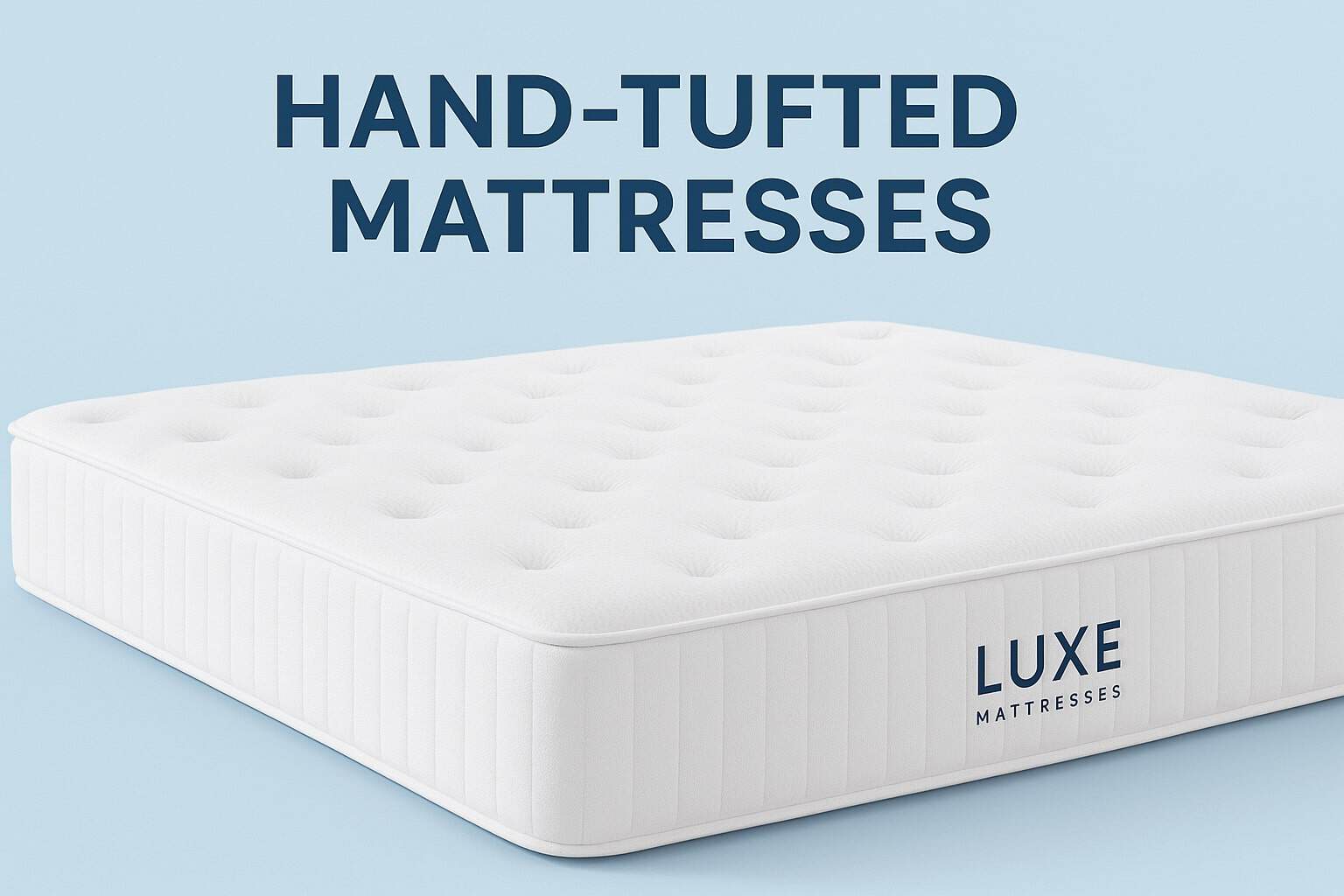
The Benefits of Hand-Tufted Mattresses

A good night’s sleep starts with the right mattress, and that’s where hand-tufted mattresses stand out. Unlike ordinary mattresses that are stitched or glued together, a hand-tufted mattress is carefully crafted by experts who use strong tufts to secure all the layers inside. This technique not only holds everything in place but also ensures that the mattress keeps its shape for years.

People are choosing hand-tufted mattresses because they are more than just comfortable they’re built to last. The detailed craftsmanship makes them stronger, more supportive, and luxurious compared to regular mattresses.

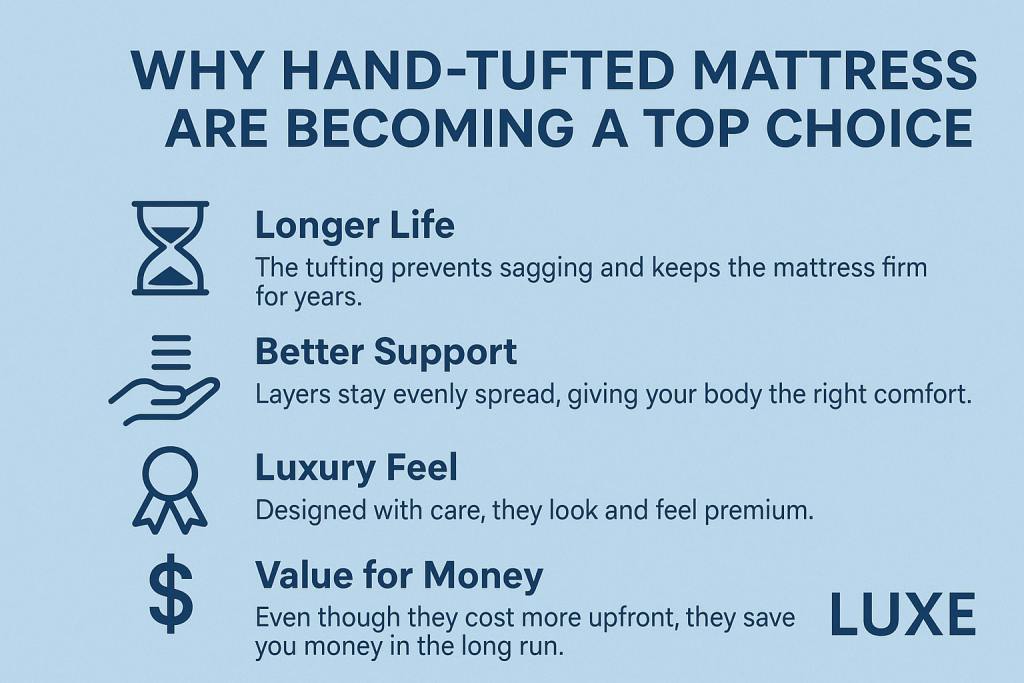
why hand-tufted mattresses are becoming a top choice?

Here’s why hand-tufted mattresses are becoming a top choice:

  • Longer Life: The tufting prevents sagging and keeps the mattress firm for years.
  • Better Support: Layers stay evenly spread, giving your body the right comfort.
  • Luxury Feel: Designed with care, they look and feel premium.
  • Value for Money: Even though they cost more upfront, they save you money in the long run.

In short, a hand-tufted mattress is not just another sleeping surface it’s an investment in better sleep, better health, and a more comfortable life.

What Does Hand-Tufted Mean?

When you hear the term hand-tufted mattress, it simply means the mattress has been stitched together by skilled hands using a special tufting method. In this process, strong tufts or buttons are pushed through all the layers of the mattress and tied securely on both sides. This keeps every layer in its place so it doesn’t shift or bunch up over time. The result is a mattress that feels stable, supportive, and long-lasting.

Now, let’s look at the difference between hand-tufted and machine-made mattresses:

difference between hand-tufted and machine-made mattresses
  • Hand-Tufted Mattresses:
    1. Made by skilled craftsmen with extra care.
    2. Tufts lock all the layers in place for maximum stability.
    3. Last much longer because they don’t sag easily.
    4. Give a premium and luxurious feel.
  • Machine-Made Mattresses:
    1. Usually rely on glue or basic stitching.
    2. Layers can shift or lose shape with time.
    3. Shorter lifespan and less durable.
    4. Often made quickly in bulk, with less attention to detail.

Choosing a hand-tufted mattress means choosing quality and care. It’s not just a mattress it’s a sign of durability, craftsmanship, and better sleep that stays consistent night after night.

Key Benefits of Hand-Tufted Mattresses

When you invest in a hand-tufted mattress, you’re not just buying a bed you’re choosing better sleep, lasting comfort, and real value. Let’s explore the biggest benefits that make these mattresses stand out.

3.1 Durability & Longevity

  1. Tufting locks every layer firmly in place, so nothing shifts or bunches over time.
  2. Prevents sagging, which is one of the most common issues in regular mattresses.
  3. With proper care, a hand-tufted mattress can last years longer than machine-made ones.

3.2 Superior Comfort & Support

  1. Even distribution of materials inside means no lumps or uneven spots.
  2. Provides consistent support, helping your spine stay properly aligned.
  3. Reduces pressure points, making sleep more restful for your joints and back.

3.3 Luxury Craftsmanship

  1. Every mattress is hand-finished, giving it a unique and premium touch.
  2. The tufting adds a stylish, elegant design that looks luxurious in any bedroom.
  3. Feels like a high-end product because of the attention to detail.

3.4 Better Value for Money

  1. The longer lifespan means you won’t have to replace your mattress as often.
  2. While the upfront cost may be higher, it saves money in the long run.
  3. Think of it as an investment in both health and comfort.

3.5 Ideal for All Sleepers

  1. Works well whether you sleep on your side, back, or stomach.
  2. Adapts to different body weights, providing balanced support for everyone.
  3. A great choice for couples with different sleep styles.

In short, a hand-tufted mattress gives you the perfect blend of strength, comfort, and luxury making it a smart investment for anyone who values quality sleep.

Hand-Tufted vs. Non-Tufted Mattresses

When shopping for a mattress, you might wonder what really makes a hand-tufted mattress different from a non-tufted one. The answer lies in quality, durability, and long-term comfort. Here’s a quick comparison to help you decide:

Durability

  1. Hand-Tufted: Tufts hold every layer securely, preventing sagging and extending lifespan.
  2. Non-Tufted: Layers can shift or lose shape, leading to uneven surfaces over time.

Comfort

  1. Hand-Tufted: Materials stay evenly spread, giving consistent support for your back and joints.
  2. Non-Tufted: May develop lumps or soft spots, reducing comfort after a few years.

Cost

  1. Hand-Tufted: Slightly higher upfront cost but saves money long-term due to durability.
  2. Non-Tufted: Cheaper at first but may need replacing more often, making it less cost-effective.

Why Tufting Gives an Edge

  1. Locks everything in place, ensuring your mattress stays strong and supportive.
  2. Offers a luxury finish that looks and feels premium.
  3. Provides peace of mind knowing your mattress will last for years without losing comfort.

A hand-tufted mattress is not just a purchase it’s an upgrade to better sleep, better health, and long-term value.

Things to Consider Before Buying

Before investing in a hand-tufted mattress, it’s important to keep a few key points in mind so you choose the one that’s perfect for you:

Price Range

  1. Hand-tufted mattresses cost more than regular ones, but remember you’re paying for long-lasting quality.
  2. Think of it as a one-time investment in years of better sleep and health.

Mattress Thickness & Firmness

  1. Choose thickness based on your comfort preference and body type.
  2. Medium-firm is often best for balanced support, but side sleepers may prefer softer options.
  3. Always test the firmness if possible before buying.

Trusted Brands & Materials

  1. Look for brands known for quality craftsmanship and durability.
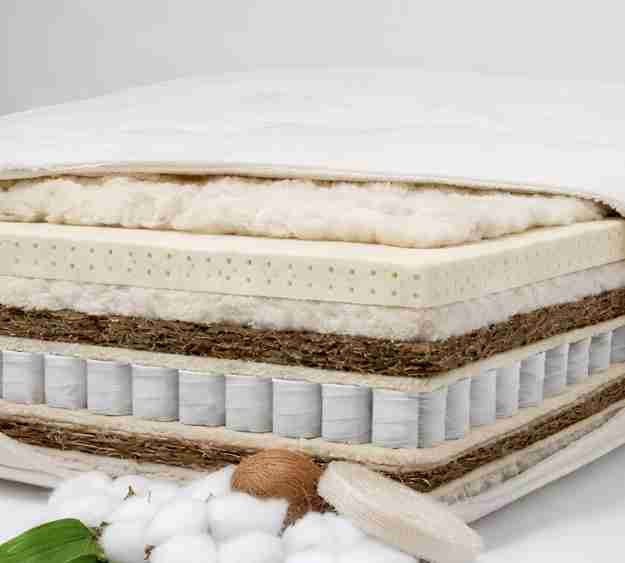
  2. Natural materials like wool, cotton, or latex often give extra comfort and breathability.
  3. A reliable brand ensures you’re getting true hand-tufted quality, not a cheap imitation.

By considering these factors, you’ll bring home a mattress that truly fits your needs and lasts for years.

Who Should Choose a Hand-Tufted Mattress?

A hand-tufted mattress is not just for everyone it’s especially perfect for people who want more from their sleep. Here’s who will benefit the most:

People Looking for Durability

  1. If you want a mattress that stays strong for years without sagging, this is the right choice.
  2. Ideal for anyone tired of replacing mattresses every few years.

Sleepers with Back Pain

  1. Provides even support to keep your spine aligned.
  2. Reduces pressure points on the back, hips, and shoulders, helping you wake up pain-free.

Those Who Want a Luxury Feel

  1. Perfect if you value premium craftsmanship and elegant design.
  2. Feels like sleeping on a high-end, hotel-style bed every night.

If you want comfort, strength, and luxury all in one, a hand-tufted mattress is the best investment for your health and lifestyle.

Final Thoughts

A hand-tufted mattress is more than just a place to sleep it’s a long-term investment in your comfort, health, and lifestyle. With unmatched durability, superior support, and a touch of luxury, it outshines regular mattresses in every way.

Whether you want relief from back pain, a mattress that lasts for years, or simply the feeling of sleeping on something premium, hand-tufting delivers it all. Choosing one means choosing quality rest every night and peace of mind for the future. Sleep better, live better your body and mind will thank you.

Faqs

What is the lifespan of a hand-tufted mattress?

A hand-tufted mattress can last 10–15 years or more with proper care, much longer than most regular mattresses. The tufting keeps all layers firmly in place, preventing sagging.

Are hand-tufted mattresses good for back pain?

Yes. They provide even support and keep your spine aligned, reducing pressure on your back, hips, and shoulders. Many sleepers with back pain find lasting relief with a hand-tufted mattress.

Do hand-tufted mattresses require flipping?

Not always. Many modern tufted mattresses are one-sided and only need rotating, not flipping. Always check the manufacturer’s care instructions.

Are hand-tufted mattresses more expensive?

They usually cost more upfront, but the longer lifespan and superior comfort make them a smarter investment. You’ll save money by not replacing your mattress every few years.

How do I know if a mattress is truly hand-tufted?

Look for visible tufts or buttons across the mattress surface. Trusted brands highlight the hand-tufting process as part of their craftsmanship.

August 28, 2025

How to Choose a Mattress if You Have Sleep Apnea?

Sleep apnea is a sleep disorder where breathing pauses during the night, leaving you restless and drained by morning. While medical care is essential, the mattress you choose can make a big difference in how well you rest.

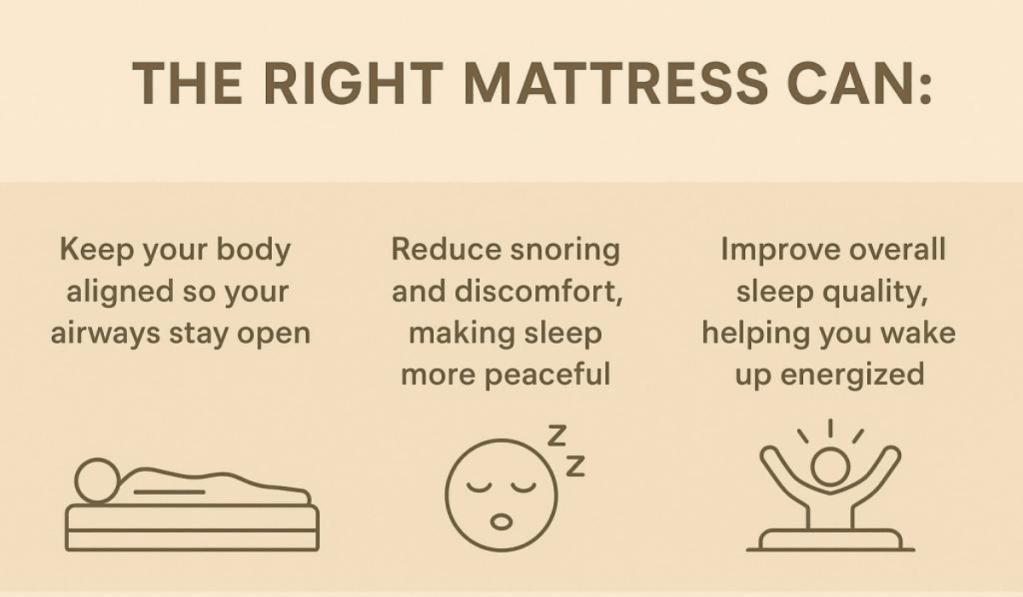
The right mattress can:

  • Keep your body aligned so your airways stay open.
  • Reduce snoring and discomfort, making sleep more peaceful.
  • Improve overall sleep quality, helping you wake up energized.

Think of your mattress as a partner in better sleep. If it supports your body the right way, you’ll not only breathe easier but also feel more comfortable throughout the night. The wrong mattress, on the other hand, can make symptoms worse, leaving you tossing and turning. In this blog, we’ll share simple and practical tips to help you find the best mattress for sleep apnea so you can finally enjoy restful, refreshing nights.

Understanding Sleep Apnea and Sleep Needs

Sleep apnea happens when your breathing repeatedly stops and starts while you sleep. This can leave you feeling tired, groggy, and restless, even after a full night in bed. The good news is that small changes like choosing the right mattress can help reduce discomfort and make breathing easier.

Here’s why it matters:

  • Airway Support: A mattress that keeps your spine and neck properly aligned helps keep your airways open.
  • Sleeping Position: Side sleeping is often the best for sleep apnea, and the right mattress can make this position more comfortable.
  • Better Rest: When your body is supported, you’re less likely to wake up from snoring, tossing, or breathing pauses.

By understanding how sleep apnea affects your body, you can make smarter choices. The right mattress won’t cure sleep apnea, but it can make a real difference in how well you rest every night.

Key Points to Look For in the Right Mattress

Choosing the right mattress for sleep apnea can feel confusing, but focusing on a few important features makes it much easier. Here are the key points to look for:

  1. Cooling Technology – Overheating at night can make sleep apnea worse. Mattresses with cooling materials or breathable designs help you stay cool and comfortable for deeper rest.
  2. Firmness Level – A medium-firm mattress is usually the best choice because it gives your body enough support while still being comfortable. It helps keep your spine in a natural position, which makes breathing easier during the night.
  3. Support & Alignment – A good mattress keeps your spine, neck, and head aligned. When your body is properly supported, your airways stay more open, reducing snoring and pauses in breathing.
  4. Pressure Relief – Look for a mattress that reduces pressure on your shoulders, hips, and back. This prevents discomfort, especially for side sleepers, while still keeping your body supported.
  5. Motion Isolation – If you share your bed, choose a mattress with strong motion isolation. This way, your partner’s movements won’t disturb your sleep or affect your breathing rhythm.

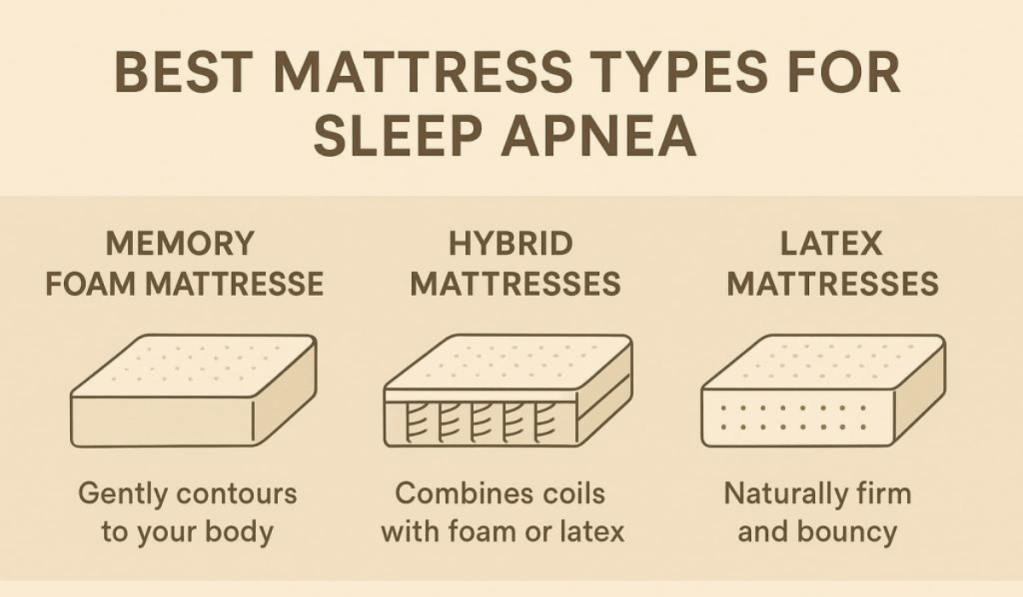
Best Mattress Types for Sleep Apnea

Not all mattresses are made the same, and if you have sleep apnea, some work better than others. The goal is to find a mattress that keeps your body supported, your airways open, and your sleep as comfortable as possible. Here are the top mattress types to consider:

  1. Memory Foam Mattresses

    Memory foam gently contours to your body, giving you personalized support. This helps keep your spine and neck aligned, which is important for easier breathing. It also reduces pressure points, making side sleeping (the best position for sleep apnea) more comfortable.
  2. Hybrid Mattresses

    A hybrid mattress combines the support of coils with the comfort of foam or latex. This balance gives you both firmness and cushioning, which helps with proper alignment while still feeling soft enough to relax into.
  3. Latex Mattresses

    Latex mattresses are naturally firm yet bouncy, offering responsive support. They are also cooling, which helps prevent overheating at night a common issue for people with sleep apnea.
Mattress Guide for Sleep Apnea: Types, Firmness & Benefits
Mattress Type Ideal Firmness Key Benefits for Sleep Apnea Best For (Positions) Notes
Memory Foam Medium-firm Contours for spinal/neck alignment; strong motion isolation Side & back sleepers Choose cooling foams to prevent heat build-up
Hybrid (Coils + Foam/Latex) Medium to medium-firm Balanced support + pressure relief; better airflow All positions; great for couples Look for zoned support for shoulders/hips
Latex Medium to medium-firm Responsive support keeps airway aligned; naturally cooler Side & combo sleepers Good bounce; consider softer top if you’re lighter-weight
Innerspring Medium-firm with plush topper Elevated support; breathable construction Back & combo sleepers Add a foam/latex topper for pressure relief
Adjustable Base (paired with mattress) — Head elevation can reduce snoring and airway collapse Back sleepers; CPAP users Confirm mattress is adjustable-base compatible

Each of these options has its own strengths, so the best choice depends on your comfort preference and sleeping style. What matters most is finding the one that helps you breathe and rest better every night.

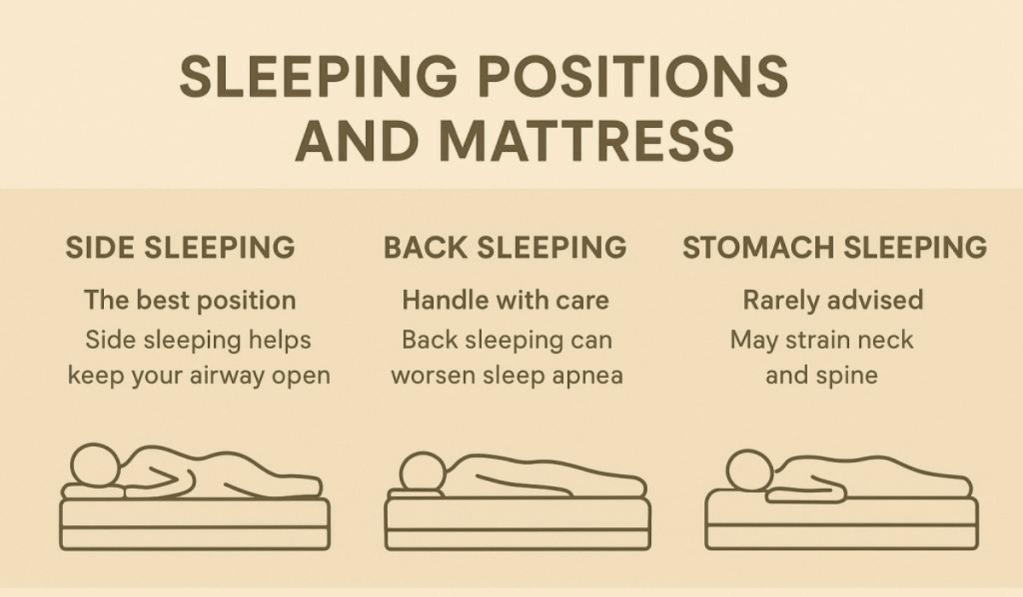
Sleeping Positions and Mattress

The way you sleep has a big impact on sleep apnea, and your mattress plays a huge role in supporting your preferred position. Choosing the right combination can make breathing easier and give you more restful nights.

  • Side Sleeping – The Best Position
    Sleeping on your side is usually the most recommended for sleep apnea. This position keeps your airway more open and reduces the chances of snoring or pauses in breathing. A mattress with good pressure relief, like memory foam or a hybrid, makes side sleeping comfortable by supporting your shoulders and hips.
  • Back Sleeping – Handle with Care
    Lying on your back often makes sleep apnea worse because gravity can push your tongue and soft tissues toward the airway. However, if you prefer this position, an adjustable bed or mattress that elevates your head can make a big difference. Elevation helps reduce airway blockage and improves airflow.
  • Stomach Sleeping – Rarely Advised
    While sleeping on your stomach can sometimes reduce snoring, it puts strain on your neck and spine. Most people find it uncomfortable in the long run. If you do sleep this way, a softer mattress may reduce pressure points.

The right mattress supports your natural sleep position, helping you breathe easier and rest better.

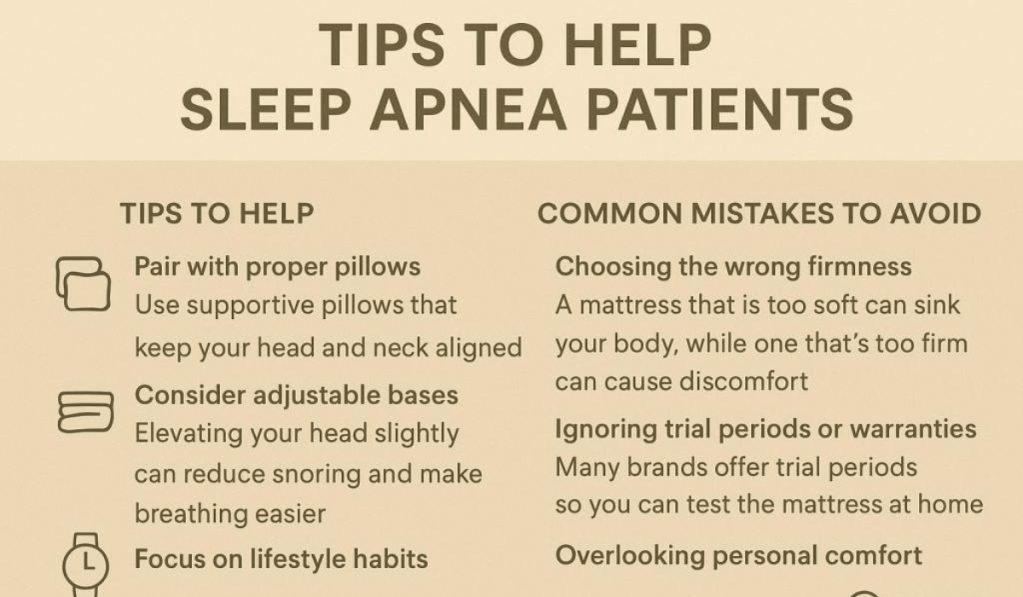
Tips for Sleep Apnea Patients

  1. Pair with Proper Pillows: Use supportive pillows that keep your head and neck aligned to help keep your airway open.
  2. Consider Adjustable Bases: Elevating your head slightly can reduce snoring and make breathing easier.
  3. Invest in Breathable Bedding: Choose lightweight, cooling sheets and blankets to stay comfortable throughout the night.
  4. Focus on Lifestyle Habits: Maintain a regular sleep schedule, stay active, and avoid heavy meals before bedtime.
  5. Combine Efforts: The right mattress, paired with healthy habits, creates the best environment for restful, refreshing sleep.

Common Mistakes to Avoid

  • Choosing the Wrong Firmness: A mattress that is too soft can sink your body, while one that’s too firm can cause discomfort. Aim for a balance that supports your spine and airways.
  • Ignoring Trial Periods and Warranties: Many brands offer trial periods so you can test the mattress at home. Skipping this option may leave you stuck with a bed that doesn’t work for your sleep needs.
  • Overlooking Personal Comfort: Everyone’s body is different. Don’t just follow trends choose a mattress that feels right for you and helps you breathe and sleep better.

Conclusion

Choosing the right mattress can make a real difference if you have sleep apnea. The right one will support your breathing, keep your body aligned, and help you enjoy deeper, more restful sleep. Remember, there’s no single “perfect” mattress for everyone what matters most is finding the one that feels right for your body and your comfort.

Take advantage of trial periods, test different options, and listen to your body’s response. And while a supportive mattress is a powerful tool, don’t forget that medical guidance is just as important in managing sleep apnea for long-term health.

FAQs

Can a mattress cure sleep apnea?

No, a mattress cannot cure sleep apnea. However, the right mattress can reduce symptoms by keeping your body aligned, improving comfort, and helping you sleep more peacefully.

Is memory foam good for sleep apnea?

Yes, memory foam can be a great choice because it contours to your body and supports proper alignment of the neck and spine. This helps keep your airways more open during sleep.

Do adjustable beds really help with breathing?

Yes, adjustable beds can make a big difference. Elevating your head slightly reduces pressure on your airway, making it easier to breathe and reducing snoring.

What sleeping position is best for sleep apnea?

Side sleeping is usually the best position. It helps keep your airway open and reduces pauses in breathing. Back sleeping can make symptoms worse, while stomach sleeping often causes discomfort.

How long does it take to adjust to a new mattress for better sleep?

It can take anywhere from a few days to a few weeks for your body to adjust to a new mattress. Be patient and give yourself time to experience the full benefits.

mattress removal
August 28, 2025

Why Some Mattresses Smell and How to Remove Odours?

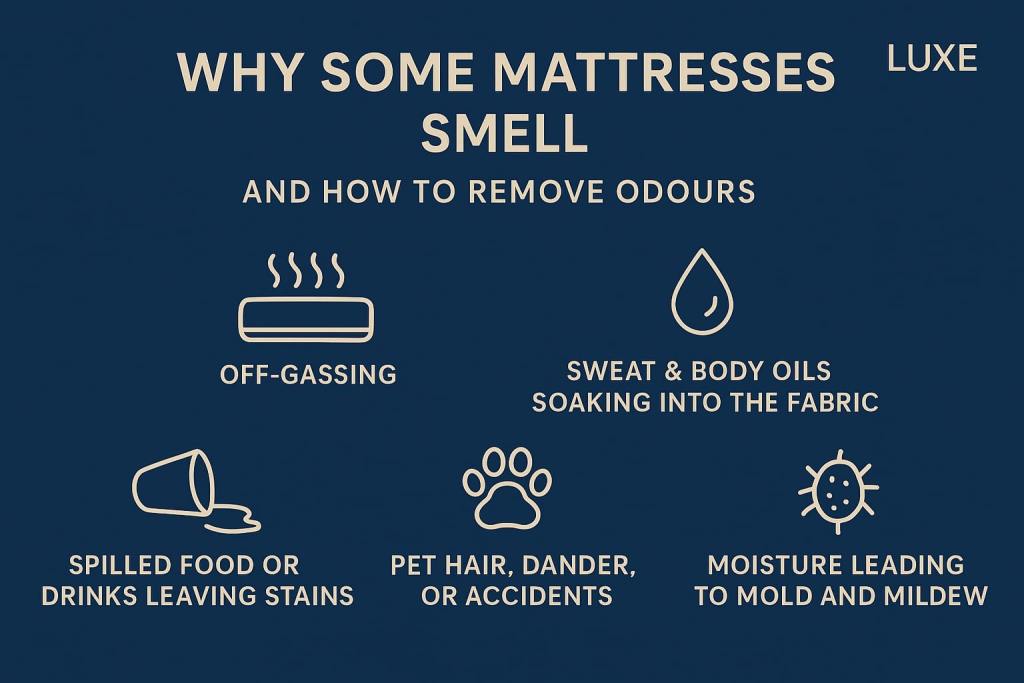
Mattresses are something we use every day, and over time, they can start to develop different kinds of smells. From off-gassing mattress chemical scent to everyday sweat, food spills, or even pet accidents, odours can easily get trapped inside the layers of fabric and foam.

Some common reasons your mattress might smell include:

  1. New mattress off-gassing from foam or packaging
  2. Sweat and body oils soaking into the fabric
  3. Spilled food or drinks leaving stains
  4. Pet hair, dander, or accidents
  5. Moisture leading to mold and mildew
Why Some Mattresses Smell and How to Remove Odours?

These smells are not only unpleasant but can also affect your sleep quality and comfort. A fresh and clean mattress is important because it:

  1. Creates a healthier sleep environment
  2. Keeps away allergens and bacteria
  3. Helps you feel more relaxed and sleep better

With the right care and simple cleaning steps, you can remove unwanted odours and keep your mattress fresh for years.

Common Reasons Why Mattresses Smell

  1. New Mattress Smell (Off-Gassing)
    When you buy a new mattress, you might notice a strong chemical-like smell. This is called off-gassing, which happens when foams, adhesives, or packaging release trapped gases. The good news is that this smell usually fades within a few days if you air out your mattress properly.
  2. Sweat and Body Oils
    Every night, our body naturally releases sweat and oils. Over time, these get absorbed into the mattress fabric and foam. This can create an unpleasant odour, especially if the mattress isn’t cleaned or protected. Using a mattress protector and washing bedding regularly can reduce this issue.
  3. Spills and Food/Drink
    Eating or drinking on the bed might feel cozy, but spills from coffee, juice, or snacks can seep into the mattress. Even if you clean the surface, leftover moisture and crumbs can cause odours later. Spot cleaning right away helps prevent stubborn smells.
  4. Pets
    If you allow pets on the bed, their fur, dander, or little accidents can leave lingering smells. While cuddling with pets is comforting, using a washable mattress cover can make cleaning much easier.
  5. Mold and Mildew
    Moisture is one of the biggest enemies of a mattress. If your room is damp or if liquid spills aren’t dried properly, mold and mildew can grow inside the mattress, causing a musty odour. Sunlight and good ventilation help keep this problem away.
  6. Dust and Allergens
    Over time, dust, pollen, and other allergens can build up inside a mattress. This not only creates a stale smell but can also trigger allergies. Regular vacuuming keeps your mattress fresh and healthier to sleep on.

Keeping your mattress clean and fresh is easier than it sounds, and solving these odour problems will make your sleep more comfortable and healthier.

Common Mattress Odours: Causes, Quick Fixes & Prevention
Odour Source Why It Happens Quick Fix Prevention
New Mattress (Off-Gassing) Foams/adhesives release trapped VOCs after unboxing. Air out 24–72 hours near open windows; remove plastic promptly. Unbox in a ventilated room; use a breathable base.
Sweat & Body Oils Moisture and oils absorb into fabric and foam over time. Vacuum; sprinkle baking soda 4–8 hrs, then vacuum again. Use a waterproof protector; wash bedding weekly.
Food/Drink Spills Liquids seep below the surface, leaving residue and smell. Blot; spot clean with mild detergent or 1:1 vinegar solution; air-dry fully. Avoid eating in bed; clean spills immediately; keep a protector on.
Pets (Fur, Dander, Accidents) Organic matter and moisture linger in upper layers. Enzyme cleaner for accidents; vacuum; wash removable covers. Use washable covers/blankets; groom pets; protector on at all times.
Moisture, Mold & Mildew High humidity or dampness allows microbial growth. Sunlight exposure; dehumidify; if mold persists, replace the mattress. Ventilate room; keep RH ~40–50%; ensure spills dry completely.
Dust & Allergens Particle build-up creates a stale smell and triggers allergies. HEPA vacuum; air out; optional baking soda refresh. Vacuum monthly; hypoallergenic encasement; wash bedding hot.

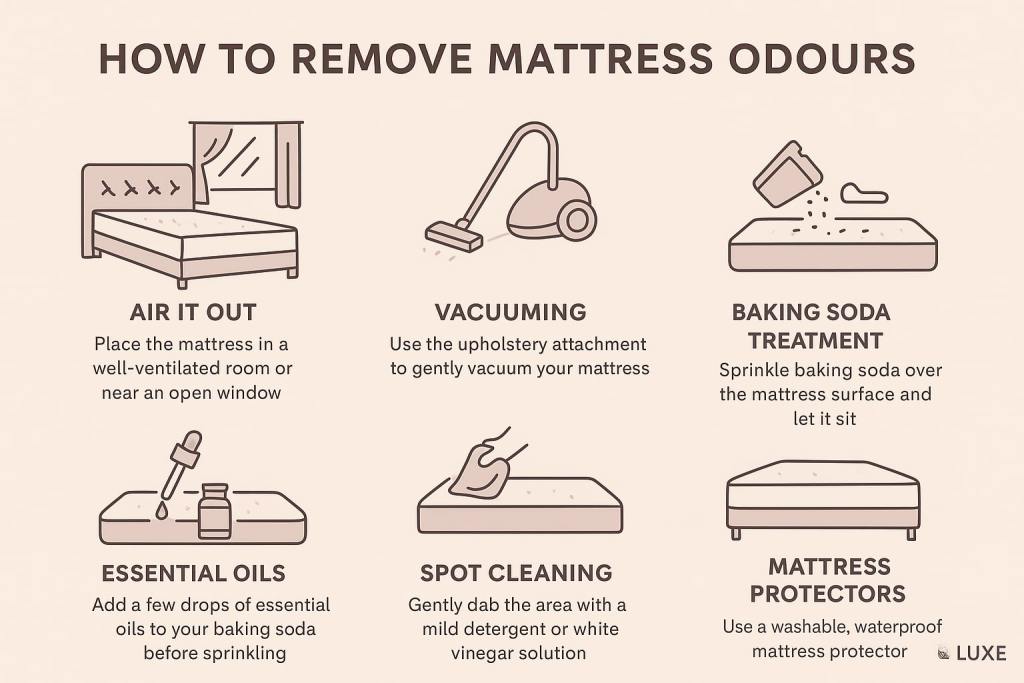
How to Remove Mattress Odours (Step-by-Step)

  1. Air It Out
    Sometimes the simplest solution works best. If your mattress smells, start by airing it out. Place it in a well-ventilated room or near an open window. Fresh air helps release trapped odours and makes your mattress feel lighter and cleaner.
  2. Vacuuming
    A regular vacuum session does wonders. Use the upholstery attachment to gently vacuum your mattress. This removes dust, allergens, crumbs, and tiny dirt particles that may be causing bad smells. Think of it as giving your mattress a fresh start.
  3. Baking Soda Treatment
    Baking soda is one of the easiest and most natural ways to fight odours. Sprinkle it evenly over the mattress surface and let it sit for a few hours (or even overnight). Then vacuum it up. It absorbs smells and leaves your mattress fresher without any chemicals.
  4. Essential Oils
    For a pleasant touch, add a few drops of essential oils like lavender, eucalyptus, or tea tree to your baking soda before sprinkling. This adds a gentle, refreshing fragrance that can also help you relax and sleep better.
  5. Spot Cleaning
    For stains or strong odours, mix a little mild detergent or white vinegar with water and gently dab the area. Always use a clean cloth and avoid soaking the mattress. Quick spot cleaning prevents smells from settling deep inside.
  6. Sunlight Exposure
    If possible, place your mattress in direct sunlight for a few hours. Sunlight naturally kills bacteria and mold while helping to dry out any hidden moisture. Plus, nothing beats that fresh sun-dried smell.
  7. Mattress Protectors
    Prevention is key! Using a washable, waterproof mattress protector shields your mattress from sweat, spills, and dust. It makes future cleaning much easier and keeps odours away for longer.
How to Remove Mattress Odours

When to Replace Instead of Clean

Sometimes, no matter how much you clean, a mattress just can’t be saved. Here are the signs it’s time to replace instead of refresh:

  1. Persistent Mold or Mildew
    If mold keeps coming back even after cleaning, it’s best to replace the mattress. Mold is harmful to your health and spreads quickly.
  2. Strong Odours That Don’t Fade
    When deep cleaning, baking soda, and sunlight don’t work anymore, the smell may be too deep in the layers to fix.
  3. Sagging or Poor Support
    If your mattress has lost its shape and no longer supports your body, it can lead to back pain and restless nights.
  4. Health and Comfort Concerns
    Allergies, breathing issues, or constant discomfort are strong reasons to switch to a new mattress.

Preventing Future Odours

The best way to enjoy a fresh and clean mattress is to prevent odours before they even start. With a few simple habits, you can keep your mattress smelling good and lasting longer.

  1. Use Waterproof and Washable Covers
    A good quality mattress protector acts like a shield against sweat, spills, and pet accidents. Since it’s washable, you can keep it fresh easily.
  2. Wash Bedding Regularly
    Changing and washing your sheets, pillowcases, and blankets often prevents sweat, oils, and dust from building up. Fresh bedding also makes your sleep more comfortable.
  3. Keep the Room Well-Ventilated
    A well-ventilated room helps reduce humidity and moisture, which are the main causes of mold and mildew. Open windows or use a fan to keep the air flowing.
  4. Avoid Eating or Drinking in Bed
    It may feel cozy, but food and drinks can easily spill and leave stains that cause bad smells. Keeping meals off the bed saves you extra cleaning later.
  5. Regularly Vacuum and Air Out the Mattress
    Light vacuuming and occasional airing out of your mattress prevent dust, allergens, and trapped odours from taking over.
Prevent Future Odours from your mattress

A little care goes a long way these small steps will keep your mattress fresh, healthy, and ready for many nights of restful sleep.

Conclusion

A fresh and clean mattress is more than just about smell it’s about your health, comfort, and quality of sleep. Odours can build up from sweat, spills, pets, or even new mattress off-gassing, but the good news is they can be managed with simple care.

By airing, vacuuming, using baking soda, and protecting your mattress, you can easily keep it fresh and inviting. Prevention is even better, so small habits like washing bedding and using covers make a big difference. Take these easy steps and enjoy healthier, fresher sleep every night.

FAQs

Why does my new mattress have a strong smell?

That smell is called “off-gassing.” It happens when foam or packaging materials release trapped gases. The smell is temporary and usually fades within a few days if you air out your mattress.

Is baking soda really safe for mattresses?

Yes. Baking soda is a natural deodorizer. It absorbs odours without leaving harmful chemicals behind. Just sprinkle it on, leave it for a few hours, and vacuum it up.

How often should I clean my mattress to prevent smells?

A light vacuum every month and a deep clean every 6 months is a good habit. Also, wash your bedding weekly and use a protector to keep your mattress fresh.

Can pets make mattresses smell bad?

Yes, pet fur, dander, or little accidents can cause lingering smells. If you share your bed with pets, use a washable protector and clean more often.

When should I replace my mattress instead of cleaning it?

If your mattress has sagging, mold, or odours that never go away even after deep cleaning, it’s time to replace it. A new mattress will give you healthier and more comfortable sleep.

August 24, 2025

The Science Behind Cooling Mattress Technologies

Introduction

A restful night’s sleep isn’t just about soft pillows or plush surfaces it also hinges on maintaining the right body temperature. Many sleepers underestimate how pivotal temperature regulation is for achieving deep, restorative sleep. When your body overheats, it struggles to move smoothly through essential sleep stages like deep and REM cycles. Overheating often leads to frequent awakenings, night sweats, and that groggy feeling upon waking despite having clocked 7–8 hours in bed.

So, why does temperature regulation matter so much for sleep quality? Your body’s core temperature naturally decreases as part of its circadian rhythm, signaling it’s time to rest. When a mattress traps heat, it disrupts this cooling-down process, making it harder to fall asleep and stay asleep. Research suggests that hotter sleepers experience shorter REM phases, which play a critical role in memory consolidation, emotional regulation, and creative thinking.

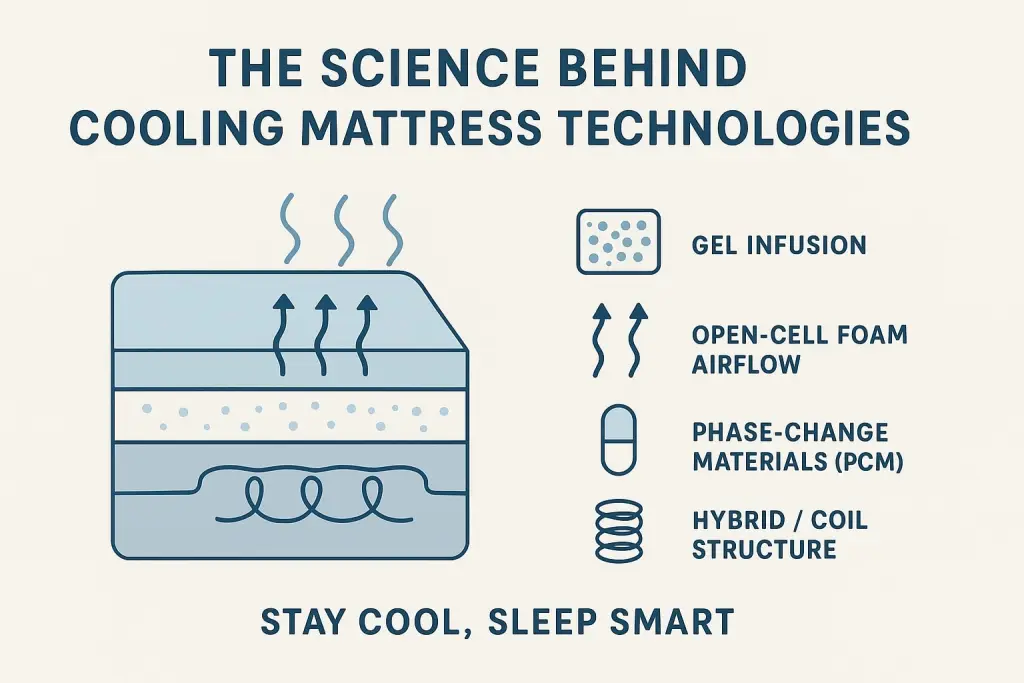
The science Behind Cooling Mattress Technologies

If you regularly wake up drenched or overheated, your mattress might be part of the problem. Traditional foam layers often trap heat, while modern cooling mattress technologies are specifically crafted to dissipate it. Want to understand why you might be waking up sweaty and how cooling designs can fix that? a great overview here: Why You Wake Up Sweaty (And the Best Cooling Mattresses That Fix It).

Ultimately, a temperature-regulated sleep environment isn’t a luxury it’s a foundation for your overall well-being. If restless nights are your norm, it might be time to look into a mattress that aligns with your body’s natural thermoregulation, rather than working against it.

The Science of Sleep Temperature

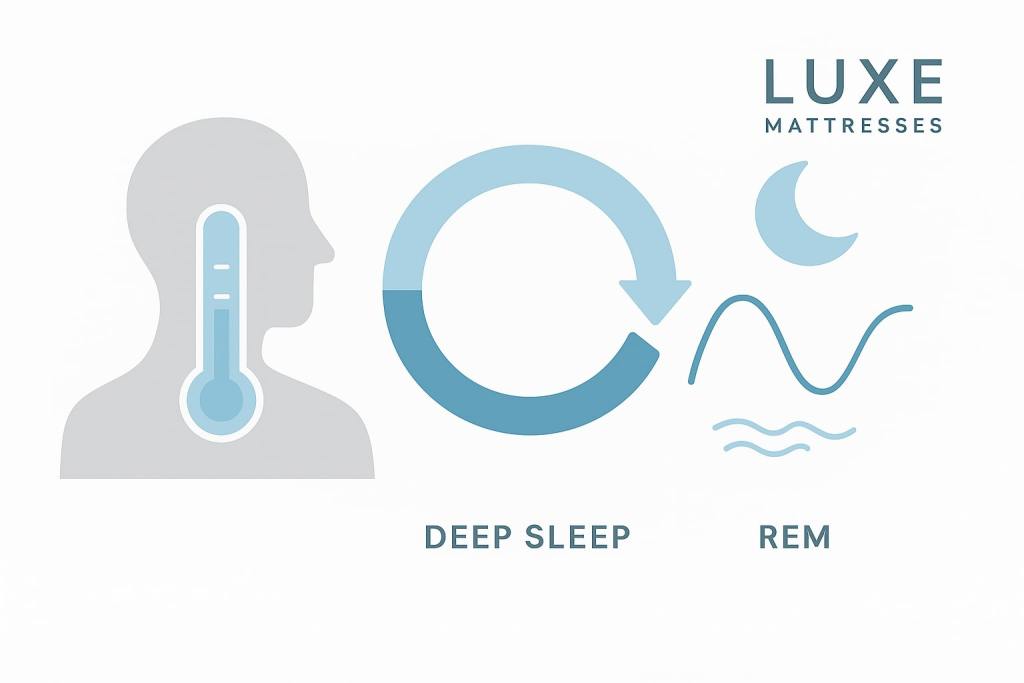
One of the most fascinating aspects of sleep is how closely it is tied to body temperature. Throughout the night, your body follows a natural rhythm where your core temperature gradually drops to signal rest. This cooling begins in the evening and continues until the early morning, helping the body conserve energy and transition smoothly between sleep stages. As the sun rises, your temperature starts to climb again, preparing you to wake up feeling refreshed.

The Science of Sleep Temperature

Thermoregulation the process of controlling your body’s internal temperature plays a crucial role in how well you sleep. During deep sleep, a lower body temperature allows your muscles and tissues to repair efficiently. Meanwhile, in REM cycles, the brain is highly active, yet your body still relies on a stable, cooler environment to maintain balance. If this delicate thermoregulation is disrupted, it can shorten REM cycles, reduce restorative deep sleep, and leave you feeling sluggish the next day.

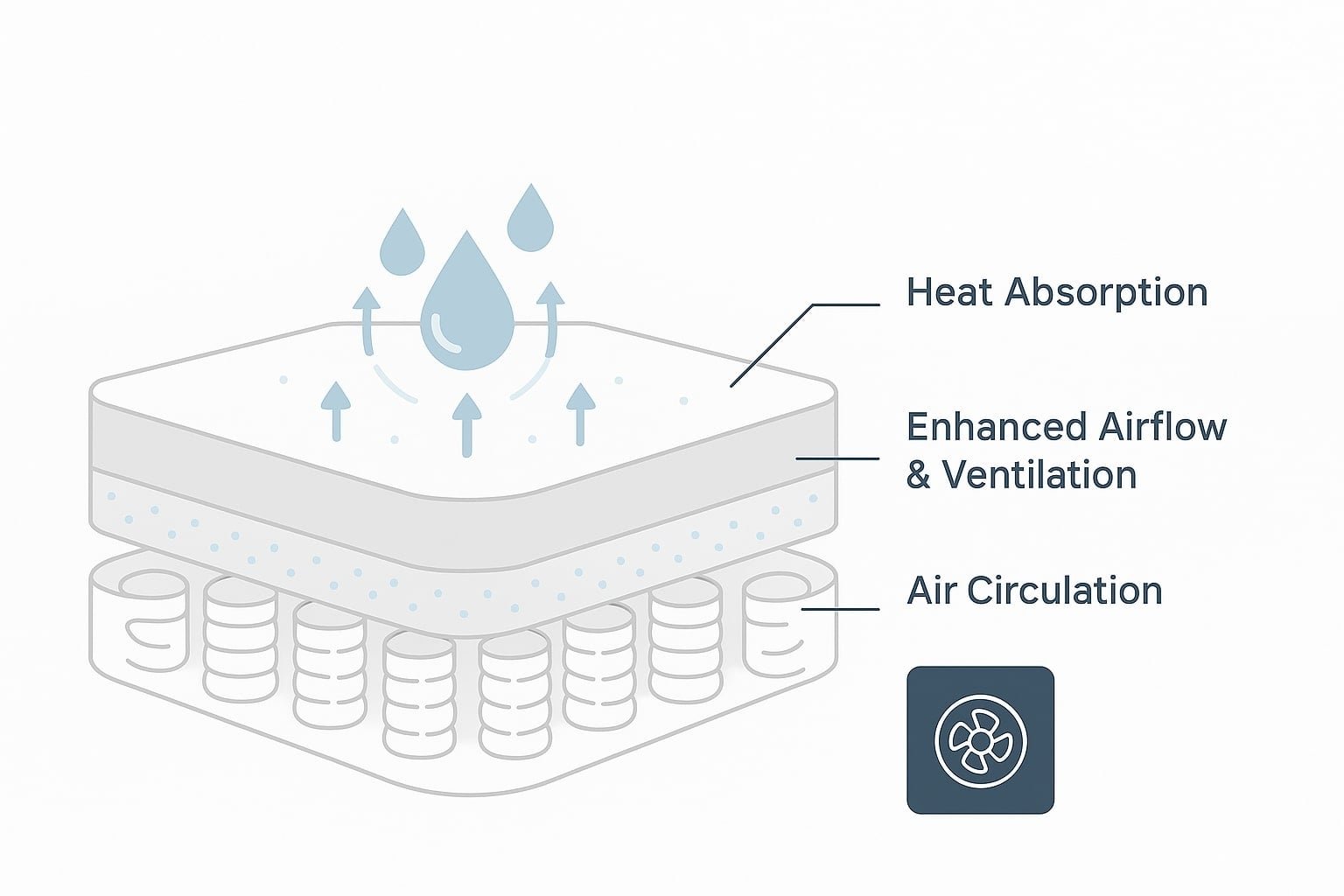
Unfortunately, many traditional mattresses work against the body’s natural cooling process. Dense foam layers, poor airflow, and heat-trapping fabrics can cause your body temperature to rise instead of fall. This heat retention often results in tossing, turning, and repeated awakenings throughout the night. Over time, it doesn’t just affect comfort it impacts overall health, mood, and productivity.

That’s why sleep scientists emphasize the importance of cooling mattress technologies: they align with the body’s natural thermoregulation, helping you stay cool and undisturbed, so you can enjoy deeper, more restorative sleep.

Common Causes of Sleeping Hot

  1. Body Weight and Sleeping Position Impact
    1. Heavier sleepers may sink deeper into the mattress, which increases surface contact and heat retention.
    2. Side or stomach sleepers also experience more pressure points and body contact, further amplifying warmth.
  2. Dense Mattress Materials Trapping Heat
    1. Traditional memory foam, while supportive, is dense and tends to absorb body heat.
    2. This creates a “heat pocket” around the sleeper, making it harder for the body to cool down naturally.
    3. Without gel infusions or open-cell designs, these mattresses can feel overly warm, especially in hot climates.
  3. Lack of Airflow in Traditional Mattresses
    1. Solid foam mattresses often restrict airflow, causing heat to build up over time.
    2. Innerspring mattresses, on the other hand, usually allow better ventilation thanks to their coil systems.
    3. When airflow is limited, body heat has no escape route, leading to restless, sweaty nights.

Cooling Mattress Technologies Explained

Encourages sleepers to enjoy both support and temperature regulation without compromise.

Gel-Infused Memory Foam

  1. Traditional memory foam traps heat, creating a “heat pocket” around the sleeper.
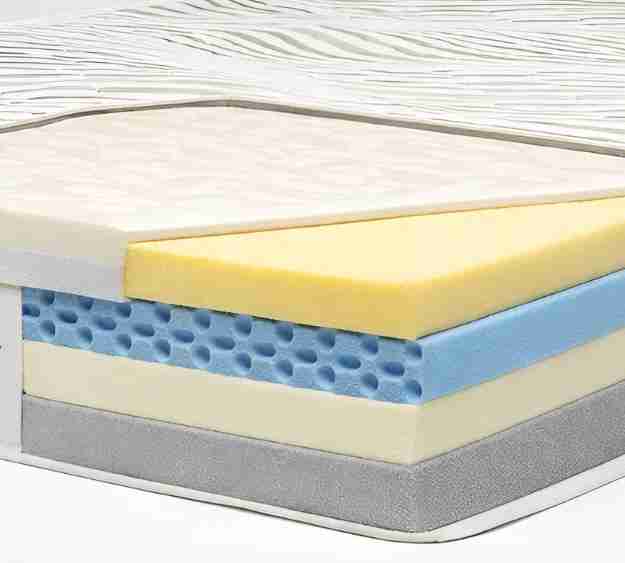
  2. Gel-infused memory foam solves this by embedding cooling gel beads within the foam layers.
  3. These gel particles absorb excess body heat and help dissipate it evenly, preventing overheating.
  4. Perfect for hot sleepers who want the contouring comfort of foam without the sweaty nights.
Cooling Mattress Technologies

Hybrid Mattresses with Coil Systems

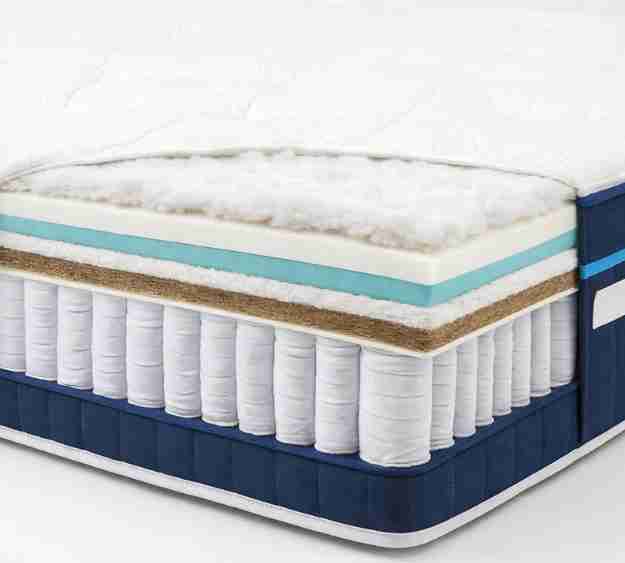
  1. Combine the comfort of foam layers with the superior airflow of innerspring coils.
  2. Coils create open channels inside the mattress, allowing air to circulate freely.
  3. This ventilation reduces heat buildup while maintaining strong support.
  4. Ideal for couples, as hybrids balance cooling, motion isolation, and durability.
  5. Encourages sleepers to enjoy both support and temperature regulation without compromise.

Benefits of Cooling Mattress Technologies

  1. Improved Sleep Quality and Duration
    1. Cooling mattresses help regulate body temperature, keeping you in the ideal range for restful sleep.
    2. By preventing overheating, they allow you to stay longer in deep and REM cycles, which boosts recovery and energy.
    3. Over time, this leads to better focus, sharper memory, and improved mood.
  2. Reduced Night Sweats and Tossing/Turning
    1. Traditional foam often traps heat, causing discomfort and constant movement during the night.
    2. Cooling technologies such as gel infusions, breathable foams, and coil systems dissipate heat and wick away moisture.
    3. This minimizes sweat buildup, helping sleepers stay comfortable without constant position changes.
  3. Better Overall Health from Uninterrupted Sleep
    1. Consistent, high-quality sleep strengthens the immune system and balances hormones.
    2. Uninterrupted rest also reduces stress, improves emotional stability, and supports long-term wellness.
    3. Cooling mattresses align with your body’s natural thermoregulation, helping you avoid fatigue and health issues caused by poor sleep.

Choosing the Right Cooling Mattress

  1. Factors to Consider: Body type, climate, and personal comfort needs matter. Heavier sleepers may prefer hybrids for airflow, while hot climates benefit from gel or latex designs.
  2. Trial Periods: Every sleeper is different using a 30–100 night trial helps ensure the mattress truly meets your cooling needs.
  3. Accessories: Pair your mattress with cooling pillows, toppers, and breathable sheets for maximum temperature regulation.

Conclusion

Cooling mattress technologies have transformed the way we sleep, offering solutions that go beyond comfort. By regulating body temperature, they reduce night sweats, minimize tossing and turning, and allow you to stay longer in deep, restorative sleep. From gel-infused foams to hybrid designs, these innovations work with your body’s natural thermoregulation to promote healthier, more refreshing rest.

FAQs

What makes a cooling mattress different from a regular mattress?

Cooling mattresses use advanced materials like gel-infused foam, breathable fabrics, or phase-change materials to regulate body temperature and prevent overheating.

How do gel-infused foams keep you cool?

Gel beads or layers absorb and disperse body heat, creating a cooler sleeping surface compared to traditional memory foam.

Are cooling mattresses only for hot sleepers?

While they are especially beneficial for hot sleepers, anyone can enjoy the improved comfort, breathability, and consistent temperature control they provide.

Do cooling mattress technologies really work?

Yes, but effectiveness varies depending on the type. For example, gel-infused foam provides short-term cooling, while hybrid designs with coils or advanced fabrics offer longer-lasting airflow and temperature regulation.

Do cooling mattresses last as long as regular mattresses?

Yes, cooling mattresses have a similar lifespan (7–10 years on average), but their performance can depend on the materials used and how well they are maintained.

Product has been added to your cart