
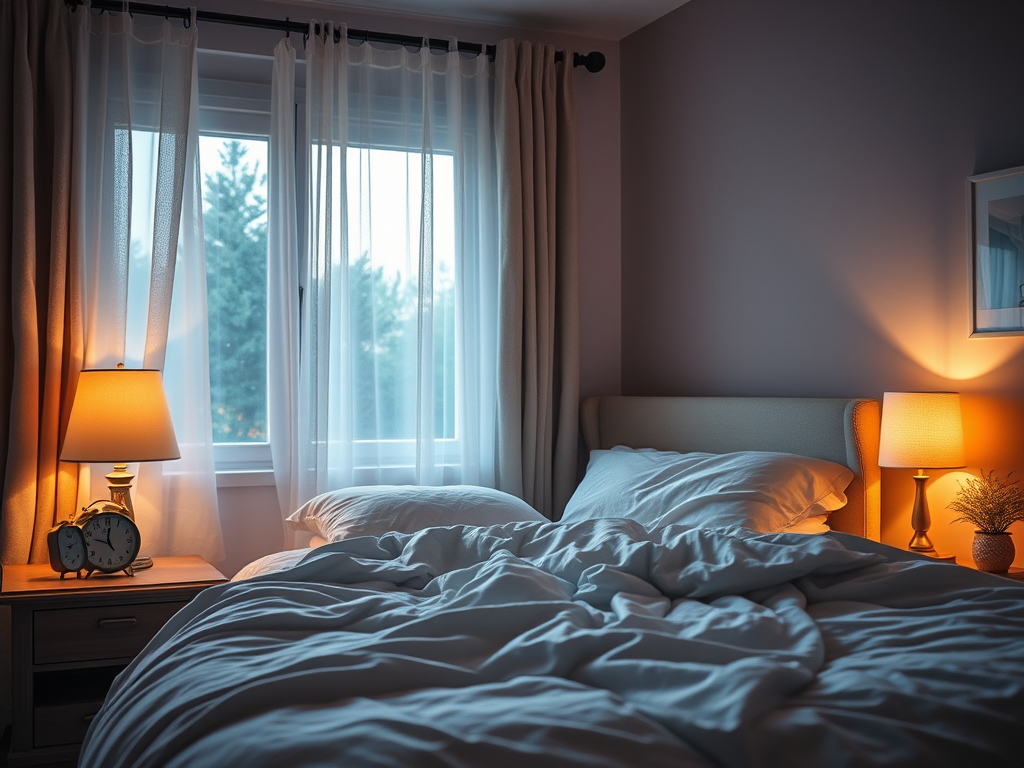
100-Night Risk-Free Trial
Free Nationwide Delivery
10 Years Warranty
Call us at: 020 4572 5122
0% APR Finance Available
Lighting Matters: How to Use Light to Regulate Your Sleep Cycle
March 11, 2026

Lighting Matters: How to Use Light to Regulate Your Sleep Cycle

Ever found yourself wide awake at midnight, even though you’re exhausted? Or struggled to feel alert in the morning, no matter how early you went to bed? You might be surprised to learn how much the light effect on sleep contributes to these issues. The connection between light and sleep is stronger than you may realize.

The light you’re exposed to throughout the day, and especially in the evening, plays a huge role in how well you sleep. And with so many of us staring at screens late into the night, our sleep cycles are taking a hit. The good news? With a few tweaks to your lighting setup, you can help your body rest when it’s meant to.

Let’s dive into how light affects your circadian rhythm, why timing matters, and what you can do to build a sleep-friendly bedroom even in the middle of winter.

Your body runs on a 24-hour internal clock, known as your circadian rhythm. It’s the reason you feel naturally tired at night and awake in the morning (well, on a good day, anyway). And this rhythm is mostly set by light.
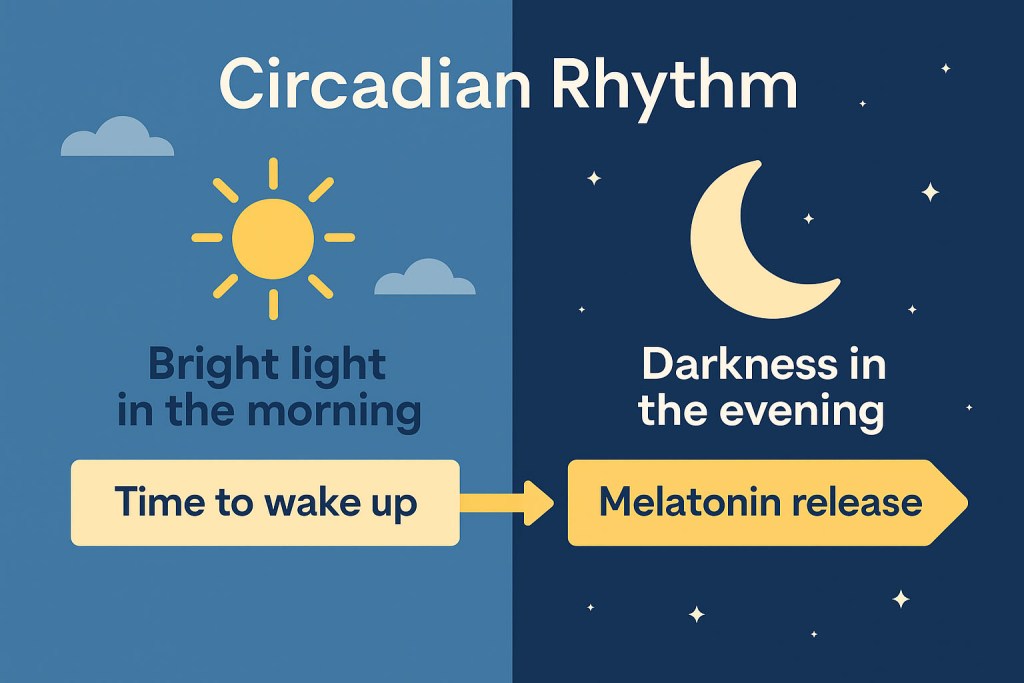
circadian rhythm
  • Bright light in the morning signals to your brain: time to wake up.
  • Darkness in the evening cues the release of melatonin, your sleep hormone.

But here’s the catch: artificial light especially from overhead LEDs and digital screens can seriously mess with that system. According to the Sleep Foundation, too much light in the evening delays melatonin production, making it harder to drift off when you should.

What About Artificial Lighting At Home?

Modern lighting is incredibly bright. Too bright, in fact. Especially if you’ve got white ceiling lights, recessed spotlights, or backlit TVs, and when those stay on late into the night, your body gets the message: stay awake.

The result? You might feel wired at bedtime, or worse, toss and turn for ages even after switching the lights off.

Here’s where bedroom lighting tips come into play. Soft, warm light in the evening helps your body wind down more naturally. Harsh overhead lighting? Not so much.

Bedroom Lighting Tips That Actually Work

Let’s be practical. No one’s suggesting you sit in the dark after 6 pm. But you can adjust your lighting to better support your body’s natural sleep cycle.

1. Switch to warm bulbs

Look for bulbs labelled “warm white” (2700K or below). These create a soft glow that mimics candlelight perfect for winding down.

2. Use lamps, not overhead lights

Ceiling lights are fine for cleaning or getting dressed. But in the hour or two before bed, stick to table or bedside lamps with softer tones.

3. Install dimmers or smart bulbs

Dimmers let you gradually reduce brightness as bedtime approaches. Smart bulbs can even shift from bright white in the morning to amber at night.

(The Luxe Mattresses mattress setup guide includes more ways to create a restful evening atmosphere without overhauling your space.)
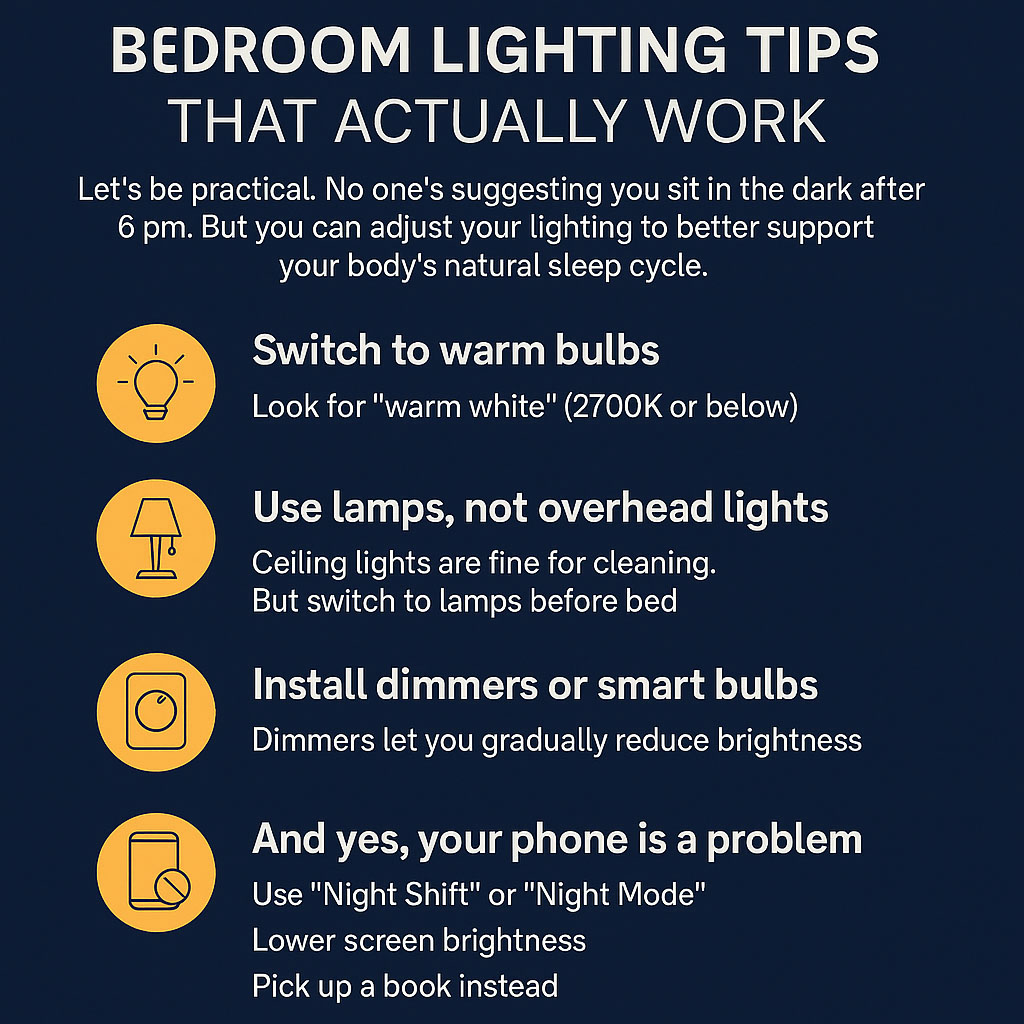
best bedroom lighting for good sleep

And yes, your phone is a problem.

We all do it check Instagram before bed or scroll through emails “just quickly.” However, blue light from screens is a well-known melatonin blocker. It tells your brain to stay alert when it should be powering down.

Here’s how to fix it:

  • Use “Night Shift” or “Night Mode” on your phone
  • Lower screen brightness in the evening
  • Try blue-light blocking glasses if you must scroll
  • Better yet, leave your phone in another room and pick up a book

According to Mind.org.uk, reducing screen time at night doesn’t just improve sleep it also helps ease anxiety and racing thoughts.

Light in The Morning Matters Too

While most sleep advice focuses on what you do at night, your morning light routine is just as important.

Getting natural daylight within the first hour of waking helps reset your body clock and boosts alertness. Even a walk around the block or five minutes in the garden can do the trick.

If you wake before sunrise or during dark UK winters, consider using a light therapy lamp or a sunrise alarm clock. These mimic natural light and can help with energy dips, especially for those dealing with seasonal low mood.

Light Therapy: Worth It?

Light therapy isn’t just for people with Seasonal Affective Disorder. It’s helpful for anyone who:

  • Struggles with groggy mornings
  • Works night shifts
  • Feels tired all day and alert at night
  • Has an inconsistent sleep schedule

Sit near a 10,000-lux light box for 20–30 minutes in the morning ideally between 6am and 9am. This exposure helps realign your circadian rhythm and can reduce the “midday slump.”

Design a Bedroom That Works with Your Body, Not Against It

Your bedroom shouldn’t feel like an operating theatre. It should feel soft, cosy, and ready to wind down when you are. Here’s how to make that happen:

Keep light sources low

Table lamps and wall sconces beat overhead lights every time.

Choose layered lighting

Use a mix of sources bedside lights, dimmable bulbs, maybe even string lights—for flexibility.

Block outside light at night.

Streetlights and early sunrises can be just as disruptive. Blackout curtains or a good eye mask make a huge difference.

Pair this with a supportive mattress like the ones from Luxe Mattresses and you’ve got a recipe for better rest. Explore our collection of sleep-friendly mattresses or learn how to build the perfect minimalist sleep environment.

Light, Mood, and Mental Health

The connection between light and sleep, and how light effects on sleep cycles, goes deeper than just falling asleep quickly. It also affects mood, focus, and even symptoms of anxiety and depression.

how light effect mode and mental health

As Mind.org.uk explains, proper exposure to light (especially natural light) can lift mood, reduce stress, and help regulate emotions something many of us could use a bit more of.

So, if you’re feeling low or out of sync, adjusting your light exposure might be a small but powerful step in the right direction.

Common Lighting Mistakes to Avoid

Even well-meaning routines can include some lighting habits that quietly undermine your sleep. Keep an eye out for:

  • Cool white or “daylight” bulbs in the bedroom
  • Leaving the TV or phone screen on until you fall asleep
  • Keeping your lights on full brightness late at night
  • Not getting enough daylight before noon
  • Using overhead spotlights exclusively after 7 pm

Sometimes, the simplest changes like switching a bulb or moving a lampcan bring surprising results.

Final Thoughts

We often focus on what we eat or how much we exercise, but overlook the impact of something as basic as light. The truth is, your body’s sleep rhythm isn’t just about bedtime routines or the number of hours you clock. It’s about timing. It’s about light. And it’s about teaching your body when to be alert and when to let go.

So, try adjusting your lighting, both natural and artificial, to match what your body actually needs. Pair that with a calm space, a supportive mattress from LuxeMattresses, and a phone that stays out of the bed, and you might just sleep better than you have in years.

FAQs

What type of light is best for sleeping?

Warm, soft lighting (around 2700K) is ideal. It mimics sunset tones and won’t disrupt melatonin production.

Does morning light help sleep?

Yes, getting sunlight within an hour of waking helps reset your body clock and improve night-time rest.

Are smart bulbs worth it for sleep?

They definitely let you shift colour temperature throughout the day and create bedtime-friendly lighting routines.

Can I use my phone before bed if I use Night Mode?

Night Mode helps, but it’s still best to limit screen use entirely before sleep. Try reading or journaling instead.

What if I wake up before the sun?

Use a sunrise alarm or light therapy lamp to simulate daylight. It helps signal to your brain that it’s time to start the day. 
How Sleep Affects Your Immune System: The Science Behind Rest and Recovery
March 7, 2026

How Sleep Affects Your Immune System: The Science Behind Rest and Recovery

Estimated reading time: 8 minutes

Imagine waking up tired, your body fighting off the common cold or flu despite every other preventative strategy. What if the secret to a healthier immune system isn’t expensive supplements or fad diets but the quality of your sleep? The connection between how sleep affects your immune system is stronger than most realise. 

In today’s high-stress lifestyle, with stress and long working hours, sleep often gets pushed to the side, and so does your body’s ability to battle off illness. That’s why learning the science of sleep and immunity is more important than ever. From the mattress you rest your head on to your bedtime routine, small changes can make a difference in your immune health. 

The Science of Sleep and Immunity

Sleeping is not a passive activity but a complex biological process necessary for immune function. Immune defense mechanisms that are in a dormant state when a person is awake are activated during deep sleep. It is the time of renewal when the immune system can rebuild and repair itself.

One of the key players is cytokines, which are small proteins that help regulate immune responses. Some cytokines are produced and released during sleep to fight infection and inflammation. Without adequate sleep, the body’s production of these protective cytokines is inhibited, making it harder for the body to defend against disease.

the science of sleep

T-cells, which are white blood cells that detect and destroy infection, become more active while you sleep, too. Phases of deep sleep have been discovered to cause the proliferation and activation of these cells so your immune system becomes stronger.

Research explains that sleep assists the immune system as it enables the body to develop antibodies and fight infections. The body’s circadian rhythm, which is responsible for sleep and wakefulness, also manages immune function, which further strengthens the relationship between sleep and immunity.

Disturbed sleep patterns, such as decreased deep sleep, can undermine this immune stimulation process. That is why a proper sleeping environment is crucial to having a healthy immune system. A supportive mattress, such as the Luxe Nova Hybrid Mattress, promotes deeper and longer sleep. Ultimately, you get to start your day with a fight against infection.

When you understand these concepts, you will realise why sleep is so much more than simple relaxation. It’s an active time of immune restoration and rehearsal.

How Lack of Sleep Affects the Immune System

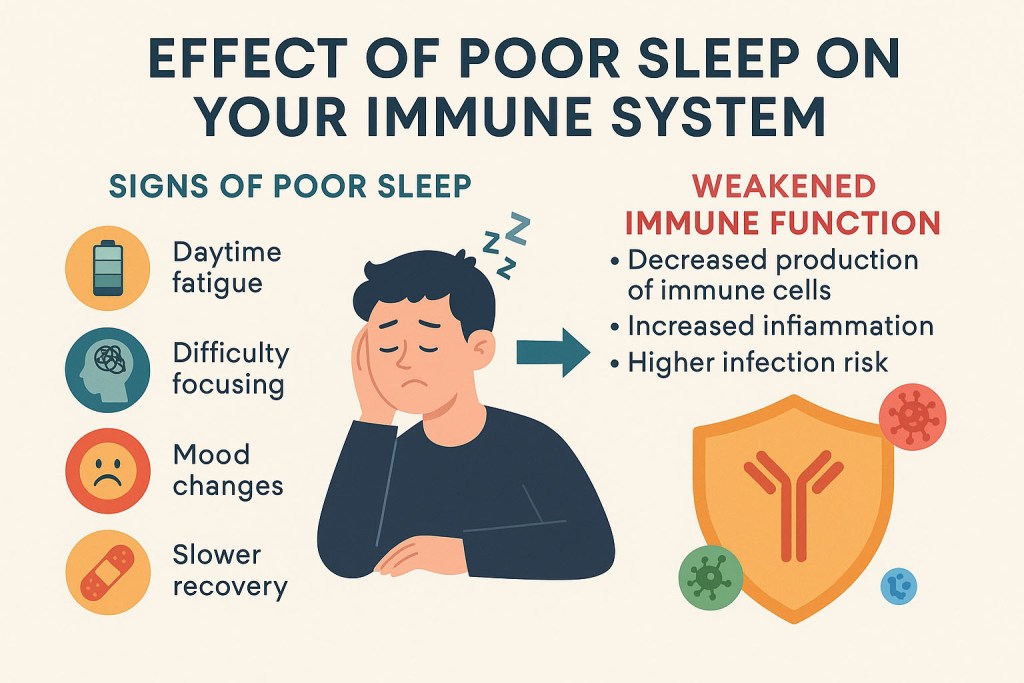
Long-term sleep deprivation has a proven ill effect on the immune system, making us more vulnerable to infection. So, theoretically, if you consistently sleep less than six hours per night, your body generates fewer cytokines and infection-fighting white blood cells, weakening your body’s natural defence.

effect of poor sleep on your immune system

Research indicates that those who sleep normally fewer than the recommended hours a night are much more susceptible to catching colds and other illnesses.

Sleep deprivation also wreaks havoc with the body’s balance of inflammation, resulting in chronic low-grade inflammation, which is harmful in the long term.

Sleep deprivation influences the speed at which the immune system reacts to new infections. Vaccines, for instance, are less effective in individuals who have a poor sleeping pattern since the immune response is compromised. This is particularly relevant in the UK, where seasonal flu, influenza, and other infections strain the healthcare system annually.

Sleep Calculator

Plan your optimal bedtime and wake-up times based on your body’s natural sleep cycles. Wake up refreshed and energized every morning.

Why Use This Calculator?

  • Calculate the ideal bedtime based on when you need to wake up
  • Find the optimal wake-up time based on when you go to bed
  • Work with your body’s natural 90-minute sleep cycles
  • Minimize grogginess and maximize morning energy
  • Based on sleep science research
Use Sleep Calculator

Therefore, the answer to “Does sleep deprivation weaken the immune system?” is a resounding yes, and it is evidence-supported. Sleep deprivation renders your body less efficient at identifying and fighting off invaders and makes you more susceptible to attack.

Real-world situations testify to this. Night shift workers, who usually work nonstandard shifts, have increased infection and illness rates. Likewise, students who stay up all night to study for exams discover that their immunity is low and thus are susceptible to colds.

Poor sleep over the long term typically not only decreases immune function but potentially also raises the risk of inflammatory-linked chronic diseases like diabetes and heart disease.

How Good Sleep Boosts Your Immune System

Having quality sleep has a very positive impact on your immune system. As discussed before, when you get deep sleep, your body increases the production of infection-fighting cells, such as natural killer cells and T-cells, which roam around and destroy harmful viruses and bacteria.

Research also shows that well-rested people have a greater response to vaccines. For instance, people who are well-rested before, during, and after inoculation produce more effective protective antibodies that enable their bodies to develop long-lasting immunity.

can mattress improve sleep and immune systen

Chronic inflammation, which accompanies poor sleep, harms tissue and breaks down immune defences. Proper rest keeps inflammation at bay, which promotes general health.

If you find it hard to get a good night’s sleep, it’s about time you invest in a good quality and comfortable mattress. Luxe Mattresses is all about creating mattresses that are specifically crafted for maximum comfort and support, which lead to longer deep sleep cycles. A better mattress will most likely provide you with the good sleep your immune system requires to operate at its best.

Good sleep also helps with mental health. Mind.org.uk discusses that poor sleep can worsen anxiety and depression, which can reduce immune response. In contrast, quality sleep enhances the mind and body.

Check out this article to learn how your mattress can impact mental health and stress levels.

In a nutshell, we can say that sleeping is the strongest natural way of increasing your immune system, reducing the risk of illness, and aiding in recovery.

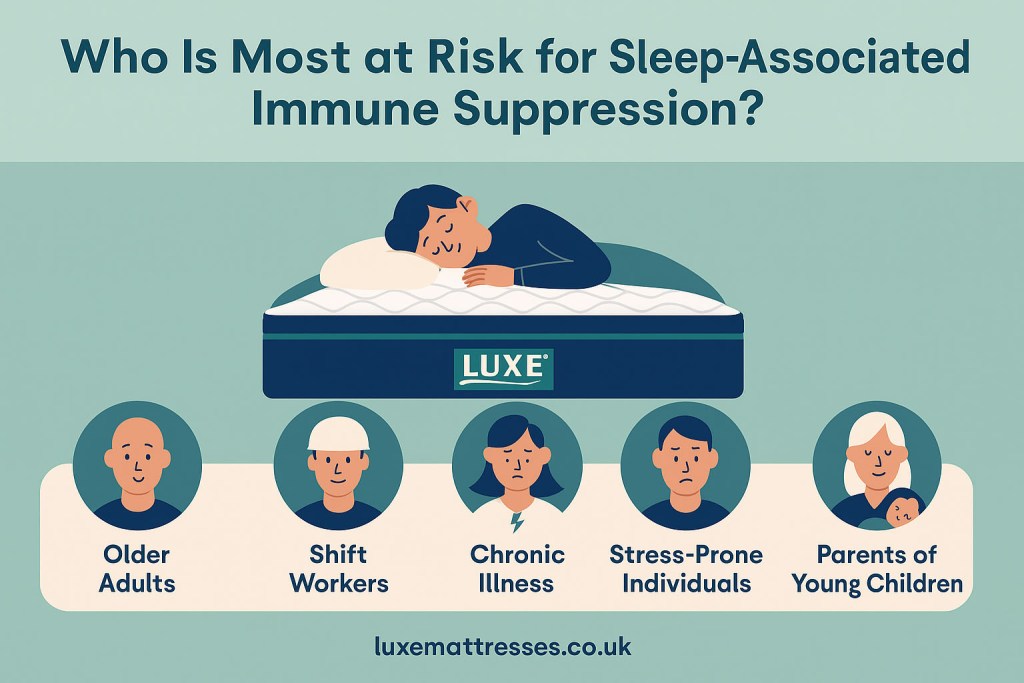
Who is most at risk for sleep-associated immune suppression?

who is most at risk for sleep associated immune suppression

People often underestimate sleep affect on immune system, the Certain groups are particularly vulnerable to weakened immune systems due to insufficient sleep. They include shift workers whose sleep patterns are interrupted, which influences their immune system and predisposes them to infections and slower healing.

Students, especially during examination periods, lose sleep, weakening their immunity. The older people also experience alterations in sleeping behaviors and immunity naturally, making them susceptible to sickness if there is not good quality sleep.

Patients with chronic illness also sleep poorly and struggle with immunity. Diabetes or heart disease is exacerbated by sleep deprivation, contributing to a spiralling effect on health.

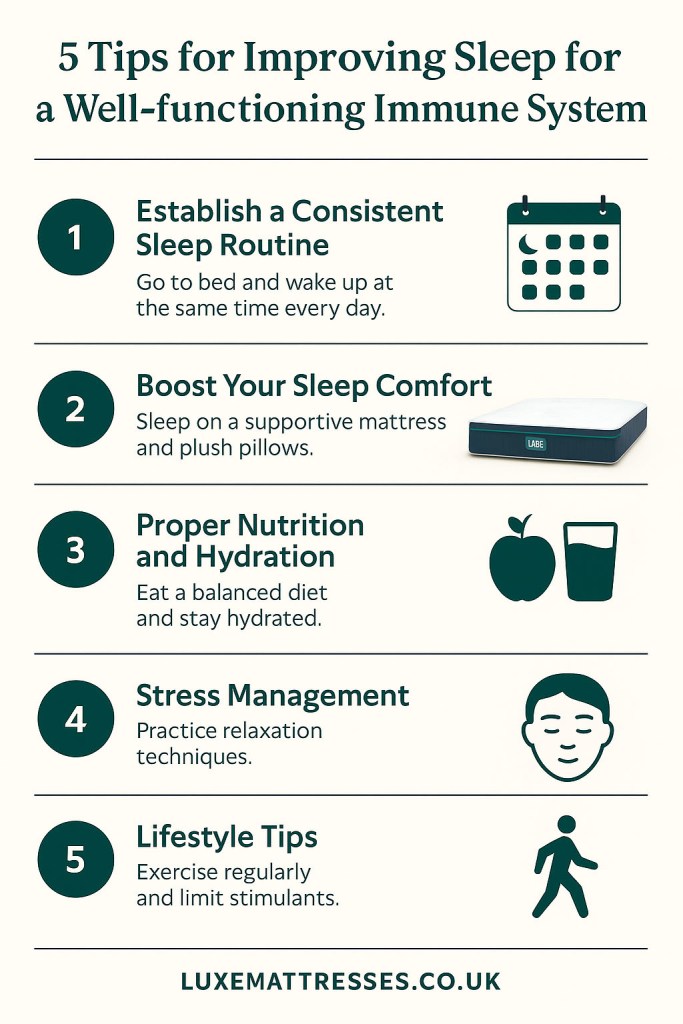
5 Tips for Improving Sleep for a Well-functioning Immune System

tips for improving sleep and immune system

Establish a Consistent Sleep Routine

One of the easiest things to do to strengthen your immune system is to maximise the quality of your sleep. Establishing a regular sleep routine synchronises your body’s internal rhythm so that you sleep more soundly. Rising and retiring at the same time every day, weekends included, instills a rhythm that is immune-friendly.

Boost Your Sleep Comfort

Your sleeping arrangement matters. Having a good mattress, like the Majestic 9000, to support the body to avoid pains and facilitate uninterrupted sleep is very important. Keeping the room cool, dark, and quiet also facilitates deep sleep. 

Choosing the right mattress firmness can also help reduce snoring and sleep apnea symptoms; learn more about this in can a firm mattress help with snoring and sleep apnea?.

Proper Nutrition and Hydration

Sleep and immunity are also affected by nutrition and hydration. Avoid heavy meals, caffeine, and alcohol close to bedtime as they disrupt sleep patterns. A proper diet rich in minerals and vitamins supports sleep and immunity.

Stress Management

Stress needs to be managed as stress upsets the quality of sleep. Techniques like meditation, mindfulness, or even deep breathing can calm the mind during the night, and the individual will be able to sleep comfortably. According to NHS reports, reducing stress improves sleep as well as immunity.

Lifestyle Tips

Cutting down on screen time at bedtime is another big step. Blue light emitted from screens will delay the release of melatonin, the hormone that makes your body sleep. It doesn’t take radical lifestyle adjustments to make these changes. Small, persistent habits can be a big sleep quality booster.

The Takeaway Message

Sleep is the key to a robust immune system. When you priorities restorative sleep with better habits and a quality mattress like the Majestic 9000 or Luxe Nova Hybrid Mattress, you enhance your body’s natural protection. Remember: better sleep means better immunity, so invest in rest to protect your health from what lies ahead.

FAQs

How does sleep affect the immune system?

Sleep promotes the growth of infection-fighting cells and also maintains inflammation in check, thus making your immune system stronger.

Does lack of sleep weaken the immune system?

Yes. Sleep deprivation over time depresses immune cell function and raises the risk of infection.

What are the most effective methods to enhance immunity while sleeping?

You should adhere to a regular sleeping pattern, establish a sleeping environment, control stress, and refrain from taking stimulants close to bedtime.

How many hours should I sleep to maintain a healthy immune system?

Most adults need 7″9 hours of quality nighttime sleep for optimal immunity.

Can stress affect sleep and immunity as well?

Yes, definitely. Stress interferes with sleep and also directly impairs immune functions.

Are there superior mattresses for immune health?

Supportive beds that permit deep, uninterrupted sleep, such as Luxe Mattresses, contribute to enhanced immune function.

Can a Firm Mattress Help with Snoring and Sleep Apnea?
February 26, 2026

Can a Firm Mattress Help with Snoring and Sleep Apnea?

If you or someone you know snores loudly or struggles with sleep apnea, you’ve probably tried all kinds of things mouth guards, nose strips, humidifiers, or even switching sleep positions. But one thing many people forget about is their mattress.

Could switching to a firm mattress actually help with snoring or sleep apnea? Or is that just another sleep myth? Let’s break it down in simple terms and see what the research says.

What Are Snoring and Sleep Apnea?

Before we talk about mattresses, let’s first understand what these sleep issues are.

Snoring

Snoring is the noise made when air can’t move freely through your nose or throat while you sleep. This causes the tissues in your airway to vibrate, creating that familiar rumbling sound. Snoring can be harmless, but in some cases, it’s a sign of a blocked or narrow airway.

Sleep Apnea

Sleep apnea is more serious. It happens when your breathing stops and starts repeatedly during the night. The most common type is called obstructive sleep apnea (OSA). It happens when the muscles in your throat relax too much and block your airway. Signs include:

  • Loud snoring
  • Gasping or choking while sleeping
  • Feeling tired after a full night’s sleep
  • Dry mouth or headaches in the morning

Sleep apnea is linked to serious health issues like high blood pressure, heart disease, and even stroke. That’s why it’s important to take it seriously.

Can Mattress Firmness Help?

You might be wondering what your mattress has to do with breathing. A lot, actually. The firmness of your mattress affects how your body is aligned while you sleep. And body position plays a big role in keeping your airways open.

1. Firmness Affects Sleep Position

If your mattress is too soft, you might sink in too much. This can make your chin tilt down toward your chest or your spine curve in a way that blocks airflow.

rock hard mattress or extra firm mattress, on the other hand, might not let your shoulders and hips sink in at all. This can also throw off your body alignment, putting pressure on your neck and back.

That’s why many sleep experts recommend a medium-firm mattress. It offers just the right balance of support and comfort, helping you maintain good posture while you sleep.

2. Sleep Position Matters Too

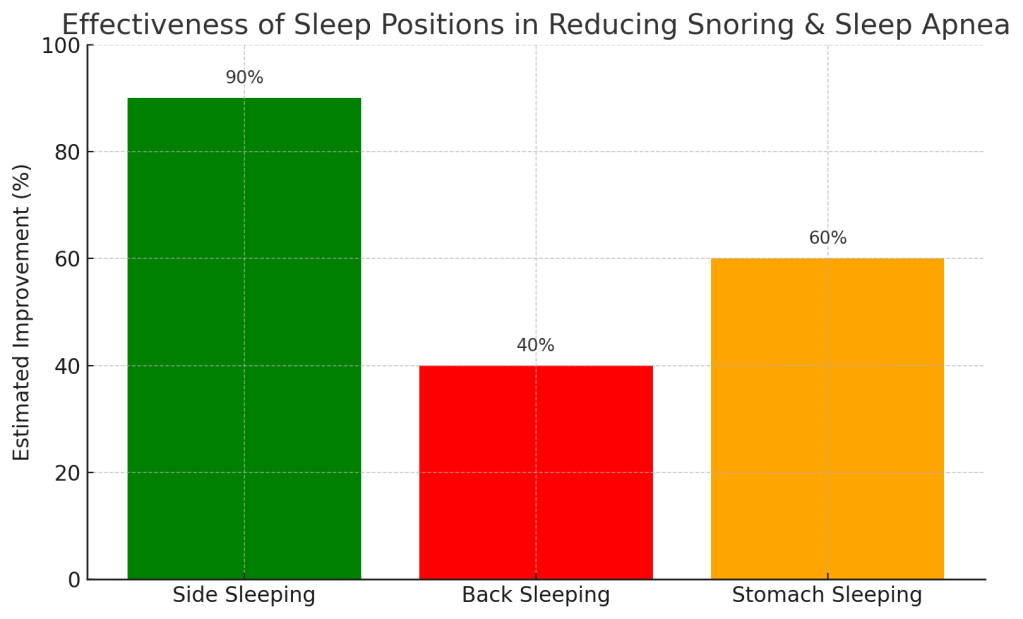
Different sleeping positions affect snoring and sleep apnea in different ways. Here’s how mattress firmness plays a part:

effectiveness of sleep positions in reducing snoring and sleep apnea
  • Back sleepers: You’re more likely to snore or have apnea if you sleep on your back. A soft mattress can let your head tilt backward, causing the tongue to fall back and block the airway. A firm mattress or back support mattress may help keep your spine and neck aligned better.
  • Side sleepers: This is usually the best position for snoring and apnea. But a rock hard mattress might create pressure on your hips and shoulders, making side sleeping uncomfortable. That might cause you to roll onto your back, which can make symptoms worse.

So, while firmness is important, it really depends on how you sleep. The best firm mattress for you is one that supports your favorite sleep position without causing pressure or discomfort.

What Does Science Say?

Several studies and sleep experts agree on a few key points:

A. Spinal Alignment Is Key

When your spine is properly aligned, your airway stays more open. A sagging mattress or poor sleeping posture can bend your neck or back in ways that reduce airflow. A firm mattress or one with zoned supporthelps maintain better alignment, especially if paired with the right pillow.

B. Side Sleeping Helps with Sleep Apnea

Research shows that side sleeping reduces the severity of sleep apnea in many people. A 2014 study in the journal Sleep and Breathing found that people with positional apnea improved just by sleeping on their side. A mattress that supports side sleeping firm enough for support, but soft enough for comfort is ideal.

C. Mattress and Pillow Work Together

Even the best firm mattress won’t help if your pillow doesn’t support your neck correctly. Your mattress and pillow should work as a team to keep your head, neck, and spine in a straight line.

When Can a Firm Mattress Help?

Let’s make it simple. A firm mattress can help if:

  • You sleep on your back and your soft mattress causes your head to sink too far in.
  • You’re heavier and need extra support so your body doesn’t sag.
  • You wake up with back or neck pain, which can affect your breathing too.

On the other hand, a firm or rock hard mattress might not help if:

  • It’s so hard that side sleeping becomes uncomfortable.
  • It causes pressure points that wake you up often.
  • It doesn’t work well with your pillow, making your head tilt at an odd angle.

What Should You Look for in a Mattress?

If you’re trying to reduce snoring or ease sleep apnea, here’s what to look for:

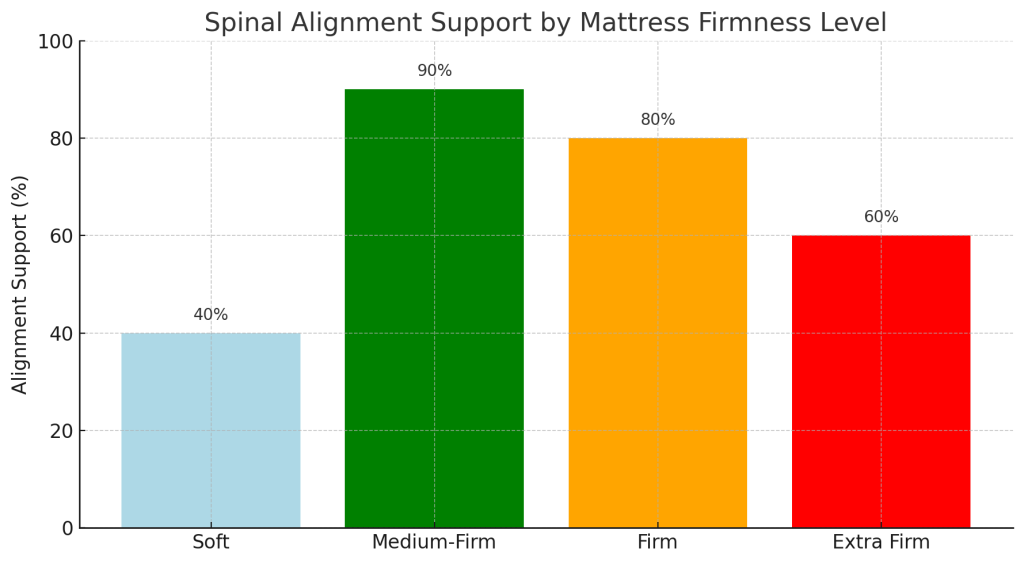
spinal alignment support by mattress firmness level

1. Medium-Firm Feel

This is often the sweet spot. It keeps your spine straight without being too stiff. It also helps with comfort if you sleep on your side.

2. Zoned Support

Some newer mattresses have firmer zones under the hips and softer zones under the shoulders. This helps keep your spine in line and can improve breathing posture.

3. Memory Foam or Latex

These materials are good at contouring to your body, reducing pressure points. They also support even weight distribution, which is helpful for side sleepers.

4. Adjustable Bed Base

If you have moderate to severe apnea, try pairing your firm mattress with an adjustable base. Raising your head 30“45 degrees can help keep your airway open and reduce snoring.

Other Tips to Improve Sleep and Breathing

A new mattress helps, but it’s not a complete cure. Try these tips too:

  • Sleep on your side: It’s the best position to reduce snoring and apnea.
  • Lose weight if needed: Extra weight around your neck can narrow your airway.
  • Avoid alcohol before bed: It relaxes throat muscles, making snoring worse.
  • Try nasal strips: If you’re congested, they can help open up your nose.
  • Use a CPAP machine: If you’ve been diagnosed with sleep apnea, this is the most effective treatment.

Conclusion

firm mattress won’t magically cure snoring or sleep apnea, but it can make a big difference especially if it helps keep your spine straight and supports side sleeping.

For many people, a medium-firm mattress is the best choice. It gives enough support to avoid sagging but is soft enough to prevent pressure and discomfort. When paired with the right pillow and sleeping position, it can help keep your airway open so you breathe better at night.

If you think you might have sleep apnea or your snoring is out of control, it’s best to talk to a doctor. But don’t ignore your mattress. Sometimes, the path to better sleep is right beneath you.

FAQs

Can a firm mattress stop snoring?

Not completely, but it can help. A firmer surface may improve your head and neck position, which can reduce snoring caused by poor alignment.

Is a soft or firm mattress better for sleep apnea?

Most people do best with a medium-firm mattress. Too soft or too hard can both mess with your posture and breathing.

Does sleeping on your back make sleep apnea worse?

Yes. Back sleeping often leads to more snoring and apnea. Side sleeping is better, and the right mattress makes that easier.

Can an adjustable bed help with apnea?

Definitely. Raising the head of the bed helps keep the airway open, which is especially useful for moderate to severe sleep apnea.

How do I know if my mattress is the problem?

If your symptoms started after getting a new mattress or only happen in certain sleep positions, your mattress might be the cause. Try a mattress topper or experiment with sleeping angles to see if things improve.

Reference resources

https://thebeddingmart.com/blogs/news/how-your-mattress-can-influence-snoring-and-sleep-apnea

https://megafurniture.sg/blogs/articles/best-mattress-for-snoring-sleep-apnea?srsltid=AfmBOoplVEUS3rn061k6LSjfuwjrhA3G_GOmpcnTCU5M9Kfkh61HRHoO

https://www.okoa.org/articles/sleep-soundly-mattress-choice-snoring-treatment

https://mysleepwell.com/blog-details/the-connection-between-mattress-comfort-and-sleep-apnea-rest-easy-with-the-right-support/277

Is Your Mattress Worsening Your Sleep Apnea
January 27, 2026

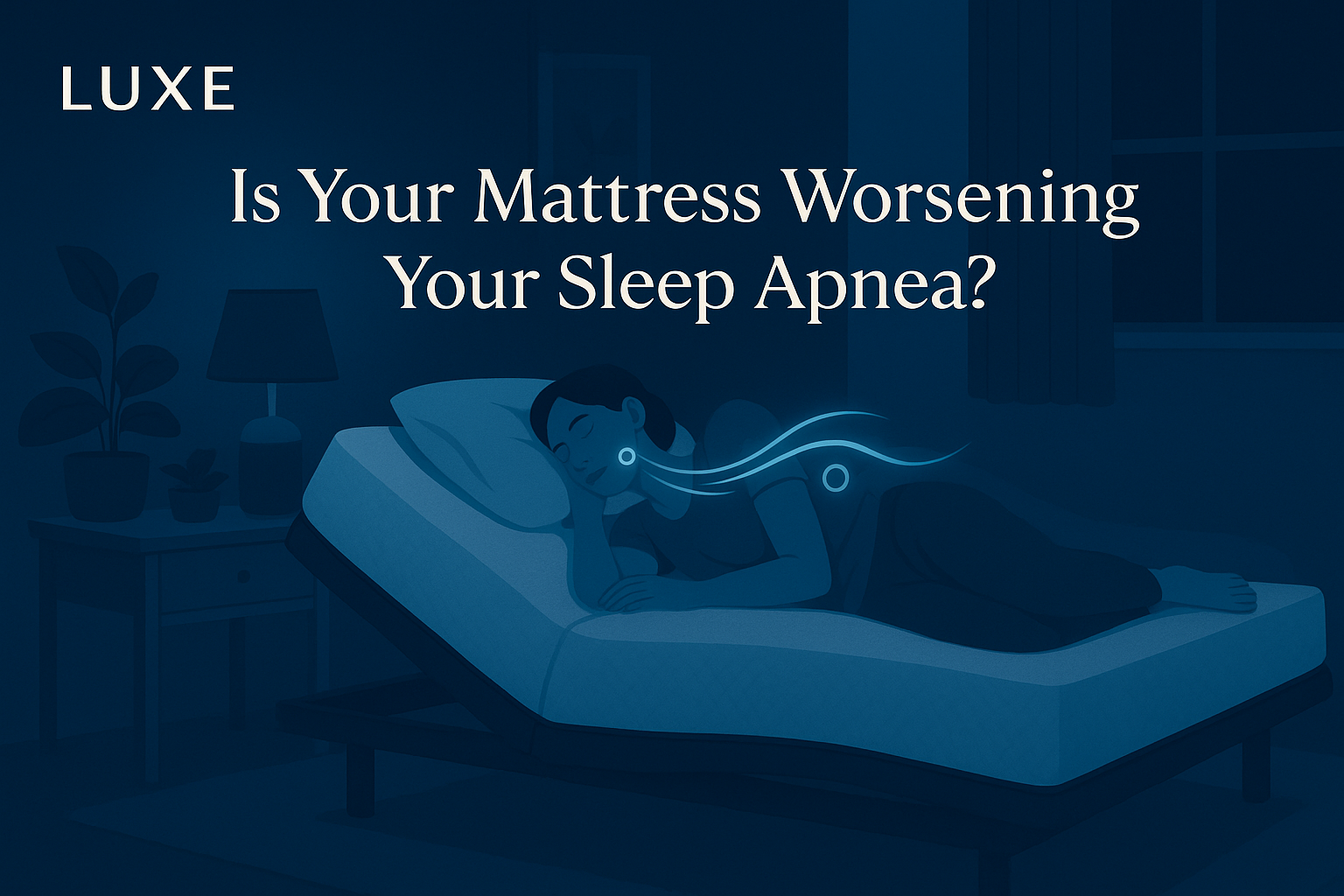
Is Your Mattress Worsening Your Sleep Apnea?

Your mattress choice can significantly worsen sleep apnea symptoms by disrupting spinal alignment and airway positioning, with soft sagging models causing throat collapse while overly firm ones strain neck posture reducing airflow up to 50% per studies.

Medium-firm memory foam or hybrid mattresses promote neutral spine support, optimal head elevation, and side/stomach sleeping (proven to cut apnea events), unlike 7-10-year-old beds that lose firmness and trap heat, exacerbating snoring and awakenings.

Understanding the Hidden Connection

Sleep apnea, especially the most widespread form of obstructive sleep apnea, extends far beyond the stereotype of loud snoring or feeling drowsy during the day. It is a serious chronic health condition where the airway collapses intermittently through the night, interrupting breathing and robbing the body of essential oxygen.

Although continuous positive airway pressure (CPAP) machines are widely recognised as the frontline defense, there’s an equally critical yet often overlooked player in the battle for better sleep: your sleep environment. Surprisingly one of the biggest influences may be lying right beneath your mattress.

How Mattresses Can Affect Sleep Apnea

1. The Critical Role of Sleeping Position

How you sleep, not just how long can be the difference between restful slumber and a night of restless shallow breathing.When you lie flat on your back, gravity does its worst: the tongue and soft tissues drift backwards, obstructing your airway and intensifying apneic episodes. Side sleeping, however, offers a natural advantage by keeping airways more open and stable.

Investing in a mattress designed to support lateral sleeping like a medium-firm memory foam can significantly ease the burden.

2. Why Elevation and Adjustable Bases Matter

Think about how propping yourself up with an extra pillow eases congestion during a cold. The same principle applies to sleep apnea.

Elevating the head while sleeping can dramatically reduce airway blockages. An adjustable bed base, when paired with a responsive mattress, offers personalised elevation that can enhance breathing quality, lower apneic incidents and provide all-around comfort .

3. Mattress Firmness: The Unsung Hero of Better Sleep

Soft plush mattresses may feel indulgent at first but they often fail to provide the structural support your body needs through the night.

When the spine falls out of alignment, which happens easily on a mattress that’s too soft, airway collapse becomes more likely, compounding sleep apnea symptoms.

Medium-firm mattresses tend to hit the sweet spot, balancing support with comfort to encourage better posture and easier breathing.

How to Choose the Right Mattress: Practical Tips

Finding the right mattress isn’t just about luxury; it could be a serious health decision if you’re managing sleep apnea. Keep these priorities in mind:

  • Opt for Medium-Firm Support: Critical for spinal alignment and airway stability.
  • Consider Adjustable Bases: Allow flexible elevation adjustments to find your ideal breathing position.
  • Ensure Compatibility with CPAP Equipment: Some mattress and bed setups integrate better with CPAP machines making nightly use more convenient and effective.

Curious about creating the ultimate sleep environment? Check out this full guide on improving your sleep hygiene on the Sleep Foundation website.

Consultation and Personalised Advice

Of course, even the perfect mattress can’t replace expert medical guidance. Consulting with a sleep specialist can help diagnose the severity of your condition, tailor treatments like CPAP therapy and finetune lifestyle changes that support better rest.

When combined, the right sleep surface and professional advice can transform not only how you sleep but how you live every day.

Conclusion

Your mattress plays a far bigger role in managing sleep apnea than most people realise. Poor support, sagging surfaces, and improper firmness can worsen airway collapse, disrupt spinal alignment, and intensify snoring and breathing interruptions throughout the night. Choosing a medium-firm mattress, ideally paired with elevation or an adjustable base, helps maintain a neutral spine, supports side sleeping, and promotes better airflow. While medical treatments remain essential, upgrading your sleep surface is a powerful, often overlooked step toward fewer apnea events, deeper rest, and healthier sleep overall.

FAQs

Can a mattress affect sleep apnea?

Yes, mattresses impact sleep apnea by influencing spinal alignment and airway position soft ones cause sinking that collapses airways, while medium-firm hybrids reduce obstruction by 50% in studies.

What causes sleep apnea to suddenly worsen?

Sudden worsening stems from weight gain, alcohol use, allergies, aging, or mattress degradation (sagging after 7 years), all narrowing airways and spiking AHI events overnight.​

Can your bed cause sleep apnea?

Your bed doesn’t cause apnea but worsens it via poor support too-soft surfaces misalign the neck, increasing collapse risk by 30-40%; firm hybrids promote open airways.

Is a firm mattress better for sleep apnea?

Medium-firm is optimal over extreme firmness, providing contouring without sinkage; memory foam or latex hybrids cut symptoms best by maintaining neutral spine and breathability.

What is the 3% rule for sleep apnea?

The 3% rule defines apnea severity: AHI under 5 (normal), 5-15 (mild), 15-30 (moderate), 30+ (severe), measuring hourly breathing pauses with 3-4% oxygen drops.

August 28, 2025

How to Choose a Mattress if You Have Sleep Apnea?

Sleep apnea is a sleep disorder where breathing pauses during the night, leaving you restless and drained by morning. While medical care is essential, the mattress you choose can make a big difference in how well you rest.

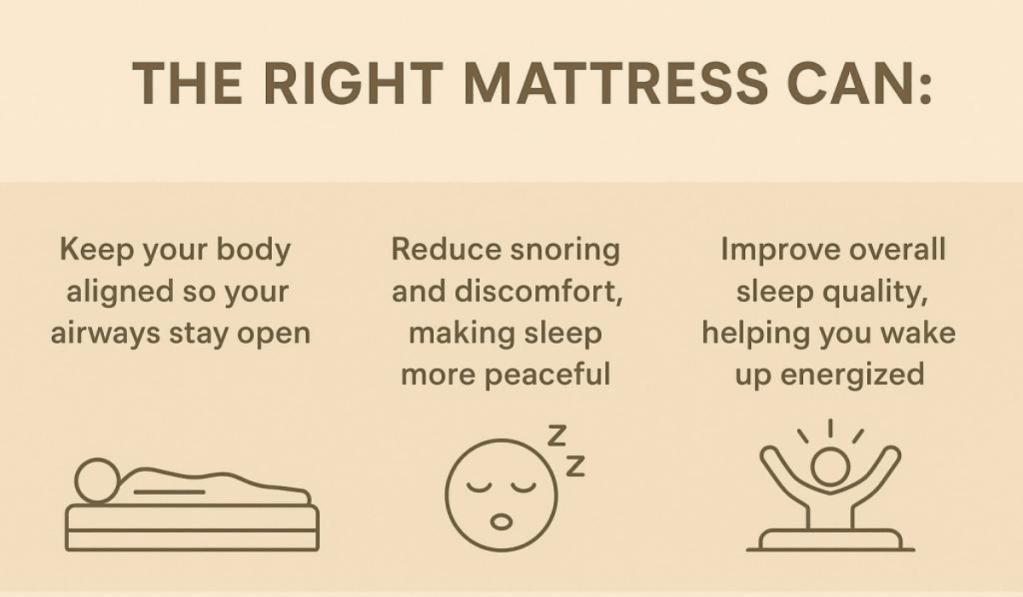
The right mattress can:

  • Keep your body aligned so your airways stay open.
  • Reduce snoring and discomfort, making sleep more peaceful.
  • Improve overall sleep quality, helping you wake up energized.

Think of your mattress as a partner in better sleep. If it supports your body the right way, you’ll not only breathe easier but also feel more comfortable throughout the night. The wrong mattress, on the other hand, can make symptoms worse, leaving you tossing and turning. In this blog, we’ll share simple and practical tips to help you find the best mattress for sleep apnea so you can finally enjoy restful, refreshing nights.

Understanding Sleep Apnea and Sleep Needs

Sleep apnea happens when your breathing repeatedly stops and starts while you sleep. This can leave you feeling tired, groggy, and restless, even after a full night in bed. The good news is that small changes like choosing the right mattress can help reduce discomfort and make breathing easier.

Here’s why it matters:

  • Airway Support: A mattress that keeps your spine and neck properly aligned helps keep your airways open.
  • Sleeping Position: Side sleeping is often the best for sleep apnea, and the right mattress can make this position more comfortable.
  • Better Rest: When your body is supported, you’re less likely to wake up from snoring, tossing, or breathing pauses.

By understanding how sleep apnea affects your body, you can make smarter choices. The right mattress won’t cure sleep apnea, but it can make a real difference in how well you rest every night.

Key Points to Look For in the Right Mattress

Choosing the right mattress for sleep apnea can feel confusing, but focusing on a few important features makes it much easier. Here are the key points to look for:

  1. Cooling Technology – Overheating at night can make sleep apnea worse. Mattresses with cooling materials or breathable designs help you stay cool and comfortable for deeper rest.
  2. Firmness Level – A medium-firm mattress is usually the best choice because it gives your body enough support while still being comfortable. It helps keep your spine in a natural position, which makes breathing easier during the night.
  3. Support & Alignment – A good mattress keeps your spine, neck, and head aligned. When your body is properly supported, your airways stay more open, reducing snoring and pauses in breathing.
  4. Pressure Relief – Look for a mattress that reduces pressure on your shoulders, hips, and back. This prevents discomfort, especially for side sleepers, while still keeping your body supported.
  5. Motion Isolation – If you share your bed, choose a mattress with strong motion isolation. This way, your partner’s movements won’t disturb your sleep or affect your breathing rhythm.

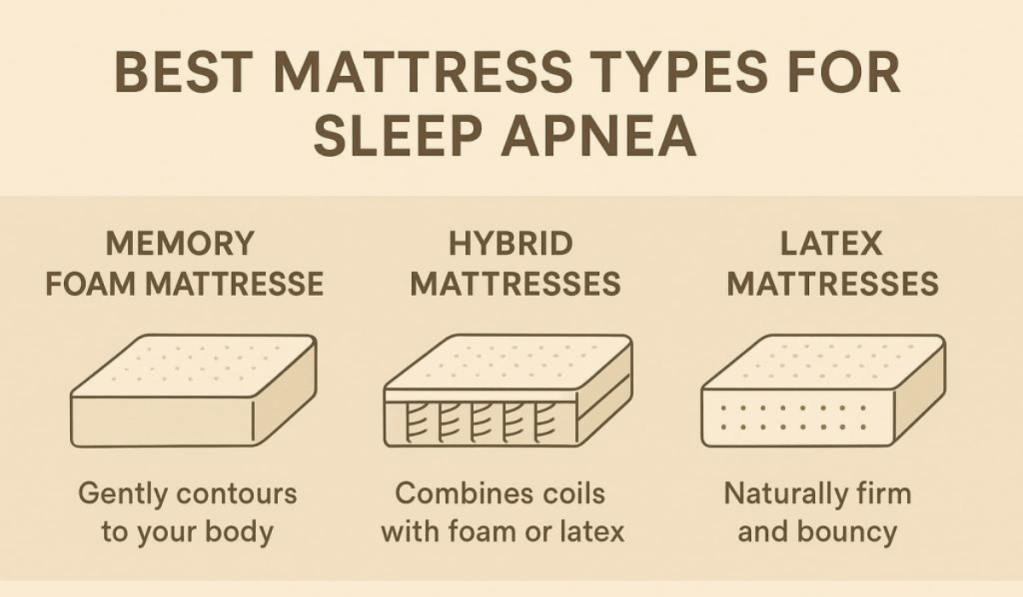
Best Mattress Types for Sleep Apnea

Not all mattresses are made the same, and if you have sleep apnea, some work better than others. The goal is to find a mattress that keeps your body supported, your airways open, and your sleep as comfortable as possible. Here are the top mattress types to consider:

  1. Memory Foam Mattresses

    Memory foam gently contours to your body, giving you personalized support. This helps keep your spine and neck aligned, which is important for easier breathing. It also reduces pressure points, making side sleeping (the best position for sleep apnea) more comfortable.
  2. Hybrid Mattresses

    A hybrid mattress combines the support of coils with the comfort of foam or latex. This balance gives you both firmness and cushioning, which helps with proper alignment while still feeling soft enough to relax into.
  3. Latex Mattresses

    Latex mattresses are naturally firm yet bouncy, offering responsive support. They are also cooling, which helps prevent overheating at night a common issue for people with sleep apnea.
Mattress Guide for Sleep Apnea: Types, Firmness & Benefits
Mattress Type Ideal Firmness Key Benefits for Sleep Apnea Best For (Positions) Notes
Memory Foam Medium-firm Contours for spinal/neck alignment; strong motion isolation Side & back sleepers Choose cooling foams to prevent heat build-up
Hybrid (Coils + Foam/Latex) Medium to medium-firm Balanced support + pressure relief; better airflow All positions; great for couples Look for zoned support for shoulders/hips
Latex Medium to medium-firm Responsive support keeps airway aligned; naturally cooler Side & combo sleepers Good bounce; consider softer top if you’re lighter-weight
Innerspring Medium-firm with plush topper Elevated support; breathable construction Back & combo sleepers Add a foam/latex topper for pressure relief
Adjustable Base (paired with mattress) — Head elevation can reduce snoring and airway collapse Back sleepers; CPAP users Confirm mattress is adjustable-base compatible

Each of these options has its own strengths, so the best choice depends on your comfort preference and sleeping style. What matters most is finding the one that helps you breathe and rest better every night.

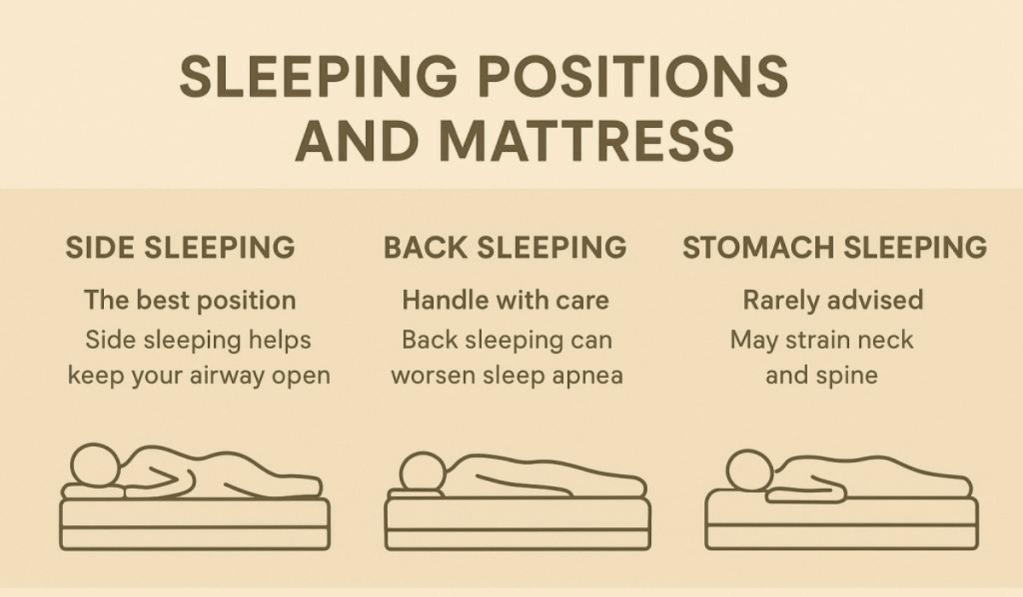
Sleeping Positions and Mattress

The way you sleep has a big impact on sleep apnea, and your mattress plays a huge role in supporting your preferred position. Choosing the right combination can make breathing easier and give you more restful nights.

  • Side Sleeping – The Best Position
    Sleeping on your side is usually the most recommended for sleep apnea. This position keeps your airway more open and reduces the chances of snoring or pauses in breathing. A mattress with good pressure relief, like memory foam or a hybrid, makes side sleeping comfortable by supporting your shoulders and hips.
  • Back Sleeping – Handle with Care
    Lying on your back often makes sleep apnea worse because gravity can push your tongue and soft tissues toward the airway. However, if you prefer this position, an adjustable bed or mattress that elevates your head can make a big difference. Elevation helps reduce airway blockage and improves airflow.
  • Stomach Sleeping – Rarely Advised
    While sleeping on your stomach can sometimes reduce snoring, it puts strain on your neck and spine. Most people find it uncomfortable in the long run. If you do sleep this way, a softer mattress may reduce pressure points.

The right mattress supports your natural sleep position, helping you breathe easier and rest better.

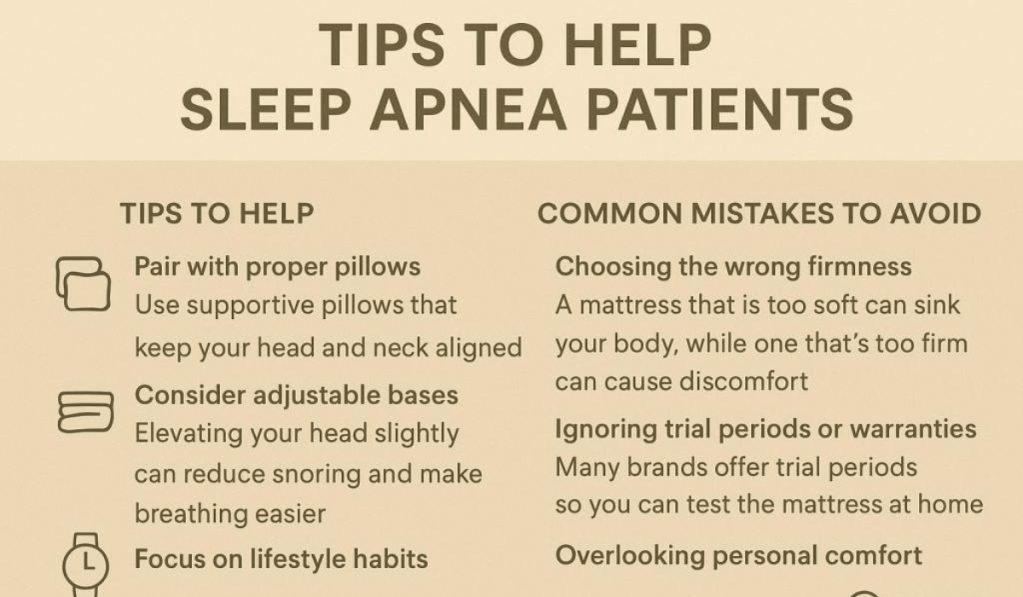
Tips for Sleep Apnea Patients

  1. Pair with Proper Pillows: Use supportive pillows that keep your head and neck aligned to help keep your airway open.
  2. Consider Adjustable Bases: Elevating your head slightly can reduce snoring and make breathing easier.
  3. Invest in Breathable Bedding: Choose lightweight, cooling sheets and blankets to stay comfortable throughout the night.
  4. Focus on Lifestyle Habits: Maintain a regular sleep schedule, stay active, and avoid heavy meals before bedtime.
  5. Combine Efforts: The right mattress, paired with healthy habits, creates the best environment for restful, refreshing sleep.

Common Mistakes to Avoid

  • Choosing the Wrong Firmness: A mattress that is too soft can sink your body, while one that’s too firm can cause discomfort. Aim for a balance that supports your spine and airways.
  • Ignoring Trial Periods and Warranties: Many brands offer trial periods so you can test the mattress at home. Skipping this option may leave you stuck with a bed that doesn’t work for your sleep needs.
  • Overlooking Personal Comfort: Everyone’s body is different. Don’t just follow trends choose a mattress that feels right for you and helps you breathe and sleep better.

Conclusion

Choosing the right mattress can make a real difference if you have sleep apnea. The right one will support your breathing, keep your body aligned, and help you enjoy deeper, more restful sleep. Remember, there’s no single “perfect” mattress for everyone what matters most is finding the one that feels right for your body and your comfort.

Take advantage of trial periods, test different options, and listen to your body’s response. And while a supportive mattress is a powerful tool, don’t forget that medical guidance is just as important in managing sleep apnea for long-term health.

FAQs

Can a mattress cure sleep apnea?

No, a mattress cannot cure sleep apnea. However, the right mattress can reduce symptoms by keeping your body aligned, improving comfort, and helping you sleep more peacefully.

Is memory foam good for sleep apnea?

Yes, memory foam can be a great choice because it contours to your body and supports proper alignment of the neck and spine. This helps keep your airways more open during sleep.

Do adjustable beds really help with breathing?

Yes, adjustable beds can make a big difference. Elevating your head slightly reduces pressure on your airway, making it easier to breathe and reducing snoring.

What sleeping position is best for sleep apnea?

Side sleeping is usually the best position. It helps keep your airway open and reduces pauses in breathing. Back sleeping can make symptoms worse, while stomach sleeping often causes discomfort.

How long does it take to adjust to a new mattress for better sleep?

It can take anywhere from a few days to a few weeks for your body to adjust to a new mattress. Be patient and give yourself time to experience the full benefits.

Product has been added to your cart